Overview of Dragon Waterfall
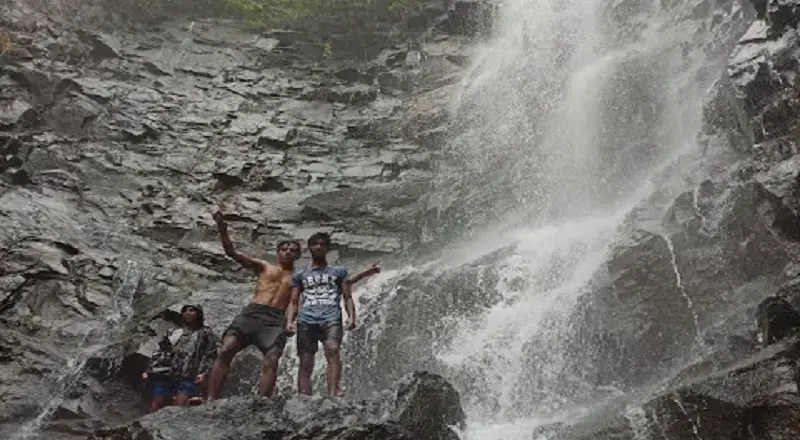
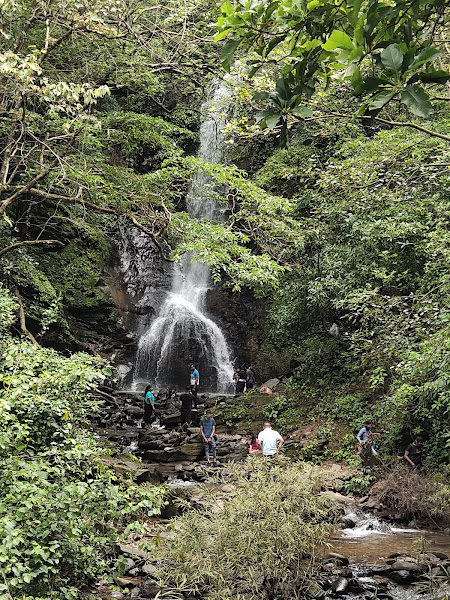
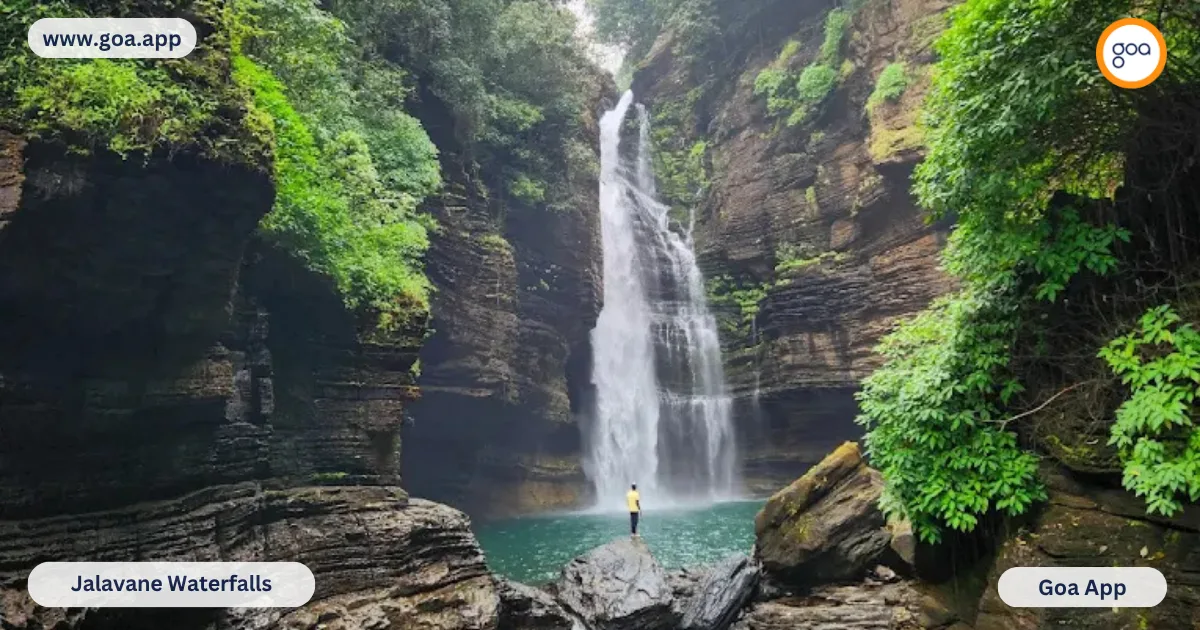
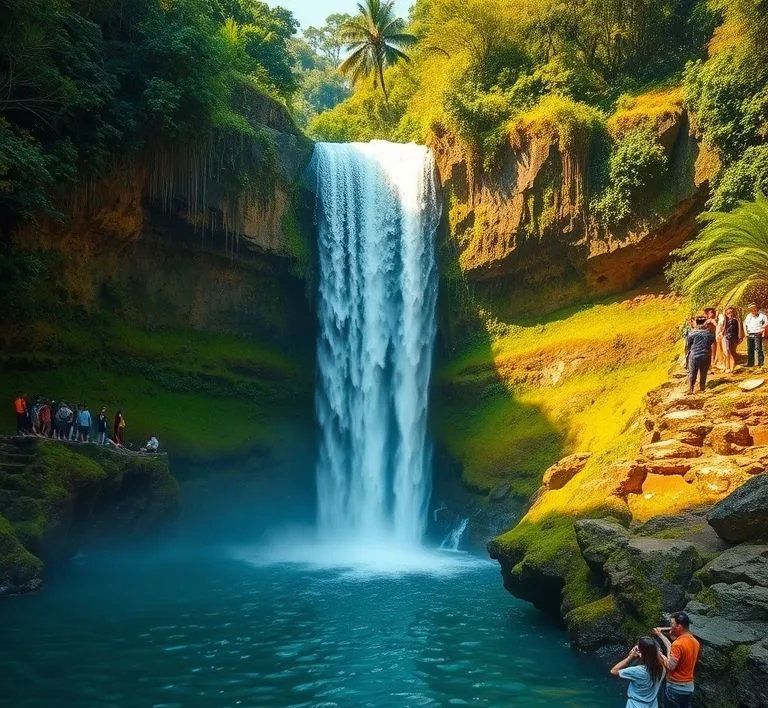
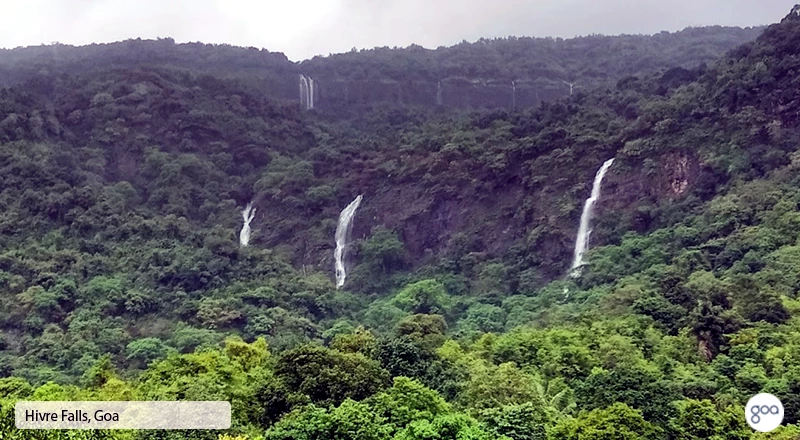
Deep within the verdant embrace of South Goa’s Sanguem taluka lies one of the state's best-kept secrets: the Dragon Waterfall. While the coastal belt of Goa is world-renowned for its sun-kissed beaches and pulsating nightlife, the hinterlands offer a starkly different, ethereal experience. Dragon Waterfall, often referred to by locals as a hidden jewel of the Netravali Wildlife Sanctuary region, is a testament to the raw, untamed beauty of the Western Ghats. The waterfall earns its evocative name from the way the water cascades over jagged, dark basalt rock formations that resemble the scales and spine of a sleeping dragon. As the water plunges into a deep, emerald-green pool below, the mist creates a mystical aura, further cementing its reputation as a legendary spot for nature enthusiasts.
The Dragon Waterfall is not just a destination; it is an immersion into the Sahyadri Mountain Range, a UNESCO World Heritage site known for its incredible biodiversity. Unlike the more commercialized Dudhsagar Falls, Dragon Waterfall remains largely untouched by mass tourism. There are no concrete paths, no bustling kiosks, and no crowds of shouting tourists. Instead, visitors are greeted by the symphony of the jungle—the rhythmic chirping of cicadas, the distant call of the Malabar Whistling Thrush, and the constant, soothing roar of falling water. This site is particularly significant for those seeking "Susegad"—the Goan concept of quiet enjoyment and contentment. It represents the "Green Goa" that many travelers overlook, providing a sanctuary for soul-searching, meditation, and a profound reconnection with the natural world.
Top Goa Experience • Part 1
Highly Recommended Near Dragon Waterfall
Explore All
Geologically, the area around Dragon Waterfall is fascinating. The rocks are part of the ancient volcanic formations that characterize the Deccan Plateau's edge. Over millennia, the persistent flow of the river has carved deep grooves into the stone, creating the unique "dragon-like" aesthetics. The surrounding flora is a mix of tropical evergreen and semi-evergreen forests, where giant creepers dangle from massive teak and terminalia trees. For the professional traveler or the seasoned hiker, Dragon Waterfall offers a rare opportunity to witness a landscape that has remained virtually unchanged for centuries. It is a place where the air is thick with the scent of wet earth and wild orchids, and where every step taken on the mossy forest floor feels like a journey back in time.
How to Reach Dragon Waterfall
Reaching the Dragon Waterfall is an adventure in itself, requiring a blend of driving through scenic Goan villages and a moderate trek through dense forest. The waterfall is located near the village of Vichundrem in the Sanguem region of South Goa. To begin your journey, you must first navigate to the southern part of the state, which is significantly quieter than the north.
Recommended Guide
15 Best Hill Stations Near Goa distance & Travel Tips
Discover the 15 best hill stations near Goa to visit in 2026. Our guide covers distances, trekking trails, and local highlights.
Read Guide →
- By Air: The nearest airport is the Manohar International Airport (Mopa) in North Goa or the Dabolim Airport in Central Goa. From Dabolim, the waterfall is approximately 75 to 80 kilometers away. It is highly recommended to hire a private taxi or rent a self-drive car from the airport, as public transport to the remote corners of Sanguem is infrequent.
- By Rail: The Madgaon Junction (Margao) is the most convenient railway station. Being the biggest railway hub in South Goa, it is well-connected to major cities like Mumbai, Bangalore, and Delhi. From Margao, you can hire a car or take a local bus toward Sanguem or Netravali. The drive from Margao takes about 1.5 to 2 hours.
- By Road: If you are driving from Panjim or Margao, follow the NH66 highway and then take the state roads leading toward Quepem and Sanguem. The route will take you through winding roads flanked by cashew plantations and traditional Goan homes. Look for landmarks like the Sanguem Police Station or the Netravali Wildlife Sanctuary office to ensure you are on the right track.
Once you reach the vicinity of Vichundrem, the road narrows significantly. It is best to park your vehicle at a designated spot in the village or near the forest entry point. From here, the journey continues on foot. It is crucial to hire a local guide from the village, as the trail to Dragon Waterfall is not clearly marked and can be confusing due to the dense undergrowth. Locals know the shortcuts and the safest stream-crossing points, which is vital during the monsoon season when the water levels can rise unexpectedly. The drive to the base is characterized by the sight of Western Ghats peaks looming in the distance, often shrouded in low-hanging clouds, setting the stage for the trek ahead.
Best Time to Visit
Timing is everything when planning a trip to Dragon Waterfall. Because it is a seasonal beauty fed by the rains of the southwest monsoon, the experience varies dramatically depending on the month you choose to visit. To see the waterfall in its full, majestic glory, the monsoon season (June to September) is the undisputed best time. During these months, the Sahyadris are transformed into a vibrant, neon-green paradise. The waterfall flows with immense power, and the "dragon" features of the rocks are accentuated by the heavy volume of water. However, be prepared for heavy downpours, slippery trails, and the presence of forest leeches.
Recommended Guide
Where to Party in Goa? (Ultimate 2026 Nightlife Guide)
Goa is not just a destination—it’s an experience. When the sun sets over the Arabian Sea, the state transforms into India’s ultimate nightlife capita...
Read Guide →
For those who prefer a more balanced experience—where the weather is pleasant and the trek is less treacherous—the post-monsoon period (October to December) is ideal. During this window, the vegetation remains lush and green, but the rains have subsided, making the forest trails easier to navigate. The water in the plunge pool is crystal clear and perfect for a refreshing swim. The humidity is also lower, allowing for a more comfortable hiking experience. This is also the best time for birdwatchers, as many migratory species arrive in the Netravali region during the cooler months.
Visiting during the peak summer (March to May) is generally not recommended if your primary goal is to see a roaring waterfall. By this time, the flow often reduces to a mere trickle, and the surrounding forest can look dry and parched. Additionally, the heat in the Goan hinterlands can be quite intense, making the trek exhausting. If you do visit in late winter or early spring, aim for the early morning hours to avoid the midday sun. Regardless of the season, always check the local weather forecast before heading out, as sudden heavy rains can make the forest streams dangerous to cross even in the shoulder seasons.
Recommended Guide
Water Sports in Candolim Goa | Best Prices, Packages & Booking Guide
Candolim Beach, located in North Goa, is one of the most popular destinations for water sports in Goa. Known for its clean shoreline, less crowded environm...
Read Guide →
Trek Details for Dragon Waterfall
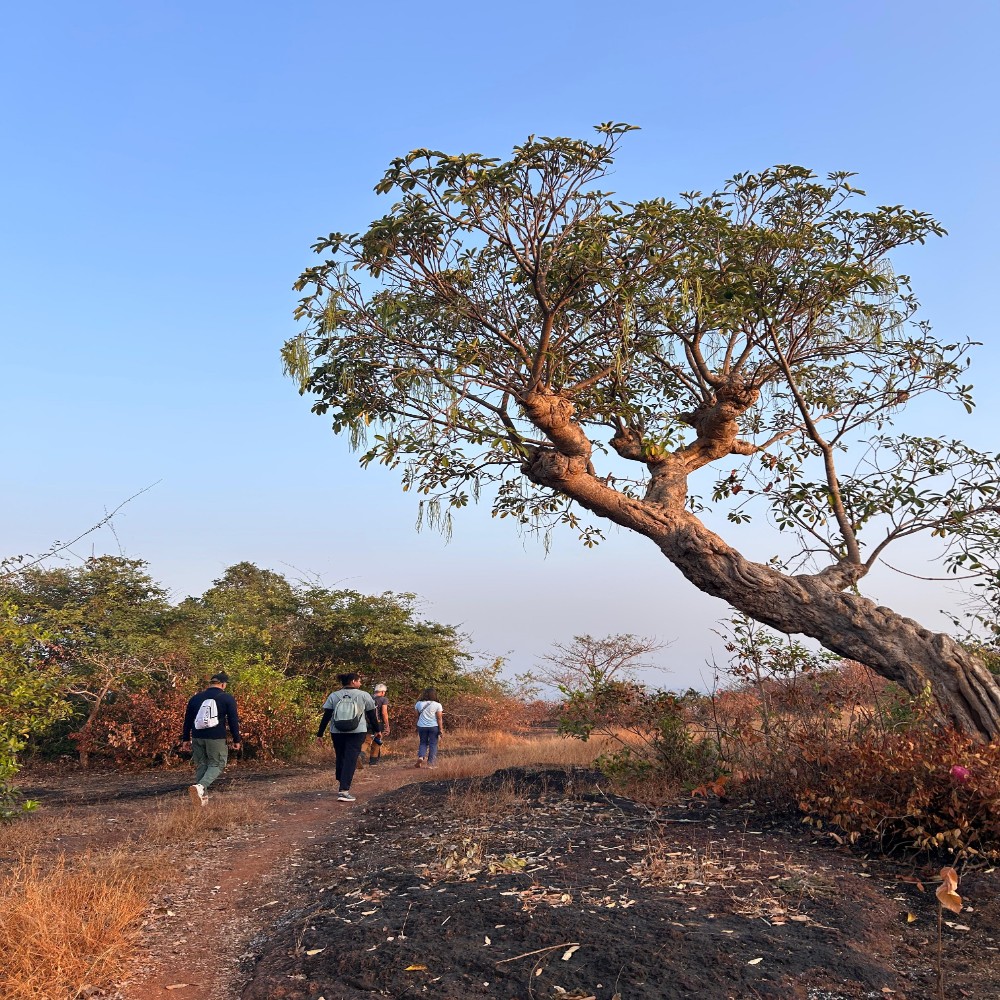
The trek to Dragon Waterfall is classified as moderate, making it accessible to most people with a basic level of fitness. The trail is approximately 2.5 to 4 kilometers long (one way), depending on where you start your walk from the village outskirts. The terrain is a classic Western Ghats landscape: a mix of flat forest floors, rocky inclines, and muddy patches. The trek usually takes about 45 minutes to an hour of steady walking to reach the falls.
Top Goa Experience • Part 2
Highly Recommended Near Dragon Waterfall
Explore All
The journey begins at the edge of the forest, where the canopy quickly closes in overhead, providing a natural shield from the sun. The first section of the trek is relatively easy, following a path used by local villagers to gather forest produce. As you go deeper, you will encounter your first stream crossing. Depending on the time of year, the water might be ankle-deep or knee-deep. It is essential to have sturdy, waterproof trekking shoes with a good grip, as the stones in the stream are covered in slippery algae.
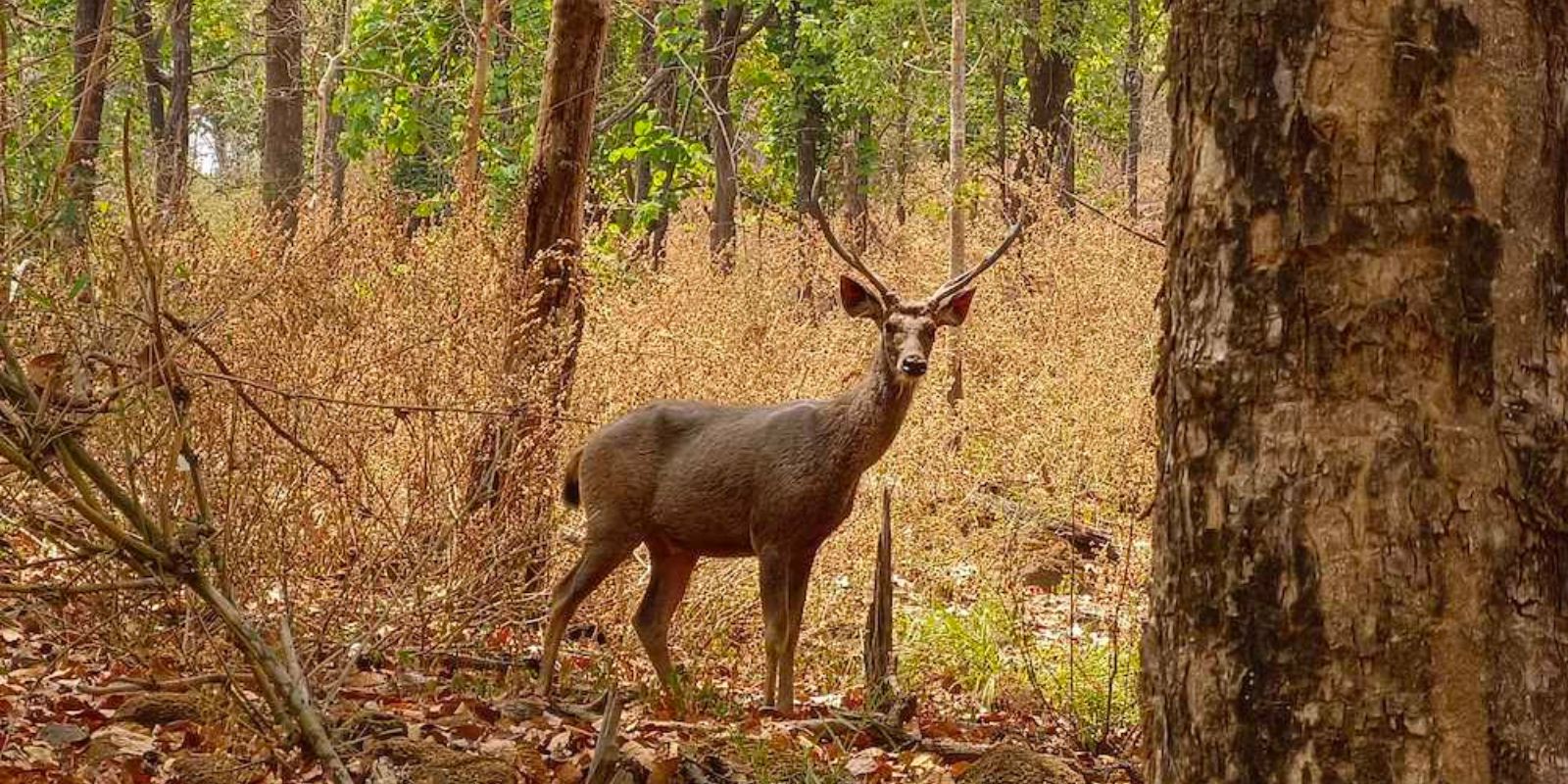
As you progress, the incline increases slightly. You will navigate through thickets of bamboo and past ancient trees with massive buttress roots. Keep an eye out for local wildlife; it is common to see Malabar Giant Squirrels leaping through the canopy or colorful butterflies like the Blue Mormon (the state butterfly of Maharashtra, also common here). The final stretch of the trek involves a descent toward the sound of the crashing water. This part can be quite steep and requires careful foot placement. When the "dragon" finally comes into view through the trees, the sense of accomplishment is overwhelming. The trail ends at the base of the waterfall, where a natural rocky amphitheater surrounds the pool, offering plenty of spots to sit and soak in the view.
Things to Do
While the primary attraction is the waterfall itself, the area around Dragon Waterfall offers a variety of activities for the conscious traveler. The most popular activity is swimming in the natural pool. The water is remarkably pure, filtered by the forest floor and rocks, and provides a cooling respite after the trek. The pool has varying depths, but it is always wise to test the depth with a stick or stay near the edges if you are not a confident swimmer.
- Nature Photography: For photographers, Dragon Waterfall is a dream. The play of light through the canopy, the long-exposure possibilities of the cascading water, and the macro opportunities of rare fungi and insects make it a top-tier location. The dark basalt rocks provide a stunning contrast to the white foam of the waterfall.
- Birdwatching: The Netravali region is a biodiversity hotspot. Bring a pair of binoculars to spot endemic species like the Malabar Grey Hornbill, the Ruby-throated Bulbul (Goa’s state bird), and various species of kingfishers that frequent the forest streams.
- Forest Meditation: The seclusion of Dragon Waterfall makes it an ideal spot for mindfulness. The "white noise" of the waterfall is perfect for meditation or simply sitting in silence to absorb the "forest bathing" (Shinrin-yoku) benefits that the Japanese swear by for health and longevity.
- Picnicking: While there are no benches or tables, the flat rocks near the pool are perfect for a quiet lunch. Remember the golden rule of the forest: Leave No Trace. Ensure every piece of plastic or waste is carried back with you to the village.
Safety Tips
Safety is paramount when venturing into the remote forests of South Goa. The Dragon Waterfall, while beautiful, presents several natural hazards that travelers must respect. First and foremost is the risk of slipping. The rocks around the waterfall are perpetually wet and often covered in moss. A fall here could result in serious injury, and medical help is far away. Always move slowly and use your hands for balance when navigating the rocky sections.
Another common concern in the Goan monsoons is leeches. These small creatures are harmless but can be quite annoying. To prevent leech bites, wear long trousers tucked into your socks and apply a mixture of salt and lemon or specialized leech repellent. If a leech attaches to you, do not pull it off forcefully; instead, use salt or a flame to make it detach naturally. Additionally, be mindful of the weather conditions. Flash floods can occur in the Western Ghats during periods of intense rainfall. If you notice the water turning muddy or the volume increasing rapidly, leave the stream area immediately and move to higher ground.
Since the area is part of a wildlife sanctuary, there is a possibility of encountering snakes or other wild animals. Most snakes in the region, like the Vine Snake or the Checkered Keelback, are non-venomous and shy, but it is best to keep a respectful distance. Always stay on the trek path and avoid sticking your hands into dark crevices. Finally, ensure your mobile phone is fully charged, but do not rely on it for navigation, as network connectivity is non-existent deep in the forest. Inform someone at your accommodation about your itinerary and expected return time.
Nearby Attractions
If you are making the trip to Sanguem for Dragon Waterfall, it is well worth exploring the other natural and historical wonders in the vicinity. The Netravali Wildlife Sanctuary itself is home to several other waterfalls, including the Savari Waterfall and the Mainapi Waterfall. These are equally stunning but require their own dedicated trekking time. Each has its own unique character, with Mainapi being known for its sheer drop and Savari for its multi-tiered flow.
One of the most intriguing nearby spots is the Bubbling Lake (Budbudyanchi Tali), located at the Gopinath Temple in Netravali. This ancient pond is famous for its mysterious bubbles that rise to the surface in response to rhythmic sounds, such as clapping. Scientists believe this is due to subterranean methane deposits, but the local folklore adds a layer of spiritual mystery to the site. It is a peaceful place to visit after your trek.
For those interested in history, the Salaulim Dam is about 30-40 minutes away. This engineering marvel is famous for its unique "Duckbill Spillway," which creates a spectacular sight during the monsoon as water appears to disappear into a giant sinkhole. The botanical garden at the base of the dam is also a lovely place for a stroll. Additionally, the Usgalimal Rock Petroglyphs, located on the banks of the Kushavati River, offer a glimpse into prehistoric Goa. These carvings, dating back to the Mesolithic era, depict animals and human figures and are among the most important archaeological sites in Western India.
Entry Fees & Timings
Accessing Dragon Waterfall typically involves entering the jurisdiction of the Goa Forest Department. While there may not be a specific ticket counter for "Dragon Waterfall" itself, you may need to pay an entry fee at the Netravali Wildlife Sanctuary check-post if your route takes you through the protected area. The fees are usually nominal, around INR 20 to INR 50 per person, with additional charges for cameras and vehicles. It is always better to have small change in cash, as digital payments are unlikely to work in these remote areas.
In terms of timings, the forest is generally open to visitors from 8:00 AM to 5:00 PM. It is highly advised to start your trek as early as possible. Starting at 8:30 AM or 9:00 AM allows you to reach the waterfall before the midday heat and gives you ample time to enjoy the scenery without rushing. It is a strict rule of the forest department—and a safety necessity—to exit the forest before sunset. The jungle becomes incredibly dark very quickly, and navigating the trek path in the twilight is dangerous and increases the risk of getting lost or encountering nocturnal wildlife.
Where to Eat Nearby
The Sanguem and Netravali regions are far removed from the fine-dining culture of North Goa. Instead, you will find authentic, rustic Goan Saraswat and Catholic cuisine. In the village of Netravali or Sanguem town, look for small "Khanavals" or local eateries. These places usually serve a traditional Goan Fish Thali, which includes local parboiled rice, a spicy fish curry (often made with fresh river fish or mackerel), fried fish, vegetable "foogath," and "sol kadi" (a refreshing drink made from kokum and coconut milk).
For a unique experience, try the Ros Omelette from a local street cart in Sanguem town in the late afternoon. It consists of a fluffy omelette drowned in a thick, spicy chicken or chickpea gravy, served with local bread known as "Pao." If you are trekking, it is essential to carry your own snacks—energy bars, nuts, and fruits—and at least two liters of water. There are no shops once you leave the village center. If you arrange your trip through a local homestay, they can often pack a traditional Goan lunch for you, wrapped in banana leaves, which adds a wonderful local touch to your adventure.
Accommodation Nearby
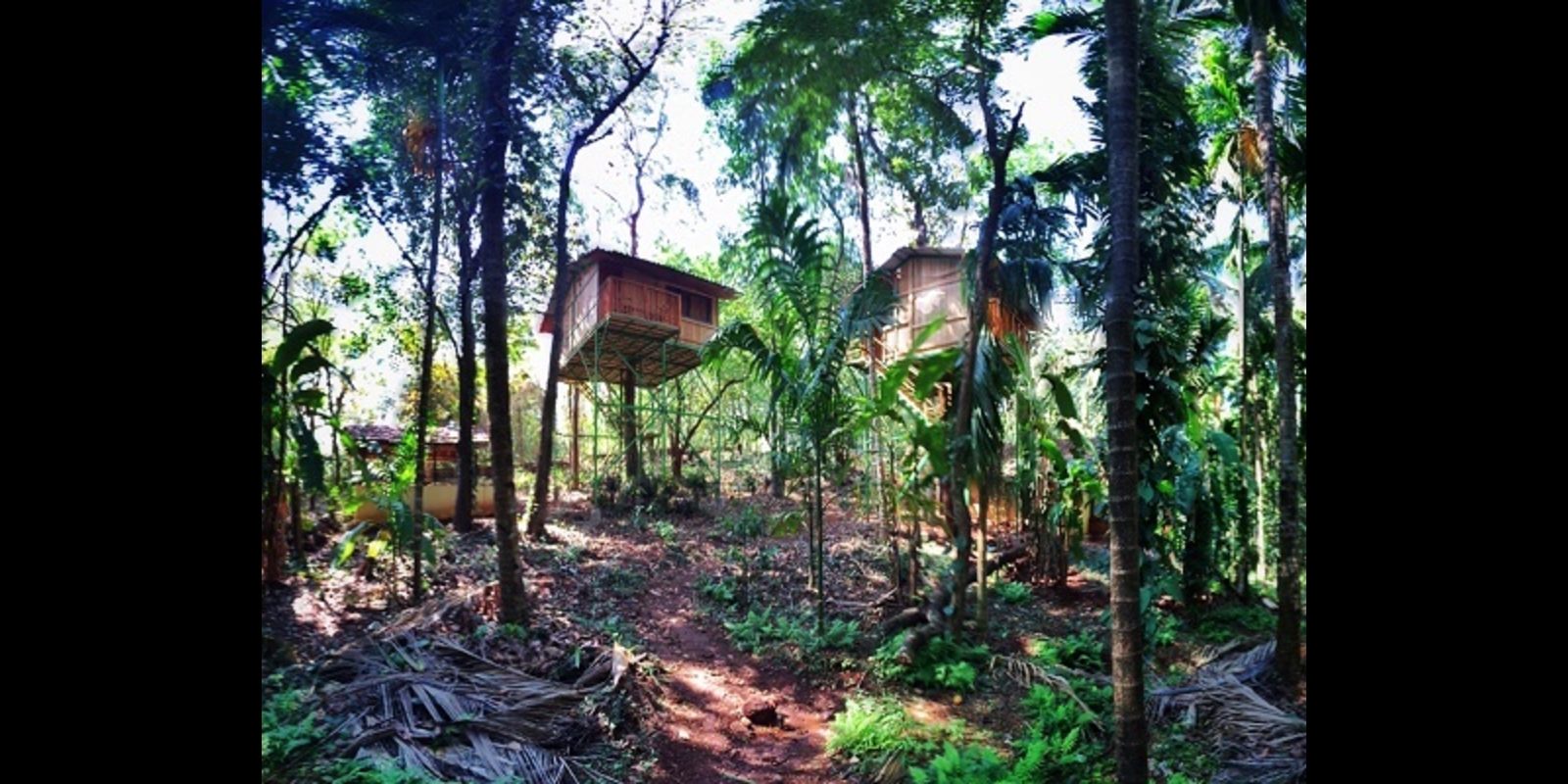
To truly appreciate the beauty of South Goa’s hinterlands, consider staying overnight rather than making a day trip from the coast. The accommodation options here are primarily eco-resorts and homestays that focus on sustainability and nature immersion. Angad’s Treehouse and other similar eco-farms in the Netravali area offer a chance to stay in the heart of the forest. These stays often provide guided treks, organic farm-to-table meals, and a chance to learn about local agriculture, such as spice plantation and cashew harvesting.
If you prefer more conventional comforts, the town of Curchorem or the outskirts of Margao have several hotels and guesthouses. However, staying closer to Netravali allows you to wake up to the sound of birds and ensures you are the first person at the waterfall in the morning. Many of these homestays are run by local families who can provide invaluable insights into the local culture and hidden spots that aren't on any map. For those on a budget, there are basic forest guest houses available, but these often require prior booking through the Goa Forest Department headquarters in Panjim.
Photography Spots
Capturing the essence of Dragon Waterfall requires a bit of planning. The first prime spot is the initial stream crossing, where the light filters through the bamboo groves, creating a beautiful "God ray" effect in the morning mist. This is great for wide-angle shots that show the scale of the forest.
The second spot is the "Dragon’s Back"—the specific section of the falls where the water hits the jagged rocks. Using a tripod and a slow shutter speed (around 1/2 to 2 seconds) will turn the cascading water into a silky white veil, contrasting sharply with the dark, textured stone. For macro enthusiasts, the moss-covered logs and the variety of wild mushrooms that sprout during the monsoon offer endless subjects. Finally, don't forget to take a shot from the natural pool’s edge, looking up at the falls, to capture the sense of being enclosed in a secret, green cathedral. The best light is usually between 8:30 AM and 10:30 AM before the sun is directly overhead and creates harsh shadows.
Hidden Gem Score & Crowd Level
In terms of its status as a "hidden gem," Dragon Waterfall scores a solid 9.5 out of 10. It remains one of the few places in Goa where you can experience nature without the interference of commercial tourism. While Dudhsagar might get thousands of visitors a day, you might find yourself completely alone at Dragon Waterfall, or perhaps sharing it with just one or two other groups of intrepid trekkers.
The crowd level is extremely low, especially on weekdays. Even on weekends, it is mostly visited by local Goan hiking groups or serious nature photographers. This low footfall ensures that the environment remains pristine and the water stays clean. However, this also means there are no facilities—no toilets, no trash cans, and no emergency services. This lack of infrastructure is exactly what keeps the crowds away and preserves the "hidden" nature of this magnificent site. It is a destination for the respectful traveler who values silence and solitude over convenience.
Conclusion
The Dragon Waterfall is more than just a scenic spot; it is a reminder of the wild, untethered spirit of Goa that exists far beyond the reach of the neon lights and beach shacks. It is a place that demands effort to reach, but rewards the traveler with a sense of peace and wonder that is increasingly hard to find in the modern world. By visiting Dragon Waterfall, you are choosing to explore the authentic heart of the Western Ghats, supporting eco-tourism, and witnessing the incredible natural heritage of India.
Whether you are a seasoned trekker looking for your next challenge, a photographer hunting for the perfect shot, or simply someone who needs to escape the chaos of city life, Dragon Waterfall offers a sanctuary. It invites you to step into the cool shadows of the jungle, to breathe in the purest air, and to stand in awe of the "dragon" that guards the secret waters of Sanguem. As you plan your Goan odyssey, make sure to carve out a day for this hidden masterpiece. Just remember to tread lightly, respect the local traditions, and leave the forest exactly as you found it—mysterious, beautiful, and wild.