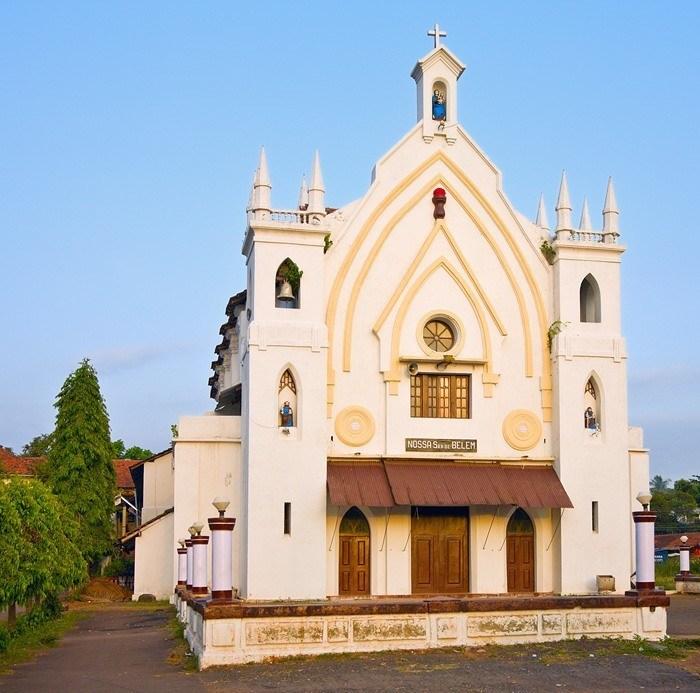
Nossa Senhora De Belem Church

Nossa Senhora De Belem Church

5 1,835 Verified
Church South Goa

Quick Navigation

Explore sections of this guide

Overview of Nossa Senhora De Belem Church

The Nossa Senhora De Belem Church, also widely known as Our Lady of Bethlehem Church, stands as a monumental testament to the layered history of Goa. Located in the historic village of Chandor (formerly known as Chandrapur), this church is not merely a place of worship but a silent witness to the rise and fall of dynasties. Chandor was once the flourishing capital of the Kadamba dynasty long before the Portuguese set foot on Indian soil. Today, the church dominates the village square, offering a serene and spiritual atmosphere that contrasts with the bustling tourist hubs of North Goa.

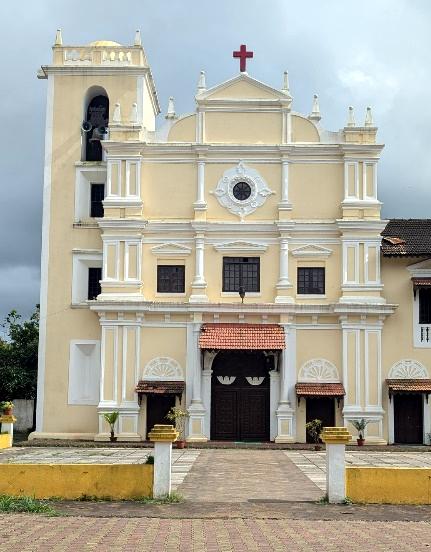
As a professional travel writer, I find that the Nossa Senhora De Belem Church represents the quintessential Goan "village church" aesthetic, yet it carries a weight of antiquity that few others can claim. The church was established in the 16th century, specifically in 1567, making it one of the older parishes in the Salcete taluka of South Goa. It serves as the spiritual heart of the local community, which is deeply rooted in both its Catholic faith and its ancient Goan heritage. The church’s white-washed facade against the lush green backdrop of Chandor provides a striking visual that captures the essence of the Goan countryside.

Visitors to this church often feel a sense of stepping back in time. Unlike the grand, crowded cathedrals of Old Goa, Nossa Senhora De Belem offers a more intimate, reflective experience. It is a place where the bells still dictate the rhythm of the day and where local traditions have been preserved for centuries. Whether you are a history buff, an architecture enthusiast, or a spiritual seeker, this church offers a profound insight into the cultural synthesis that defines modern-day Goa.

History & Religious Significance

The history of Nossa Senhora De Belem Church is inextricably linked to the history of Chandor itself. Long before the arrival of the Portuguese, Chandrapur was a fortified city and the capital of the Kadamba kings between the 6th and 14th centuries. The site where the church now stands is believed by historians and archaeologists to have been the location of an ancient Hindu temple complex, possibly dedicated to Lord Shiva or the Sapta-Matrikas (Seven Mothers). Excavations in the surrounding areas have revealed artifacts dating back to the 11th century, underscoring the deep spiritual roots of this specific plot of land.

In the mid-16th century, as the Portuguese colonial administration and Jesuit missionaries expanded their influence into the "Provincia do Salcete," many local temples were demolished to make way for Christian houses of worship. The first church at this site was commissioned in 1567. Over the centuries, the structure underwent several renovations and expansions to accommodate the growing Catholic population of Chandor. The current structure largely reflects the architectural trends of the late 17th and early 18th centuries.

The religious significance of the church is centered on its patroness, Our Lady of Bethlehem. In Catholic theology, Bethlehem is the birthplace of Jesus, and the devotion to Our Lady of Bethlehem emphasizes the mystery of the Incarnation. For the people of Chandor, the church is more than a building; it is a symbol of their survival and identity. Despite the transitions from Hindu rule to Islamic invasions (under the Bahmani Sultanate) and finally to Portuguese Christian rule, the spiritual sanctity of this location has remained a constant for the villagers. The church also serves as a focal point for the Feast of the Three Kings, a major liturgical event that draws pilgrims from across the state.

Architecture of Nossa Senhora De Belem Church

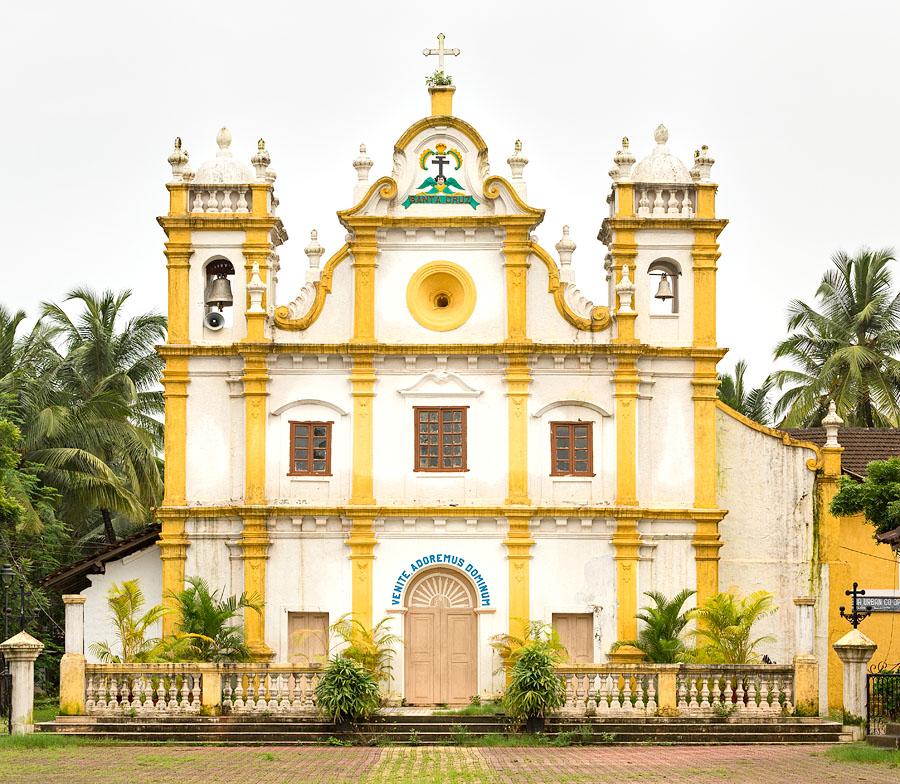
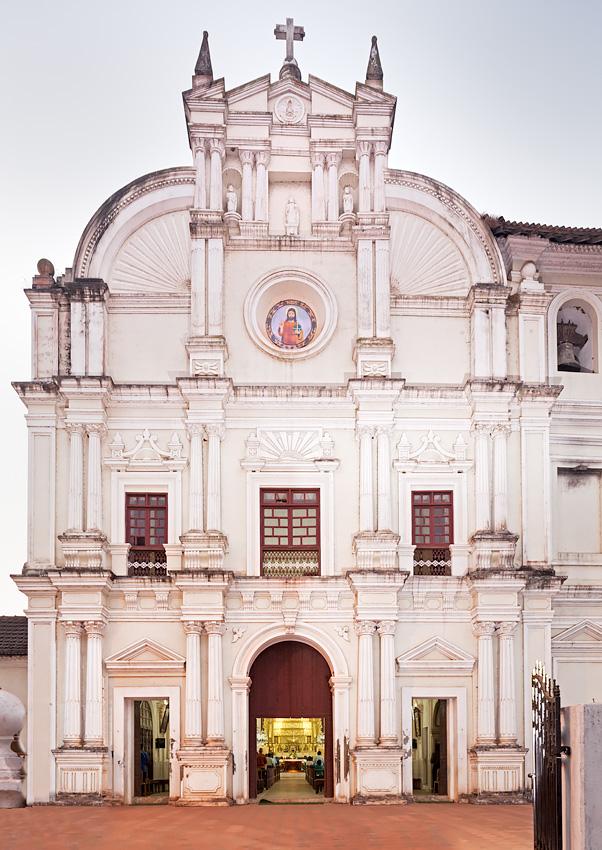
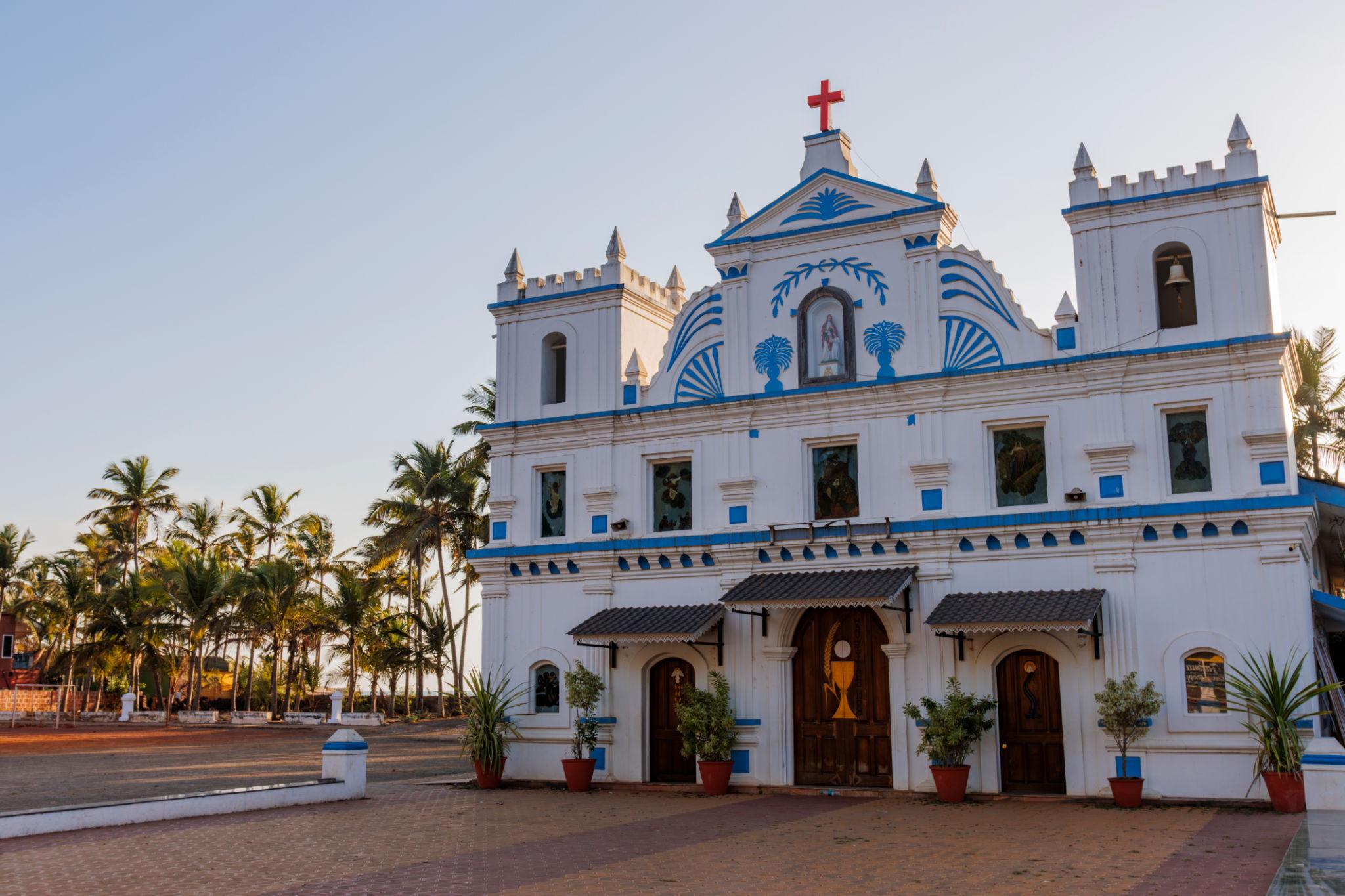
The architecture of Nossa Senhora De Belem Church is a magnificent example of the Neo-Roman style, which was the dominant architectural language used by the Portuguese in Goa. The facade is characterized by its balanced proportions and classical elements, which were intended to evoke a sense of divine order and grandeur. The church features a three-story facade with a triangular pediment at the top, crowned by a large stone cross.

One of the most striking features of the exterior is the use of Mannerist influences, particularly in the way the columns and pilasters are arranged. The facade is divided into several bays by these vertical elements, creating a rhythmic visual flow. The bell tower, integrated into the main structure, houses bells that have called the faithful to prayer for generations. The use of local laterite stone, plastered with lime and painted in the traditional white, ensures that the building remains cool even in the tropical Goan heat.

Stepping inside, the interior of the church is a masterpiece of Baroque and Rococo artistry. The main altar is dedicated to Our Lady of Bethlehem and is a riot of gold leaf and intricate wood carvings. The retable (altar screen) is particularly noteworthy for its detailed depictions of floral motifs, cherubs, and biblical scenes. There are also side altars dedicated to various saints, each reflecting the high level of craftsmanship prevalent in 18th-century Goa. The vaulted ceilings and the spacious nave allow for excellent acoustics, which is particularly evident during the singing of traditional Konkani hymns. The flooring, often made of patterned tiles or polished stone, adds to the aesthetic appeal, while the large windows allow natural light to illuminate the gilded surfaces, creating a heavenly glow during the morning hours.

Main Deity / Spiritual Importance

The primary focus of devotion at this church is Nossa Senhora De Belem (Our Lady of Bethlehem). The statue of the Virgin Mary, usually depicted holding the infant Jesus, occupies the central position on the high altar. This representation is deeply symbolic of the "House of Bread" (the literal meaning of Bethlehem), signifying spiritual nourishment and the humble beginnings of the Christian faith. For the local community, Mary is seen as a maternal protector and an intercessor who understands the hardships of rural life.

The spiritual importance of the church extends to its role as a bridge between the past and the present. Because the church sits atop the ruins of an ancient capital, there is a palpable sense of "sacred space" that transcends specific religious labels. Many locals believe that the land itself possesses a unique spiritual energy. The church also houses several secondary deities and saints, including St. Anthony and St. Sebastian, who are venerated for their healing powers and protection against calamities. The spiritual life of the parish is vibrant, with daily Masses, rosaries, and novenas that keep the community closely knit. For a visitor, participating in or observing a Mass here is a deeply moving experience, as the devotion of the locals is both quiet and profound.

Festivals & Celebrations

The most significant event in the liturgical calendar of Nossa Senhora De Belem Church is the Feast of the Three Kings (Festa dos Reis), celebrated on January 6th. While this feast is celebrated in three locations in Goa (Cuelim, Reis Magos, and Chandor), the celebration in Chandor is particularly famous for its traditional fervor. The feast commemorates the journey of the Magi to Bethlehem to worship the newborn Jesus.

  • The Procession: The highlight of the day is a grand procession where three young boys from the village, representing the three kings, dress in royal robes and crowns. They ride horses through the village streets toward the church, symbolizing the Magi's journey.
  • The Rituals: Upon reaching the church, a solemn High Mass is celebrated. The "kings" are given a place of honor, and the entire community joins in songs of praise.
  • The Fair: Like most Goan feasts, a vibrant fair (fiera) is set up outside the church. Stalls sell everything from traditional Goan sweets like bebinca and doce to clay toys, household items, and clothes.
  • Community Meals: Many households in Chandor open their doors to relatives and friends, serving elaborate Goan Catholic meals featuring sorpotel, sanna, and pulao.

Apart from the Three Kings Feast, the church also celebrates the Feast of the Nativity of Mary in September and the Lenten season with great solemnity. During Holy Week, the "Passos" (processions depicting the passion of Christ) are held, attracting large crowds who participate in the mournful yet beautiful tradition of the Motetos (funeral dirges).

Best Time to Visit

To experience Nossa Senhora De Belem Church in its full glory, the best time to visit is during the winter months, from November to February. During this period, the weather in South Goa is pleasant, with cool breezes and clear skies, making it ideal for exploring the architectural details of the church and the surrounding historical ruins of Chandor.

  • January 6th: This is the absolute peak time to visit if you wish to witness the Feast of the Three Kings. However, be prepared for large crowds and a festive atmosphere.
  • Monsoon Season (June to September): Visiting during the monsoons offers a different kind of beauty. The countryside of Chandor turns an intense shade of green, and the white church stands out dramatically against the dark, rain-filled clouds. It is a quiet time, perfect for those seeking solitude and meditation.
  • Christmas Season: In December, the church is beautifully decorated with lights and a large traditional crib (manger), reflecting the local Goan Christmas spirit.

I recommend visiting in the early morning (around 8:00 AM) to catch the morning light hitting the facade, or in the late afternoon (around 4:30 PM) when the golden hour provides excellent lighting for photography and the temperature is comfortable for walking around the village.

Timings, Entry Fee & Dress Code

Planning your visit to Nossa Senhora De Belem Church requires attention to local customs and religious schedules. As an active parish, it is important to respect the sanctity of the space.

  • Timings: The church is typically open from 6:30 AM to 12:30 PM and again from 4:00 PM to 7:00 PM. Mass timings are usually at 7:00 AM on weekdays and multiple times on Sunday mornings (6:00 AM, 7:15 AM, and 8:30 AM). Note that these timings can change during feast days or special liturgical seasons.
  • Entry Fee: There is no entry fee to visit the church. It is a house of God open to all. However, donations for the upkeep of the church and its social works are always welcomed.
  • Dress Code: Visitors must dress modestly. Both men and women should ensure their shoulders and knees are covered. Avoid wearing swimwear, sleeveless tops, or short skirts/shorts. Removing hats inside the church is a sign of respect.
  • Silence: Maintain strict silence inside the church, especially if a Mass or private prayer is in progress.

How to Reach Nossa Senhora De Belem Church

Chandor is located in the Salcete taluka of South Goa, approximately 10 to 12 kilometers from the city of Margao. Reaching the Nossa Senhora De Belem Church is relatively easy, though it feels worlds away from the coastal tourist belt.

  • By Road: If you are staying in Margao, you can hire a taxi or a motorcycle pilot. The drive takes about 20-30 minutes through scenic village roads lined with coconut groves and old Portuguese mansions. From Panjim, the distance is about 45 kilometers, taking roughly 1.5 hours.
  • By Bus: Regular local buses ply from the Margao Kadamba Bus Stand to Chandor. Look for buses heading towards "Chandor" or "Curchorem." It is an affordable way to travel and gives you a taste of local life.
  • By Train: The Chandor Goa Railway Station is a small station on the South Western Railway line. A few local passenger trains stop here. From the station, the church is a short rickshaw ride or a 15-minute walk.
  • By Air: The nearest airport is Dabolim Airport (GOI), which is about 35 kilometers away. You can book a pre-paid taxi from the airport directly to Chandor.

Things to Do

A visit to Nossa Senhora De Belem Church can be expanded into a half-day or full-day exploration of Chandor. Here are the top things to do:

  • Attend a Konkani Mass: Even if you don't understand the language, the rhythmic chanting and the devotion of the locals provide a unique cultural experience.
  • Examine the Altars: Spend time looking at the intricate wood carvings of the main and side altars. Look for the small details—the fruit motifs, the expressions on the faces of the saints, and the quality of the gold leaf.
  • Explore the Church Grounds: Walk around the exterior to see the massive buttresses and the ancient bell tower. The cemetery adjacent to the church often has interesting old gravesites with Portuguese inscriptions.
  • Photography: Capture the stunning Neo-Roman architecture. The church square is a great spot for wide-angle shots, while the details of the windows and doors are perfect for close-ups.
  • Historical Walk: Chandor is a living museum. After visiting the church, walk through the village to see the remains of the ancient city walls and the site of the Kadamba palace excavations nearby.

Nearby Attractions

Chandor is one of the most historically significant villages in Goa, and there are several attractions within walking distance or a short drive from the church:

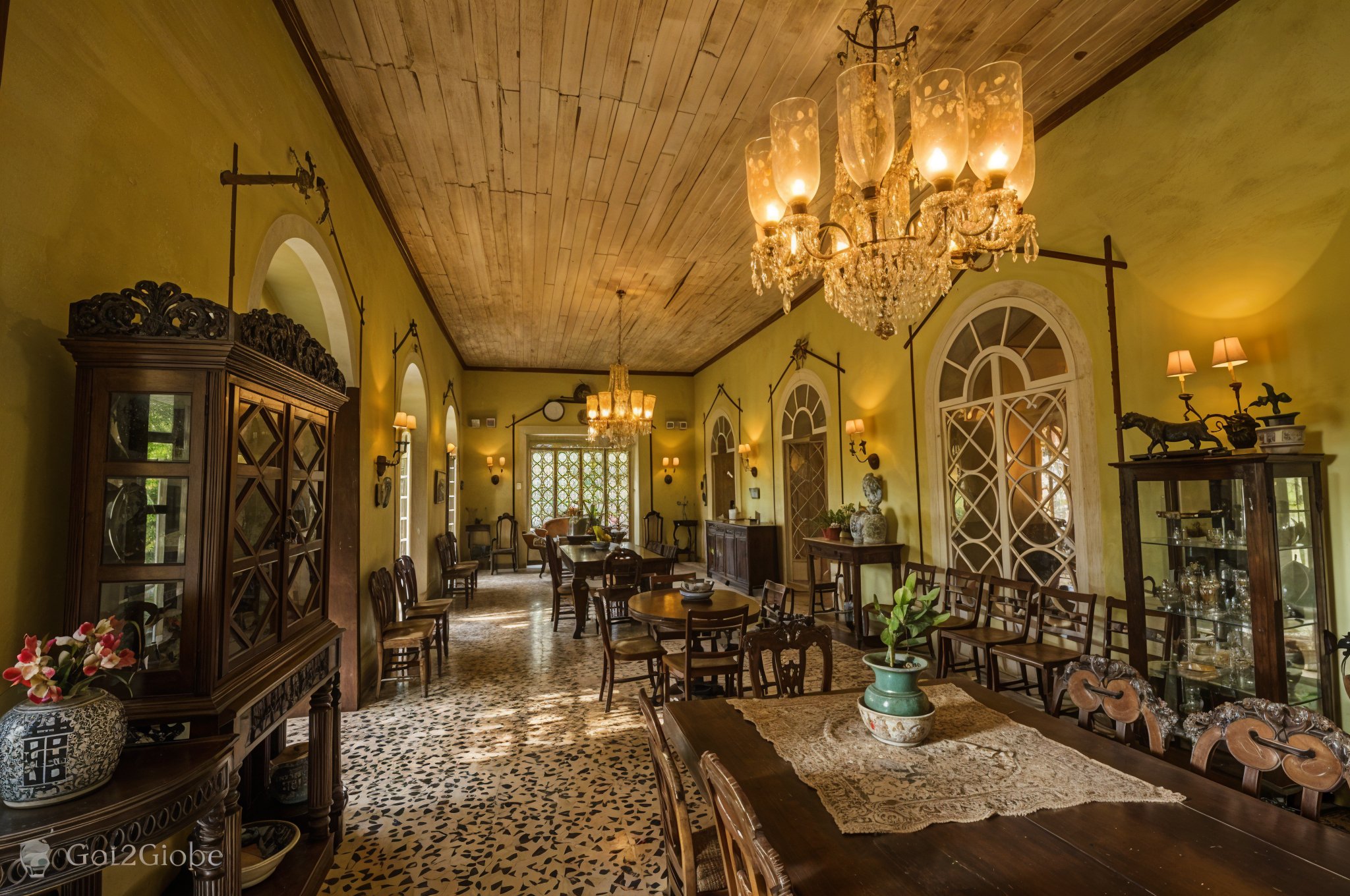
  • Menezes Braganza House: This is perhaps the most famous heritage house in Goa. Located just a few minutes from the church, this 17th-century mansion is divided into two wings and is filled with antique furniture, Chinese porcelain, and a massive library. It offers a glimpse into the life of the Goan landed gentry.
  • Fernandes Heritage House: Another stunning example of Indo-Portuguese architecture, this house features secret hideouts and escape tunnels used during times of war.
  • Ancient Kadamba Ruins: Visit the site of the excavations where the foundations of an 11th-century temple and the city walls of Chandrapur were discovered by the Archaeological Survey of India (ASI).
  • Kushavati River: A peaceful river that flows near the village, perfect for a quiet moment of reflection or a short walk along its banks.
  • Rachol Seminary: Located about 15-20 minutes away by car, this is one of the oldest seminaries in Asia and features a magnificent church and museum.

Photography & Visitor Guidelines

To ensure a respectful visit to Nossa Senhora De Belem Church, please adhere to the following guidelines regarding photography and general conduct:

  • Interior Photography: Photography is generally prohibited inside the church during Mass. At other times, you may take photos, but always ask for permission from the sacristan or priest if they are present. Avoid using flash, as it can damage the ancient pigments of the altars and disturb those in prayer.
  • Drone Usage: Using drones over the church and its cemetery is usually restricted. You must obtain prior permission from the parish office and local authorities.
  • Respect the Faithful: Do not walk into the sanctuary area (the space around the main altar). If people are praying, do not stand in front of them to take photos.
  • Environmental Responsibility: Chandor is a clean, quiet village. Do not litter around the church premises. Carry your trash back with you.
  • Local Interaction: The people of Chandor are friendly but conservative. A polite "Good Morning" or "Dev Borem Corum" (God bless you in Konkani) goes a long way in building rapport.

Where to Eat Nearby

While Chandor is a quiet village and doesn't have the high-end restaurants found in the North, there are several charming places to eat that offer authentic Goan flavors:

  • Local Tavernas: You will find small local bars and eateries near the church square where you can try authentic Goan snacks like rissois, croquettes, and pao com chourico (chorizo bread).
  • Heritage House Refreshments: Sometimes, the heritage houses (like Menezes Braganza) offer tea and light snacks to visitors for a small fee.
  • Margao Eateries: Since Margao is only 20 minutes away, many visitors head there for a full meal. I recommend Viva Goa or Martin's Corner (a bit further out) for excellent Goan seafood.
  • Bakers: Keep an eye out for the local village baker (poder) who cycles through the village selling fresh poi and pao. There is nothing like eating warm Goan bread straight from the basket.

Accommodation Nearby

If you wish to stay in the vicinity of Nossa Senhora De Belem Church to soak in the village atmosphere, you have a few unique options:

  • Heritage Homestays: Some smaller ancestral homes in Chandor offer rooms for guests. These provide an immersive experience of Goan village life.
  • Margao Hotels: For more conventional accommodation, Margao offers everything from budget guesthouses to mid-range hotels like The Soul Vacation or Hotel Woodlands.
  • Boutique Stays in South Goa: A short drive away in areas like Raia or Loutolim, you can find luxury boutique stays like Casa do吉祥 or Figueiredo Mansion (which also has guest rooms).
  • Beach Resorts: The beaches of Colva and Benaulim are about 30-40 minutes away, offering a wide range of luxury resorts like Taj Exotica or Beleza by the Beach.

Travel Tips

To make the most of your trip to Nossa Senhora De Belem Church, keep these professional travel tips in mind:

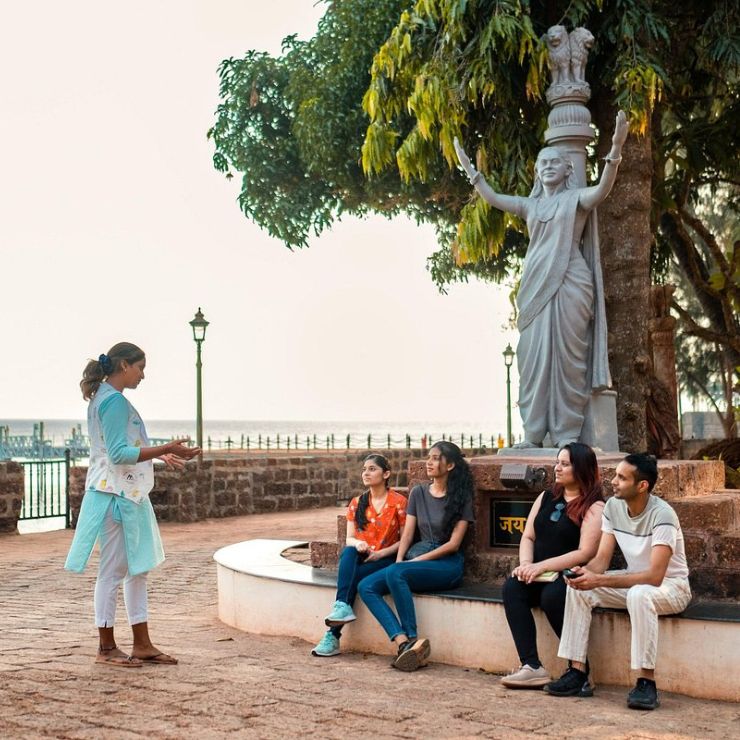
  • Hire a Guide: If possible, hire a local guide who specializes in Goan history. The stories behind the stones of Chandor are fascinating and often missed by solo travelers.
  • Combine with Loutolim: A great day trip itinerary would be to visit Chandor in the morning and then head to the village of Loutolim (home to Big Foot and the Figueiredo Mansion) in the afternoon.
  • Check the Calendar: Before visiting, check the local liturgical calendar. If there is a "Zatra" (temple festival) or a "Feast" nearby, it might affect traffic and accessibility.
  • Stay Hydrated: South Goa can be humid. Always carry a bottle of water, especially when exploring the outdoor ruins.
  • Language: While English and Hindi are widely understood, knowing a few words of Konkani will endear you to the locals.

Conclusion

The Nossa Senhora De Belem Church in Chandor is a magnificent jewel in Goa’s spiritual crown. It is a place where history is not just found in books but is etched into the very walls of the building and the customs of its people. By visiting this church, you are not just seeing a religious site; you are engaging with the soul of ancient Goa—a place that has survived the transition of empires and emerged with a unique, harmonious identity.

From the grandeur of its Neo-Roman architecture and the golden splendor of its Baroque altars to the vibrant traditions of the Three Kings Feast, the church offers a multi-sensory journey. It serves as a reminder that the beauty of Goa lies far beyond its beaches, in the quiet corners of its inland villages where faith and history walk hand in hand. Whether you come for the architectural beauty, the historical intrigue, or the spiritual peace, a visit to Our Lady of Bethlehem Church is an essential experience for any discerning traveler to the Emerald Land.

Photo Gallery

Nossa Senhora De Belem Church Gallery Image

User Reviews

5
1835 Reviews
5
85%
4
10%
3
3%
2
1%
1
1%

Login to post a review

Join the community to share your spiritual experiences.

Login / Sign Up

Location Details

Address
Nossa Senhora de Belem Church, Chandor, South Goa, Goa 403714, India
Visiting Hours
All year round

Share Peace

Share this spiritual guide with your friends and family on WhatsApp!

Share Now

Nearest Beaches from Nossa Senhora De Belem Church

Nearest Forts from Nossa Senhora De Belem Church

Nearest Waterfalls from Nossa Senhora De Belem Church

Nearby Nightlife from Nossa Senhora De Belem Church