Overview of Kalay waterfall
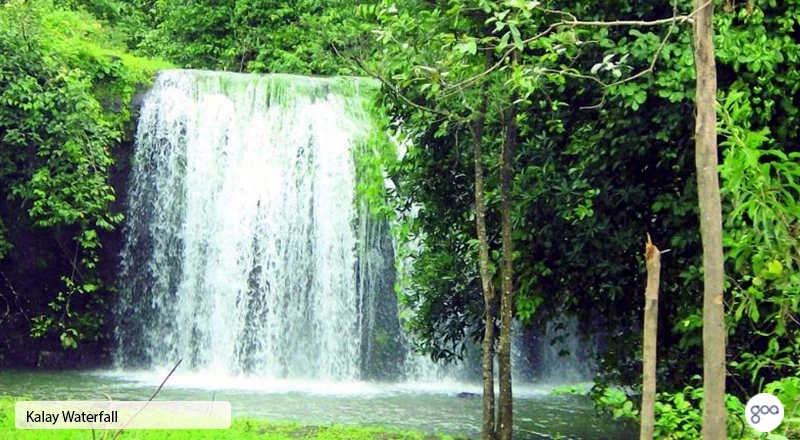
Nestled deep within the verdant embrace of the Sanguem Taluka in South Goa, the Kalay waterfall stands as a testament to the raw, untamed beauty of the Western Ghats. While the world flocks to the thunderous heights of Dudhsagar, seasoned travelers and local Goans know that the true soul of the hinterlands lies in these smaller, more intimate cascades. Kalay waterfall is not just a destination; it is a sensory journey through the heart of Goa’s biodiversity hotspots. Located near the quiet village of Kalay, this waterfall is fed by the perennial springs that traverse the Bhagwan Mahavir Wildlife Sanctuary and the Mollem National Park ecosystem.
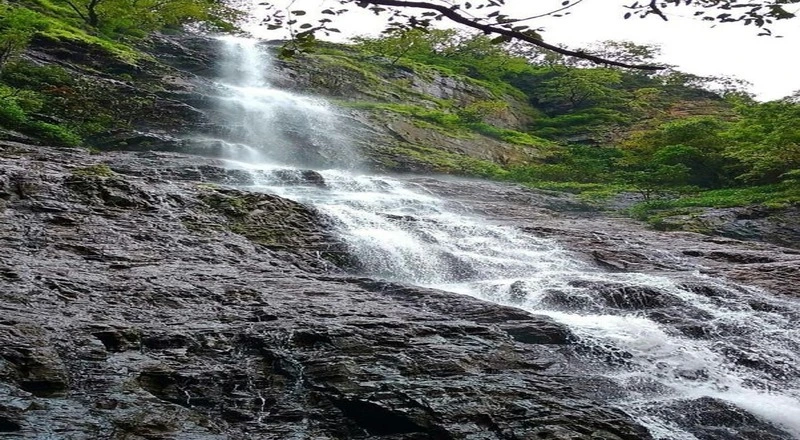
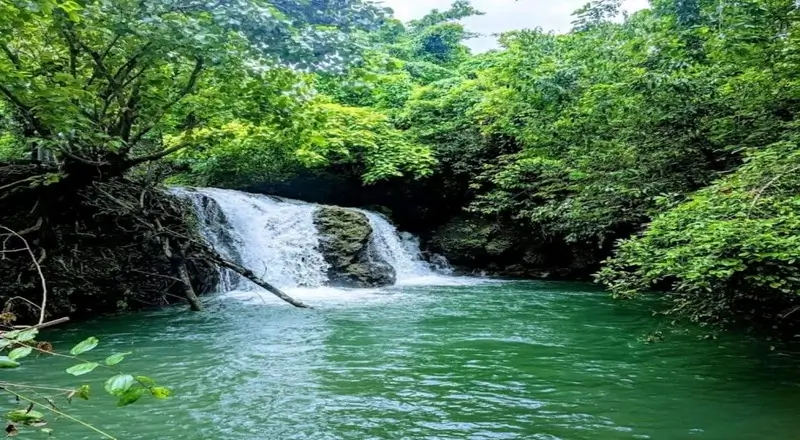
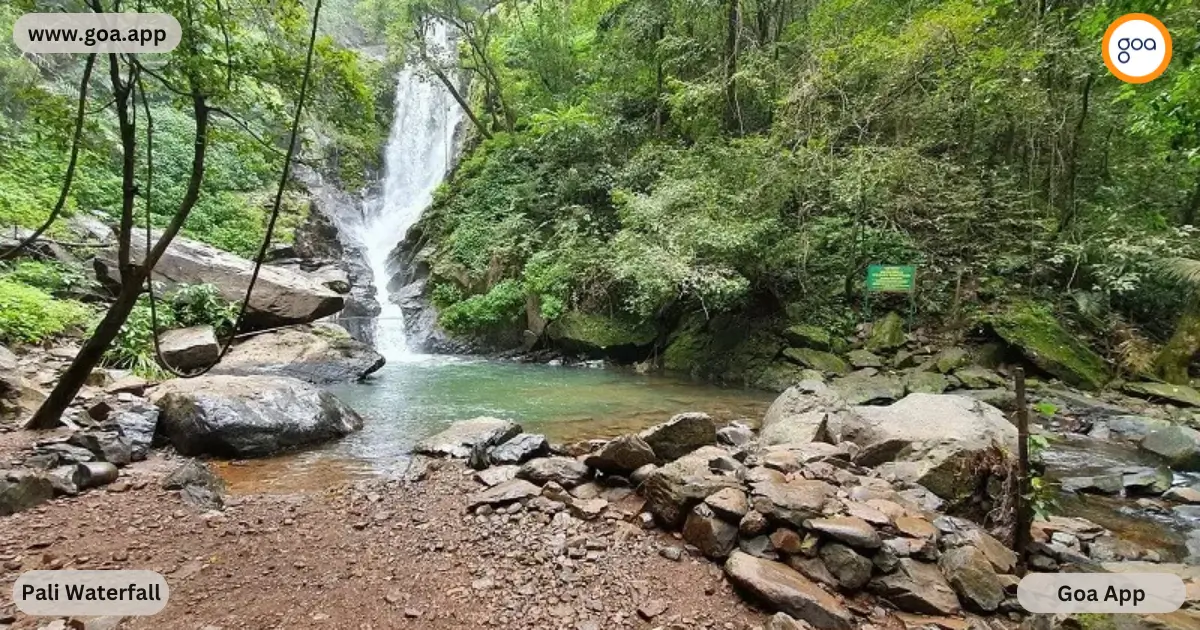
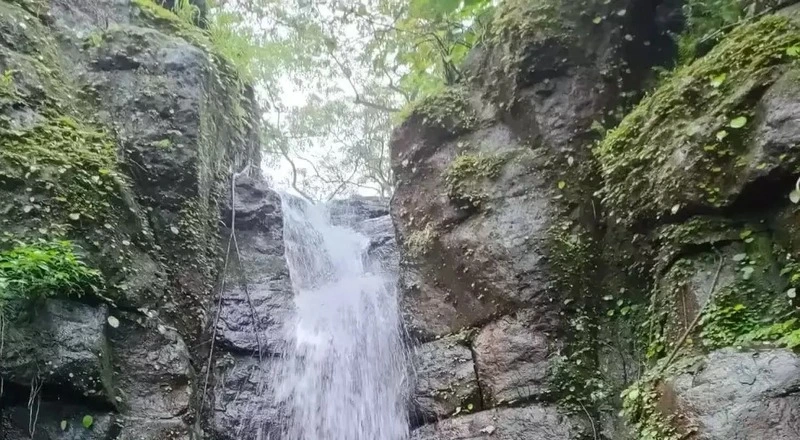
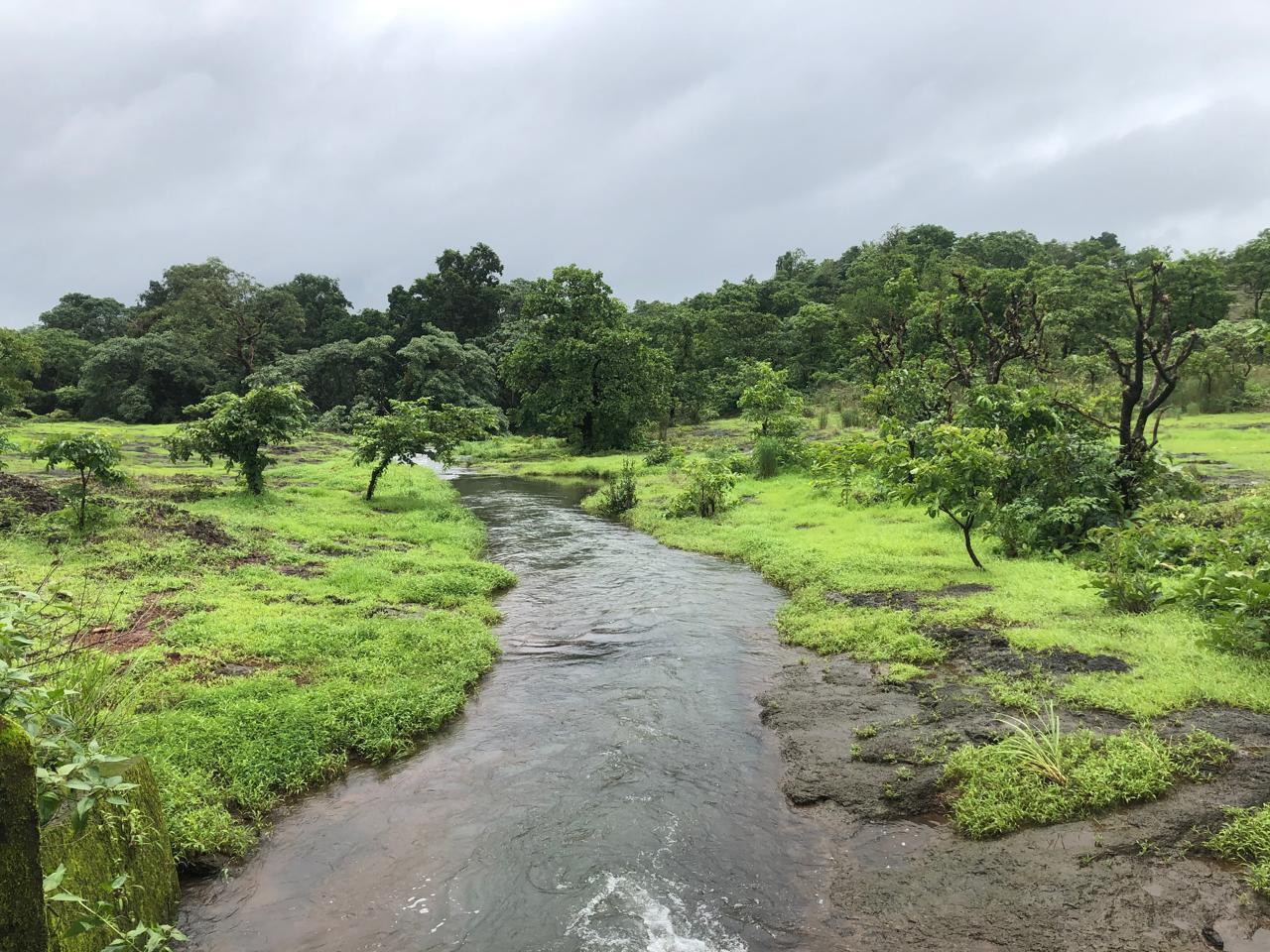
The waterfall is characterized by its multi-tiered drop, where crystal-clear water weaves through ancient basalt rock formations before pooling into a serene, emerald-green basin at the bottom. Unlike the commercialized beaches of North Goa, Kalay offers a profound sense of solitude. The air here is thick with the scent of wild wildflowers, damp earth (petrichor), and the spicy aroma of nearby cashew plantations. The soundscape is dominated by the rhythmic gush of falling water, punctuated by the calls of the Malabar Whistling Thrush and the rustling of giant squirrels in the canopy above. As a professional travel writer who has traversed the length and breadth of the Konkan coast, I find Kalay to be one of the few remaining places where the "Old Goa" charm—the one defined by nature rather than nightlife—still thrives in its purest form.
Top Goa Experience • Part 1
Highly Recommended Near Kalay waterfall
Explore All
Architecturally, the landscape around the waterfall is a masterclass in natural erosion. Over millennia, the force of the monsoon rains has carved deep grooves into the rocks, creating natural slides and alcoves. The surrounding vegetation is a mix of semi-evergreen and moist deciduous forests, ensuring that the area remains cool even during the peak of the Goan summer. For those looking to escape the "shack-and-susegad" routine, Kalay waterfall provides a rugged, refreshing alternative that highlights the ecological importance of the Sahyadri mountain range. It is a place where the water is so pure you can see the pebbles at the bottom of the pool, and the silence is so deep it feels like a physical presence.
How to Reach Kalay waterfall
Reaching Kalay waterfall is an adventure in itself, requiring a bit of planning as it is tucked away from the main tourist highways. The journey involves a blend of rail or road travel followed by a short but scenic trek. Here is a detailed breakdown of how to navigate your way to this hidden gem:
Recommended Guide
15 Best Hill Stations Near Goa distance & Travel Tips
Discover the 15 best hill stations near Goa to visit in 2026. Our guide covers distances, trekking trails, and local highlights.
Read Guide →
- By Rail (The Most Scenic Route): The most iconic way to reach the vicinity is by train. You can board a local passenger train from Margao (Madgaon Junction) or Vasco-da-Gama heading towards Kulem. You need to alight at the Kalay Railway Station. This is a small, charming station that looks like something out of a vintage postcard. From the station, the waterfall is a few kilometers away, and you can either hire a local pilot (motorcycle taxi) or begin your trek along the railway tracks and forest paths.
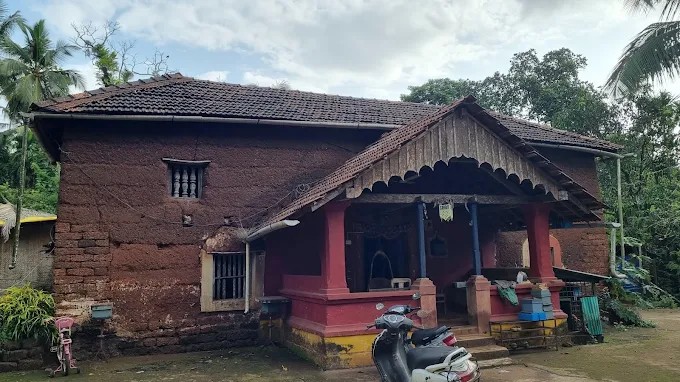
- By Road from North Goa: If you are staying in Panjim or Calangute, the drive will take approximately 2 to 2.5 hours. You should head towards Ponda, then continue towards Sanvordem (Curchorem). From Sanvordem, follow the internal village roads leading towards Kalay. The route takes you through winding roads lined with coconut groves and traditional Goan homes with red-tiled roofs.
- By Road from South Goa: From Palolem or Agonda, the drive is shorter, roughly 1.5 hours. Head towards Quepem and then move towards Sanguem. The landmarks to look out for are the Sanguem Police Station and the Kalay Bridge. Using GPS is helpful, but don't hesitate to ask locals for "Kalay Waterfall" or "Kalay Dhobdhoba"—the local term for a waterfall.
- Private Transport: It is highly recommended to hire a self-drive car or a sturdy SUV, especially during the monsoon when the roads can be slippery and muddy. Parking is usually available near the village entrance or the start of the forest trail, but ensure you don't block the narrow village paths used by tractors and local commuters.
The final leg of the journey always involves a walk. The path is not heavily signposted, which adds to the allure of the "discovery." Look for local landmarks like the small forest shrines (Devasthans) which often mark the beginning of sacred groves and water sources. If you are coming via the railway tracks, be extremely cautious and always listen for the horn of approaching freight trains carrying iron ore.
Best Time to Visit
Timing your visit to Kalay waterfall is crucial to ensure you see it in its full glory while maintaining safety. The Goan climate dictates the flow and accessibility of this natural wonder.
Recommended Guide
Why Foreigners Love Arambol, Morjim, and Agonda
Goa has long been one of India’s most famous beach destinations, attracting millions of travelers from around the world every year. While bustling beache...
Read Guide →
- The Monsoon (June to September): This is when Kalay waterfall is at its most dramatic. The rains transform the dry forest into a neon-green paradise. The waterfall swells with volume, creating a powerful roar that can be heard from a distance. However, this is also the most challenging time to visit. The trekking paths can be incredibly slippery, and the Kushavati river tributaries may overflow. If you are a photography enthusiast who loves the "misty forest" aesthetic, this is the time for you.
- Post-Monsoon (October to December): In my professional opinion, this is the absolute best time to visit. The heavy rains have subsided, but the waterfall still retains a healthy flow. The forest is still lush, the weather is pleasantly cool, and the water in the natural pool is clear enough for swimming. The humidity is lower, making the trek much more enjoyable.
- Winter (January to March): During these months, the flow reduces to a gentle, musical stream. This is the ideal time for birdwatchers and those who prefer a quiet picnic without the intensity of the monsoon. The water is cooler, and the surrounding forest is easier to navigate.
- Summer (April to May): While the waterfall might dwindle to a trickle, the area remains a cool sanctuary from the scorching Goan heat. However, the trek can be draining due to the high humidity. If you visit during this time, aim for an early morning arrival to avoid the midday sun.
Trek Details for Kalay waterfall
The trek to Kalay waterfall is considered easy to moderate, making it accessible for families and casual hikers, though it still requires a basic level of fitness. The trail is approximately 2 to 3 kilometers long, depending on your starting point.
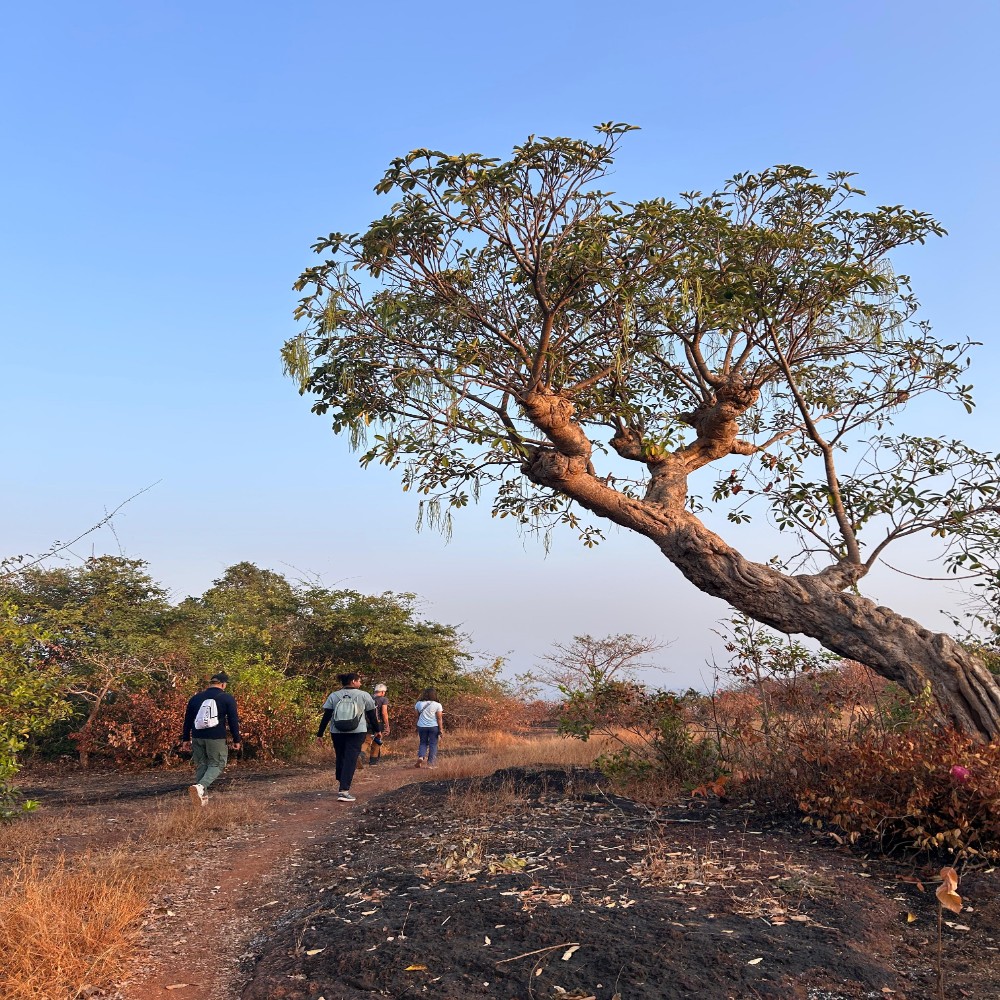
The journey begins at the edge of the Kalay village or near the railway crossing. The initial part of the trek takes you through cashew and areca nut plantations. You will notice the transition from man-made agriculture to wild forest as the canopy thickens. The ground is a mix of red laterite soil and loose gravel. During the monsoon, this soil turns into a thick, sticky clay—wear shoes with excellent grip (trekking sandals or boots are better than sneakers).
Recommended Guide
Water Sports in Candolim Goa | Best Prices, Packages & Booking Guide
Candolim Beach, located in North Goa, is one of the most popular destinations for water sports in Goa. Known for its clean shoreline, less crowded environm...
Read Guide →
As you go deeper, you will have to cross a few small streams. These are usually ankle-deep, but after a heavy downpour, they can rise quickly. There are no man-made bridges here; you will be stepping on submerged stones. Look out for the vibrant flora along the way, including wild ginger lilies and various species of ferns. The final descent towards the waterfall involves navigating a few steep, rocky steps. There are natural roots and branches to hold onto, but take it slow. The first glimpse of the water cascading over the dark rocks is your reward for the trek. The sound of the water intensifies, and the air temperature drops noticeably as you approach the splash zone.
Top Goa Experience • Part 2
Highly Recommended Near Kalay waterfall
Explore All
Things to Do
Kalay waterfall offers more than just a view; it is a multi-activity destination for nature lovers. Here is how you can spend your day there:
- Natural Spa Experience: The pool at the base of the waterfall is perfect for a refreshing dip. The water is rich in minerals and provides a natural "hydro-massage" if you sit under the smaller cascades. It is an incredible way to rejuvenate your muscles after the trek.
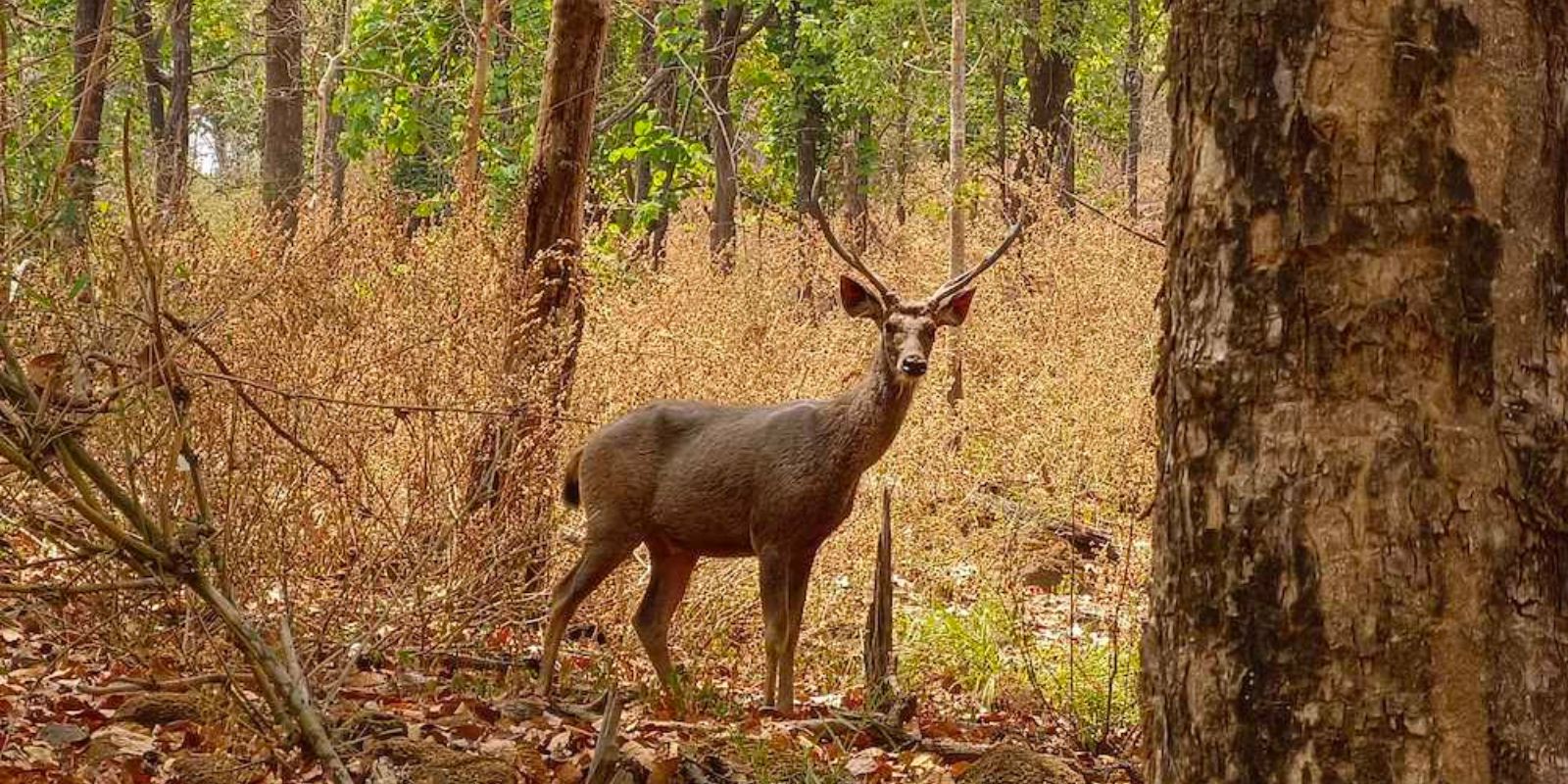
- Bird Watching: The Sanguem region is a haven for avian life. Keep your binoculars ready for the Malabar Grey Hornbill, the Asian Fairy-bluebird, and the Emerald Dove. The quiet environment of Kalay makes it easier to spot these birds compared to more crowded tourist spots.
- Mindfulness and Meditation: Many visitors find the "white noise" of the waterfall to be the perfect backdrop for meditation. Find a flat rock, sit back, and practice forest bathing (Shinrin-yoku). The negative ions generated by the falling water are known to boost mood and energy levels.
- Botanical Exploration: If you are interested in plants, the trail is a living museum of Western Ghats flora. You can find various medicinal plants used in traditional Goan Ayurveda, as well as rare orchids that bloom during the monsoon.
- Picnicking: While there are no tables or chairs, the large flat boulders serve as excellent spots for a packed lunch. Remember the golden rule: Carry all your trash back with you. There is no waste management system in this wild area.
Safety Tips
While Kalay waterfall is beautiful, it is a wild environment that demands respect. Follow these safety protocols to ensure a trouble-free trip:
- Beware of Slippery Rocks: The rocks near the waterfall are covered in a thin layer of algae and moss. They are deceptively slippery. Always test your footing before putting your full weight down.
- Leech Protection: During the monsoon, leeches are common in the damp leaf litter. Wear long socks, tuck your trousers into them, and carry a small bottle of salt or tobacco water to deter them.
- No Diving: The depth of the natural pool can vary. Submerged rocks or fallen logs may not be visible from the surface. Never dive headfirst into the water. Wade in slowly to gauge the depth.
- Monsoon Flash Floods: If it starts raining heavily while you are at the waterfall, it is wise to head back. Small streams can turn into raging torrents within minutes, potentially cutting off your exit route.
- Mobile Connectivity: Expect zero to very weak mobile signals once you enter the forest. Inform someone at your hotel or home about your whereabouts and expected return time.
- Wildlife Encounters: While rare, snakes (including cobras and pit vipers) inhabit these forests. Stay on the marked paths and avoid poking into hollow logs or thick bushes.
Nearby Attractions
If you are making the trip to Sanguem, you can combine your visit to Kalay waterfall with several other stunning landmarks in South Goa:
- Tambdi Surla Temple: Located about 45 minutes away, this is a 12th-century Shaivite temple carved out of black basalt. It is the oldest temple in Goa and a masterpiece of Kadamba-Yadava architecture.
- Salaulim Dam: This engineering marvel is famous for its unique "duckbill spillway" which looks like a giant sinkhole in the water. The surrounding botanical garden is also worth a visit.
- Dudhsagar Waterfalls: While much larger and more famous, the base of Dudhsagar is accessible via Jeep safaris from Kulem, which is very close to Kalay. You could theoretically visit the Kulem area in the morning and Kalay in the afternoon.
- Netravali Wildlife Sanctuary: Further south, this sanctuary offers more waterfalls (like Mainapi and Savari) and the famous "Bubble Lake" (Budbudyanchi Tali) at the Gopinath Temple.
- Curchorem Market: For a taste of local Goan life, stop by this bustling market to buy local spices, kokum, and traditional Goan sweets like Bebinca and Dodol.
Entry Fees & Timings
One of the best things about Kalay waterfall is its accessibility in terms of cost. Currently, there is no official entry fee collected by the forest department at the site itself, as it remains an offbeat location. However, if you enter via parts of the Bhagwan Mahavir Wildlife Sanctuary, you might be required to pay a nominal forest entry fee (usually around ₹20-₹50 per person).
Timings: The waterfall is best visited between 8:00 AM and 4:30 PM. It is not advisable to remain in the forest after dark, as the terrain becomes treacherous and the risk of encountering nocturnal wildlife increases. Aim to start your trek back by 4:00 PM to reach the village or railway station before sunset. The forest canopy makes the area grow dark much faster than the open coast.
Where to Eat Nearby
Since Kalay is a remote village, do not expect cafes or multi-cuisine restaurants. The dining experience here is authentic and local.
- Village Eateries: In Kalay village, you might find small "Gaddo" (stalls) or tiny family-run eateries serving Ros Omelette, samosas, and hot chai. These are great for a quick snack.
- Sanvordem/Curchorem: For a proper meal, head back to the town of Sanvordem. Restaurants here serve excellent Goan Fish Thalis featuring fresh catch from the river and sea, along with local preparations of Xacuti (spicy coconut gravy) and Vindaloo.
- Pack Your Own: The best strategy is to carry a picnic. Buy fresh poi (Goan bread) from a local bakery in the morning, pack some fruit, nuts, and plenty of water. There is nothing quite like eating a simple meal while sitting on a rock overlooking the falls.
Accommodation Nearby
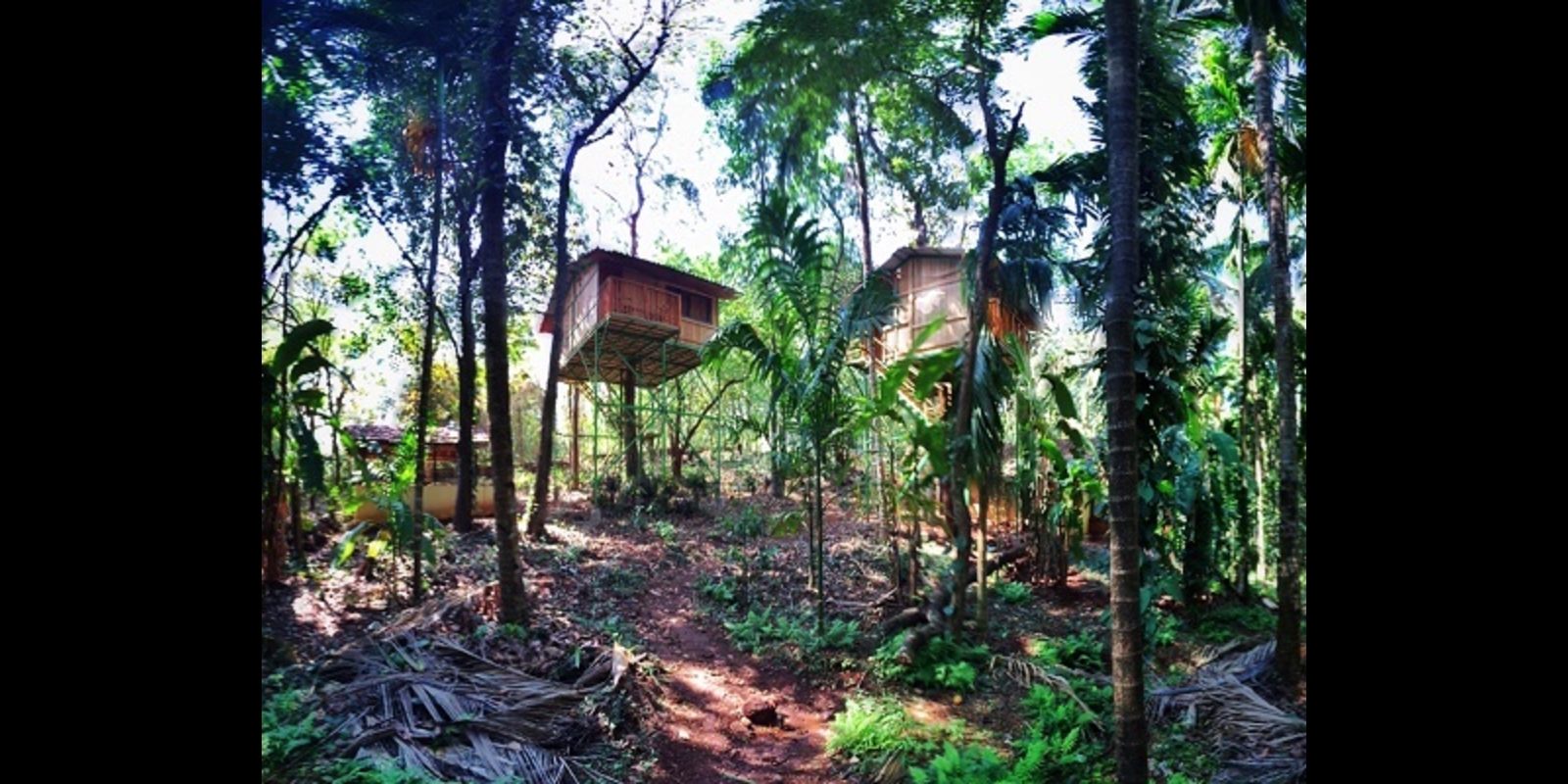
If you wish to stay close to nature and avoid the long drive back to the coast, there are several eco-friendly options in the Sanguem and Mollem region:
- Eco-Resorts in Kulem: There are several jungle resorts and homestays near Kulem railway station that cater to trekkers. These offer basic but clean rooms and authentic Goan meals.
- Dudhsagar Spa Resort: Located in Mollem, this is a more upscale option offering comfortable cottages, a swimming pool, and organized tours to nearby attractions.
- Nature’s Nest: An excellent eco-lodge located near the Bhagwan Mahavir Wildlife Sanctuary, perfect for birdwatchers and those interested in guided nature walks.
- Homestays: Look for local homestays in Sanguem for a truly immersive experience where you can live with a Goan family and learn about their way of life.
Photography Spots
Kalay waterfall is a dream for photographers. To capture the best shots, consider these spots:
- The Mid-Stream View: As you approach the falls, there are several large boulders in the middle of the stream. Setting up a tripod here allows for a straight-on shot of the main drop. Use a Neutral Density (ND) filter to get that silky-smooth water effect.
- The Canopy Frame: Use the overhanging branches and vines to frame the waterfall. This adds a sense of depth and emphasizes the "hidden" nature of the location.
- Macro Opportunities: Don't just look at the big picture. The moss-covered rocks, the intricate patterns of ferns, and the colorful forest insects provide endless macro photography subjects.
- The Railway Station: Kalay Railway Station itself is incredibly photogenic. The contrast between the rusted tracks, the yellow station sign, and the encroaching green forest makes for a great "travel story" shot.
Hidden Gem Score & Crowd Level
Hidden Gem Score: 9/10
Kalay waterfall remains one of Goa’s best-kept secrets. It hasn't yet been hit by the wave of mass tourism that plagues North Goa. On a weekday, you might find yourself completely alone with only the sound of nature for company. Even on weekends, the crowd consists mostly of local Goan families or serious trekkers. Unlike Dudhsagar, there are no long queues for Jeeps or crowded viewpoints. It offers a "raw" experience that is becoming increasingly rare in the state. If you value peace, authenticity, and ecological beauty over commercial amenities, Kalay is a 10/10 destination for you.
Conclusion
The Kalay waterfall is a poignant reminder that Goa is much more than its coastline. It is a place where the rhythm of the tides is replaced by the pulse of the forest. Visiting this cascade is an invitation to slow down, to disconnect from the digital world, and to reconnect with the primal elements of earth and water. Whether you are trekking through the muddy trails of the monsoon or enjoying a quiet winter afternoon by the pool, Kalay leaves an indelible mark on your soul. It represents the resilient and beautiful hinterland of Goa—a side of the state that deserves to be protected and cherished. As you leave the forest and head back towards the neon lights of the beach towns, the cool mist of Kalay stays with you, a refreshing memory of a Goa that remains wild, wonderful, and wonderfully hidden.