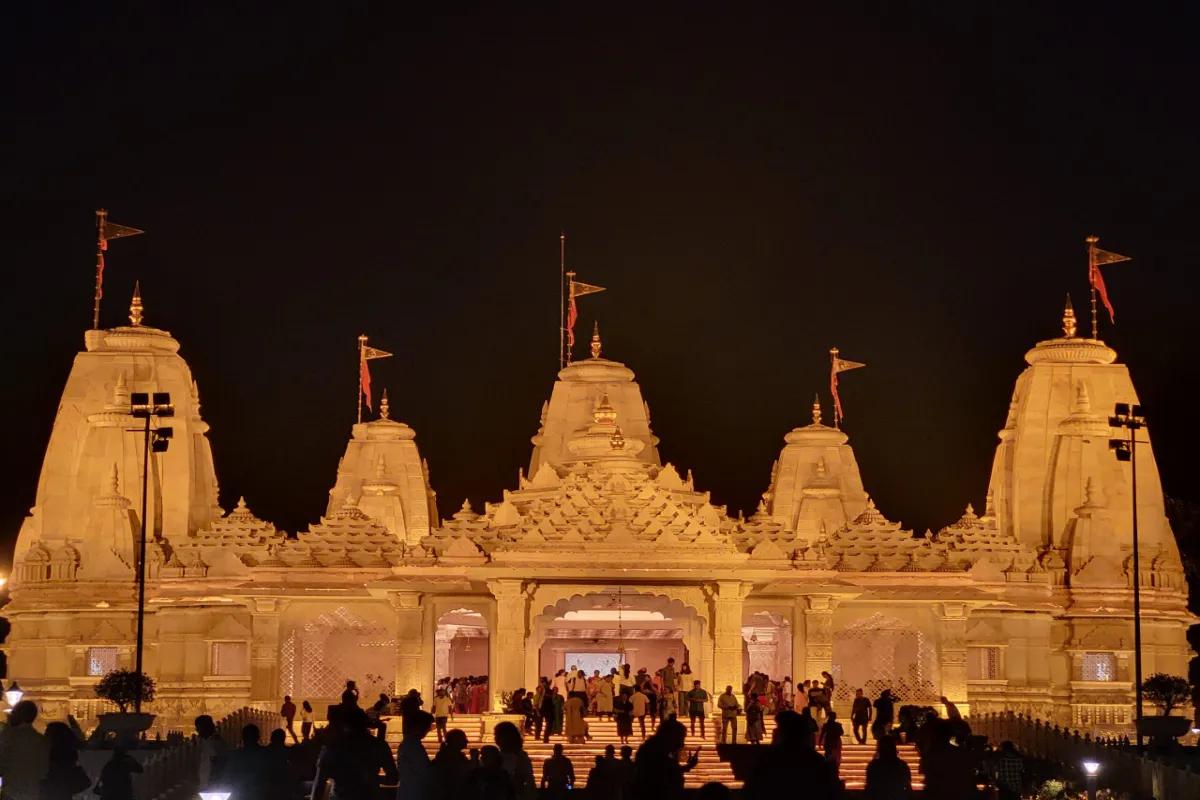
Overview of Datta Gumfa Dattatray Temple
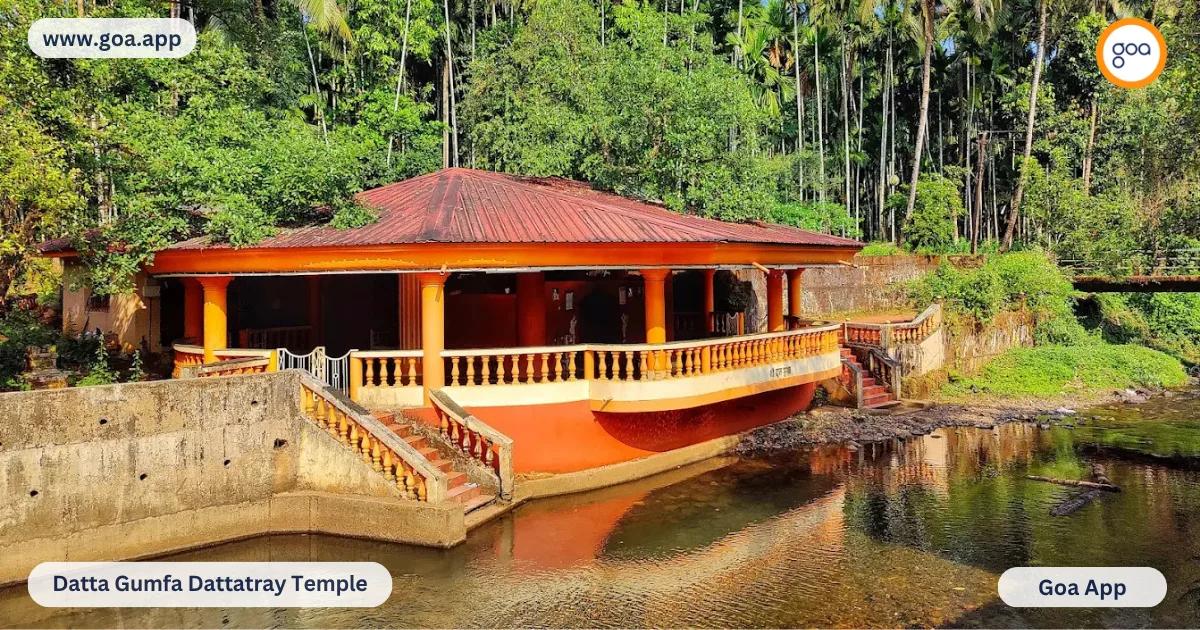
Nestled in the verdant heart of Sanquelim, a town often referred to as the "Temple Town" of North Goa, the Datta Gumfa Dattatray Temple stands as a testament to the region's deep-rooted spiritual heritage. Unlike the grand, sprawling temple complexes found in Ponda, this particular site offers a more intimate and primordial experience. The word "Gumfa" translates to "cave," and as the name suggests, this temple is uniquely integrated into a natural or semi-artificial rock-cut structure, providing a sanctuary of coolness and silence that is rare to find in the bustling tourist hubs of the coast. For the discerning traveler and the devout pilgrim, the Datta Gumfa represents the "other side" of Goa—one defined by the whispers of ancient stones and the rhythmic chanting of Vedic hymns rather than the thumping bass of beach parties.
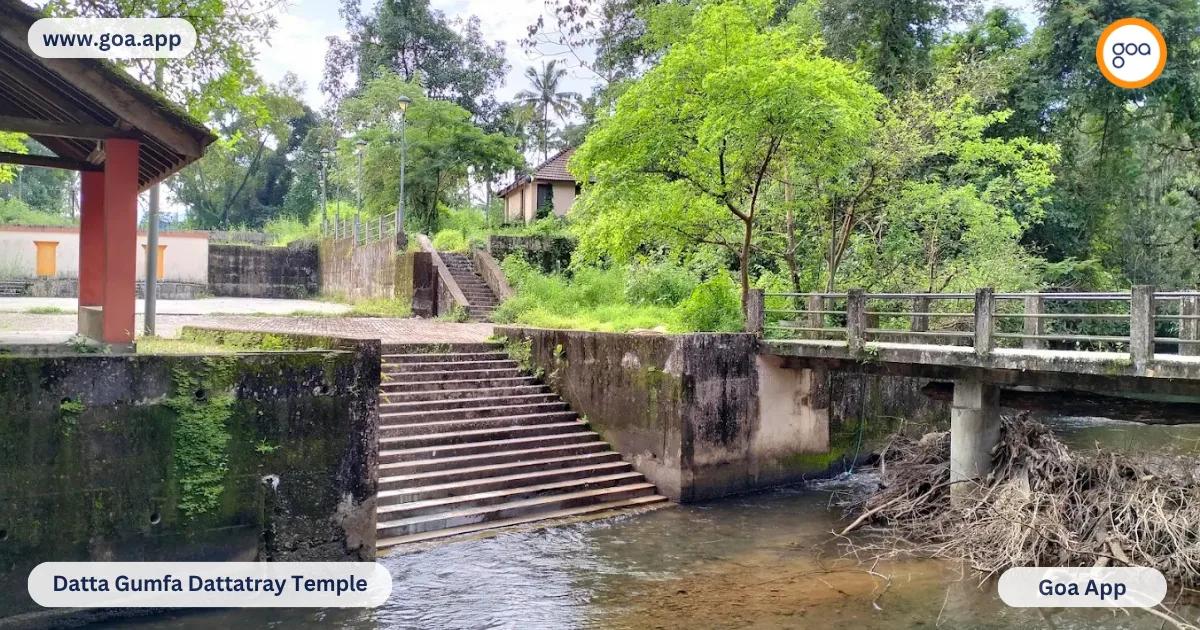
Sanquelim itself is located in the Bicholim Taluka, a region characterized by its rolling hills, iron-ore mines, and dense tropical foliage. The Datta Gumfa Dattatray Temple is strategically positioned near the banks of the Valvanti River, adding a serene aquatic element to its spiritual atmosphere. This temple is dedicated to Lord Dattatreya, a deity who embodies the combined energies of the Hindu Trinity: Brahma, Vishnu, and Shiva. The temple serves not only as a place of worship but as a focal point for the local community, preserving traditions that have survived through centuries of colonial rule. Visiting this site is an invitation to step back in time and witness the authentic, unhurried pace of Goan Hindu life.
The temple is often overshadowed by the more famous Vitthal Temple nearby, yet those who seek it out are rewarded with a profound sense of peace. The architecture is a blend of rugged cave-dwelling aesthetics and traditional Goan temple motifs. The surrounding landscape, filled with coconut palms and fruit-bearing trees, creates a natural buffer from the outside world. Whether you are a history buff interested in rock-cut architecture, a spiritual seeker looking for a quiet spot for meditation, or a photographer aiming to capture the soul of rural Goa, the Datta Gumfa Dattatray Temple provides an enriching and multi-layered experience that lingers in the memory long after you have left its cool interiors.
History & Religious Significance
The history of the Datta Gumfa Dattatray Temple is intrinsically linked to the broader historical narrative of Sanquelim and the Bicholim Taluka. Historically, this region served as a refuge for Hindu deities and their devotees during the 16th and 17th centuries. When the Portuguese Inquisition led to the destruction of many temples in the "Old Conquests" (coastal areas like Salcete and Bardez), many idols were clandestinely moved to the "New Conquests," including Bicholim, which remained under the influence of local Maratha chieftains and the Sawantwadi rulers for a longer period. While the specific date of the cave's excavation remains a subject of local debate, it is widely believed that these caves have been used for ascetic practices for several centuries.
The religious significance of the site is rooted in the Dattatreya Sampradaya, a spiritual tradition that emphasizes the unity of the three primary forces of the universe: creation, preservation, and transformation. Lord Dattatreya is considered an "Avadhuta"—one who has risen above worldly concerns and ego. In Goa, the worship of Dattatreya gained significant momentum during the Maratha period, as the deity was highly revered by several Maratha saints and warriors. The choice of a "Gumfa" or cave for the temple is significant; in Indian spiritual tradition, caves are seen as the "womb of the earth," ideal for deep meditation (tapasya) away from the distractions of the material world.
Local legends also occasionally link the caves in this region to the Pandavas from the Mahabharata, who are said to have spent time in the Goan hinterlands during their exile. While the nearby Arvalem Caves are more commonly associated with this legend, the spiritual aura of the Datta Gumfa is often bathed in the same mythological light. Over the years, the temple has evolved from a simple ascetic retreat into a structured place of worship, maintained with great care by the local community. It stands today as a symbol of cultural resilience, representing the survival and flourishing of Vedic traditions in the face of historical upheavals.
Architecture of Datta Gumfa Dattatray Temple
The architecture of the Datta Gumfa Dattatray Temple is a fascinating study in contrast. It combines the raw, organic feel of a rock-cut cave with the structured elements of Goan temple design. The most striking feature is, of course, the cave itself. Carved into the laterite rock—a reddish, iron-rich stone typical of the Goan landscape—the inner sanctum (Garbhagriha) provides a naturally temperature-controlled environment. Even during the peak of the Goan summer, the interior remains remarkably cool, a feature that ancient builders utilized to facilitate long hours of meditation and prayer.
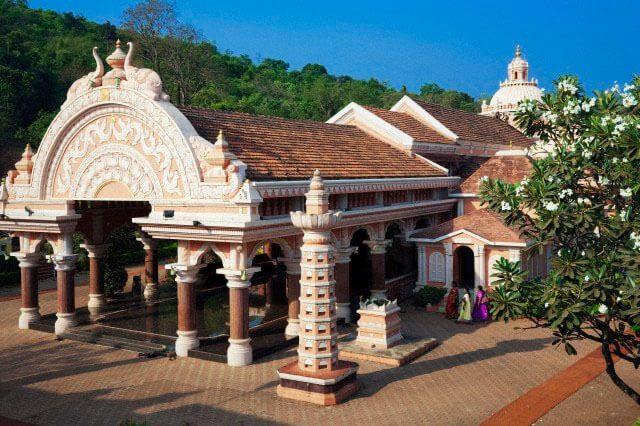
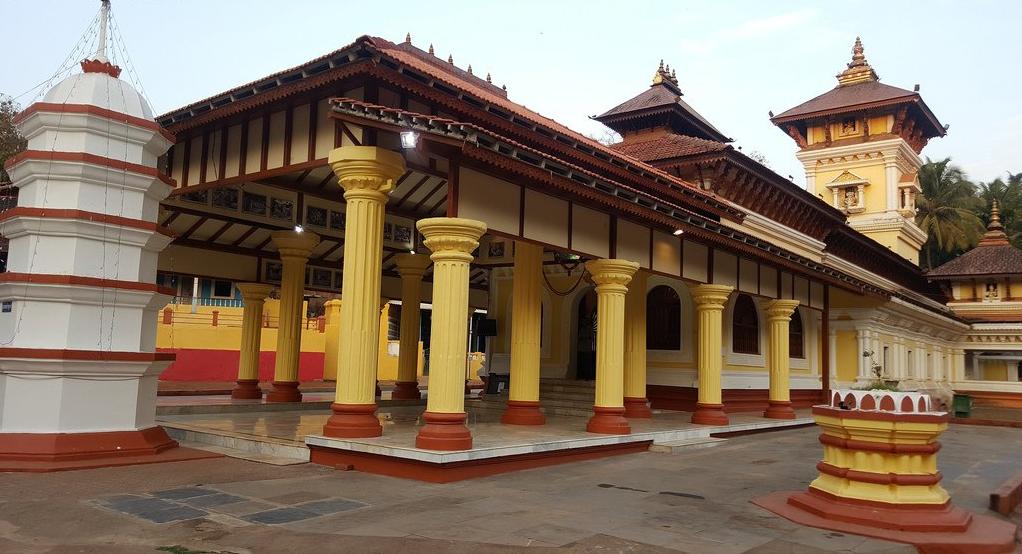
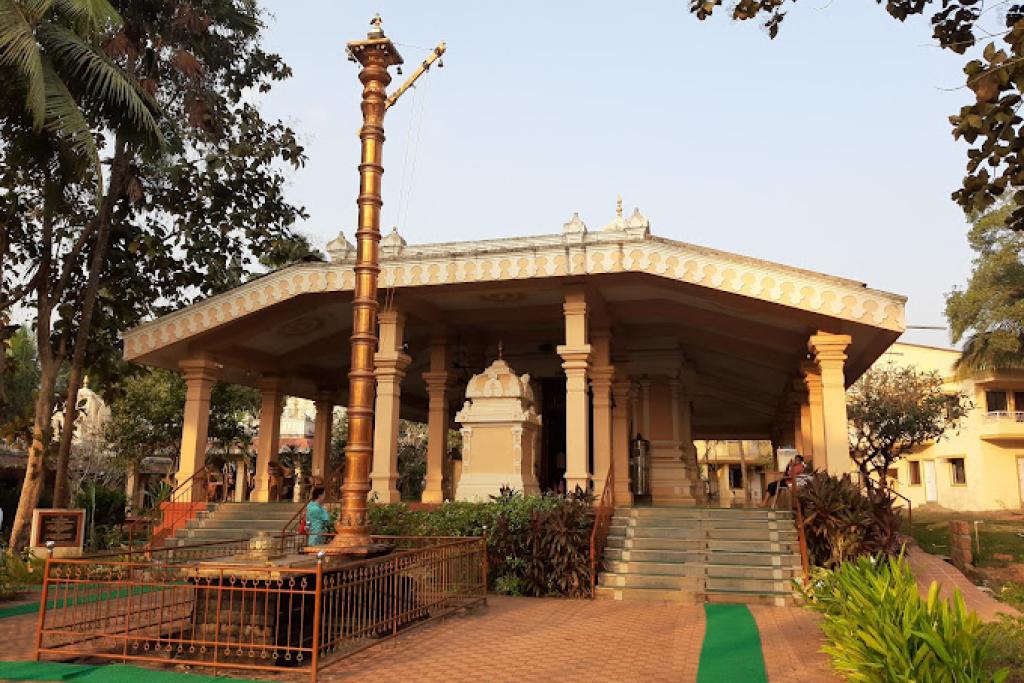
The entrance to the cave is often adorned with a traditional Goan "Mandap" or porch area, which may feature wooden carvings or simple masonry work. Unlike the elaborate "Deepastambhas" (lamp towers) found at the Mangeshi or Shanta Durga temples, the structures here are more modest, reflecting the ascetic nature of the Dattatreya tradition. The walls of the cave are relatively plain, emphasizing the spiritual presence of the deity rather than ornamental excess. However, you might notice small niches carved into the rock where oil lamps (diyas) are placed, their flickering light casting dramatic shadows against the uneven stone surfaces.
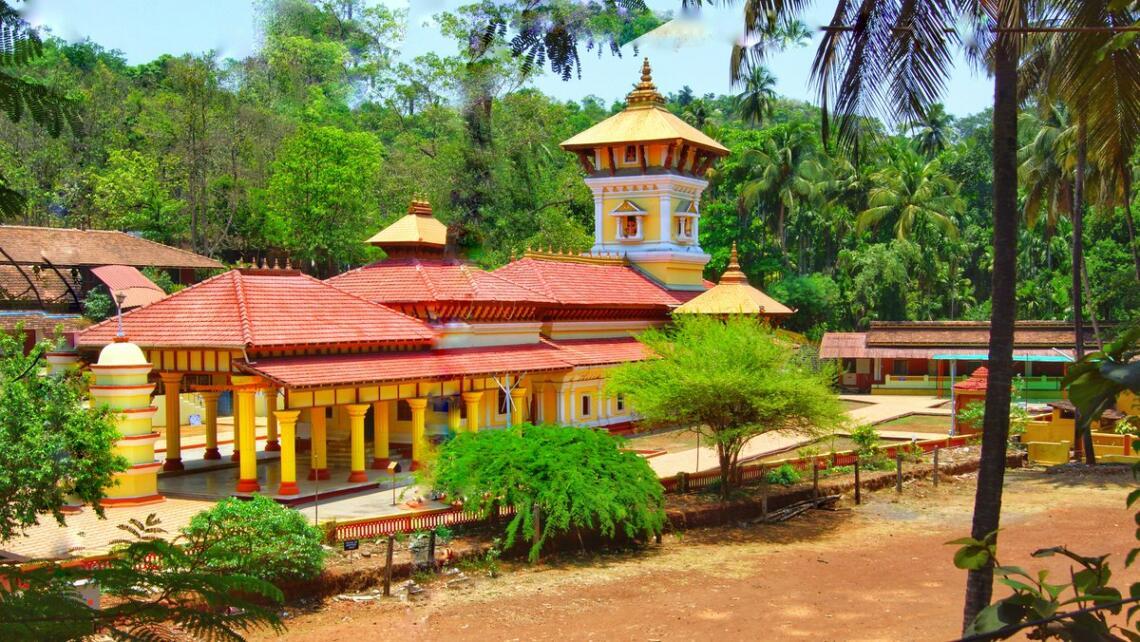
In the vicinity of the main cave, there are often additional structures built in the traditional Goan style, featuring sloping tiled roofs designed to drain the heavy monsoon rains. These buildings serve as administrative offices, pilgrim rest houses, or kitchens for preparing "Prasad." The integration of the natural rock with man-made additions creates a unique aesthetic that feels grounded and ancient. The flooring inside the cave is usually polished stone or marble in the more modern sections, providing a smooth surface for devotees to sit and meditate. The overall architectural philosophy here is one of humility and harmony with nature, encouraging the visitor to look inward rather than at outward displays of wealth.
Main Deity / Spiritual Importance
The presiding deity of the temple is Lord Dattatreya, a profound figure in the Hindu pantheon. Lord Dattatreya is depicted as having three heads and six arms. Each head represents one of the gods of the Hindu Trinity: Brahma (the Creator), Vishnu (the Preserver), and Shiva (the Destroyer). This triune form symbolizes the fundamental truth that these three forces are not separate but are different aspects of the same Supreme Reality. In his six hands, he typically holds the symbolic items of the Trinity: the Japamala and Kamandalu (Brahma), the Shankha and Chakra (Vishnu), and the Trishula and Damaru (Shiva).
The spiritual importance of Dattatreya at the Datta Gumfa is deeply tied to his role as the "Guru of Gurus." He is often shown accompanied by four dogs and a cow. The four dogs represent the four Vedas (Rigveda, Yajurveda, Samaveda, and Atharvaveda), signifying that the wisdom of the scriptures follows the enlightened soul. The cow represents Mother Earth and the nourishing aspect of nature. For devotees, visiting the Datta Gumfa is an act of seeking guidance on the path to self-realization. It is believed that praying here with a sincere heart can help remove obstacles in one's spiritual journey and bring mental clarity.
The spiritual energy of the temple is further enhanced by its "Gumfa" setting. In the Yogic tradition, the "Guha" or cave is a metaphor for the heart. By entering the physical cave of the temple, the devotee is symbolically entering the cave of their own heart to find the divine within. This makes the Datta Gumfa Dattatray Temple a particularly potent spot for Dhyana (meditation) and Japa (mantra chanting). The silence of the cave amplifies the internal sound, making it easier for practitioners to reach deeper states of consciousness. The temple follows strict Vedic rituals, and the vibrations created by the daily "Aarti" and "Abhishek" are said to purify the surrounding environment.
Festivals & Celebrations
The Datta Gumfa Dattatray Temple comes alive during various Hindu festivals, with Datta Jayanti being the most significant. Celebrated on the full moon day (Purnima) of the Margashirsha month (usually falling in December), Datta Jayanti marks the birth anniversary of Lord Dattatreya. During this time, the temple is decorated with flowers and lights, and thousands of devotees from across Goa and neighboring states like Maharashtra and Karnataka flock to Sanquelim. The air is filled with the sound of "Bhajans" and "Kirtans," and special "Pujas" are conducted throughout the day and night. A grand procession often takes place, where the deity's "Palkhi" (palanquin) is carried around the temple premises amidst much fanfare.
Another major celebration is the Vardhapandis or the temple's foundation day, which involves special rituals and community feasts (Mahaprasad). During these festivals, the local Goan tradition of "Dashavatara" (folk theatre depicting the ten incarnations of Vishnu) or "Bhajan" competitions might be organized in the temple vicinity. These cultural performances are a vital part of Goan Hindu identity and provide a glimpse into the artistic heritage of the region.
The festival of Mahashivratri is also observed with great devotion, given Dattatreya's connection to Lord Shiva. Devotees may stay awake all night, performing "Abhishek" on the Shiva Lingam if one is present within the complex, or focusing their prayers on the Shiva aspect of Dattatreya. Additionally, the month of Shravan (typically August) sees an increase in visitors, as it is considered a holy month for penance and worship. During Shravan, the lush greenery surrounding the temple is at its peak, making the spiritual experience even more connected to the rhythms of nature. Participating in these festivals allows visitors to witness the "Chaitanya" (divine energy) and the vibrant communal spirit that defines Goan temple culture.
Best Time to Visit
To experience the Datta Gumfa Dattatray Temple in its full glory, the winter months from November to February are ideal. During this period, the weather in Goa is pleasant and mild, with temperatures ranging from 20°C to 30°C. This makes the journey to the hinterland of Sanquelim comfortable. The clear skies and cool breeze are perfect for exploring the temple grounds and the nearby Arvalem waterfalls. Moreover, this window coincides with the festival of Datta Jayanti, offering a chance to witness the temple's most vibrant celebrations.
The Monsoon season (June to September) offers a different kind of charm. While the heavy rains can make travel a bit challenging, the landscape of Bicholim transforms into a vivid emerald paradise. The Valvanti River flows with renewed vigor, and the humidity drops inside the cave temple. For those who enjoy the "Susegad" (laid-back) Goan monsoon vibe and want to avoid crowds, this is a beautiful time to visit. However, one should be prepared for sudden downpours and carry appropriate rain gear. The atmosphere during the monsoons is incredibly meditative, with the sound of rain providing a natural backdrop to one's prayers.
The Summer season (March to May) can be quite hot and humid in Goa, with temperatures often soaring above 35°C. However, the unique advantage of the Datta Gumfa is its rock-cut interior, which remains cool even in the sweltering heat. If you choose to visit during the summer, it is best to plan your trip for the early morning (between 7:00 AM and 9:00 AM) or late afternoon (after 4:30 PM) to avoid the midday sun. Regardless of the season, a morning visit is always recommended to experience the peaceful "Nirmalya Puja" and the freshness of the early day.
Timings, Entry Fee & Dress Code
The Datta Gumfa Dattatray Temple follows a traditional schedule common to most Goan Hindu temples. It generally opens early in the morning and closes for a few hours in the afternoon. While timings can vary slightly during festivals, the standard operating hours are:
- Morning: 7:00 AM to 12:30 PM
- Evening: 4:00 PM to 8:00 PM
There is no entry fee to visit the temple. Like most religious sites in India, it is open to people of all faiths, provided they respect the sanctity of the place and follow the established norms. Donations are voluntary and can be made at the temple office if you wish to contribute to the maintenance of the site or the conduct of rituals.
Dress Code: As this is a traditional place of worship, visitors are expected to dress modestly. Both men and women should ensure their shoulders and knees are covered.
- For Men: Formal trousers or dhotis and shirts are preferred. Avoid wearing shorts or sleeveless tank tops.
- For Women: Sarees, Salwar Kameez, or long skirts with tops are appropriate. Avoid short skirts, hot pants, or transparent clothing.
Before entering the cave or the main prayer hall, you must
remove your footwear. There is usually a designated area for keeping shoes. It is also customary to wash your hands and feet at the provided taps before entering the sanctum. Maintaining silence inside the cave is highly encouraged to respect those who are meditating.
How to Reach Datta Gumfa Dattatray Temple
The Datta Gumfa Dattatray Temple is located in Sanquelim, North Goa, approximately 30 kilometers from the capital city, Panjim. Reaching the temple is a scenic journey that takes you through the heart of Goa's mining belt and lush countryside.
- By Road: This is the most convenient way to reach the temple. You can hire a taxi or rent a scooter/car from major tourist hubs like Calangute, Baga, or Panjim. The drive from Panjim takes about 45 to 60 minutes via the NH748 and the Ponda-Virdi road. From Mapusa, it is about 25 kilometers and takes roughly 40 minutes. The roads are generally well-maintained and offer glimpses of traditional Goan villages.
- By Bus: There are regular Kadamba Transport Corporation (KTC) buses and private buses running from Panjim and Mapusa to Sanquelim. Once you reach the Sanquelim bus stand, the temple is a short rickshaw ride away. Bus travel is very economical and gives you a chance to interact with the locals.
- By Rail: The nearest major railway station is Thivim, which is about 18 kilometers from Sanquelim. From Thivim, you can take a taxi or a local bus to reach the temple. Another option is the Karmali station near Old Goa, which is about 22 kilometers away.
- By Air: The Manohar International Airport (Mopa) is the closest airport, located about 35 kilometers from Sanquelim. Alternatively, the Dabolim Airport is about 50 kilometers away. From either airport, hiring a pre-paid taxi is the most comfortable way to reach the temple.
For those using GPS, searching for "Datta Gumfa Sanquelim" or "Dattatray Temple Sanquelim" should lead you directly to the location. The temple is situated near the Vitthal Temple, which is a well-known landmark in the area.
Things to Do
A visit to the Datta Gumfa Dattatray Temple is more about "being" than "doing," but there are several activities that can enrich your visit:
- Meditation and Reflection: The primary draw of the Gumfa is its silent, cool interior. Spend at least 15-20 minutes sitting quietly inside the cave. The natural acoustics and the spiritual history of the space make it an excellent spot for mindfulness and internal reflection.
- Attend the Aarti: If your timing aligns, witnessing the evening "Aarti" is a powerful experience. The rhythmic ringing of bells, the scent of incense, and the collective chanting create a high-vibrational atmosphere that is deeply moving.
- Explore the Rock-Cut Features: Take a close look at the laterite walls and the way the cave has been shaped. Notice the simplicity of the carvings and how the space has been utilized to house the deity.
- Interact with the Priests: If the priests are not busy with rituals, they are often happy to share stories about the temple's history and the significance of Lord Dattatreya. This can provide a deeper cultural context to your visit.
- Photography (External): While photography is usually prohibited inside the sanctum, the exterior of the temple and the surrounding greenery offer beautiful subjects for photography. The play of light on the red laterite stone is particularly striking.
- Visit the Valvanti River: Take a short walk to the banks of the nearby Valvanti River. The flowing water adds to the tranquility of the area and provides a nice spot for a quiet stroll after your temple visit.
Nearby Attractions
Sanquelim and its surrounding areas are rich in natural and cultural attractions, making it easy to plan a full day of exploration:
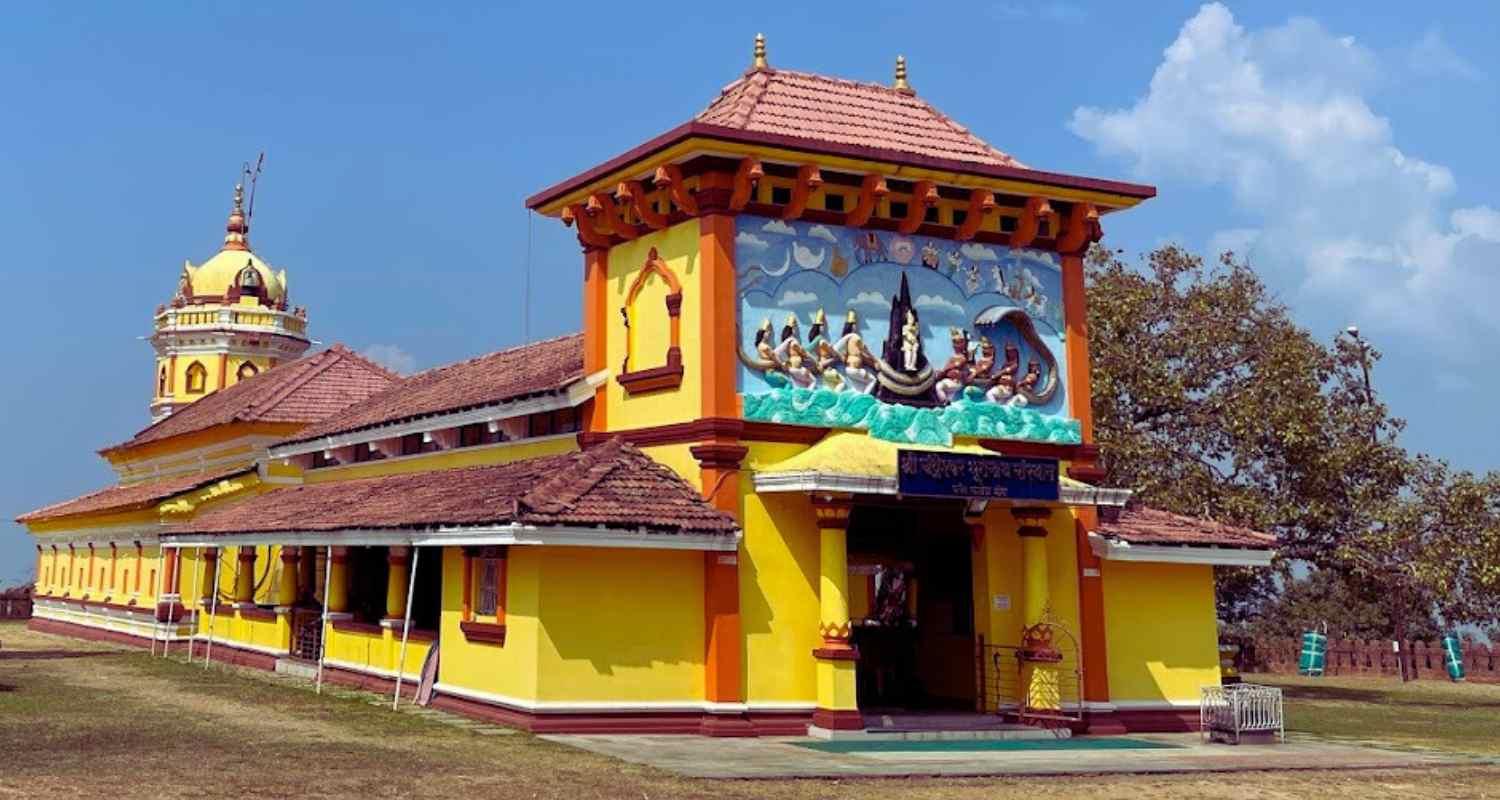
- Vitthal Temple: Located very close to the Datta Gumfa, this is one of the most famous temples in Sanquelim. It is known for its beautiful architecture and its historical connection to the Rane family, who were prominent warriors in Goan history. The temple is dedicated to Lord Vitthal, an incarnation of Lord Vishnu.
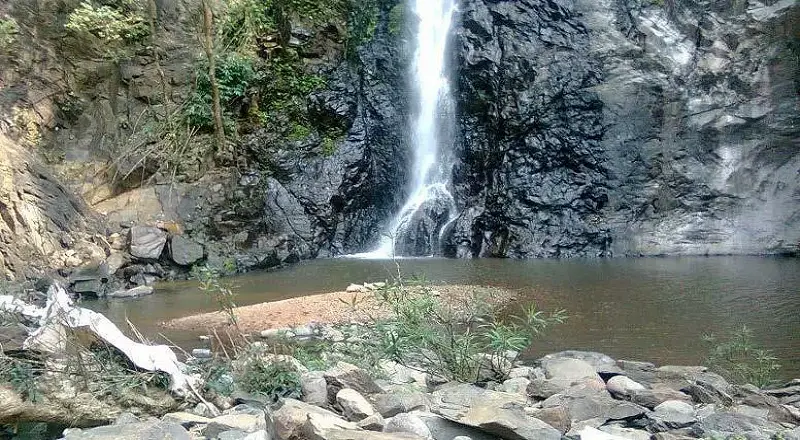
- Arvalem Waterfalls: Just a few kilometers from the temple, the Arvalem (or Harvalem) waterfall is a spectacular sight, especially during and after the monsoon. The water cascades down from a height of about 50 meters into a large pool.
- Arvalem Caves (Pandava Caves): These are ancient rock-cut caves dating back to the 6th century. They are believed to have been used by Buddhist monks and later adapted for Hindu worship. They are architecturally significant and offer a great comparison to the Datta Gumfa.
- Rudreshwar Temple: Situated right next to the Arvalem waterfalls, this temple is dedicated to Lord Shiva. It is a popular spot for performing last rites and is known for its dramatic location overlooking the falls.
- Lamgao Caves: Located in Bicholim, these are another set of rock-cut caves that are less visited but equally fascinating for those interested in archaeology and ancient hermitages.
- Mayem Lake: A popular picnic spot about 10 kilometers away, Mayem Lake offers pedal boating and a peaceful environment surrounded by hills. It’s a great place to relax with family.
Photography & Visitor Guidelines
To ensure a respectful and pleasant visit to the Datta Gumfa Dattatray Temple, please adhere to the following guidelines:
- Photography: Strictly avoid taking photos or videos inside the inner sanctum or of the main deity. This is considered disrespectful in Hindu tradition. You may take photos of the temple exterior and the surrounding landscape, but always ask for permission if you wish to photograph people or priests.
- Silence: Maintain a low volume when speaking. Many people come here for meditation and prayer, and loud noises can be disruptive. Turn your mobile phones to silent mode before entering the temple premises.
- Cleanliness: Do not litter. The temple is a sacred space, and it is the responsibility of every visitor to keep it clean. Use designated bins for any waste.
- Offerings: If you wish to make an offering, you can bring flowers, coconut, or incense. These can be purchased at small stalls near the temple entrance. Hand over your offerings to the priest, who will offer them to the deity on your behalf.
- Respect Local Customs: If you see a ritual in progress, observe quietly from a distance. Do not interrupt the priests or the devotees. If you are unsure about where to sit or stand, observe what the locals are doing or ask politely.
- Alcohol and Smoking: These are strictly prohibited in and around the temple premises. Consumption of non-vegetarian food is also discouraged in the immediate vicinity of the temple.
Where to Eat Nearby
Sanquelim is a small town, so while you won't find fine-dining restaurants, you can enjoy authentic Goan Hindu cuisine and local snacks:
- Local Bhojanalayas: Look for small eateries near the Sanquelim bus stand that serve "Thalis." A typical Goan Hindu thali includes rice, dal, a vegetable dish (bhaji), a coconut-based curry, and "Sol Kadi" (a refreshing drink made from kokum and coconut milk).
- Snack Centers: Try the local "Ros Omelette" (omelette served with spicy gravy) or "Patal Bhaji" (dried peas curry served with Goan bread/pao). These are staples of the Goan breakfast and evening tea.
- Bicholim Market: If you drive a few kilometers to Bicholim town, you will find more variety, including small restaurants serving North Indian and Chinese dishes.
- Street Food: During festival times, the area around the temple is lined with stalls selling "Khaje" (a ginger-infused sweet snack), "Chana Chor Garam," and fresh coconut water.
- Note: Most eateries in this region are quite basic. If you have specific dietary requirements, it might be better to carry some snacks or head back toward the coastal belt for more diverse options.
Accommodation Nearby
Most visitors to the Datta Gumfa Dattatray Temple stay in the coastal areas or in Panjim and visit Sanquelim as a day trip. However, if you wish to stay closer to the spiritual heart of North Goa, here are some options:
- Guesthouses in Sanquelim/Bicholim: There are a few modest guesthouses and "lodges" in Sanquelim town catering primarily to pilgrims and business travelers. These offer basic amenities like a bed, fan, and attached bathroom.
- Eco-Resorts in the Hinterland: For a more immersive experience, look for eco-stays or farmstays in the Valpoi or Bicholim area. Places like Wildernest Nature Resort or Swapnagandha (though a bit further away) offer a luxurious way to experience the Ghats and the Goan forests.
- Mayem Lakeview: The GTDC (Goa Tourism Development Corporation) runs a residency near Mayem Lake, which is about 15-20 minutes away from Sanquelim. It offers decent rooms and a peaceful lakeside setting.
- Homestays: There are an increasing number of homestays in rural North Goa where you can stay with a local family and experience Goan hospitality firsthand. Websites like Airbnb or local tourism portals can help you find these gems.
Travel Tips
To make the most of your trip to the Datta Gumfa Dattatray Temple, keep these tips in mind:
- Start Early: The hinterlands of Goa are best explored in the early morning when the air is fresh and the traffic is minimal.
- Combine Your Visit: Since Sanquelim is a bit of a drive from the main tourist areas, combine your visit to the Datta Gumfa with the Vitthal Temple, Arvalem Waterfalls, and the Arvalem Caves.
- Carry Cash: In small towns like Sanquelim, small shops and eateries may not always accept digital payments or cards. It is always handy to have enough cash in small denominations.
- Stay Hydrated: Even if you are visiting in winter, the Goan sun can be strong. Carry a reusable water bottle.
- Learn a Few Konkani Words: While most people understand English and Hindi, a simple "Dev barem koru" (May God do good to you/Thank you) goes a long way in winning local hearts.
- Respect the Mining Trucks: The road to Sanquelim passes through mining areas. Be cautious of large ore-carrying trucks and drive safely, especially on narrow bends.
- Footwear: Wear comfortable walking shoes as you will be taking them off frequently at temples. Slip-ons are the most convenient.
Conclusion
The Datta Gumfa Dattatray Temple is more than just a religious site; it is a sanctuary where the natural world and the divine intersect. In the quietude of its laterite cave, one can find a respite from the frenetic energy of modern life and a connection to an ancient spiritual lineage. It represents the soul of Antruz Mahal (the cultural heart of Goa), where traditions are preserved with quiet dignity and devotion. Whether you are drawn by the architectural curiosity of a cave temple, the theological depth of Lord Dattatreya, or simply the desire to explore the hidden corners of North Goa, the Datta Gumfa offers a rewarding journey. As you leave the temple, with the sound of the Valvanti River in the distance and the scent of incense lingering on your clothes, you carry with you a piece of Goa's timeless spiritual essence—a reminder that peace is often found in the most humble and hidden of places.