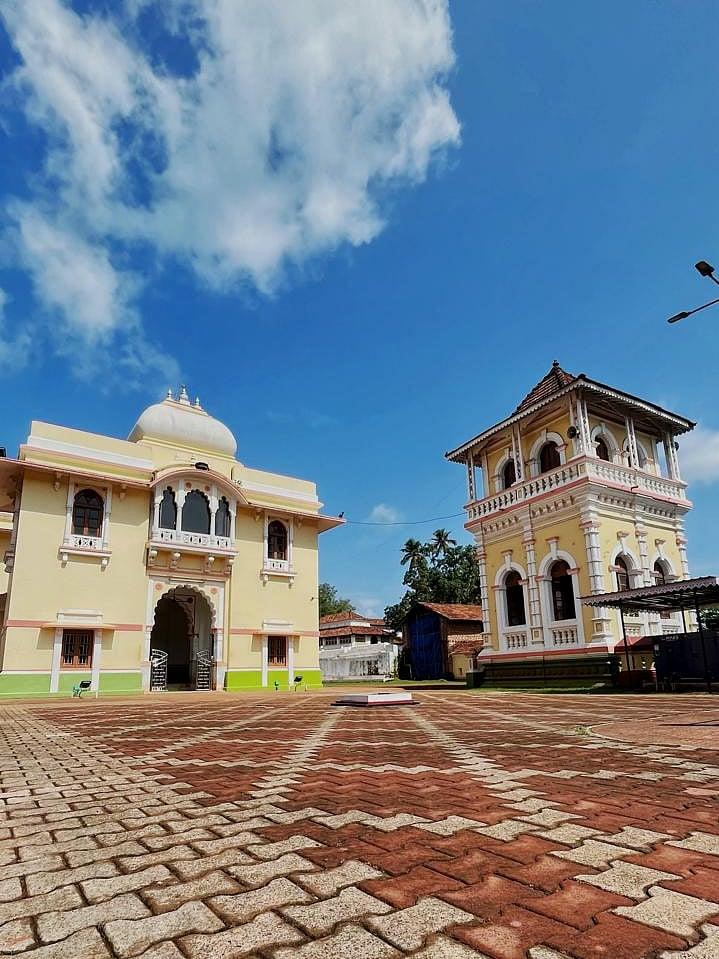
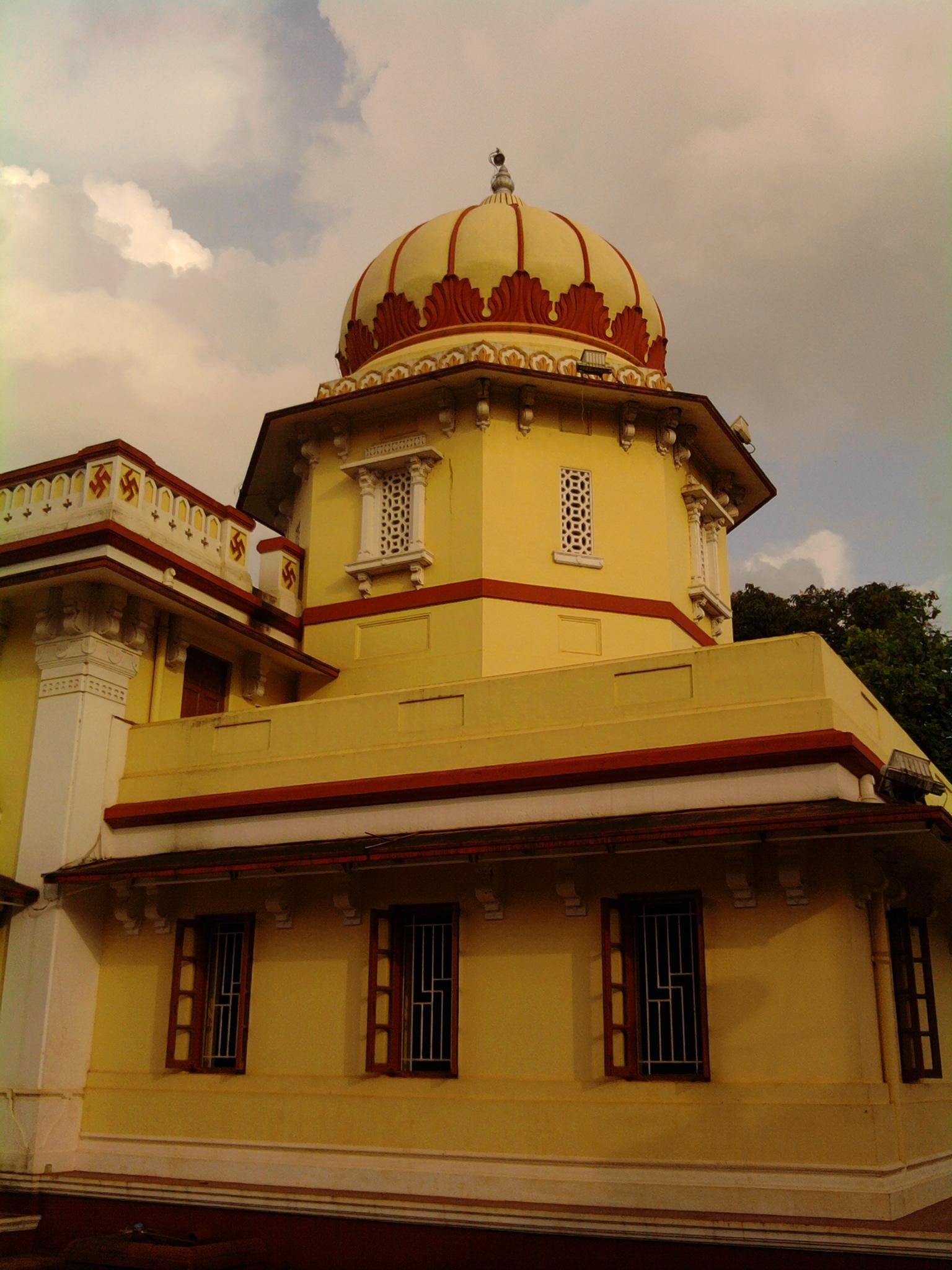
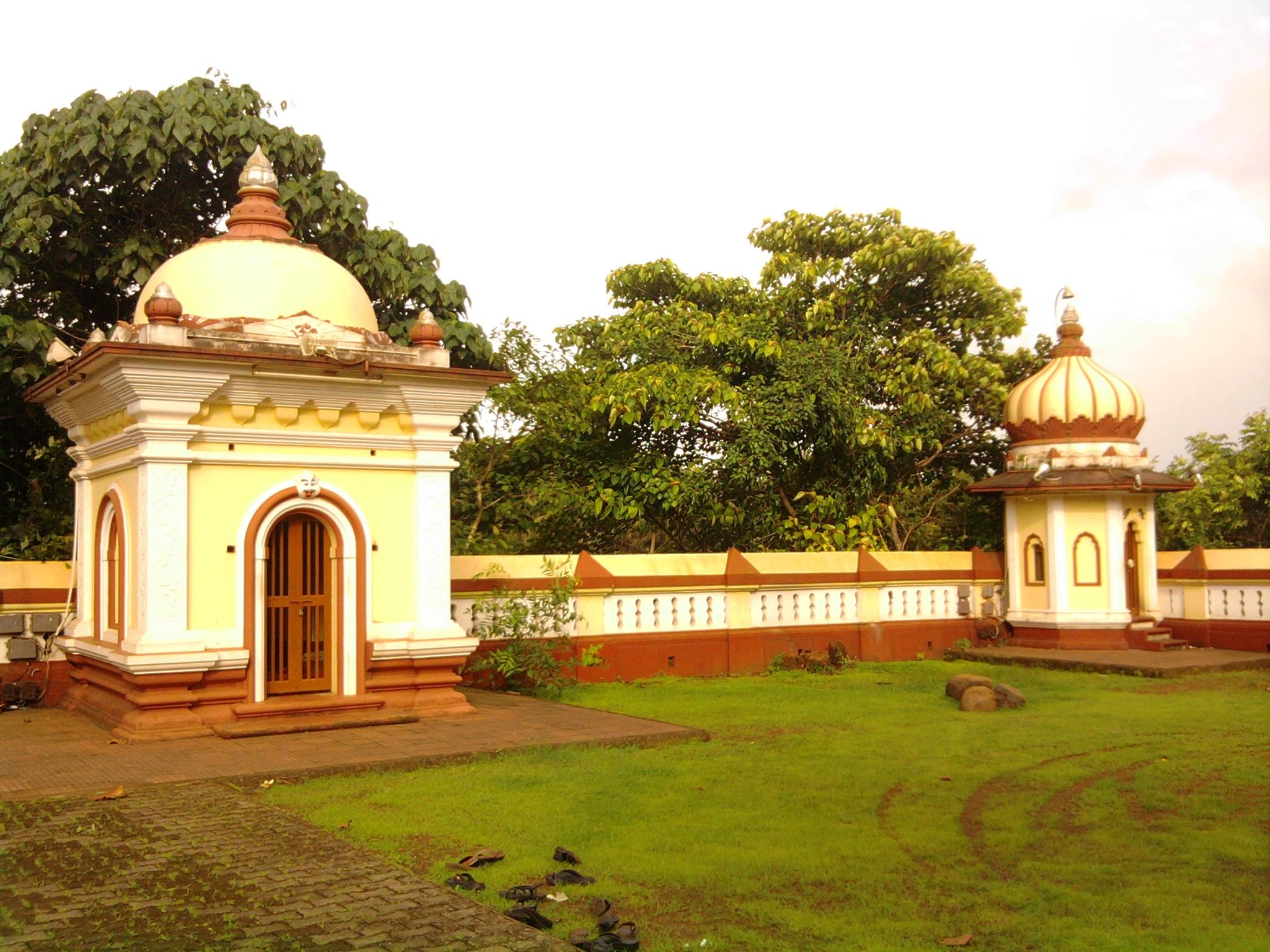
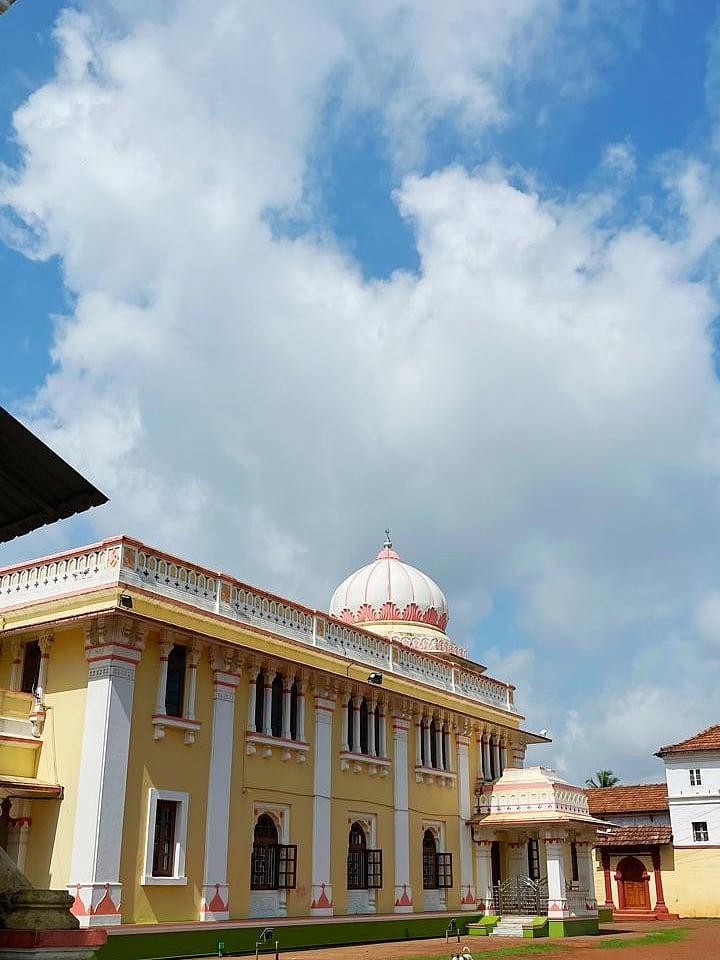
Overview of Vithal Temple
Nestled in the serene and culturally rich town of Sanquelim (also known as Sankhali) in North Goa, the Vithal Temple stands as a magnificent testament to the spiritual heritage and historical resilience of the Goan people. While Goa is globally renowned for its sun-kissed beaches and vibrant nightlife, the hinterlands offer a different, more profound narrative—one of ancient traditions, architectural marvels, and deep-rooted devotion. The Vithal Temple, dedicated to Lord Vithal (an incarnation of Lord Vishnu), is perhaps the most significant landmark in this region, serving as the spiritual heart of the Sanquelim community and the ancestral shrine of the illustrious Rane family.
The temple is located on the banks of the Valvanti River, providing a tranquil backdrop that enhances its spiritual aura. Unlike the more famous temples in Ponda that often reflect a heavy Portuguese influence in their later reconstructions, the Vithal Temple in Sanquelim maintains a distinct aesthetic that bridges the gap between North Indian temple architecture and traditional Goan design. It is a place where the air is thick with the scent of incense and the rhythmic chanting of Vedic hymns, offering a sanctuary for those seeking peace away from the tourist-heavy coastal belts. For any traveler looking to understand the "Real Goa," a visit to this temple is not just a sightseeing stop but a journey into the soul of the state’s Hindu identity.
As a professional travel writer, I have visited numerous religious sites across the Konkan coast, but the Vithal Temple holds a unique charm. It is not just the physical structure that impresses, but the living history it represents. The temple serves as a focal point for the Varkari Sampradaya in Goa, a tradition that emphasizes the path of devotion (Bhakti) and equality. Whether you are a history buff, an architecture enthusiast, or a spiritual seeker, the Vithal Temple offers a multi-layered experience that resonates long after you have left its hallowed precincts.
History & Religious Significance
The history of the Vithal Temple is inextricably linked with the Rane family, a clan of fierce warriors and local chieftains who trace their ancestry back to the Sisodia Rajputs of Mewar, Rajasthan. The Ranes migrated to Goa centuries ago and played a pivotal role in the region's history, often leading revolts against Portuguese colonial rule to protect their land and religious freedom. The temple was built in the 1940s, but its spiritual roots go back much further, representing the family's long-standing devotion to Lord Vithal.
Lord Vithal, also known as Panduranga or Vitthal, is the primary deity of the Varkari sect in Maharashtra. The Ranes, despite being settled in Goa for generations, maintained strong cultural and spiritual ties with the neighboring regions of Maharashtra and Karnataka. The establishment of this temple in Sanquelim was a way to ground those spiritual traditions in Goan soil. Historically, the Ranes were the protectors of the Sattari and Bicholim talukas, and the temple served as a symbol of their authority and their commitment to the welfare of the local population.
The religious significance of the Vithal Temple extends beyond the Rane lineage. It is a major center for the Varkari tradition in Goa, which promotes the idea that God can be reached through simple devotion and song, regardless of caste or social status. This inclusive philosophy has made the temple a beloved site for people from all walks of life. The temple also commemorates the historical resistance of the Goan people. During the era of the Inquisition and the forced conversions under Portuguese rule, such temples were symbols of cultural survival. While the current structure is relatively modern compared to ancient cave temples, it stands on ground that has been sanctified by centuries of prayer and the blood of those who fought to keep their traditions alive.
Architecture of Vithal Temple
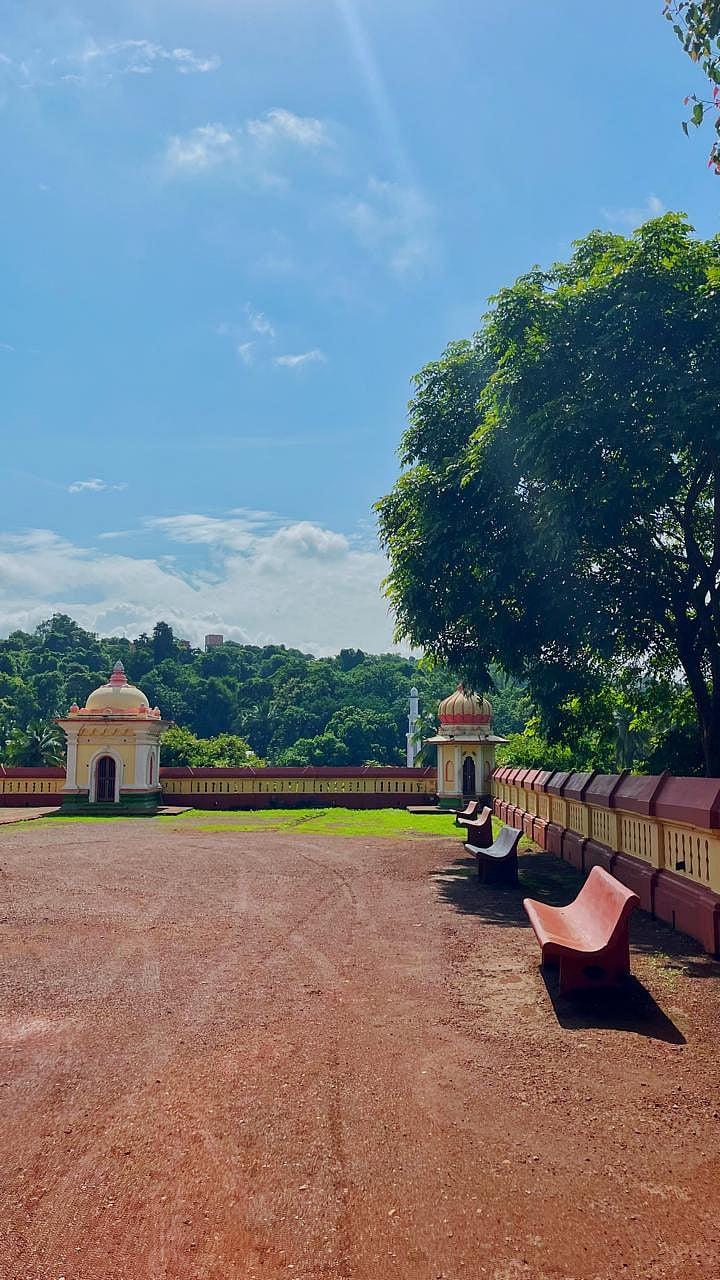
The architecture of the Vithal Temple is a fascinating blend of styles, showcasing the evolution of temple building in Goa during the mid-20th century. At first glance, the most striking feature is the Shikhara (the tower over the sanctum), which follows a traditional North Indian Nagara style, yet is adapted with local Goan nuances. The temple is built on a raised plinth, and its layout follows the classic Hindu temple plan, consisting of the Garbhagriha (sanctum sanctorum), the Antarala (vestibule), and the Mandapa (assembly hall).
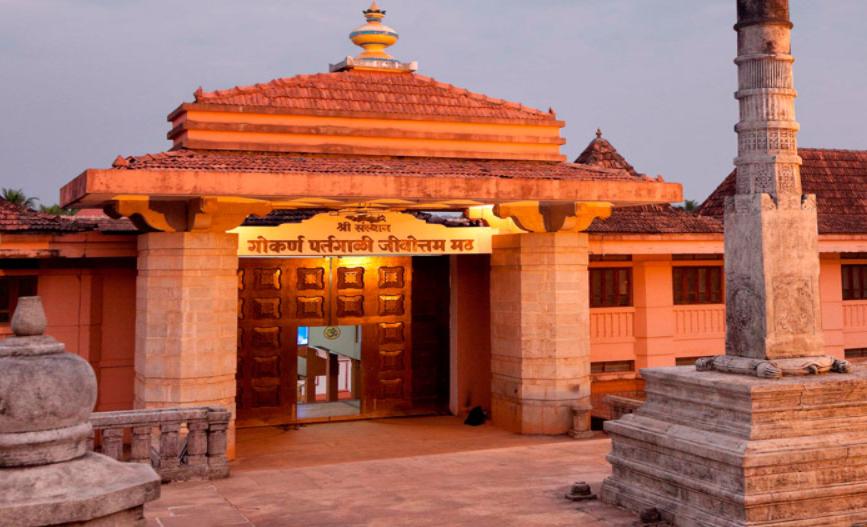
One of the most iconic architectural elements of the Vithal Temple is the Deepastambha, or the tower of light. This multi-tiered structure stands tall in the temple courtyard. During festivals, hundreds of oil lamps are placed in the niches of the tower, creating a spectacular pillar of fire that illuminates the entire complex. This is a quintessential feature of Goan Hindu architecture, symbolizing the removal of darkness and the triumph of knowledge. The Deepastambha at Sanquelim is particularly elegant, with intricate carvings that reflect the craftsmanship of local artisans.
Inside the temple, the Mandapa is supported by beautifully carved pillars. The ceiling often features intricate designs, and the use of wood in the interior construction provides a warmth that is characteristic of Konkan architecture. However, the pièce de résistance is the ceremonial chariot (Ratha). Carved entirely out of wood, this chariot is a marvel of traditional craftsmanship. It is used during the annual chariot festival to carry the deity around the town. The wheels, the chassis, and the canopy of the chariot are covered in detailed carvings of mythological scenes, floral motifs, and celestial beings. The fusion of stone masonry and exquisite woodwork makes the Vithal Temple a significant study for those interested in the artistic evolution of religious structures in the region.
Main Deity / Spiritual Importance
The presiding deity of the temple is Lord Vithal, who is considered a manifestation of Lord Krishna, who in turn is an avatar of Lord Vishnu. The idol of Lord Vithal in Sanquelim is a sight to behold. He is depicted in his classic posture—standing tall with his hands on his hips (arms akimbo), a pose that signifies he is waiting for his devotees. This particular iconography is synonymous with the famous Vithoba temple in Pandharpur, Maharashtra. Beside him stands his consort, Rakhumai (Goddess Rukmini).
The spiritual importance of Lord Vithal lies in the concept of "Bhakti" or selfless devotion. Unlike some deities who are worshipped with complex rituals and grand sacrifices, Vithal is seen as a "God of the common man." He is accessible, compassionate, and deeply connected to the daily lives of his followers. In the Goan context, Lord Vithal represents a bridge between the martial spirit of the Rane Rajputs and the peaceful, agrarian lifestyle of the local villagers. The deity is often referred to as Mauli, a Marathi term meaning "mother," reflecting the nurturing and protective nature attributed to him.
For the devotees who visit the temple, the spiritual experience is centered around the Darshan—the act of seeing and being seen by the deity. The atmosphere inside the sanctum is one of intense quietude, punctuated only by the ringing of bells and the soft murmurs of prayers. Many visitors believe that a visit to the Vithal Temple in Sanquelim is equivalent to a pilgrimage to Pandharpur. The spiritual energy of the place is said to provide clarity of mind and emotional healing. The temple also serves as a center for Bhajans and Kirtans (devotional songs), which are integral to the Varkari tradition and are performed with great fervor by local groups, keeping the spiritual vibrations of the temple alive and vibrant.
Festivals & Celebrations
The Vithal Temple is the site of some of the most vibrant and culturally significant festivals in North Goa. The most important of these is the Chaitra Vari, a nine-day festival held in the Hindu month of Chaitra (usually falling in April). This festival attracts thousands of devotees from all over Goa and neighboring states. The entire town of Sanquelim transforms into a hub of religious activity, with the temple at its center. The Chaitra Vari culminates in a grand procession where the deity is placed on the beautifully carved wooden chariot and pulled through the streets by the faithful.
During the Chaitra Vari, the atmosphere is electric. The air is filled with the sounds of Dhol and Tasha (traditional drums), and the streets are lined with stalls selling everything from local sweets like khaje to handmade toys and household items. Another major celebration is Vitthal Jayanti, the birth anniversary of the deity. On this day, special Abhishekas (ritual baths) and Pujas are performed. The temple is decorated with marigold flowers and mango leaves, and the Deepastambha is lit in all its glory.
Other significant occasions include Ashadi Ekadashi and Kartiki Ekadashi, which are the most auspicious days for Vithal devotees. On these days, many locals undertake a fast and spend the day in prayer and singing Bhajans. The festivals at Vithal Temple are not just religious events; they are social gatherings that reinforce community bonds. The Rane family continues to play a leading role in these celebrations, maintaining the traditions of their ancestors. For a tourist, witnessing these festivals is a rare opportunity to see the authentic, uncommercialized side of Goan culture, where devotion and tradition take center stage.
Best Time to Visit
To fully appreciate the beauty and spiritual essence of the Vithal Temple, timing is crucial. The best time to visit is during the winter months, from November to February. During this period, the weather in Goa is pleasant, with cool breezes and manageable humidity, making it ideal for exploring the temple grounds and the surrounding areas of Sanquelim. The morning hours, specifically between 7:00 AM and 9:00 AM, are particularly magical as the soft sunlight hits the Shikhara and the temple is relatively quiet.
If you wish to experience the temple in its full cultural splendor, then visiting during the Chaitra Vari festival in April is a must. However, be prepared for significant crowds and the summer heat. The energy during the festival is unparalleled, but it may not be suitable for those looking for a quiet, meditative experience. Alternatively, the Monsoon season (June to September) offers a different kind of beauty. The Valvanti River flows in full force, and the surrounding Western Ghats turn a lush, vibrant green. The temple looks stunning against the backdrop of dark rain clouds, though travel can be a bit more challenging due to heavy downpours.
For those who prefer a peaceful visit, weekdays are much better than weekends. Saturdays and Sundays often see a surge in local visitors and families. Regardless of the season, arriving early in the morning or during the evening Aarti (around 6:30 PM or 7:00 PM) provides the most spiritually uplifting experience. The evening Aarti, with the lighting of the lamps and the rhythmic chanting, is a sensory experience that should not be missed by any traveler.
Timings, Entry Fee & Dress Code
Planning a visit to the Vithal Temple requires keeping certain logistical details in mind to ensure a respectful and smooth experience. The temple typically follows these timings:
- Morning: 6:00 AM to 12:30 PM
- Evening: 4:00 PM to 8:30 PM
Please note that the temple remains closed during the afternoon hours (12:30 PM to 4:00 PM) to allow the deity to "rest," which is a common practice in Hindu temples. It is advisable to reach before 11:30 AM if you wish to perform any specific prayers or spend time inside the Mandapa before the doors close.
Entry Fee: There is no entry fee to visit the Vithal Temple. Access is free for everyone, regardless of nationality or religion. However, donations for the maintenance of the temple and its charitable activities are welcome and can be dropped into the Hundi (donation box) located near the entrance.
Dress Code: As this is a sacred site with deep traditional roots, a strict dress code is expected. Visitors should dress modestly.
- Men: Should wear trousers or traditional dhotis. Avoid wearing shorts or sleeveless tank tops.
- Women: Should wear sarees, salwar kameez, or long skirts. Shoulders and knees should be covered. Avoid wearing short dresses, beachwear, or transparent clothing.
- Footwear: All footwear must be removed before entering the temple complex. There is usually a designated area near the entrance where you can safely leave your shoes.
By adhering to these guidelines, you show respect to the local customs and the sanctity of the shrine.
How to Reach Vithal Temple
Sanquelim is located in North Goa, approximately 30 kilometers from the capital city, Panjim. Reaching the Vithal Temple is relatively easy as it is well-connected by road. Here are the most convenient ways to reach the site:
- By Private Vehicle/Taxi: This is the most comfortable option. From Panjim, the drive takes about 45 to 60 minutes via the NH748 and the Bicholim road. If you are staying in the coastal areas like Calangute or Baga, the journey will take approximately 1 hour and 15 minutes. Taxis can be hired for a full-day trip, which is recommended if you plan to visit nearby attractions like the Arvalem waterfalls.
- By Bus: Goa has an extensive network of public buses. You can take a bus from the Panjim Kadamba Bus Terminus to Bicholim and then transfer to a local bus or an auto-rickshaw to Sanquelim. Alternatively, there are direct buses from Mapusa to Sanquelim. While this is the most budget-friendly option, it can be time-consuming and may require multiple transfers.
- By Rail: The nearest major railway station is Thivim, which is about 18 kilometers away. From Thivim, you can hire a taxi or take a local bus to reach Sanquelim. Karmali station is another option, located about 25 kilometers away.
- By Air: The Manohar International Airport (Mopa) is relatively close to Sanquelim (about 30-35 km), making it easier for visitors arriving from other Indian cities to head straight to the temple. Dabolim Airport is further away, at a distance of approximately 50 kilometers.
The road to Sanquelim is scenic, passing through lush cashew plantations and quaint Goan villages, offering a glimpse into the rural charm of the state. The temple is a well-known landmark in the town, and any local resident will be able to guide you once you reach the Sanquelim market area.
Things to Do
While the primary reason for visiting is to seek blessings, there are several things to do at and around the Vithal Temple that can enrich your visit:
- Attend the Evening Aarti: This is perhaps the most soul-stirring activity. The sound of the bells, the smell of fresh flowers and camphor, and the sight of the priest waving the multi-tiered lamps create an atmosphere of divine energy.
- Observe the Architecture: Spend time looking at the intricate carvings on the wooden chariot (Ratha) kept in the temple premises. Notice the details on the Deepastambha and the Shikhara. If you are an art student or a photographer, the craftsmanship here is a treasure trove of inspiration.
- Meditation and Reflection: The temple courtyard and the area near the Valvanti River offer quiet spots for meditation. The peaceful environment is perfect for those looking to disconnect from the digital world and reconnect with their inner selves.
- Explore the Riverside: Take a short walk to the banks of the Valvanti River. In the mornings, you might see locals performing ritual ablutions or priests conducting small ceremonies. It’s a great place for quiet contemplation.
- Interact with the Priests: If they are not busy with rituals, the temple priests are often happy to share stories about the temple’s history and the Rane family. This provides a deeper context that you won't find in most guidebooks.
- Photography: While photography is usually restricted inside the inner sanctum, the exterior of the temple, the Deepastambha, and the surrounding landscape are incredibly photogenic. Capture the play of light on the temple walls during the golden hour.
Nearby Attractions
A visit to the Vithal Temple can easily be combined with several other fascinating sites in the Bicholim and Sattari talukas, making for a perfect day trip into the Goan hinterlands:
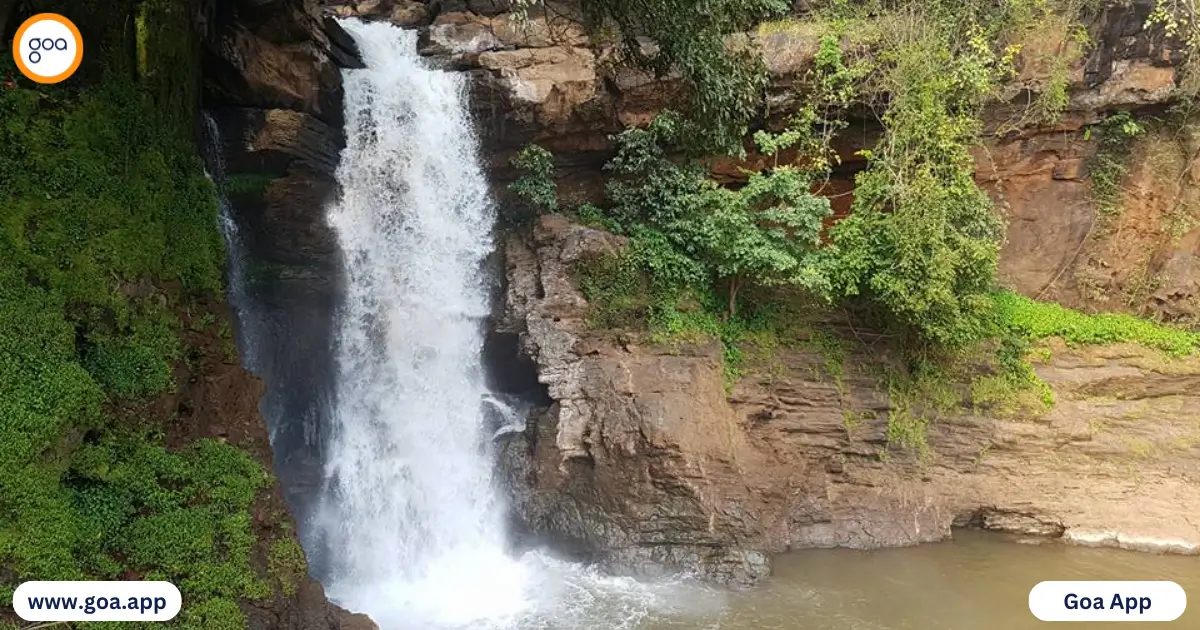
- Arvalem (Harvalem) Waterfall: Located just 2-3 kilometers from the temple, this is one of Goa’s most beautiful waterfalls. It drops from a height of about 50 meters into a large pool. It is particularly spectacular during the monsoon and post-monsoon months.
- Arvalem Caves (Pandava Caves): Situated right next to the waterfall, these are ancient rock-cut caves dating back to the 6th century. Though locally associated with the Pandavas from the Mahabharata, historians believe they are of Buddhist or Shaivite origin. The caves are small but historically significant.
- Rudreshwar Temple: Located in the same complex as the Arvalem waterfall, this temple is dedicated to Lord Shiva. It is a site of great religious importance, especially for performing last rites and ancestor worship.
- Bicholim Pottery Studio: Bicholim is famous for its traditional pottery. You can visit local workshops to see artisans at work creating beautiful terracotta items, from household pots to decorative figurines.
- Mayem Lake: A popular picnic spot located about 10 kilometers from Sanquelim. You can enjoy a boat ride on the lake or simply relax in the surrounding park. It’s a great place for families.
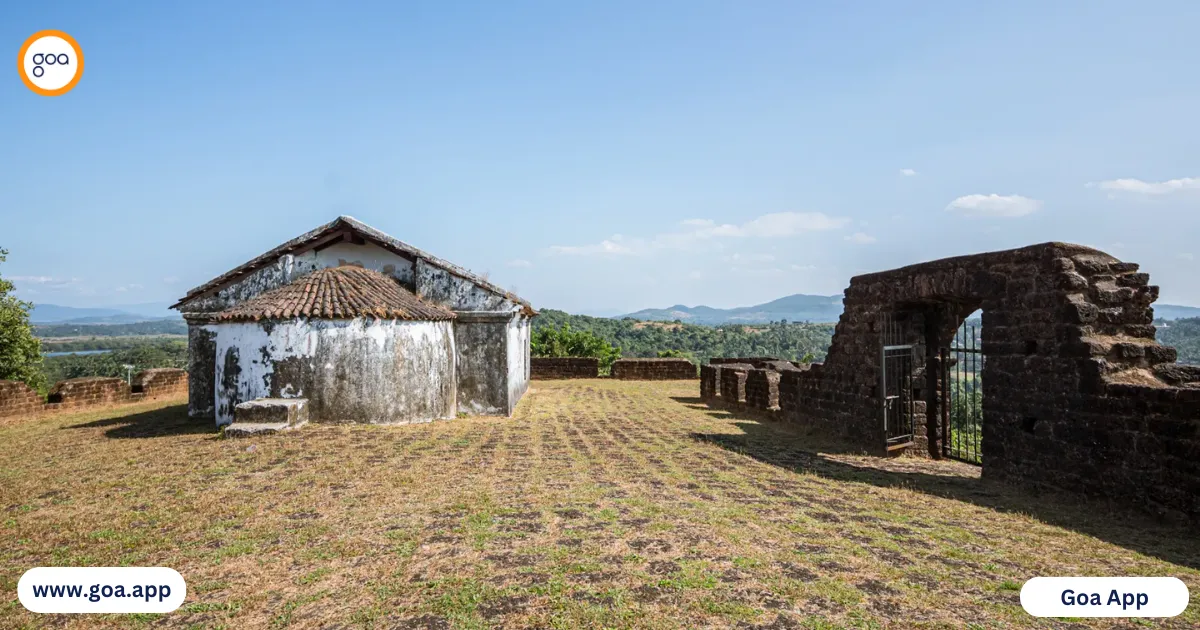
- Nanuz Fort: Built by Shivaji Maharaj and later occupied by the Portuguese, this fort was a site of many battles involving the Rane family. Though mostly in ruins now, it offers a glimpse into the military history of the region.
Photography & Visitor Guidelines
To ensure a pleasant experience for yourself and to maintain the sanctity of the temple, please follow these visitor guidelines:
- Photography: Always look for signs regarding photography. Generally, taking photos of the main deity inside the Garbhagriha is strictly prohibited. However, you can usually take photos of the temple exterior, the chariot, and the gardens. Always ask for permission before photographing people, especially priests or devotees in prayer.
- Silence: Maintain a low volume. The temple is a place of worship and meditation. Avoid loud conversations or playing music on your phone.
- Respect the Rituals: If a ceremony or Puja is in progress, stand back and observe quietly. Do not interrupt the priests or walk between the priest and the deity.
- Mobile Phones: Keep your mobile phones on silent or vibrate mode. Avoid taking calls inside the Mandapa.
- Cleanliness: Do not litter. The temple premises are kept very clean by the authorities; ensure you dispose of any waste in the provided bins.
- Offerings: If you wish to make an offering of flowers or sweets, you can buy them from the small shops outside the temple. Ensure that the offerings are handled with clean hands.
By following these simple rules, you contribute to the peaceful atmosphere of the temple and ensure that it remains a welcoming place for everyone.
Where to Eat Nearby
Sanquelim and the nearby town of Bicholim offer some authentic Goan culinary experiences. While you won't find many high-end fine-dining restaurants, the local eateries serve delicious, soul-satisfying food:
- Local Goan Thalis: Look for small "Khanavals" or local lunch homes in Sanquelim market. A traditional Goan Hindu fish thali, featuring fresh catch, hooman (fish curry), kismur (dried prawn salad), and sol kadi, is a must-try. For vegetarians, the veg thali with seasonal vegetables and dal tovarn is equally delicious.
- Street Food: In the evenings, the Sanquelim market area comes alive with stalls selling Ros Omelette (an omelette served with spicy chicken or chickpea gravy), Samosas, and Batata Vadas.
- Bicholim Eateries: Since Bicholim is a larger town nearby, it has more variety. You can find restaurants serving North Indian and Chinese cuisine, though sticking to the local Goan fare is highly recommended.
- Sweet Treats: Don't forget to try the local Goan sweets. Look for Bebinca, Dodol, or the temple-favorite Puran Poli during festival seasons. The local Khaje (ginger-infused jaggery sticks) sold near the temple are a popular snack.
Always opt for bottled water and choose places that look busy, as high turnover usually ensures the freshness of the food.
Accommodation Nearby
Most visitors visit the Vithal Temple as a day trip from the coastal areas or Panjim. However, if you wish to stay longer to explore the hinterlands, there are a few options:
- Guesthouses in Sanquelim/Bicholim: There are a few basic guesthouses and "lodges" in the town area. These are very modest and suitable for budget travelers or those on a pilgrimage.
- GTDC Mayem Lake Residency: Located about 10 km away, this Goa Tourism Development Corporation property offers decent rooms overlooking the Mayem Lake. It is a peaceful place to stay and provides easy access to Sanquelim and Bicholim.
- Farmstays and Eco-Resorts: The nearby Sattari taluka has several beautiful eco-resorts and farmstays like Wildernest or Swapnagandha. These are located in the Western Ghats and offer a luxury experience amidst nature, about 30-45 minutes away from the temple.
- Panjim Hotels: Since Panjim is only 30 km away, many travelers prefer to stay in the capital city, which offers a wide range of options from boutique hotels like The Crown to budget hostels.
If you are visiting during the Chaitra Vari festival, it is essential to book your accommodation well in advance, as the local lodges fill up quickly with devotees.
Travel Tips
To make the most of your trip to the Vithal Temple, keep these professional travel tips in mind:
- Carry Cash: While digital payments are becoming common, small shops and local transport in Sanquelim often prefer cash. Carry enough change for offerings and small purchases.
- Stay Hydrated: The Goan humidity can be draining, especially if you are visiting in the afternoon. Carry a reusable water bottle.
- Language: The local language is Konkani, and many people also speak Marathi and Hindi. While English is understood by younger people and those in the tourism sector, learning a few basic Konkani phrases like "Dev barem koru" (Thank you/God bless you) will go a long way in building rapport with locals.
- Combine Sights: Don't just visit the temple. Plan your itinerary to include the Arvalem waterfalls and caves to make the journey worthwhile.
- Respect Local Traditions: Remember that you are in a conservative part of Goa. Be mindful of your actions and respect the local way of life.
- Hire a Local Guide: If possible, hire a local guide from Panjim who can explain the nuances of the Rane family history and the temple's architecture. It adds immense value to the visit.
Conclusion
The Vithal Temple in Sanquelim is much more than just a place of worship; it is a living chronicle of Goa's complex history and its resilient spiritual heart. It stands as a bridge between the past and the present, between the martial traditions of the Ranes and the peaceful Bhakti movement of the Varkaris. For the traveler, it offers a rare glimpse into the authentic Goan way of life—one that is deeply connected to the land, the rivers, and the divine.
Whether you find yourself mesmerized by the intricate carvings of the wooden Ratha, standing in awe before the towering Deepastambha, or simply soaking in the silence of the morning Aarti, the temple leaves an indelible mark on your soul. It reminds us that Goa is not just about its coastlines, but also about the stories etched into the stones of its hinterland temples. As you leave the quiet town of Sanquelim, you carry with you not just memories of a beautiful structure, but a sense of the profound peace and devotion that has defined this region for generations. Make sure to include the Vithal Temple in your next Goan itinerary for a truly holistic and enriching travel experience.