Overview of Maruti Temple, Mapusa
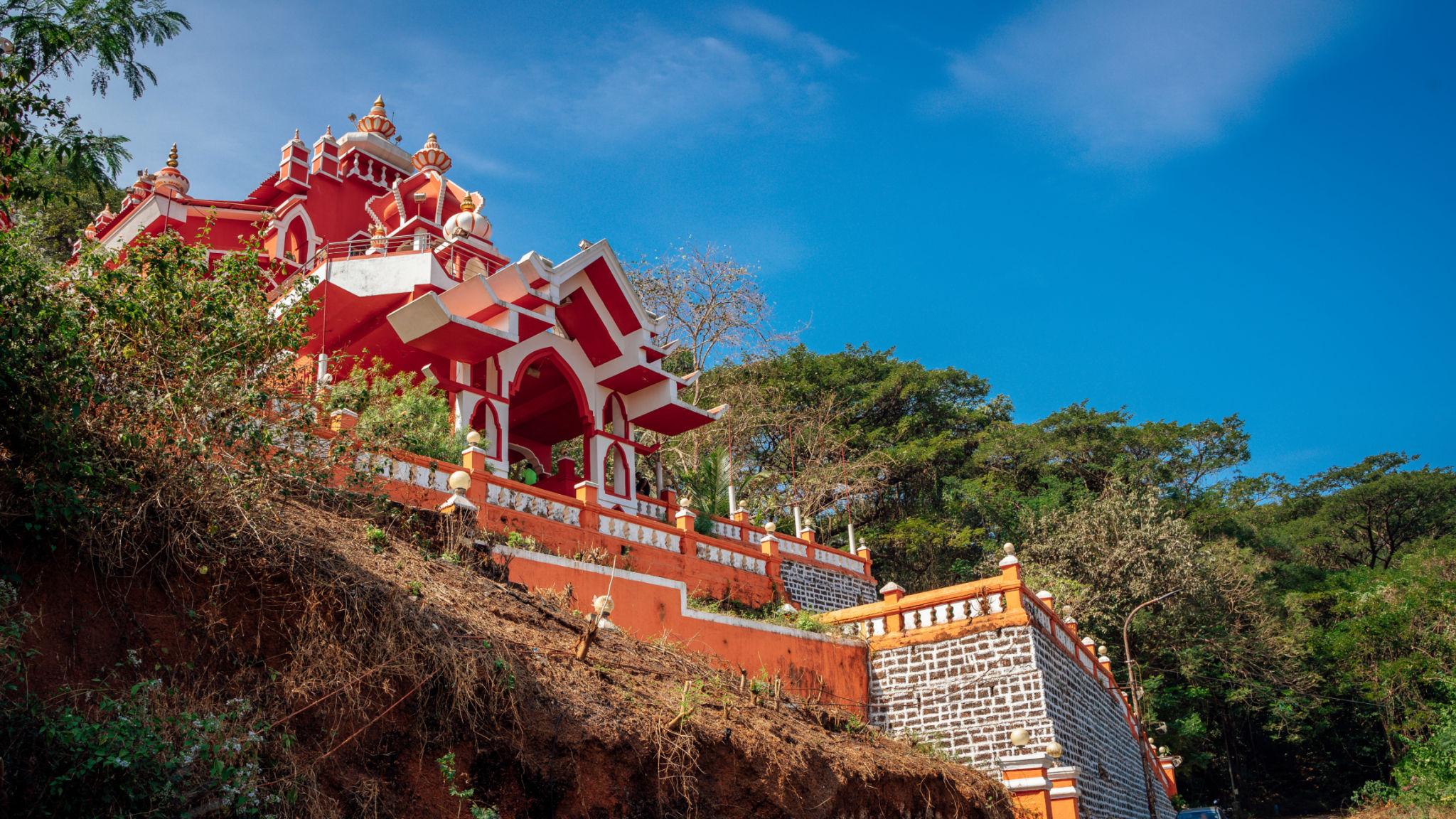
Nestled atop the scenic Altinho hill in the bustling town of Mapusa, the Maruti Temple stands as a beacon of spiritual solace and cultural heritage in North Goa. Unlike the sun-drenched beaches that typically define the Goan experience for tourists, the Maruti Temple offers a profound look into the deep-seated religious roots of the local Hindu community. Mapusa, often referred to as the commercial nerve center of North Goa, finds its spiritual heartbeat in this magnificent shrine dedicated to Lord Hanuman, the monkey god known for his unwavering devotion to Lord Rama.
The temple is not just a place of worship; it is a landmark that commands a panoramic view of the town below. As you ascend the gentle slopes of Altinho, the air seems to change, transitioning from the frantic energy of the Mapusa Friday Market to a serene, meditative atmosphere. The temple complex is characterized by its vibrant colors, traditional Goan-Hindu architecture, and a sense of timelessness that persists despite the modernization of the surrounding areas. For locals, a visit to the Maruti Temple is a daily ritual, a moment to seek blessings before starting their business or personal endeavors. For travelers, it represents an opportunity to witness the authentic, non-touristy side of Goa, where faith and community intertwine seamlessly.
The Maruti Temple in Mapusa is particularly famous for its historical struggle for existence during the colonial era, making it a symbol of resilience. It serves as a focal point for major festivals, drawing thousands of devotees from across the state. Whether you are a spiritual seeker, an architecture enthusiast, or a curious traveler looking to explore the "real" Goa, this temple provides a rich, multi-layered experience that stays with you long after you have descended the hill.
History & Religious Significance
The history of the Maruti Temple is a fascinating tale of devotion overcoming adversity. During the mid-19th century, Goa was under Portuguese colonial rule, a period marked by the suppression of Hindu religious practices and the destruction of many indigenous temples. In the 1840s, the local Hindu community in Mapusa felt a deep need for a place of worship, but constructing a formal temple was fraught with political and legal challenges. Legend has it that the devotion to Lord Hanuman in this specific location began clandestinely. Initially, a small 'Gumti' (a tiny, hut-like shrine) was built to house a simple idol of Maruti.
The choice of Lord Hanuman as the primary deity was significant. Hanuman is the symbol of strength, courage, and protection—qualities that the local community needed during the years of foreign rule. Over time, as the colonial restrictions eased and the local population grew more influential, the small shrine underwent several phases of expansion. By the early 20th century, specifically around 1843, the foundation for a larger structure was laid. The temple we see today is a result of continuous renovations and beautification projects funded by the local merchant community of Mapusa, who consider Lord Maruti their divine protector.
The religious significance of the Maruti Temple is tied to the concept of 'Gramadevata' or the village deity, although Lord Bodgeshwar is technically the guardian of Mapusa, Maruti holds a place of equal reverence. The temple is believed to be a "Jagrut" place, meaning the deity is "awake" and responsive to the prayers of the faithful. It is said that no merchant in the Mapusa market starts a significant trade without first offering a prayer to Maruti. This historical and spiritual lineage makes the temple a cornerstone of Goan Hindu identity in the northern district.
Architecture of Maruti Temple, Mapusa
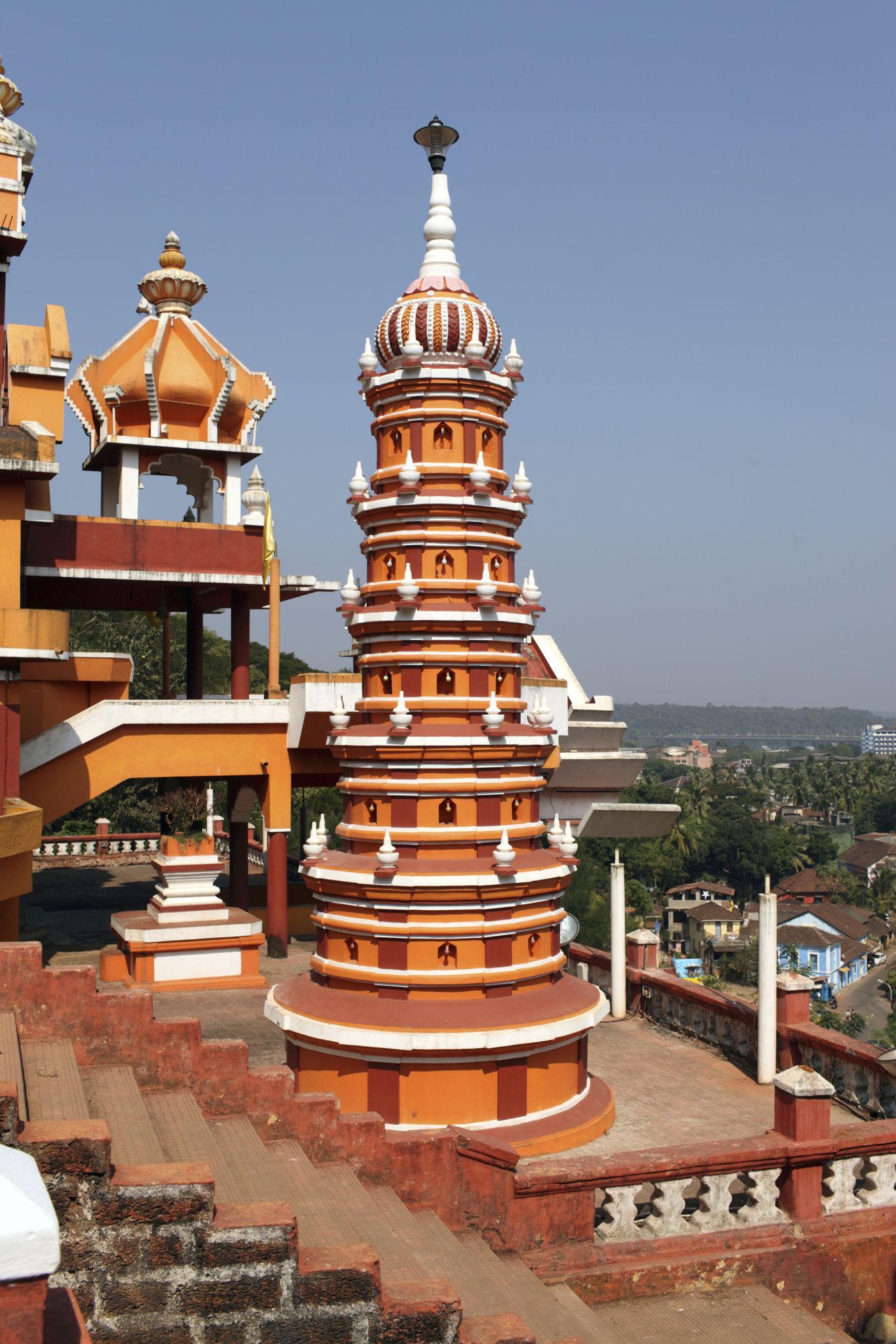
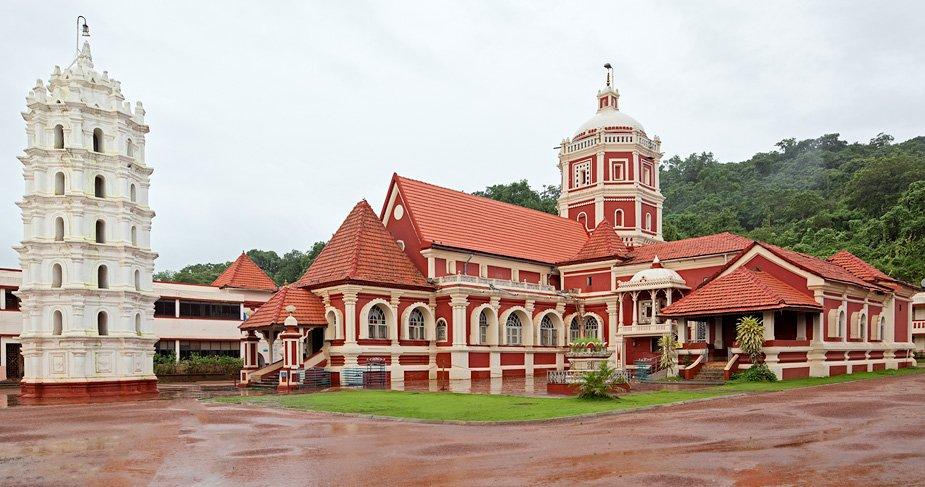
The architecture of the Maruti Temple is a stellar example of the Goan-Hindu style, which evolved as a unique blend of indigenous Indian designs and subtle influences from the surrounding colonial aesthetics. As you approach the temple, the first thing that catches your eye is the striking Deepastambha (lamp tower). This multi-storied, white octagonal tower is a classic feature of Goan temples, designed to hold hundreds of oil lamps during festivals, creating a celestial glow that can be seen from miles away.
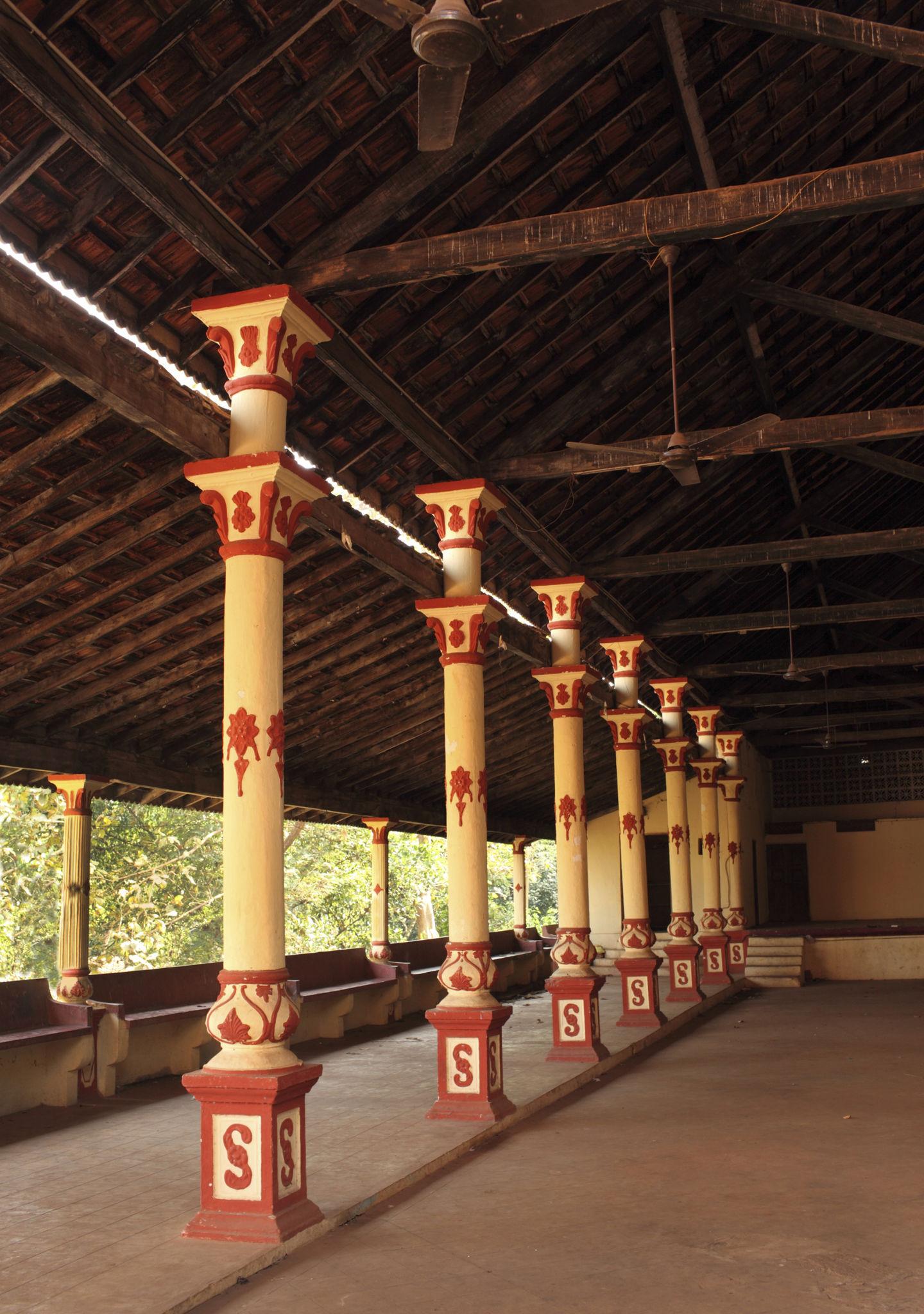
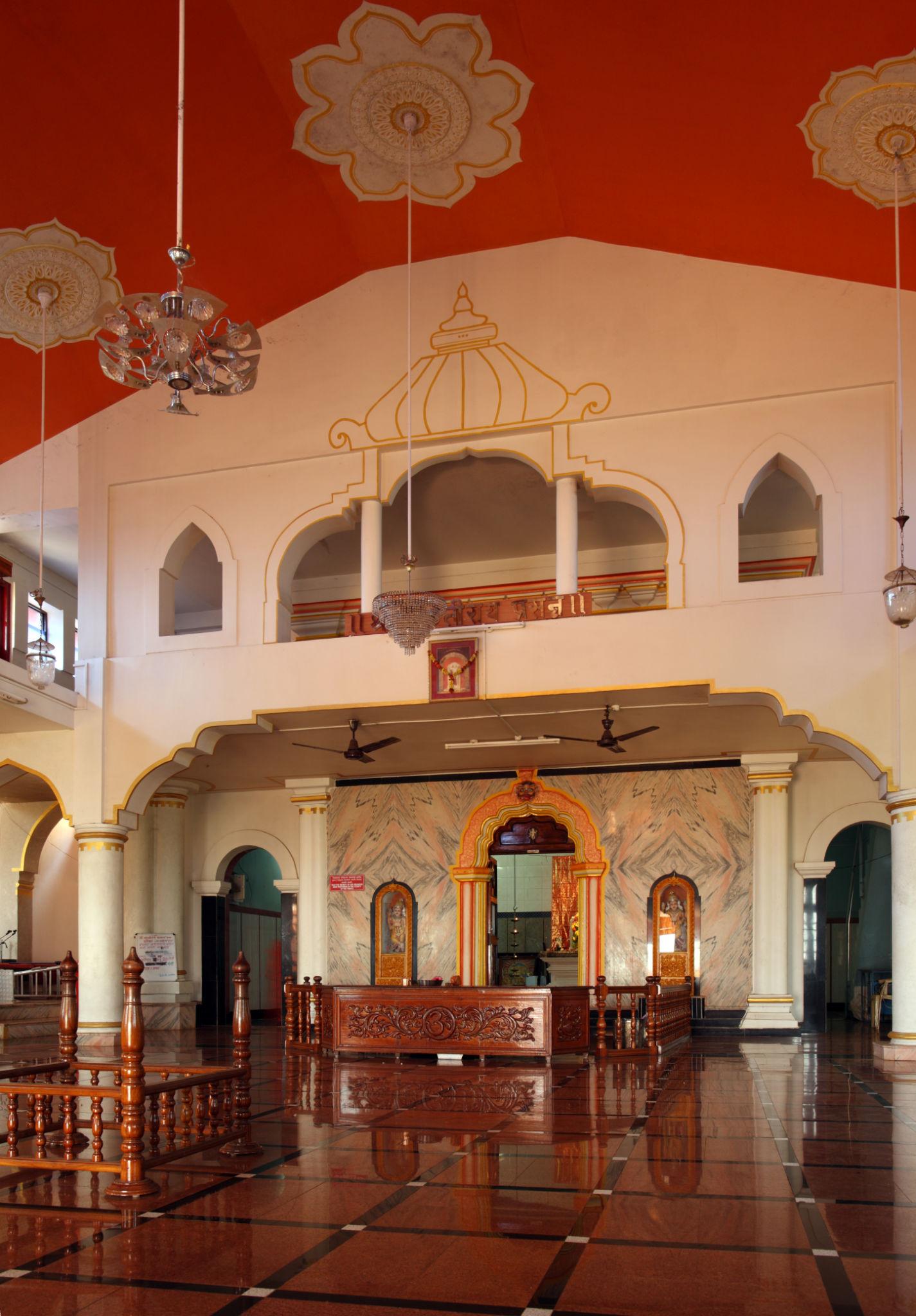
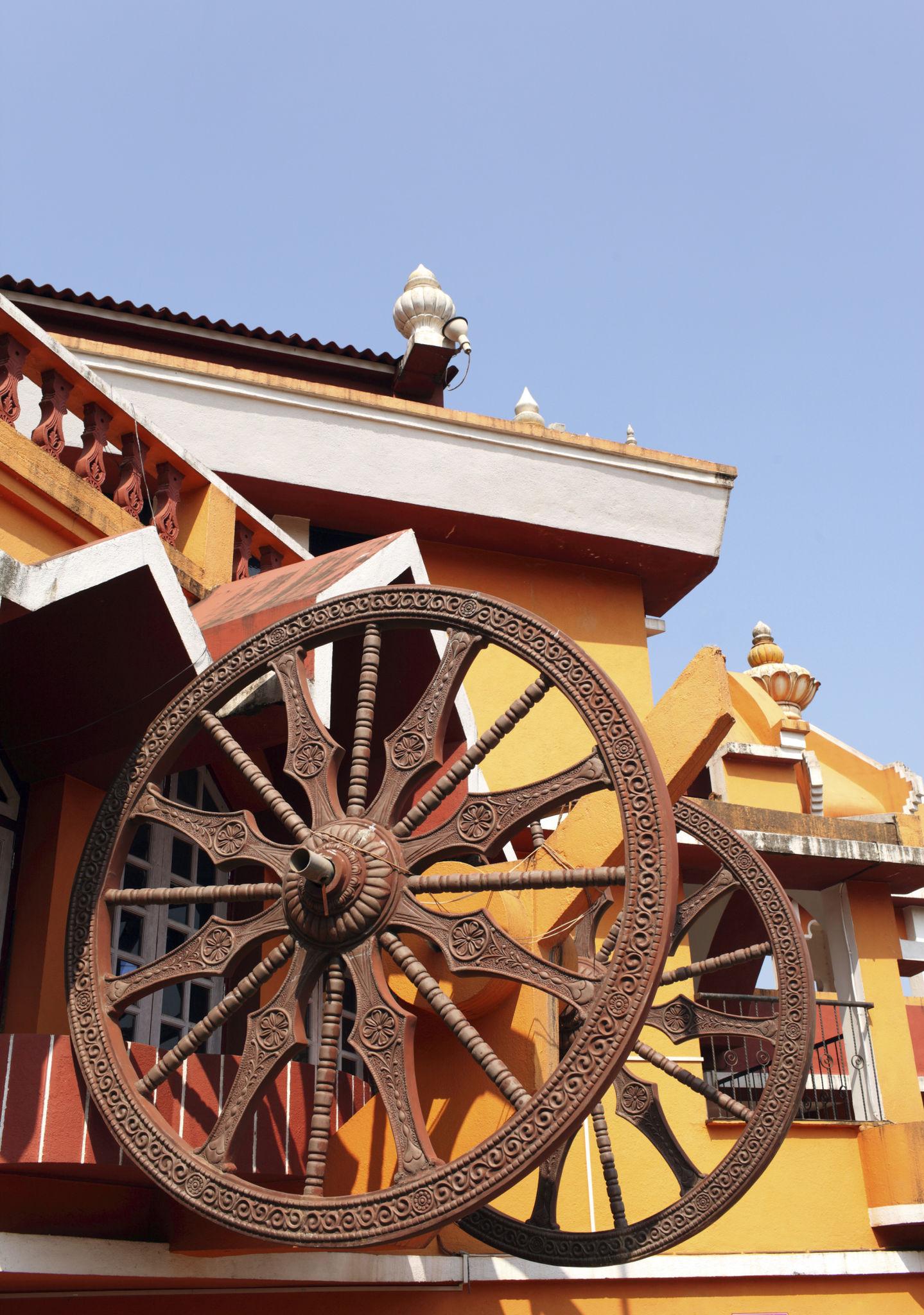
The main structure of the temple features a bright orange and cream color palette, symbolizing purity and energy. The Shikhara (dome) is intricately carved and rises majestically against the blue Goan sky. Unlike the ancient stone temples of Hampi or Belur, the Maruti Temple utilizes modern materials like reinforced concrete and marble, but it retains the traditional layout. The Mandapa (assembly hall) is spacious, with polished floors and large windows that allow for natural ventilation—a necessity in the humid Goan climate. The ceiling of the Mandapa often features paintings or carvings depicting scenes from the Ramayana, specifically the exploits of Hanuman.
The Garbhagriha (sanctum sanctorum) is where the silver-plated idol of Lord Hanuman resides. The entrance to the sanctum is often adorned with intricate silver work, showcasing the craftsmanship of local Goan artisans. One of the unique architectural features of this temple is its integration with the hillside; the builders used the natural elevation of Altinho to create a tiered entrance, giving the temple a sense of grandeur and dominance over the landscape. The use of terracotta tiles on the sloping roofs is another nod to traditional Goan building practices, ensuring the structure remains cool during the blistering summer months.
Main Deity / Spiritual Importance
The presiding deity of the temple is Lord Hanuman, also known as Maruti, Mahavira, or Bajrangbali. In the Hindu pantheon, Hanuman is the son of the wind god Vayu and an incarnation of Lord Shiva. In Mapusa, he is worshipped in his "Veera" (heroic) form. The idol is typically depicted in a standing posture, radiating power and benevolence. The spiritual importance of Maruti in this region cannot be overstated; he is viewed as the "Sankat Mochan," the remover of obstacles and the protector against evil spirits.
Devotees believe that praying at the Maruti Temple brings mental clarity and physical strength. The spiritual energy of the temple is most palpable during the Aarti (ritual of light), where the rhythmic beating of drums and the chanting of "Hanuman Chalisa" create a powerful resonance. The concept of 'Bhakti' (devotion) is central here. Unlike some temples where rituals are strictly transactional, the Maruti Temple encourages a personal connection with the deity. Many locals visit the temple to seek "Prasad" (divine grace) before exams, surgeries, or new business ventures.
Furthermore, the temple serves as a center for Dharma (righteousness). It isn't just about individual prayer; the spiritual importance extends to the community. The temple often hosts discourses on the Ramayana and Mahabharata, reinforcing moral and ethical values among the youth. In the Goan context, where various religions coexist, the Maruti Temple stands as a symbol of the enduring strength of Vedic traditions and the specific Goan interpretation of Vaishnavism and Shaivism combined in the figure of Hanuman.
Festivals & Celebrations
The Maruti Temple comes alive with an electric energy during festivals, the most prominent being Hanuman Jayanti. This festival, celebrating the birth of Lord Hanuman, usually falls in March or April. The celebrations in Mapusa are legendary across Goa. The temple is decorated with thousands of marigold flowers and flickering lights. A special Palkhi (palanquin) procession is organized, where the idol is carried through the streets of Mapusa, accompanied by traditional music, dancing, and chants of "Jai Shri Ram."
Another significant event is the Annual Jatra (temple festival). This is a week-long celebration that transforms the Altinho hill into a vibrant fairground. During the Jatra, various cultural programs are held, including Nataks (traditional Marathi dramas), which are a staple of Goan Hindu culture. Local artists perform bhajans and kirtans throughout the night, and the entire community gathers to share communal meals. The atmosphere is one of pure joy and spiritual fervor.
Other festivals celebrated with great pomp include:
- Ram Navami: Celebrating the birth of Lord Rama, Hanuman’s master.
- Diwali: The festival of lights, where the Deepastambha is fully lit, creating a breathtaking sight.
- Ganesh Chaturthi: While primarily for Lord Ganesha, the Maruti Temple serves as a major transit point for devotees during the immersion processions.
During these times, the temple provides free meals (Annadan) to thousands of devotees, embodying the spirit of service that Hanuman himself represents.
Best Time to Visit
To experience the Maruti Temple in its full glory, the best time to visit is between November and February. During these winter months, the weather in Goa is pleasant, with cool breezes and low humidity, making the walk up Altinho hill enjoyable. The clear skies also provide the best views of Mapusa from the temple premises.
If you wish to witness the peak of religious fervor, plan your visit during Hanuman Jayanti (usually April). However, be prepared for large crowds and soaring temperatures. For those who prefer a quiet, meditative experience, visiting on a weekday morning (Tuesday is Hanuman's special day, so it's busier) is ideal. The monsoon season (June to September) offers a different kind of beauty; the hill turns lush green, and the temple looks refreshed by the rains, though the outdoor stairs can be slippery.
In terms of the time of day, early morning (6:30 AM to 8:00 AM) or late evening (6:00 PM to 7:30 PM) are the most spiritual times. The evening Aarti is particularly recommended as the temple is beautifully lit, and the sound of the bells echoing through the valley is a soul-stirring experience.
Timings, Entry Fee & Dress Code
The Maruti Temple is a place of active worship, and visitors are expected to adhere to certain protocols to maintain the sanctity of the site.
- Timings: The temple is generally open from 5:00 AM to 8:00 PM daily. It may close briefly in the afternoon between 1:00 PM and 4:00 PM, though the outer premises usually remain accessible.
- Entry Fee: There is no entry fee to visit the Maruti Temple. Devotions and sightings are free for all, regardless of nationality or religion. Donations for the temple's upkeep are accepted but entirely voluntary.
- Dress Code: As with most religious sites in Goa, a modest dress code is strictly enforced. Visitors should avoid wearing short skirts, sleeveless tops, or beachwear. Men are encouraged to wear trousers or traditional dhotis/kurtas, and women should wear sarees, salwar kameez, or long skirts with tops that cover the shoulders. Covering the head is not mandatory but is seen as a sign of respect.
Note: Footwear must be removed before entering the main temple hall. There is a designated area to leave your shoes at the entrance.
How to Reach Maruti Temple, Mapusa
Mapusa is well-connected to the rest of Goa, making the Maruti Temple easily accessible. Here are the best ways to reach the temple:
- By Air: The nearest airport is Manohar International Airport (Mopa), located about 20 km away. Dabolim Airport is approximately 40 km away. From either airport, you can hire a pre-paid taxi to Mapusa.
- By Rail: The Thivim Railway Station is the closest rail link, situated just 10 km from Mapusa. From Thivim, local buses and taxis are frequently available to take you to the Mapusa bus stand.
- By Road (Bus): Mapusa has a major interstate bus terminal. Regular buses ply from Panaji (13 km), Calangute (10 km), and Margao (45 km). Once you reach the Mapusa bus stand, the temple is a short 10-15 minute walk or a 5-minute rickshaw ride uphill to Altinho.
- By Private Vehicle: If you are driving or riding a rented scooter, follow the signs for "Altinho" or "Maruti Temple" from the Mapusa court circle. There is limited parking available near the temple entrance.
Things to Do
Visiting the Maruti Temple is not just about a quick prayer; there are several ways to engage with the site and its surroundings:
- Attend the Evening Aarti: This is the highlight of the spiritual experience. The synchronization of the bells, drums, and chanting is hypnotic.
- Meditate in the Mandapa: The temple hall is surprisingly quiet during non-peak hours, providing a perfect spot for silent reflection or meditation.
- Enjoy the View: Walk around the temple perimeter to get a bird's-eye view of Mapusa town. You can see the bustling market, the church spires, and the rolling green hills of the hinterland.
- Photography (Exterior): Capture the stunning architecture of the Deepastambha and the colorful Shikhara against the skyline.
- Interact with Locals: Many elders spend their evenings at the temple. Engaging in a polite conversation can reveal fascinating stories about the town's history.
- Light a Diya: You can purchase oil lamps or flowers from the vendors outside and offer them as a mark of your visit.
Nearby Attractions
Mapusa is a treasure trove of cultural and natural attractions. You can easily combine your visit to the Maruti Temple with these nearby spots:
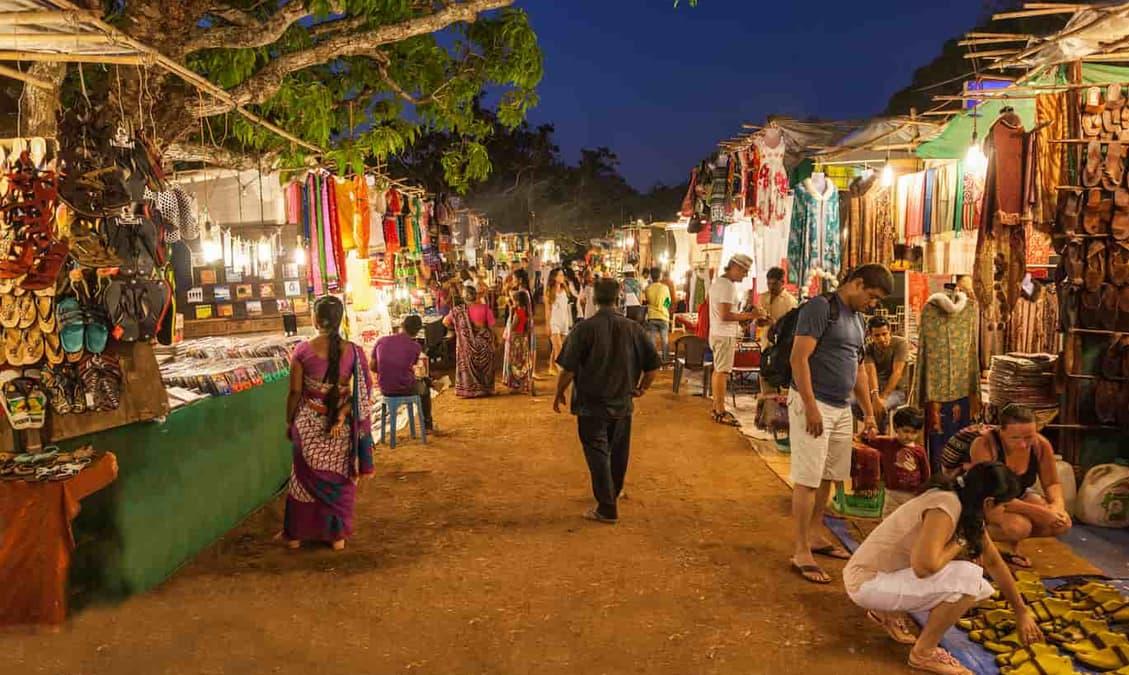
- Mapusa Friday Market: Located at the base of the hill, this is one of Goa's most famous traditional markets. From fresh spices and local sausages (chorizo) to handmade pottery and textiles, it’s a sensory explosion.
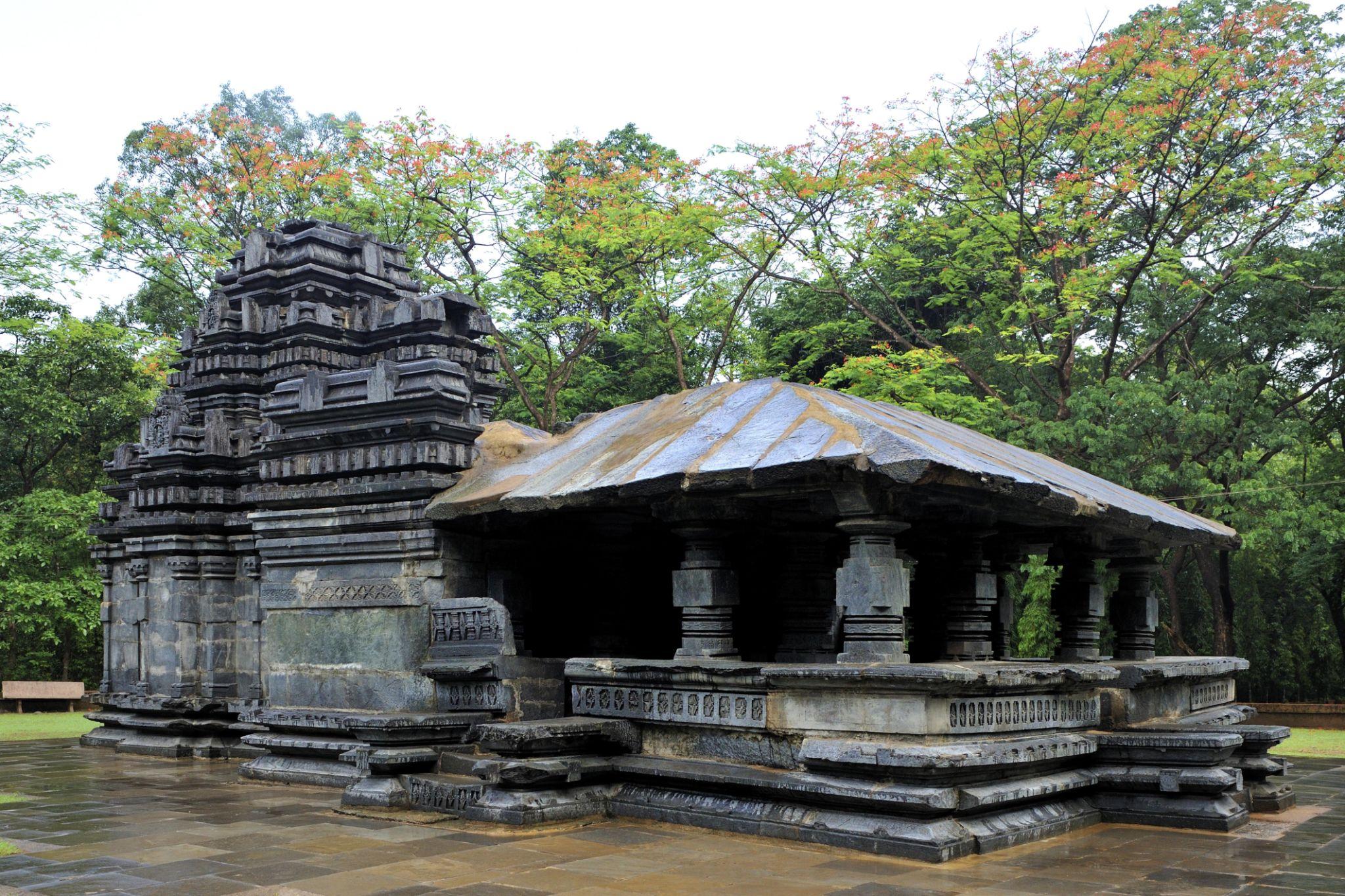
- Shri Bodgeshwar Temple: Situated on the outskirts of the town, this temple is dedicated to Kanakeshwar Baba (Bodgeshwar). It is set amidst lush paddy fields and is considered the "guardian" of Mapusa.
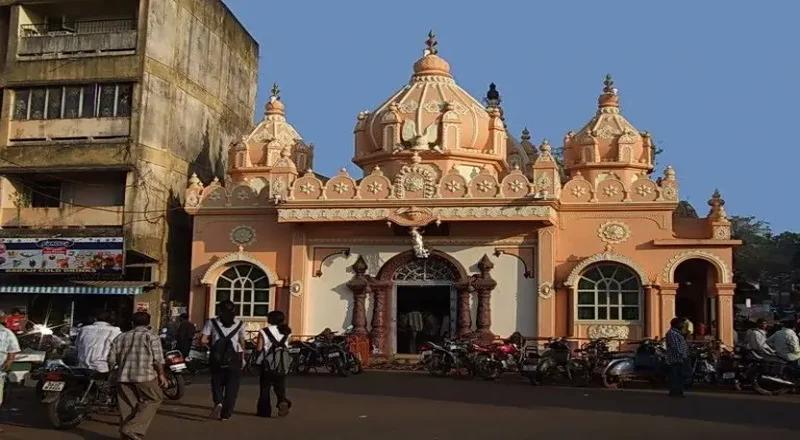
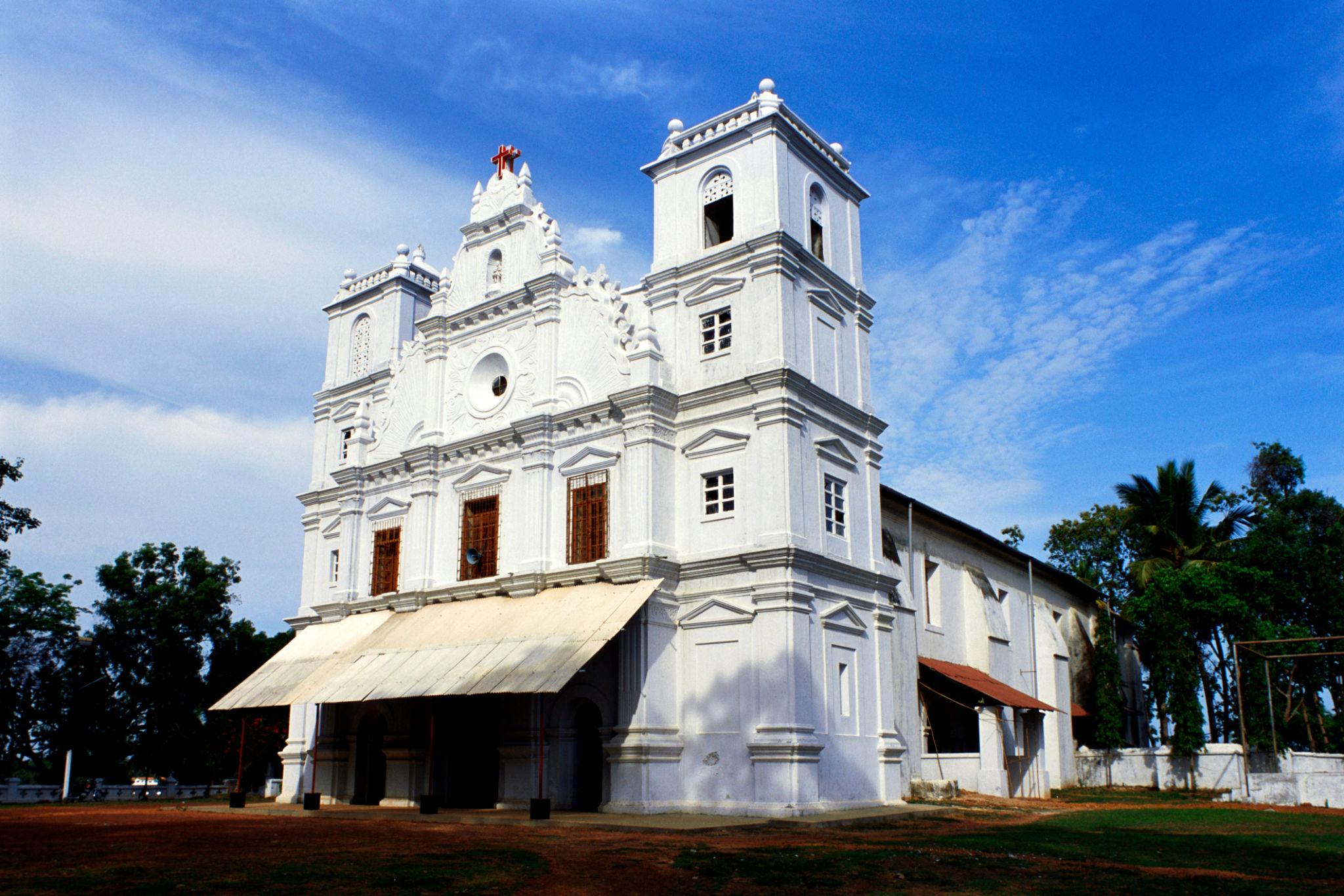
- St. Jerome’s Church: A beautiful white-washed church built in 1594, showcasing the Portuguese architectural influence in the heart of the town.
- Milagres Church: Known for its unique history where both Hindus and Christians celebrate the feast of Our Lady of Miracles together.
- Assagao Village: Just a 10-minute drive away, this "village of flowers" is home to beautiful colonial villas, upscale boutiques, and some of Goa’s best restaurants.
- Anjuna and Vagator Beaches: These iconic North Goa beaches are only 8-10 km away, making it easy to transition from a spiritual morning to a relaxed beach afternoon.
Photography & Visitor Guidelines
To ensure a respectful visit, please keep the following guidelines in mind:
- Sanctum Photography: Photography is strictly prohibited inside the Garbhagriha (inner sanctum). Always look for signs or ask the priest before taking photos inside the main hall.
- Drone Usage: Using drones near the temple is generally not allowed without prior permission from the temple committee and local authorities.
- Silence: Maintain a low volume when speaking. Avoid using mobile phones inside the temple premises.
- Cleanliness: Goa takes pride in its "Clean Goa" initiative. Do not litter around the temple or the Altinho hill area.
- Offerings: If you wish to make an offering, use only the designated bins for flowers and coconut shells. Avoid offering plastic-wrapped items.
- Respecting Rituals: If a ritual or ceremony is in progress, stand back and observe quietly. Do not cross in front of someone who is praying or performing prostrations.
Where to Eat Nearby
Mapusa is a foodie’s paradise, offering everything from traditional Goan thalis to modern cafes. After your temple visit, consider these options:
- Ruchira: Located near the Mapusa bus stand, it is famous for its authentic Goan Hindu fish thali and vegetarian meals.
- Cafe S.F. Xavier: A legendary spot in the Mapusa market for local snacks like beef cutlet bread, samosas, and Goan sweets like Bebinca.
- Hotel Satyaheera: A reliable choice for North Indian and Chinese cuisine with a rooftop view of the town.
- Vinanti: A small, local eatery known for its "Patal Bhaji" (spicy gravy with buns), a favorite Goan breakfast.
- Assagao Eateries: For a more fine-dining experience, head to Assagao (5 km away) to visit places like Bawri or Gunpowder for South Indian fusion.
Accommodation Nearby
While many tourists stay by the beach, staying in or near Mapusa offers a more central location for exploring North Goa:
- Mapusa Residency (GTDC): A government-run hotel that is budget-friendly, clean, and located right in the heart of the town.
- Hotel Green Park: Located on the bypass road, it offers comfortable rooms and a swimming pool, suitable for families.
- Boutique Guest Houses in Assagao: For a luxury experience, stay in restored Indo-Portuguese villas like Casa Menezes or Botanique.
- Budget Stays: There are numerous lodges around the Mapusa market area catering to pilgrims and business travelers.
Travel Tips
To make the most of your trip to the Maruti Temple, Mapusa, keep these tips in mind:
- Language: Most locals speak Konkani and Marathi. English and Hindi are widely understood, so communication is rarely an issue.
- Hydration: The climb to Altinho, though short, can be tiring in the heat. Carry a reusable water bottle.
- Parking: Parking at the top of the hill is very limited. It is often better to park near the Mapusa Court and walk up the stairs.
- Combine with Market Day: If possible, visit on a Friday. You can visit the temple in the quiet morning and then explore the vibrant Friday Market afterward.
- Safety: The area is very safe, but as with any crowded place, keep an eye on your belongings in the market area at the foot of the hill.
Conclusion
The Maruti Temple in Mapusa is far more than just a religious site; it is a testament to the enduring spirit of Goan culture and the quiet strength of its people. Standing on the heights of Altinho, looking out over the red-tiled roofs of Mapusa, one feels a sense of peace that is often missing from the more commercialized parts of the state. It is a place where history, architecture, and devotion converge to create an atmosphere of profound tranquility.
Whether you are drawn by the intricate carvings of the Deepastambha, the historical tales of the colonial era, or the simple desire to witness a local Aarti, the temple offers a rewarding experience. It reminds us that Goa is a land of many layers—beyond the sand and surf lies a rich tapestry of faith and tradition. A visit to the Maruti Temple is a journey into the heart of North Goa, offering a perspective that is both enlightening and humbling. As you leave the temple and head back into the vibrant chaos of Mapusa, you carry with you a piece of the town's spiritual soul.