Overview of Masjid-e-Siddique
Nestled in the heart of Ponda, a region often referred to as the spiritual capital of Goa, Masjid-e-Siddique stands as a serene testament to the state's rich tapestry of multi-religious harmony. While Goa is globally renowned for its sun-kissed beaches and historic Portuguese-era churches, the inland taluka of Ponda offers a different, more profound narrative of Goan identity. Here, amid the lush tropical greenery and the rolling hills of the Western Ghats, Masjid-e-Siddique serves as a vital spiritual anchor for the local Muslim community and a point of interest for travelers seeking to understand the diverse cultural landscape of the region.
The mosque is located in a bustling yet culturally vibrant part of Ponda, a town that is uniquely famous for being the home of Goa's most significant Hindu temples. The presence of Masjid-e-Siddique in this "temple town" underscores the peaceful coexistence that has defined Goan society for centuries. Unlike the grand, sprawling mosques found in North India, Masjid-e-Siddique possesses a distinct Goan charm—modest, impeccably maintained, and deeply integrated into the local neighborhood. It is a place where the rhythmic call to prayer (Adhan) harmonizes with the temple bells of nearby shrines, creating a unique acoustic signature of Goan spirituality.
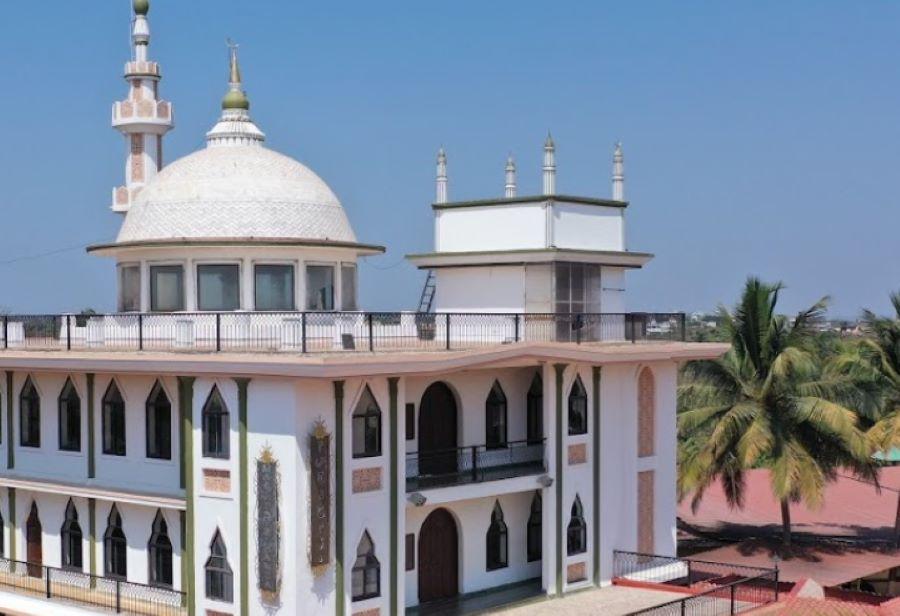
For the visitor, Masjid-e-Siddique offers a chance to step away from the commercialized tourist trail and experience the authentic, everyday life of Goan Muslims. The mosque is not just a place of worship but a community hub where elders gather to discuss local affairs, children learn their scriptures, and the values of charity and brotherhood are practiced daily. Its clean white facade and rising minarets provide a visual landmark in Ponda, inviting the curious and the faithful alike to experience a moment of quiet reflection away from the humid heat of the Goan plains.
History & Religious Significance
The history of Masjid-e-Siddique is intrinsically linked to the broader history of Islam in Goa, which dates back several centuries before the arrival of the Portuguese. The region of Ponda, in particular, became a sanctuary for various religious groups during the colonial era. When the Portuguese Inquisition was at its height in the coastal "Old Conquests," many Islamic and Hindu institutions moved inland to the "New Conquests," which included Ponda, then under the protection of local chieftains and the Bijapur Sultanate.
The mosque is named after Abu Bakr as-Siddiq, the first Caliph of Islam and the closest companion of the Prophet Muhammad. The title "Siddique" means "The Truthful," and this name carries immense weight in Islamic tradition, symbolizing unwavering faith and integrity. By naming the mosque after such a pivotal figure, the founders established a spiritual lineage that emphasizes the core Islamic values of honesty, devotion, and steadfastness. Over the decades, the mosque has undergone several renovations to accommodate the growing population of Ponda, evolving from a small prayer hall into the prominent structure seen today.
Religious significance at Masjid-e-Siddique is rooted in its role as a "Jama Masjid" or a congregational mosque for the local area. It serves as a center for the Five Pillars of Islam, most notably Salah (prayer). The mosque is particularly significant during the holy month of Ramadan, when it becomes a beacon for the community, hosting nightly prayers and communal breaking of the fast (Iftar). Its historical resilience, standing in a region that has seen various shifts in political power—from the Kadambas and the Adil Shahi dynasty to the Portuguese and finally Indian independence—makes it a living monument to the enduring nature of faith in the Konkan region.
Architecture of Masjid-e-Siddique
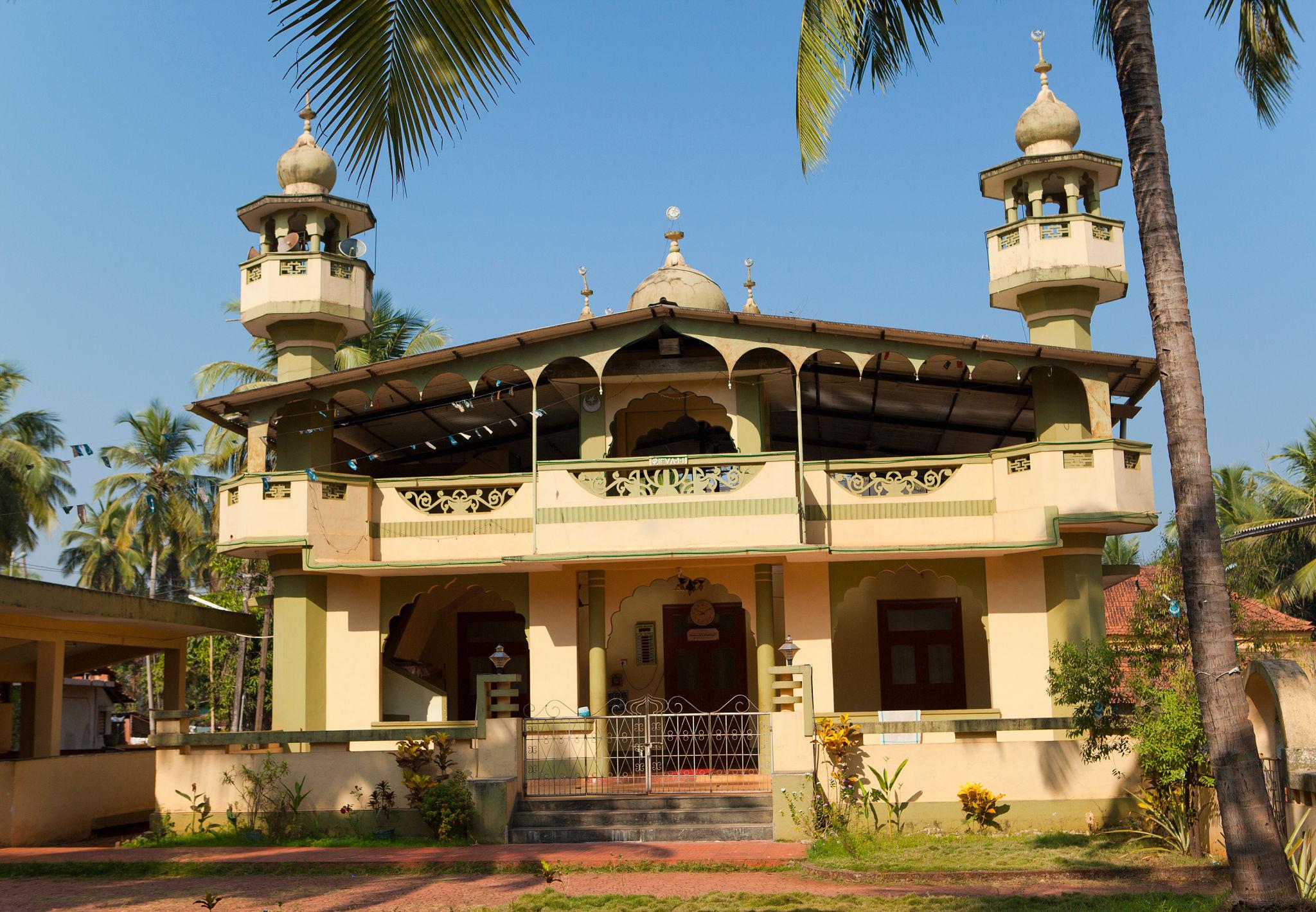
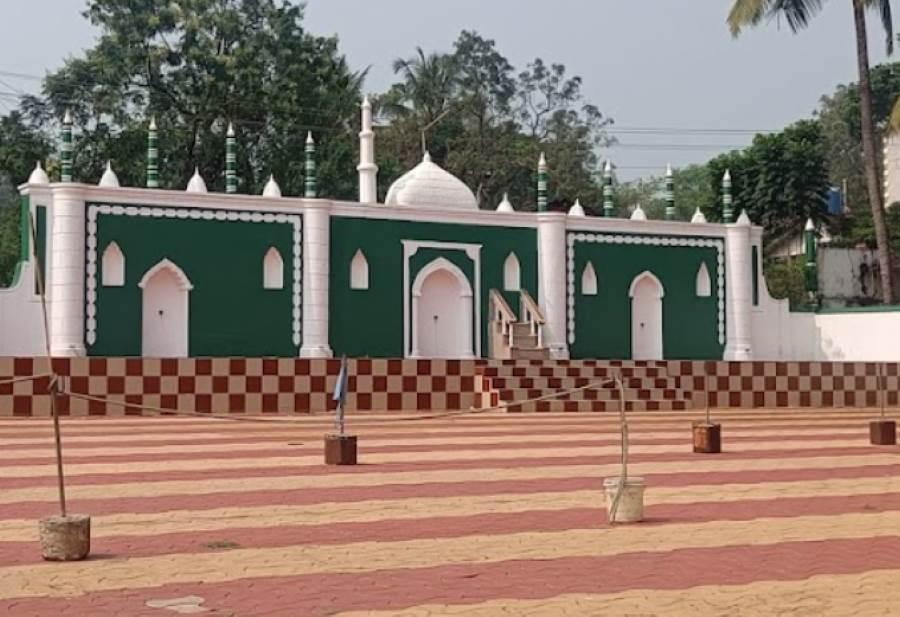
The architecture of Masjid-e-Siddique is a fascinating blend of contemporary Islamic design and subtle local Goan influences. While it does not mirror the ancient Adil Shahi style found in the nearby Safa Shahouri Masjid, its design reflects the practical and aesthetic needs of a modern Goan mosque. The structure is characterized by its clean lines, brilliant white exterior, and the use of materials that can withstand the heavy monsoon rains typical of the Western Ghats region.
One of the most striking features of the mosque is its minarets. These slender towers rise gracefully above the Ponda skyline, topped with small domes and the crescent moon symbol. The minarets are not merely decorative; they traditionally served as the platform from which the Muezzin would call the faithful to prayer, though today, modern loudspeakers are used. The central dome of the mosque is another architectural highlight, symbolizing the vault of heaven and providing a sense of grandeur to the interior prayer hall.
The interior of Masjid-e-Siddique is designed to facilitate a deep sense of focus and humility. The Musalla (prayer hall) is a vast, open space devoid of any statues or icons, in accordance with Islamic tradition. The walls are often adorned with intricate Arabic calligraphy, featuring verses from the Holy Quran. The Mihrab, a semi-circular niche in the wall that indicates the direction of the Kaaba in Mecca (Qibla), is usually the most ornately decorated part of the hall, featuring delicate tile work or carved plaster. The flooring is typically covered with soft carpets, often arranged in rows to guide the worshippers during congregational prayers. The use of large windows and high ceilings ensures natural ventilation, a crucial feature in the tropical climate of Goa, allowing for a cool and airy atmosphere even during the peak of summer.
Main Deity / Spiritual Importance
In Islamic theology, there is no "deity" in the sense of an idol or a physical representation. Masjid-e-Siddique is dedicated to the worship of Allah, the one and only God. The spiritual core of the mosque is the concept of Tawhid, or the oneness of God. This monotheistic focus is what defines the atmosphere of the mosque—one of radical equality where every worshipper, regardless of their social or economic standing, bows in the same direction and stands shoulder to shoulder in prayer.
The spiritual importance of this site for the local Goan Muslim community cannot be overstated. It is a place of Dhikr (remembrance of God) and Dua (supplication). For many, the mosque provides a sanctuary from the stresses of daily life, a place where the soul can find "Sukoon" (tranquility). The spiritual energy of the mosque is most palpable during the Jumu'ah (Friday) prayers, where the "Khutbah" (sermon) provides moral and spiritual guidance to the community, often touching upon themes of peace, charity, and neighborly love—values that are essential in the multicultural fabric of Goa.
Furthermore, the mosque serves as a center for spiritual education. It is here that the younger generation is introduced to the ethical teachings of the Quran and the Sunnah (practices of the Prophet). The spiritual importance extends beyond the walls of the mosque, as the teachings received here influence how the community interacts with their Hindu and Christian neighbors in Ponda, fostering a spirit of "Goenkarponn" (Goanness) that transcends religious boundaries.
Festivals & Celebrations
The calendar at Masjid-e-Siddique is marked by several significant Islamic festivals, each celebrated with great fervor and a unique Goan touch. The most prominent of these is Eid-ul-Fitr, which marks the end of the month-long fast of Ramadan. On this day, the mosque is packed with worshippers dressed in their finest traditional attire—men in crisp white kurta-pyjamas and skullcaps, and children in vibrant new clothes. The air is filled with the scent of "Attar" (traditional perfume) and the sound of "Eid Mubarak" greetings. A special congregational prayer is held in the morning, followed by acts of charity (Zakat-al-Fitr) to ensure that the poor can also join in the celebrations.
Eid-ul-Adha, the Festival of Sacrifice, is another major event. It commemorates the devotion of Prophet Ibrahim and is a time of intense spiritual reflection and communal sharing. In Ponda, this festival is characterized by the distribution of meat to the needy and to neighbors, reinforcing the bonds of community. Another important occasion is Milad-un-Nabi, the birth anniversary of the Prophet Muhammad. The mosque and the surrounding streets are often decorated with green flags and lights, and special programs are held to recount the life and teachings of the Prophet.
The month of Ramadan itself is a month-long "festival" of sorts at Masjid-e-Siddique. The mosque becomes the center of activity every evening. The Tarawih prayers (special nightly prayers) are attended by large numbers of devotees. The local community often organizes communal Iftars, where traditional Goan-Muslim delicacies are shared. You might find "Kanji" (a nutritious rice gruel) being served, which is a local favorite for breaking the fast in this region. These celebrations are not just religious events but are social gatherings that strengthen the communal harmony of Ponda, as it is not uncommon for members of other communities to be invited to Iftar parties.
Best Time to Visit
To experience Masjid-e-Siddique in its most serene and spiritually uplifting state, the winter season (November to February) is undoubtedly the best time. During these months, the weather in Goa is pleasant, with clear blue skies and a gentle breeze, making the walk through Ponda enjoyable. The humidity is significantly lower, and the mosque's white structure gleams beautifully under the mild winter sun. This is also the peak tourist season in Goa, but Ponda remains relatively calm compared to the coastal areas.
If you wish to witness the mosque's vibrant community life, visiting during the Holy Month of Ramadan is a unique experience. While the dates change every year according to the Islamic lunar calendar, the atmosphere during this time is electric. The evening hours, just before the Maghrib (sunset) prayer, are particularly interesting as the community prepares to break their fast. However, visitors should be mindful of the solemnity of the fast and avoid eating or drinking publicly in the vicinity of the mosque during daylight hours out of respect.
For those who prefer a quiet, meditative visit, any weekday during the early morning hours (post-Fajr prayer) or late afternoon is ideal. Avoid visiting during the Friday noon prayers (Jumu'ah) unless you are there to pray, as the mosque becomes extremely crowded with local worshippers, and space is limited. The monsoon season (June to September) offers a different perspective; the surrounding greenery of Ponda becomes incredibly lush and vibrant, though the heavy rains can make travel a bit challenging. The sight of the mosque's minarets rising through the mist of a Goan monsoon is, however, quite poetic.
Timings, Entry Fee & Dress Code
Understanding the logistical details is essential for a respectful and smooth visit to Masjid-e-Siddique. Like most active mosques, the timings are centered around the five daily prayers:
- Fajr: Before sunrise
- Dhuhr: Afternoon
- Asr: Late afternoon
- Maghrib: Just after sunset
- Isha: Night
For general visitors, the best time to enter is between the prayer times, usually from 9:00 AM to 12:00 PM and from 4:30 PM to 6:00 PM. It is important to note that the mosque may be closed to non-worshippers during actual prayer times to maintain the sanctity of the service.
Entry Fee: There is no entry fee to visit Masjid-e-Siddique. As a place of worship, it is open to all who come with respect and a sincere heart. Donations (Sadaqah) are welcome but entirely voluntary and are usually used for the maintenance of the mosque and for local charitable initiatives.
Dress Code: Adhering to a modest dress code is mandatory. Both men and women should ensure their clothing covers their shoulders and knees.
- For Men: Long trousers and shirts or t-shirts are appropriate. Avoid sleeveless tops or shorts.
- For Women: Loose-fitting clothing that covers the arms and legs is recommended. It is also customary and respectful for women to carry a scarf to cover their heads when entering the prayer hall.
- Footwear: All visitors must remove their shoes before entering the mosque premises. There are usually designated racks or areas near the entrance for footwear.
How to Reach Masjid-e-Siddique
Ponda is centrally located in Goa, making Masjid-e-Siddique accessible from various parts of the state. Whether you are staying in the north, south, or the capital city, reaching the mosque is relatively straightforward.
- By Road from Panjim: Ponda is approximately 28-30 kilometers from Panjim. You can take a Kadamba Transport Corporation (KTC) bus from the Panjim bus stand, which is a very affordable option. Alternatively, a taxi or a self-drive car will take about 45 to 60 minutes via the NH748.
- By Road from Madgaon (Margao): The distance from Madgaon to Ponda is about 17-20 kilometers. Regular buses ply between the two towns, taking around 40 minutes. Taxis and auto-rickshaws are also readily available at the Madgaon railway station.
- From Dabolim Airport: The airport is about 35 kilometers away. The most convenient way is to hire a pre-paid taxi from the airport, which will take you directly to Ponda in about an hour.
- By Local Transport: Once you reach the main Ponda bus stand, Masjid-e-Siddique is just a short auto-rickshaw ride away. If you enjoy walking, you can explore the local markets of Ponda on foot to reach the mosque.
- Using Two-Wheelers: Renting a scooter or bike is a popular way to explore Goa. The ride to Ponda is scenic, passing through traditional Goan villages and spice plantations. However, be cautious of the winding roads and local traffic.
Things to Do
While the primary purpose of visiting Masjid-e-Siddique is spiritual, there are several ways to engage with the site and its surroundings:
- Observe the Architecture: Take the time to appreciate the geometric patterns, the calligraphy, and the structural design of the minarets and the dome. The interplay of light and shadow inside the prayer hall is particularly beautiful.
- Experience the Adhan: If you are nearby during prayer times, stop to listen to the call to prayer. The melodic recitation in the quiet air of Ponda is a deeply moving experience, regardless of your faith.
- Meditation and Reflection: The mosque offers a peaceful environment away from the noise of the streets. It is an excellent place for quiet contemplation or meditation.
- Interact with the Locals: Goans are known for their hospitality. If you have questions about the mosque or Islamic traditions in Goa, speaking respectfully with the locals or the mosque officials can provide deep insights that you won't find in guidebooks.
- Explore the Ponda Market: The mosque is located near the vibrant Ponda market. After your visit, take a stroll through the market to see local produce, spices, and traditional Goan wares. It’s a great place to experience the authentic "Goan Susegad" lifestyle.
- Photography (with permission): Capture the beautiful exterior of the mosque. The white walls against the bright blue Goan sky or the lush green backdrop make for excellent photographs. Always remember to ask for permission before photographing people.
Nearby Attractions
Ponda is a treasure trove of cultural and natural attractions. You can easily combine your visit to Masjid-e-Siddique with several other nearby sites:
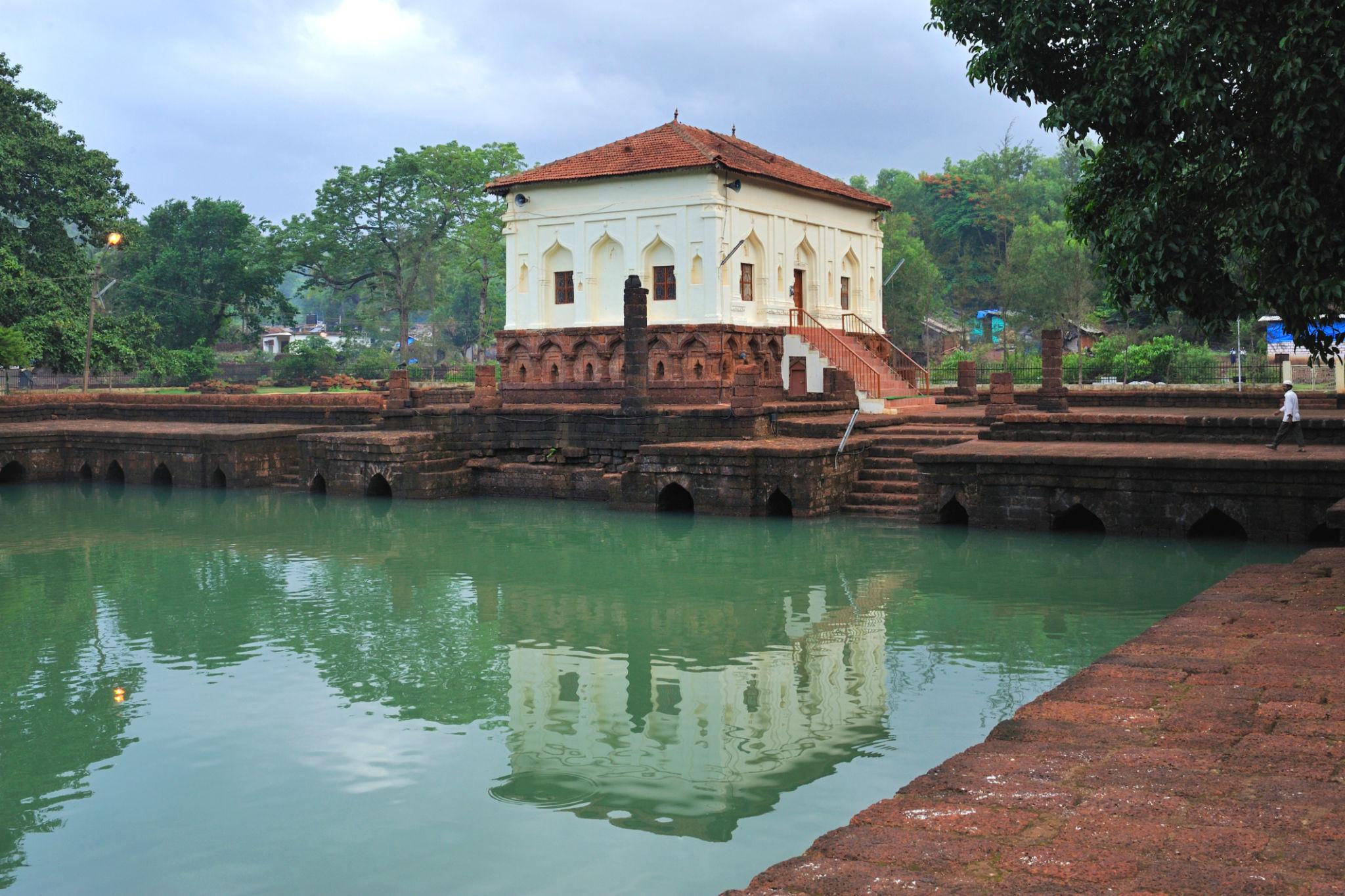
- Safa Shahouri Masjid: Located just a few kilometers away, this is one of the oldest mosques in Goa, built in 1560 by Ibrahim Adil Shah of Bijapur. It features a beautiful masonry tank and lush gardens, offering a historical contrast to the more modern Masjid-e-Siddique.
- Shri Mangueshi Temple: One of the most famous Hindu temples in Goa, dedicated to Lord Shiva. Its towering "Deepstambha" (lamp tower) and elegant architecture are a must-see. It is located in Priol, about 10-15 minutes from Ponda.
- Shri Nagesh Temple: Situated in Bandora, this temple is famous for its ancient carvings and the beautiful temple tank that reflects the shrine. It is one of the few temples in Goa that survived the Portuguese era intact.
- Sahakari Spice Farm: Located in Curti, Ponda, this farm offers guided tours where you can learn about various spices like cardamom, pepper, and vanilla. It often includes a traditional Goan lunch.
- Butterfly Conservatory of Goa: A small but enchanting place near Rajnagar, Ponda, where you can see numerous species of butterflies in a naturalistic habitat.
- Farmagudi Fort: A historical site that marks the resistance of the Marathas against the Portuguese. The area also houses the beautiful Gopal Ganapati Temple.
Photography & Visitor Guidelines
To ensure a respectful visit to Masjid-e-Siddique, please adhere to the following guidelines:
- Ask Before You Click: While photographing the exterior is generally fine, always seek permission from the mosque authorities before taking photos inside the prayer hall. Never take photos of people while they are in the act of praying.
- Maintain Silence: A mosque is a place of intense concentration. Keep your voice low and ensure your mobile phone is on silent mode.
- Shoe Etiquette: Always remove your shoes at the entrance. It is a sign of respect and helps keep the prayer carpets clean.
- Avoid Prayer Times for Sightseeing: Try to schedule your visit between the five daily prayers so as not to disturb the worshippers.
- Respect the Gender Spaces: Most mosques have separate areas for men and women. Be mindful of these boundaries and follow local signs or instructions.
- No Food or Drink Inside: Refrain from consuming food or beverages inside the prayer hall.
- Be a Respectful Observer: If you happen to be there during a prayer service, sit quietly at the back and observe without moving around or talking.
Where to Eat Nearby
Ponda offers some excellent culinary experiences, ranging from traditional Hindu Goan meals to authentic Muslim flavors. Near Masjid-e-Siddique, you can find several options:
- Local Halal Eateries: There are several small restaurants and "Khanawals" near the mosque that serve delicious Halal food. Look for places serving Goan Mutton Biryani or Beef Xacuti, which have a distinct local spice profile.
- Hotel Menino: A well-known establishment in Ponda that offers a variety of cuisines, including North Indian and Goan. It is a reliable spot for a comfortable lunch.
- Sahakari Spice Farm (Lunch): If you are visiting the spice farm, their traditional Goan buffet served on banana leaves is highly recommended. It usually includes local fish curry, vegetable preparations, and the refreshing "Sol Kadi."
- Pastry Shops: Ponda has several local bakeries where you can try Goan snacks like Samosas, Batata Vadas, and traditional sweets like Bebinca or Dodol.
- Street Food: In the evenings, the area around the Ponda bus stand comes alive with street food vendors selling spicy "Ros Omelette" (omelette served with spicy gravy), a quintessential Goan street food experience.
Accommodation Nearby
While many tourists stay in the coastal belts, staying in Ponda provides a more central and authentic experience. Options near Masjid-e-Siddique include:
- The Farmagudi Residency: Run by the Goa Tourism Development Corporation (GTDC), this is a well-maintained property offering comfortable rooms and a glimpse into Goan heritage architecture. It is located just a few minutes from the heart of Ponda.
- Atreya Leisure Farm: For those looking for a more nature-oriented stay, this eco-resort offers a peaceful retreat amidst greenery, though it is slightly further from the town center.
- Budget Guest Houses: Ponda has several budget-friendly guest houses and lodges catering to business travelers and pilgrims. These are generally clean and provide basic amenities.
- Boutique Stays: There are a few heritage homes in the surrounding villages of Shiroda and Mardol that have been converted into boutique homestays, offering a chance to live in a traditional Goan setting.
- Staying in Panjim or Margao: Since Ponda is centrally located, many visitors choose to stay in the larger cities of Panjim or Margao and make a day trip to see the sites in Ponda.
Travel Tips
To make the most of your trip to Masjid-e-Siddique and Ponda, keep these tips in mind:
- Stay Hydrated: Goa can be very humid, especially in the afternoons. Always carry a bottle of water with you.
- Carry a Scarf: For women, having a light scarf in your bag is always handy for visiting religious sites.
- Local Language: While English and Hindi are widely understood, learning a few words in Konkani (like "Dev barem koru" for "Thank you") will endear you to the locals.
- Cash is King: While larger shops and restaurants accept cards and UPI, smaller vendors and auto-rickshaws in Ponda may prefer cash.
- Respect Local Customs: Ponda is more conservative than the beach areas of North Goa. It is best to dress modestly and behave decorously throughout the town.
- Plan for Traffic: The roads around Ponda can get congested during school and office hours (8-10 AM and 5-7 PM). Plan your travel accordingly.
- Check the Calendar: Before visiting, check if there are any local festivals or public holidays, as this might affect transport and opening times.
Conclusion
Masjid-e-Siddique is more than just a religious structure; it is a symbol of the quiet, resilient, and harmonious spirit of Goa. In a world that often focuses on the superficial, a visit to this mosque offers a chance to engage with the deeper, more spiritual side of the state. It provides a window into the lives of the Goan Muslim community, whose history and culture are an inseparable part of the Goan identity. Whether you are drawn by the call of the Adhan, the beauty of the architecture, or a simple curiosity about the world, Masjid-e-Siddique welcomes you with open arms and a sense of peace that lingers long after you have left its white-walled sanctuary. As you leave Ponda and head back to the beaches or the bustling cities, the memory of this tranquil mosque serves as a reminder of the diverse and inclusive heart of India's smallest state.