Overview of Mahalasa Temple
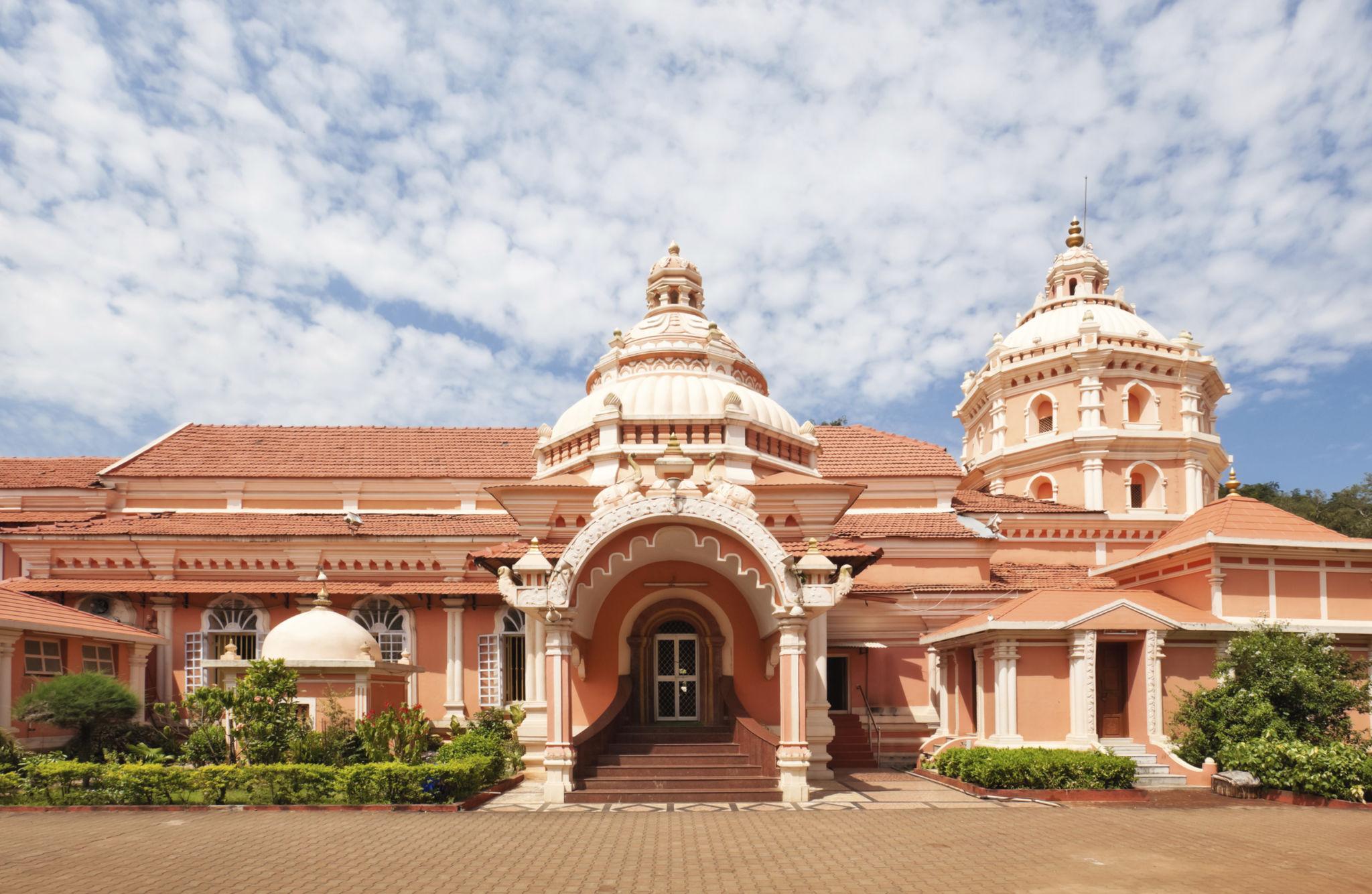
The Mahalasa Narayani Temple, located in the quaint and spiritually vibrant village of Mardol in Ponda, Goa, stands as one of the most significant and revered Hindu shrines in Western India. Known for its unique deity and breathtaking architectural grandeur, this temple is not just a place of worship but a living museum of Goan history, culture, and religious resilience. Unlike many other temples in India, the Mahalasa Temple carries a distinct identity, blending the fierce and the feminine, the ancient and the medieval, into a singular spiritual experience.
As you step into the temple complex, you are immediately greeted by an atmosphere of profound serenity. The air is thick with the scent of jasmine and incense, and the sound of temple bells echoes against the backdrop of lush tropical greenery. For the local Goan Hindu community, particularly the Goud Saraswat Brahmins, Mahalasa Narayani is the Kuldevi (family deity), a protective mother figure who has guided their lineage through centuries of triumphs and tribulations. For the traveler, it represents the "other side" of Goa—one that exists far beyond the sun-drenched beaches and neon-lit parties, offering a deep dive into the soul of the Konkan region.
The temple is dedicated to Mahalasa Narayani, often identified as the female avatar of Lord Vishnu, known as Mohini. This specific manifestation makes the temple rare, as Mohini is seldom worshipped as a primary deity in such a grand scale. The temple’s location in Mardol is also strategic, situated in the "Temple Heartland" of Ponda, where several major Goan deities were relocated during the 16th century to escape religious persecution. Today, it serves as a beacon of Goan identity, attracting thousands of pilgrims and history enthusiasts who come to witness its unique rituals and admire its stunning craftsmanship.
History & Religious Significance
The history of the Mahalasa Temple is a poignant saga of displacement, survival, and ultimate triumph. Originally, the deity was housed in a magnificent temple in Verem (Varunapur) in the Salcete taluka. However, the 16th century brought a period of intense religious upheaval to Goa. With the arrival of the Portuguese and the subsequent Goa Inquisition, Hindu temples across the coastal belt were targeted for destruction. In 1567, as the original temple in Verem faced imminent demolition, the devoted followers of Mahalasa took a daring step. Under the cover of night, they smuggled the sacred idol across the Zuari River into the territory of the Sonde Rajas, which was outside Portuguese control at the time.
The idol found its new home in the village of Mardol. This migration was not just a physical movement of an object; it was the preservation of a culture. The current structure we see today has evolved over centuries, with various patrons contributing to its expansion and embellishment. Historically, the temple was also known for its "Trial by Ordeal" during the pre-colonial and early colonial periods. It was believed that the goddess was the ultimate arbiter of truth. Accused individuals would be asked to stand before the deity and swear their innocence; it was widely held that anyone who lied in the presence of Mahalasa would face divine retribution within three days. This reputation for justice earned the goddess the title of "The Goddess of Truth."
The religious significance of Mahalasa Narayani is multifaceted. While she is worshipped as Mohini, the enchantress who recovered the Amrit (nectar of immortality) from the demons during the Samudra Manthan, she is also viewed through the lens of Shakti. In many traditions, she is seen as a combination of the powers of Vishnu and Shiva, embodying the balance of the universe. This dual nature is reflected in the rituals and the iconography found within the temple, making it a focal point for both Vaishnavite and Shaivite devotees.
Architecture of Mahalasa Temple
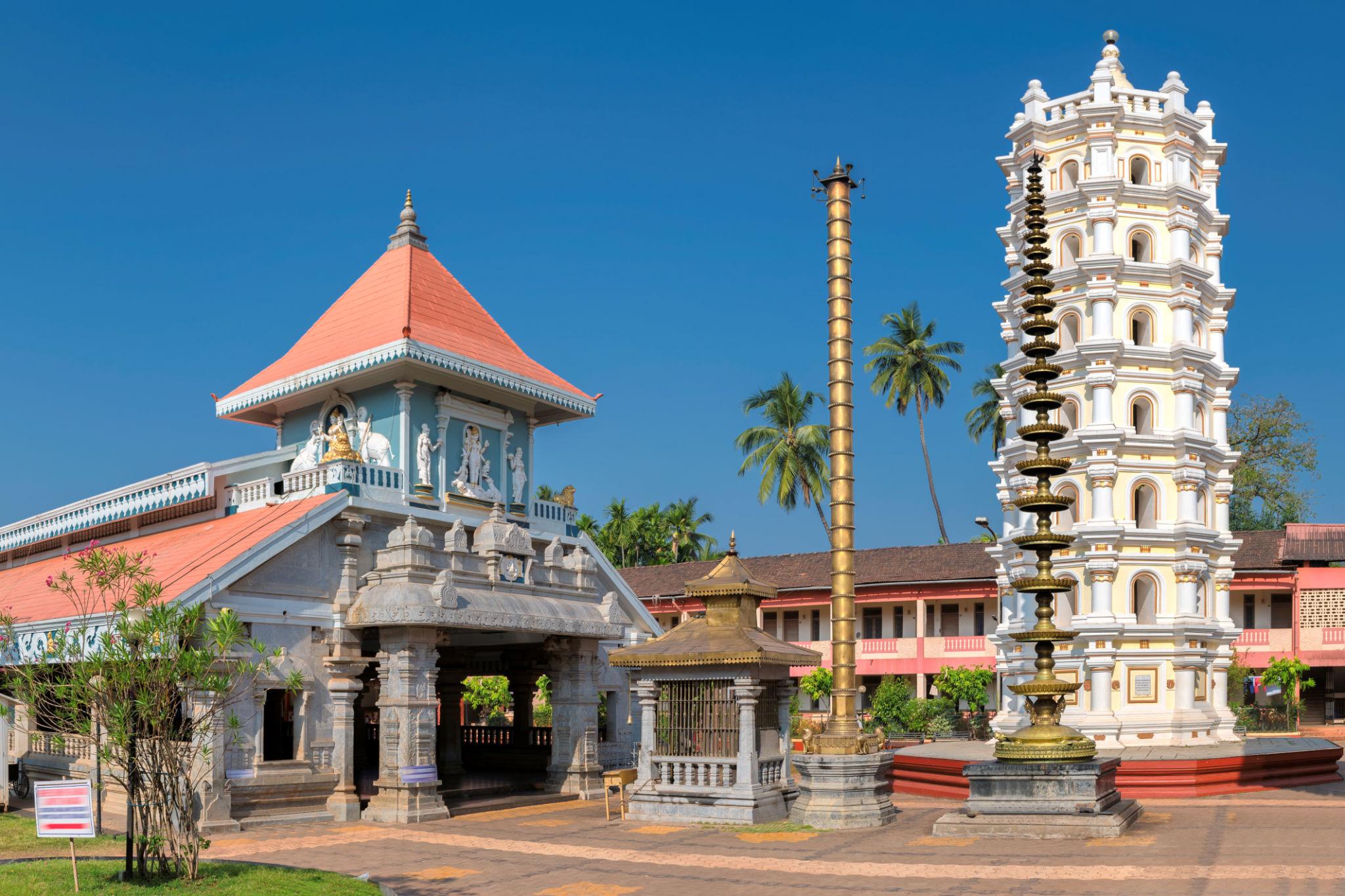
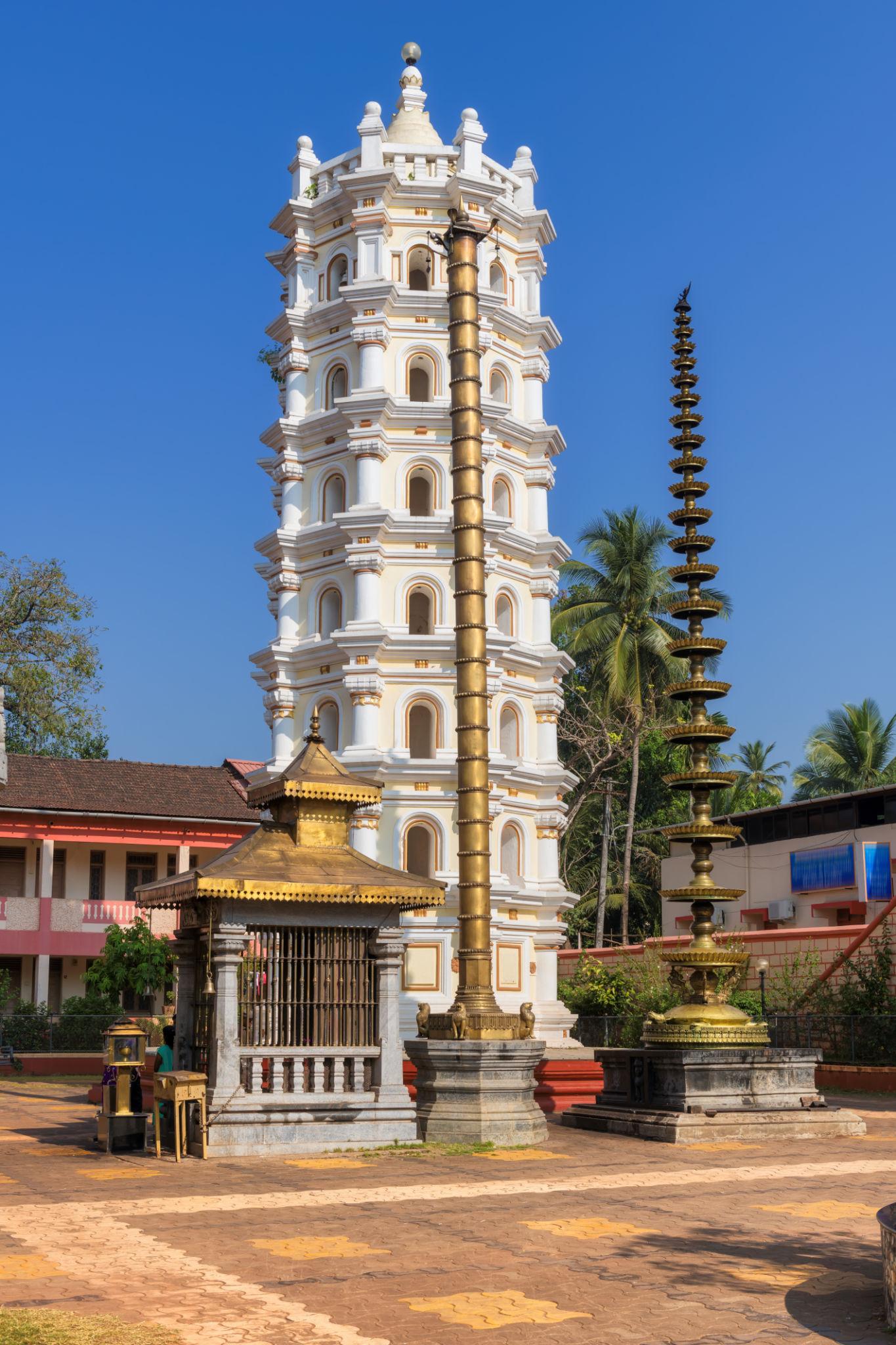
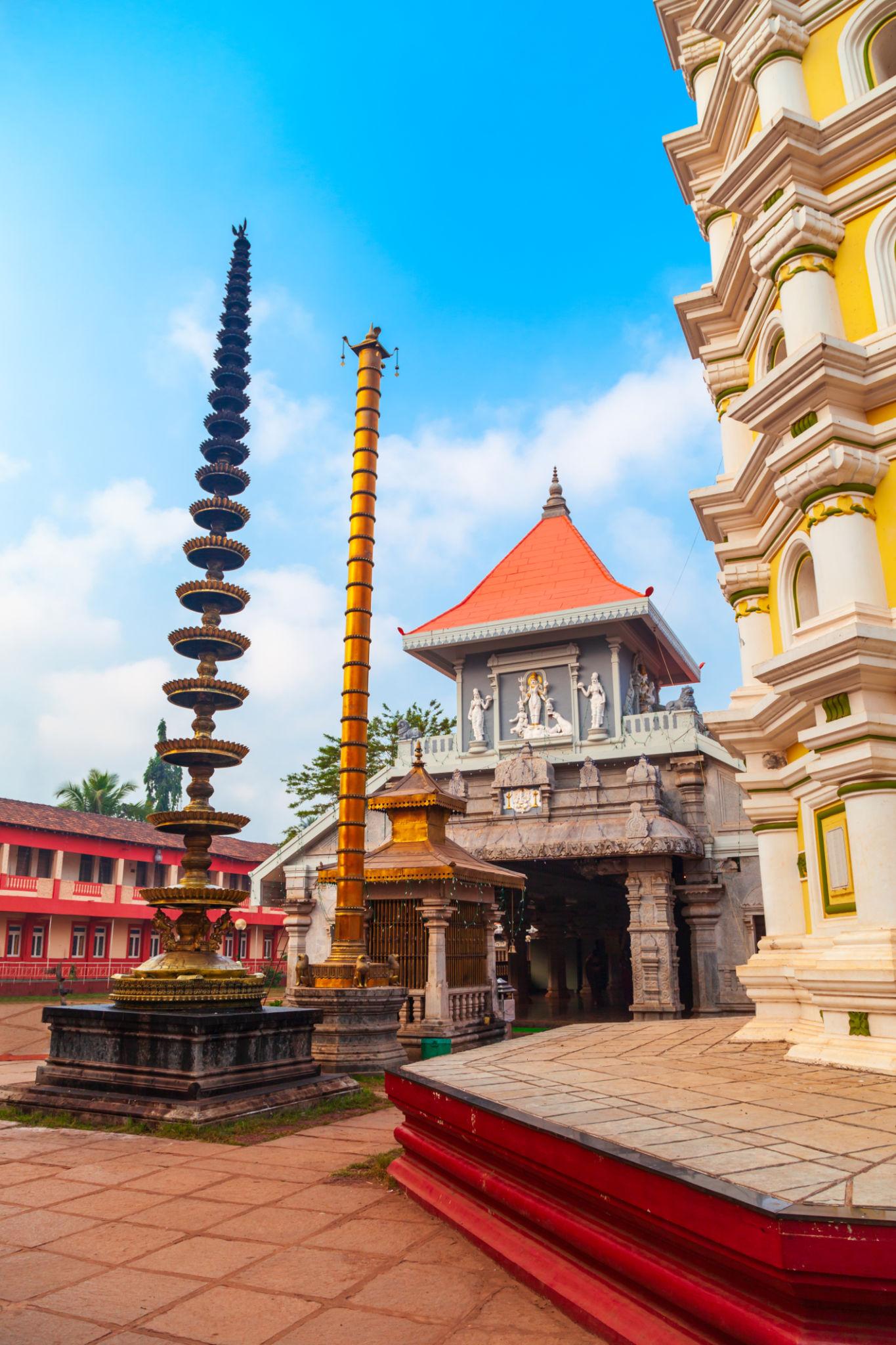
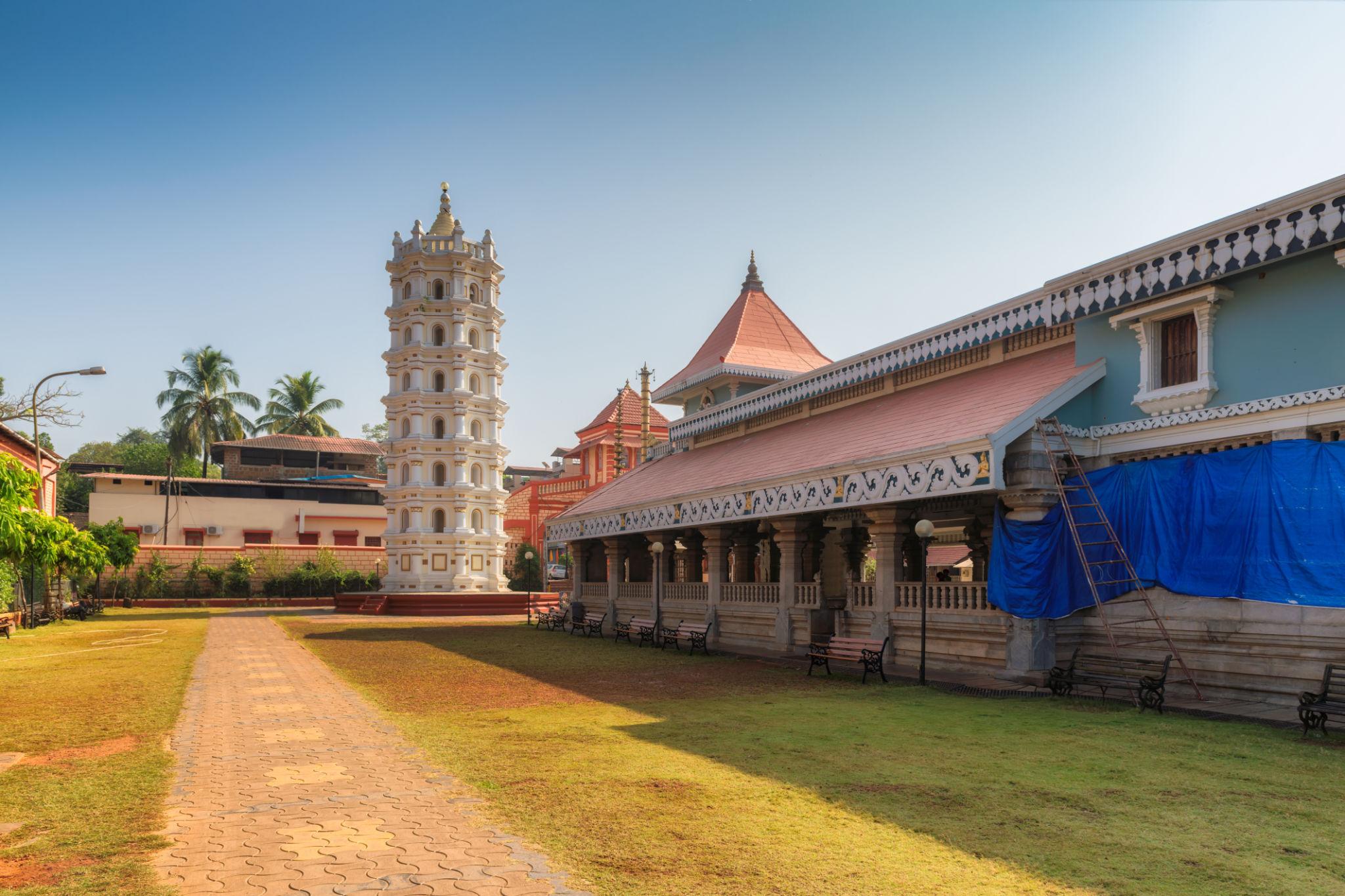
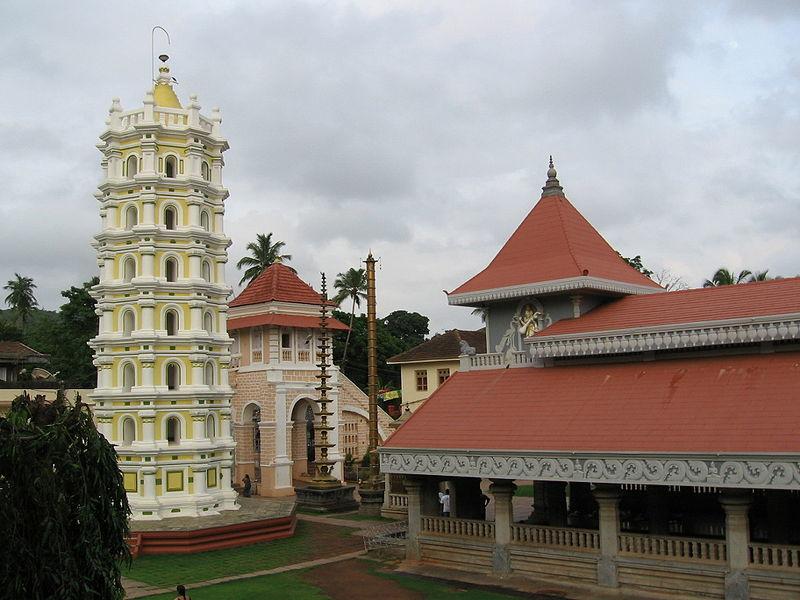
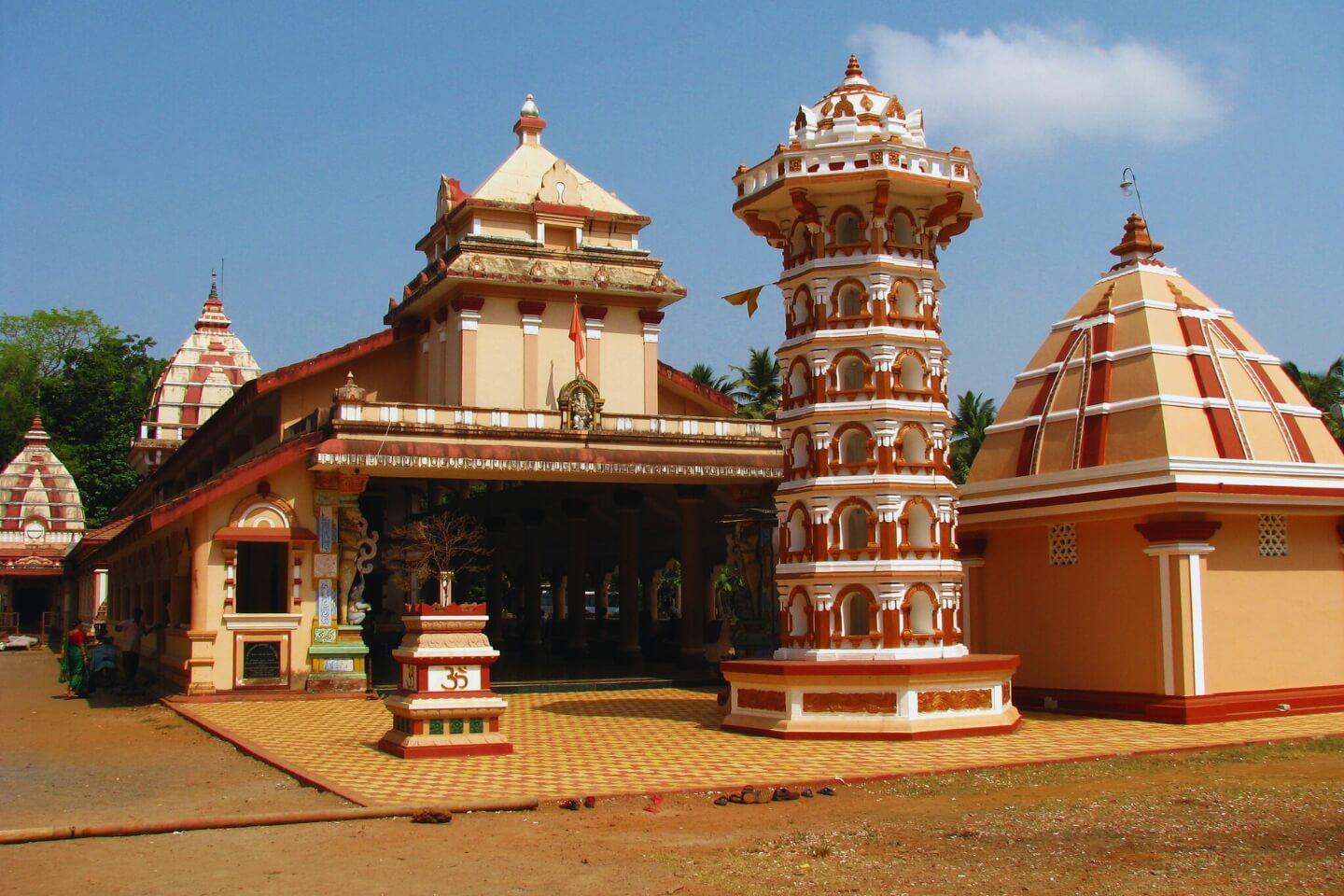
The architecture of the Mahalasa Temple is a masterclass in the Goan Temple Style, which is a unique synthesis of traditional Indian, Islamic, and even subtle Western influences. The most striking feature that captures the eye of every visitor is the massive Deepastambha (lamp tower). This five-story brass tower is one of the tallest and most magnificent in India. Standing at approximately 40 feet, it features 21 tiers of oil lamps. When lit during major festivals, the sight of this glowing pillar against the night sky is nothing short of celestial.
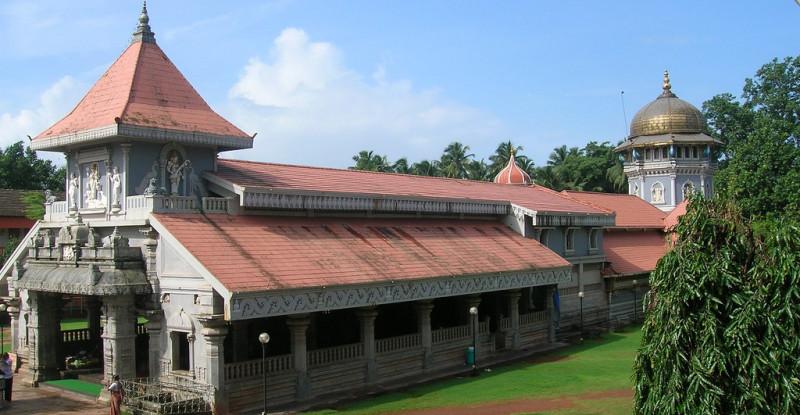
The main temple building features a traditional sloping roof, designed to withstand the heavy Goan monsoons, covered with red Mangalore tiles. The Mandapa (assembly hall) is a marvel of wood carving. The pillars are made of solid wood, intricately carved with figures from the Puranas, including the various avatars of Vishnu and scenes from the life of Krishna. The ceiling of the mandapa is equally impressive, featuring geometric patterns and floral motifs that showcase the skill of the local artisans of the 17th and 18th centuries.
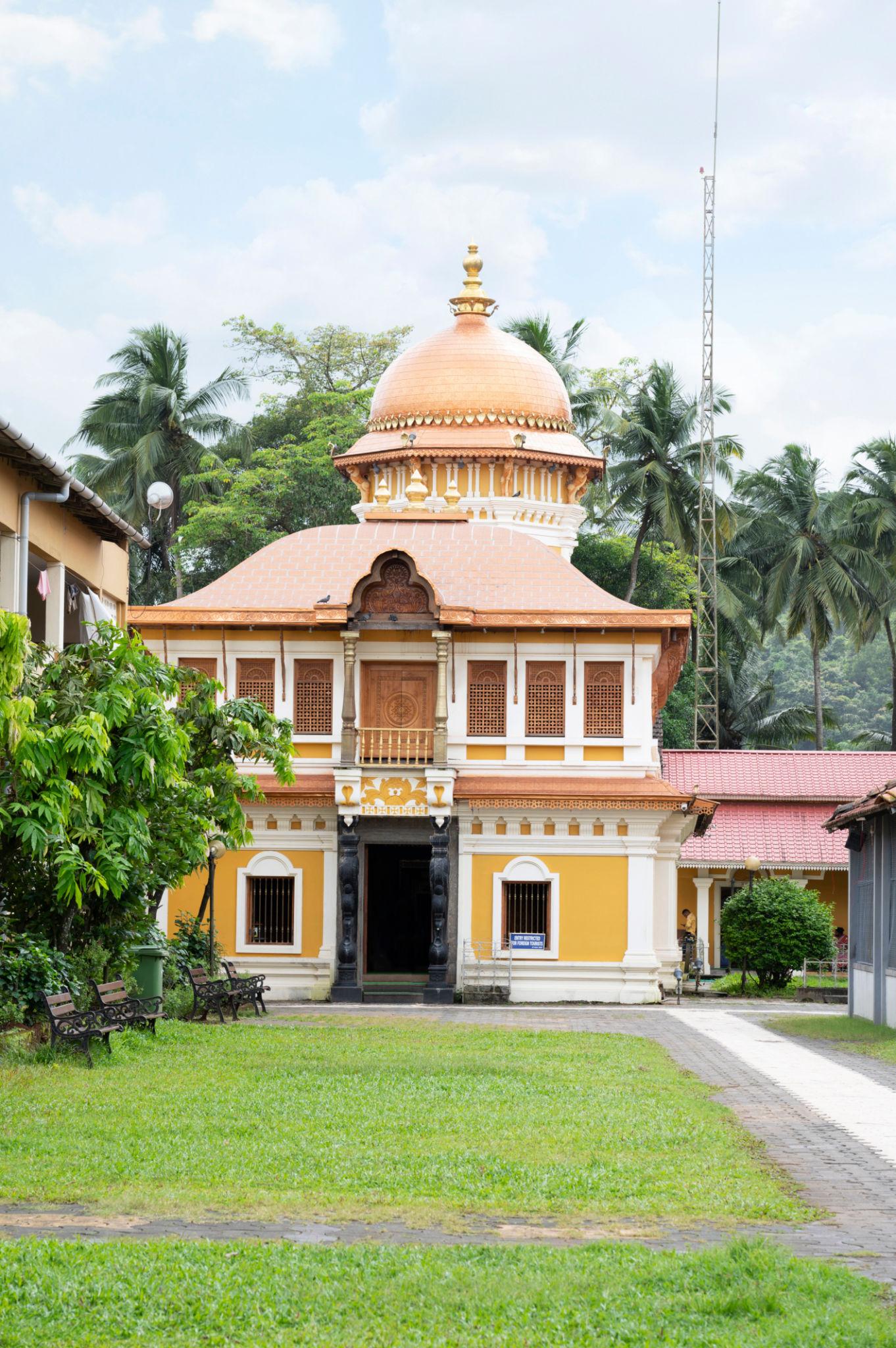
The Garbhagriha (sanctum sanctorum) is where the deity resides. The entrance to the inner sanctum is adorned with heavy silver-plated doors, featuring exquisite repoussé work. Above the sanctum rises a dome, a feature common in Goan temples that reflects the influence of the Bijapur Sultanate’s architectural style, which was prevalent in the region before the Portuguese arrived. The temple complex also includes a large Pushkarni (temple tank), which is used for ritual baths and during the "Teertha" ceremonies. The reflection of the temple in the still waters of the tank provides a perfect opportunity for quiet contemplation.
Main Deity / Spiritual Importance
The presiding deity, Mahalasa Narayani, is depicted in a form that is both graceful and powerful. The idol is typically carved in black stone and is shown with four hands, holding a Trishula (trident), a severed head, a drinking bowl, and a sword. Interestingly, despite being an avatar of Vishnu (Mohini), she wears the Yagnopavita (sacred thread), which is usually reserved for male deities and priests. This unique iconography suggests a blurring of gender lines in the divine realm, emphasizing the all-encompassing nature of the supreme spirit.
Spiritually, Mahalasa is considered the Goddess of Peace and Prosperity. Devotees believe that she has the power to remove obstacles and grant clarity of mind. The name "Narayani" links her directly to Lord Narayana (Vishnu), reinforcing her role as the protector of the cosmic order. Many families in Goa and Karnataka perform the Navratri and Vardhapana (anniversary) rituals here to seek her blessings for the well-being of their future generations.
Another spiritual aspect of the temple is the presence of the Gramapurush and other smaller shrines within the courtyard. These include shrines dedicated to Santeri (the earth goddess) and Laxmi Narayan. The coexistence of these deities within one complex highlights the syncretic nature of Goan Hinduism, where local folk traditions and Vedic practices have merged harmoniously over a thousand years.
Festivals & Celebrations
The Mahalasa Temple comes alive during its numerous festivals, which are celebrated with a level of pomp and fervor that is typical of Goan culture. The most significant event is the Magha Jatra, held in the Hindu month of Magha (usually February). This annual fair attracts tens of thousands of devotees. The highlight of the Jatra is the procession of the deity in a massive wooden chariot known as the Ratha. The chariot is pulled by hundreds of devotees through the streets of Mardol, accompanied by traditional music played on the Dhol, Tasha, and Shehnai.
Navratri is another major celebration. For nine nights, the temple is illuminated, and special floral decorations (Makhar) are created. Each night, the deity is placed in a beautifully decorated swing, and devotional songs are sung. The energy during Navratri is infectious, with the village of Mardol transforming into a hub of cultural activity.
Every Sunday, a smaller but equally significant ritual takes place. The deity is taken out in a Palkhi (palanquin) procession around the temple complex. This is a weekly opportunity for the local community to gather and participate in the "Seva" (service) of the goddess. Other important festivals include Jaiichi Jatra and the Vardhapana Day, which marks the anniversary of the idol's installation in the current temple. During these times, traditional Goan art forms like Dashavatara (folk theater) are often performed in the temple courtyard.
Best Time to Visit
The best time to visit the Mahalasa Temple depends on what you wish to experience. For pleasant weather and a comfortable sightseeing experience, the months from November to February are ideal. The Goan winter is mild, with clear blue skies and cool breezes, making it perfect for exploring the intricate carvings of the temple without the heat of the sun.
If you are interested in the spiritual and cultural vibrancy of the temple, plan your visit during Magha Jatra (February) or Navratri (September/October). While the crowds are significantly larger during these times, the atmosphere is electric, providing a rare glimpse into the deep-rooted traditions of the Goan people. For those who prefer solitude and quiet meditation, a visit during the monsoon season (June to September) can be quite magical. The surrounding landscape turns a brilliant emerald green, and the sound of falling rain on the temple’s tiled roof creates a meditative ambiance, though one should be prepared for heavy downpours.
Timings, Entry Fee & Dress Code
To ensure a respectful and smooth visit, it is important to adhere to the temple’s guidelines:
- Timings: The temple is generally open from 6:30 AM to 12:30 PM and from 4:00 PM to 8:30 PM. On Sundays and during festivals, the afternoon closing time may be extended.
- Entry Fee: There is no entry fee to visit the Mahalasa Temple. It is open to people of all faiths, provided they respect the sanctity of the site.
- Dress Code: Like most traditional Goan temples, a strict dress code is enforced. Visitors must dress modestly.
- Men: Should ideally wear dhotis or formal trousers. Shorts and sleeveless shirts are strictly prohibited.
- Women: Should wear sarees, salwar kameez, or long skirts. Short skirts, sleeveless tops, and transparent clothing are not allowed.
- Note: It is customary to remove footwear before entering the temple premises. Most visitors leave their shoes at the designated counter near the entrance.
How to Reach Mahalasa Temple
The Mahalasa Temple is located in Mardol, which is well-connected to major hubs in Goa. Here is how you can reach the temple:
- By Road: Mardol is situated on the NH-4A (Panaji-Belgaum Highway). It is approximately 22 km from the capital city, Panaji, and about 26 km from Margao. You can easily hire a taxi or a self-drive car. Local buses running between Panaji and Ponda also stop at Mardol.
- By Air: The nearest airport is Manohar International Airport (Mopa) or Dabolim Airport. Dabolim is about 35 km away. From the airport, you can take a pre-paid taxi directly to the temple, which takes about an hour.
- By Rail: The closest railway station is Karmali (Old Goa), located about 12 km from Mardol. Madgaon Junction is another major station located about 28 km away. Taxis and rickshaws are available at both stations.
Things to Do
A visit to the Mahalasa Temple can be more than just a quick prayer. Here are some activities to enrich your visit:
- Witness the Palkhi Procession: If you visit on a Sunday evening, don't miss the palanquin procession. The rhythmic chanting and the sight of the deity being carried around the temple are deeply moving.
- Admire the Deepastambha: Spend some time looking at the intricate details of the brass lamp tower. If you are lucky enough to be there during a festival when it is lit, the sight is unforgettable.
- Explore the Wood Carvings: The pillars in the main hall are a treasure trove of mythological stories. Take a slow walk around and identify the different scenes depicted on the wood.
- Meditation by the Tank: The temple tank (Pushkarni) offers a quiet spot for reflection. The ancient steps leading down to the water are a great place to sit and soak in the spiritual energy.
- Interact with Local Priests: If they are not busy with rituals, the priests (Pujaris) can often share fascinating local legends and the history of the temple's migration from Verem.
Nearby Attractions
Since the Mahalasa Temple is located in the temple belt of Ponda, you can easily combine your visit with other nearby sites:
- Mangueshi Temple: Located just 1 km away, this is perhaps the most famous temple in Goa, dedicated to Lord Shiva. Its architecture and grand lamp tower are legendary.
- Nagueshi Temple: An ancient temple dedicated to Lord Nagesh (Shiva), known for its beautiful temple tank and wood carvings. It is located very close to Mardol.
- Sahakari Spice Plantation: Located about 5 km from the temple, this is a great place to learn about Goa’s spices, enjoy a traditional Goan lunch, and even see elephants.
- Old Goa (Velha Goa): About 12 km away, this UNESCO World Heritage site houses the Basilica of Bom Jesus and Se Cathedral, offering a glimpse into Goa's colonial Christian history.
- Farmagudi Fort: A historical site nearby that offers a glimpse into the military history of the region and houses a temple dedicated to Lord Ganapati.
Photography & Visitor Guidelines
To maintain the sanctity of the temple and ensure a pleasant experience for everyone, please follow these guidelines:
- Photography: Photography is generally prohibited inside the inner sanctum (Garbhagriha). However, you are usually allowed to take photos of the exterior architecture, the Deepastambha, and the courtyard. Always look for signage or ask a temple official before clicking.
- Silence: Maintain a low volume while inside the temple halls. Devotees are often in deep prayer or meditation.
- Mobile Phones: Keep your mobile phones on silent or switched off while inside the main temple building.
- Offerings: If you wish to make an offering, you can buy flowers and oil lamps from the vendors outside. Avoid bringing plastic bags inside the temple.
- Respect Rituals: If a ritual or "Aarti" is in progress, stand quietly to the side. Do not interrupt the priests or walk between the deity and the devotees.
Where to Eat Nearby
The Ponda region is known for its authentic Goan Saraswat cuisine. Here are some dining options near Mardol:
- Temple Bhojanalaya: Some temples in the area offer "Prasad" or traditional vegetarian meals at specific times. Check with the temple office for availability.
- Sahakari Spice Farm: They offer a buffet of traditional Goan vegetarian and non-vegetarian food, served in a rustic, natural setting.
- Local Eateries in Mardol: There are several small restaurants and "Udupi" style cafes in Mardol village that serve delicious Batata Vada, Misal Pav, and South Indian breakfast items.
- Farmagudi Residency: A government-run hotel nearby that has a decent restaurant serving a variety of Indian cuisines.
Accommodation Nearby
While many visitors stay in the coastal areas and visit Ponda as a day trip, staying nearby allows for a more immersive experience:
- Farmagudi Residency (GTDC): Located just a few kilometers away, this is a reliable and affordable option run by the Goa Tourism Development Corporation.
- Atreya Leisure Farm: For those looking for a nature-centric stay, this eco-resort offers a peaceful environment amidst spice plantations.
- Local Homestays: There are several homestays in and around Ponda that offer a chance to live with a Goan family and experience local hospitality.
- Luxury Options: For high-end accommodation, you would typically need to look towards Panjim or the heritage hotels in Old Goa, which are about a 20-30 minute drive away.
Travel Tips
To make the most of your visit to the Mahalasa Narayani Temple, keep these tips in mind:
- Carry Water: The Goan humidity can be taxing. Carry a bottle of water, but remember to dispose of any waste responsibly.
- Footwear: Wear easy-to-remove footwear like sandals or flip-flops, as you will have to leave them outside the temple.
- Local Transport: If you don't have a private vehicle, the local bus system is very efficient and cheap, though it can be crowded.
- Language: Most locals speak Konkani and Marathi, but English and Hindi are widely understood by the temple staff and shopkeepers.
- Plan for the "Temple Circuit": Since Mahalasa, Mangueshi, and Nagueshi are so close, plan to spend at least half a day to cover all three comfortably.
Conclusion
The Mahalasa Narayani Temple in Mardol is more than just a stop on a tourist itinerary; it is a profound journey into the heart of Goan spirituality. It stands as a testament to the enduring faith of a community that protected its heritage against all odds. Whether you are drawn by the architectural brilliance of the 40-foot lamp tower, the intriguing mythology of the Mohini avatar, or simply the desire to find a moment of peace in a hectic world, this temple offers a unique and enriching experience.
As the sun sets over the hills of Ponda and the silver doors of the sanctum catch the glow of the oil lamps, one cannot help but feel a sense of timelessness. The Mahalasa Temple is a reminder that while empires rise and fall, the devotion to the divine and the cultural roots of a land remain unshakable. For any traveler seeking to understand the true essence of Goa—the Goa of the locals, the Goa of the ancestors—a pilgrimage to the Mahalasa Narayani Temple is an absolute necessity. It is here, amidst the chanting and the incense, that the "Golden Goa" truly shines.