Overview of Miraculous Cross Bambolim
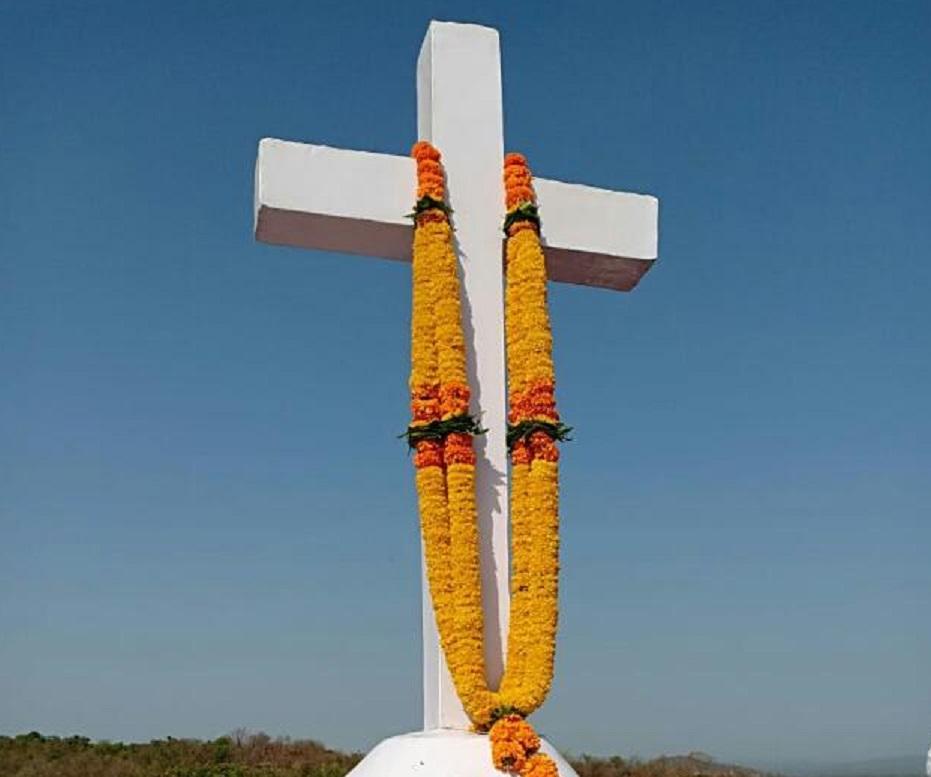
Perched majestically on a scenic hillock overlooking the bustling National Highway 66, the Miraculous Cross at Bambolim, locally revered as the "Fulancho Khuris" (Cross of Flowers), stands as one of Goa’s most profound symbols of faith and inter-religious harmony. Unlike the grand cathedrals of Old Goa or the ornate churches of South Goa, the Miraculous Cross is a site of raw, unfiltered devotion. It is a place where the salt-laden breeze from the nearby Zuari River mingles with the sweet scent of jasmine garlands and the heavy aroma of melting wax. For any traveler or pilgrim visiting the sunshine state, this site offers a spiritual experience that transcends the typical tourist trail, providing a deep dive into the soul of Goan culture.
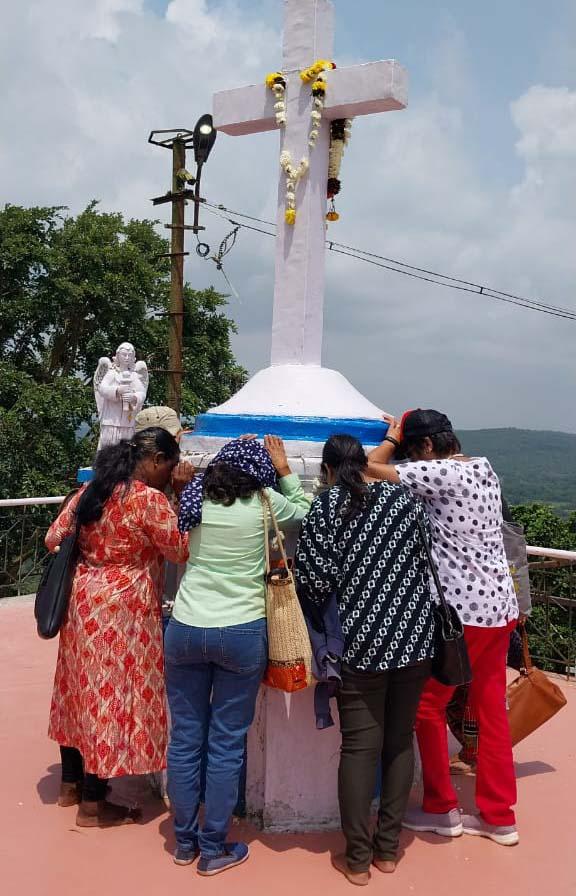
The shrine is located in the village of Bambolim, just a few kilometers away from the capital city of Panjim. Its location is strategic yet serene, serving as a spiritual sentinel for travelers moving between North and South Goa. What makes the Miraculous Cross truly unique is its universal appeal. On any given day, you will find people from all walks of life—Christians, Hindus, Muslims, and Sikhs—bowing their heads in silent prayer. It is a testament to the "Goenkarponn" (Goan identity), where communal boundaries blur in the presence of the divine. The cross is perpetually adorned with fresh flowers, earning it its local name, and it is believed that no one who knocks on its doors with a sincere heart ever leaves empty-handed.
Top Goa Experience • Part 1
Highly Recommended Near Miraculous Cross Bambolim
Explore All
As a professional travel writer who has traversed the length and breadth of Goa, I find the Miraculous Cross to be one of the most evocative spots in the state. It isn't just a religious monument; it is a living, breathing repository of human hope. Whether you are seeking a miracle, looking for a moment of quiet reflection, or simply interested in the rich tapestry of Goan traditions, the Miraculous Cross at Bambolim is a destination that demands a spot on your itinerary. The sight of hundreds of flickering candles against the twilight sky is a memory that lingers long after you have left the Goan shores.
History & Religious Significance
The history of the Miraculous Cross Bambolim is steeped in local folklore and documented accounts of inexplicable healings. While the exact date of the original cross's installation is debated, local tradition suggests it has been a site of veneration for over a century. Originally, it was a simple wooden cross placed by the roadside, intended to offer protection to travelers navigating the hilly terrain of Bambolim. Over time, stories began to circulate about the "Khuris" (Cross) possessing miraculous powers. From curing terminal illnesses to helping families find lost livelihoods, the legends grew, and so did the number of devotees.
Recommended Guide
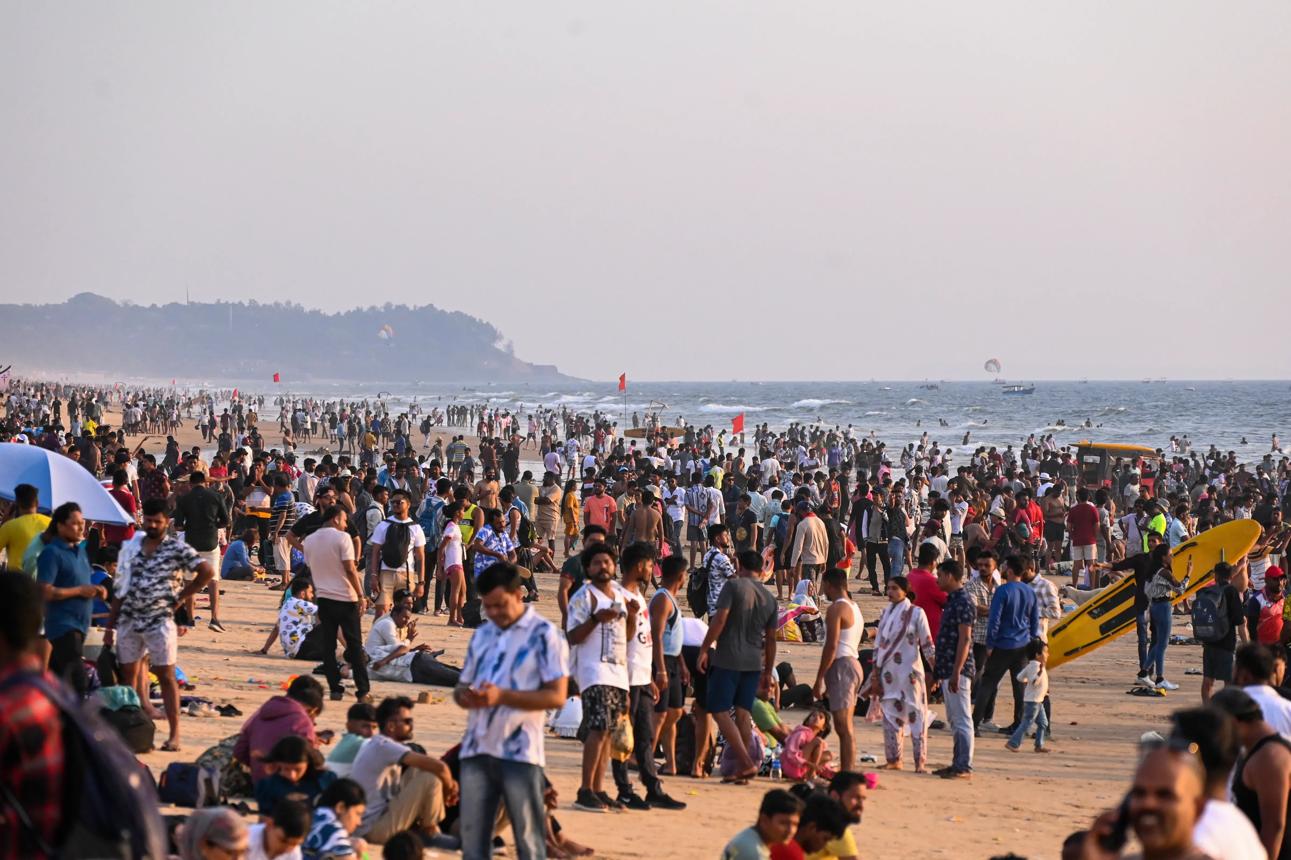
Top 10 Crowded Beaches in Goa
Goa is India's most famous beach destination, attracting millions of tourists every year from across the country and around the world. Known for its golden...
Read Guide →
One of the most significant historical turning points for the shrine occurred during the expansion of the National Highway. As modernization swept through Goa, many structures were slated for demolition to make way for the four-lane road. However, local sentiment was so strong regarding the Miraculous Cross that the authorities had to redesign the road layout to ensure the shrine remained untouched. This event further solidified the belief in the cross's protective nature. The current structure, which is more robust and accommodating, was built around the original site to cater to the thousands of pilgrims who visit weekly.
The religious significance of the cross is deeply tied to the Catholic tradition of the Holy Cross, but in Goa, this has taken on a unique cultural flavor. The cross is seen as a "Milagrist" (Miracle-worker). In the local Konkani language, it is often referred to as a "Jivem Khuris" (Living Cross). The significance is also tied to the concept of "Navas"—a solemn vow made to God. Devotees promise to return to the cross with offerings of flowers, candles, or even traditional Goan sweets like Arroz Doce if their prayers are answered. This cycle of petition and gratitude forms the backbone of the shrine’s spiritual life, making it a focal point of Goan piety for generations.
Recommended Guide
Jet Surfing in Goa: The Ultimate Guide to Goa’s Most Exciting Water Adventure
Goa is widely known as India's water sports capital, attracting adventure enthusiasts from across the country and around the world. While activities such a...
Read Guide →
Architecture of Miraculous Cross Bambolim
The architecture of the Miraculous Cross Bambolim is a beautiful blend of modern Goan-Christian aesthetics and functional design. Unlike the Baroque or Manueline styles seen in the churches of Velha Goa, this shrine emphasizes openness and accessibility. The central focus is, of course, the Cross itself, which is housed within a protective glass casing at the heart of an elevated altar. This allows devotees to see the cross clearly from various angles while protecting it from the elements and the constant smoke from thousands of candles.
The shrine features an open-air pavilion style, which is perfectly suited for the tropical Goan climate. The roof is supported by sturdy pillars, allowing the sea breeze to circulate freely, providing a sense of coolness even during the humid summer months. The use of white marble and granite gives the space a clean, ethereal feel. One of the most striking architectural features is the tiered candle stand located to the side of the main altar. This area is designed to hold hundreds of candles simultaneously, with a specialized drainage system for the melting wax—a practical necessity given the sheer volume of offerings.
Recommended Guide
10 Interesting Facts About Goa That Will Blow Your Mind
Discover 10 fascinating facts about Goa from Portuguese history & architecture to hidden beaches, cheap alcohol secrets, and more.
Read Guide →
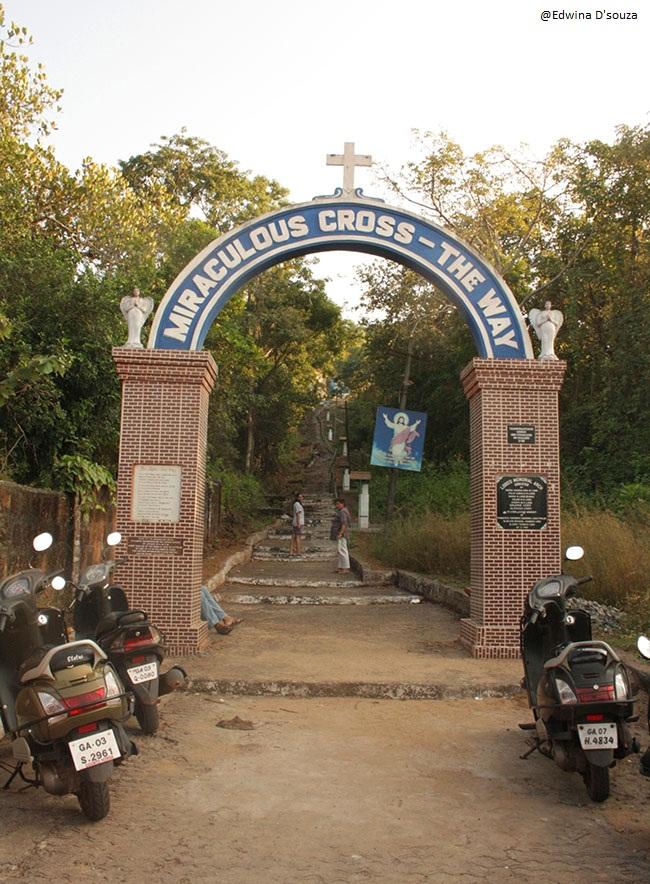
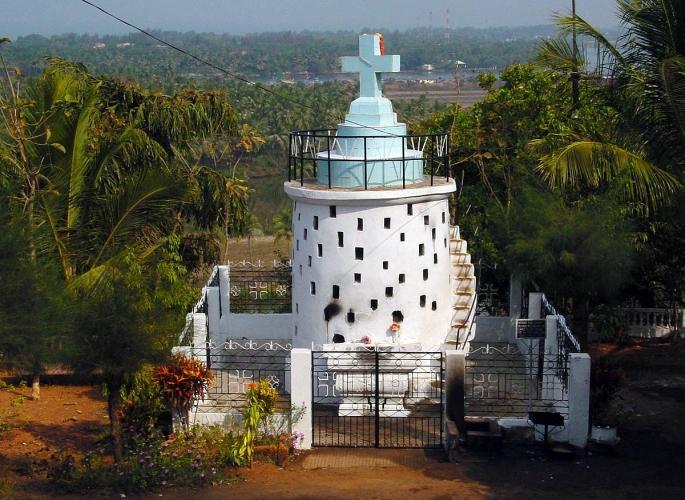
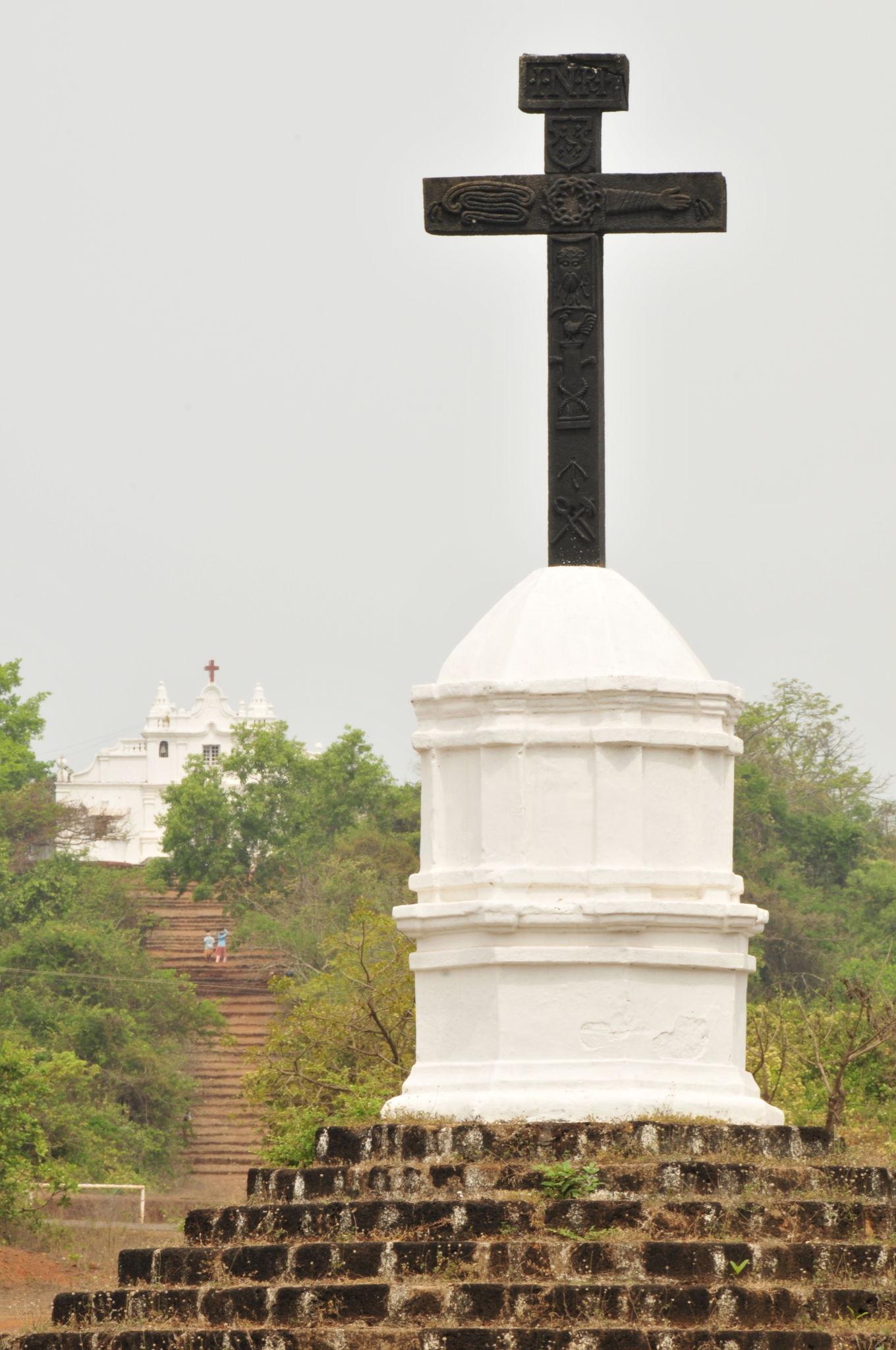
Surrounding the main shrine is a well-maintained courtyard and a series of steps that lead up from the highway. The landscaping incorporates local flora, including bougainvillea and palm trees, which frame the white structure against the blue Goan sky. The simplicity of the architecture ensures that the visitor's attention is never diverted from the spiritual essence of the site. There is also a small sacristy and a shop where religious articles are sold, designed to harmonize with the main structure. The entire complex is a masterclass in how religious architecture can be both humble and monumental at the same time.
Top Goa Experience • Part 2
Highly Recommended Near Miraculous Cross Bambolim
Explore All
Main Deity / Spiritual Importance
The "Main Deity" of this site is the Holy Cross, representing the sacrifice and resurrection of Jesus Christ. However, in the context of Bambolim, the spiritual importance of the cross goes beyond standard theological interpretations. It is viewed as a Universal Protector. For many Goans, the cross is a "Guardian of the Ghats," watching over the treacherous roads and the people who travel them. The spiritual energy of the place is palpable; even the most cynical traveler often finds themselves hushed by the collective devotion of the crowd.
The spiritual importance is manifested through specific rituals. One of the most poignant is the offering of wax models. If a devotee is praying for the healing of a specific body part—say, a broken leg or a failing heart—they offer a small wax replica of that organ to the cross. This practice, rooted in ancient European traditions but deeply localized in Goa, highlights the belief in the cross as a physical healer. Additionally, the spiritual importance is underscored by the "Fulancho" aspect. Flowers in Goa symbolize purity, life, and the fragrance of the soul. By covering the cross in flowers, devotees are symbolically offering their lives and their beauty to the Divine.
Furthermore, the Miraculous Cross serves as a site for spiritual reconciliation. It is common to see people sitting in the quiet corners of the pavilion, meditating or weeping in silence. The cross is considered a "confidant"—someone who listens when the world does not. This psychological and spiritual solace is perhaps the greatest miracle of the Bambolim Cross. It provides a sanctuary for the broken-hearted and a beacon for the lost, making its spiritual importance immeasurable to the local community.
Festivals & Celebrations
While the Miraculous Cross is a site of daily devotion, it transforms into a hub of vibrant energy during specific times of the year. The most significant event is the Feast of the Miraculous Cross, celebrated annually on the first Sunday of May. This feast is a quintessential Goan "Fest," combining solemn religious services with a festive social atmosphere. Preparation begins nine days prior with the Novena, where special prayers and litanies (Ladainhas) are sung in Konkani. During the feast day, multiple masses are held, and the entire hillside is carpeted with pilgrims.
Another crucial period is the Lenten Season (the forty days leading up to Easter). During Lent, and especially on Good Friday, thousands of devotees walk miles on foot as an act of penance to reach the Bambolim Cross. The atmosphere during this time is one of deep reflection and mourning, contrasting sharply with the celebratory mood of the May feast. The "Way of the Cross" is often enacted here, with the hilly terrain providing a natural backdrop for the stations of the cross.
Throughout the year, Fridays are considered mini-festivals at the shrine. It is the traditional day of devotion for the Holy Cross in Goa. From dawn until late at night, a steady stream of people visits the shrine. You will find small stalls springing up along the periphery selling traditional Goan snacks like gram (boiled chickpeas), choris-pao (sausage bread), and bebinca. The sound of brass bands occasionally accompanies the evening services, adding a rhythmic, celebratory layer to the spiritual proceedings. These celebrations are a perfect example of how Goans integrate their faith with their love for community and food.
Best Time to Visit
To experience the Miraculous Cross Bambolim in its full spiritual glory, timing is essential. The best months to visit are between October and March. During this period, the weather in Goa is pleasant, with cool breezes and clear skies, making the outdoor nature of the shrine very comfortable. The humidity is low, which is particularly beneficial if you plan to spend time in meditation or attend one of the longer prayer services.
If you wish to witness the height of Goan devotion, visiting on a Friday is a must. However, be prepared for large crowds. For a more peaceful and contemplative experience, a Tuesday or Wednesday morning is ideal. The early morning hours (between 6:30 AM and 8:00 AM) are particularly magical; the sun rises behind the hill, casting a golden glow over the cross, and the air is fresh and quiet.
For those interested in the cultural aspect, visiting during the Feast in May is an unforgettable experience, though the heat can be intense. Conversely, visiting during the monsoon season (June to September) offers a different kind of beauty. The surrounding hills turn a lush, vibrant green, and the sound of the rain hitting the pavilion roof creates a rhythmic, meditative environment. Just ensure you carry a sturdy umbrella, as the winds on the Bambolim hill can be quite strong during the rains.
Timings, Entry Fee & Dress Code
The Miraculous Cross Bambolim is highly accessible to the public, reflecting its mission of universal welcome. The general timings for the shrine are from 6:00 AM to 9:00 PM daily. These hours may be extended during feast days or special liturgical seasons like Lent. Masses are typically held on Friday evenings and Sunday mornings, and attending one is highly recommended to experience the local Konkani liturgy.
There is no entry fee to visit the shrine. The Miraculous Cross is maintained through the voluntary donations of devotees. You will find donation boxes (coffers) placed around the shrine if you wish to contribute to the upkeep of the site or the charitable works associated with the parish.
Regarding the dress code, as with all religious sites in Goa, modesty is key. While Goa is known for its relaxed beachwear, the Miraculous Cross is a sacred space. Visitors are expected to:
- Wear clothing that covers the shoulders and knees.
- Avoid wearing swimwear, sleeveless tops, or very short skirts/shorts.
- Remove hats or caps when entering the immediate prayer area.
- Footwear is generally allowed in the outer pavilion but should be removed if you are stepping onto the main altar platform.
Adhering to these guidelines shows respect for the local culture and the thousands of pilgrims for whom this is a place of serious prayer.
How to Reach Miraculous Cross Bambolim
The Miraculous Cross is located in a very convenient spot, making it easy to reach from almost any part of Goa. It is situated right on NH-66, near the Goa Medical College (GMC) complex in Bambolim.
- By Air: The Dabolim Airport is approximately 20 km away. You can take a pre-paid taxi from the airport, which will take about 30-40 minutes depending on traffic. The new Mopa Airport (Manohar International Airport) is further away, about 45 km, requiring a 1-hour drive.
- By Rail: The nearest major railway station is Karmali (KRMI), which is about 12 km away. From the station, you can hire an auto-rickshaw or a taxi. Madgaon Station, the main rail hub, is about 30 km south.
- By Bus: Any bus plying the Panjim-Margao or Panjim-Vasco route will pass through Bambolim. Simply ask the conductor to drop you at the "Bambolim Cross" stop. The shrine is a short walk from the bus stop.
- By Private Vehicle/Rental: If you are driving from Panjim, head south towards Margao. The shrine will be on your left after you pass the GMC hospital. There is a dedicated parking area for visitors, though it can get crowded on Fridays.
The landmark is so famous that any local taxi or pilot (motorcycle taxi) driver will know exactly where to take you. Its visibility from the highway makes it nearly impossible to miss.
Things to Do
A visit to the Miraculous Cross Bambolim is more about "being" than "doing," but there are several traditional activities that visitors can participate in:
- Light a Candle: This is the most common ritual. Purchase a candle from the nearby vendors and offer it at the tiered stand while making a silent prayer. The act of lighting a candle symbolizes the bringing of light into one's life and the burning away of troubles.
- Offer Flowers: Buy a garland of fresh jasmine or marigolds (Fulancho) and place it near the cross. The fragrance is considered an offering to the divine.
- Attend a Mass: If you visit on a Friday evening, stay for the Konkani mass. Even if you don't understand the language, the hymns and the communal atmosphere are deeply moving.
- Tie a Ribbon/Vow: Some devotees tie small ribbons or threads as a sign of a vow (Navas). Observe the local traditions and participate if you feel moved to do so.
- Photography: Capture the beautiful architecture and the panoramic views of the surrounding hills, but always be mindful of people praying.
- Meditation: Find a quiet spot on the benches and spend 15-20 minutes in silence. The energy of the place is incredibly grounding.
- Charity: It is a common practice to give small alms to the needy who gather outside the shrine, especially on Fridays.
Nearby Attractions
The central location of Bambolim allows you to combine your spiritual visit with several other interesting sites:
- Siridao Beach: Located just 3 km away, this is a rugged, shell-strewn beach known for its "Jesus of Nazareth" chapel and mystical atmosphere. It is far less crowded than the northern beaches.
- Goa Medical College (GMC) Heritage Building: The nearby GMC is one of the oldest medical colleges in Asia. The architecture of the old campus is worth a look.
- Panjim City: The capital city is only 7 km away. You can explore the Latin Quarter (Fontainhas), the Immaculate Conception Church, and the bustling Miramar Beach.
- Dona Paula: About 8 km away, this famous viewpoint offers stunning vistas of the Mormugao Harbor and the Arabian Sea. It is also a great spot for water sports.
- St. Lawrence Church, Agassaim: A short drive south will take you to this beautiful church perched on a hill, offering views of the Zuari river bridge.
- Indian Naval Aviation Museum: Located towards Vasco (about 15 km away), this is a fascinating place for history and aviation buffs.
Photography & Visitor Guidelines
To ensure a respectful visit for everyone, please follow these guidelines regarding photography and general conduct:
- Photography inside the Shrine: While photography is generally permitted in the courtyard, please avoid taking photos or videos during the actual Mass or when people are in deep prayer directly in front of the Cross. Flash photography inside the altar area is strictly discouraged as it is distracting.
- Silence: Maintain a low volume. The shrine is a place of intense personal prayer; loud conversations or ringing mobile phones are considered disrespectful.
- Mobile Phones: Keep your phone on silent mode. If you must take a call, step outside the pavilion area.
- Vandalism: Never touch the glass casing of the cross or attempt to write on the walls/pillars. This is a sacred heritage site.
- Cleaning: Ensure you do not leave any plastic waste, candle wrappers, or flower stems behind. Use the designated dustbins.
- Respect Rituals: If you see a ritual being performed (like a Ladainha), observe from a distance without interrupting.
Following these simple rules ensures that the sanctity of the Miraculous Cross is preserved for future generations.
Where to Eat Nearby
After a spiritual visit, you can indulge in some local Goan flavors at these nearby spots:
- Local Stalls: Right outside the shrine, especially on Fridays, you can find vendors selling Ross Omelette, Choris Pao, and Mirchi Bajis. These are authentic, cheap, and delicious.
- GMC Canteen Area: The area around the Medical College has several small eateries that serve excellent Goan fish thalis at very reasonable prices.
- The Goan Room (Dona Paula): For a more formal dining experience, this restaurant offers incredible authentic Goan cuisine, including Pork Vindaloo and Fish Recheado.
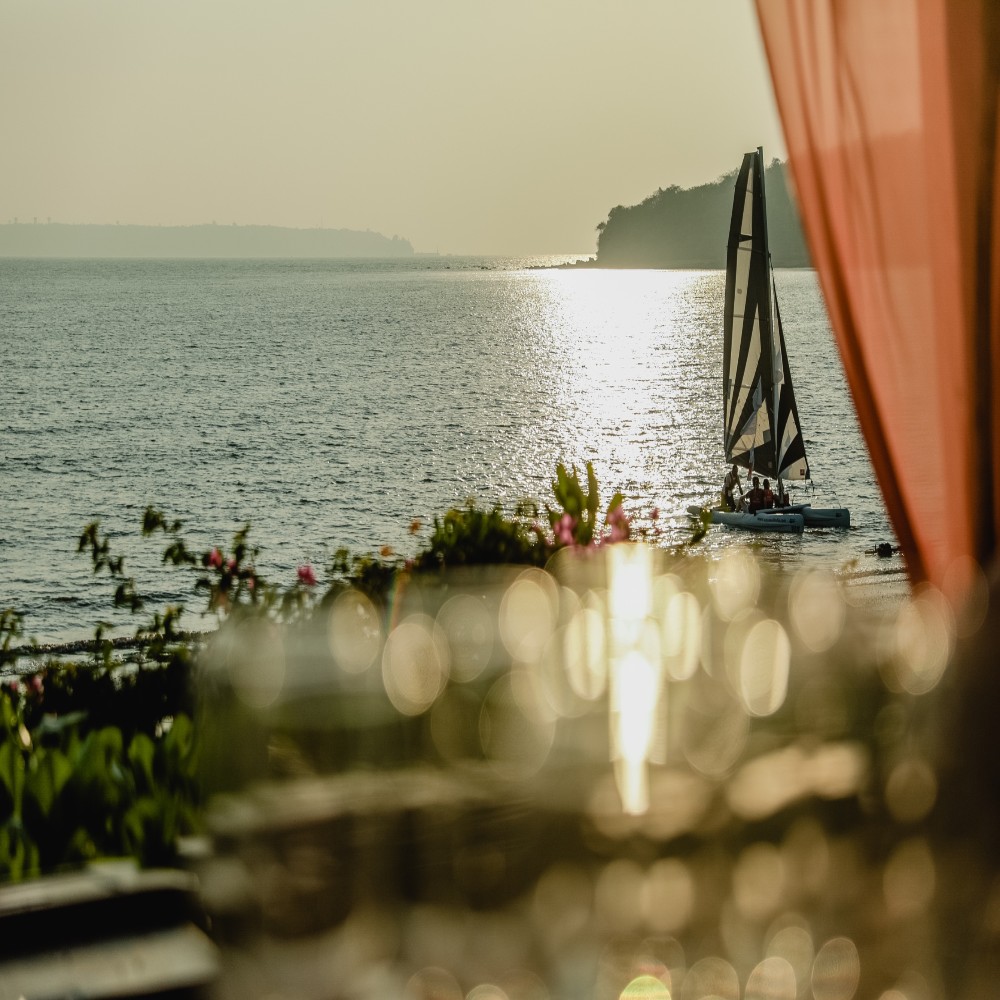
- Bay 15 (Odxel): Located a few kilometers away, this waterfront restaurant offers a stunning view of the sea and a mix of Goan and continental dishes.
- Mum's Kitchen (Panjim): If you are heading back to the city, this is the gold standard for traditional Goan home-style cooking.
Accommodation Nearby
Whether you are looking for luxury or budget options, the area around Bambolim has plenty to offer:
- Grand Hyatt Goa (Bambolim): This is a 5-star luxury resort located right on the Bambolim bay. It offers world-class amenities and is just a 5-minute drive from the shrine.
- Ginger Hotel (Panjim/Patto): A reliable mid-range option for those who want to stay close to the capital while being within easy reach of Bambolim.
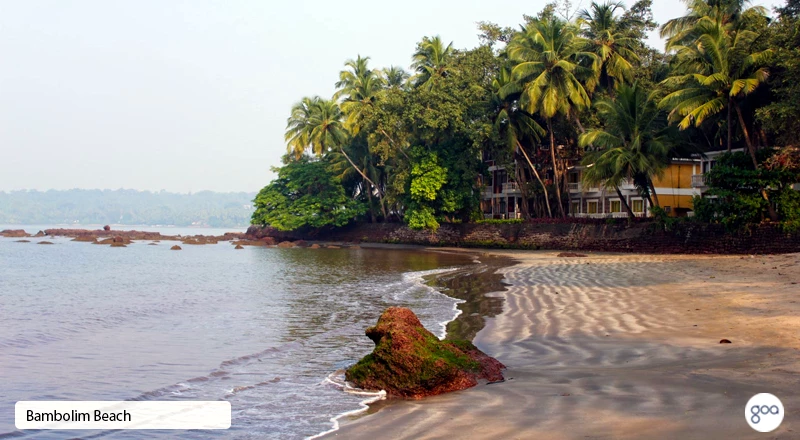
- Bambolim Beach Resort: A mid-budget resort that offers a more rustic, laid-back Goan vibe right on the beach.
- Guesthouses in Siridao: For a more local experience, look for homestays in the nearby village of Siridao. These are affordable and offer a glimpse into village life.
- Hotels in Panjim: Since Panjim is so close, you can choose from boutique hotels like The Crown or Fortune Miramar.
Travel Tips
To make your trip to the Miraculous Cross Bambolim seamless, keep these tips in mind:
- Parking: On Fridays, parking can be a nightmare. Try to arrive early in the morning or use public transport/taxis to avoid the hassle.
- Footwear: Wear easy-to-remove footwear like flip-flops or sandals, as you may want to step onto the altar platform.
- Hydration: The climb up the steps and the humidity can be taxing. Carry a bottle of water, though there are vendors nearby.
- Candle Sizes: Different sizes of candles are available. If you have a specific prayer, you can ask the vendors for "wax limbs" or specific shapes.
- Safety: Be careful while crossing the highway. The NH-66 is a high-speed road, and traffic near the shrine can be erratic. Use the designated pedestrian crossings if available.
- Local Etiquette: If a local person offers you some Prasad or blessed sweets, it is polite to accept it with your right hand.
Conclusion
The Miraculous Cross Bambolim is more than just a landmark on a Goan highway; it is the beating heart of the state’s spiritual landscape. It represents a side of Goa that many tourists miss—the side that is deeply rooted in faith, resilience, and communal harmony. Whether you are a believer seeking a miracle or a traveler seeking a deeper understanding of Goan culture, the "Fulancho Khuris" offers a space of profound peace and power.
As the sun sets over the Zuari River and the hundreds of candles at the shrine begin to twinkle, one cannot help but feel a sense of connection to the thousands who have stood in this same spot over the decades, whispering their hopes and fears to the wind. It is a place that humbles the ego and uplifts the spirit. On your next trip to Goa, take an hour out of your schedule to stop at Bambolim. Light a candle, offer a jasmine garland, and experience the quiet magic of the Miraculous Cross. It is an encounter that will stay with you, providing a spiritual anchor long after your Goan holiday has ended.