Quick Navigation
Explore sections of this guide
Overview of St. Lawrence Martyr Church
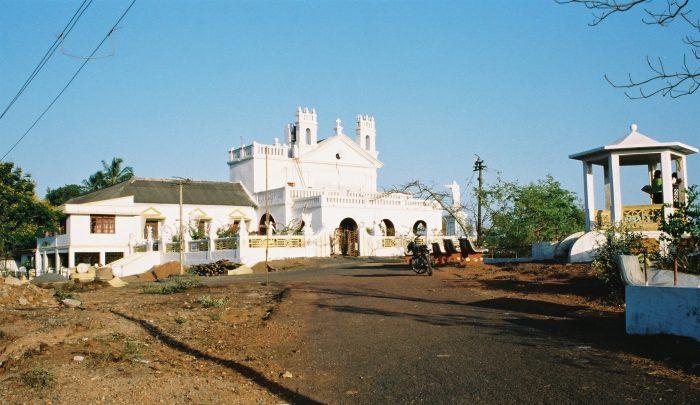
Perched majestically on the hill of Sinquerim, overlooking the vast expanse of the Arabian Sea, the St. Lawrence Martyr Church stands as one of Goa’s most evocative and historically significant religious landmarks. Often referred to as the Church of San Lourenco, this stunning edifice is not merely a place of worship but a silent sentinel that has witnessed centuries of maritime history, colonial shifts, and the unwavering faith of the Goan people. Located near the iconic Aguada Fort, the church offers a unique blend of spiritual solace and breathtaking natural beauty, making it a must-visit destination for pilgrims, history buffs, and travelers alike.
The church is dedicated to St. Lawrence, the 3rd-century deacon and martyr who is celebrated for his bravery and devotion. In the Goan context, St. Lawrence is revered as the patron saint of sailors and the protector of the "Aguada Bar"—the sandbar that forms at the mouth of the Mandovi River. The church's location was chosen strategically by the Portuguese; sitting atop a cliff, it served as a spiritual beacon for incoming ships navigating the treacherous waters of the Goan coastline. Today, when you stand in the church courtyard, the panoramic view of the sea merging with the horizon creates an atmosphere of profound serenity that is hard to find elsewhere in the bustling North Goa circuit.
What sets St. Lawrence Martyr Church apart from the many other baroque churches in Goa is its intimate connection with the elements. The salt-laden breeze, the sound of crashing waves below, and the golden sunlight reflecting off its whitewashed walls give it a character that is both rugged and ethereal. It represents a time when faith and fortification went hand in hand, as the church is located just a stone's throw away from the upper reaches of the Aguada Fort. For the local community, it remains a vibrant center of religious life, hosting one of the most colorful and traditional feasts in the state, which marks the end of the monsoon season and the reopening of the seas for navigation.
History & Religious Significance
The history of St. Lawrence Martyr Church is deeply intertwined with the Portuguese expansion in India and the defense of the "Old Conquests." The church was commissioned and built by the Franciscan Friars in the year 1630, during the peak of Portuguese maritime power. This was an era when the Portuguese were consolidating their hold over the Mandovi and Zuari estuaries, and the construction of religious sites often mirrored the construction of military defenses. The church was strategically placed to serve the spiritual needs of the soldiers stationed at Fort Aguada and the sailors who braved the Arabian Sea.
The religious significance of the church is rooted in the martyrdom of St. Lawrence. According to Christian tradition, Lawrence was a deacon in Rome who was tasked with the care of the church's treasures and the distribution of alms to the poor. During the persecution under Emperor Valerian, Lawrence was ordered to turn over the riches of the church. Instead, he presented the poor, the crippled, and the suffering, declaring them to be the "true treasures of the Church." For this act of defiance, he was sentenced to a slow and agonizing death by being roasted on a gridiron. His unwavering faith in the face of such suffering made him a symbol of ultimate devotion.
In Goa, the significance of St. Lawrence took on a local maritime flavor. The Aguada Bar, a shifting sandbar at the mouth of the river, was a notorious hazard for Portuguese galleons. It was believed that St. Lawrence protected the ships from running aground. Consequently, the Portuguese designated him as the patron of the bar. Historically, the church played a vital role in the "Blessing of the Waters." Even today, the religious significance is underscored by the tradition of cutting the sandbar after the monsoon, a ritual that signals the safety of the waters for fishing and trade. The church also served as a lookout point; its high vantage point allowed the friars and soldiers to spot enemy Dutch or Maratha ships long before they reached the shores of Panjim.
Architecture of St. Lawrence Martyr Church
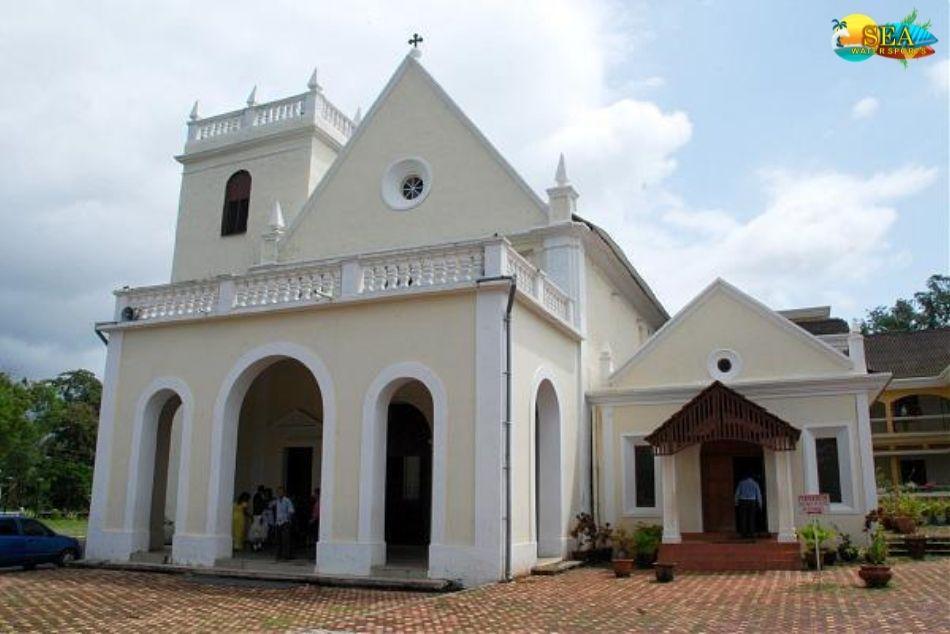
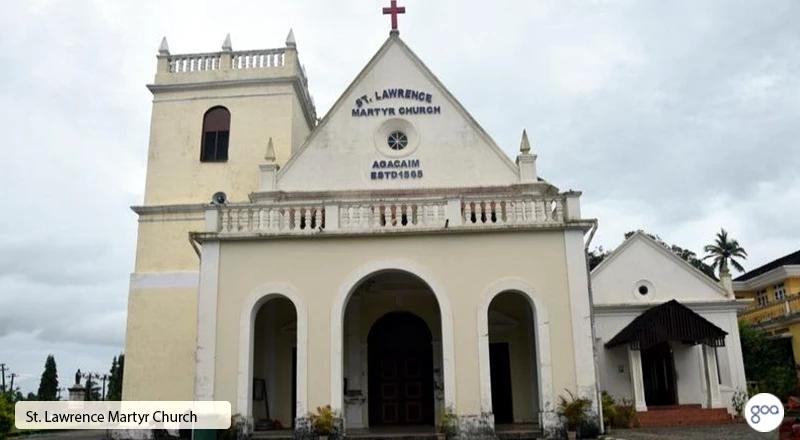
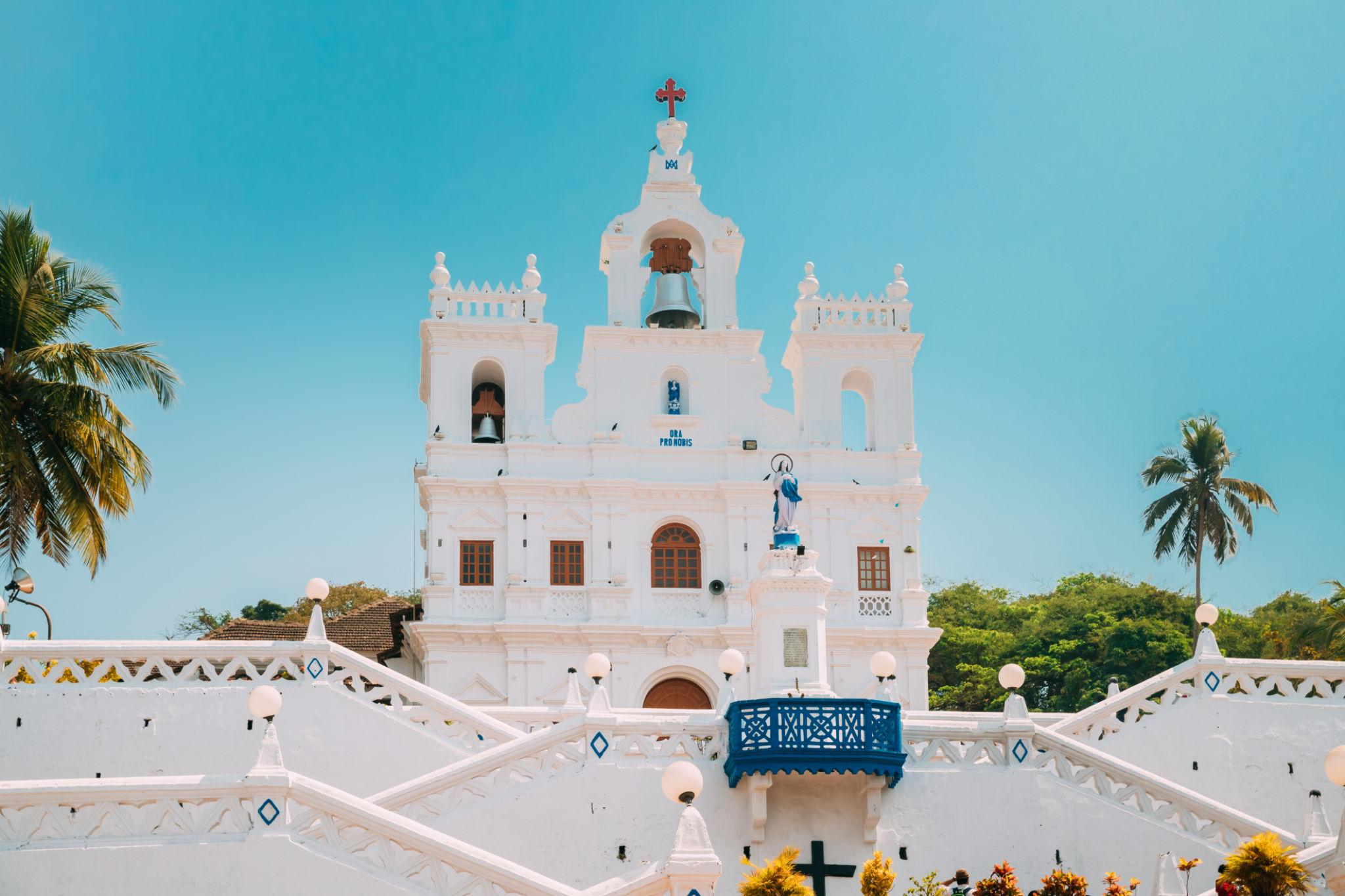
The architecture of St. Lawrence Martyr Church is a masterful example of the Goan Mannerist style, which evolved from the European Renaissance and Baroque traditions but was adapted to suit the tropical climate and local materials of the Konkan coast. The exterior of the church is characterized by its thick, sturdy walls made of laterite stone, which are coated with a brilliant white lime plaster. This white finish is not just aesthetic; it serves to protect the porous laterite from the heavy monsoon rains and the corrosive salt air of the Sinquerim coast.
One of the most striking architectural features of this church is the porch or galilee. Unlike many other Goan churches where the facade is flat, St. Lawrence features a prominent covered porch supported by heavy pillars. This architectural choice was likely influenced by the need to provide shelter to the congregation from the fierce coastal winds and rain. The facade itself is divided into three vertical sections, with a central pediment adorned with the insignia of the Franciscans—the crossed arms of Christ and St. Francis of Assisi.
Inside, the church transitions into a space of Baroque splendor. The main altar is a masterpiece of wood carving and gilding. It features an ornate reredos (retable) dedicated to St. Lawrence, depicting him with the gridiron, the instrument of his martyrdom. The interior is relatively narrow but high-ceilinged, creating a sense of verticality that draws the eye toward the heavens. The side altars are equally detailed, featuring intricate floral motifs and cherubs, typical of the Indo-Portuguese artistic synthesis. The use of local wood, possibly teak or rosewood, allowed Goan craftsmen to showcase their incredible skill in decorative carving, blending European Christian iconography with local aesthetic sensibilities. The windows are small and set high in the walls, a defensive feature that also helps maintain a cool temperature within the sanctuary.
Main Deity / Spiritual Importance
The central figure of devotion at this church is St. Lawrence Martyr. As mentioned, his spiritual importance in Goa is multifaceted. He is not only a martyr of the universal Catholic Church but a localized guardian of the sea. For the Catholic community in Sinquerim and the surrounding villages of Candolim and Nerul, St. Lawrence is the one to whom they turn for protection during the turbulent monsoon months.
The spiritual importance of the church is most palpable during the Novena (nine days of prayer) leading up to his feast day. During this time, devotees from across Goa climb the hill to offer prayers, seeking strength and resilience. St. Lawrence is often invoked by those facing "fiery" trials in their lives, drawing a parallel to his own death by fire. There is a deep spiritual connection felt by the local fishing community; they believe that without the intervention of St. Lourenco, the treacherous currents of the Mandovi would be impassable.
In addition to St. Lawrence, the church also honors other saints through its side altars, including the Virgin Mary and St. Sebastian. The presence of St. Sebastian is particularly significant in Goa, as he was often invoked for protection against plagues and diseases during the colonial era. The spiritual atmosphere of the church is one of quiet, resilient faith. Unlike the grand cathedrals of Old Goa which speak of imperial power, St. Lawrence Martyr Church speaks of the personal, daily reliance of a coastal people on the divine for their survival and livelihood.
Festivals & Celebrations
The Feast of St. Lawrence, celebrated annually on August 10th, is the most important event in the church’s calendar and one of the most unique festivals in Goa. This feast marks the end of the monsoon season, a time when the "closed" season for fishing ends and the seas are deemed safe once again. The celebration is a vibrant tapestry of religious solemnity and local Goan culture.
The festivities begin with the Novena, where the litany is sung in Konkani, creating a hauntingly beautiful atmosphere. On the feast day itself, a grand High Mass is celebrated, attended by hundreds of devotees. However, the most distinctive part of the celebration is the ritual of cutting the sandbar. Historically, the priest would lead a procession to the waterfront, and a symbolic rope would be cut to signify the opening of the Aguada Bar for navigation. While modern dredging has changed the physical necessity of this, the symbolic ritual remains a powerful tradition.
Following the religious services, the church grounds transform into a festive fair. Stalls are set up selling traditional Goan sweets like khaje (ginger-infused fried dough), gram, and copper-colored trinkets. Families gather for a festive lunch, which almost always includes traditional Goan Catholic delicacies like pork sorpotel, sannas (steamed rice cakes), and fish curry. The air is filled with the sound of brass bands playing Konkani hymns and popular Mando tunes. For a visitor, attending this feast offers a deep dive into the "Heart of Goa," showcasing the communal harmony and the deep-rooted traditions that define the state's identity.
Best Time to Visit
To experience St. Lawrence Martyr Church in all its glory, the best time to visit is during the winter months, from November to February. During this period, the weather in Goa is pleasantly cool and dry, with temperatures ranging between 20°C and 30°C. The clear blue skies provide a stunning backdrop for the white church, and the visibility from the hilltop is at its peak, allowing you to see far out into the Arabian Sea and across to the Mormugao harbor.
However, if you wish to witness the spiritual and cultural heart of the church, visiting in August is highly recommended. Despite being the peak of the monsoon, the atmosphere during the Feast of St. Lawrence (August 10th) is electric. The sight of the church amidst the lush green landscape of the rainy season, with the sea churning below, is dramatic and unforgettable. Just be prepared for heavy rain and carry sturdy umbrellas or raincoats.
For those seeking a quiet, meditative experience, early morning (around 7:30 AM to 9:00 AM) or late afternoon (4:00 PM to 6:00 PM) are the ideal times. The evening light, often referred to as the "golden hour," casts a warm glow on the church facade and offers some of the best photography opportunities. Visiting during the weekdays is also preferable to weekends, as the area near Sinquerim and Aguada can get quite crowded with tourists on Saturdays and Sundays.
Timings, Entry Fee & Dress Code
The St. Lawrence Martyr Church is a functioning place of worship, and visitors are expected to adhere to certain protocols to maintain the sanctity of the site.
* Timings: The church is generally open to visitors from 9:00 AM to 12:00 PM and again from 3:00 PM to 6:00 PM. Mass timings are usually at 7:00 AM or 7:30 AM on weekdays and at 8:00 AM on Sundays. It is advisable to check local schedules as mass timings can change during feast days or special liturgical seasons like Lent and Advent.
* Entry Fee: There is no entry fee to visit the church. It is free for everyone. However, donations for the upkeep of the church and its charitable activities are always welcomed and can be placed in the designated boxes inside.
* Dress Code: As with all religious sites in Goa, a modest dress code is strictly enforced. Visitors should ensure their shoulders and knees are covered. Sleeveless tops, short skirts, and beachwear are considered disrespectful and may result in being denied entry. It is a good idea to carry a sarong or a light shawl to wrap around if you are coming directly from the beach.
* Footwear: While you can wear shoes in the courtyard, it is customary to maintain silence and walk softly inside the church. In some areas, you may be asked to remove your footwear, though this is less common in Goan churches compared to temples.
How to Reach St. Lawrence Martyr Church
St. Lawrence Martyr Church is located in Sinquerim, North Goa, approximately 15 kilometers from the state capital, Panjim. Its proximity to major tourist hubs makes it easily accessible by various modes of transport.
* By Road (Self-Drive/Taxi): If you are staying in the popular belt of Candolim, Calangute, or Baga, the easiest way to reach is by hiring a taxi or a self-drive scooter/car. From Candolim, follow the main road toward Sinquerim. As you approach the Taj Fort Aguada Resort, look for the uphill road leading toward the Aguada Lighthouse and Fort. The church is located on a diversion from this main uphill road.
* By Bus: You can take a local bus from the Panjim Kadamba Bus Terminus heading toward Candolim or Sinquerim. From the Sinquerim bus stop, you will either need to take a short motorcycle taxi (locally known as a 'pilot') or walk uphill for about 15-20 minutes. The walk is scenic but can be strenuous in the afternoon heat.
* By Train: The nearest major railway station is Thivim (about 25 km away), which serves many long-distance trains. From Thivim, you can hire a pre-paid taxi to Sinquerim. Karmali Railway Station is also an option if you are coming from the south or via the Konkan Railway.
* By Air: The Manohar International Airport (MOPA) in North Goa is about 40 km away, while the older Dabolim Airport is approximately 45 km away. Taxis are readily available at both airports to take you directly to Sinquerim.
Things to Do
A visit to St. Lawrence Martyr Church can be expanded into a half-day excursion filled with various activities that cater to different interests.
* Spiritual Reflection: Spend some time inside the sanctuary. The silence, broken only by the distant sound of the sea, provides a perfect environment for meditation or prayer. Observe the intricate details of the gilded altars and the historic pulpit.
* Photography: The church and its surroundings are a photographer’s paradise. Capture the stark white architecture against the blue sea, the weathered textures of the laterite walls, and the panoramic views of the Mandovi river meeting the Arabian Sea.
* Coastal Walk: After visiting the church, take a walk along the cliffside. There are small trails that offer stunning vistas of the coastline. The fresh sea breeze and the dramatic landscape make for a refreshing experience.
* Historical Exploration: Since the church is part of the larger Aguada defense complex, take the time to read the plaques (if available) and understand the strategic positioning of the church in relation to the fort.
* Attend a Mass: If you are visiting on a Sunday or a feast day, attending a mass in Konkani is a culturally enriching experience. Even if you don't understand the language, the music and the devotion of the local congregation are deeply moving.
Nearby Attractions
The location of St. Lawrence Martyr Church is ideal for exploring some of North Goa's most famous landmarks.
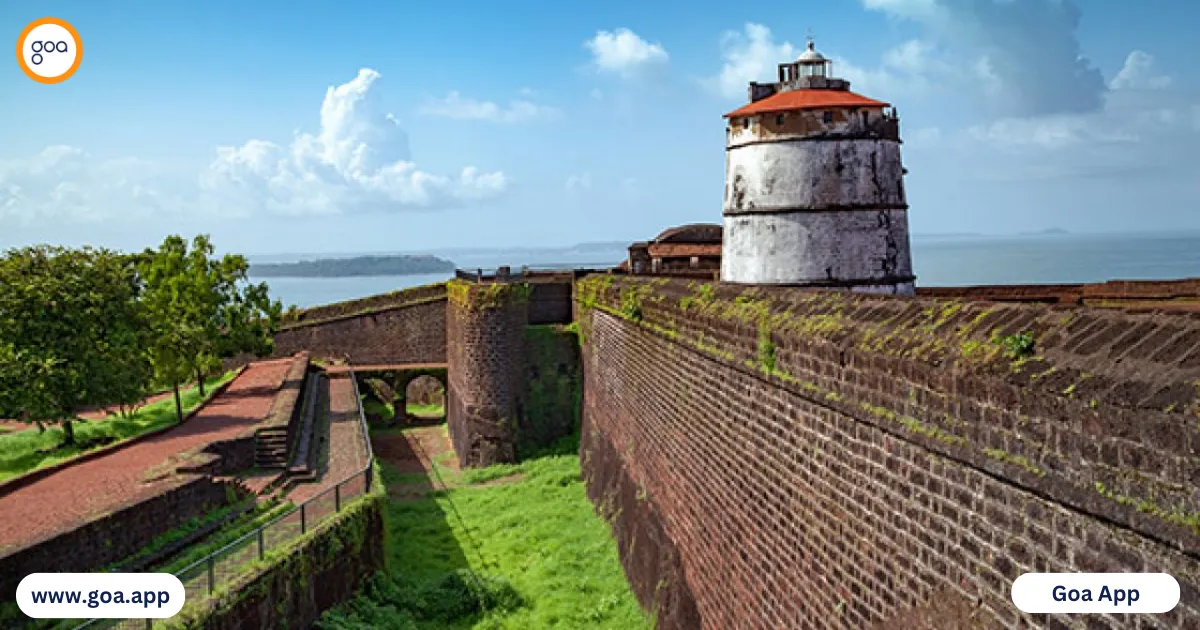
* Fort Aguada & Lighthouse: Located just a few hundred meters away, this 17th-century Portuguese fort is one of the best-preserved in Goa. The four-story lighthouse inside the fort is a major attraction and offers incredible views.
* Sinquerim Beach: At the foot of the hill lies Sinquerim Beach, famous for its pristine sands and water sports. You can see the lower walls of Fort Aguada extending into the sea here.
* Aguada Jail: Recently renovated into a museum, the old Aguada Jail provides a somber yet fascinating look into Goa’s struggle for freedom from Portuguese rule.
* Candolim Beach: A short drive away, Candolim is known for its upscale shacks, vibrant nightlife, and wide sandy stretches.
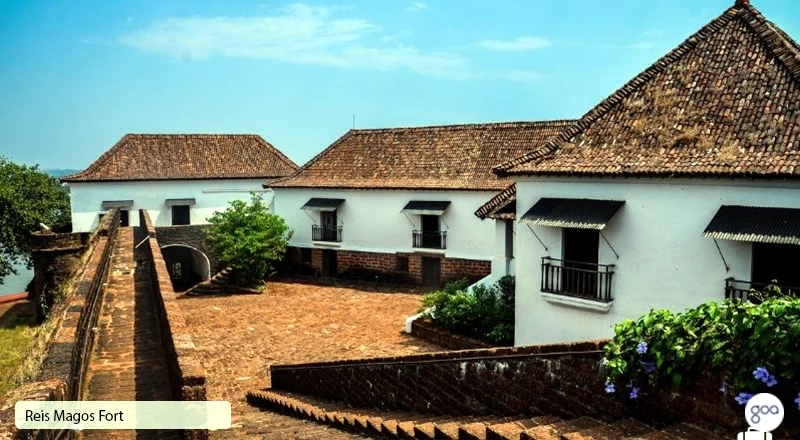
* Reis Magos Fort: Located further down the coast toward Panjim, this restored fort and church complex offer more historical insights and beautiful views of the Mandovi River.
Photography & Visitor Guidelines
To ensure a respectful and pleasant visit for everyone, please keep the following guidelines in mind:
* No Flash Photography: While photography is generally allowed in the courtyard and sometimes inside the church, using a flash is strictly prohibited as it can damage the ancient pigments of the altars and disturb worshippers.
* Silence is Golden: Maintain a low voice when inside the church or near the parsonage. This is a place of prayer, and loud conversations are discouraged.
* Respect Worshippers: If a mass or a wedding is in progress, do not walk around the altar or take photos of the congregation. It is best to wait until the service is over or observe quietly from the back.
* Littering: The church grounds are pristine. Ensure you do not leave any plastic bottles, wrappers, or trash behind. Use the bins provided or carry your trash back with you.
* Drone Usage: Using drones near the church or the Aguada Fort area often requires prior permission from the local authorities and the church committee. It is best to check before flying one.
Where to Eat Nearby
The Sinquerim-Candolim belt is a culinary hotspot, offering everything from traditional Goan fare to international fine dining.
* The Stone House (Candolim): A legendary spot known for its blues music and excellent Goan-European fusion dishes. Their steak and seafood platter are highly recommended.
* Fisherman's Cove: Located on the main Candolim road, this is a great place for authentic Goan fish thali and Chicken Cafreal.
* Vivanta Goa, Panaji - Seafood House: For a luxury dining experience with a view, the restaurants at the nearby Taj Fort Aguada offer world-class cuisine.
* Local Shacks: On Sinquerim Beach, you will find several shacks like Tony's Shack or Calmar that serve fresh catch-of-the-day fish prepared in Goan Recheado or Masala fry styles.
* Street Food: In the evenings, look for local carts in Candolim selling Cutlet Pao (spicy meat cutlet in a Goan bun) and Ros Omelette (omelette served with spicy gravy).
Accommodation Nearby
Whether you are looking for luxury or budget-friendly options, the area around St. Lawrence Martyr Church has plenty to offer.
* Luxury: Taj Fort Aguada Resort & Spa and Taj Holiday Village are the most iconic luxury properties in the area, offering colonial-style villas and direct beach access.
* Mid-Range: Lemon Tree Amarante Beach Resort and Acron Candolim Regina provide excellent amenities, swimming pools, and comfortable rooms at a more accessible price point.
* Budget/Boutique: There are numerous guest houses and boutique hotels in the lanes of Sinquerim and Candolim, such as Seashell Beach Home or various Airbnb villas that offer a more local feel.
* Hostels: For solo travelers, hostels like The Hosteller or Zostel in the nearby Calangute/Candolim area are popular choices.
Travel Tips
* Carry Water: The climb to the church and exploration of the nearby fort can be dehydrating. Always carry a bottle of water.
* Sun Protection: The Goan sun can be harsh, even in winter. Wear a hat, use sunscreen, and carry sunglasses.
* Local Transport: Renting a scooter is the most flexible way to explore the Sinquerim area. However, be cautious on the narrow, winding roads.
* Cash: While many places accept digital payments, carrying some cash is helpful for small donations at the church or buying snacks at the fair.
* Respect Local Customs: Goan Catholics are very protective of their religious traditions. Always be polite to the locals and the church staff.
Conclusion
The St. Lawrence Martyr Church is more than just a beautiful building; it is a symbol of Goa's enduring spirit and its unique historical journey. From its origins as a defensive spiritual outpost for the Portuguese to its current status as a beloved sanctuary for the local community, the church embodies the "Roma of the East" identity of Goa. Whether you are drawn by the intricate Baroque carvings, the fascinating history of the Aguada Bar, or the simple desire to sit in silence while watching the sun set over the Arabian Sea, this church offers a profound experience. It reminds us of a time when the sea was a gateway to the unknown, and faith was the anchor that kept the people steady. As you leave the hilltop of Sinquerim, the image of the white church standing firm against the elements will linger in your mind, a testament to the timeless beauty of Goa’s spiritual heritage.