Explore sections of this guide
Nestled along the sun-kissed coastline of North Goa, Sinquerim Fort stands as a silent sentinel of history, offering a breathtaking intersection where man-made architectural brilliance meets the raw, rhythmic power of the Arabian Sea. Located approximately 18 kilometers from the state capital, Panjim, this fort is often considered the coastal extension of the more massive Aguada Fort complex. However, to the discerning traveler and the history enthusiast, Sinquerim Fort possesses a distinct charm and a localized identity that sets it apart from its upper-tier counterpart. It is not merely a pile of weathered laterite stones; it is a gateway to the golden era of Portuguese maritime dominance in the Indian subcontinent.
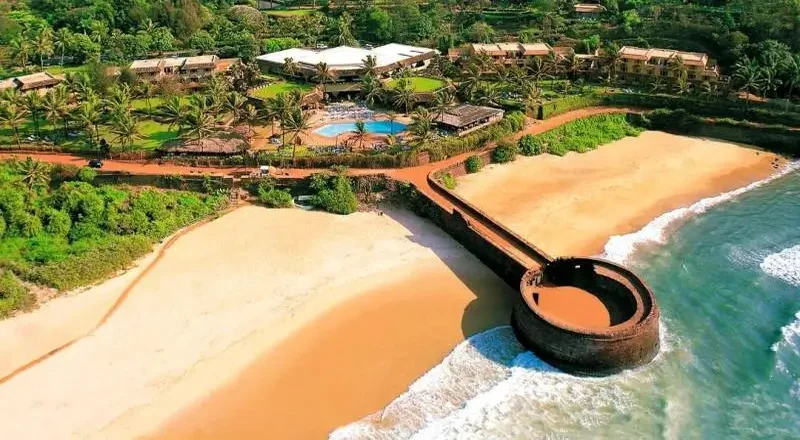
As you approach the fort, the first thing that captures your senses is the dramatic vista of the Sinquerim Beach, characterized by its pristine sands and the iconic Taj Fort Aguada Resort & Spa that wraps around the hillside. The fort itself is unique because it doesn't just sit on the land; it stretches its arms into the sea. The lower bastions of the fort were designed to allow ships to anchor safely, making it one of the most vital naval points in the 17th century. Today, it serves as a premier destination for those seeking a blend of serenity, adventure, and a deep dive into Goa’s colonial past. Whether you are watching the waves crash against the ancient walls or observing the colorful parasails dotting the sky, Sinquerim Fort offers a sensory experience that defines the quintessential Goan holiday.
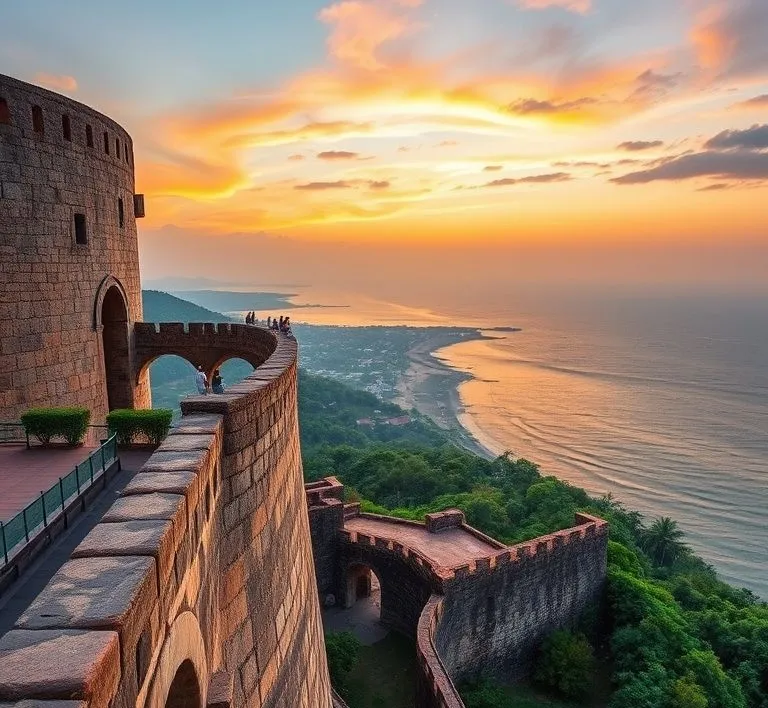
The fort is situated at the foot of the Aguada hill, and its strategic positioning provides a panoramic view of the coastline stretching toward Candolim and Calangute. For photographers, the fort is a dreamscape of textures—the deep ochre of the laterite, the emerald green of the moss during the monsoon, and the sapphire blue of the ocean. In this comprehensive guide, we will explore every facet of this historical marvel, from its strategic naval origins to its current status as a must-visit landmark for every traveler venturing into the heart of North Goa.
The history of Sinquerim Fort is inextricably linked to the broader Portuguese defensive strategy in the East. Constructed in 1612, the fort was an integral part of the Aguada Fort complex, which was built to guard against the increasing threats from the Dutch and the Marathas. During the early 17th century, the Portuguese Empire faced stiff competition from other European powers, particularly the Dutch East India Company, which sought to dismantle the Portuguese monopoly over the lucrative spice trade. To protect the mouth of the Mandovi River and the vital shipping lanes leading to Old Goa (Velha Goa), the then-Portuguese administration commissioned the construction of this massive fortification.
The fort was named 'Aguada' (meaning 'water' in Portuguese) because of the freshwater spring that existed within the upper fort complex. Sinquerim served as the lower tier of this defense system. While the upper fort housed the barracks, the main storage, and the famous lighthouse, the lower fort at Sinquerim was designed specifically for naval defense and logistics. It provided a safe harbor for the Portuguese ships that had just completed the long, arduous journey from Europe. Here, ships could replenish their freshwater supplies and undergo minor repairs under the protection of the fort’s heavy artillery.
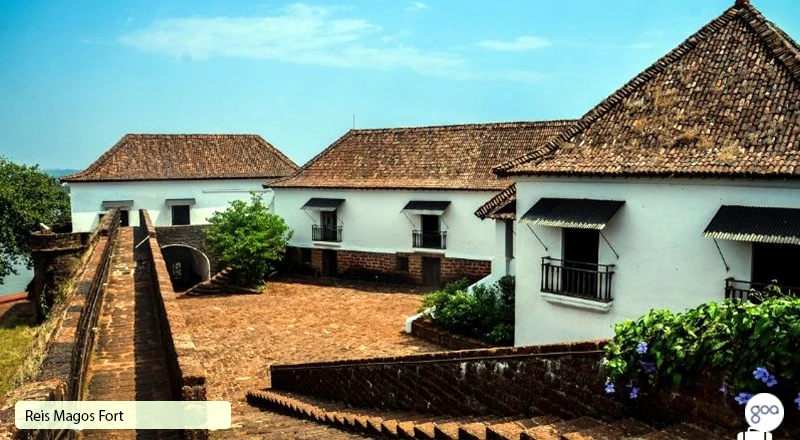
Throughout the 17th and 18th centuries, Sinquerim Fort played a crucial role in maintaining the security of the Bardez taluka. It was equipped with several cannons and bastions that could cross-fire with the guns of the Reis Magos Fort and the Cabo Fort (now the Raj Bhavan), effectively sealing off the entrance to the Mandovi River from any hostile naval force. Despite several attempts by the Marathas and the Dutch to seize control of this region, the Aguada-Sinquerim complex remained one of the most formidable and unconquered fortresses in the history of Portuguese Goa. Its endurance for over 400 years is a testament to the engineering prowess and strategic foresight of the colonial military architects of that era.
The architecture of Sinquerim Fort is a masterclass in colonial military engineering, adapted specifically for the tropical and maritime environment of Goa. The primary building material used is laterite stone, a reddish-brown volcanic rock that is abundant in the Konkan region. Laterite is known for its durability and its unique property of hardening over time when exposed to the atmosphere, making it the perfect material for a structure meant to withstand both enemy fire and the corrosive salt air of the Arabian Sea.
The most striking feature of Sinquerim's architecture is its sea wall. Unlike many other forts in India that are built on high cliffs, a significant portion of Sinquerim Fort is built right at the water's edge. The fort features a series of bastions and a fortified wall that curves along the shoreline. This wall served a dual purpose: it acted as a breakwater to protect the inner harbor and as a platform for heavy cannons. The bastions are semi-circular, providing a wide field of fire for the artillery pieces that once stood guard here.
If you examine the masonry, you will notice the precision with which the laterite blocks were cut and fitted. The fort also includes a series of ramps and staircases that allowed soldiers to move quickly between the different levels of the fortification. There are remnants of small chambers within the walls, which likely served as ammunition stores or guard rooms. One of the most photographed architectural elements is the section where the wall juts out into the sea, creating a narrow walkway that offers a 270-degree view of the ocean. The integration of the fort into the natural topography of the Sinquerim hill demonstrates a sophisticated understanding of landscape architecture, ensuring that the fort was both a functional military asset and a resilient structure against the monsoon surges.
While Goa is home to many forts, Sinquerim Fort holds a special place in the hearts of tourists for several reasons. Firstly, it is famous for its unparalleled accessibility. Unlike the steep trek required for some other forts, Sinquerim is easily reachable and is integrated into the vibrant life of the beach. It offers a rare opportunity to walk directly from a world-class beach onto the ramparts of a 400-year-old monument.
Secondly, the fort is a pop-culture icon. It has been featured in numerous Bollywood films and music videos, most notably contributing to the "Goa vibe" popularized by films like Dil Chahta Hai. While the famous "sitting on the wall" scene was filmed at the upper Aguada Fort, the Sinquerim section is often the preferred choice for professional photoshoots and travel influencers due to its proximity to the water and the dramatic backdrop of the Taj Fort Aguada. The contrast between the ancient, weathered walls and the luxury of the surrounding resort creates a visual narrative that is uniquely Goan.
Furthermore, Sinquerim is famous for being the water sports hub of North Goa. The area immediately adjacent to the fort is where most of the high-octane action happens. Tourists flock here not just for the history, but for the thrill of parasailing, where they can get a bird's-eye view of the fort and the coastline. The fort also serves as a landmark for boat trips, including dolphin-spotting excursions and trips to the nearby Grand Island. Its fame is thus a cocktail of historical significance, cinematic beauty, and modern-day adventure.
In the 17th century, the strategic importance of Sinquerim Fort could not be overstated. It was the linchpin of the Portuguese naval defense. The fort’s primary role was to protect the Aguada Bay, which served as the principal anchorage for the Portuguese Armada. Before the development of the modern Mormugao Port, the waters around Sinquerim and Aguada were the busiest maritime gateways in the region.
Even after the Portuguese moved their capital to Panjim (Nova Goa), the fort remained strategically relevant as a lookout point. Its design allowed it to survive the transition from age-old galley warfare to the era of heavy steamships, remaining a functional part of Goa’s defense until the mid-20th century.
To truly appreciate the beauty of Sinquerim Fort, timing is everything. The experience can vary significantly depending on the season and the time of day.
The Winter Season (November to February): This is undoubtedly the best time to visit. The weather in Goa during these months is pleasant, with clear blue skies and a cool breeze blowing off the Arabian Sea. The humidity is at its lowest, making it comfortable to explore the fort walls and the nearby beach without getting exhausted. This is also the peak season for water sports, so the atmosphere is vibrant and full of energy.
The Monsoon Season (June to September): For those who prefer a more dramatic and moody landscape, the monsoon is a fantastic time. The laterite stones turn a dark, rich hue, and the surrounding vegetation becomes a brilliant emerald green. While you won't be able to do water sports, watching the monsoon waves crash against the fort walls is a spiritual experience. However, be cautious as the stones can become very slippery.
The Summer Season (March to May): It can get quite hot and humid during the day. If you are visiting in summer, it is best to arrive early in the morning (around 7:00 AM) or late in the evening (after 4:30 PM). The sunset at Sinquerim Fort is legendary. Watching the sun dip below the horizon while sitting on the ancient ramparts is a memory you will cherish forever. The golden hour provides the perfect lighting for photography, casting a warm glow over the fort and the sea.
One of the most appealing aspects of visiting Sinquerim Fort is its accessibility to the general public. Unlike many heritage sites that have strict ticketing and restrictive hours, Sinquerim is quite welcoming.
Please note that while the fort is free, parking in the vicinity might incur a small fee, especially during the peak tourist season. Additionally, if you plan to visit the upper Aguada Fort and Lighthouse, be aware that the upper section may have different timings (usually 9:30 AM to 6:00 PM) and may charge a nominal entry fee for the lighthouse climb.
Sinquerim Fort is more than just a historical monument; it is a hub of activity that offers something for every type of traveler. Here are the top things to do when you visit:
If you are looking to capture the perfect shot of Sinquerim Fort, here are the specific locations you should head to:
The beauty of Sinquerim is its proximity to several other major Goan landmarks. You can easily plan a full day's itinerary around this area:
Sinquerim Fort is well-connected and easy to reach from various parts of Goa. Here are the best ways to get there:
The fort is approximately 40 kilometers from the Dabolim Airport and about 30 kilometers from the Thivim Railway Station. If you are staying in South Goa, expect a drive of about 1.5 to 2 hours.
To ensure you have a safe and enjoyable visit to Sinquerim Fort, keep these professional travel tips in mind:
Sinquerim Fort is more than just a destination; it is a bridge between the tumultuous colonial history of Goa and its vibrant, modern-day persona. It stands as a testament to the endurance of laterite and the strategic brilliance of a bygone era, while simultaneously serving as a backdrop for the laughter of tourists and the thrill of ocean adventures. Whether you are a history buff looking to trace the footsteps of Portuguese mariners, a couple seeking a romantic sunset spot, or an adventurer ready to soar above the Arabian Sea, Sinquerim Fort delivers an experience that is both profound and exhilarating.
In the grand tapestry of Goan tourism, Sinquerim is a golden thread—accessible, beautiful, and deeply evocative. As the waves continue to lap against its ancient bastions, the fort remains a reminder of the timeless allure of the Goan coast. No trip to the "Emerald Land" is complete without standing on these ramparts, feeling the salt spray on your face, and witnessing the sun set over the horizon, just as it has for over four centuries. So, on your next Goan odyssey, make sure to carve out time for Sinquerim Fort; it is a place where history breathes, and the sea tells its oldest stories.