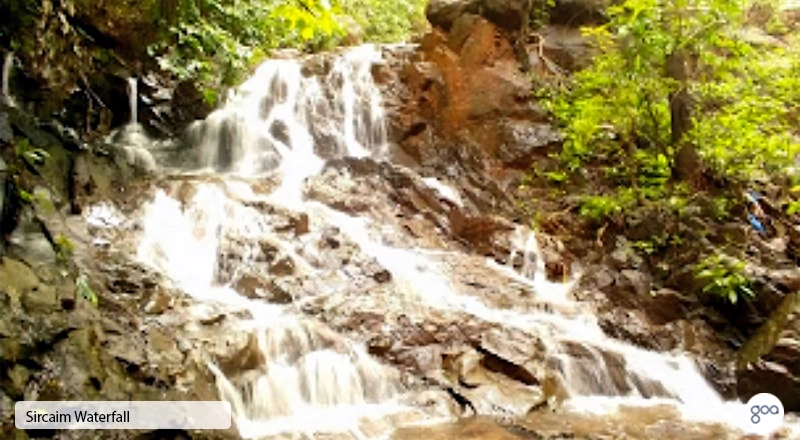
Sircaim Waterfall

Sircaim Waterfall

5 1,615 Verified
Nature Spot Trekking South Goa

Quick Navigation

Explore sections of this guide

Overview of Sircaim Waterfall

Deep within the heart of North Goa’s Bardez taluka lies a hidden sanctuary that remains largely untouched by the frantic pace of mainstream tourism. Sircaim Waterfall, often referred to by locals as a miniature paradise, is a seasonal marvel that comes to life with the arrival of the Indian monsoon. While most travelers flock to the sun-drenched sands of Calangute or the pulsating clubs of Anjuna, those in the know retreat to the village of Sircaim to witness a different side of the sunshine state—one defined by emerald canopies, the scent of damp earth, and the rhythmic percussion of falling water.

The Sircaim Waterfall is not a towering giant like the famous Dudhsagar; instead, it is an intimate, cascading beauty that flows over ancient laterite stone formations. This site is deeply intertwined with the local Goan way of life, or "Sussegad," offering a tranquil space where time seems to slow down. The waterfall is fed by the natural springs and runoff from the surrounding hills, eventually snaking its way through dense vegetation to join the tributaries of the Chapora River. It is a place where the air is noticeably cooler, and the only soundtrack is the chorus of cicadas and the rush of the stream.

Visiting Sircaim is as much about the journey as it is about the destination. The village of Sircaim itself is a quintessential Goan settlement, characterized by traditional Portuguese-style houses with whitewashed walls and red-tiled roofs, sprawling cashew plantations, and friendly locals who take great pride in their natural heritage. For the eco-conscious traveler and the offbeat explorer, this waterfall represents the "Soul of Goa"—raw, authentic, and breathtakingly beautiful. In this guide, we will delve into every nuance of this hidden gem, ensuring you have all the information needed to experience Sircaim Waterfall in its full glory.

How to Reach Sircaim Waterfall

Navigating your way to Sircaim Waterfall requires a bit of local knowledge, as it isn't always clearly marked on standard tourist maps. The waterfall is located approximately 10 to 12 kilometers from the bustling town of Mapusa and about 25 kilometers from the state capital, Panjim. Here is a detailed breakdown of how to reach this secluded spot:

  • By Two-Wheeler or Car: This is the most recommended way to travel. From Mapusa, take the road heading towards Tivim or Assonora. You will need to navigate through the internal village roads of Sircaim. Look for the St. Margaret Mary Church (Sircaim Church) as your primary landmark. From the church, the path towards the waterfall involves driving through narrow, winding lanes flanked by traditional Goan homes.
  • By Train: The nearest railway station is Tivim (THVM), which is just a few kilometers away from Sircaim. If you are arriving from Mumbai or Mangalore via the Konkan Railway, getting off at Tivim is incredibly convenient. From the station, you can hire a local pilot (motorcycle taxi) or a regular taxi to take you to the Sircaim village entrance.
  • By Bus: Local buses run frequently from the Mapusa Kadamba Bus Stand towards Assonora and Bicholim. You can request the driver to drop you off at the Sircaim junction. From the main road, you will likely need to walk for about 15-20 minutes or find a local lift to reach the start of the trail.
  • Navigation Tip: While GPS can be helpful, the signal can sometimes drop in the more forested areas of Bardez. Don't hesitate to ask locals for directions to the "vazar" (the local term for waterfall). Pro-tip: Mention the "Sircaim Church" or the "Chapel of Our Lady of Miracles" to get the most accurate local guidance.

The drive itself is a visual treat. Once you exit the main highways, you are greeted by expansive paddy fields that turn a brilliant shade of neon green during the rains. You will cross small bridges and see locals engaged in traditional farming, providing a glimpse into the rural heart of Goa that remains shielded from the commercial coastal belt.

Best Time to Visit

Timing is everything when it comes to Sircaim Waterfall. Because it is a seasonal waterfall, its appearance and intensity vary dramatically throughout the year. To see it at its peak, you must align your visit with the Southwest Monsoon.

  • Monsoon (June to September): This is the absolute best time to visit. By late June, the rains have usually saturated the ground, and the waterfall begins to flow with vigor. During July and August, the volume of water is at its highest, creating a spectacular white veil against the dark rocks. The surrounding forest is at its lushest, and the temperature is perfect for trekking.
  • Post-Monsoon (October to November): The waterfall continues to flow in the early weeks of October, though the volume decreases. This is a great time for those who want to avoid the heavy downpours but still want to see the greenery. The water is usually clearer during this period, making it ideal for photography.
  • Winter and Summer (December to May): During the dry months, Sircaim Waterfall often dries up completely or reduces to a mere trickle. Visiting during this time is not recommended if your primary goal is to see the waterfall. However, the area remains a peaceful spot for a nature walk, though it lacks the dramatic charm of the monsoon season.

Traveler’s Note: If you plan to visit during the peak monsoon, try to go on a weekday. Weekends can attract local youth and families from nearby towns, which might take away from the "hidden gem" experience you are likely seeking. An early morning visit (around 8:00 AM to 9:00 AM) is highly recommended to enjoy the serenity before any crowds arrive.

Trek Details for Sircaim Waterfall

The trek to Sircaim Waterfall is relatively short and can be classified as easy to moderate, making it accessible for families and casual hikers. However, the terrain changes significantly during the rains, requiring a bit of caution.

The trail begins near the outskirts of the village, often starting from a small clearing near the local chapel or behind the main church area. As you step off the paved road, you enter a world of dense foliage. The path is primarily composed of laterite soil, which becomes quite muddy and slippery when wet. You will find yourself walking under a canopy of mango, cashew, and teak trees, with wild ferns lining the path.

The total walking time is approximately 15 to 20 minutes, depending on your pace and how often you stop to admire the flora. Along the way, you might have to cross small seasonal streams. These are usually ankle-deep, but the rocks at the bottom can be covered in moss, so sturdy footwear with good grip is essential. As you get closer, the sound of the waterfall becomes your guide. The final stretch involves a slight incline and a scramble over some larger boulders before the waterfall reveals itself in a secluded clearing. The sense of discovery as the trees part to show the cascading water is one of the highlights of the trek.

For those interested in biodiversity, keep an eye out for local bird species. The area is home to the Malabar Whistling Thrush, whose flute-like call often echoes through the valley during the monsoon. You might also spot colorful dragonflies and unique forest butterflies that thrive in this humid microclimate.

Things to Do

While the waterfall is the main attraction, the Sircaim area offers several activities for the mindful traveler. It is a place to reconnect with nature rather than engage in high-octane adventure sports.

  • Natural Power Shower: The height of Sircaim Waterfall is modest, which allows visitors to stand directly under the falling water. It’s like a natural massage that washes away the humidity and stress. The force of the water is invigorating but generally safe during the mid-monsoon.
  • Photography: Sircaim is a photographer's playground. The contrast between the milky white water and the dark, wet laterite rocks provides excellent composition opportunities. Use a tripod and a slow shutter speed to capture that "silky water" effect. The surrounding village also offers great subjects for street and architectural photography.
  • Picnicking: Many locals bring small snacks to enjoy by the water. However, it is vital to follow "Leave No Trace" principles. There are no trash cans here, so everything you bring in must be carried back out. Sitting on a dry rock with a view of the falls is the perfect way to spend a quiet afternoon.
  • Bird Watching and Nature Walks: The trail leading to the waterfall is rich in biodiversity. If you are a birding enthusiast, bring your binoculars. The dense canopy provides a habitat for various endemic species. Even a simple walk allows you to observe unique tropical plants and fungi that appear only during the rainy season.
  • Village Exploration: After visiting the waterfall, take some time to walk through Sircaim village. Observe the traditional Goan architecture and the community's way of life. Visiting the St. Margaret Mary Church is also recommended for its historical and architectural significance.

Safety Tips

To ensure your trip to Sircaim Waterfall remains memorable for the right reasons, keep these safety precautions in mind. Nature in the monsoon can be unpredictable, and being prepared is key.

  • Footwear is Crucial: Do not attempt this trek in flip-flops or smooth-soled sandals. The laterite rocks and muddy paths are incredibly slippery. Wear trekking shoes or sandals with high-traction rubber soles.
  • Beware of Flash Floods: During periods of extremely heavy rainfall, the volume of water in the stream can rise rapidly. If the rain is exceptionally heavy, avoid standing in the middle of the stream bed and stay on higher ground.
  • Watch for Leeches: Like most forested areas in Goa during the monsoon, leeches can be present. While they are harmless, they can be a bit startling. Wearing long trousers and applying a bit of salt or tobacco water on your shoes can act as a deterrent.
  • Hydration and Snacks: There are no shops or vendors at the waterfall site. Carry your own water and some light snacks. However, ensure you do not leave any plastic waste behind.
  • Travel in Groups: While Sircaim is generally safe, it is always better to trek in a group of at least two or three people, especially since the area is secluded and mobile network coverage can be spotty.
  • Respect the Depth: Some pools at the base of the waterfall might be deeper than they look, or have submerged rocks. Always test the depth with a stick or your foot before jumping in.

Nearby Attractions

If you are making the trip to Sircaim, you can easily combine it with other nearby attractions to create a full-day itinerary in North Goa’s hinterlands.

  • Corjuem Fort: Located about 6-7 kilometers from Sircaim, this is one of the few inland forts in Goa. It is a small but well-preserved structure offering panoramic views of the Mapusa River and the surrounding islands. It’s a great spot for history buffs.
  • Mapusa Friday Market: If your visit coincides with a Friday, the Mapusa Market is a must-see. It is a vibrant explosion of colors, smells, and sounds where locals from all over North Goa come to sell everything from fresh spices and dried fish to traditional pottery and garments.
  • Tivim Village: Known for its scenic beauty and the historic St. Christopher Church, Tivim is just a short drive away. The village is surrounded by hills and is perfect for a slow drive.
  • Assonora: This nearby village is known for its lush landscapes and is home to some high-end wellness resorts. It’s a great place to see the more affluent, quiet side of Goan village life.
  • Mayem Lake: A bit further inland (about 15 km), Mayem Lake offers boating and a peaceful park environment, though it is more commercialized than Sircaim.

Entry Fees & Timings

One of the best things about Sircaim Waterfall is that it remains a public natural site with minimal restrictions.

  • Entry Fee: As of now, there is no official entry fee to visit Sircaim Waterfall. It is a natural site accessible to everyone. However, please be respectful of the villagers' privacy and property as you pass through.
  • Timings: There are no strict opening or closing hours. However, it is strongly advised to visit between 8:00 AM and 5:00 PM. Trekking in the forest after dark is dangerous due to the lack of lighting, slippery terrain, and the presence of nocturnal wildlife.
  • Parking: There is no designated parking lot. Visitors usually park their vehicles on the side of the village roads. Ensure you park in a way that does not block the movement of local traffic or residents' gates.

Where to Eat Nearby

You won't find any cafes or restaurants directly at the waterfall, which adds to its charm. However, the surrounding areas offer some fantastic Goan culinary experiences.

  • Local Tavernas: In Sircaim and Tivim, you will find small local tavernas where you can get a cold beverage and perhaps some local snacks like Samosas or Choris Pao (Goan sausage bread).
  • Mapusa Eateries: For a full meal, head back to Mapusa. Ruchira or Hotel Satyaheera are local favorites for authentic Goan fish thalis. For a more modern vibe, there are several cafes in the Mapusa market area.
  • Vinanti Restaurant: Located on the way to Mapusa, this is a popular spot for traditional Goan Catholic and Hindu cuisine. Their fish fry is highly recommended.
  • Home-style Stays: If you are lucky, you might find local families in the village who offer home-cooked meals upon request, providing the most authentic taste of Goan spices and coconut-based curries.

Accommodation Nearby

Since Sircaim is close to Mapusa, you have a wide range of accommodation options ranging from budget guesthouses to luxury boutique stays.

  • Boutique Stays in Aldona: The neighboring village of Aldona (about 15-20 minutes away) is famous for its stunning heritage villas converted into boutique hotels. Staying here allows you to experience the true Goan countryside.
  • Mapusa Hotels: For budget-conscious travelers, Mapusa offers several standard hotels like Hotel Green Park or Hotel Mandarin. These provide easy access to the bus stand and transportation.
  • Eco-Resorts in Assonora: If you want luxury, there are high-end wellness resorts in Assonora that offer a serene environment tucked away from the coastal noise.
  • North Goa Beach Resorts: Since Sircaim is only about a 30-40 minute drive from the beaches of Vagator and Anjuna, you can easily stay at a beach resort and make a half-day trip to the waterfall.

Photography Spots

For those looking to capture the perfect Instagram shot or a professional landscape photograph, Sircaim Waterfall offers several vantage points:

  • The Approach Trail: The walk through the dense canopy provides great "jungle vibe" shots. The filtered sunlight hitting the green leaves creates a beautiful bokeh effect.
  • The Base of the Falls: Standing on the rocks at the base allows for a wide-angle shot that captures the entire cascade. This is the best spot for those "standing under the waterfall" photos.
  • The Laterite Steps: The natural rock formations create a stepped effect. Capturing the water as it flows over these dark orange rocks provides a wonderful color contrast.
  • Macro Opportunities: Don't just look at the big picture. The moss-covered stones, wild mushrooms, and intricate ferns offer incredible macro photography opportunities.
  • Sircaim Village: The old houses and the village church are perfect for capturing the architectural heritage of rural Goa.

Hidden Gem Score & Crowd Level

Hidden Gem Score: 9/10

Sircaim Waterfall scores very high as a hidden gem. It is one of those rare places in Goa that hasn't been "over-tagged" on social media to the point of ruin. It retains its local charm and pristine environment. You won't find rows of shops selling overpriced water or tourists blasting loud music—at least not on weekdays.

Crowd Level: Low to Moderate

  • Weekdays: Very Low. You might be the only person there, or you might share the space with one or two local villagers.
  • Weekends: Moderate. Local families from Mapusa and nearby villages often visit for a Sunday picnic.
  • Public Holidays: Can get slightly crowded, but nothing compared to the swarms at Baga or Calangute.

If you value solitude and a deep connection with nature, Sircaim is the perfect escape. It is a place that rewards the respectful traveler who seeks the quiet beauty of the Goan hinterland.

Conclusion

Sircaim Waterfall is a testament to the fact that Goa’s true beauty often lies far from the shoreline. It is a seasonal treasure that reminds us of the power and rejuvenation brought by the monsoons. Whether you are an avid trekker, a photography enthusiast, or simply someone looking to escape the commercial grind of North Goa, Sircaim offers a refreshing and authentic experience.

As you plan your visit, remember that you are a guest in a local village and a delicate ecosystem. Approach the waterfall with respect—carry back your trash, keep the noise levels down, and appreciate the Sussegad lifestyle that makes this part of the world so special. Sircaim Waterfall isn't just a destination; it's a sensory experience that captures the earthy, green, and soulful essence of Goa. So, the next time the monsoon clouds gather over the Arabian Sea, leave the beaches behind and head inland to discover the cascading magic of Sircaim.

User Reviews

5
1615 Reviews
5
85%
4
10%
3
3%
2
1%
1
1%

Login to post a review

Join the community to share your nature experiences.

Login / Sign Up

Location Details

Address
Sircaim Waterfall, Bicholim, North Goa, Goa 403504, India
Best Time
Monsoon (June - Sept)

Plan Together

Share this nature guide with your travel group on WhatsApp!

Share Now

Nearest Beaches from Sircaim Waterfall

Nearest Forts from Sircaim Waterfall

Nearby Religious Sites from Sircaim Waterfall

Nearby Nightlife from Sircaim Waterfall