Overview of St. Peter's Church
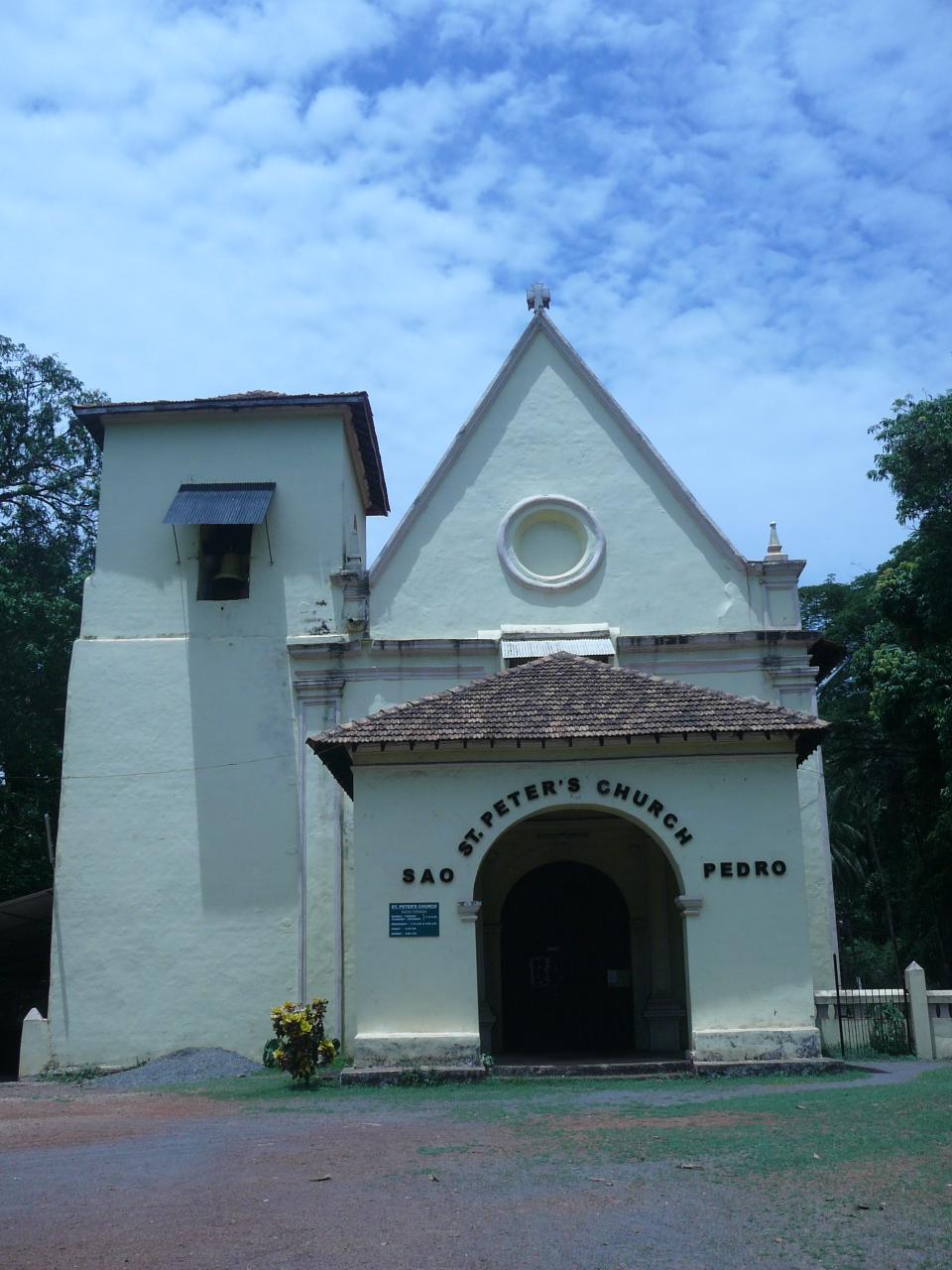
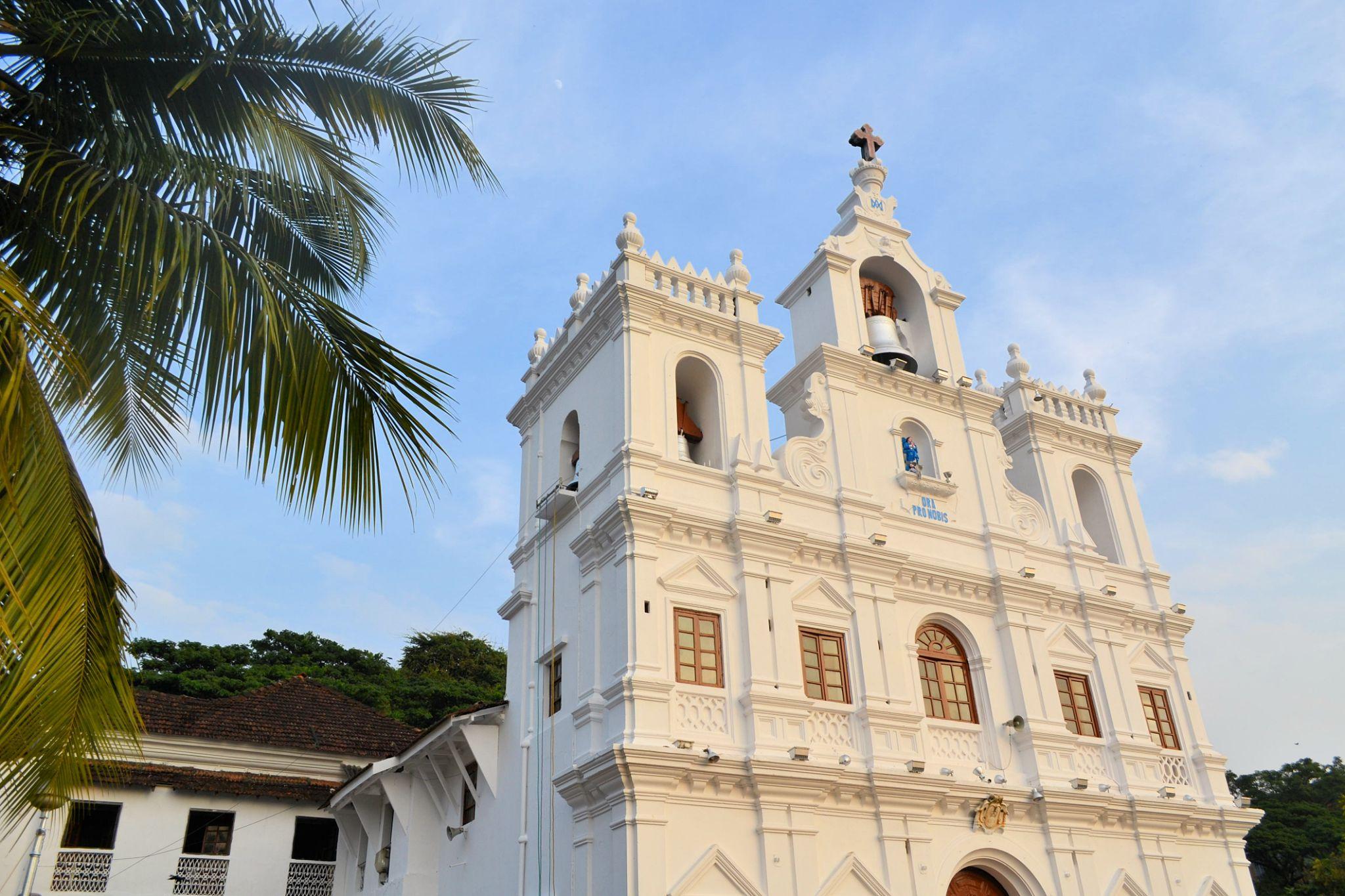
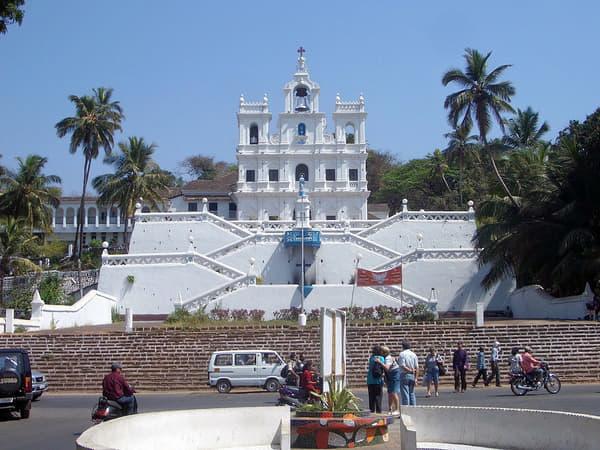
Nestled along the scenic banks of the Mandovi River in the historic village of Ribandar, St. Peter’s Church (Igreja de São Pedro) stands as a monumental testament to Goa’s rich colonial heritage and spiritual fervor. Located just a few kilometers away from the bustling state capital of Panjim and the UNESCO World Heritage site of Old Goa, this church is often bypassed by the typical tourist trail, making it a serene sanctuary for those seeking a deeper connection with Goan history. As you drive along the iconic Ponte Conde de Linhares—the long causeway connecting Panjim to Ribandar—the gleaming white facade of St. Peter’s Church emerges as a beacon of architectural grace against the lush green backdrop of the Goan countryside.
Established in the mid-16th century, St. Peter’s Church is one of the oldest parish churches in Goa. It serves the local community of Ribandar, a village known for its traditional charm, narrow winding lanes, and old Portuguese-style villas. Unlike the massive cathedrals of Old Goa, St. Peter’s offers a more intimate and community-focused atmosphere, yet it possesses a grandeur that rivals its larger counterparts. The church is dedicated to St. Peter the Apostle, the patron saint of fishermen, which is deeply significant given the village's proximity to the river and its historical reliance on the waters for sustenance. For a traveler, visiting St. Peter’s Church is not just a religious excursion; it is an immersion into the "Goa of old," where time seems to slow down, and the spiritual pulse of the land is palpable in every prayer and every stone.
History & Religious Significance
The history of St. Peter’s Church is intrinsically linked to the early years of the Portuguese presence in India. Built between 1542 and 1544, the church was commissioned during the tenure of Governor Martim Afonso de Sousa. It was established by the Jesuits, who played a pivotal role in the Christianization of the region. At the time of its construction, Ribandar was a flourishing suburb of the city of Goa (now Old Goa), and the church was designed to cater to the spiritual needs of the growing population of converts and Portuguese settlers in the area.
One of the most fascinating historical aspects of St. Peter’s Church is its status as a Parish Church. While many of the grand structures in Old Goa were managed by religious orders (like the Franciscans or Jesuits) for their own monastic use, St. Peter’s was a community hub. It has witnessed the rise and fall of empires, the devastating plagues that forced the abandonment of Old Goa, and the eventual shift of the capital to Panjim. Throughout these centuries, the church remained a steadfast pillar for the people of Ribandar. Historically, it is noted that the church was built using the funds provided by the local community and the Portuguese crown, signifying a collaborative effort in its foundation.
The religious significance of the church is heightened by its dedication to St. Peter. In the Catholic tradition, St. Peter is the "Rock" upon which the Church was built, and in the context of Goa, he is the protector of those who toil at sea. For the fishing community of Ribandar, the church is the spiritual anchor of their lives. Every year, the community gathers here to seek blessings for a safe fishing season and a bountiful harvest, maintaining a tradition that has survived for nearly five centuries. The church also houses several significant relics and statues that have been venerated by generations of Goan Catholics, making it a site of pilgrimage and deep personal devotion.
Architecture of St. Peter's Church
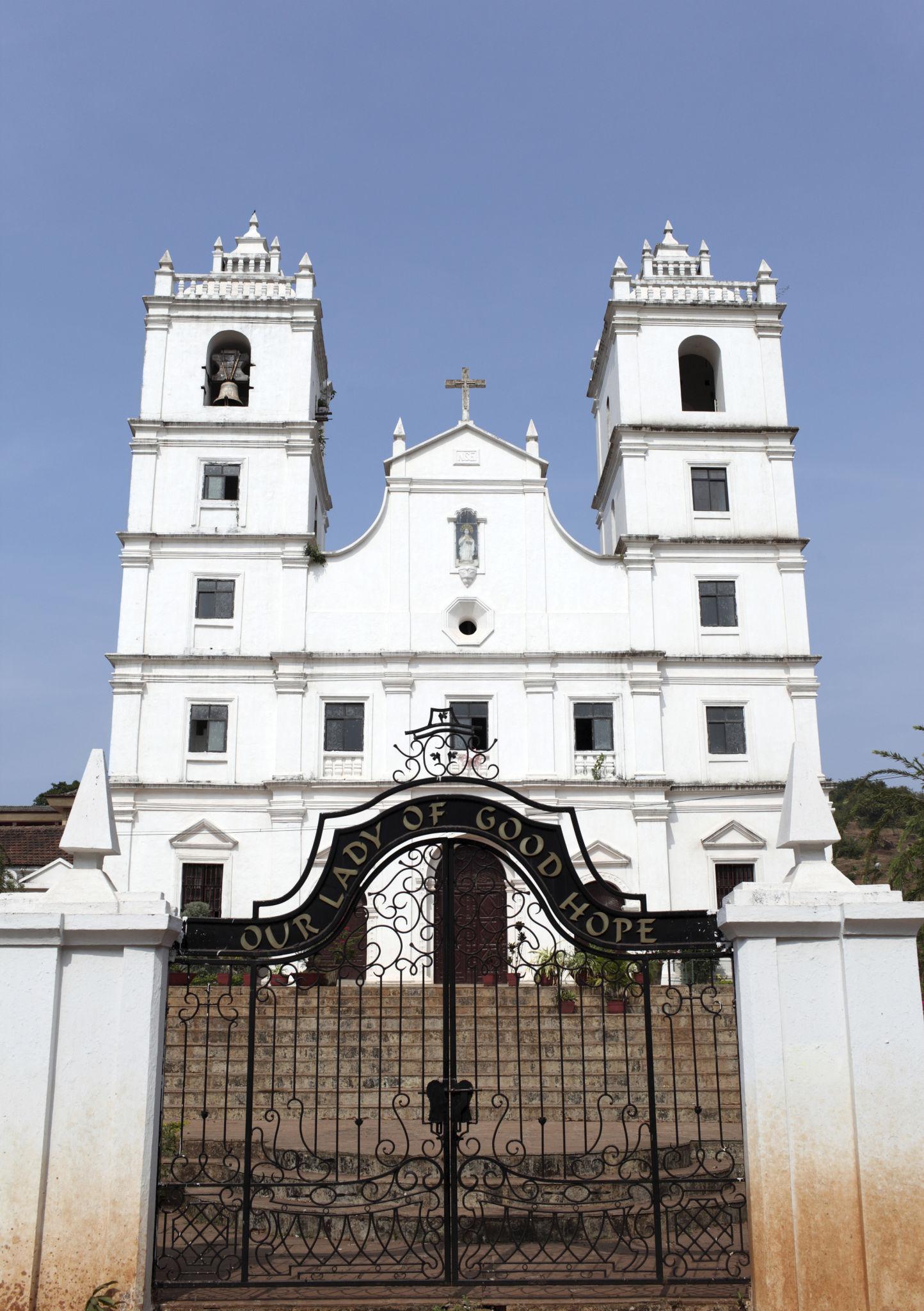
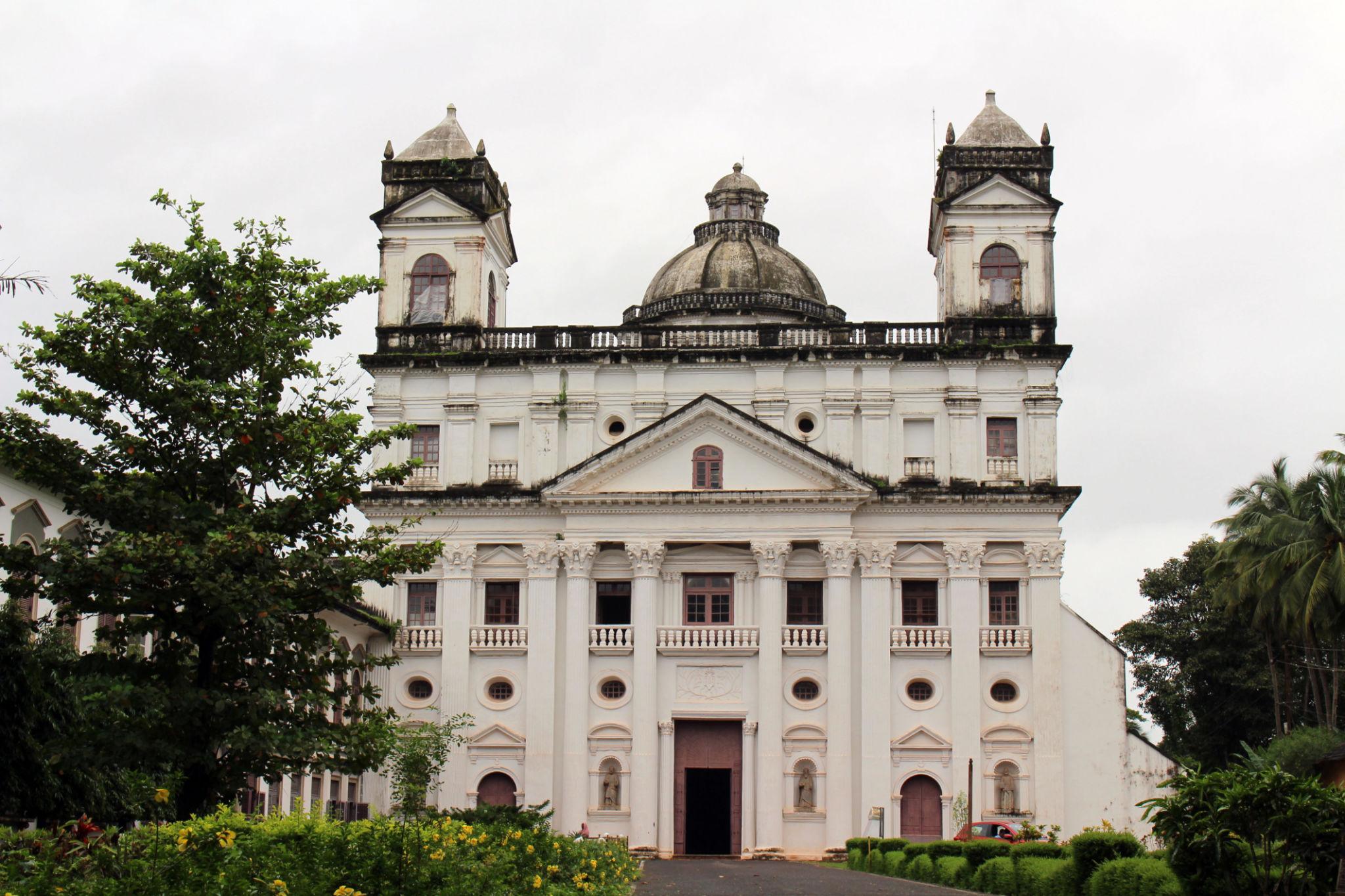
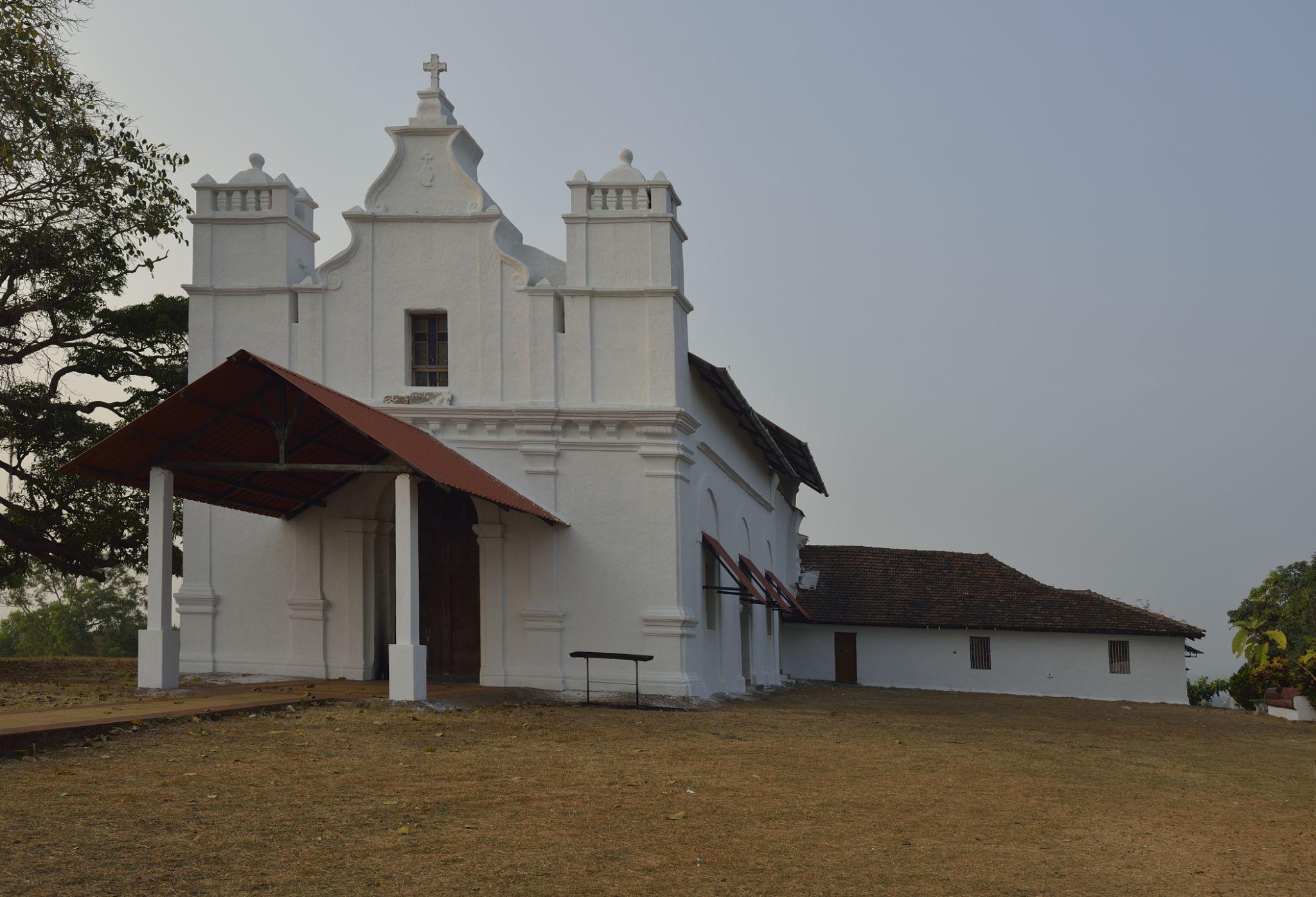
The architecture of St. Peter’s Church is a stunning example of the Mannerist style, which was prevalent during the late Renaissance and early Baroque periods in Europe and was subsequently adapted in the Portuguese colonies. The church is constructed primarily of laterite stone, a local volcanic rock that is incredibly durable and ubiquitous in Goan architecture. The exterior is covered in a thick layer of white lime plaster, which not only protects the stone from the harsh tropical monsoon but also gives the church its ethereal, glowing appearance.
The facade of the church is divided into three distinct horizontal levels (storeys) and is characterized by its balanced proportions and understated elegance. The ground floor features three arched entrances, with the central portal being the most ornate. As you look upward, you will notice the use of Tuscan and Corinthian columns that frame the windows and niches, adding a sense of verticality and classical grace. The top of the facade is crowned with a triangular pediment, a common feature in Goan church architecture, often decorated with the insignia of the religious order or the patron saint.
Upon entering the church, the interior reveals a spacious single nave with a vaulted ceiling. The layout is designed to draw the eye toward the High Altar, which is a masterpiece of woodcarving. The reredos (the decorative screen behind the altar) is gilded in gold leaf and features intricate motifs of vines, flowers, and angels, showcasing the skill of local Goan artisans who blended European designs with indigenous artistic sensibilities. The main altar is dedicated to St. Peter, featuring a prominent statue of the saint holding the keys to the kingdom of heaven. There are also several side altars dedicated to Our Lady and other saints, each adorned with detailed statuary and ornate woodwork. The flooring, often made of patterned tiles or polished stone, adds to the cool and solemn ambiance of the interior. The large windows along the sides of the nave allow natural light to filter in, illuminating the golden accents of the altars and creating a divine atmosphere during the morning hours.
Main Deity / Spiritual Importance
The spiritual heart of the church is St. Peter the Apostle. St. Peter is revered not only as the first Pope but also as a relatable figure—a fisherman who became a fisher of men. This duality resonates deeply with the Goan psyche. In the spiritual hierarchy of the village, St. Peter is the mediator between the divine and the daily struggles of the people. His presence in the church is symbolized by a magnificent statue located at the center of the main altar, where he is depicted in papal robes, holding the symbolic keys.
Beyond the primary deity, the church holds a special place in the hearts of the faithful due to its association with Our Lady of Piety (Nossa Senhora da Piedade). Goan spirituality is deeply Marian, and the devotion to the Mother of God is integrated into the daily life of the parish. The spiritual importance of St. Peter’s is also reflected in its role as a "Mother Church" for the surrounding areas. For many locals, the church is the site of their most significant life milestones—baptisms, weddings, and funerals. The spiritual energy of the church is most palpable during the Eucharistic celebrations, where the blending of Konkani hymns and Latin traditions creates a unique liturgical experience that is quintessentially Goan. The "Spiritual Importance" here isn't just about the statues or the building; it's about the living faith of the Ribandar community that has kept the flame of devotion burning for over 480 years.
Festivals & Celebrations
The most vibrant and culturally significant event at St. Peter’s Church is the Feast of St. Peter, celebrated annually on June 29th. This festival is locally known as "Sangodd." While many Goan feasts are celebrated with processions on land, the Sangodd is unique because it takes place on the water. The celebration is a spectacular tribute to the patron saint of fishermen and is a must-see for any traveler visiting Goa in June.
- The Sangodd (Floating Stage): The highlight of the festival involves the creation of a "Sangodd," which is a floating platform made by lashing two or more canoes together. A large stage is built atop these boats, decorated with palm leaves, flowers, and colorful buntings.
- The River Procession: The floating stage moves along the Mandovi River, carrying local musicians, dancers, and actors. They perform traditional Goan folk songs, known as Mando and Dulpod, and enact short plays or satirical skits that reflect the social life of the village.
- Spiritual Observance: Before the festivities on the river begin, a solemn High Mass is celebrated at the church. The statue of St. Peter is often brought out, and the priest blesses the river and the boats, praying for the safety of the fishermen during the upcoming monsoon season.
- Community Feast: Like all Goan festivals, food plays a central role. Families in Ribandar prepare traditional delicacies like Sorpotel, Sanna, and various fish preparations. It is a day of open houses and communal bonding.
Another important celebration is the Feast of Our Lady of Piety, which usually takes place in November. While less flamboyant than the Sangodd, it is a deeply spiritual time involving a nine-day novena (prayer service) followed by a grand procession through the narrow lanes of Ribandar, with the village illuminated by candles and fairy lights.
Best Time to Visit
Determining the best time to visit St. Peter’s Church depends on what you wish to experience. Goa’s climate and calendar offer different perspectives of this spiritual site.
- The Winter Season (November to February): This is the peak tourist season in Goa and arguably the most pleasant time to visit. The weather is cool and dry, making it ideal for exploring the church and the surrounding village of Ribandar on foot. The light during these months is perfect for photography, especially in the late afternoon when the sun hits the white facade.
- The Monsoon Season (June to September): If you want to witness the Sangodd festival, you must visit on June 29th. While the rains can be heavy, the sight of the floating stage on the Mandovi River amidst the misty monsoon landscape is truly magical. The greenery of Goa is at its most vibrant during this time.
- The Lenten & Easter Season: Visiting during the weeks leading up to Easter allows you to witness the solemn side of Goan Catholicism. The church is draped in purple, and the "Way of the Cross" processions are a moving spiritual experience.
- Early Morning Visits: Regardless of the month, the best time of day to visit is between 7:00 AM and 9:00 AM. You can catch the morning Mass, hear the local choir, and experience the church in its most authentic, prayerful state before the heat of the day sets in.
Timings, Entry Fee & Dress Code
To ensure a respectful and smooth visit to St. Peter’s Church, visitors should be aware of the following practical details:
- Timings: The church is generally open from 7:00 AM to 6:30 PM daily. However, visitors are encouraged to visit during non-service hours if they wish to explore the architecture and take photos. If you wish to attend Mass, the timings are usually 7:00 AM on weekdays and multiple sessions on Sunday mornings (typically 7:00 AM and 8:30 AM).
- Entry Fee: There is no entry fee to visit St. Peter’s Church. It is a place of worship, and all are welcome. However, donations for the upkeep of the church are always appreciated and can be placed in the designated offering boxes.
- Dress Code: As with all religious sites in Goa, a modest dress code is strictly enforced.
- For Men: Long trousers or jeans are preferred. Avoid sleeveless shirts or tank tops.
- For Women: Dresses, skirts, or trousers that cover the knees are required. Shoulders should be covered (a shawl or scarf is useful). Avoid transparent or overly revealing clothing.
- Silence: Maintain absolute silence inside the church, especially if people are praying. Turn off mobile phones or put them on silent mode.
How to Reach St. Peter's Church
St. Peter’s Church is conveniently located in Ribandar, making it easily accessible from various parts of Goa.
- From Panjim (The Capital): The church is approximately 4-5 km from Panjim. The best way to reach is by driving along the Ponte Conde de Linhares (the Ribandar Causeway). You can hire a taxi, take an auto-rickshaw, or ride a rented scooter. The drive is scenic, with the river on one side and salt pans on the other.
- By Bus: Frequent local buses run between Panjim and Old Goa/Ponda. You can hop on any of these buses and ask the conductor to drop you at the "Ribandar Church" stop. It is a very affordable way to travel.
- From Old Goa: If you are already visiting the Basilica of Bom Jesus or Se Cathedral, St. Peter’s is just a 5-minute drive (about 3 km) toward Panjim. It is a perfect stop to include in your Old Goa itinerary.
- By Ferry: For a more traditional experience, you can take the ferry from Chorao Island or Divar Island to the Ribandar ferry ramp. From the ramp, the church is a pleasant 10-minute walk through the village.
- From the Airport: Dabolim Airport is about 28 km away, and Manohar International Airport (Mopa) is about 35 km away. Pre-paid taxis are available from both airports directly to Ribandar.
Things to Do
A visit to St. Peter’s Church offers more than just a quick prayer. Here are the top things to do during your visit:
- Attend a Konkani Mass: Even if you do not understand the language, the melodic hymns and the devotion of the locals provide a profound spiritual experience.
- Admire the Woodwork: Spend time looking at the intricate carvings on the High Altar and the pulpit. The craftsmanship is a rare blend of European Baroque and Indian motifs.
- Walk the Ribandar Causeway: After visiting the church, take a walk along the 3.2 km long causeway. Built in 1633, it is one of the oldest causeways in Asia and offers stunning views of the Mandovi River.
- Explore Ribandar Village: Walk through the narrow lanes behind the church. You will see beautifully preserved Portuguese-era houses with colorful facades, oyster-shell windows, and ornate balconies.
- River Watching: Sit by the riverbank near the church. It is a peaceful spot to watch the local fishermen in their traditional canoes and the occasional ferry crossing the water.
- Visit the Parish Cemetery: Located nearby, the cemetery with its white crosses and quiet atmosphere reflects the historical continuity of the Ribandar community.
Nearby Attractions
The location of St. Peter’s Church makes it a central point for exploring some of Goa’s most famous landmarks:
- Old Goa (UNESCO Heritage Site): Just 3 km away, this area houses the Basilica of Bom Jesus (containing the relics of St. Francis Xavier), the Se Cathedral, and the Church of St. Francis of Assisi.
- Panjim City: The capital city is 5 km away. Visit the Immaculate Conception Church, the Goa State Museum, and the bustling local markets.
- Fontainhas (Latin Quarter): Located in Panjim, this is the oldest Latin quarter in Asia. Its bright yellow and blue houses are a photographer’s paradise.
- Dr. Salim Ali Bird Sanctuary: Located on the nearby Chorao Island (accessible by ferry from Ribandar), this sanctuary is a haven for birdwatchers and nature lovers, especially during the winter months.
- Divar Island: Take a ferry from Ribandar to explore this sleepy, picturesque island known for its scenic beauty and the ancient Piedade Church.
- The Viceroy’s Arch: A historical gateway in Old Goa that once served as the main entrance to the city for the Portuguese Viceroys.
Photography & Visitor Guidelines
To capture the beauty of St. Peter’s Church while remaining respectful, follow these guidelines:
- Exterior Photography: You are free to photograph the exterior of the church and the surrounding grounds. The best light is in the early morning or during the "golden hour" before sunset.
- Interior Photography: Photography inside the church is generally discouraged, especially during Mass. If you wish to take photos of the altars, always ask for permission from the sacristan or the priest. Never use flash inside the church, as it can damage the ancient gilded wood and disturb those in prayer.
- Respect the Altar: Do not enter the sanctuary area (the raised platform where the altar is located). This is considered sacred space.
- Drones: The use of drones is restricted in many parts of Goa, especially near religious sites and government buildings. Check local regulations and seek permission before flying a drone near the church.
- Interaction: The locals are friendly but private. If you wish to take photos of people, always ask for their consent first.
Where to Eat Nearby
Ribandar and the nearby Panjim area offer a variety of culinary experiences ranging from local snacks to fine dining:
- Local Eateries in Ribandar: Look for small "tavernas" or tea shops in the village where you can try Goan Pav with Bhaji or Choris Pav (Goan sausage bread).
- The Fisherman’s Wharf (Panjim): A short drive away, this restaurant offers a great ambiance by the river and excellent Goan seafood like Fish Thali and Prawn Balchao.
- Ritz Classic (Panjim): Famous for its authentic Goan Fish Thali, this is a must-visit for anyone looking for a traditional Goan lunch.
- Viva Panjim: Located in the Fontainhas area, this heritage restaurant serves classic Goan-Portuguese dishes like Vindaloo and Xacuti in a charming old-world setting.
- Street Food: In the evenings, you might find local vendors near the Ribandar ferry ramp selling Ros Omelette, a popular Goan street food.
Accommodation Nearby
While most tourists stay in the beach belts, staying near Ribandar offers a more authentic and quiet experience:
- Heritage Villas in Ribandar: There are several boutique guesthouses and Airbnb options in Ribandar that are housed in restored Portuguese villas. These offer a unique "living like a local" experience.
- Panjim Hotels: Since Panjim is very close, you can choose from luxury hotels like the Vivanta Goa or boutique stays like The Crown Goa, which offers views of the Mandovi River.
- Old Goa Residency: Managed by GTDC (Goa Tourism Development Corporation), this is a budget-friendly option located right in the heart of the heritage complex of Old Goa.
- WelcomHeritage Panjim Inn: Located in Fontainhas, this is one of Goa’s first heritage hotels, offering a blend of history and comfort.
Travel Tips
To make the most of your visit to St. Peter’s Church and Ribandar, keep these tips in mind:
- Stay Hydrated: Goa can be humid. Always carry a bottle of water, especially if you plan to walk through the village.
- Local Language: While English and Hindi are widely understood, learning a few words in Konkani (like "Dev Borem Korum" for Thank You) will endear you to the locals.
- Footwear: Wear comfortable walking shoes. The village lanes are narrow and can be uneven. Remember to remove your hat or cap before entering the church.
- Transport: If you are using public transport, keep small change for the bus fare. If you are renting a scooter, ensure you have a valid license and always wear a helmet.
- Respect the Sabbath: Sunday is a very busy day for the church. If you are a tourist, try to visit on a weekday to avoid the Sunday crowds and to ensure you don't interrupt the multiple services.
- Combine your Visit: Plan to visit St. Peter’s Church in the morning, followed by Old Goa in the afternoon, and end your day with a walk through Fontainhas in Panjim.
Conclusion
St. Peter’s Church in Ribandar is more than just a historical monument; it is a living sanctuary that encapsulates the soul of Goa. Its Mannerist architecture, its deep-rooted spiritual traditions, and its unique Sangodd festival make it a jewel in the crown of Goan heritage. While the grand cathedrals of Old Goa often steal the limelight, St. Peter’s offers a quieter, more intimate glimpse into the faith and culture that have shaped this coastal paradise for centuries. Whether you are a history buff, an architecture enthusiast, or a spiritual seeker, a visit to this church provides a sense of peace and a connection to the past that is hard to find elsewhere. As the bells of St. Peter’s chime across the Mandovi River, they remind us of a time-honored legacy of faith, community, and the enduring beauty of the Goan spirit. Do not miss the chance to experience this tranquil haven on your next journey to Goa.