Overview of Our Lady of Immaculate Conception
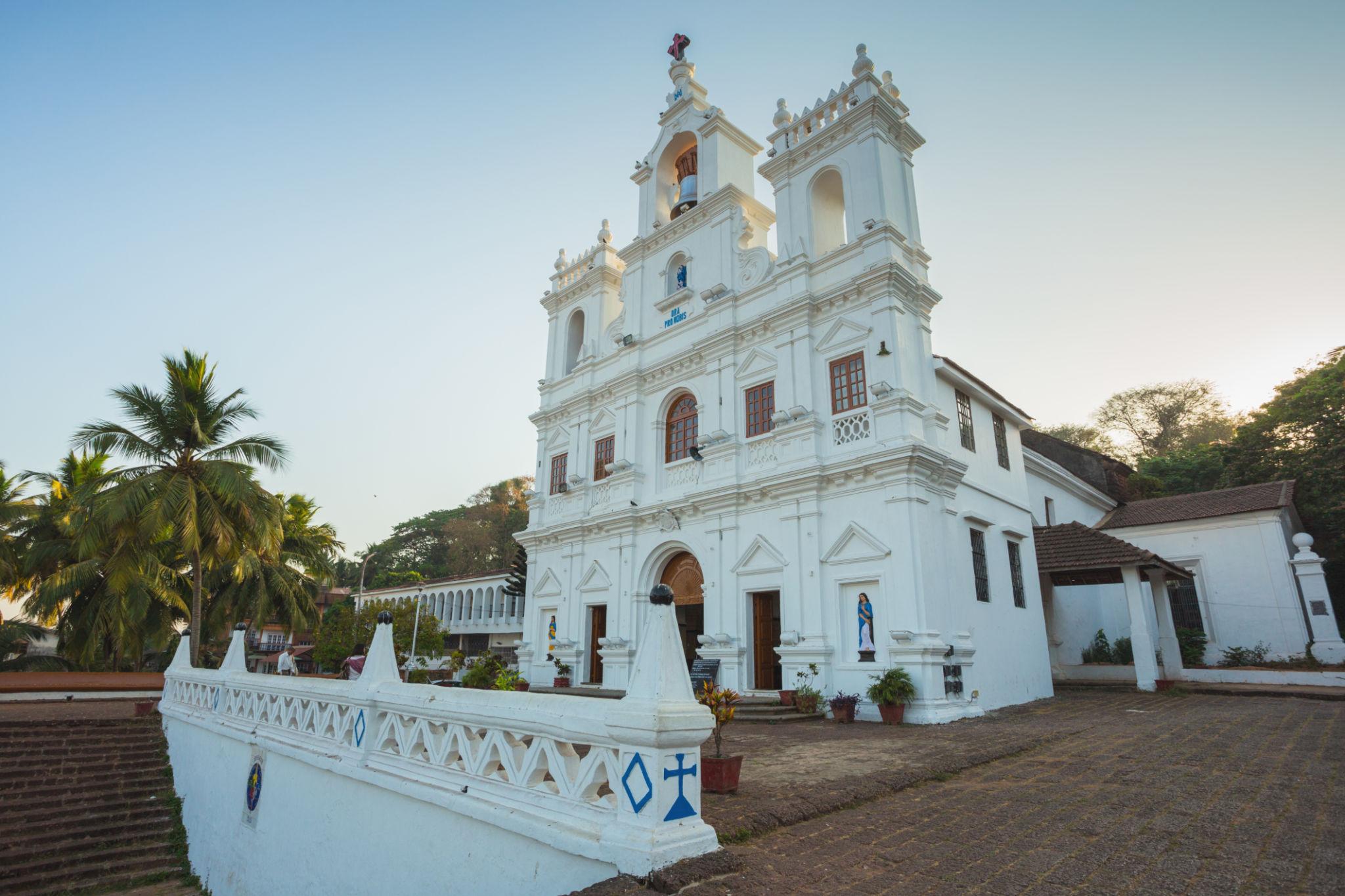
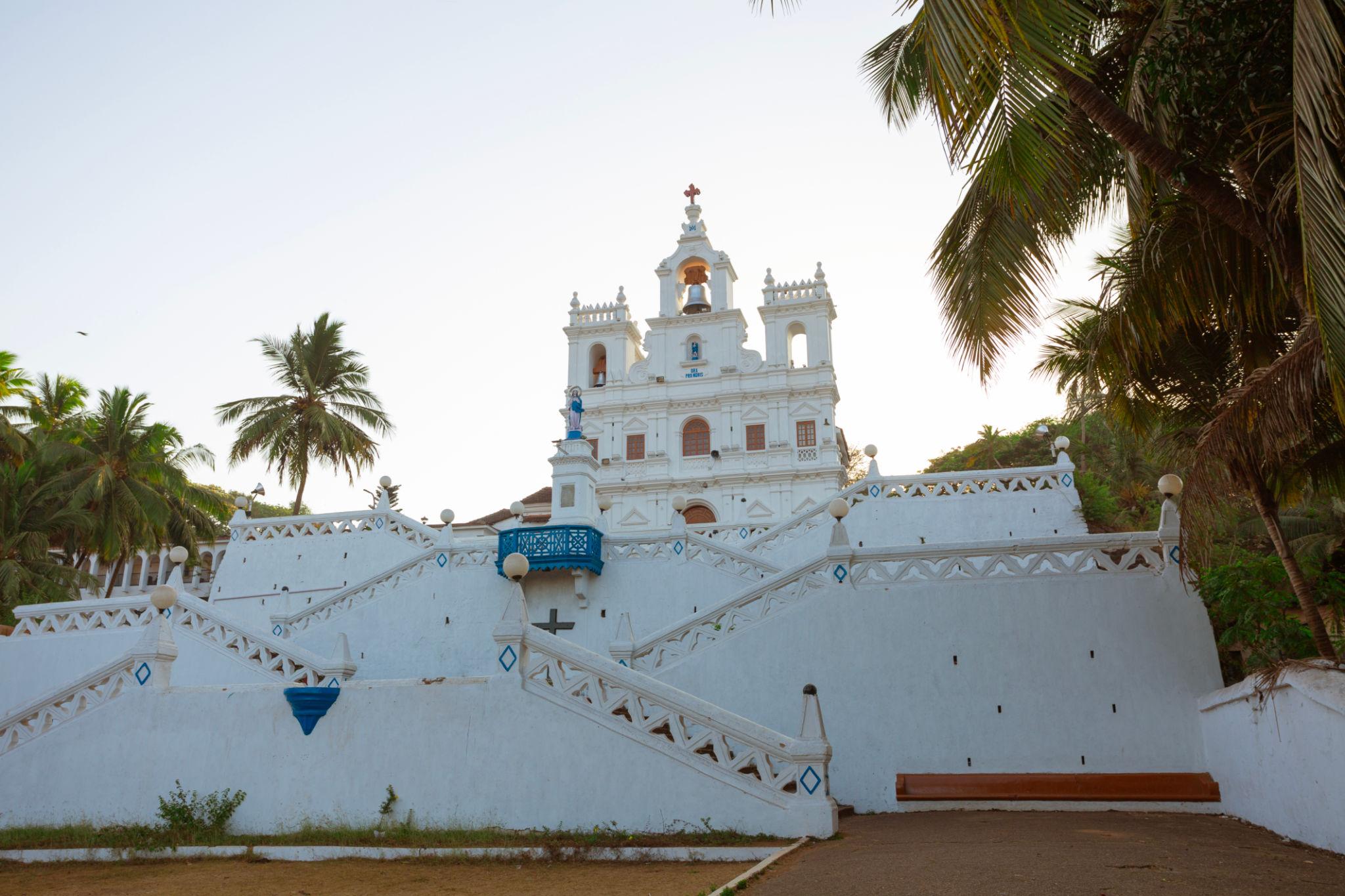
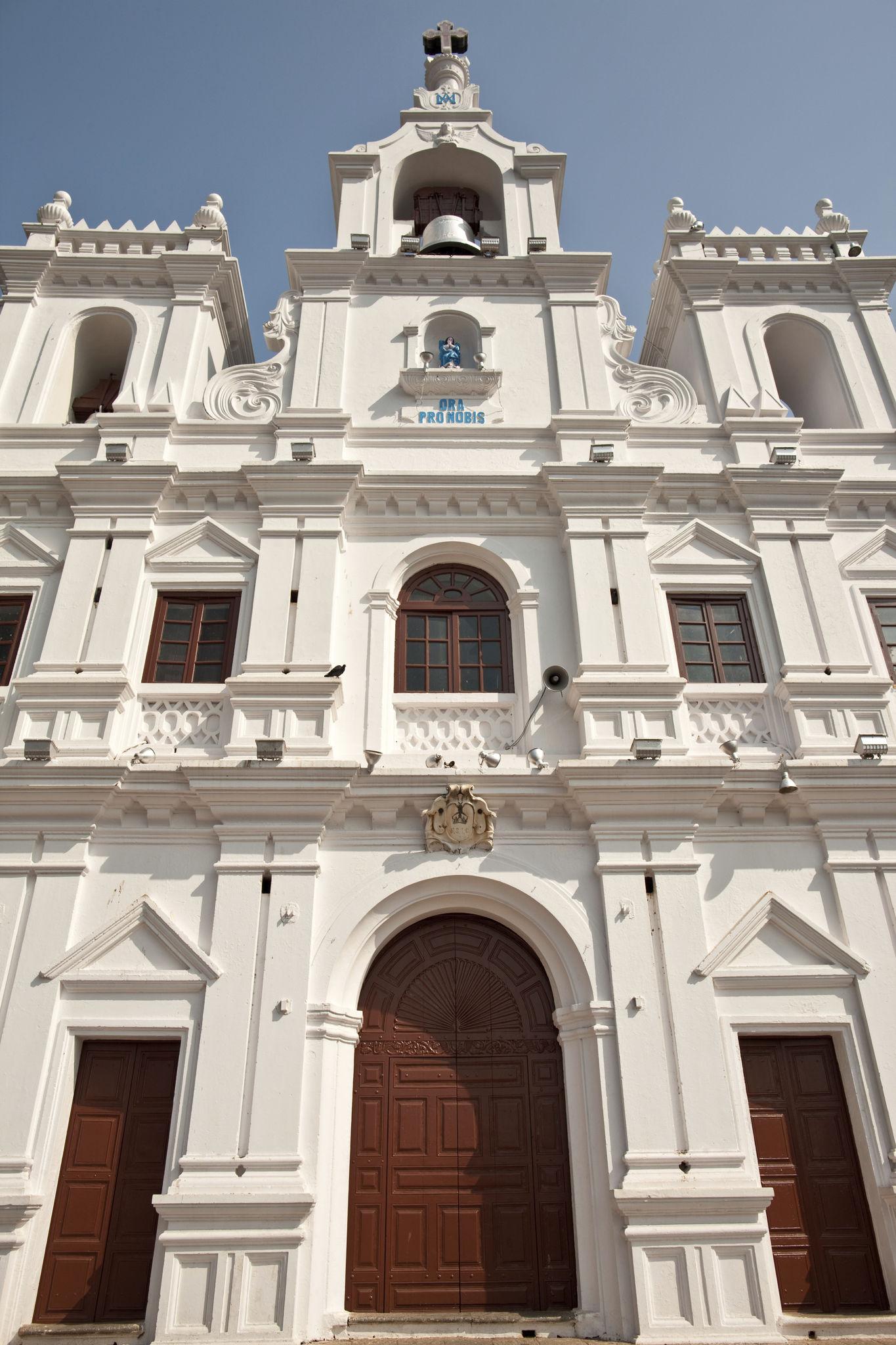
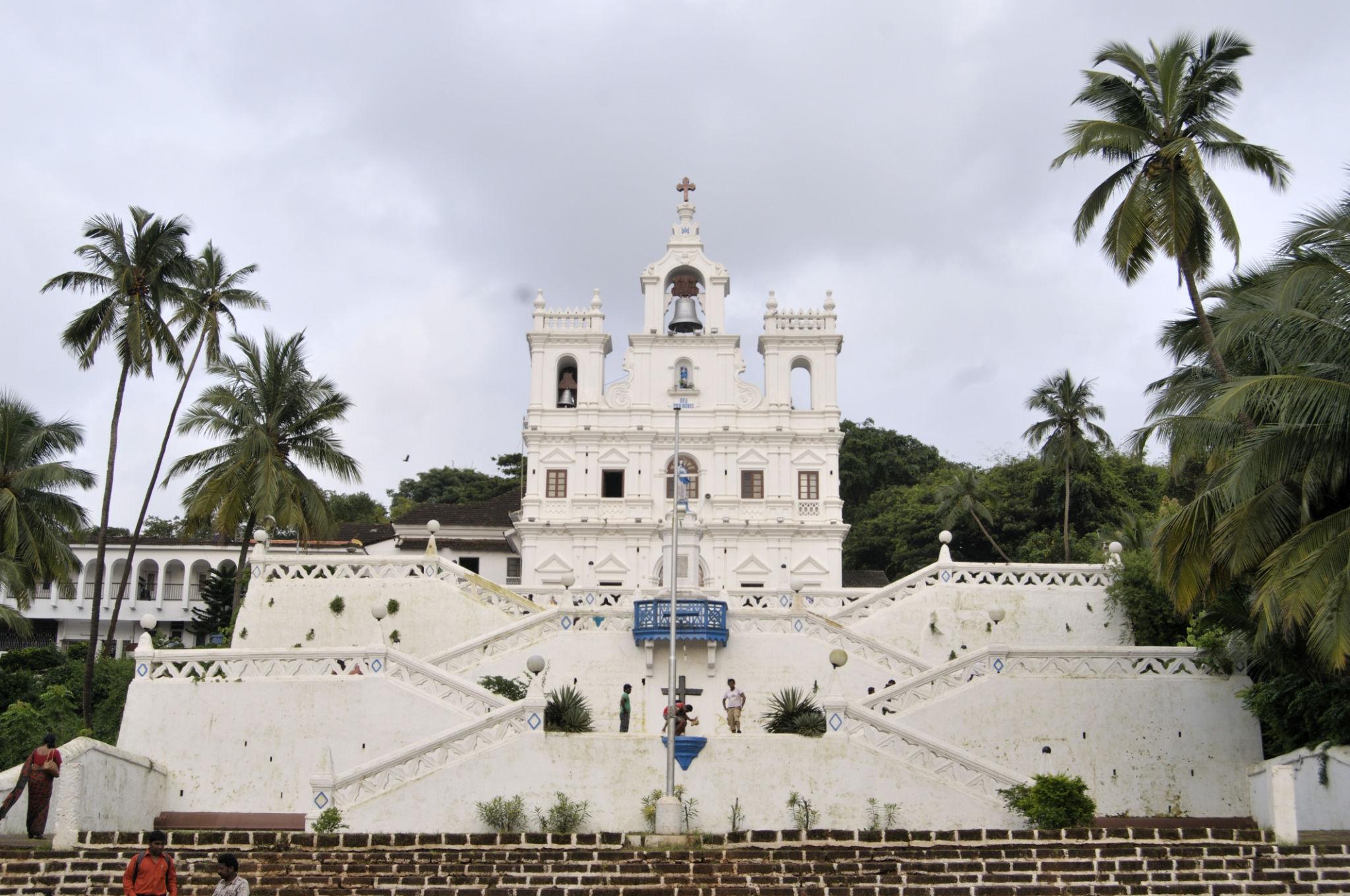
Standing tall as a gleaming white beacon in the heart of Goa’s capital city, Panjim, the Our Lady of Immaculate Conception Church is perhaps the most photographed and iconic religious landmark in the state. Known locally as the "Igreja de Nossa Senhora da Imaculada Conceição," this majestic structure is more than just a place of worship; it is a symbol of Goa’s complex colonial history, its architectural evolution, and its vibrant spiritual life. Set against the backdrop of a clear blue sky, its pristine white facade and unique "wedding cake" tiered staircase create a visual spectacle that captures the imagination of every traveler who visits Panjim.
The church is strategically located on a hillock overlooking the Praça de Igreja (Church Square), providing a panoramic view of the bustling city and the distant Mandovi River. Its presence is felt throughout the city, not just because of its physical height but because of its cultural significance. For centuries, it has served as a spiritual anchor for the local community and a navigational landmark for sailors arriving at the shores of the Mandovi. Today, it remains an active parish church, hosting daily masses and grand celebrations that bring together people of all faiths. Whether you are a history buff, an architecture enthusiast, or a spiritual seeker, the Our Lady of Immaculate Conception Church offers a profound sense of peace and a deep dive into the Goan-Portuguese heritage that defines this coastal paradise.
Top Goa Experience • Part 1
Highly Recommended Near Our Lady of Immaculate Conception
Explore All
As you approach the church, the first thing that strikes you is the sheer brilliance of its whitewashed walls. In Goa, it is a long-standing tradition to paint churches in bright white to symbolize purity and to ensure they remain visible from the sea. The church’s location in the Altinho neighborhood makes it the focal point of Panjim, bridging the gap between the old-world charm of the Latin Quarter and the modern administrative center of the city. To visit this church is to step back in time while remaining firmly rooted in the pulse of contemporary Goa.
History & Religious Significance
The history of the Our Lady of Immaculate Conception Church is as old as the Portuguese presence in Goa. The original structure was not the grand edifice we see today; it began as a humble chapel in 1541. At that time, Panjim was a small fishing village, and the chapel was built to serve the religious needs of the Portuguese sailors who made their first port of call here after a long and treacherous voyage from Lisbon. These sailors would offer prayers of gratitude for their safe arrival before proceeding to the then-capital, Old Goa.
Recommended Guide
Tourist Season in Goa – Complete Travel Guide for Every Season
The winter season in Goa, stretching from November to February, is widely considered the best and most popular tourist season in Goa. This period attracts...
Read Guide →
As the importance of Panjim grew, so did the need for a larger place of worship. In 1619, the original chapel was completely rebuilt and expanded into the monumental church that stands today. This reconstruction coincided with the period when the Portuguese were consolidating their power in India, and the church was designed to reflect the grandeur and religious fervor of the era. The site became a parish in its own right, distinct from the administrative religious centers in Old Goa.
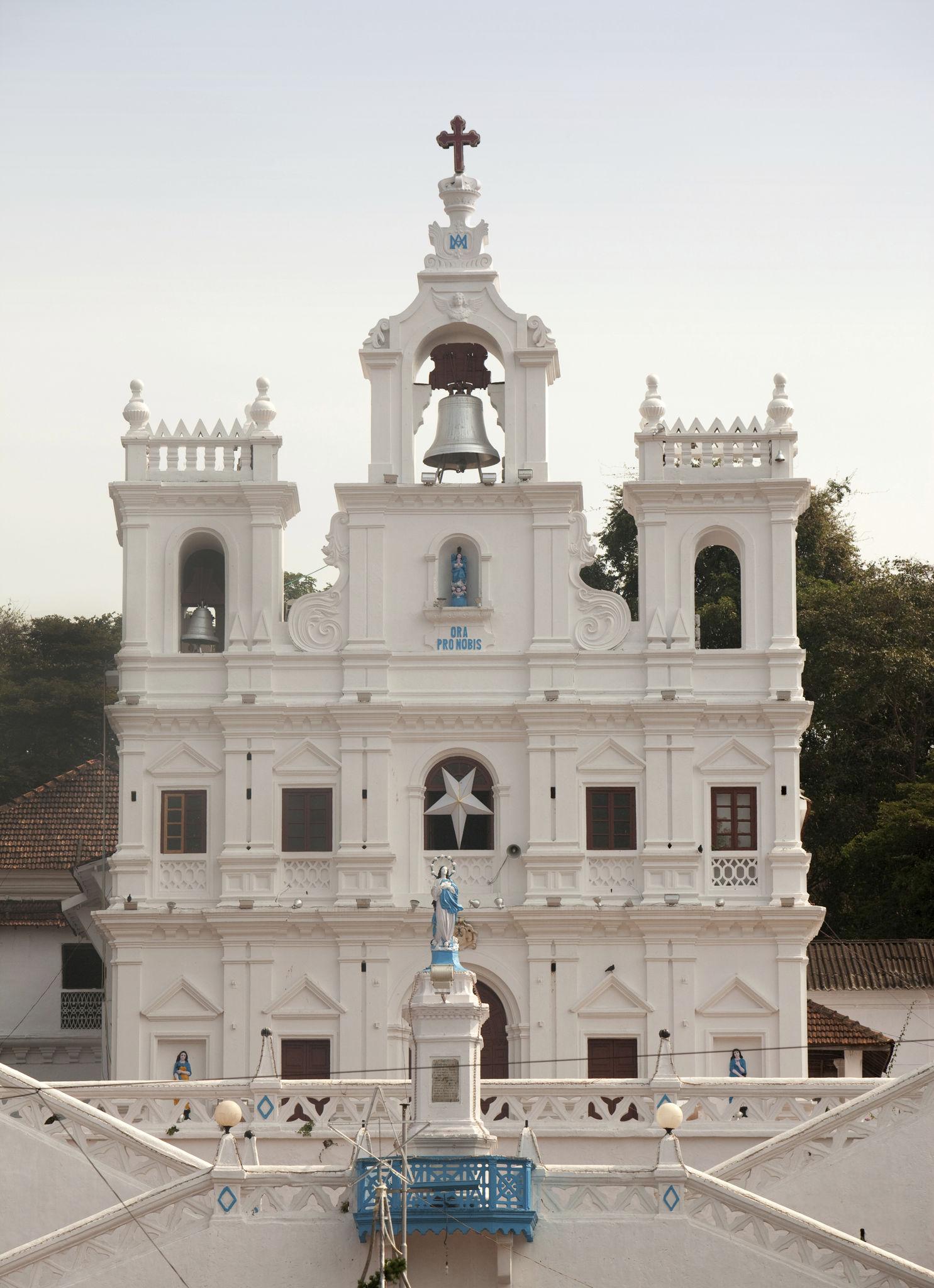
One of the most fascinating historical footnotes of this church is its Augustinian Bell. In the mid-19th century, after the abandonment of the Monastery of St. Augustine in Old Goa, its massive bell—the second largest in Goa—was moved to the Our Lady of Immaculate Conception Church. This bell, cast in bronze, is renowned for its deep, resonant sound that can be heard across the city. The church also witnessed the shifting tides of Goan politics, from the height of colonial rule to the Liberation of Goa in 1961. Throughout these centuries, the church has remained a steadfast guardian of the Catholic faith in the region, surviving monsoons, political upheavals, and the passage of time with its dignity intact. Its religious significance is rooted in the doctrine of the Immaculate Conception, which asserts that the Virgin Mary was preserved from original sin from the moment of her conception, a central tenet of the Catholic Church that resonates deeply with the local Goan Catholic population.
Recommended Guide
Common Scams in Goa Tourists Still Fall For
Goa is one of India’s most loved travel destinations, attracting millions of tourists every year with its beaches, nightlife, and relaxed vibe. But like...
Read Guide →
Architecture of Our Lady of Immaculate Conception
The architecture of the Our Lady of Immaculate Conception Church is a masterful blend of Portuguese Baroque and Manueline styles, adapted to the tropical climate of Goa. The most striking feature is undoubtedly the magnificent zig-zag staircase. Added in 1871, this symmetrical, multi-tiered staircase was modeled after the Sanctuary of Bom Jesus do Monte in Braga, Portugal. It serves a dual purpose: it helps visitors ascend the steep hillock while creating a dramatic visual frame for the church’s facade. The stairs are punctuated by landings that offer different perspectives of the surrounding city square.
The facade itself is a study in Baroque elegance. It features twin bell towers flanking a central gable, which is adorned with a statue of the Virgin Mary. The use of Ionic and Corinthian columns, intricate carvings, and decorative moldings gives the exterior a sense of movement and grandiosity. The brilliant white color is maintained through regular whitewashing, a practice that protects the laterite stone structure from the harsh Goan sun and heavy monsoon rains. Inside, the church transitions from the bright exterior to a serene, high-ceilinged nave. The interior is surprisingly simple yet elegant, featuring three main altars. The High Altar is dedicated to Mary Immaculate and is a stunning example of gilded woodwork, featuring intricate floral motifs and cherubs.
Recommended Guide
North Goa vs South Goa: Which is Better for Your Goa Trip?
Goa is India's most popular beach destination and attracts millions of domestic and international tourists every year. One of the most common questions tra...
Read Guide →
On either side of the main altar are two smaller, equally beautiful altars. One is dedicated to Our Lady of the Rosary, and the other to the Crucifixion of Jesus. These altars are flanked by marble statues of St. Peter and St. Paul, which were brought from the Chapel of St. Peter in Old Goa. The floor is lined with traditional Portuguese tiles, and the wooden pulpit is a fine specimen of 17th-century craftsmanship. The overall architectural layout is designed to draw the eye upward, toward the heavens, reflecting the spiritual aspirations of its builders. The integration of local materials like laterite stone and lime plaster with European design principles makes this church a quintessential example of "Indo-Portuguese" architecture.
Top Goa Experience • Part 2
Highly Recommended Near Our Lady of Immaculate Conception
Explore All
Main Deity / Spiritual Importance
The primary deity of the church is Mary Immaculate, the Mother of Jesus. In Catholic theology, the Immaculate Conception is a dogma that celebrates Mary's purity. For the people of Panjim and Goa at large, "Nossa Senhora" (Our Lady) is a maternal figure of protection and grace. The spiritual importance of this site cannot be overstated; it is the "Mother Church" for the capital city, serving as the site for major liturgical events, weddings, and funerals for generations of Goan families.
Beyond the main altar, the church houses several other significant spiritual elements. The side chapel of St. Francis Xavier is a place of intense devotion, especially given the saint's deep connection to Goa. Many devotees believe that offering prayers here brings healing and divine intervention. The presence of the ancient bell also holds spiritual weight; its tolling marks the Angelus, the start of Mass, and the passing of community members, weaving the church into the daily rhythm of life in Panjim. For many visitors, even those who are not Catholic, the church offers a space for quiet contemplation. The "vibe" of the interior is one of hushed reverence, where the smell of incense and the soft glow of candles create an atmosphere conducive to prayer and reflection. The spiritual energy of the site is particularly palpable during the early morning hours when the local community gathers for the first Mass of the day.
Festivals & Celebrations
The Our Lady of Immaculate Conception Church is the site of some of Goa’s most vibrant and culturally rich festivals. The most important of these is the Feast of the Immaculate Conception, celebrated annually on December 8th. This is not just a religious event but a massive social celebration that involves the entire city. The preparations begin nine days in advance with the Novena, a series of special prayers and masses. During this time, the church is beautifully illuminated with thousands of tiny lights, making it look like a glowing palace against the night sky.
On the day of the feast, a grand High Mass is held, followed by a solemn procession where the statue of the Virgin Mary is carried through the streets of Panjim. The atmosphere is electric, with brass bands playing traditional hymns and firecrackers echoing through the air. A massive fair (festa) is organized in the church square, featuring stalls selling everything from traditional Goan sweets like bebinca and dodol to handcrafted toys, clothes, and household items. It is a time of "joie de vivre," where families come together to celebrate their faith and community.
Another significant period is Lent and Holy Week. The church observes these days with great solemnity. On Good Friday, the "Way of the Cross" is enacted, and a life-sized statue of Jesus carrying the cross is taken in procession, drawing thousands of mourners. Conversely, Easter Sunday is celebrated with immense joy and floral decorations. During the Christmas season, the church is adorned with a massive crib (manger), and the Midnight Mass is a bucket-list experience for many tourists, as the choir’s carols fill the cool December air. These festivals provide a window into the soul of Goa, showcasing a blend of deep-rooted Catholic traditions and local cultural flair.
Best Time to Visit
To experience the Our Lady of Immaculate Conception Church in all its glory, the best time to visit is between November and February. During these months, the weather in Goa is pleasant, with cool breezes and clear skies, making it ideal for climbing the church’s famous stairs and exploring the surrounding Panjim area. This period also coincides with the major festivals mentioned above, particularly the December 8th feast and the Christmas-New Year celebrations, when the church is at its most decorative.
If you prefer a more quiet and contemplative visit, the monsoon season (June to September) has its own charm. The rain-washed white facade looks exceptionally brilliant against the dark monsoon clouds, and the surrounding greenery of Altinho hill turns a vivid emerald. However, be prepared for heavy downpours which might limit your ability to take outdoor photographs. For photography enthusiasts, the golden hour—just before sunset—is the best time of day. The setting sun casts a warm, golden glow on the white walls, creating a magical contrast that is perfect for capturing the church’s architectural details. Early mornings (around 7:30 AM to 8:30 AM) are also recommended if you wish to witness the local community in prayer and avoid the large crowds of tourists that arrive later in the day.
Timings, Entry Fee & Dress Code
Managing your visit requires knowledge of the church's operational hours and etiquette. The Our Lady of Immaculate Conception Church is an active place of worship, so visitors must be mindful of religious services.
- Timings: The church is generally open to visitors from 9:00 AM to 12:30 PM and from 3:30 PM to 7:30 PM daily. On Sundays, the timings may vary slightly due to multiple Mass services.
- Mass Timings: On weekdays, English Mass is usually at 8:00 AM, and Konkani Mass is held in the mornings and evenings. On Sundays, there are several services in both languages starting from 7:00 AM.
- Entry Fee: There is no entry fee to visit the church. It is free for all. However, donations for the upkeep of the heritage structure are always welcomed in the donation boxes located inside.
- Dress Code: As this is a sacred site, a modest dress code is strictly enforced. Visitors should avoid wearing sleeveless tops, short skirts, or hot pants. Shoulders and knees should be covered. If you are dressed in beachwear, it is advisable to carry a sarong or a shawl to wrap around yourself before entering.
- Footwear: You are generally allowed to wear footwear inside, but it is customary to walk softly and maintain silence.
How to Reach Our Lady of Immaculate Conception
The church is located in the heart of Panjim (Panaji), making it one of the most accessible landmarks in Goa. Depending on where you are staying, there are several ways to reach it:
- From North Goa (Calangute/Baga): The church is approximately 15-18 km away. You can hire a taxi, take a local bus to the Panjim Bus Stand (Kadamba Bus Terminus), or rent a scooter. From the Panjim Bus Stand, the church is a short 5-minute rickshaw ride or a 15-minute walk.
- From South Goa (Margao/Colva): The distance is about 30-35 km. The most convenient way is to take a "shuttle bus" from Margao to Panjim, which is frequent and affordable. Taxis are also readily available.
- From the Airport (Dabolim): The church is about 28 km from the airport. Pre-paid taxis are the most reliable option and will take about 45-60 minutes depending on traffic.
- Walking: If you are already staying in Panjim, particularly in the Fontainhas or Campal areas, the church is easily reachable on foot. Walking through the streets of Panjim is a delight, as you pass by old colonial buildings and boutique shops.
- Parking: If you are driving your own vehicle, be aware that parking in Church Square can be difficult during peak hours. There are designated paid parking lots nearby, but you may have to walk a short distance.
Things to Do
While the church is a place of worship, there are several activities that visitors can engage in to fully appreciate the site:
- Admire the Staircase: Take your time walking up the zig-zag stairs. Stop at each landing to look back at the city. It’s a great spot for people-watching and enjoying the breeze.
- Attend a Mass: Even if you are not Catholic, attending a Mass (especially in Konkani) is a profound cultural experience. The music, the devotion of the locals, and the acoustics of the church are mesmerizing.
- Explore the Interior Altars: Look closely at the gilded woodwork and the statues. The craftsmanship is centuries old and tells stories of the European artists who traveled to India.
- View the Augustinian Bell: While you cannot climb the bell tower, you can see the massive bell from certain angles outside. It is a historical relic of immense value.
- Photography: Capture the stunning white facade against the blue sky. The symmetry of the church makes it a favorite for architectural photography.
- Light a Candle: Many visitors light a candle at the side altars as a gesture of hope or gratitude. It is a peaceful ritual that connects you to the spiritual essence of the place.
- People Watching: Sit on the benches in the garden at the base of the stairs. You’ll see a mix of locals going about their day, tourists in awe, and perhaps a Goan wedding party if you’re lucky.
Nearby Attractions
The central location of the Our Lady of Immaculate Conception Church makes it a perfect starting point for a day tour of Panjim. Here are some nearby attractions you shouldn't miss:
- Fontainhas (Latin Quarter): Just a 10-minute walk away, this is the oldest Latin Quarter in Asia. Its narrow winding streets, brightly colored Portuguese-style houses, and quaint cafes make it a UNESCO-recognized heritage zone.
- Altinho Hill: Walk up the hill behind the church to reach Altinho. This posh residential area houses the Bishop’s Palace, the Chief Minister’s residence, and offers stunning views of the city and the river.
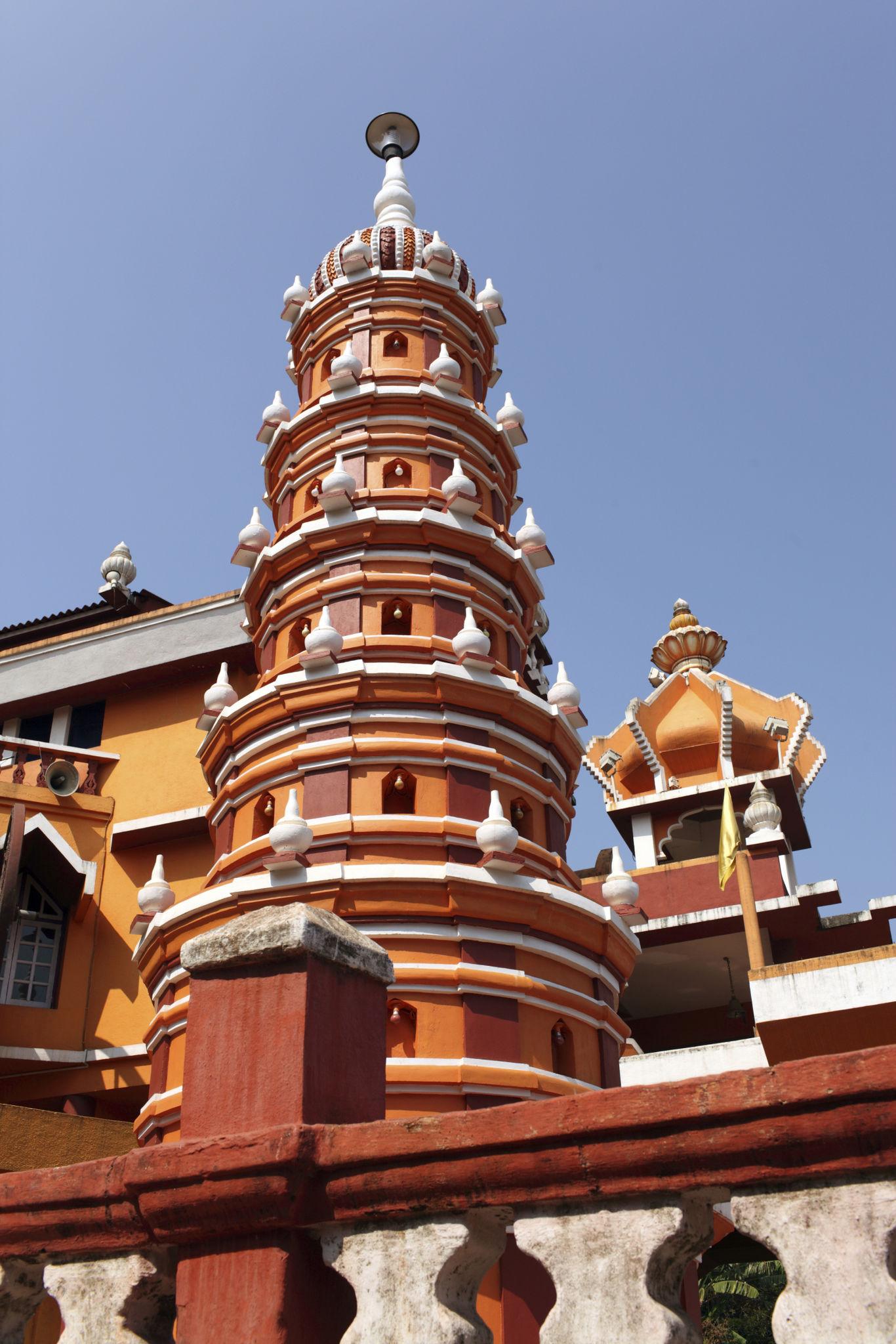
- Maruti Temple: Located at the foot of Altinho hill, this beautiful orange-colored Hindu temple is dedicated to Lord Hanuman and is another architectural gem.
- Mandovi River Cruises: The riverfront is just a few blocks away. You can take a sunset cruise or a dinner cruise to see Panjim from the water.
- Goa State Museum: For those interested in history, the museum offers a deep dive into Goa’s archaeological and cultural past.
- Campal Gardens: A beautifully manicured park along the riverbank, perfect for an evening stroll.
- Kala Academy: Goa’s premier cultural center, designed by the famous architect Charles Correa, often hosts art exhibitions and musical performances.
Photography & Visitor Guidelines
To ensure a respectful and enjoyable visit, please adhere to the following guidelines:
- No Photography during Mass: Taking photos or videos while a religious service is in progress is strictly prohibited. It is considered disrespectful to the worshippers.
- Interior Photography: While photography is generally allowed inside the church during non-service hours, always check for "No Photography" signs. Avoid using flash, as it can damage the ancient gilded wood and paintings.
- Maintain Silence: Even when Mass is not being held, people come to the church for private prayer. Keep your voice low and turn your mobile phone to silent mode.
- Respect the Altar: Do not cross the railings or enter the sanctuary area near the High Altar. These are sacred spaces reserved for clergy.
- Drone Usage: Flying drones over the church or the square requires prior permission from the local authorities and the church committee.
- Don’t Litter: The church grounds are meticulously maintained. Please use the bins provided for any trash.
- Be Mindful of Stairs: The stairs can be slippery during the monsoon. Use the handrails and watch your step.
Where to Eat Nearby
Panjim is a foodie’s paradise, and there are several excellent eateries within walking distance of the church:
- The Verandah: Located in a heritage building nearby, it offers a sophisticated dining experience with a mix of Goan and Continental cuisine.
- Ritz Classic: Famous for its authentic Goan Fish Thali, this is a must-visit for seafood lovers. It’s always crowded, which is a testament to its quality.
- Viva Panjim: Tucked away in a lane in Fontainhas, this award-winning restaurant serves traditional Goan-Portuguese dishes like Prawn Balchão and Chicken Cafreal.
- George Bar & Restaurant: Located right next to the church, this is a legendary local spot. It’s unpretentious and serves great beef steaks and cold beer.
- Confeitaria 31 de Janeiro: One of the oldest bakeries in Goa, perfect for grabbing some traditional Goan sweets and snacks like patties and bolinhas.
- Joseph Bar: A tiny, atmospheric tavern in Fontainhas known for its craft beers and local snacks.
Accommodation Nearby
If you wish to stay close to the church to soak in the old-world charm of Panjim, consider these options:
- WelcomHeritage Panjim Inn: A beautiful heritage hotel in Fontainhas that offers a glimpse into 19th-century Goan life with antique furniture and colonial architecture.
- The Crown Goa: A luxury hotel located on the Altinho hill, offering premium rooms and a swimming pool with views overlooking the church and the Mandovi River.
- Hotel Mandovi: One of Panjim’s oldest and most respected hotels, known for its classic service and central location.
- Old Quarter by HostelCrowd: A trendy and affordable hostel in the heart of the Latin Quarter, perfect for solo travelers and backpackers.
- Fortune Mira: A more modern hotel option located a short drive away, offering all contemporary amenities.
Travel Tips
To make the most of your visit to the Our Lady of Immaculate Conception Church, keep these tips in mind:
- Sun Protection: The white walls reflect a lot of sunlight. Wear sunglasses and apply sunscreen if you plan to spend time in the church square during the day.
- Local Language: While most people speak English and Hindi, knowing a few words of Konkani like "Dev Borem Korum" (Thank you/God bless you) will go a long way in connecting with the locals.
- Cash: While many shops and restaurants in Panjim accept cards, it’s always good to carry some cash for small purchases at the church fair or for donations.
- Combine with Fontainhas: Plan your visit so you can explore the church in the late afternoon and then walk over to Fontainhas for dinner. The lighting in the evening is perfect for both locations.
- Check the Calendar: If your trip coincides with a major feast day, be prepared for large crowds and traffic diversions. However, the experience of the festival is well worth the extra effort.
- Ask Questions: The church staff and local parishioners are usually very proud of their heritage. If you have a question about a particular statue or painting, don’t hesitate to ask politely.
Conclusion
The Our Lady of Immaculate Conception Church is more than just a landmark; it is the beating heart of Panjim. Its architectural beauty, historical depth, and spiritual resonance make it a cornerstone of any Goan itinerary. From the early sailors who sought refuge in its humble chapel to the thousands of tourists who today marvel at its Baroque grandeur, the church has remained a symbol of hope, purity, and cultural fusion. As you stand at the top of its famous stairs, looking out over the city of Panjim, you feel a connection to the centuries of history that have shaped this unique corner of India. Whether you come for the faith, the photos, or the history, a visit to this church is an experience that lingers in the soul long after you have left the shores of Goa. It stands as a testament to the fact that while empires may rise and fall, the structures of faith and beauty endure, continuing to inspire all who walk through their doors.