Overview of Tirupati Balaji Temple Goa
Nestled amidst the emerald landscapes of South Goa, the Tirupati Balaji Temple in Cuncolim stands as a magnificent testament to spiritual devotion and architectural brilliance. While Goa is globally renowned for its sun-kissed beaches, vibrant nightlife, and Portuguese-inspired churches, this temple offers a serene and profound alternative for those seeking spiritual solace. Often referred to as the "Tirupati of the West," this temple is a faithful replica of the world-famous Tirumala Venkateswara Temple in Andhra Pradesh. It serves as a spiritual bridge, bringing the divine essence of Lord Venkateswara to the coastal shores of the Konkan region.
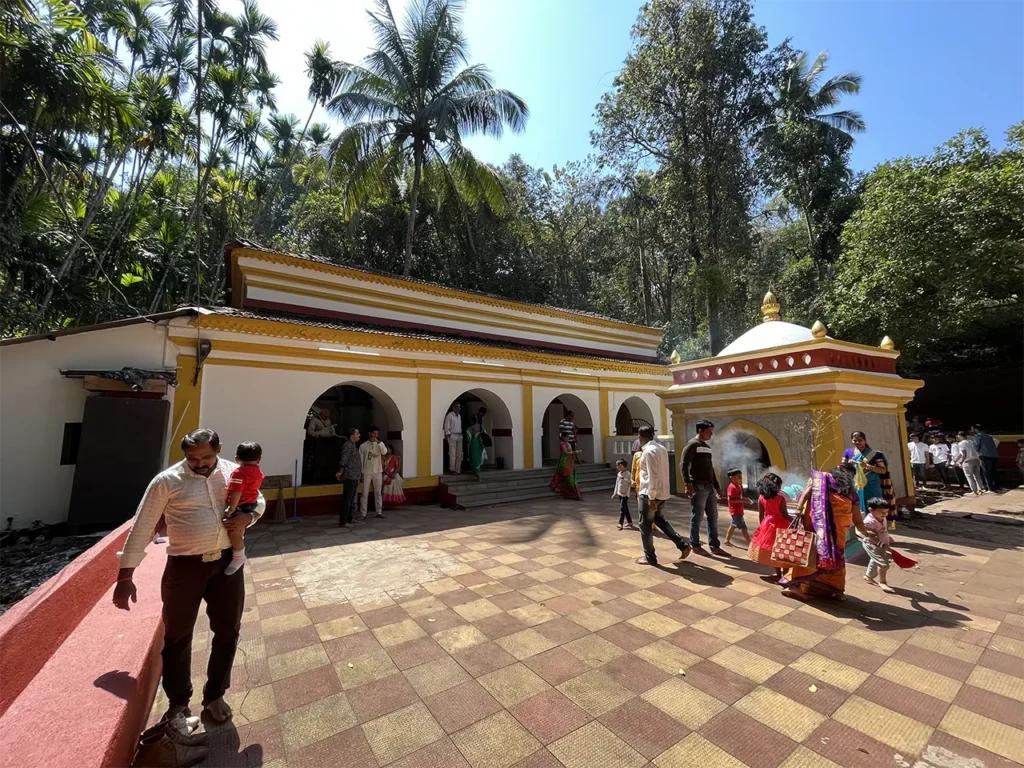
The temple is situated in the peaceful village of Cuncolim, a location steeped in history and natural beauty. Unlike the bustling tourist hubs of North Goa, the atmosphere here is one of deep tranquility and reverence. As you approach the temple complex, the first thing that strikes you is the stark contrast between the vibrant green of the Goan countryside and the pristine white and grey stone structures of the temple. The air is filled with the rhythmic chanting of Vedic hymns and the sweet fragrance of incense, immediately transporting visitors into a state of meditative calm.
For the local Goan Hindu community, the Tirupati Balaji Temple is more than just a place of worship; it is a cultural landmark that integrates South Indian Vaishnavite traditions with the local spiritual fabric. For travelers, it represents an opportunity to witness the diversity of Indian religious practices within the unique geographical context of Goa. Whether you are a devout follower of Lord Vishnu or a curious traveler interested in sacred architecture, the Tirupati Balaji Temple provides an enriching experience that lingers long after you have left its hallowed precincts.
The temple complex is meticulously maintained, featuring lush gardens, clean walkways, and a sense of order that mirrors the discipline of the original Tirumala temple. It serves as a sanctuary for those looking to escape the sensory overload of modern life. In a state where the "Susegad" lifestyle (a relaxed, laid-back attitude) prevails, the Tirupati Balaji Temple adds a layer of disciplined spirituality, making it a must-visit destination for anyone exploring the cultural heart of South Goa.
History & Religious Significance
The history of the Tirupati Balaji Temple in Goa is relatively modern compared to the ancient temples of the region, yet its religious significance is deeply rooted in centuries-old traditions. The temple was envisioned and constructed by the Tirumala Tirupati Devasthanams (TTD), the trust that manages the original temple in Andhra Pradesh. The primary motivation behind its establishment was to provide devotees in Western India, particularly in Goa and neighboring Maharashtra and Karnataka, with a local sanctum where they could offer prayers to Lord Venkateswara without having to undertake the long journey to the Tirumala hills.
The religious significance of the temple is tied to the concept of Lord Venkateswara as the "Kalyug Varada"—the deity who grants boons and protects his devotees during the Kali Yuga (the current age in Hindu cosmology). The consecration of the temple followed strict Agamic rituals, ensuring that the spiritual energy of the site is aligned with the traditions of the Vaikhanasa Agama, which governs the worship at Tirumala. This makes the Goan temple a "Pratishtha" (established) seat of the Lord, where the divine presence is believed to be just as potent as in the original shrine.
Cuncolim, the village where the temple is located, holds its own historical weight. It was the site of the famous 1583 Cuncolim Revolt, one of the earliest instances of organized resistance against colonial rule in India. By establishing a major Hindu pilgrimage site here, the TTD and the local community have reinforced the cultural and religious identity of the region. The temple stands as a symbol of the enduring nature of Hindu dharma in a land that has seen significant cultural shifts over the centuries.
Furthermore, the temple plays a vital role in the Vaishnavite movement within Goa. While Goa has many ancient temples dedicated to Lord Shiva, Goddess Shantadurga, and Lord Mangesh, the Tirupati Balaji Temple introduces a distinct South Indian flavor of Vishnu worship. It serves as a melting pot where Goan Konkani traditions meet the Dravidian spiritual practices of Andhra Pradesh and Tamil Nadu. This cross-cultural religious exchange has enriched the local spiritual landscape, making the temple a focal point for unity and communal harmony.
Architecture of Tirupati Balaji Temple Goa
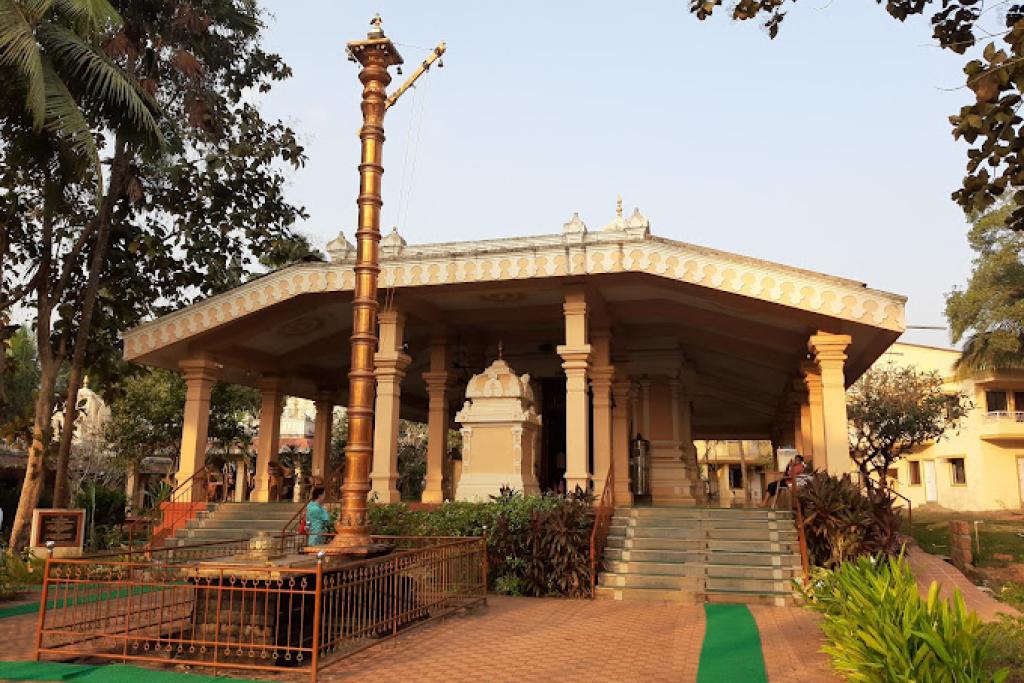
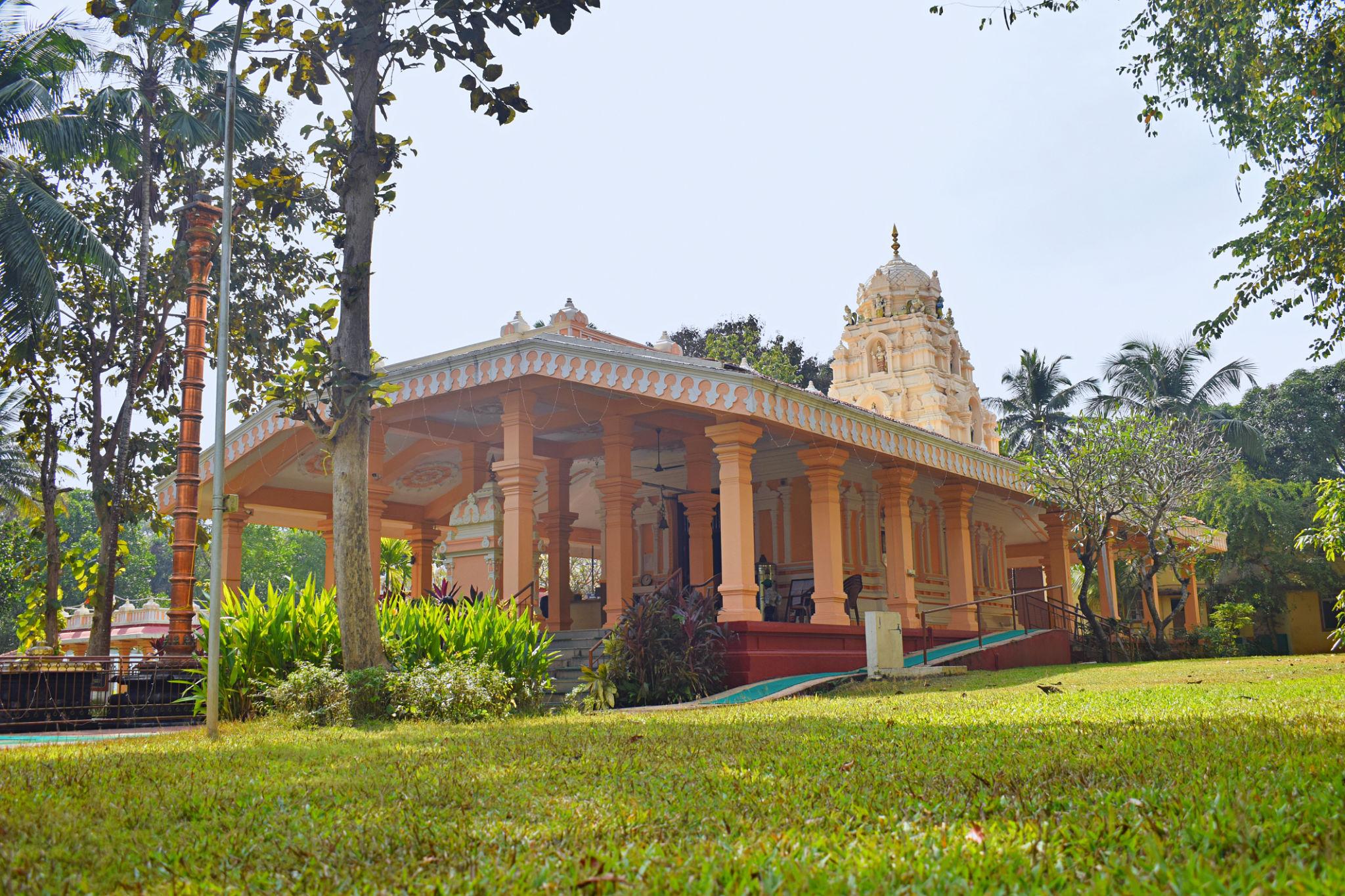
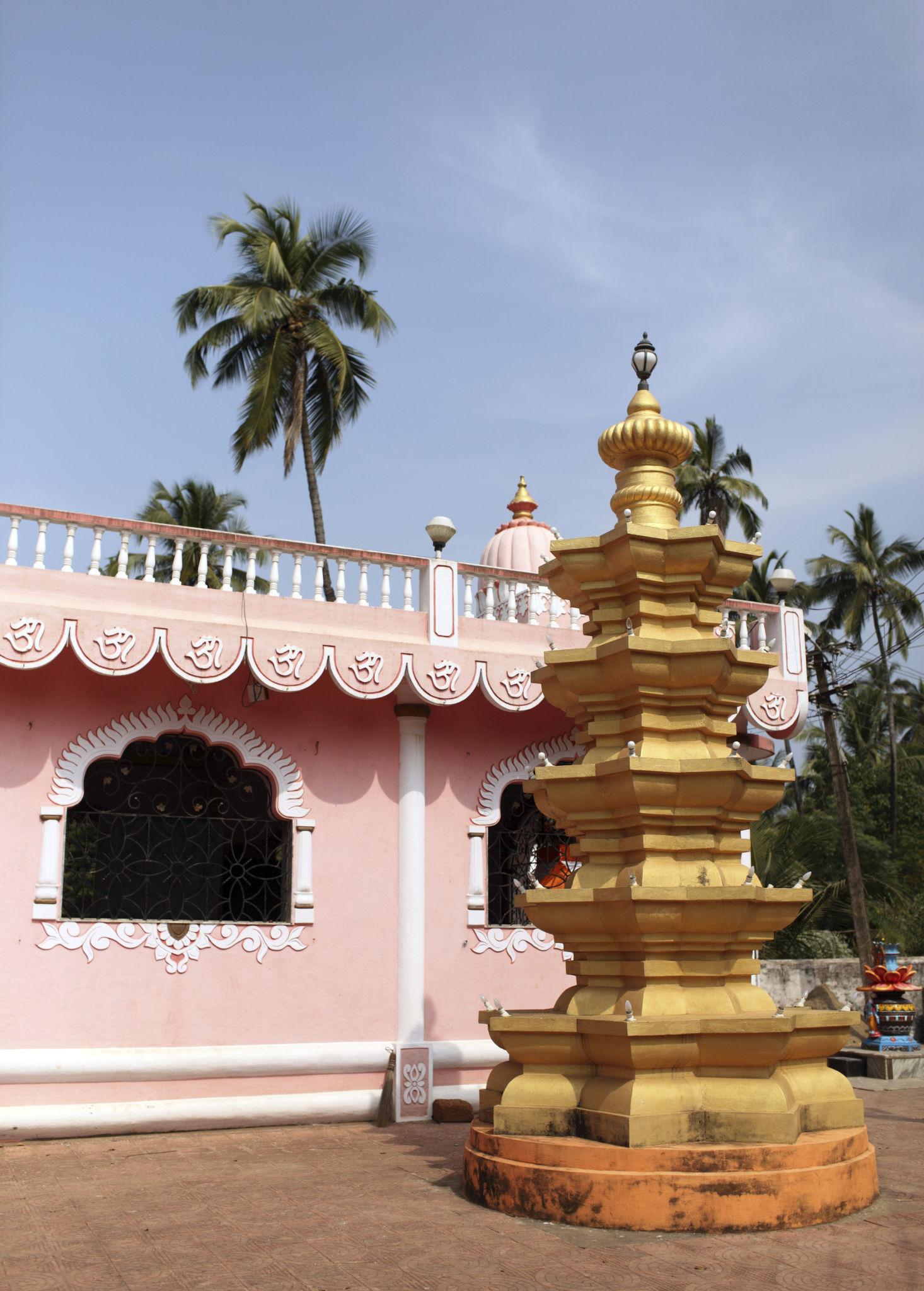
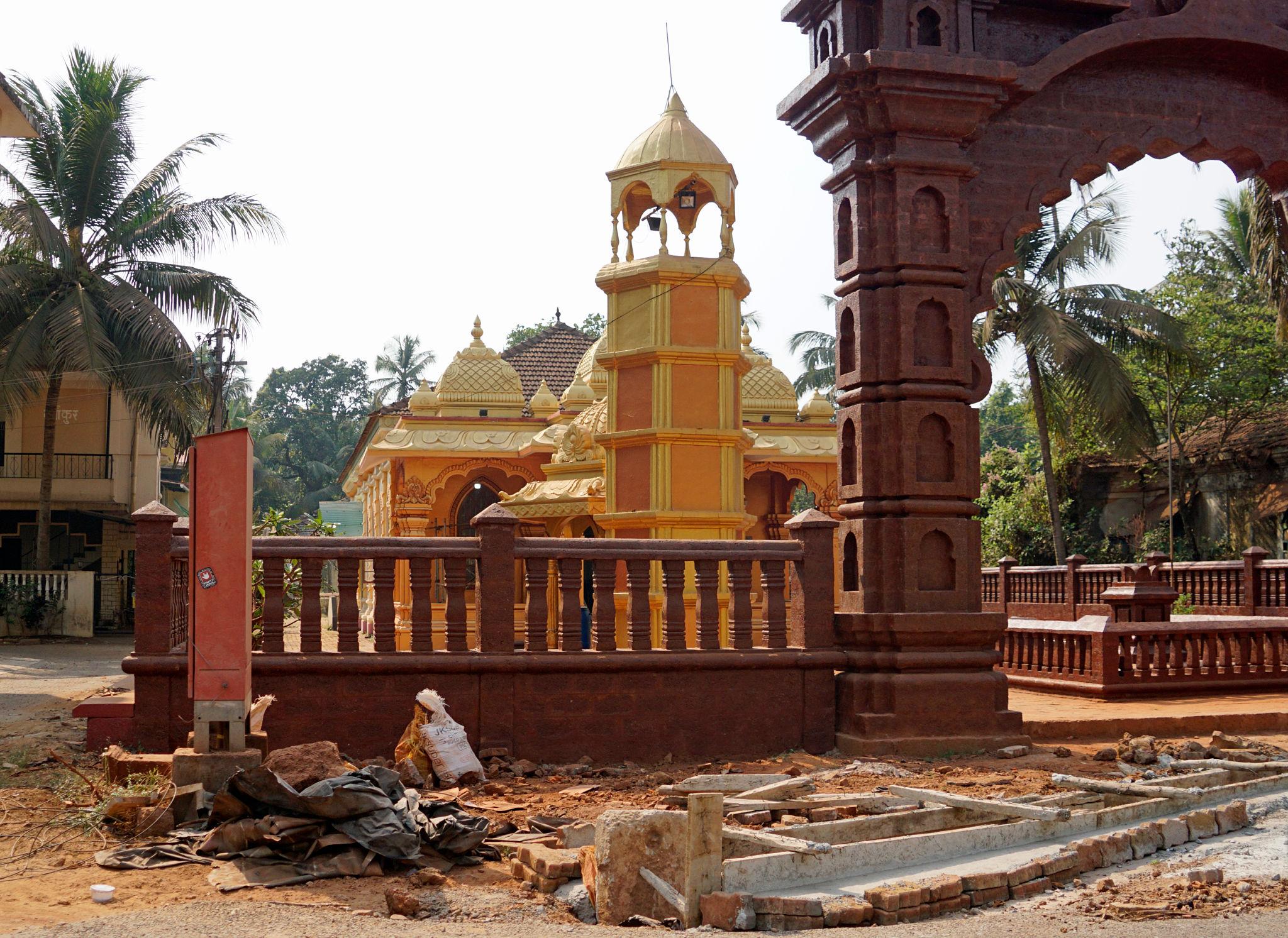
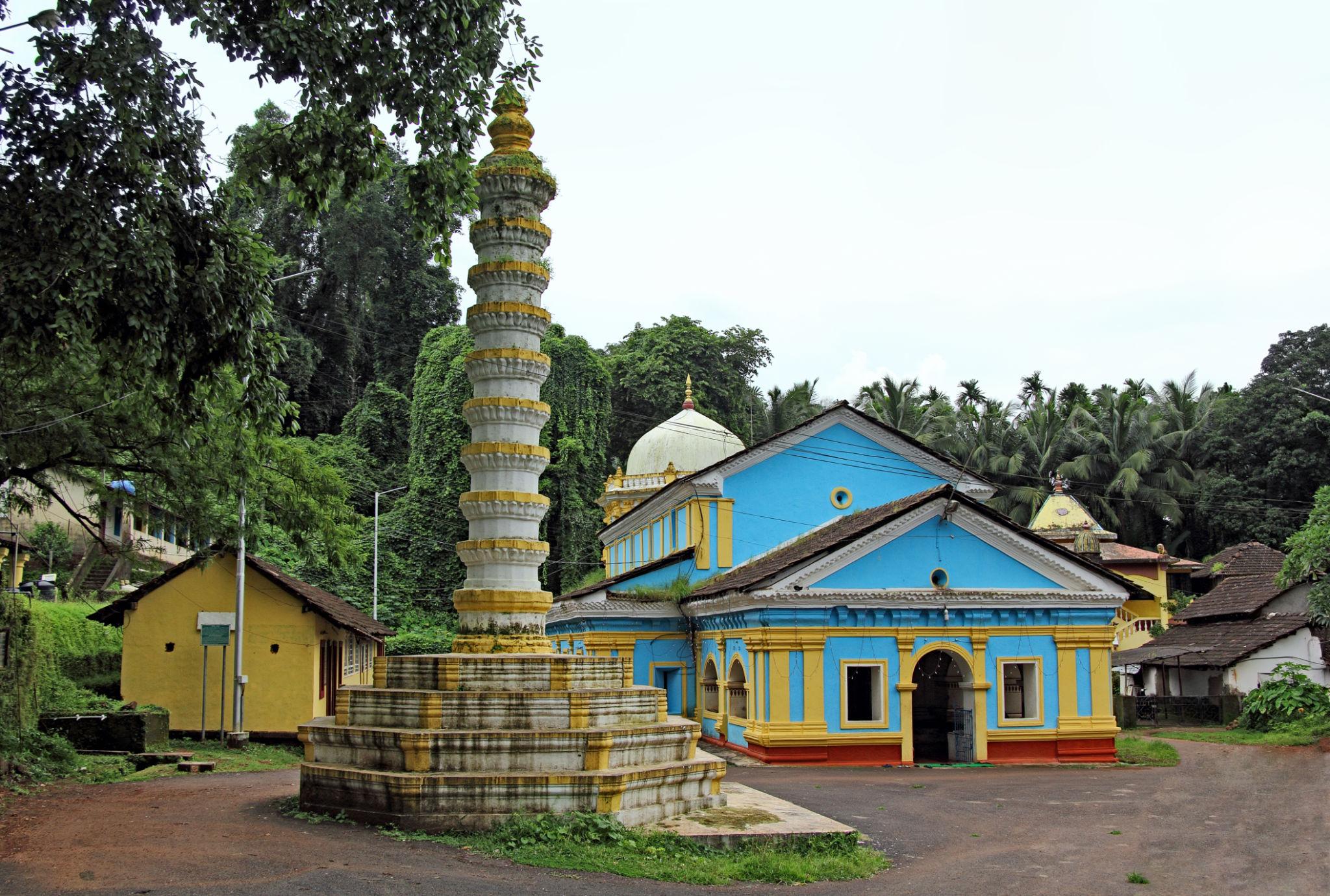
The architecture of the Tirupati Balaji Temple in Goa is a stunning display of the Dravidian style, characterized by its towering structures, intricate carvings, and mathematical precision. Unlike the traditional Goan Hindu temples, which often feature a blend of Indian and Portuguese architectural elements (such as the "Deepastambha" or lamp tower and tiled roofs), this temple remains strictly faithful to the South Indian temple-building canons set forth in the Shilpa Shastras.
Upon entering the complex, visitors are greeted by the Rajagopuram (the main entrance tower). This multi-tiered structure is adorned with hundreds of finely sculpted figures of deities, celestial beings, and mythological scenes. Each tier is a masterpiece of craftsmanship, painted in subtle yet elegant tones that highlight the detail of the stone work. The Rajagopuram serves as a symbolic threshold, representing the transition from the material world to the divine realm.
The main sanctum, or Garbhagriha, is housed within a structure topped by a Vimana. The Vimana is gilded in gold, shimmering under the Goan sun, and is designed to draw the eye upward toward the heavens. The use of high-quality granite and marble throughout the temple ensures both durability and aesthetic appeal. The pillars in the "Mandapa" (hall) are carved with motifs of the "Dashavatara" (the ten incarnations of Lord Vishnu) and floral patterns that are hallmark features of Vijayanagara-era architecture.
Key architectural features include:
- The Dhvajastambha: A gold-plated flagstaff located in the courtyard, which signifies the presence of the Lord and serves as a focal point during festivals.
- The Bali Peetham: The sacrificial altar where symbolic offerings are made before entering the main hall.
- The Prakaram: The circumambulatory path around the sanctum, designed to allow devotees to perform "Pradakshina" while meditating on the various smaller shrines within the complex.
- The Pushkarini: A sacred water tank located near the temple, which is used for ritual baths and adds to the overall Vastu-compliant layout of the site.
The integration of the temple into the natural topography of Cuncolim is also noteworthy. The architects have ensured that the temple does not overpower the surrounding greenery but rather complements it. The open spaces and wide courtyards allow for natural ventilation, keeping the interiors cool even during the humid Goan summers. The precision with which the idols are placed and the alignment of the temple towards the east reflect the deep understanding of cosmic geometry that is central to Dravidian architecture.
Main Deity / Spiritual Importance
The presiding deity of the temple is Lord Venkateswara, an incarnation of Lord Vishnu. The idol is a breathtaking replica of the "Dhruva Beram" found in Tirumala. Carved from a single block of polished black stone, the deity stands in a majestic posture, known as "Sthanaka Bhangi." Lord Venkateswara is depicted with four arms: the upper two hold the Sudarshana Chakra (the celestial discus) and the Panchajanya Shanka (the divine conch), while the lower hands are in the "Varada Mudra" (granting boons) and "Kati Hasta" (resting on the hip, symbolizing that the ocean of worldly suffering is only hip-deep for those who surrender to Him).
The spiritual importance of the deity lies in the belief that Lord Venkateswara has manifested on earth to guide humanity through the trials of the Kali Yuga. Devotees believe that a single gaze (Darshan) from the Lord can wipe away lifetimes of karma and bring peace to the soul. The idol is adorned with exquisite jewelry, silken vastrams (garments), and fresh flower garlands, particularly the "Tulsi" leaves which are sacred to Vishnu. The "Tilakam" on the Lord’s forehead, made of camphor and sandalwood, is wide and covers the eyes partially, suggesting that the Lord’s power is so immense that it must be shielded for the safety of the devotees.
In addition to the main deity, the temple houses shrines for:
- Goddess Padmavati: The consort of Lord Venkateswara, representing grace and compassion. It is traditional to seek her blessings before or after visiting the main Lord.
- Lord Hanuman: Located at the entrance or in a dedicated corner, representing the ideal devotee and protector.
- Garuda: The divine eagle and vahana (vehicle) of Lord Vishnu, who stands facing the main sanctum in perpetual service.
The spiritual atmosphere is further enhanced by the daily "Sevas" or ritual services. From the Suprabhatam (awakening hymn) in the early morning to the Ekanta Seva (putting the Lord to rest) at night, every ritual is performed with utmost precision and devotion. For many Goans, this temple has become a "Kuladevata" (family deity) equivalent, where they come to perform "Tulabhara" (weighing oneself against offerings like sugar or grain) and other personal vows. The temple serves as a powerful center for "Bhakti Yoga," encouraging a personal and emotional connection with the divine.
Festivals & Celebrations
The Tirupati Balaji Temple in Goa becomes a hub of celestial energy and cultural vibrancy during its various festivals. These celebrations are conducted with the same grandeur and adherence to tradition as seen in Tirupati, drawing thousands of devotees from across the state and beyond.
Brahmotsavam is the most significant festival celebrated at the temple. This multi-day event commemorates the day the temple was consecrated. During Brahmotsavam, the "Utsava Murti" (processional idol) of Lord Venkateswara is taken out on various "Vahanas" (vehicles) such as the Garuda Vahana, Hanuman Vahana, and the Gaja (Elephant) Vahana. The entire temple complex is decorated with elaborate flower arrangements, light displays, and traditional Goan rangolis. The atmosphere is electric with the sound of "Nadaswaram" (traditional wind instrument) and "Thavil" (drums).
Another major highlight is Vaikuntha Ekadashi. It is believed that on this day, the gates of Vaikuntha (Lord Vishnu’s celestial abode) are opened. A special "Vaikuntha Dwaram" (gate) is erected in the temple, and passing through it is considered highly auspicious, symbolizing the soul's journey toward liberation. Devotees often fast and stay awake throughout the night, engaging in "Bhajans" and "Kirtans."
Other important celebrations include:
- Diwali: The festival of lights is celebrated with the "Deepotsavam," where thousands of oil lamps are lit around the temple, creating a mesmerizing sight.
- Ganesh Chaturthi: Being in Goa, the temple also acknowledges the state's biggest festival with special prayers and offerings.
- Ugadi: The Telugu and Kannada New Year is marked with the reading of the "Panchangam" (almanac) and the distribution of "Ugadi Pachadi."
- Kalyanotsavam: A symbolic wedding ceremony of Lord Venkateswara and Goddess Padmavati, which is performed for the well-being of the world and to bless married couples.
During these festivals, the "Annadanam" (offering of free food) is a central feature. Thousands of people are served the "Prasadam," which typically includes the famous Tirupati Laddu, along with South Indian delicacies like Pulihora (tamarind rice) and Pongal. These festivals are not just religious events but social gatherings that reinforce the community's bond and keep the cultural heritage of the region alive.
Best Time to Visit
The best time to visit the Tirupati Balaji Temple in Goa depends largely on what you wish to experience—spiritual fervor, pleasant weather, or the lush natural beauty of the region.
Winter (November to February): This is the peak tourist season in Goa and arguably the most comfortable time to visit the temple. The weather is cool and dry, with temperatures ranging from 20°C to 30°C. This period is ideal for exploring the temple grounds and the nearby attractions of South Goa without the discomfort of heat and humidity. Most of the major festivals, including Vaikuntha Ekadashi, usually fall during these months.
Monsoon (June to September): If you want to see the temple in its most scenic setting, the monsoon is the time to go. The surrounding Western Ghats and the Goan countryside turn a vibrant, pulsating green. The temple, with its white stone architecture, looks stunning against the backdrop of dark rain clouds and misty hills. While the humidity is high and travel might be slightly hindered by heavy rains, the spiritual experience is heightened by the sound of falling rain and the earthy scent of the Goan soil.
Summer (March to May): The summer months in Goa can be quite hot and humid, with temperatures often crossing 35°C. However, if you prefer a quiet visit with fewer crowds, this is a good time. It is highly recommended to visit the temple in the early morning hours (6:00 AM to 8:00 AM) or in the late evening (after 5:00 PM) to avoid the midday sun. The evenings are particularly beautiful as the temple is lit up, and the sea breeze from the nearby coast provides some relief from the heat.
For those specifically looking for a spiritual experience, visiting during the Brahmotsavam or on any Saturday (the day dedicated to Lord Venkateswara) is recommended. However, be prepared for larger crowds and longer waiting times for Darshan on these days.
Timings, Entry Fee & Dress Code
To ensure a smooth and respectful visit to the Tirupati Balaji Temple Goa, it is essential to be aware of the following operational details:
Temple Timings:
- Morning: 6:00 AM to 12:30 PM
- Afternoon Break: The temple remains closed between 12:30 PM and 4:00 PM.
- Evening: 4:00 PM to 8:30 PM
These timings are strictly followed. It is advisable to reach at least 30 minutes before the closing time of each session to ensure you get Darshan. The morning Suprabhatam Seva usually starts around 6:00 AM, which is a wonderful experience for early risers.
Entry Fee:
There is no entry fee to visit the temple. Darshan is free for everyone. However, if you wish to participate in specific "Sevas" (rituals) or "Pujas," there are designated counters where you can pay the prescribed amount and receive a receipt. The proceeds go towards the maintenance of the temple and charitable activities.
Dress Code:
As a place of high religious sanctity, the temple enforces a strict dress code. Modesty is the key requirement:
- For Men: Traditional wear like Dhoti or Mundu with a shirt or a vest is preferred. Trousers and formal shirts are generally allowed. Shorts, sleeveless shirts, and tank tops are strictly prohibited.
- For Women: Sarees, Salwar Kameez, or long skirts with a dupatta are the standard. Half-sarees are also acceptable. Avoid wearing short skirts, tight leggings, or transparent clothing.
If you are not appropriately dressed, you may be denied entry into the main sanctum. It is always better to carry a shawl or a wrap if you are unsure of your attire.
How to Reach Tirupati Balaji Temple Goa
The Tirupati Balaji Temple is located in Cuncolim, South Goa. It is well-connected by various modes of transport, making it accessible from different parts of the state.
By Air:
The Manohar International Airport (Mopa) in North Goa is quite far (about 80-90 km). The Dabolim Airport is much closer, located approximately 40 km from Cuncolim. From Dabolim, you can hire a pre-paid taxi, take a GoaMiles cab, or use the local bus service to reach Margao and then proceed to Cuncolim.
By Rail:
The nearest major railway station is Madgaon (Margao), which is about 12 km from the temple. Margao is a major junction on the Konkan Railway, with trains arriving from Mumbai, Bangalore, Delhi, and Mangalore. From the station, you can easily find rickshaws, taxis, or local buses that ply towards Cuncolim.
By Road:
Cuncolim is situated along the National Highway 66 (NH66), which connects Panjim to Mangalore.
- From Panjim: The temple is about 45 km away. You can take a Kadamba bus heading towards Karwar or Canacona and get down at Cuncolim.
- From Margao: It is a short 20-minute drive. Local buses are frequent and very affordable.
- From Palolem/Canacona: If you are staying in the far south, the temple is about 25 km away, making for a scenic drive through the hilly terrain.
By Private Vehicle/Rental:
Renting a scooter or a car is a popular way to explore Goa. The roads leading to Cuncolim are well-paved and offer beautiful views of the countryside. There is ample parking space available near the temple complex for both two-wheelers and four-wheelers.
Things to Do
A visit to the Tirupati Balaji Temple Goa is not just about a quick prayer; it is a holistic spiritual experience. Here are some things you can do to make your visit more meaningful:
- Attend the Morning Aarti: Witnessing the first rituals of the day is deeply moving. The chanting of the Vedas in the quiet morning air creates a powerful vibration that is hard to describe.
- Participate in Sevas: You can book various sevas like the Archana, Abhishekam, or Kalyanotsavam. Participating in these rituals allows for a more intimate connection with the deity.
- Meditate in the Mandapa: The main hall of the temple is designed to be a quiet space. Find a corner, sit cross-legged, and spend some time in silent meditation or introspection.
- Explore the Temple Gardens: The complex is surrounded by well-manicured gardens and flowering plants. It is a great place for a peaceful walk after your Darshan.
- Enjoy the Prasadam: Don't leave without tasting the temple's "Laddu" and other offerings. The food is prepared with great care and is considered a blessing from the Lord.
- Engage with the Priests: The priests are knowledgeable about the temple's history and the significance of the rituals. If they are not busy, they are often happy to share insights into the temple's traditions.
- Photography (Outdoors): While photography is prohibited inside the sanctum, the exterior of the temple and the Gopurams provide excellent subjects for photography enthusiasts.
Nearby Attractions
The location of the Tirupati Balaji Temple in South Goa makes it a perfect starting point for exploring other hidden gems in the region. Here are some nearby attractions you can visit on the same day:
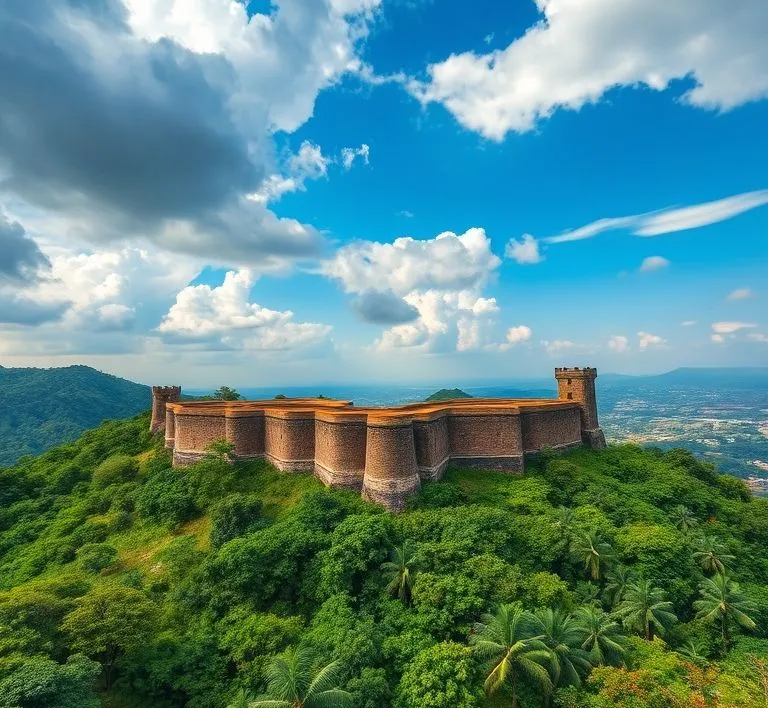
- Cabo de Rama Fort: Located about 15 km away, this historic fort offers stunning views of the Arabian Sea. It is named after Lord Rama, who is believed to have stayed here during his exile.
- Palolem and Patnem Beaches: These are some of Goa's most beautiful and relatively quiet beaches, located about 25 km south of the temple. They are perfect for a relaxing afternoon.
- Cuncolim Martyr’s Memorial: A significant historical site in the village itself, dedicated to the locals who fought against the Portuguese in the 16th century.
- Betul Lighthouse and Beach: A serene spot where the Sal River meets the sea. The lighthouse offers a panoramic view of the coastline.
- Margao City: Explore the cultural capital of Goa, visit the Holy Spirit Church, and shop at the vibrant Margao Market for local spices and handicrafts.
- San Thome Museum: A unique museum in Varca (near Margao) that showcases the evolution of technology and Goan history.
Photography & Visitor Guidelines
To maintain the sanctity and order of the Tirupati Balaji Temple Goa, visitors are expected to follow certain guidelines:
- Photography: Photography and videography are strictly prohibited inside the main sanctum and the inner courtyard. You may take photos of the outer Gopurams and the gardens, but please be respectful of other devotees.
- Mobile Phones: Keep your mobile phones on silent or switched off while inside the temple premises. Using phones for calls inside the prayer halls is considered disrespectful.
- Footwear: Like all Hindu temples, footwear must be removed before entering. There is a designated, safe area to store your shoes at the entrance.
- Silence: Maintain a low volume when speaking. The temple is a place for prayer and meditation; loud conversations can disturb others.
- Offerings: If you wish to offer flowers or coconuts, ensure they are fresh. Avoid bringing plastic bags inside the temple; use eco-friendly baskets if possible.
- Queue System: During busy days, follow the designated queue system for Darshan. Do not try to bypass the line.
- Cleanliness: Do not litter within the temple complex. Use the provided bins for any waste.
Where to Eat Nearby
After a spiritual visit, you might want to indulge in some local or South Indian cuisine. Cuncolim and the surrounding areas offer several options:
- Temple Prasadam: Often, the temple provides a simple but delicious meal (Annadanam) during lunch hours. This is the most authentic experience you can have.
- Local Goan Eateries in Cuncolim: There are several small restaurants along the NH66 that serve traditional Goan Fish Thalis and local snacks like Ros Omelette.
- Margao Restaurants: Since Margao is just 12 km away, you can find a wide variety of dining options there. Ritz Classic is famous for its seafood, while Kamats offers excellent South Indian vegetarian food.
- Beach Shacks in Mobor/Cavelossim: If you head towards the coast (about 10 km away), you can find upscale beach shacks and restaurants serving global cuisine with a view of the sea.
Accommodation Nearby
South Goa offers a range of accommodation options depending on your budget and preference:
- Luxury Resorts: The nearby Cavelossim and Mobor areas host luxury properties like The Leela Goa and Holiday Inn Resort. These are perfect if you want to combine your spiritual visit with a high-end vacation.
- Boutique Hotels: There are several charming boutique hotels in the Salcete area that offer a blend of Goan heritage and modern comfort.
- Budget Guesthouses: Margao has many budget-friendly hotels and guesthouses that are convenient for travelers relying on train or bus transport.
- Homestays: For a more local experience, look for homestays in Cuncolim or nearby villages like Assolna. This allows you to experience Goan hospitality firsthand.
Travel Tips
- Carry Water: While the temple has drinking water facilities, it’s always good to carry your own bottle, especially during the summer months.
- Plan for Traffic: If you are coming from North Goa, plan for at least a 1.5 to 2-hour journey as traffic near Panjim and Margao can be heavy.
- Respect Local Customs: Remember that this is a functioning place of worship, not just a tourist attraction. Be mindful of your actions and body language.
- Use Local Transport: If you are comfortable, using the local buses is a great way to save money and see the real Goa.
- Combine Visits: Since the temple is in South Goa, try to visit the nearby beaches or the Cabo de Rama fort on the same day to make the most of your trip.
Conclusion
The Tirupati Balaji Temple in Goa is a remarkable destination that beautifully illustrates the spiritual diversity of India's smallest state. It stands as a beacon of peace, offering a stark yet harmonious contrast to the typical Goan holiday experience. By bringing the ancient traditions of Tirumala to the lush landscapes of Cuncolim, the temple provides a space where the divine and the natural world meet.
Whether you are drawn by religious devotion, an interest in Dravidian architecture, or simply a desire for a quiet moment of reflection, the temple promises a journey of the soul. Its towering Gopurams, the serene eyes of Lord Venkateswara, and the rhythmic chants of the priests create an atmosphere that is both humbling and uplifting. A visit here is a reminder that Goa is not just about the sea and the sand, but also about the deep-rooted faith and cultural richness that define the heart of India. As you leave the temple gates, you carry with you a sense of "Ananda" (bliss) and the blessings of the Lord of the Seven Hills, making your Goan journey truly complete.