Overview of Swami Samarth Temple
Located in the serene landscapes of Zuarinagar, near the bustling town of Vasco da Gama, the Swami Samarth Temple stands as a beacon of spiritual solace and architectural beauty in the coastal state of Goa. While Goa is globally renowned for its sun-kissed beaches and vibrant nightlife, its spiritual heart beats within the walls of such sacred shrines. This temple is dedicated to Shri Swami Samarth Maharaj, a 19th-century saint who is widely believed to be an incarnation of Lord Dattatreya. For locals and travelers alike, this temple offers a profound sense of peace, away from the typical tourist trails.
The temple serves as a vital spiritual hub for the residents of South Goa, particularly those living in the port city of Vasco and the surrounding industrial belts. It isn't just a place of worship; it is a community center where the philosophy of "Bhiu Nakos, Mi Tuzya Pathishi Aahe" (Fear not, I am behind you) resonates in every corner. The temple complex is meticulously maintained, featuring lush greenery, clean pathways, and an atmosphere that encourages meditation and introspection. Whether you are a devout follower of the Datta Sampradaya or a curious traveler seeking to understand the religious fabric of Goa, the Swami Samarth Temple provides an immersive experience into the state’s Hindu traditions.
The geographical positioning of the temple is also quite strategic. Situated on a hillock or slightly elevated ground in some of its Goan manifestations, the Zuarinagar temple offers views of the surrounding verdant hills. It serves as a bridge between the industrial modernity of the nearby shipyards and the ancient, timeless devotion of the Indian subcontinent. Visitors often remark on the immediate drop in noise levels as they enter the temple gates, replaced by the rhythmic chanting of hymns and the gentle ringing of temple bells.
History & Religious Significance
The history of the Swami Samarth Temple in Goa is deeply intertwined with the life and legacy of Shri Swami Samarth of Akkalkot. Swami Samarth lived during the 19th century and is considered the third incarnation of Lord Dattatreya, following Sripada Srivallabha and Narasimha Saraswati. His life was a series of miracles and teachings aimed at spiritual awakening and social harmony. Although his primary seat of power was in Akkalkot, Maharashtra, his followers spread his teachings across the Konkan region, including the territory of Goa.
The establishment of this specific temple in Goa dates back several decades, born from the devotion of local followers who wanted a dedicated space to practice their faith. In the Goan context, the worship of Swami Samarth gained significant momentum during the mid-20th century. Devotees believe that Swami Samarth’s presence transcends physical boundaries, and his protection is sought by everyone from local fishermen to high-ranking officials. The religious significance of the temple lies in its adherence to the Avadhuta tradition, which emphasizes the oneness of God and the importance of a Guru in one’s life.
Historically, Goa has always been a melting pot of cultures. While the Portuguese influence is visible in the churches of Old Goa, the hinterlands and suburban areas like Zuarinagar have preserved deep-rooted Hindu traditions. The Swami Samarth Temple represents a revival and a steadfast continuation of these traditions. It is said that many devotees have experienced personal transformations and "Anubhavs" (spiritual experiences) within the sanctum, further cementing the temple’s reputation as a "Jagrut Devasthan" (a living, active shrine).
Architecture of Swami Samarth Temple
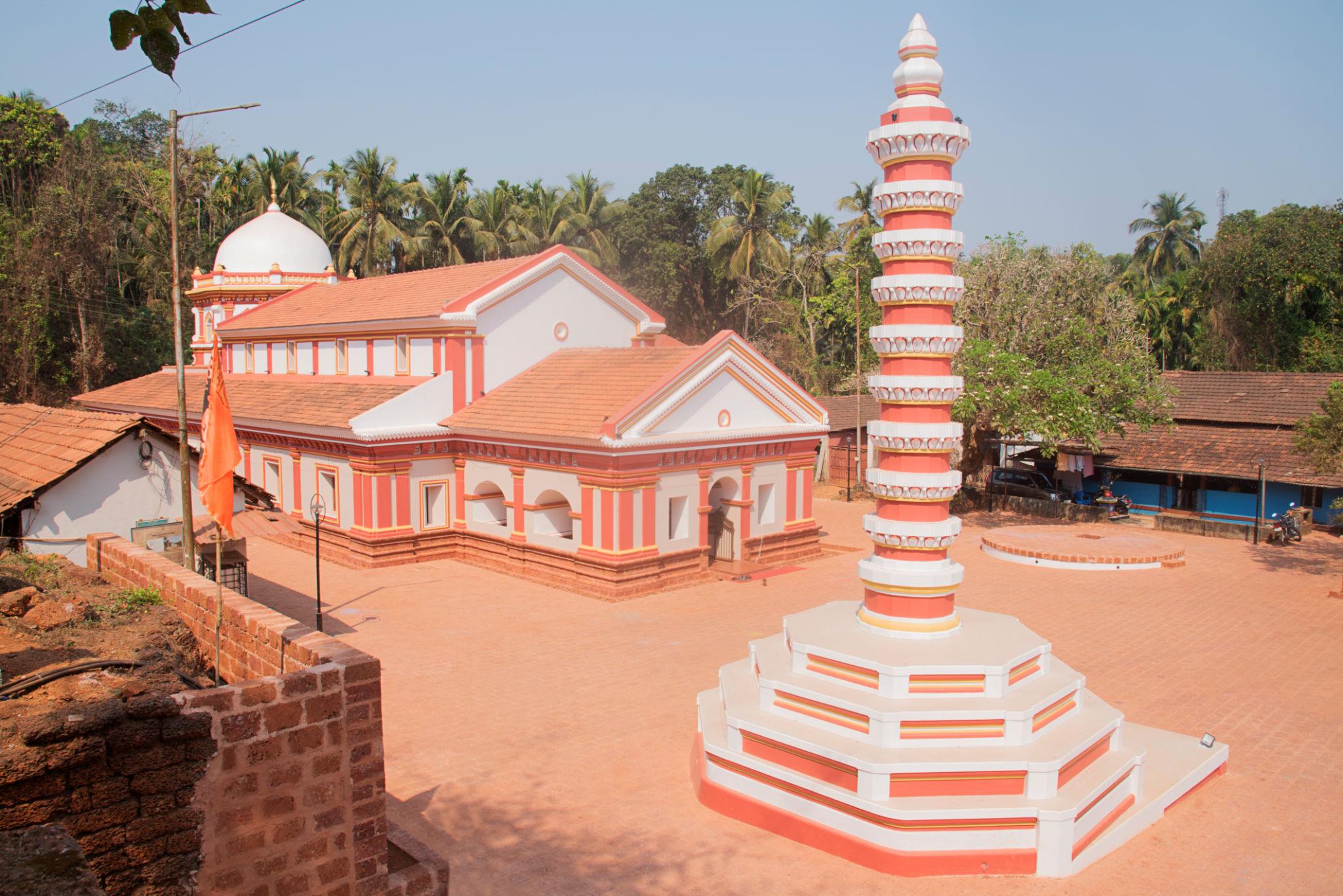
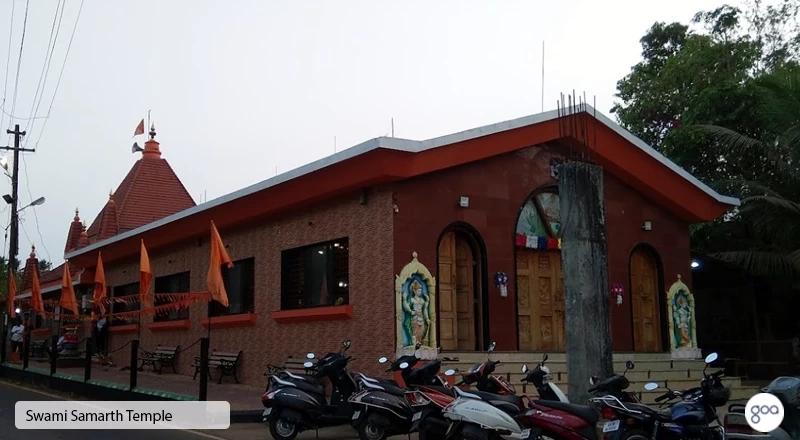
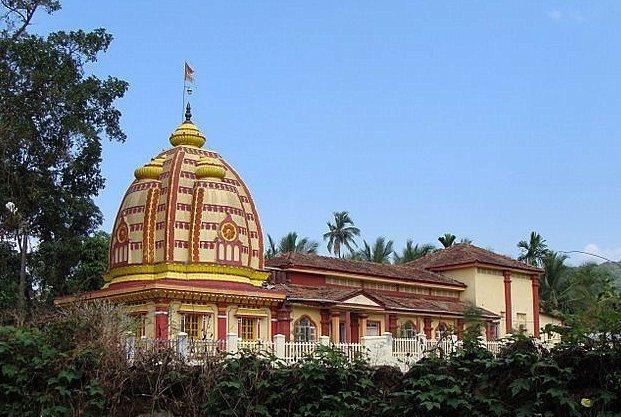
The architecture of the Swami Samarth Temple in Goa is a fascinating blend of traditional Goan temple design and the aesthetic sensibilities of Maharashtrian shrines. Unlike the grand, sprawling complexes of South India, this temple focuses on elegance, symmetry, and functional spiritual space. The most striking feature as you approach the temple is the "Shikhara" (the spire), which is often painted in vibrant white or pastel shades, contrasting beautifully with the deep blue Goan sky.
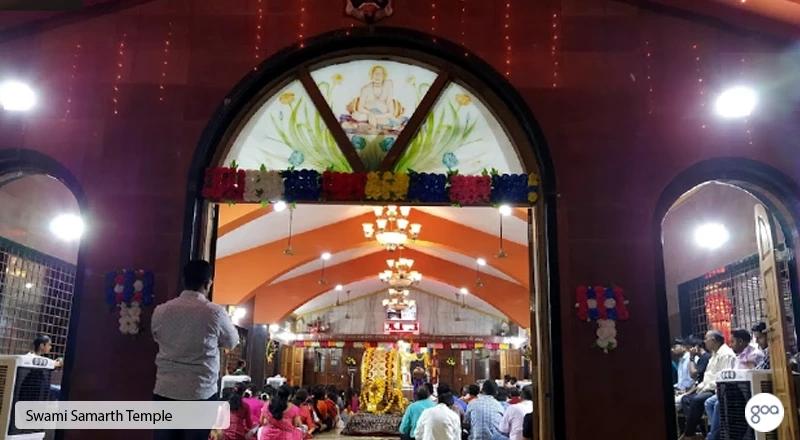
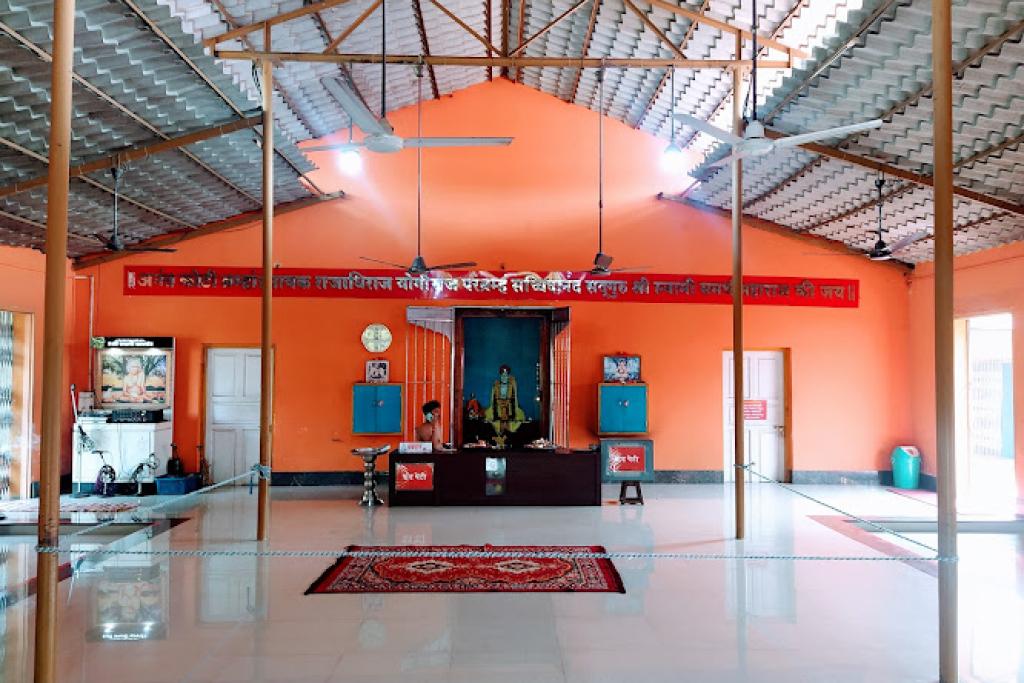
The entrance is usually marked by a "Deepastambha" (lamp tower), a classic element of Goan Hindu architecture. This towering structure, with its multiple tiers for oil lamps, is lit during major festivals, creating a celestial glow that can be seen from a distance. As you move into the main hall or "Sabhamandapa," you will notice the use of high ceilings and large windows, designed to facilitate natural ventilation—a necessity in Goa’s humid tropical climate. The flooring is typically made of cool marble or polished granite, providing relief to barefoot devotees.
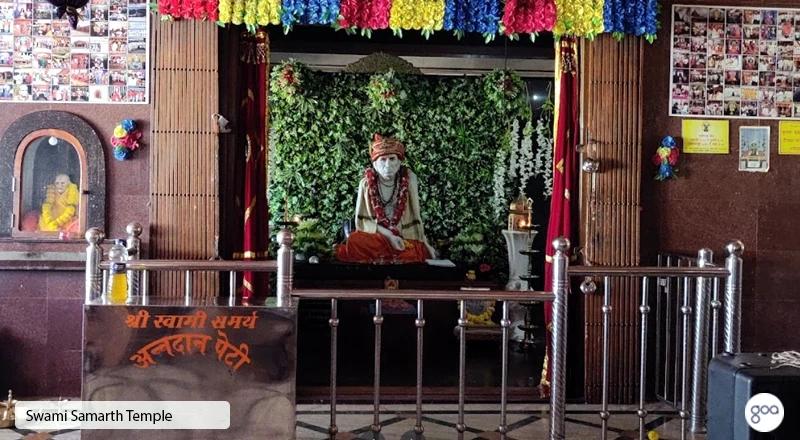
The "Garbhagriha" (sanctum sanctorum) is the heart of the temple. It is designed to draw the eye directly to the idol of Swami Samarth. The use of intricate wood carvings on the doors and pillars is another nod to Goan craftsmanship. You might see motifs of lotus flowers, peacocks, and traditional "vels" (creepers) etched into the wood. The surrounding courtyard is often paved with laterite stones, a local Goan building material known for its durability and reddish hue. This blend of local materials and traditional religious architecture makes the temple a visual delight for those interested in structural design.
Main Deity / Spiritual Importance
The presiding deity of the temple is Shri Swami Samarth Maharaj. The idol is typically depicted in his most famous posture: seated cross-legged, with a calm and benevolent expression, one hand resting on his knee and the other in a gesture of blessing. The idol is usually carved from high-quality white marble or cast in "Panchadhatu" (five metals), and it is adorned with saffron robes and fresh flower garlands daily.
The spiritual importance of Swami Samarth in this temple cannot be overstated. He is viewed as a "Purna Brahma," an absolute manifestation of the divine. Devotees believe that he is the ultimate protector and guide. The presence of the "Padukas" (ceremonial footprints) at the base of the idol or in a separate pedestal is also of great significance. In the Datta Sampradaya, the feet of the Guru are considered the source of all knowledge and salvation. Touching one's forehead to these Padukas is a common ritual for seeking humility and grace.
Another important spiritual element within the temple is the Oudumbar Tree (Ficus racemosa). This tree is considered extremely sacred as it is believed to be the residence of Lord Dattatreya. Devotees often perform "Pradakshina" (circumambulation) around this tree, tying sacred threads or offering water to its roots. The energy of the temple is said to be "Sattvic," meaning it promotes purity, health, and peace of mind. For many, a few minutes of silent meditation in front of the deity is more rejuvenating than any vacation activity.
Festivals & Celebrations
The Swami Samarth Temple comes alive during festivals, transforming into a hub of color, music, and profound devotion. The most significant celebration is the Swami Samarth Prakat Din, which marks the day the saint first appeared in Akkalkot. This festival usually falls in March or April (Chaitra month) and involves elaborate "Abhishek" (ritual bathing of the idol), continuous chanting of "Sri Swami Samarth Jai Jai Swami Samarth," and a massive "Mahaprasad" (communal lunch) where thousands of devotees are fed.
Another major event is Guru Purnima. Given that Swami Samarth is the ultimate Guru for his followers, this day is celebrated with immense fervor. Devotees from all over Goa travel to the temple to offer their gratitude. The atmosphere is thick with the scent of incense and marigolds. Datta Jayanti, the birth anniversary of Lord Dattatreya, is also a key festival, usually occurring in December. During this time, the temple is illuminated with thousands of lamps, and special "Palkhi" (palanquin) processions are held where the deity’s idol or Padukas are carried around the temple premises.
Local Goan festivals like Shigmo and Diwali are also observed with a unique local flavor. During Diwali, the temple is decorated with intricate "Rangoli" designs, and the "Akash Kandils" (lanterns) hang from the ceilings. These celebrations are not just religious but social, bringing together people from different walks of life, reinforcing the Goan spirit of "Goenkarponn" (Goanness) which emphasizes communal harmony and shared joy.
Best Time to Visit
To experience the Swami Samarth Temple in its full glory, the winter months from October to March are ideal. During this period, the weather in Goa is pleasant, with cool breezes and moderate temperatures, making it comfortable to spend time in the open-air sections of the temple. The humidity is significantly lower than in the summer, which is a major plus for those not accustomed to tropical climates.
If you wish to witness the spiritual vibrancy of the temple, visiting on a Thursday is highly recommended. Thursday is considered the day of the Guru (Guruvar) in Hindu tradition, and the temple sees a surge in devotees. Special Aartis and Bhajans are performed throughout the day. For those who prefer a quiet, meditative experience, weekdays (Monday to Wednesday) during the early morning hours (6:00 AM to 8:00 AM) are perfect. The stillness of the morning, coupled with the soft light of the rising sun hitting the temple spire, creates a magical atmosphere.
Visiting during the monsoon season (June to September) has its own charm. The surrounding hills of Zuarinagar turn a brilliant shade of emerald green. While the rain might restrict some outdoor activities, the sound of raindrops falling on the temple roof provides a soothing background for prayer. However, be prepared for heavy downpours and carry appropriate rain gear.
Timings, Entry Fee & Dress Code
The Swami Samarth Temple follows a disciplined schedule to ensure that all rituals are performed on time. Generally, the temple timings are as follows:
- Morning: 6:00 AM to 12:30 PM
- Evening: 4:30 PM to 8:30 PM
Please note that the temple may remain open for longer hours during major festivals like Prakat Din or Guru Purnima. The "Madhyaanh Aarti" (afternoon prayer) usually takes place around 12:00 PM, after which the temple closes for a few hours.
Entry Fee: There is absolutely no entry fee to visit the Swami Samarth Temple. Devotion is the only currency here. While there are donation boxes (Hundi) placed for those who wish to contribute to the temple’s maintenance or charitable activities, it is entirely voluntary.
Dress Code: As with most religious sites in Goa, a modest dress code is expected. Visitors should avoid wearing shorts, sleeveless tops, or revealing clothing. Men are encouraged to wear trousers or traditional dhotis/kurtas, while women typically wear sarees, salwar kameez, or long skirts. It is mandatory to remove your footwear before entering the main temple hall. There are designated racks available for storing shoes safely.
How to Reach Swami Samarth Temple
The Swami Samarth Temple in Zuarinagar is well-connected and easily accessible by various modes of transport. Its proximity to major landmarks makes it a convenient stop for travelers.
- By Air: The temple is located very close to the Dabolim Airport (GOI). It is approximately a 10-15 minute drive (about 5-7 km) from the airport. You can easily hire a pre-paid taxi or use a ride-sharing app from the airport terminal to reach the temple.
- By Train: The nearest major railway station is Vasco da Gama (VSG), located about 8 km away. Another nearby station is Madgaon (MAO), which is about 25 km away but serves as a major junction for trains coming from Mumbai, Bangalore, and Delhi. From either station, taxis and local buses are readily available.
- By Road: If you are driving from North Goa (Panjim or Calangute), you will head south on the NH66. The temple is located near the Zuarinagar junction, close to the BITS Pilani Goa Campus. The roads are well-maintained, and the drive offers scenic views of the Zuari River bridge.
- By Local Bus: Regular "Kadamba" buses and private buses ply between Panjim, Margao, and Vasco. You can get down at the Zuarinagar bus stop and take a short rickshaw ride or walk to the temple.
Things to Do
A visit to the Swami Samarth Temple can be a multi-faceted experience. Here are some things you can do to make your visit more meaningful:
- Attend the Aarti: The morning and evening Aartis are powerful experiences. The synchronized chanting, the sound of the "Nagada" (drums), and the waving of the camphor lamps create a high-energy environment that is deeply moving.
- Meditation: Find a quiet corner in the Sabhamandapa or near the Oudumbar tree. The temple’s peaceful vibrations make it an excellent spot for practicing mindfulness or silent prayer.
- Participate in Seva: Many devotees choose to perform "Seva" (voluntary service). This could range from helping clean the temple premises to assisting in the kitchen during Mahaprasad. It is a way to practice selflessness.
- Read Spiritual Literature: The temple often has a small desk or shop where you can find books on the life of Swami Samarth, the "Guru Charitra," and other devotional texts. Reading these within the temple precincts adds a layer of understanding to your visit.
- Offer Flowers and Prasad: You can buy fresh flowers and sweets from local vendors outside the temple to offer to the deity. Sharing the "Prasad" with other devotees after the offering is a cherished tradition.
- Photography (External): While photography is usually restricted inside the sanctum, the exterior of the temple and the beautifully landscaped gardens provide great opportunities for photography, capturing the serene Goan temple architecture.
Nearby Attractions
Since the Swami Samarth Temple is located in South Goa, it serves as a great starting point for exploring several other fascinating attractions:
- Naval Aviation Museum: Located just a few kilometers away near Bogmalo, this is one of the only two naval aviation museums in India. It showcases vintage aircraft, engines, and giant machines used by the Indian Navy.
- Bogmalo Beach: A beautiful, crescent-shaped beach that is much quieter than the beaches of North Goa. It’s perfect for a post-temple stroll or a sunset dinner.
- Hollant Beach: Known for being the only beach in Goa where you can see the sunrise, this shallow-water beach is great for a quick dip and is very close to the temple area.
- Velsao Beach: Famous for its white sands and serene atmosphere, this beach is ideal for those looking to escape the crowds.
- Three Kings Chapel: Perched on a hill in Cansaulim, this chapel offers stunning panoramic views of the coastline. It is also famous for its local legends and "haunted" reputation, adding a bit of mystery to your trip.
- Japanese Garden: Located in Vasco, this garden offers a peaceful view of the Arabian Sea and the Mormugao Port.
Photography & Visitor Guidelines
To maintain the sanctity and decorum of the Swami Samarth Temple, visitors are requested to follow certain guidelines. Photography and videography are strictly prohibited inside the "Garbhagriha" (inner sanctum) to ensure that the rituals and the privacy of worshippers are not disturbed. However, you are generally allowed to take photos of the temple’s exterior, the gardens, and the "Deepastambha."
Maintain Silence: The temple is a place for meditation and prayer. Please keep your voice low and ensure your mobile phones are on silent or switched off. Cleanliness: Goa takes great pride in its cleanliness. Do not litter within the temple complex. Use the provided bins for any waste. Respect Local Customs: You might see devotees performing "Angapradakshina" (rolling on the floor) or other intense forms of devotion. Please be respectful and do not obstruct their path or stare. If you are unsure about a particular ritual, it is always best to ask a temple priest or a local devotee politely.
Where to Eat Nearby
After a spiritual visit, you might want to indulge in some local flavors. The area around Zuarinagar and Vasco offers several dining options:
- Local Veg Thalis: Several small eateries near the temple serve authentic Goan Hindu "Veg Thalis." These usually include rice, "Varan" (lentils), a couple of vegetable preparations (Bhaji), "Solkadhi" (a refreshing kokum and coconut milk drink), and a sweet dish.
- Starlight Restaurant: Located on the way to Bogmalo, this is a popular spot for both locals and tourists, offering a mix of Goan and North Indian cuisine.
- Joet’s Bar & Restaurant: If you head to Bogmalo Beach, Joet’s is a great place to enjoy seafood with a view of the ocean.
- Vasco City Eateries: The main town of Vasco has numerous restaurants like "Anantashram," which is famous for its traditional Goan fish thali, though they also have great vegetarian options.
- Street Food: In the evenings, you can find local vendors selling "Ros Omelette" and "Chana Ross" near the Zuarinagar junction, providing a true taste of Goan street culture.
Accommodation Nearby
Whether you are looking for luxury or budget-friendly options, there are plenty of places to stay near the Swami Samarth Temple:
- Bogmallo Beach Resort: A high-end option located right on the beach, offering luxury amenities and great views, just 10 minutes away from the temple.
- Coconut Creek Resort: A boutique resort near Bogmalo that offers a more intimate and tranquil stay experience.
- Hotel Maharaja: Located in Vasco city, this is a reliable mid-range hotel suitable for families and business travelers.
- Guest Houses in Bogmalo: There are numerous budget-friendly guest houses and homestays in the Bogmalo and Chicalim areas, which allow you to experience local Goan hospitality.
- Transit Hotels: Given the proximity to the airport, there are several transit hotels like "The Flora Grand" that offer comfortable rooms for short stays.
Travel Tips
To make your trip to the Swami Samarth Temple smooth and enjoyable, keep these tips in mind:
- Carry Water: The Goan heat can be dehydrating. Always carry a bottle of water, though the temple usually has a filtered water facility.
- Footwear: Wear easy-to-remove footwear like flip-flops or sandals, as you will need to take them off before entering the temple.
- Local Transport: Use the "Goa Miles" app for fair-priced taxi bookings, as local taxis can sometimes be expensive for tourists.
- Respect the Priests: The temple priests (Pujaris) are generally very helpful. If you wish to perform a specific "Puja," you can approach them, and they will guide you through the process.
- Combine your Visit: Since the temple is close to the airport, it’s a perfect place to visit either right after you land or just before you head to the airport for your departure flight, providing a peaceful start or end to your Goa trip.
- Cash: While many places in Goa now accept digital payments, it’s always good to carry some cash for small offerings or local transport.
Conclusion
The Swami Samarth Temple in Goa is more than just a religious site; it is a sanctuary of peace that reflects the spiritual depth of the Goan people. In a state that is often pigeonholed as a party destination, this temple reminds us of the quiet, devotional side of coastal India. Its beautiful architecture, rooted in local traditions, and the powerful presence of Shri Swami Samarth Maharaj make it a must-visit for anyone seeking a holistic experience of Goa.
Whether you are standing in the shadow of the Deepastambha, listening to the evening Aarti, or simply sitting under the sacred Oudumbar tree, the temple offers a chance to reconnect with your inner self. It is a place where the worries of the world seem to fade away, replaced by the reassuring promise of the Guru: "Bhiu Nakos, Mi Tuzya Pathishi Aahe." As you leave the temple gates and head back towards the beaches or the airport, you carry with you not just memories of a beautiful structure, but a sense of calm and a renewed spirit. A visit here is a journey into the heart of Goan spirituality, an experience that stays with you long after you have left the shores of this beautiful state.