Overview of St. Jacinto Church
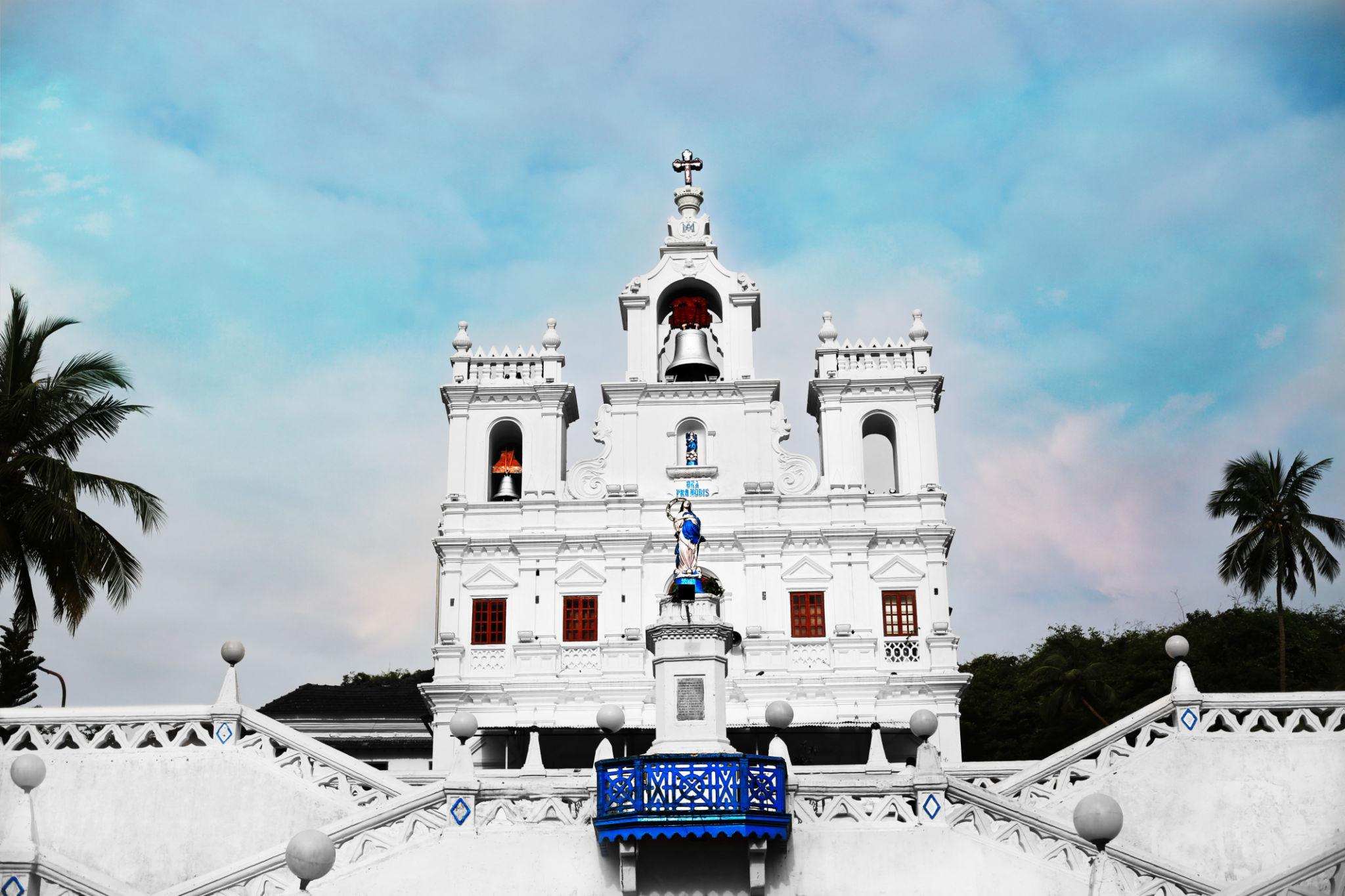
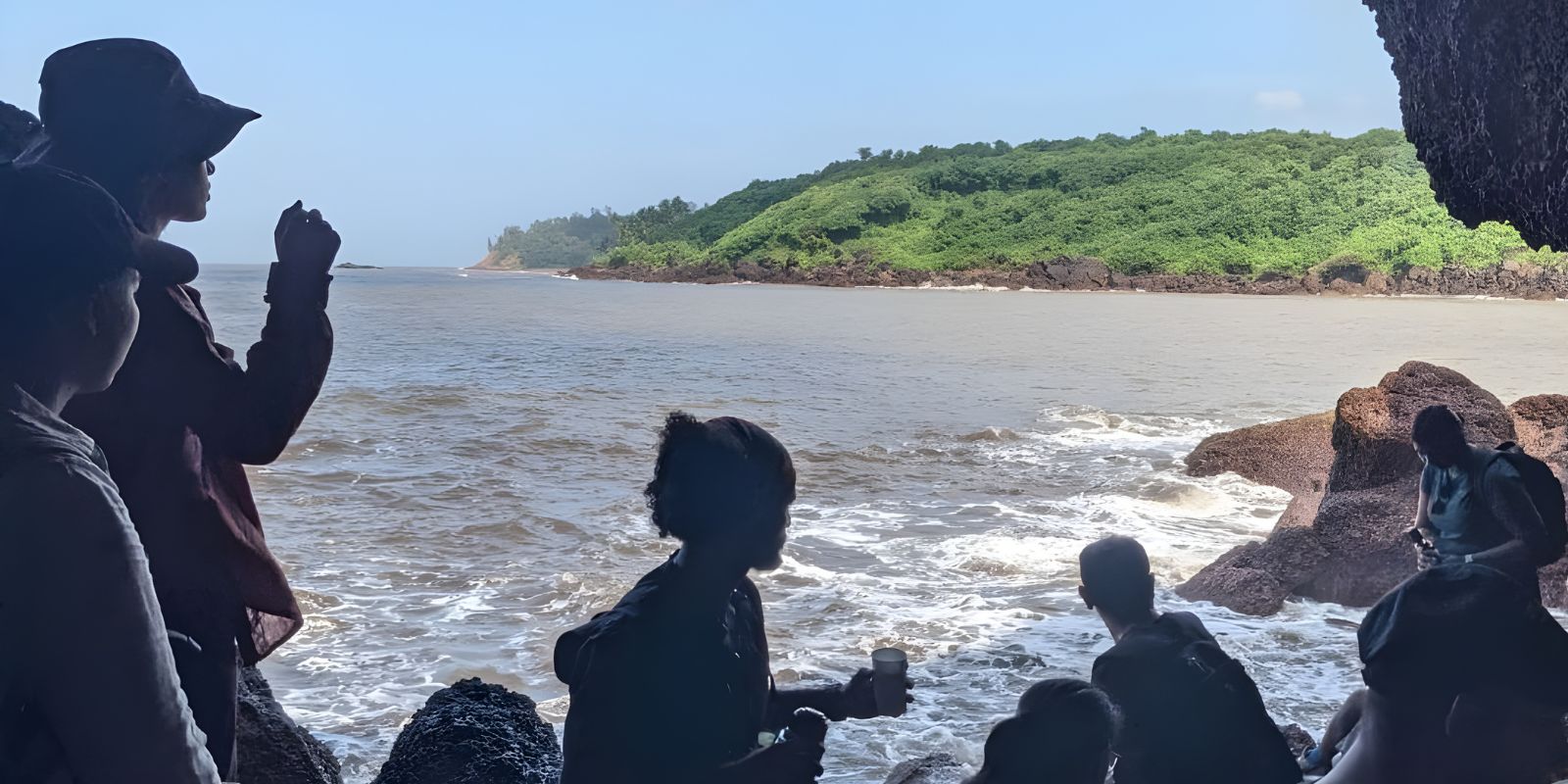
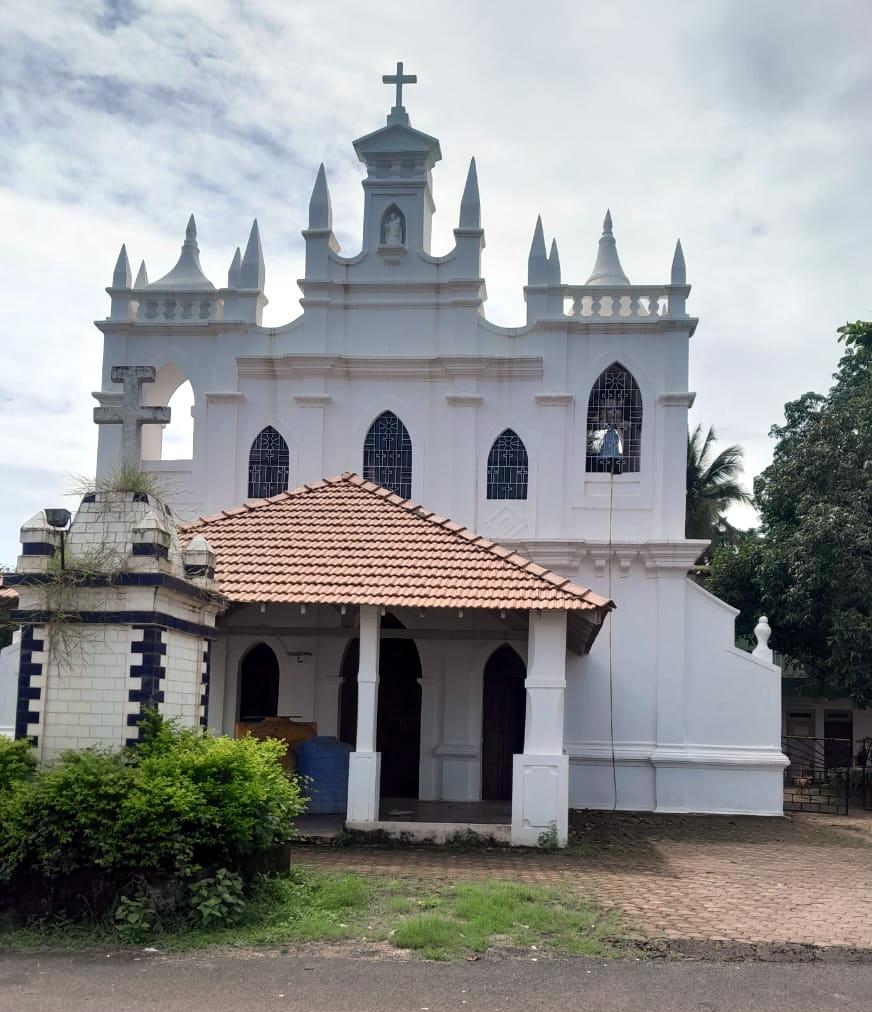
Nestled on the picturesque and serene St. Jacinto Island (locally known as San Jacinto), the St. Jacinto Church stands as a beacon of faith, history, and community resilience. Located in the Mormugao taluka of South Goa, this stunning white-washed structure overlooks the vast expanse of the Zuari River, offering a panoramic view that captures the very essence of Goa’s coastal charm. Unlike the bustling tourist hubs of North Goa, St. Jacinto Island and its eponymous church offer a sanctuary of peace, where the rhythmic sound of the river waves and the whispering palm fronds replace the noise of commercialization.
The church is not merely a religious building; it is the heart of a tiny, tight-knit community that has famously resisted large-scale industrial and commercial development to preserve the ecological and spiritual sanctity of their home. To reach the church, visitors must cross a silver-grey bridge that connects the island to the mainland at Chicalim. As you cross this bridge, the sight of the St. Jacinto Church, with its elegant facade reflecting in the shimmering waters, creates an almost ethereal atmosphere. It serves as a spiritual landmark for the local fishing and farming families who have inhabited the island for generations, maintaining a lifestyle that remains deeply rooted in Goan Catholic traditions.
Top Goa Experience • Part 1
Highly Recommended Near St. Jacinto Church
Explore All
For the traveler seeking a deeper connection with Goa’s soul, St. Jacinto Church provides an opportunity to witness "Old Goa" in its most authentic form. The island itself is a lush green emerald, and the church is its crowning jewel. Whether you are a history buff, an architecture enthusiast, or a spiritual seeker, the church offers a unique blend of aesthetic beauty and profound quietude. It is a place where time seems to slow down, allowing one to reflect on the historical layers of the Portuguese era and the enduring spirit of the local Konkani people.
History & Religious Significance
The history of St. Jacinto Church is inextricably linked to the history of the islanders themselves. While the current structure dates back to the 19th century—specifically around 1830—the spiritual roots of the site go back much further. During the Portuguese colonization of Goa, which began in 1510, missionary activities spread rapidly across the Velhas Conquistas (Old Conquests). The Dominicans were particularly active in this region, and it is believed that the devotion to St. Hyacinth (Sao Jacinto) was introduced by them.
Recommended Guide
10 Interesting Facts About Goa That Will Blow Your Mind
Discover 10 fascinating facts about Goa from Portuguese history & architecture to hidden beaches, cheap alcohol secrets, and more.
Read Guide →
One of the most significant historical aspects of St. Jacinto Church is not just its construction, but the legendary vow of the islanders. In the early 20th century, specifically around 1927, the inhabitants of the island made a collective and solemn pledge never to sell their land to outside developers or commercial interests. This vow was taken in the presence of their patron saint at the church. They feared that industrialization would destroy their way of life and the natural beauty of the island. To this day, the island remains largely residential and pristine, a testament to the power of a community united by faith and a shared heritage. This "vow" is a cornerstone of the church's religious significance, as the building acts as a guardian of the island’s autonomy.
In the broader context of Goan history, the church represents the transition from the grand, sprawling complexes of Old Goa to the more intimate, community-focused parish churches of the 19th century. It survived the periods of religious upheaval and stands today as a symbol of the survival of the Catholic faith in Goa. The church has seen the transition from Portuguese rule to Indian independence in 1961, yet its internal traditions—the singing of hymns in Konkani, the celebration of the village feast, and the daily Angelus—have remained remarkably consistent.
Recommended Guide
Best Less Crowded Beaches in South Goa
South Goa is famous for its peaceful beaches, natural beauty, clean coastline, and relaxed atmosphere. While North Goa attracts thousands of tourists every...
Read Guide →
Architecture of St. Jacinto Church
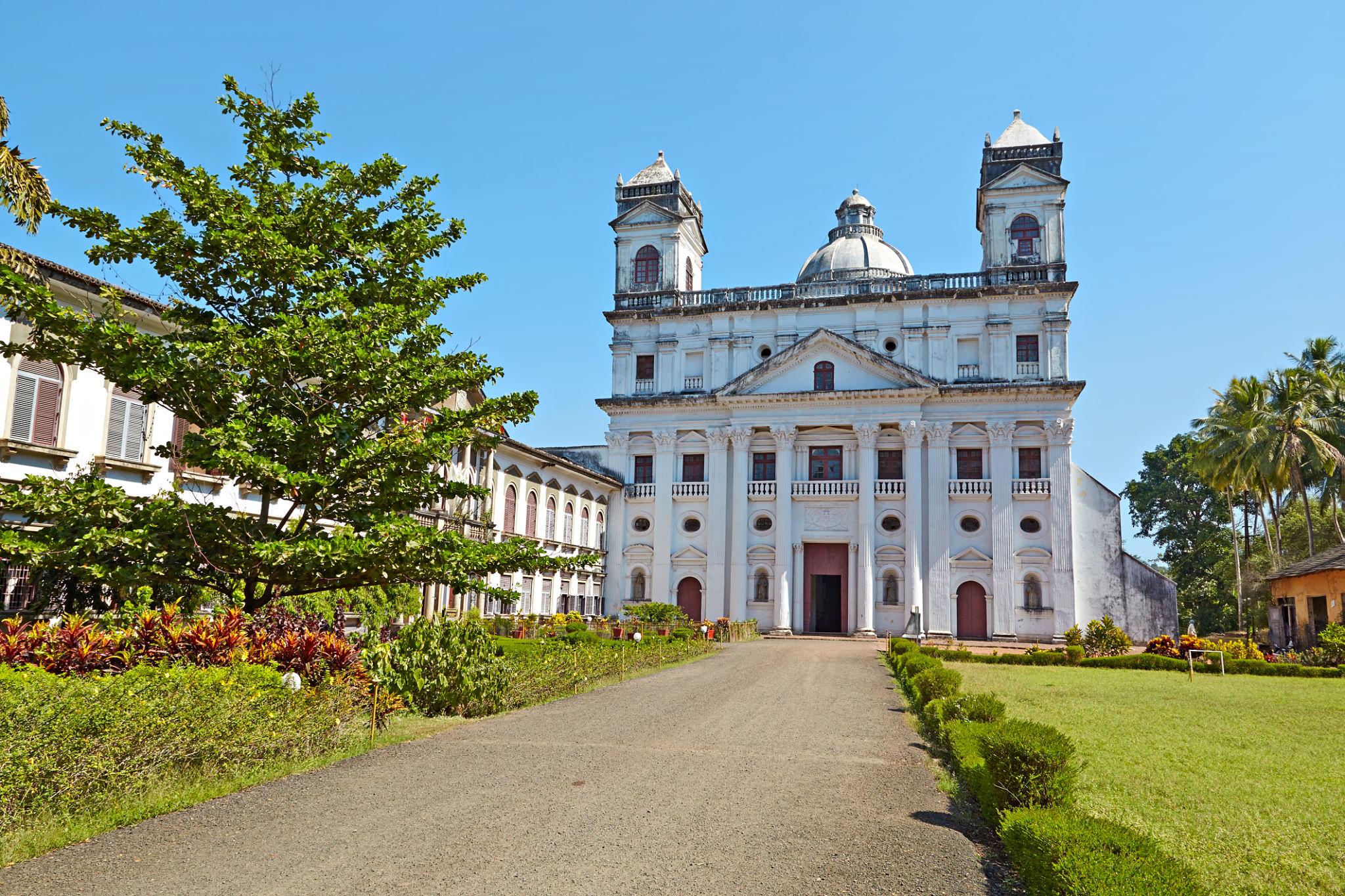
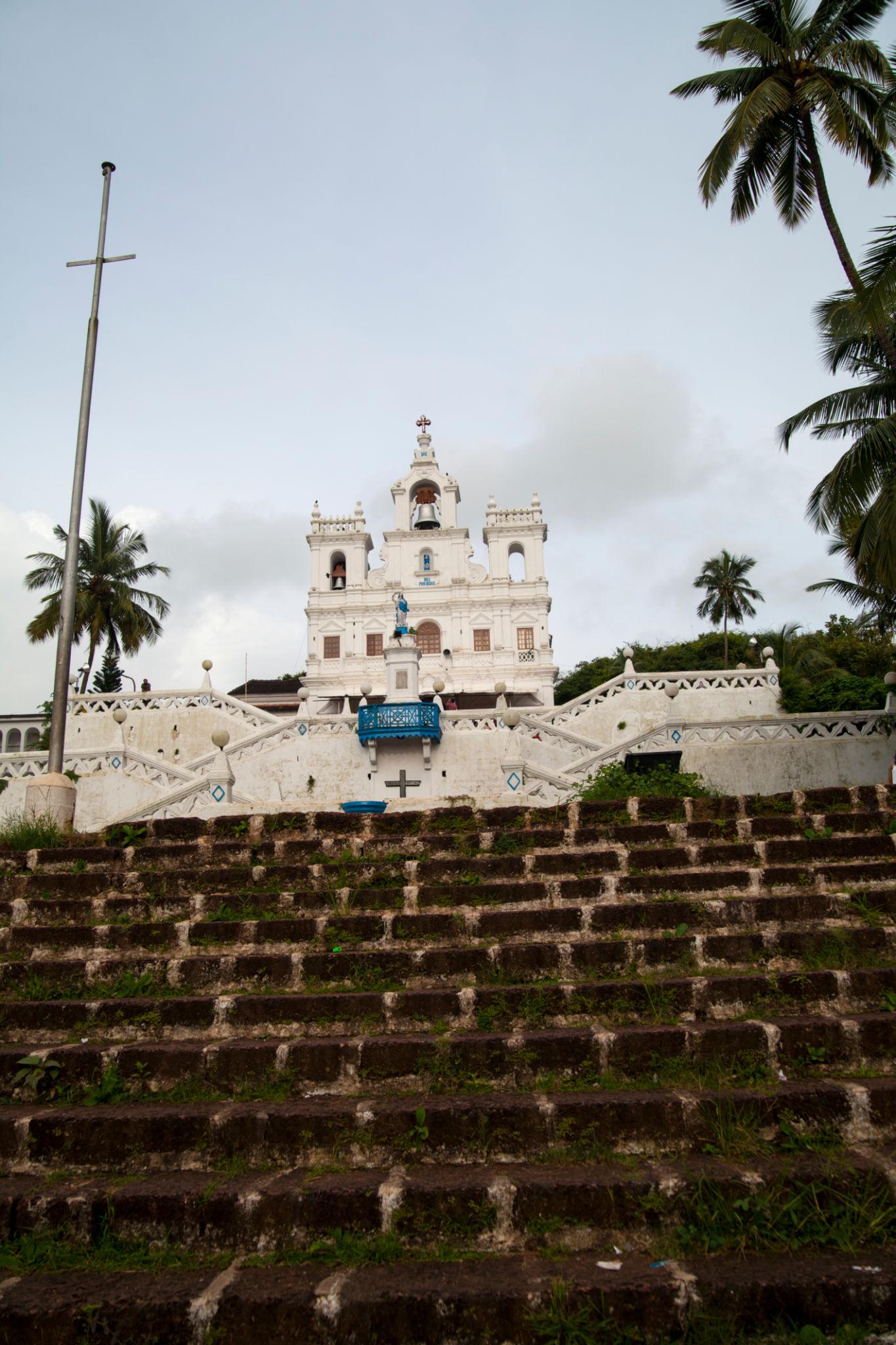
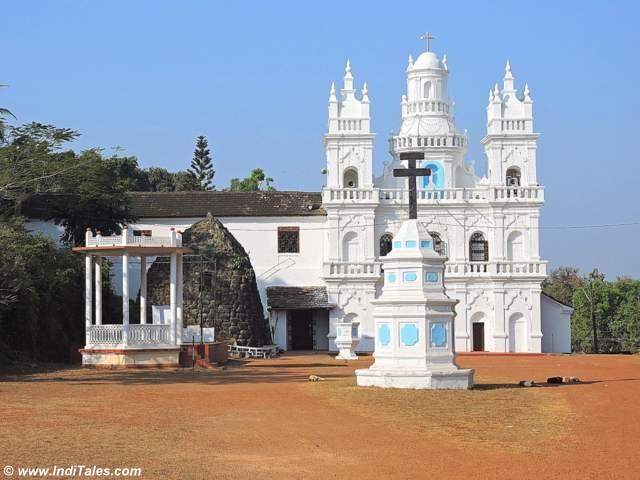
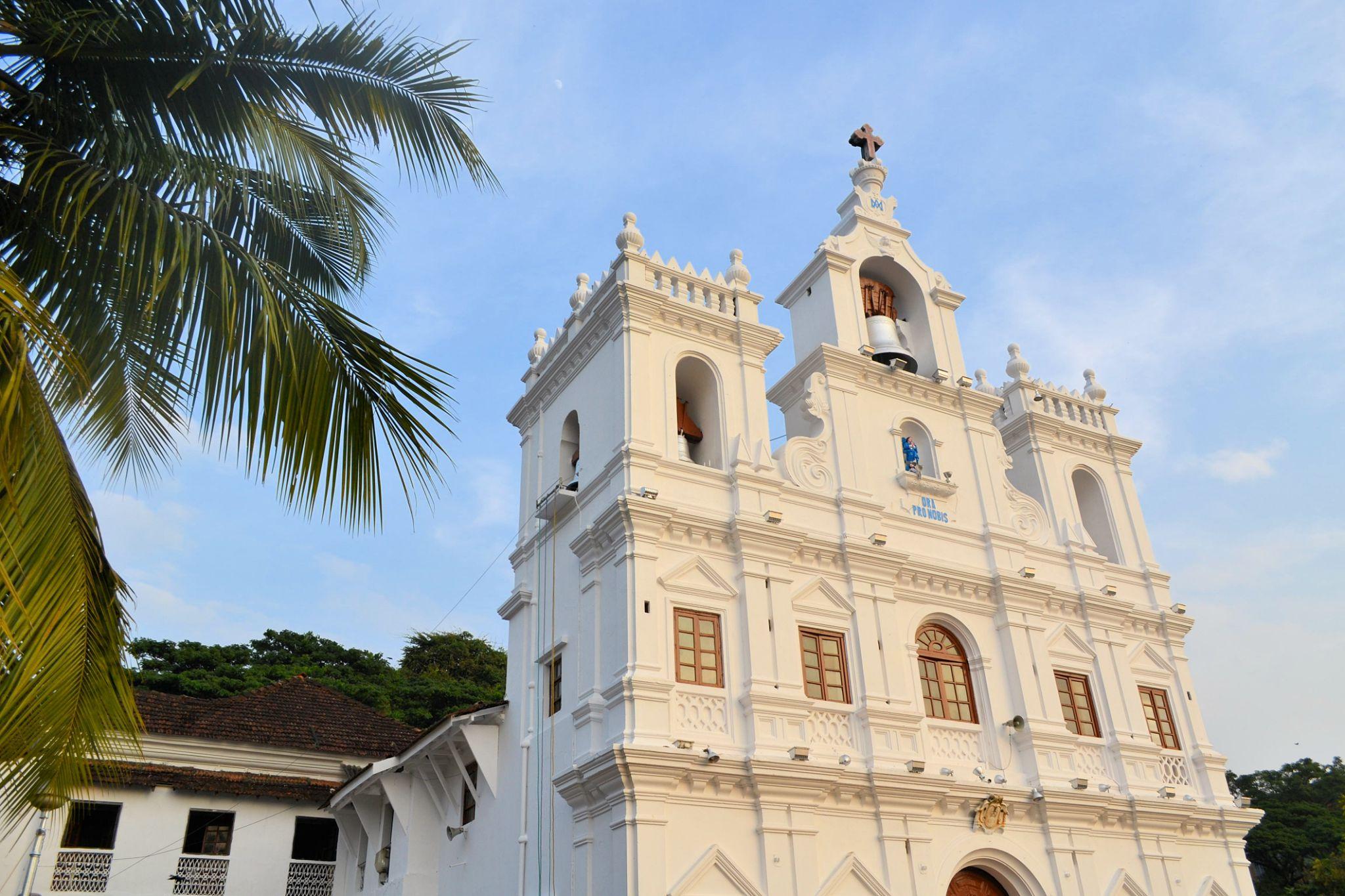
The architecture of St. Jacinto Church is a magnificent example of the Portuguese-Baroque style tempered by local Goan sensibilities. The facade is painted in a brilliant, dazzling white—a traditional practice in Goa where churches are lime-washed annually to protect them from the harsh monsoon rains and to symbolize purity. The church features a classic three-story elevation with a triangular pediment crowning the top, adorned with a decorative cross.
One of the most striking features of the exterior is the bell tower, which is integrated into the main structure. The bells of Goan churches were historically used not just for religious calls but as a means of communication for the village, and the bell at St. Jacinto still rings out across the Zuari River during important liturgical events. The windows are framed with intricate moldings, and the use of oyster shell window panes (mother-of-pearl), though replaced in some sections by glass, can still be seen in parts of the ancillary buildings, reflecting a quintessential Goan architectural element that allowed soft, diffused light to enter the sanctuary.
Recommended Guide
Tourist Season in Goa – Complete Travel Guide for Every Season
The winter season in Goa, stretching from November to February, is widely considered the best and most popular tourist season in Goa. This period attracts...
Read Guide →
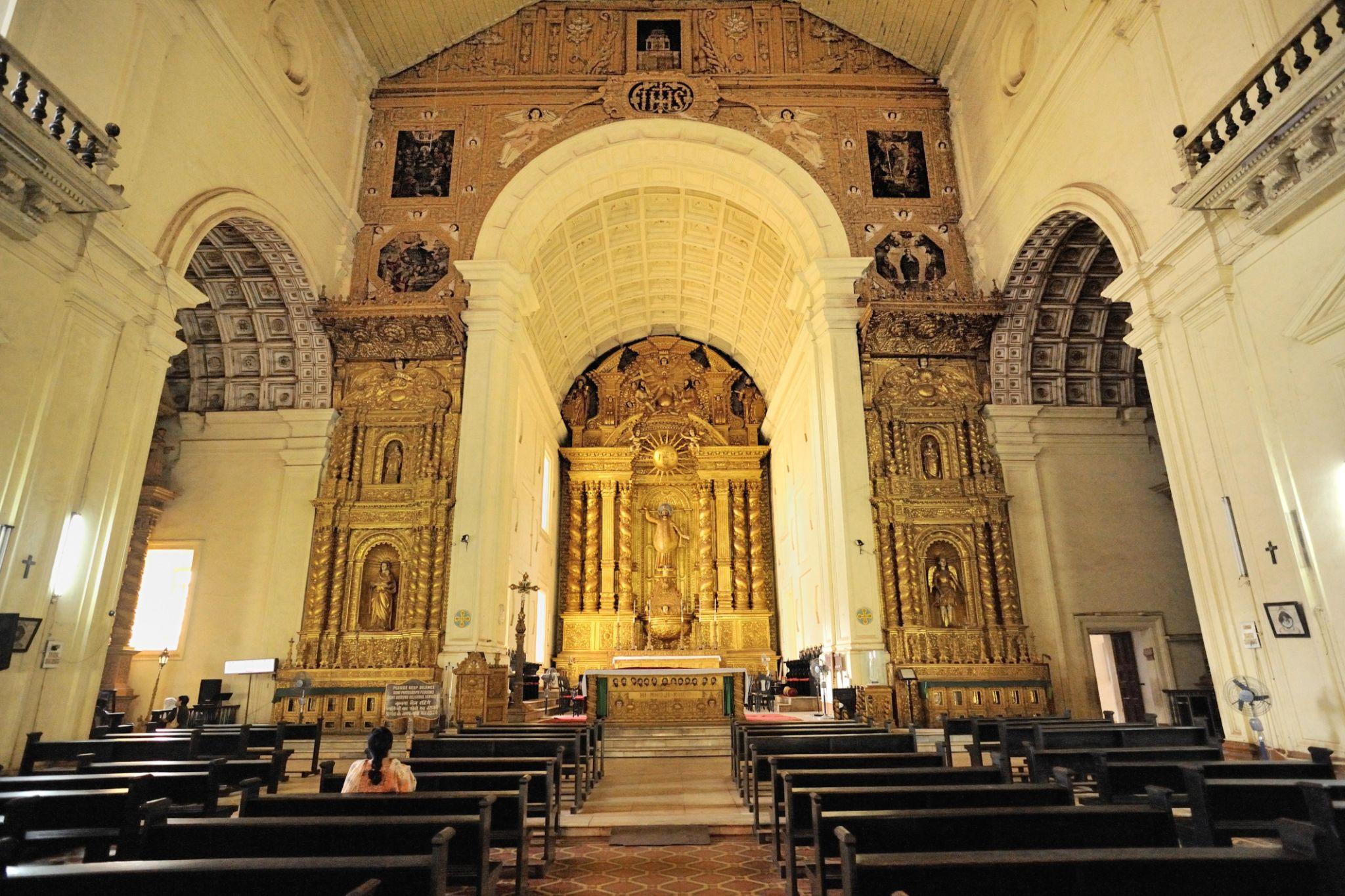
Inside, the church follows a single-nave layout, which is typical of Goan parish churches, ensuring that the congregation's focus is directed entirely toward the High Altar. The interior is a masterclass in wood carving and gilding. The main altar is dedicated to St. Hyacinth and is ornately decorated with floral motifs, scrolls, and cherubs, characteristic of the Rococo influence that followed the Baroque period. The pulpit, located on the side wall, is another highlight, featuring detailed carvings that showcase the craftsmanship of local Goan artisans who blended European designs with indigenous techniques. The vaulted ceiling and the cool stone flooring provide a physical relief from the tropical heat, creating an atmosphere conducive to silent prayer and meditation.
Top Goa Experience • Part 2
Highly Recommended Near St. Jacinto Church
Explore All
Main Deity / Spiritual Importance
The church is dedicated to St. Hyacinth of Poland (Sao Jacinto), a Dominican confessor who is often referred to as the "Apostle of the North." St. Hyacinth is celebrated for his missionary zeal and his role in spreading the Catholic faith across Northern Europe. In the Goan context, his patronage of this island church is unique, as he is not as common a patron saint in India as St. Francis Xavier or St. Anthony.
The spiritual importance of St. Jacinto to the locals cannot be overstated. He is viewed as the Protector of the Island. Local folklore and oral traditions suggest that the saint has intervened multiple times to protect the island from natural disasters and external threats. For the devotees, the statue of St. Hyacinth, usually depicted holding a monstrance and a statue of the Blessed Virgin Mary, represents the strength of faith in the face of adversity. This iconography stems from a legend where St. Hyacinth saved the Blessed Sacrament and a statue of Mary from a Mongol invasion by miraculously walking across a river—a fitting symbol for a church situated on an island surrounded by water.
The spiritual life of the parish revolves around the Eucharist and the Rosary. The islanders have a deep-seated devotion to the Virgin Mary, and the church serves as the focal point for the "Ladainha" (Konkani for Litany), which is often sung in the traditional style. This spiritual connection extends beyond the walls of the church to the "Vow" mentioned earlier; the islanders believe that their commitment to the land is a religious duty mandated by their faith and their patron saint.
Festivals & Celebrations
The most vibrant time to visit St. Jacinto Church is during the Feast of St. Jacinto, which is typically celebrated on the last Sunday of September. This feast is a grand affair that brings together current residents and the diaspora of islanders who have moved to other parts of Goa or abroad. The preparations begin nine days in advance with the Novenas, a series of daily masses and prayers that build spiritual anticipation.
On the day of the feast, the island wakes up to the sound of a traditional brass band playing lively marches. A solemn High Mass is celebrated in Konkani, filled with choral music that reflects the rich liturgical heritage of Goa. Following the mass, a grand procession takes place. The statue of St. Jacinto is carried on a decorated palanquin around the church grounds and through parts of the village, accompanied by the faithful holding candles and singing hymns. The sight of the procession against the backdrop of the river is truly spectacular.
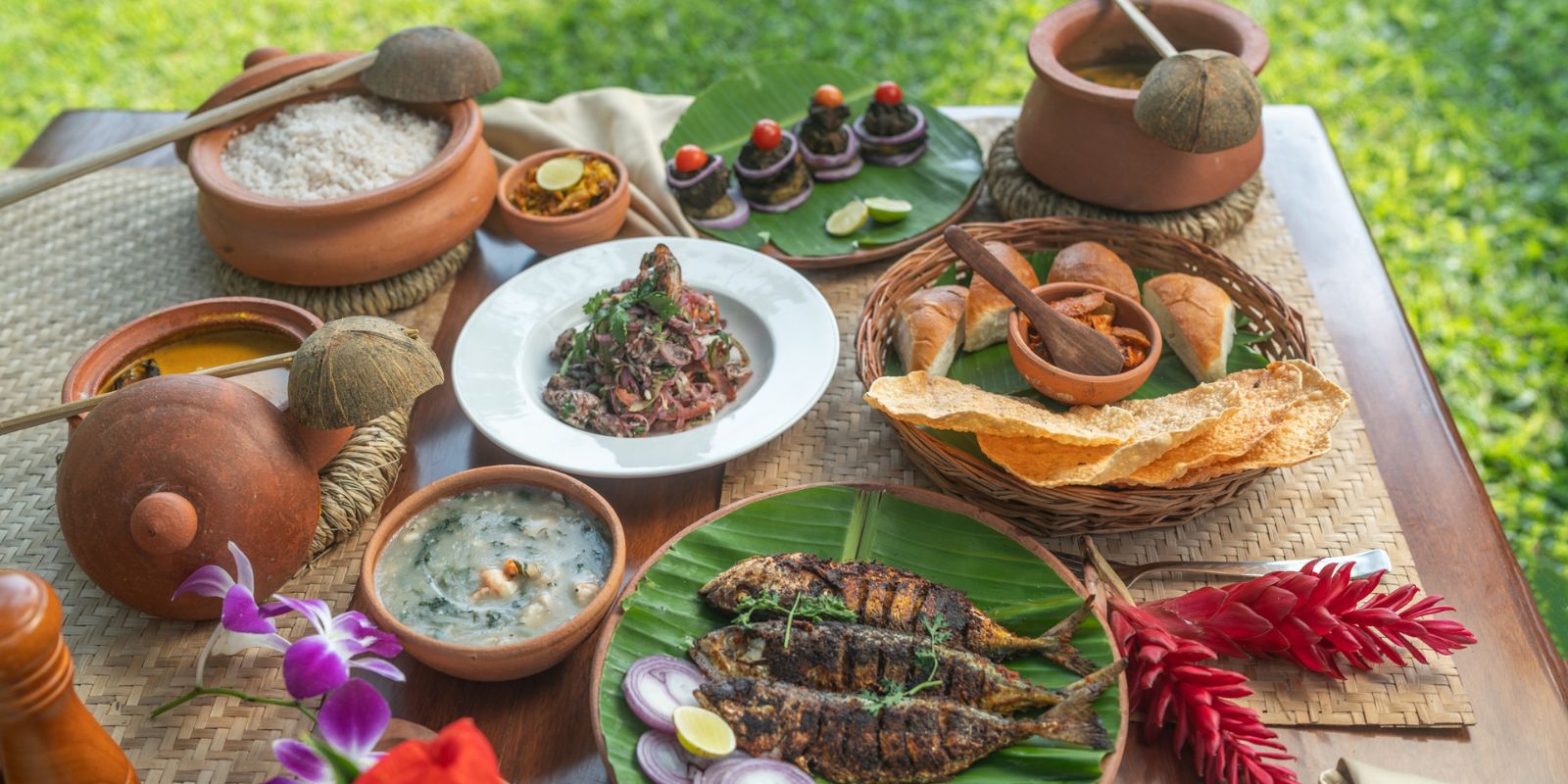
Beyond the religious ceremonies, the feast is a cultural extravaganza. The church square transforms into a fairground with stalls selling traditional Goan sweets like "khaje" (ginger-infused jaggery sticks), toys, and religious articles. Families host elaborate luncheons featuring Goan delicacies such as Sorpotel, Sanna, and Fish Curry Rice. In the evening, the island often hosts a "tiatr" (traditional Goan musical theatre) or a dance, fostering a sense of community joy. Other celebrations include the Feast of the Nativity of the Blessed Virgin Mary (September 8th) and the traditional Christmas festivities, where the island is beautifully illuminated with stars and lanterns.
Best Time to Visit
To experience St. Jacinto Church in its full glory, the winter months (November to February) are ideal. During this period, the weather in South Goa is pleasant, with clear blue skies and a cool breeze blowing off the Zuari River. This makes exploring the island on foot comfortable and allows for the best photography conditions, as the white church facade contrasts brilliantly with the azure sky.
However, for those who wish to experience the spiritual fervor of the local community, visiting during the Feast of St. Jacinto in late September is highly recommended. While the tail end of the monsoon might bring occasional showers, the lush green landscape of the island is at its peak, and the cultural vibrancy of the feast is unmatched. The monsoon season itself (June to September) offers a different kind of beauty; the island becomes incredibly misty and romantic, though visitors should be prepared for heavy rain and limited outdoor mobility.
If you prefer a quiet, contemplative visit, aim for a weekday morning. Arriving around 8:00 AM allows you to witness the morning mist lifting off the river and provides a peaceful environment before the tropical sun gets too high. Avoid visiting during the peak afternoon (1:00 PM to 4:00 PM) as the church doors may be closed, and the heat can be quite intense.
Timings, Entry Fee & Dress Code
Timings: St. Jacinto Church is generally open to visitors from 7:00 AM to 6:30 PM daily. However, please note that the main sanctuary may be closed during the afternoon hours (typically between 1:00 PM and 3:30 PM) for maintenance and to allow the parish priest his rest. If you wish to attend a mass, they are usually held in the early morning (around 6:30 AM or 7:00 AM) on weekdays and at multiple times on Sunday mornings.
Entry Fee: There is no entry fee to visit St. Jacinto Church. It is an active place of worship, and all are welcome regardless of their faith. Donations for the upkeep of the church are always appreciated but never mandatory.
Dress Code: As this is a sacred religious site, visitors are expected to dress modestly and respectfully.
- For Men: Avoid wearing sleeveless shirts or very short shorts. T-shirts and trousers or knee-length shorts are generally acceptable.
- For Women: It is recommended to wear clothes that cover the shoulders and reach below the knees. Dresses, long skirts, or trousers are ideal. Avoid wearing swimwear or revealing beachwear.
- Footwear: You may be required to remove your shoes before entering the main altar area, though this varies. Observe the local practice or signs at the entrance.
Maintaining silence inside the church is crucial, especially if people are praying.
How to Reach St. Jacinto Church
St. Jacinto Church is conveniently located, yet tucked away enough to feel secluded. It is situated approximately 7 kilometers from Dabolim Airport and about 10 kilometers from Vasco da Gama city center.
- By Road (Self-Drive/Taxi): If you are coming from Panjim (the capital), head south on the NH 66 highway towards Margao. After passing the Agassaim-Cortalim bridge, look for signs leading towards Vasco/Dabolim. The island is connected to the mainland by a short bridge at Chicalim. You can drive your car or scooter across the bridge and park near the church entrance. Taxis and ride-sharing apps like GoaMiles are readily available from major towns.
- By Bus: You can take a local bus from the Vasco da Gama bus stand or the Panjim bus stand heading towards Cortalim or Vasco. Ask the conductor to drop you at the St. Jacinto Island bridge. From the drop-off point, it is a pleasant 5-10 minute walk across the bridge to the church.
- By Train: The nearest major railway station is Vasco da Gama (VSG). From the station, you can hire an auto-rickshaw or a taxi to reach the island. The Madgaon Railway Station (MAO) is about 25 kilometers away and serves as a major hub for long-distance trains.
- On Foot: Once you reach the island, the best way to explore is on foot. The island is small, and walking allows you to appreciate the old Goan houses and the natural flora that lines the path to the church.
Things to Do
A visit to St. Jacinto Church can be expanded into a half-day exploration of the island. Here are the top things to do:
- Explore the Church Interior: Spend time admiring the intricate gilded altars and the historic wooden pulpit. The silence inside is perfect for meditation.
- Walk Across the Bridge: The bridge connecting the island offers some of the best views of the Zuari River estuary. It’s a great spot for observing local fishermen in their traditional canoes.
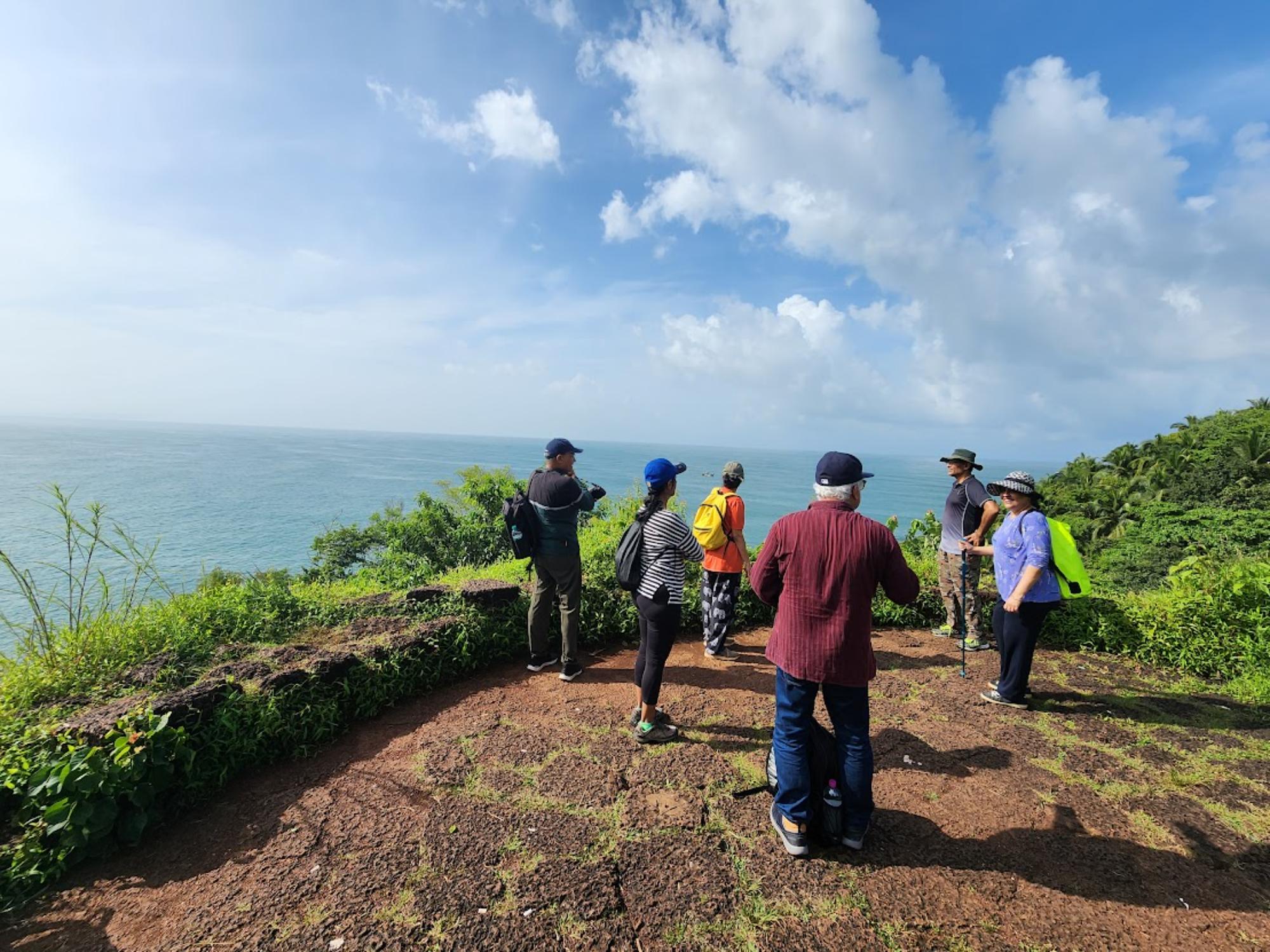
- Visit the Old Lighthouse: There is an old, defunct Portuguese-era lighthouse on the island. While you cannot enter it, the hike up to the structure provides a stunning vantage point of the Arabian Sea and the surrounding coastline.
- Photography: Capture the stunning contrast of the white church against the greenery. The island’s traditional houses with their tiled roofs and vibrant colors are also excellent subjects.
- Birdwatching: The Zuari River and the surrounding mangroves are home to various bird species, including kingfishers, egrets, and brahminy kites. Bring a pair of binoculars for a quiet session of birdwatching.
- Interact with Locals: If you see residents outside their homes, a polite "Dev borem korum" (God bless you/Thank you in Konkani) goes a long way. They might share stories about the island’s history and the "Vow."
Nearby Attractions
Since St. Jacinto Church is located in a central part of coastal South Goa, there are several other attractions nearby that you can combine with your visit:
- Chicalim Church (St. Bartholomew’s Church): Located just across the bridge on the mainland, this is another historic church known for its beautiful facade and peaceful surroundings.
- Naval Aviation Museum: Located near the airport (about 6 km away), this is one of the few naval aviation museums in India and features a fascinating collection of vintage aircraft and engines.
- Bogmalo Beach: A small, crescent-shaped beach about 8 km from the church. It is perfect for a quiet swim and has several beach shacks serving fresh seafood.
- Hollant Beach: Known for being the only beach in Goa where you can see the sunrise, this rocky beach is very close to Bogmalo and offers a serene atmosphere.
- Japanese Garden: Located in Sada, Vasco, this garden offers a spectacular view of the Mormugao Port and the sea. It is particularly beautiful during sunset.
- Heart-Shaped Lake: A hidden gem near Bogmalo, this natural lake is shaped like a heart and is a popular spot for trekkers and photography enthusiasts.
Photography & Visitor Guidelines
To ensure a respectful and enjoyable visit for everyone, please adhere to the following guidelines:
- Interior Photography: While photography is generally allowed on the church grounds, avoid taking photos inside the church during a mass or when people are actively praying. Always ask for permission if you wish to use a tripod or professional equipment inside.
- No Flash: If you are permitted to take photos inside, turn off your flash to protect the ancient gilded paint and wooden structures from light damage.
- Respect the "Vow": Remember that the islanders are very protective of their privacy and land. Do not trespass into private gardens or homes without an invitation.
- Littering: St. Jacinto Island is a plastic-free zone in spirit. Ensure you carry all your trash back with you and do not leave anything behind on the church grounds or the bridge.
- Drone Usage: Due to the proximity to Dabolim Airport (a naval airbase), the entire area is a No-Fly Zone for drones. Attempting to fly a drone here can lead to strict legal action and confiscation of equipment.
- Silence: Keep your voice low while on the church premises. This is a place of pilgrimage and quiet reflection for many.
Where to Eat Nearby
While St. Jacinto Island itself does not have commercial restaurants (true to the islanders' vow), the nearby areas of Chicalim and Vasco da Gama offer excellent dining options:
- Star Light (Chicalim): A local favorite known for its authentic Goan fish thali and seafood preparations. It’s located very close to the island.
- Joet’s Bar & Restaurant (Bogmalo): If you want to dine with a view of the sea, head to Bogmalo. Joet’s is famous for its relaxed vibe and fresh catch of the day.
- The Rooster (Vasco): A great spot for those looking for multi-cuisine options, including Indian, Chinese, and Continental dishes.
- Anantashram (Vasco): For a more traditional and slightly upscale Goan dining experience, this place is legendary for its seafood and Hindu-Goan style preparations.
- Local Bakeries: Look for small "padarias" (bakeries) in Chicalim where you can pick up fresh Poi (Goan bread), Pao, and snacks like vegetable patties or croquettes.
Accommodation Nearby
Since you cannot stay on St. Jacinto Island itself, you can find various accommodation options in the vicinity:
- Luxury: Bogmallo Beach Resort offers high-end amenities and stunning sea views, located about 15 minutes away from the church.
- Mid-Range: Coconut Creek Resort near Bogmalo provides a boutique experience with a beautiful pool and lush surroundings.
- Budget: There are several guest houses and small hotels in Vasco da Gama and Chicalim that offer clean and affordable rooms for travelers.
- Airport Hotels: If you are on a short transit, hotels like Best Western Peace Valley or Devasthali - The Valley of Gods offer proximity to both the airport and the church.
Travel Tips
To make the most of your trip to St. Jacinto Church, keep these tips in mind:
- Stay Hydrated: The Goan sun can be unforgiving. Carry a reusable water bottle with you.
- Footwear: Wear comfortable walking shoes, as you will likely want to explore the hilly paths of the island after visiting the church.
- Local Interaction: Learn a few basic Konkani phrases. A simple "Barem asa?" (How are you?) can open doors to wonderful conversations with the locals.
- Respect the Environment: The island is an ecological sensitive zone. Avoid disturbing the flora and fauna.
- Combine with Sunset: Try to visit the church in the late afternoon so you can catch the sunset from the bridge or the island’s edge. The reflection of the orange sky in the Zuari River is unforgettable.
- Transport: If you are relying on public transport, keep track of the bus timings, as they become less frequent after 7:00 PM.
Conclusion
The St. Jacinto Church is far more than just a beautiful building; it is a living testament to the resilience, faith, and environmental consciousness of the Goan people. In a world where commercialization often erases the character of historic sites, St. Jacinto remains an outlier—a preserved sanctuary where the community’s "vow" continues to protect its spiritual and natural heritage. The church’s stunning Portuguese-Baroque architecture, its serene location overlooking the Zuari River, and its deep-rooted traditions make it a must-visit for anyone looking to experience the true heart of Goa.
Whether you come to admire the intricate wood carvings of the altar, to walk the quiet paths of the island, or simply to sit in the cool pews and find a moment of peace, St. Jacinto Church offers a profound sense of connection. It reminds us of the importance of community, the power of a shared promise, and the enduring beauty of faith. As you leave the island and cross back over the bridge, you carry with you a piece of Goa’s quietest, most soulful secret—a memory of a white church on a green island, standing guard over the waters and the dreams of its people.