Overview of Mangueshi Temple
Located in the serene village of Priol, within the Ponda taluka of North Goa, the Mangueshi Temple (also known as the Manguesh Temple or Shri Manguesh Saunsthan) stands as a beacon of Goan spiritual heritage. It is arguably the most famous and frequently visited Hindu shrine in the state, attracting thousands of devotees and tourists annually. Dedicated to Lord Manguesh, an incarnation of Lord Shiva, this temple is not just a place of worship but a living museum of Goan history, culture, and unique architectural evolution. Unlike the temples of North India or the Dravidian structures of the South, the Mangueshi Temple showcases a distinct Goan temple architecture that was born out of necessity and cultural synthesis during the colonial era.
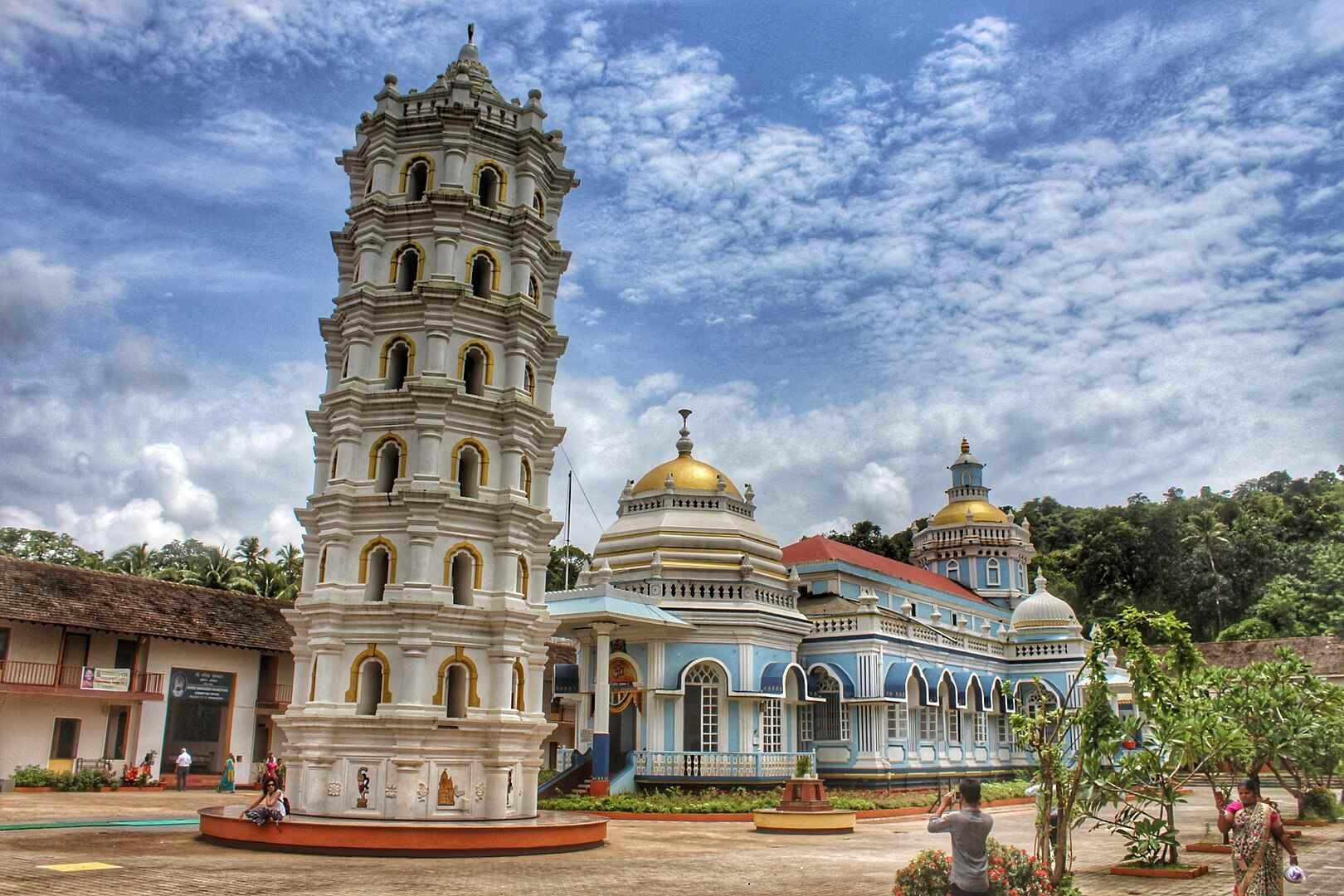
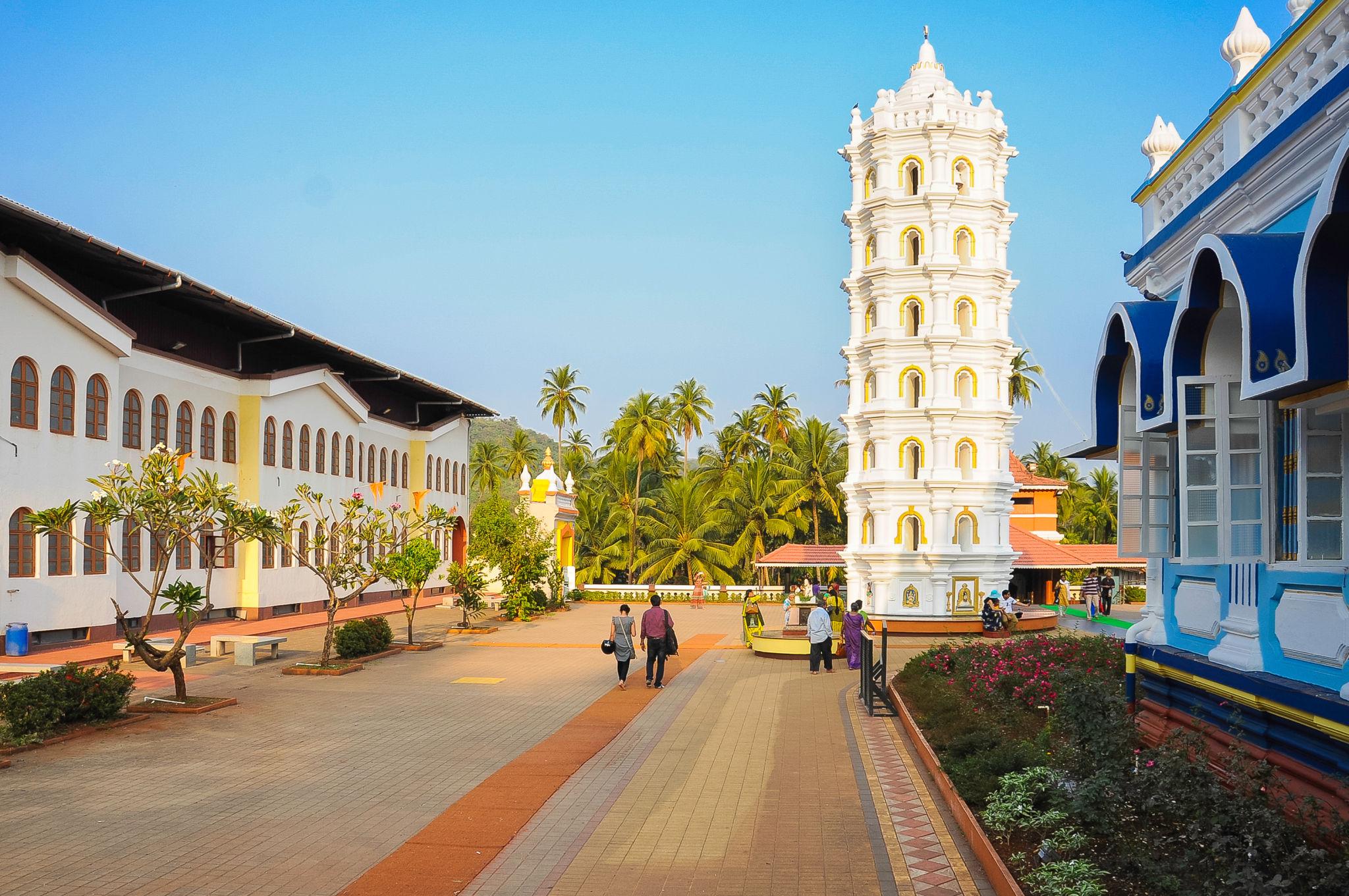
The temple is nestled amidst lush greenery, surrounded by betel nut trees, coconut groves, and the rolling hills of Ponda, which is often referred to as the "Antruz Mahal" or the spiritual heart of Goa. For the Gaud Saraswat Brahmin community, this temple holds immense ancestral significance, serving as the "Kuladevata" (family deity) for many families across India. As you approach the temple complex, the first thing that strikes you is the pristine white facade and the towering Deepastambha (lamp tower), which serves as a landmark for miles around. The atmosphere here is one of profound peace, punctuated by the rhythmic chanting of Vedic hymns and the fragrance of fresh incense and jasmine garlands.
Visiting Mangueshi is an essential experience for anyone looking to understand the "other side" of Goa—the side that exists beyond the sun-kissed beaches and vibrant nightlife. It offers a deep dive into the resilient spirit of the Goan people, who preserved their religious identity through centuries of foreign rule. Whether you are a spiritual seeker, a history buff, or an architecture enthusiast, the Mangueshi Temple provides an enriching narrative of faith, survival, and artistic brilliance.
History & Religious Significance
The history of the Mangueshi Temple is a saga of migration and resilience. Originally, the shrine of Lord Manguesh was located in Kushasthali (modern-day Cortalim), on the banks of the Zuari River. However, the arrival of the Portuguese in the early 16th century brought about a period of intense religious persecution. In 1560, as the Portuguese began a systematic campaign of temple destruction and forced conversions in the Salcete province, the devotees of Lord Manguesh faced a dire crisis. To save their beloved deity from desecration, a group of courageous devotees surreptitiously moved the Shivalinga across the river during the dead of night.
The deity was transported into the territory of the Hindu Sonde Rajas, who ruled the Ponda region. At that time, Ponda was not under Portuguese control, making it a safe haven for many displaced Goan deities. The lingam was initially housed in a simple, modest structure in Priol. Over the centuries, as the political landscape stabilized and the Maratha Empire gained influence in the region, the temple underwent several renovations. The current structure, with its grand proportions and intricate details, was largely built during the 18th century under the patronage of the Marathas and local wealthy families. It was further renovated in 1890 and again in the early 1970s to its current magnificent state.
The religious significance of Manguesh is rooted in a fascinating legend from the Puranas. It is said that Lord Shiva, after losing a game of dice to his consort Parvati, left the Himalayas and came to the Sahyadri mountains for meditation. Parvati, unable to bear the separation, came looking for him. To playfully frighten her, Shiva disguised himself as a tiger and lunged at her. In terror, Parvati cried out, "Trahi Mam Girisha!" (Oh Lord of the Mountains, protect me!). Upon hearing her plea, Shiva returned to his original form. The words "Mam Girisha" eventually evolved into "Manguesh," and the site became a sacred spot dedicated to this form of Shiva. Today, the temple remains a cornerstone of the Saraswat Brahmin identity, acting as a unifying force for the community scattered across the globe.
Architecture of Mangueshi Temple
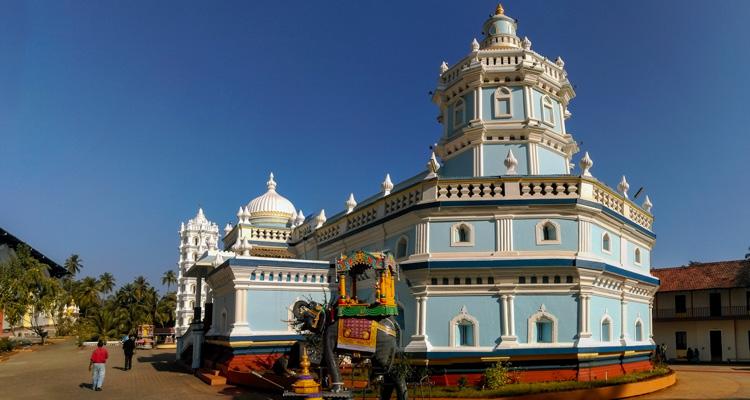
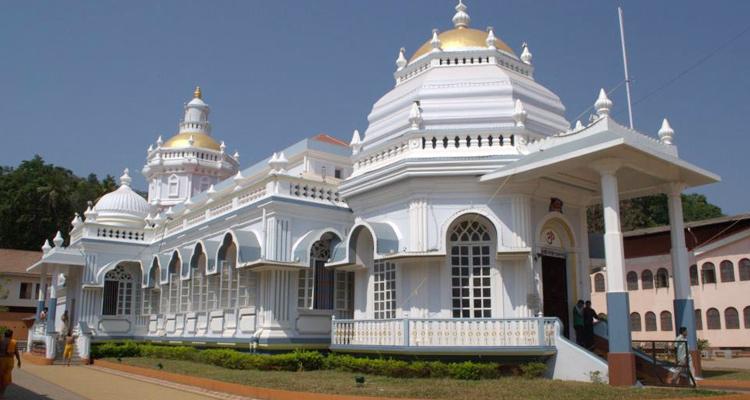
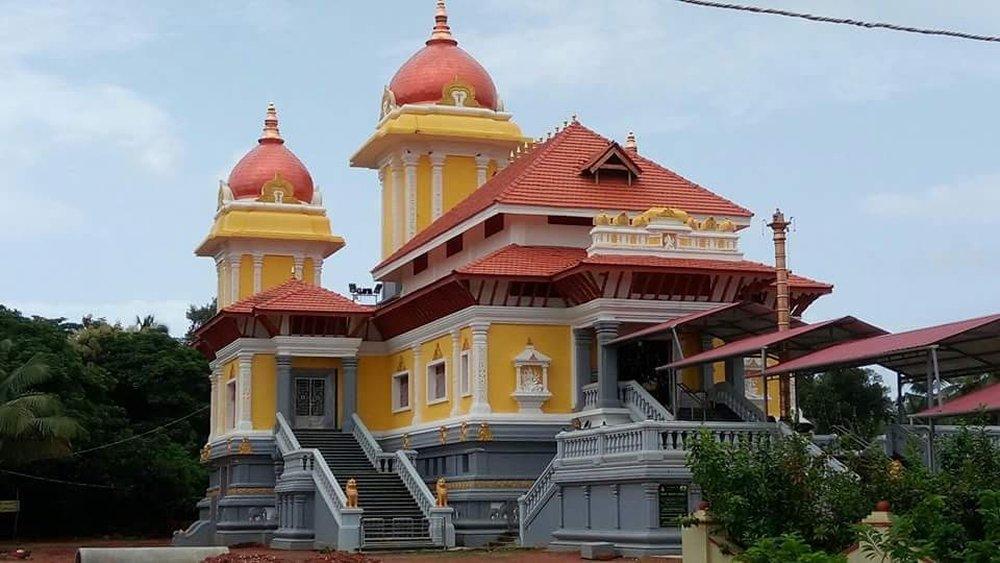
The architecture of Mangueshi Temple is a spectacular example of the Goan-Christian-Islamic fusion style. Because the temple was built and renovated during a period when Goa was heavily influenced by Portuguese aesthetics, the local artisans blended traditional Hindu temple elements with Baroque and Rococo influences. This has resulted in a structure that is unique to the Konkan coast. The temple complex is characterized by its clean white exterior, accented with pastel colors, and its harmonious integration with the natural landscape.
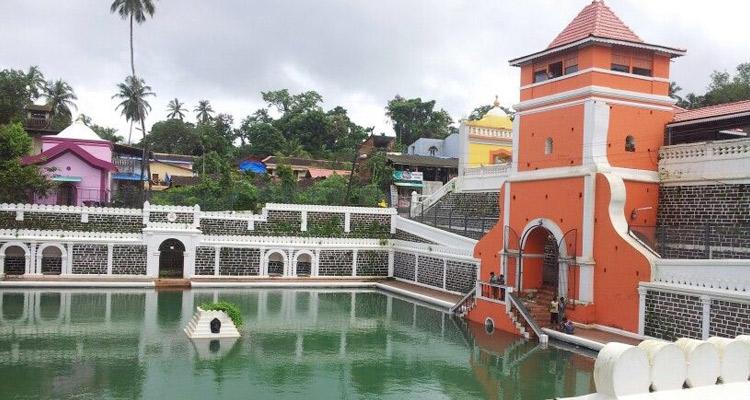
One of the most iconic features of the temple is the Deepastambha, a seven-story octagonal lamp tower. This magnificent structure is purely Goan in design. During festivals, the niches of this tower are filled with hundreds of oil lamps (diyas), creating a breathtaking pillar of light that can be seen from great distances. The tower features intricate carvings and a series of diminishing levels that lead to a decorative dome at the top. Near the entrance, there is also a large, ancient water tank (the Temple Tank), which is used for ritual purifications and adds a sense of tranquility to the courtyard.
The main temple building consists of a series of interconnected halls. The Sabhamandapa (assembly hall) is particularly impressive, featuring 19th-century crystal chandeliers imported from Europe, which hang from a ceiling adorned with intricate stucco work. The floors are laid with polished marble, and the walls are decorated with murals depicting scenes from Hindu mythology. The Garbhagriha (sanctum sanctorum) houses the sacred lingam, which is placed on a silver pedestal. The entrance to the sanctum is flanked by two massive silver-plated guards (Dwarpals). The roof of the temple is crowned with a central dome and several smaller shikharas (spires), which display a mix of curvilinear Hindu forms and Portuguese-style balustrades. This architectural marriage makes Mangueshi a primary case study for students of Indian art and history.
Main Deity / Spiritual Importance
The presiding deity of the temple is Bhagavan Manguesh, an incarnation of Lord Shiva. Unlike many other Shiva temples where the deity is represented in a fierce or ascetic form, Lord Manguesh is worshipped here as a benevolent protector and the lord of the mountains. The primary object of worship in the sanctum is a Swayambhu (self-manifested) Shivalinga. The lingam is considered highly sacred and is believed to possess immense spiritual energy that has protected the community for over 450 years.
In addition to the main deity, the temple complex houses several subsidiary shrines dedicated to other important figures in the Hindu pantheon. These include:
- Goddess Parvati: The consort of Lord Shiva, worshipped for her grace and strength.
- Lord Ganesha: The remover of obstacles, who is traditionally worshipped before any other deity.
- Nandikeshwar: The sacred bull and vehicle of Shiva, whose statue faces the main lingam.
- Lakshminarayana: A combined form of Lord Vishnu and Goddess Lakshmi.
- Gramapurush: The village deity who is believed to protect the local land and its inhabitants.
The spiritual practice at Mangueshi is deeply rooted in the Agamic traditions. The daily rituals, known as "Pujas," are performed with meticulous precision by the temple priests. For devotees, a visit to Mangueshi is a "Darshan" that is believed to cleanse the soul and bring peace to the mind. The temple also serves as a center for the "Panchayatana" system of worship, where five deities are worshipped together, symbolizing the unity of the divine forces. The quietude of the inner sanctum, broken only by the sound of bells and the chanting of "Om Namah Shivaya," provides a powerful meditative environment for visitors.
Festivals & Celebrations
The Mangueshi Temple comes alive during its various festivals, which are celebrated with great pomp, traditional music, and communal fervor. These events offer a glimpse into the rich cultural tapestry of Goa, far removed from the commercialized festivals seen in the tourist hubs. The celebrations are a mix of Vedic rituals and local Goan folk traditions.
- Jatra (Annual Fair): This is the most significant festival of the temple, held during the month of Magha (usually in late January or February). The highlight of the Jatra is the Ratha Yatra (Chariot Procession), where the deity is placed in a massive, beautifully decorated wooden chariot and pulled by hundreds of devotees around the temple complex. The air is filled with the sounds of traditional Goan instruments like the Ghumot and Shansha.
- Maha Shivratri: As a Shiva temple, Shivratri is a night of intense devotion. Thousands of pilgrims keep a vigil, performing "Abhishek" (ritual bathing) of the lingam with milk, honey, and water. The entire temple is illuminated with thousands of lamps.
- Rama Navami: The birth of Lord Rama is celebrated with special prayers and the singing of devotional songs (Bhajans).
- Anant Chaturdashi: This festival marks the end of the Ganesh Chaturthi period and is celebrated with a grand procession.
- Sangod: A unique Goan festival where decorated boats are floated in the temple tank or nearby rivers, accompanied by music and dance.
During these festivals, the Deepastambha is fully lit, creating a celestial ambiance. Traditional Goan vegetarian feasts are prepared, and "Prasada" is distributed to all visitors. If you plan your visit during the Jatra, be prepared for large crowds, but also for an unparalleled cultural experience that showcases the heart of Goan Hinduism.
Best Time to Visit
The best time to visit the Mangueshi Temple is during the winter months, from November to February. During this period, the weather in Goa is pleasant, with cool breezes and moderate temperatures, making it comfortable to explore the temple complex and its surroundings. The humidity is relatively low, which is ideal for those not used to the tropical climate of the Konkan coast.
If you wish to experience the temple in its full spiritual glory, visiting during January or February is highly recommended, as this is when the annual Jatra (temple fair) typically takes place. The festive atmosphere, the lighting of the Deepastambha, and the cultural performances are truly memorable. However, do note that this is also the peak tourist season, so the temple can get quite crowded.
For those who prefer a quieter, more meditative experience, the monsoon season (June to September) offers a different kind of beauty. The surrounding hills of Ponda turn a vibrant emerald green, and the sound of rain falling on the temple's tiled roofs adds to the serenity. While the rain might make outdoor exploration a bit challenging, the lack of crowds allows for a very peaceful Darshan. The summer months (March to May) can be quite hot and humid, so if you visit during this time, it is best to arrive early in the morning or late in the evening to avoid the midday heat.
Timings, Entry Fee & Dress Code
To ensure a smooth and respectful visit, it is important to be aware of the temple's operational hours and regulations. The Mangueshi Temple is a place of active worship, and visitors are expected to maintain the sanctity of the environment.
- Timings: The temple is generally open to the public from 6:00 AM to 10:00 PM daily. However, the inner sanctum may be closed briefly during specific ritual preparations or afternoon breaks (usually between 1:00 PM and 3:00 PM). It is best to visit during the morning hours (7:00 AM to 11:00 AM) or during the evening Aarti (around 6:30 PM or 7:00 PM).
- Entry Fee: There is no entry fee to visit the Mangueshi Temple. It is open to people of all faiths and backgrounds. Donations are accepted but are entirely voluntary.
- Dress Code: The temple management strictly enforces a modest dress code. Both men and women are required to dress conservatively.
- For Women: Sarees, salwar kameez, or long skirts are preferred. Shoulders and knees must be covered. Avoid wearing sleeveless tops, short skirts, or transparent clothing.
- For Men: Long trousers and shirts or traditional dhotis are recommended. Shorts and sleeveless vests are strictly prohibited inside the main temple hall.
Visitors are required to remove their footwear before entering the temple courtyard. There are designated areas to store your shoes safely for a small fee or for free. It is also customary to wash your hands and feet at the provided taps before entering the main shrine.
How to Reach Mangueshi Temple
Mangueshi Temple is well-connected by road and is easily accessible from various parts of Goa. It is located about 21 kilometers from the capital city, Panjim, and about 26 kilometers from Margao.
- By Taxi/Car: Hiring a private taxi is the most convenient way to reach the temple. You can book a taxi from any major tourist hub like Calangute, Baga, or Panjim. The drive from Panjim takes about 30 to 45 minutes via the NH748 (Panjim-Belagavi Highway). The route is scenic, passing through traditional Goan villages and lush spice plantations.
- By Bus: For a more budget-friendly option, you can take a Kadamba Transport Corporation (KTC) bus or a private bus from the Panjim or Margao bus stands heading towards Ponda. Ask the conductor to drop you at the Mangueshi stop. From the bus stop, the temple is just a short 5-minute walk.
- By Two-Wheeler: Many tourists rent scooters or motorbikes in Goa. Riding to Mangueshi is a pleasant experience, but ensure you follow GPS directions and wear a helmet. The roads in Ponda can be winding, so exercise caution.
- From the Airport: Dabolim Airport (GOI) is approximately 35 kilometers away. You can take a pre-paid taxi from the airport directly to the temple, which takes about an hour. Mopa Airport (GOX) is further away, roughly 60 kilometers, and will take about 1.5 to 2 hours.
The temple is a standard stop on many "South Goa Sightseeing" or "Temple Tours" offered by local tour operators, which often combine a visit to Mangueshi with Old Goa and the spice plantations.
Things to Do
A visit to Mangueshi Temple is not just about a quick prayer; there are several activities that allow you to fully immerse yourself in the local culture and spirituality.
- Attend the Aarti: The evening Aarti is a sensory delight. The sound of bells, the rhythmic chanting, and the sight of the priests waving large oil lamps create a powerful atmosphere. It is a time when the community gathers, and the energy is palpable.
- Explore the Architecture: Take your time to walk around the complex. Admire the Deepastambha, the intricate stucco work on the ceilings, and the unique blend of European and Indian design elements. Don't miss the ancient water tank located near the entrance.
- Photography (Outdoor): While photography is prohibited inside the sanctum, the exterior of the temple and the lamp tower are incredibly photogenic. The white walls against a blue sky or the greenery of Ponda provide excellent backdrops.
- Listen to Bhajans: On certain days, especially Sundays and during festivals, local groups perform traditional devotional music in the Sabhamandapa. Sitting quietly and listening to these melodies is a meditative experience.
- Shopping for Souvenirs: Outside the temple gates, there is a small market. You can buy traditional Goan artifacts, copperware, religious idols, and local snacks like "Bebinca" or "Dodol." You can also find fresh flowers and incense to offer at the shrine.
- Seek Blessings: Engage in the traditional practice of receiving "Prasada" from the priest. Many devotees also perform "Pradakshina" (circumambulation) around the main shrine as a mark of respect.
Nearby Attractions
The Ponda region is the cultural heart of Goa, and there are several other fascinating sites within a short distance of the Mangueshi Temple that you can include in your itinerary.
- Shri Mahalsa Narayani Temple: Located just 2 kilometers away in Mardol, this temple is dedicated to the female incarnation of Lord Vishnu. It is famous for its stunning brass lamp and intricate wood carvings.
- Nagesh Temple: Situated in Bandora, about 4 kilometers from Mangueshi, this is one of the few Goan temples that survived the Portuguese era in its original location. It features a beautiful temple tank and ancient stone inscriptions.
- Sahakari Spice Farm: A 15-minute drive will take you to one of Goa's most famous spice plantations. Here, you can take a guided tour to learn about cardamom, vanilla, cinnamon, and black pepper, followed by a traditional Goan lunch served on banana leaves.
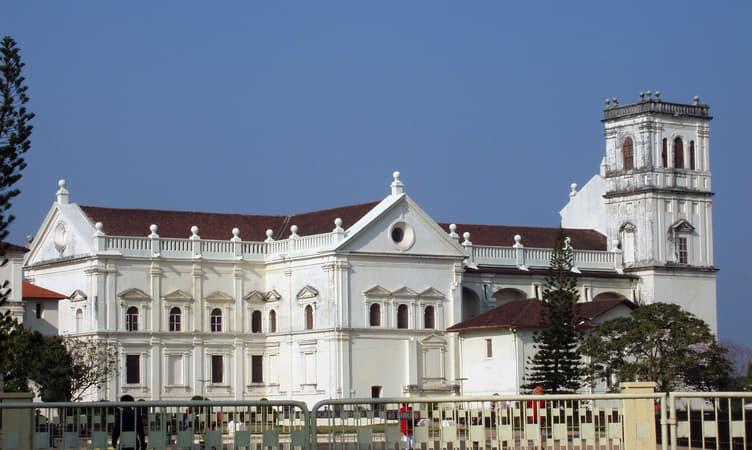
- Old Goa (Velha Goa): Located about 15 kilometers away, this UNESCO World Heritage site houses the Basilica of Bom Jesus and the Se Cathedral. It provides a stark contrast to the Hindu temples of Ponda and showcases Goa's colonial history.
- Safa Shahouri Masjid: Built in 1560 by Ibrahim Adil Shah, this is one of the oldest mosques in Goa. It is known for its elegant architecture and the large masonry tank located within the complex.
- Savoi Spice Plantation: Another excellent spice farm nearby that offers a more rustic and traditional experience, focusing on organic farming practices.
Photography & Visitor Guidelines
To ensure that the sanctity of the temple is maintained and that you have a respectful visit, please adhere to the following guidelines:
- No Indoor Photography: Photography and videography are strictly prohibited inside the main temple hall and the sanctum sanctorum. This is to respect the privacy of devotees and the sacredness of the rituals. You may take photos of the exterior, the Deepastambha, and the gardens.
- Silence is Golden: Maintain silence inside the temple. Avoid loud conversations or using mobile phones. If you must take a call, please step outside the temple complex.
- Respect the Rituals: If a ceremony or Aarti is in progress, stand quietly at the back or sides. Do not interrupt the priests or walk between the deity and the devotees.
- Footwear Etiquette: Always remove your shoes before entering the temple platform. Carrying your shoes in a bag inside the temple is also considered disrespectful.
- Prohibited Items: Do not bring alcohol, tobacco, or non-vegetarian food into the temple premises. Smoking is strictly forbidden.
- Menstrual Taboos: In accordance with traditional customs, women are requested not to visit the temple during their menstrual cycle. While this is a personal choice, the temple follows traditional Vedic guidelines.
Where to Eat Nearby
Exploring Ponda can work up an appetite, and luckily, the area offers some authentic Goan culinary experiences. Since this is a temple town, you will find many excellent vegetarian options.
- Temple Bhojanshala: On certain festival days, the temple provides free "Prasada" meals to devotees. These are simple, sattvic Goan meals consisting of rice, dal, and a vegetable dish.
- Spice Plantation Restaurants: If you visit the Sahakari or Savoi spice farms, they offer a buffet-style lunch that is highly recommended. You can enjoy traditional dishes like Khatkhate (a mixed vegetable stew), local bread, and refreshing kokum juice.
- Local Cafes in Ponda: The town of Ponda has several small eateries serving "Patal Bhaji" (a spicy dried pea curry) with "Pao" (Goan bread). This is a staple breakfast or snack for locals.
- Anantashram: Located a short drive away, this is a well-known spot for those looking for traditional Goan fish thalis (if you are not strictly adhering to a vegetarian diet after the temple visit) and authentic Hindu-style Goan preparations.
- Farmagudi Residency: Run by the Goa Tourism Development Corporation (GTDC), this place offers a clean and reliable multi-cuisine restaurant with both vegetarian and non-vegetarian options.
Accommodation Nearby
While most visitors visit Mangueshi as a day trip from the coastal areas, staying in Ponda offers a more immersive and peaceful experience of rural Goa.
- Farmagudi Residency (GTDC): Located just a few kilometers from the temple, this is a budget-friendly and well-maintained property. It is situated on a hillock and offers a quiet environment.
- Heritage Homestays: There are several ancestral Goan homes in the Ponda and Priol area that have been converted into boutique stays. These offer a unique chance to experience Goan hospitality and traditional architecture.
- Spice Farm Stays: Some spice plantations, like Savoi, offer eco-cottages for overnight stays. This is perfect for nature lovers who want to wake up to the sound of birds and the scent of fresh spices.
- Luxury Resorts: If you prefer high-end accommodation, you can stay in the heritage hotels of Panjim or the luxury resorts in South Goa (like those in Majorda or Colva) and drive to Mangueshi within 45-60 minutes.
Travel Tips
To make the most of your spiritual journey to Mangueshi, keep these travel tips in mind:
- Hydration: The Goan sun can be intense. Carry a bottle of water, but remember to finish it or keep it in your bag before entering the temple.
- Hire a Guide: If you are interested in the deep history and architectural nuances, consider hiring a local guide. They can explain the stories behind the carvings and the significance of the various shrines.
- Combine with Other Sites: Since Ponda is home to several major temples and spice farms, plan a full "Ponda Cultural Circuit" to save on travel time and see more in one day.
- Respect Local Customs: Goans are very protective of their temple traditions. Always be polite to the priests and local devotees. If you are unsure about a particular custom, it is okay to ask someone quietly.
- Cash: While Goa is becoming more digital, small shops around the temple and local transport might still prefer cash. Carry some Indian Rupees for small purchases.
- Early Arrival: To witness the morning rituals and enjoy the temple in its most serene state, try to arrive by 8:00 AM.
Conclusion
The Mangueshi Temple is more than just a religious site; it is a testament to the enduring spirit of Goa. It stands as a bridge between the past and the present, blending the architectural influences of different eras into a singular, beautiful expression of faith. A visit here offers a profound sense of peace and a deeper understanding of the cultural complexities that make Goa so unique. From the towering Deepastambha to the quiet, incense-filled halls of the Sabhamandapa, every corner of Mangueshi tells a story of devotion and resilience. Whether you come for a spiritual blessing or to admire the artistic heritage, the temple leaves an indelible mark on every visitor’s heart. As you leave the temple complex and head back into the vibrant energy of Goa, you carry with you a piece of the "Antruz Mahal"—the sacred, silent, and soulful heart of this coastal paradise.