Jama Masjid

Jama Masjid

4.9 1,895 Verified
Mosque South Goa

Quick Navigation

Explore sections of this guide

Overview of Jama Masjid

Located in the serene and picturesque town of Sanguem in South Goa, the Jama Masjid stands as a profound symbol of religious harmony, historical depth, and architectural elegance. While Goa is globally renowned for its sun-kissed beaches and magnificent colonial-era churches, its Islamic heritage offers a compelling narrative that is often tucked away in the lush green hinterlands. The Jama Masjid in Sanguem is perhaps the most striking example of this heritage, serving as a primary place of worship for the local Muslim community and a point of interest for travelers seeking to understand the multicultural fabric of India’s smallest state.

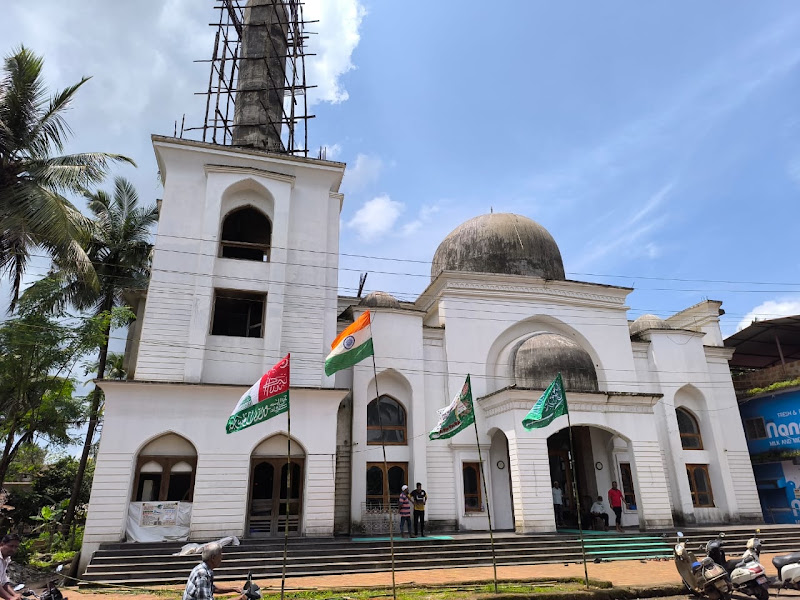
The mosque is situated approximately 26 kilometers from the bustling city of Margao, making it a perfect destination for those looking to escape the coastal crowds and delve into the "Real Goa." Unlike the grand, sprawling mosques found in North India, the Jama Masjid of Sanguem exudes a sense of tranquil intimacy. It is characterized by its pristine white facade, elegant minarets, and a large dome that reflects the sunlight against a backdrop of swaying coconut palms and the nearby Sanguem River. This site is not merely a religious structure; it is a testament to the resilience of the local population and the enduring spirit of Goan syncretism.

For the modern traveler, a visit to the Jama Masjid provides a unique perspective on the New Conquests (Novas Conquistas) of Goa—territories that were incorporated into the Portuguese Empire much later than the coastal Velhas Conquistas. This historical distinction allowed for a more preserved indigenous and Islamic culture, which is vividly reflected in the architecture and daily life surrounding the mosque. Whether you are a history buff, an architecture enthusiast, or a spiritual seeker, the Jama Masjid offers a quiet space for reflection and a deep dive into the lesser-known Islamic chapters of Goan history.

History & Religious Significance

The history of the Jama Masjid in Sanguem is intrinsically linked to the broader Islamic history of Goa, which dates back centuries before the arrival of the Portuguese. The region of Goa was once under the rule of the Bahmani Sultanate and later the Bijapur Sultanate under the Adil Shahi dynasty. During this period, Islamic culture, art, and architecture flourished. However, with the Portuguese conquest in 1510 and the subsequent Inquisition, many Islamic structures in the Old Conquests were destroyed or repurposed.

The Jama Masjid in Sanguem, however, represents a later chapter. It was originally built in the early 20th century, specifically around 1959, though it underwent significant renovations and reconstructions to reach its current majestic form. The mosque's existence in Sanguem is significant because Sanguem was part of the territories annexed by the Portuguese in the late 18th century. In these areas, the pressure of the Inquisition was significantly lower, allowing the Muslim community to maintain their religious practices and build communal structures with more freedom than their counterparts in Panjim or Old Goa.

Spiritually, the mosque serves as the "Friday Mosque" (Jama Masjid) for the region. In Islamic tradition, a Jama Masjid is the main mosque of a town or city where the Jumu'ah (Friday noon prayers) are held. It acts as a focal point for the community, a place where social issues are discussed, and where the faithful gather to strengthen their bond with the Creator. The significance of this mosque lies in its role as a guardian of faith in a region where Muslims are a minority, symbolizing the peaceful coexistence that defines Goan society. It stands as a reminder that Goa’s identity is a complex, beautiful mosaic of Hindu, Christian, and Islamic influences.

Architecture of Jama Masjid

The architecture of the Jama Masjid in Sanguem is a fascinating study in the blend of traditional Islamic motifs and local Goan building sensibilities. As you approach the mosque, the first thing that catches the eye is its striking symmetry and the brilliant white finish of its exterior, which stands out brilliantly against the emerald green landscape of South Goa.

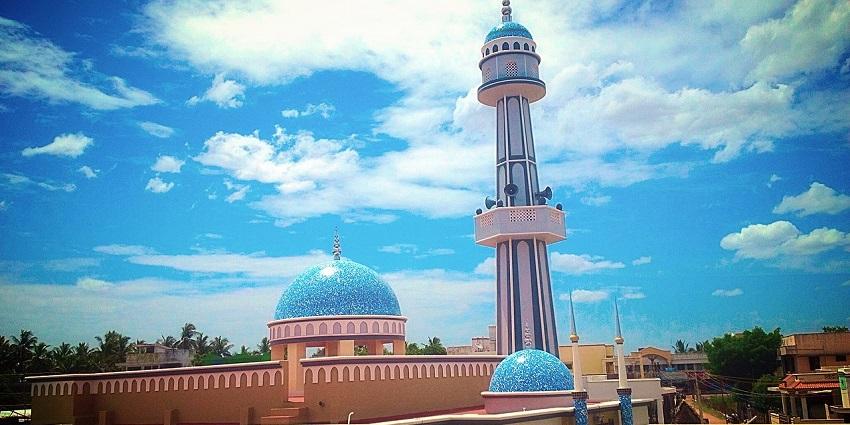
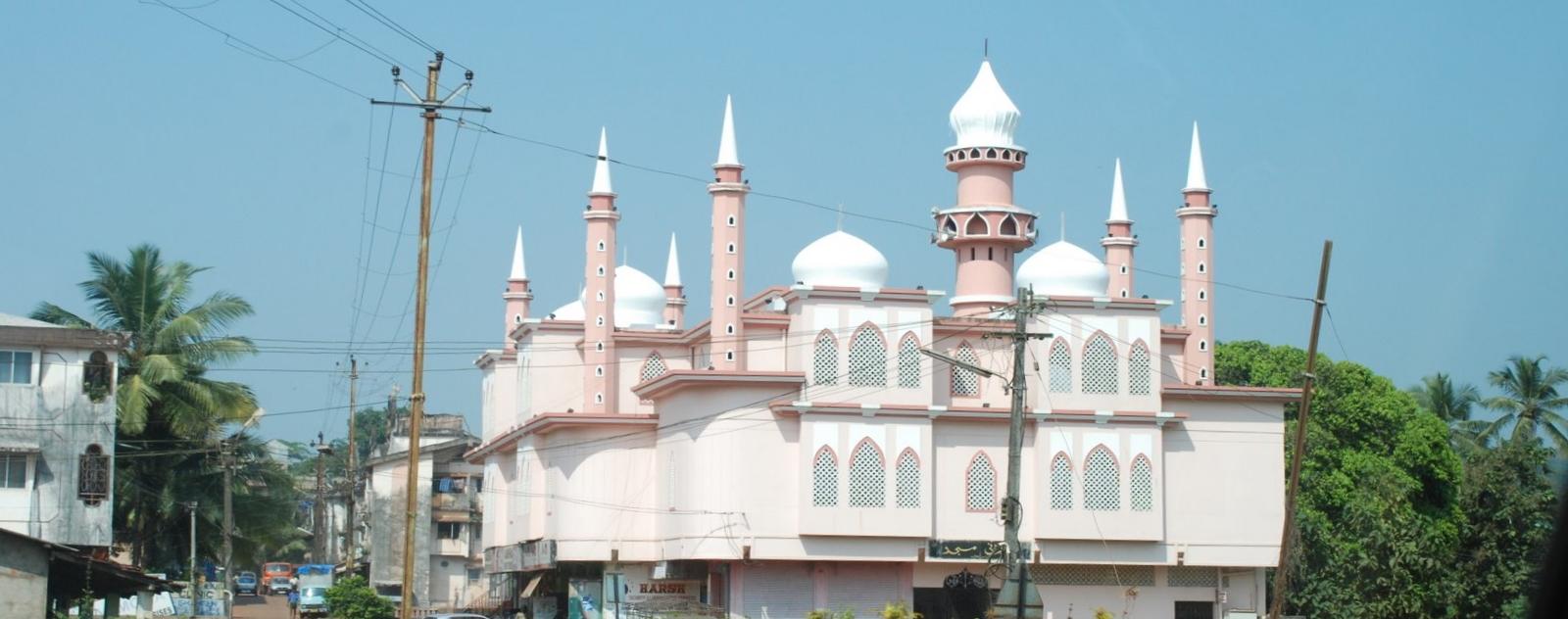
The structure is headlined by four tall, slender minarets that flank the main prayer hall. These minarets are capped with small domes and are designed with traditional balconies from which the Adhan (call to prayer) would traditionally be announced. In the center of the structure sits a large, majestic dome, a hallmark of Islamic architecture representing the vault of heaven. The dome is often adorned with a crescent moon and star, signifying the faith.

One of the most interesting aspects of the architecture is the entrance. The mosque features arched doorways and windows that allow for natural ventilation—a necessity in the humid tropical climate of Goa. The use of latticework (jaali) on the windows is not only decorative but also functional, filtering the sunlight and creating a play of shadows within the prayer hall. The interior is surprisingly spacious and minimalist. The Mihrab (a niche in the wall indicating the direction of Mecca) is elegantly decorated with calligraphic inscriptions from the Quran. The Minbar (the pulpit where the Imam stands to deliver sermons) is usually made of polished wood or stone, showcasing fine craftsmanship.

While the mosque follows the standard layout of Islamic religious buildings, there is an unmistakable "Goan" feel to its surroundings. The use of local materials in its foundation and the layout of the courtyard reflect the local geography. The mosque was completely renovated in recent decades, ensuring that while it retains its historic soul, the structural integrity and aesthetic appeal are maintained for future generations. The balance between the towering minarets and the grounded, wide prayer hall creates a sense of both grandeur and humility.

Main Deity / Spiritual Importance

In Islam, there is no "deity" in the form of an idol or image. The Jama Masjid is dedicated to the worship of Allah, the one and only God. The spiritual core of the mosque revolves around the concept of Tawhid (the Oneness of God). For visitors, understanding this is key to appreciating the atmosphere of the mosque.

The spiritual importance of the Jama Masjid lies in its role as a sanctuary of peace and submission. When a devotee enters the mosque, the act of Wudu (ritual purification) at the fountain or tank in the courtyard serves as a physical and spiritual transition from the chaotic outside world to a state of purity. The main prayer hall is a consecrated space where social hierarchies disappear; the wealthy and the poor stand shoulder to shoulder in prayer, emphasizing the Islamic principle of equality.

For the local Muslim community in Sanguem, the mosque is the heart of their spiritual life. It is where children learn the Quran, where marriages are solemnized, and where the community gathers to mourn their dead. The Jumu'ah prayer on Friday is the most significant spiritual event of the week, where the Khutbah (sermon) provides guidance on moral, ethical, and social issues. For a non-Muslim visitor, the spiritual importance is felt in the profound silence of the hall between prayer times, offering a space for meditation and a sense of connection to the divine through the sheer simplicity of the environment.

Festivals & Celebrations

The Jama Masjid comes alive during Islamic festivals, turning into a hub of light, color, and communal joy. These celebrations are not just religious events but are deeply woven into the social fabric of Sanguem.

  • Eid-ul-Fitr: Marking the end of the holy month of Ramadan, this is the most joyous occasion at the mosque. After a month of fasting from dawn to sunset, the community gathers for the special Eid prayer. The mosque is beautifully decorated, and the atmosphere is filled with the spirit of charity and brotherhood. Local traditions include preparing Sheer Khurma (a sweet vermicelli pudding) and sharing it with neighbors of all faiths.
  • Eid-ul-Adha: Known as the Festival of Sacrifice, this marks the willingness of Ibrahim (Abraham) to sacrifice his son as an act of obedience to God. The mosque hosts large congregational prayers, and the day is marked by the distribution of meat to the needy, ensuring that no one in the community goes hungry.
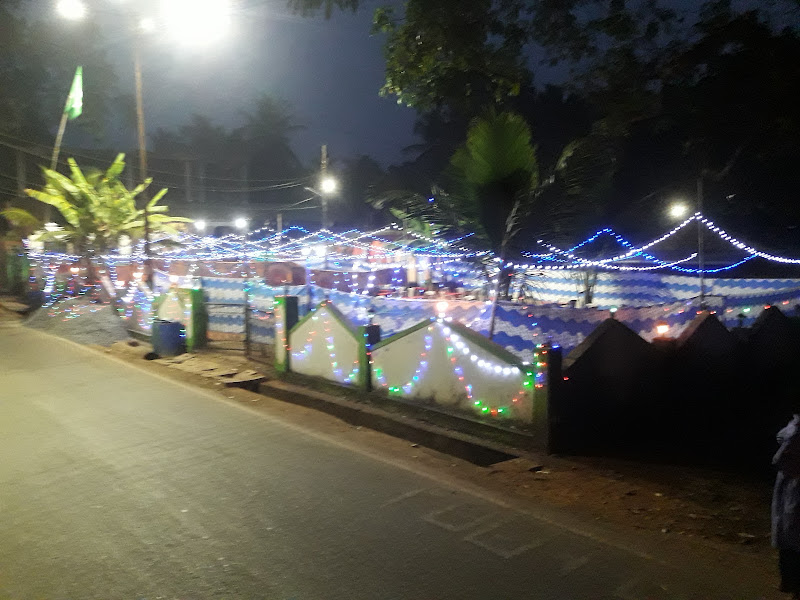
  • Milad-un-Nabi: The birth anniversary of Prophet Muhammad is celebrated with prayers and the recitation of hymns (Naats) praising the Prophet. The mosque and the surrounding streets of Sanguem are often illuminated with green lights and banners.
  • Ramadan: During the entire month of Ramadan, the mosque is active throughout the night. Taraweeh prayers (special nightly prayers) are held, and often, the community breaks their fast (Iftar) together in the mosque courtyard, fostering a deep sense of communal belonging.

What makes festivals at the Jama Masjid in Goa unique is the participation and well-wishes of the Hindu and Christian neighbors. It is common to see people of different faiths greeting their Muslim friends outside the mosque, reflecting the "Goenkarponn" (Goan identity) that transcends religious boundaries.

Best Time to Visit

The best time to visit the Jama Masjid in Sanguem is during the winter months, from November to February. During this period, the weather in Goa is pleasant, with clear blue skies and a cool breeze, making the journey to the hinterlands of Sanguem enjoyable. The humidity is at its lowest, which is ideal for exploring the mosque's architecture and the surrounding natural beauty.

If you wish to experience the mosque at its most vibrant, consider visiting during the Friday afternoon prayers (between 12:30 PM and 2:00 PM). However, please note that the interior may be crowded with worshippers, and non-Muslims may not be allowed inside the prayer hall during the actual service. Observing the gathering from the courtyard offers a deep insight into the local culture.

Another excellent time to visit is during Ramadan. Visiting in the late evening allows you to witness the beautiful lighting and the communal breaking of the fast. For photographers, the "golden hour"—just after sunrise or just before sunset—is perfect, as the white walls of the mosque catch the soft light, creating a ethereal glow against the dark green coconut groves.

Timings, Entry Fee & Dress Code

To ensure a respectful and smooth visit to the Jama Masjid, travelers should be aware of the following guidelines:

  • Timings: The mosque is generally open from 5:00 AM to 8:00 PM daily. However, it is best to visit between 9:00 AM and 12:00 PM or 3:30 PM and 5:30 PM to avoid disturbing the five daily prayers (Salat).
  • Entry Fee: There is no entry fee to visit the Jama Masjid. It is a place of worship open to all who come with respect. Donations for the maintenance of the mosque are welcome but entirely voluntary.
  • Dress Code: As a religious site, a modest dress code is strictly enforced. Both men and women should ensure their shoulders and knees are covered.
    • Men: Should wear long trousers and shirts with sleeves. Avoid sleeveless tank tops or short shorts.
    • Women: Should wear loose-fitting clothes that cover the arms and legs. It is also respectful (and sometimes required for entry into the main hall) to carry a scarf to cover the head.
  • Footwear: Like all mosques, you must remove your shoes before entering the prayer hall or the raised platform. There are designated areas to leave your footwear.

How to Reach Jama Masjid

The Jama Masjid is located in Sanguem town in South Goa. Reaching it requires a bit of planning as it is situated away from the primary tourist hubs of North Goa.

  • By Road: This is the most convenient way to reach Sanguem.
    • From Margao: It is about 26 km away. You can hire a taxi or take a local bus from the Margao Kadamba Bus Stand heading towards Sanguem. The drive takes about 45-60 minutes through winding roads lined with cashew plantations.
    • From Panjim: The distance is approximately 55 km. A private car or taxi is recommended, taking the route via Ponda or Sanvordem.
  • By Train: The nearest major railway station is Madgaon Junction (Margao). From the station, you can take a taxi or a local bus. The Sanvordem (Curchorem) railway station is closer (about 10 km), but fewer express trains stop there.
  • By Air: Dabolim Airport is about 50 km away, while Mopa Airport (Manohar International Airport) is much further, approximately 90 km away. From Dabolim, a pre-paid taxi is the most comfortable option.
  • Local Transport: Once in Sanguem, the mosque is centrally located and can be reached on foot or by a short rickshaw ride from the town center.

Things to Do

A visit to the Jama Masjid can be more than just a quick stop. Here are some things you can do to enrich your experience:

  • Architectural Photography: The mosque’s white minarets and dome against the blue sky offer fantastic photographic opportunities. Focus on the details of the windows and the symmetry of the structure. (Always ask for permission before photographing people).
  • Silent Reflection: Spend a few minutes sitting in the courtyard. The sound of the nearby river and the rustling leaves, combined with the spiritual aura of the mosque, makes it a perfect spot for meditation.
  • Interact with Locals: If you find the mosque caretaker or local worshippers who are not busy, a polite conversation can reveal much about the history of the Muslim community in Sanguem and their traditions.
  • Observe the Adhan: If you are there during one of the five prayer times, listen to the Adhan. The melodic call to prayer echoing through the quiet town of Sanguem is a deeply moving experience.
  • Explore Sanguem Town: Walk through the local market near the mosque. It’s a great place to see the daily life of a Goan town, buy local spices, or try traditional Goan snacks.

Nearby Attractions

Sanguem is the gateway to some of Goa's most stunning natural and historical sites. You can easily combine your visit to the Jama Masjid with these nearby attractions:

  • Salaulim Dam: Located just 5 km from the mosque, this is a must-visit. The dam is famous for its unique "duckbill" spillway, which creates a mesmerizing water-curtain effect. The botanical gardens surrounding the dam are perfect for a picnic.
  • Bubbling Lake (Netravali): About 20 km from Sanguem, the Budbudyanchi Tali is a sacred tank where bubbles continuously rise to the surface. It is located on the grounds of the Gopinath Temple and is a geological marvel.
  • Rivona Caves: These 6th-century Buddhist caves are located about 12 km away. They offer a glimpse into Goa's ancient religious history and are carved out of laterite rock.
  • Netravali Wildlife Sanctuary: For nature lovers, this sanctuary offers lush forests, waterfalls (like Savari and Mainapi), and diverse flora and fauna. It is a bit further in but well worth the drive for hikers.
  • Tanshikar’s Working Spice Farm: Located in Netravali, this organic farm offers tours where you can learn about the cultivation of black pepper, cardamom, and vanilla, followed by a traditional Goan lunch.

Photography & Visitor Guidelines

To maintain the sanctity of the Jama Masjid and ensure a positive experience for everyone, visitors should follow these guidelines:

  • Ask Before You Click: While photography of the exterior is generally allowed, always ask for permission from the mosque authorities before taking photos of the interior or of people engaged in prayer.
  • Maintain Silence: A mosque is a place of deep spiritual concentration. Keep your voice low and ensure your mobile phone is on silent mode.
  • Avoid Prayer Times for Exploration: Do not walk around the prayer hall while people are praying. If you arrive during prayer, wait quietly in the courtyard until the service is over.
  • No Physical Contact: In keeping with conservative religious norms, avoid public displays of affection within or near the mosque premises.
  • Respect the Mihrab: The Mihrab is the most sacred part of the mosque. Do not step into the niche or place items inside it.
  • Environment: Do not litter. Sanguem is a pristine area, and it is our responsibility to keep the mosque grounds and the town clean.

Where to Eat Nearby

Sanguem is a small town, so don't expect fine-dining restaurants. However, the local eateries offer authentic and delicious Goan flavors:

  • Local Cafes (Patal Bhaji): Near the Sanguem bus stand, you will find small cafes serving Patal Bhaji (spiced dried pea gravy) with Pav (Goan bread). This is a staple breakfast for locals.
  • Muslim Eateries: During the evenings or festival seasons, look for small stalls near the mosque selling Samosas, Batata Vadas, and sometimes Beef or Mutton Cutlets, which are prepared with local spices.
  • Spice Farm Lunches: If you are heading towards Netravali, the Tanshikar Spice Farm provides a fantastic traditional Goan buffet served on banana leaves, featuring local vegetables and fish curry.
  • Curchorem/Sanvordem: For more variety, head to the nearby town of Curchorem (10 km away), which has several multi-cuisine restaurants serving North Indian and Goan Catholic dishes.

Accommodation Nearby

Since Sanguem is in the hinterlands, accommodation options are limited compared to the coast. However, this adds to the charm of a quiet getaway:

  • Eco-Resorts and Homestays: There are several eco-friendly stays in the Netravali and Sanguem region, such as Tanshikar’s Spice Farm, which offers rustic cottages for an immersive nature experience.
  • Government Guest Houses: The GTDC (Goa Tourism Development Corporation) often has residencies or rest houses near major attractions like Salaulim Dam. These are basic but clean and affordable.
  • Margao: For those who prefer luxury or mid-range hotels, staying in Margao is the best option. You can take a day trip to Sanguem and return to the city by evening.
  • Palolem/Agonda: If you are staying at the South Goa beaches, Sanguem is about a 1.5-hour drive away, making it a feasible day-trip destination.

Travel Tips

To make the most of your trip to the Jama Masjid and Sanguem, keep these tips in mind:

  • Carry Cash: Sanguem is a rural town. While UPI is becoming common, many small shops and transport providers still prefer cash. ATMs may be few and far between.
  • Fuel Up: If you are driving yourself, ensure your vehicle has enough fuel. Petrol pumps are available in Sanguem town, but they are sparse once you head deeper into the wildlife sanctuaries.
  • Offline Maps: Mobile network coverage can be spotty in the hinterlands. Download offline maps of the Sanguem and Netravali areas before you leave your hotel.
  • Hydration: The Goan sun can be intense even in winter. Carry a reusable water bottle to stay hydrated during your explorations.
  • Local Language: While English and Hindi are understood, knowing a few words of Konkani (like "Dev barem koru" for "Thank you") will go a long way in winning the hearts of the locals.

Conclusion

The Jama Masjid of Sanguem is a hidden jewel in the crown of Goa’s cultural heritage. It offers a stark, beautiful contrast to the typical tourist narrative of the state. By visiting this mosque, you are not just seeing a building; you are witnessing the living history of a community that has thrived in the Goan hinterlands for generations. Its elegant architecture, set against the backdrop of South Goa's raw natural beauty, provides a sense of peace that is hard to find in more commercialized areas.

Whether you are drawn by the spiritual call of the Adhan, the historical intrigue of the New Conquests, or the simple desire to see a different side of Goa, the Jama Masjid promises an enriching experience. It stands as a silent, white sentinel of faith and harmony, inviting all who pass by to pause, reflect, and appreciate the diverse tapestry of Indian spirituality. As you leave the quiet town of Sanguem, the image of the mosque’s minarets rising above the palms will remain a cherished memory of a Goa that is as soulful as it is beautiful.

Photo Gallery

Jama Masjid Gallery Image

User Reviews

4.9
1895 Reviews
5
85%
4
10%
3
3%
2
1%
1
1%

Login to post a review

Join the community to share your spiritual experiences.

Login / Sign Up

Location Details

Address
Jama Masjid, Sanguem, South Goa, Goa 403704, India
Visiting Hours
All year round

Share Peace

Share this spiritual guide with your friends and family on WhatsApp!

Share Now

Nearest Beaches from Jama Masjid

Nearest Forts from Jama Masjid

Nearest Waterfalls from Jama Masjid

Nearby Nightlife from Jama Masjid