Overview of Cavelossim Church
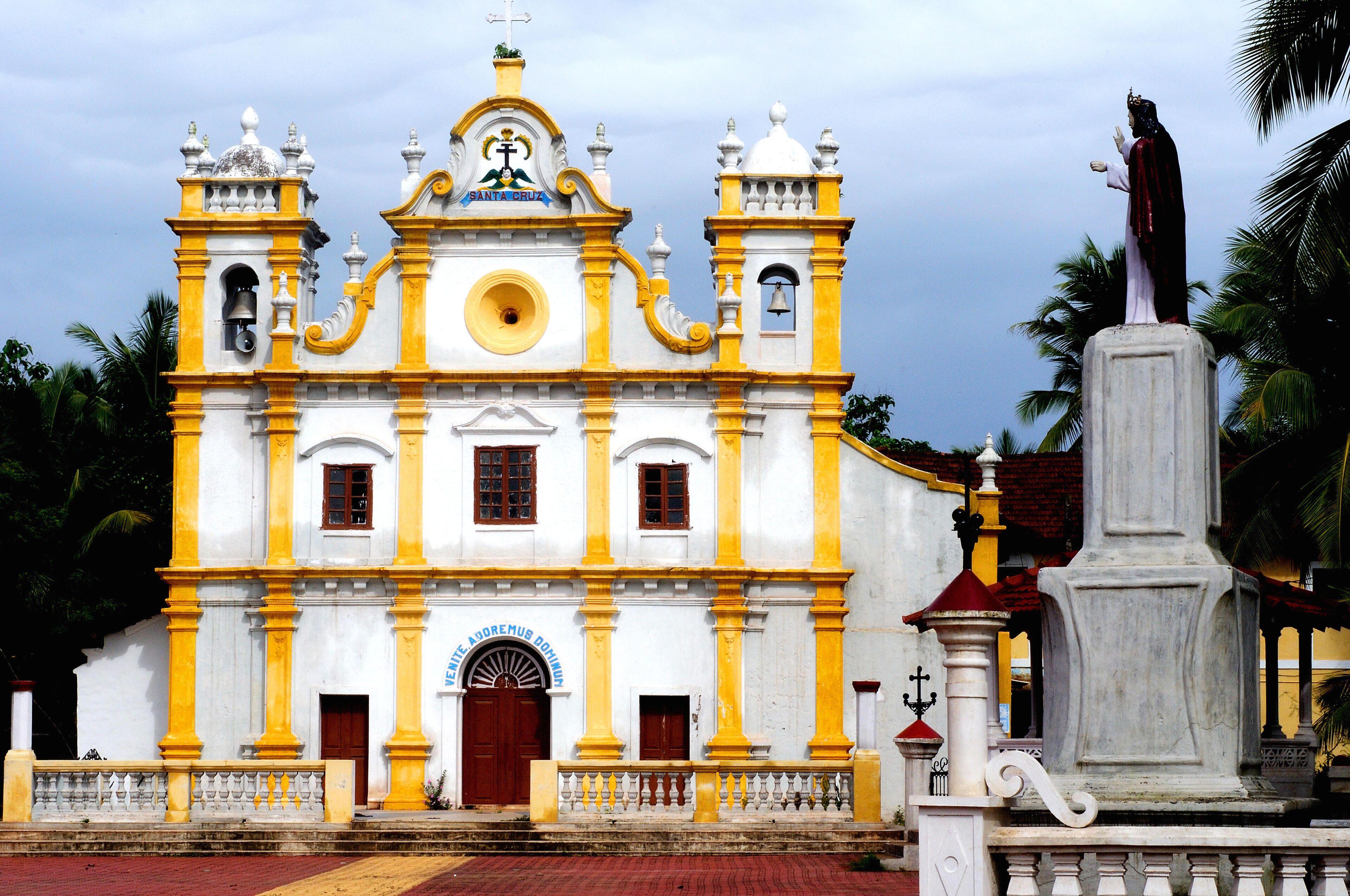
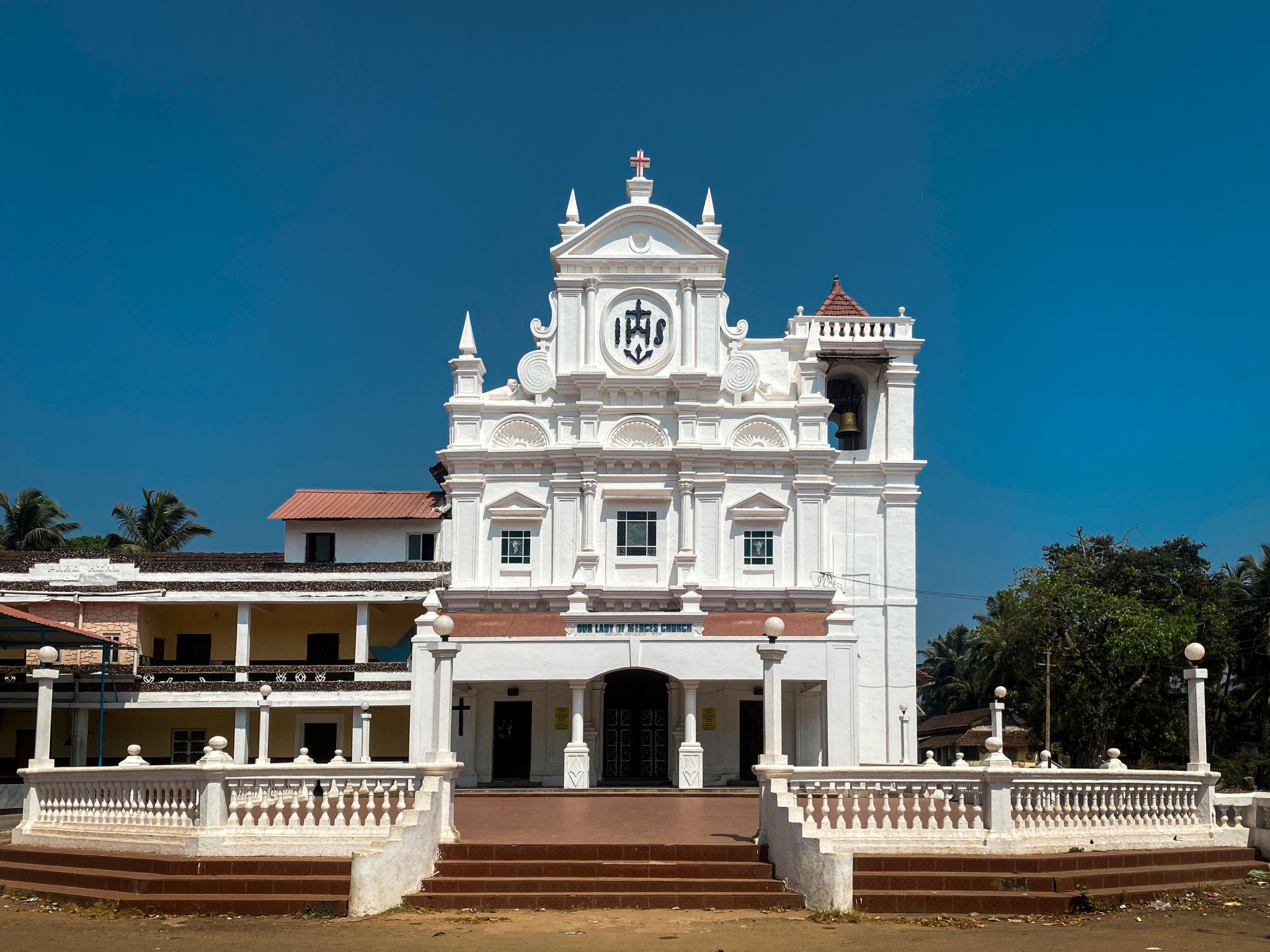
The Cavelossim Church, officially known as the Holy Cross Church (Santa Cruz Church), stands as a serene and spiritually uplifting landmark in the heart of South Goa. Located in the picturesque village of Cavelossim, this religious site is far more than just a place of worship; it is a cultural anchor for the local community and a breathtaking example of Goan-Portuguese ecclesiastical architecture. Unlike the bustling, high-traffic cathedrals of Old Goa, the Cavelossim Church offers a more intimate, tranquil experience that reflects the "Susegad" lifestyle—a relaxed, contented way of life synonymous with the Goan spirit.
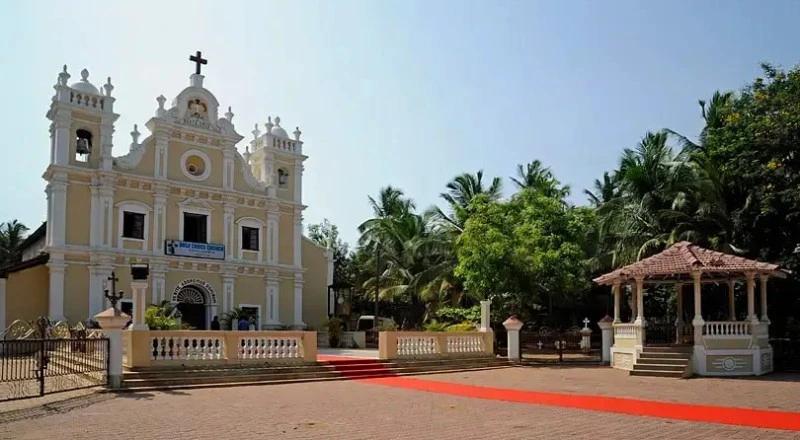
Situated between the Arabian Sea and the winding Sal River, the church serves as a beacon of faith for the villagers, most of whom have deep-rooted Catholic traditions spanning centuries. As you approach the church, the first thing that strikes you is its pristine white exterior, a characteristic feature of Goan churches intended to symbolize purity and divinity. The church is framed by swaying coconut palms and neatly manicured gardens, creating a postcard-perfect setting that captures the essence of South Goa’s rural charm. For travelers seeking a break from the commercialized tourist circuits, a visit to the Cavelossim Church provides a profound sense of peace and a glimpse into the authentic religious fabric of the region.
The atmosphere here is one of quiet contemplation. Whether you are a devout pilgrim or a curious traveler interested in history and art, the Cavelossim Church invites you to slow down. The gentle chime of the church bells, the scent of the salty sea breeze mingling with incense, and the sight of local elders gathered for the evening rosary all contribute to an immersive spiritual experience. In an era where travel is often rushed, this site remains a sanctuary of stillness, preserving the heritage of a bygone era while remaining a vibrant, living part of modern Goan society.
History & Religious Significance
The history of the Cavelossim Church is deeply intertwined with the colonial narrative of Goa and the evangelical missions of the Portuguese. The church was originally established as a small chapel in 1763. During this period, the Portuguese influence was firmly entrenched in the "Salcete" province, and the spread of Christianity led to the construction of numerous chapels to serve the growing local Catholic population. As the community in Cavelossim expanded, the need for a larger, more formal place of worship became evident.
In 1948, the chapel was elevated to the status of a parish church, a significant milestone that granted the local community greater autonomy in their religious practices. The transformation from a humble chapel to a grand parish church involved several stages of renovation and expansion. The land on which the church stands was historically part of a region that saw significant cultural synthesis, where indigenous Goan traditions met European religious fervor. The Holy Cross, to which the church is dedicated, holds immense significance in the Catholic faith, representing the sacrifice and subsequent resurrection of Jesus Christ. For the locals, the "Cruz" (Cross) is a symbol of protection and hope, often credited with safeguarding the fishing community from the vagaries of the sea.
Religious significance at Cavelossim Church also extends to the social structure of the village. For centuries, the church has been the center of all major life events—baptisms, weddings, and funerals. It acted as a communal hub during the Portuguese era, and even after Goa’s liberation in 1961, the church maintained its role as the primary guardian of the village’s moral and social values. The oral histories passed down by village elders often speak of the miraculous interventions attributed to the Holy Cross, further cementing its place as a site of deep-seated devotion and spiritual power.
Architecture of Cavelossim Church
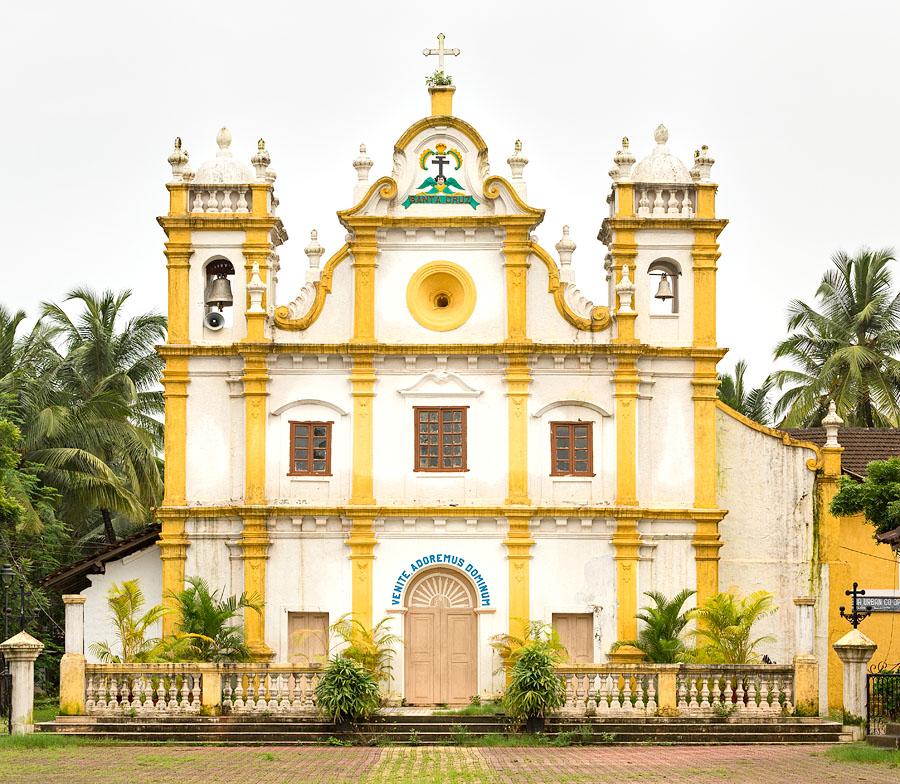
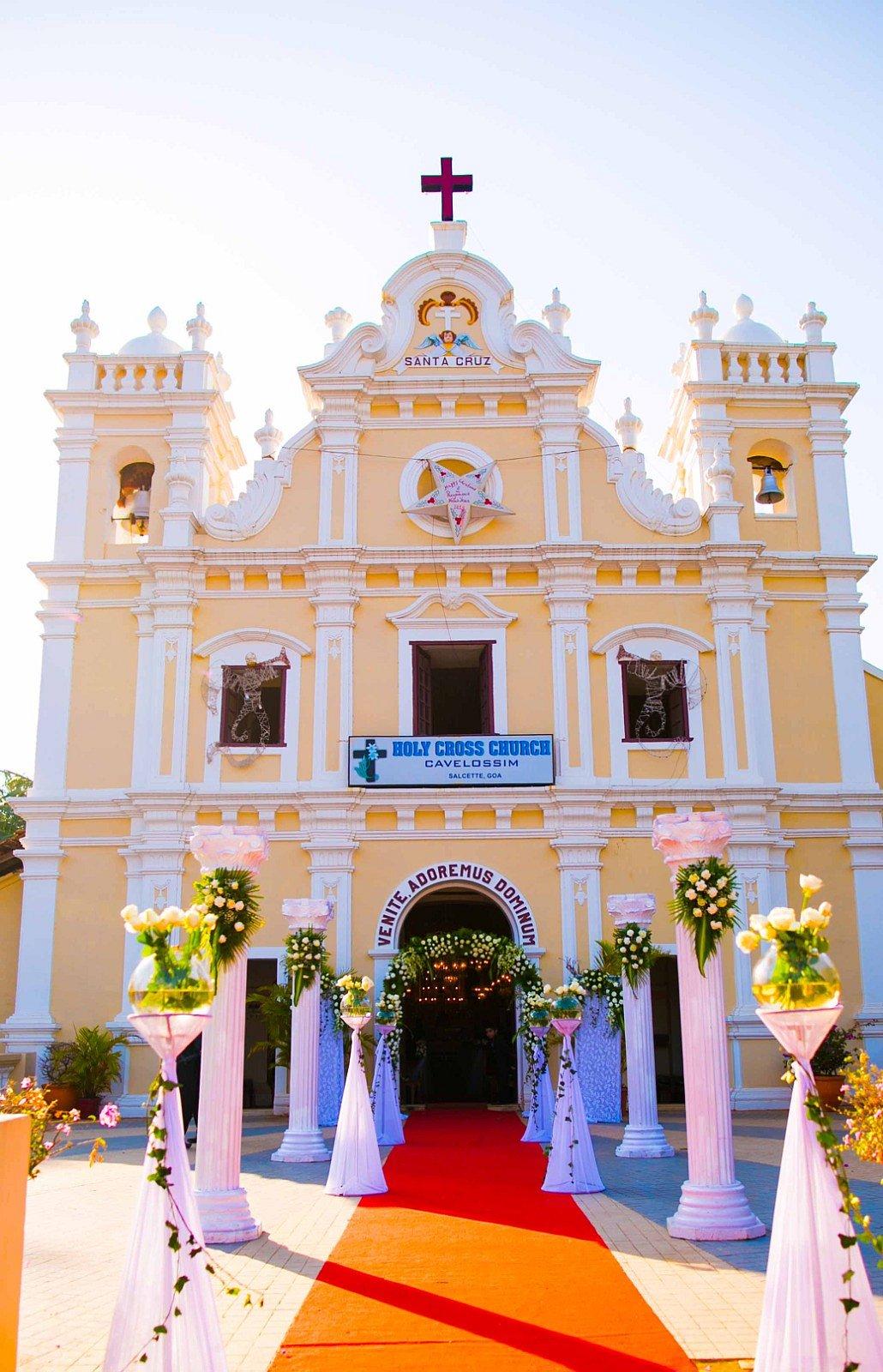
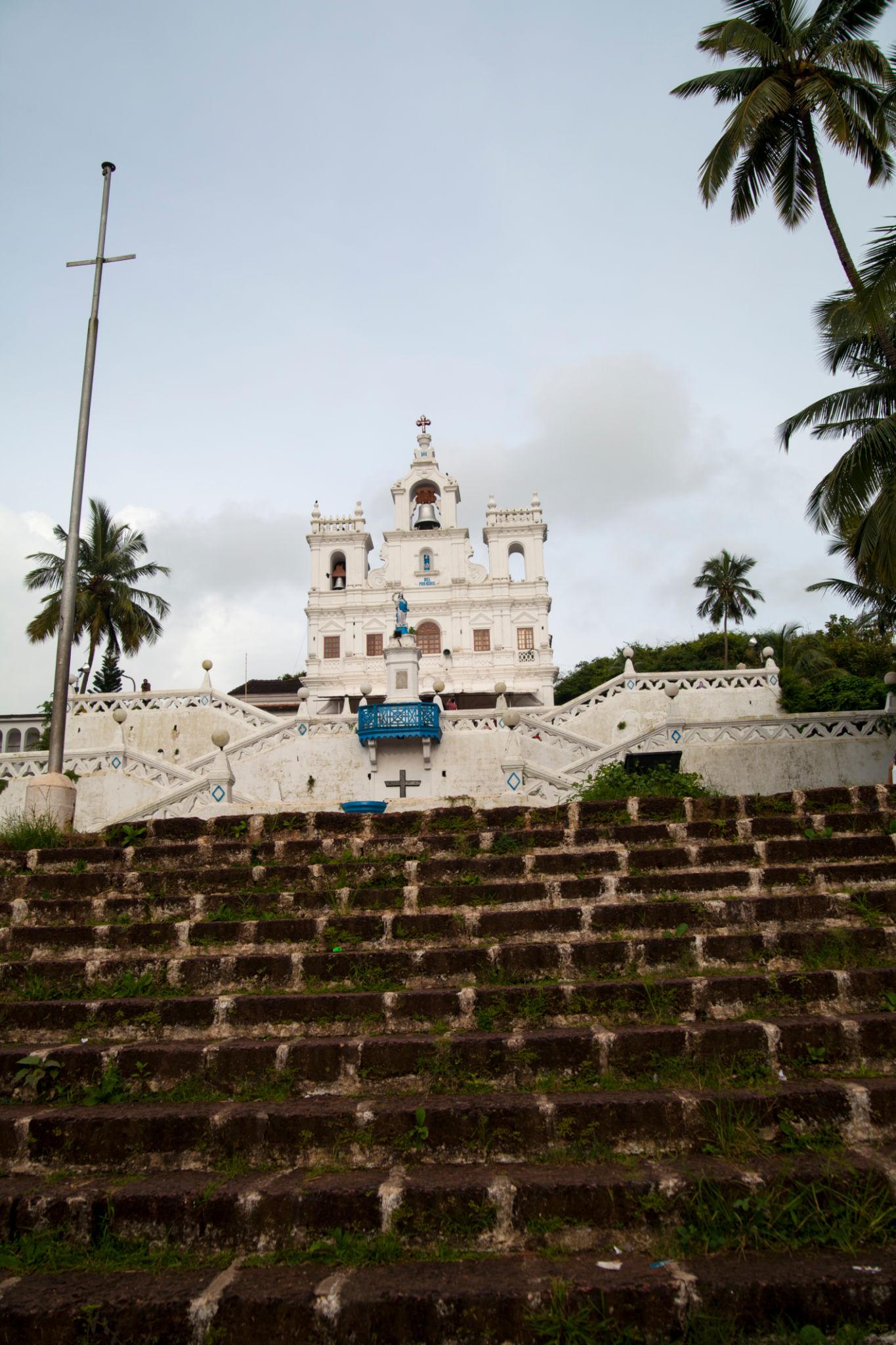
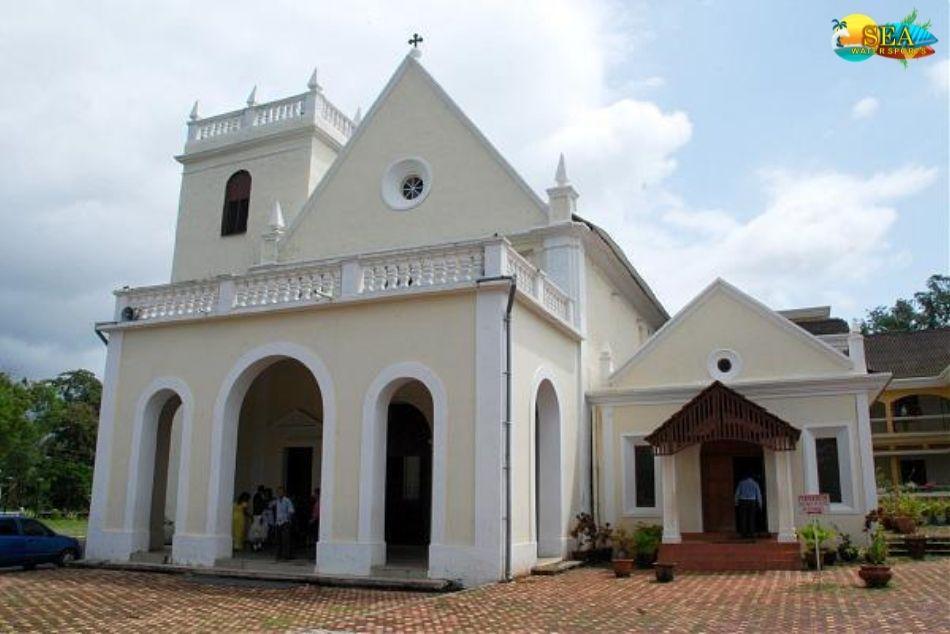
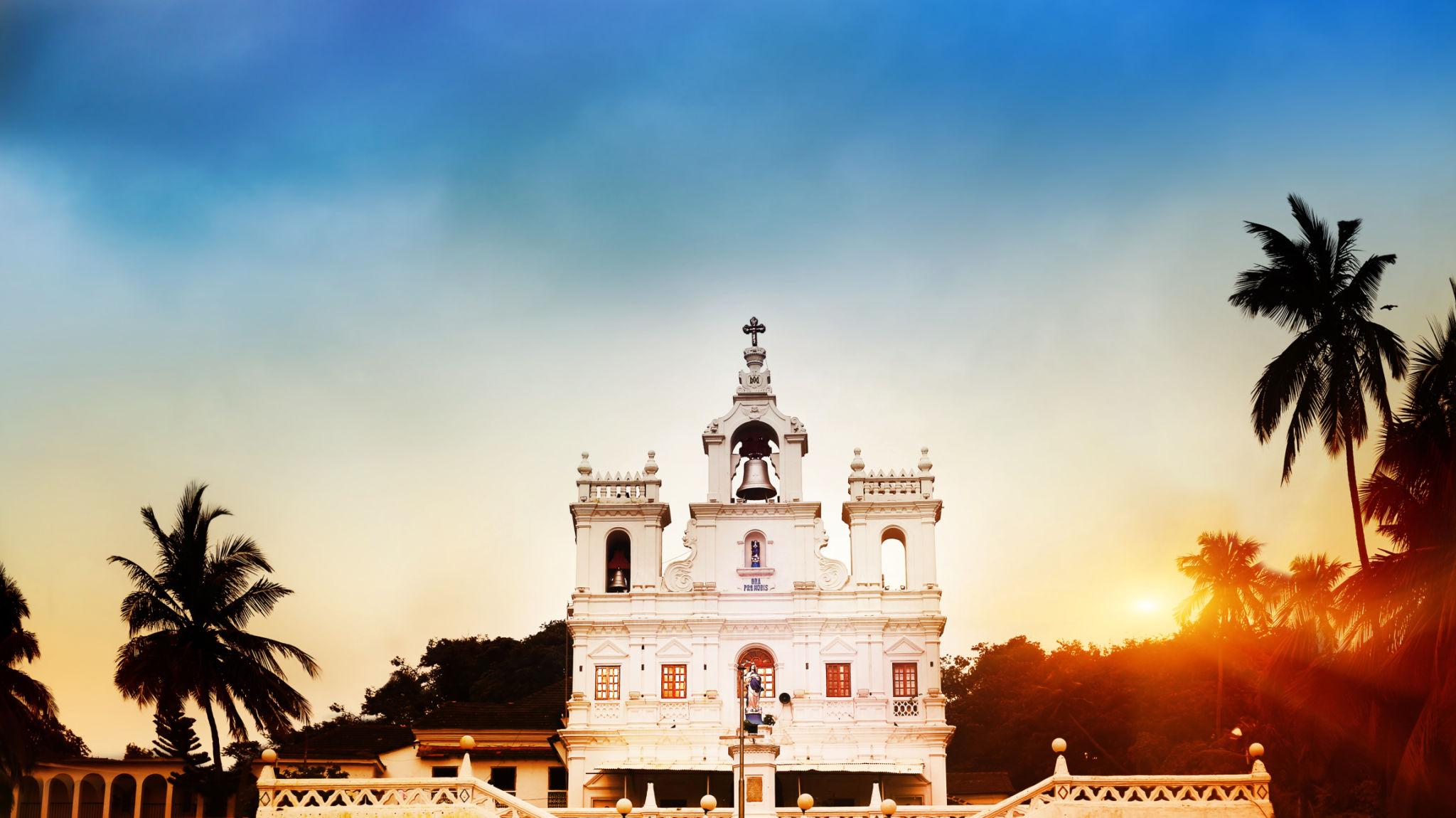
The architecture of the Cavelossim Church is a masterful blend of the Neo-Gothic style and traditional Goan-Portuguese elements. While many churches in North Goa lean heavily towards the Baroque or Mannerist styles, Cavelossim Church exhibits a refined elegance characterized by its verticality and pointed arches. The facade is a stunning display of symmetry, featuring a central gable flanked by two symmetrical bell towers. These towers are topped with decorative pinnacles that seem to reach toward the heavens, a classic hallmark of Gothic influence.
The use of materials is particularly noteworthy. Like most heritage structures in Goa, the church is primarily built using laterite stone, a locally available reddish volcanic rock. This stone is then covered with a thick layer of lime plaster and painted a brilliant white. This "whitewashing" was historically mandated by the Portuguese to ensure that the churches remained visible from a distance and reflected the heat of the tropical sun. The intricate moldings around the windows and doors provide a delicate contrast to the massive, solid walls of the structure.
Stepping inside, the interior of the church is equally impressive. The main altar is a work of art, featuring gilded wood carvings and ornate reredos (decorative screens). The craftsmanship reflects the skill of local Goan artisans who were trained by European masters but infused their work with local motifs. The high ceiling, supported by sturdy pillars, creates an acoustic environment perfect for choral singing and liturgical chants. Large, arched windows allow natural light to flood the nave, illuminating the statues of saints and the central crucifix. The floor is often laid with traditional patterned tiles, adding a touch of color to the otherwise solemn interior. Every architectural element, from the choir loft to the pulpit, is designed to draw the eye upward, reinforcing the spiritual purpose of the building.
Main Deity / Spiritual Importance
The primary focus of devotion at the Cavelossim Church is the Holy Cross. In the Christian tradition, the Cross is the ultimate symbol of the passion of Christ and the victory of life over death. In the context of a Goan coastal village like Cavelossim, the Holy Cross takes on an additional layer of meaning. It is viewed as a "Protector of the Shores." Many local fishermen, before heading out into the deep waters of the Arabian Sea, visit the church or offer a silent prayer to the Cross for a safe return and a bountiful catch.
Beyond the Holy Cross, the church also houses several altars dedicated to various saints who are highly revered in the Goan Catholic tradition. These include Our Lady of Fatima and St. Anthony of Padua. The spiritual importance of the church is manifested through the Sacraments. The weekly Mass is the heartbeat of the community, where the liturgy is often conducted in Konkani, the local language, creating a deeply personal connection between the faith and the people. The church is also a site for the "Way of the Cross" during Lent, a spiritual journey that many locals undertake with great solemnity.
The spiritual aura of the Cavelossim Church is palpable even to those who do not share the faith. There is a sense of "sacred space" that transcends religious boundaries. The quiet dignity of the sanctuary, the flickering of candles representing the prayers of the faithful, and the historical weight of the walls create an environment conducive to meditation and self-reflection. For the residents of Cavelossim, the church is the "soul" of the village, a constant presence that provides comfort during times of hardship and a place of jubilation during times of celebration.
Festivals & Celebrations
Festivals at the Cavelossim Church are vibrant affairs that showcase the unique "Indo-Portuguese" culture of Goa. The most significant event is the Feast of the Holy Cross, celebrated with great pomp and fervor. This feast usually takes place in May, marking a time of thanksgiving before the onset of the monsoon rains. The celebration is preceded by a nine-day period of prayer known as the Novena. Each day of the Novena is organized by different wards or groups within the village, fostering a sense of community unity.
On the day of the Feast, the church is decorated with colorful buntings and flowers. A grand High Mass is celebrated, often attended by priests from neighboring parishes and hundreds of devotees. Following the Mass, a traditional procession takes place, where a statue or a symbolic representation of the Holy Cross is carried through the streets of the village, accompanied by a brass band playing religious hymns. The streets come alive with the sound of trumpets and drums, and residents set up small altars outside their homes to welcome the procession.
- The Fama: This is the symbolic announcement of the feast, usually held a few days before the Novenas begin, involving the hoisting of a traditional banner.
- The Fair (Ferry): Like most Goan feasts, a "ferry" or fair is set up outside the church. Stalls sell everything from traditional Goan sweets like Bebinca and Dodol to clay toys, household items, and religious icons.
- Cultural Programs: Evenings are often filled with "Tiatr" (traditional Goan musical theater), Konkani songs, and dance performances that bring the entire village together.
- Christmas and Easter: These major Christian holidays are celebrated with midnight Masses and elaborate crib displays (during Christmas), drawing visitors from all over South Goa.
Best Time to Visit
Choosing the right time to visit the Cavelossim Church depends on whether you are looking for spiritual immersion or architectural appreciation. The most popular time for tourists is the winter season (November to February). During these months, the weather in South Goa is pleasant, with clear blue skies and a cool breeze from the sea. This is the ideal time for photography, as the bright sunlight perfectly complements the white facade of the church.
For those interested in the religious and cultural life of the village, visiting during May is highly recommended to witness the Feast of the Holy Cross. Although the weather can be hot and humid, the energy and cultural richness of the festival are unparalleled. You will get to see the village at its most vibrant, participating in traditions that have remained unchanged for generations.
The Monsoon season (June to September) offers a different kind of beauty. The surrounding greenery becomes incredibly lush, and the church stands out dramatically against the dark, rain-filled clouds. While outdoor activities might be limited, the church provides a cozy, dry sanctuary where you can listen to the rhythmic patter of rain on the roof—a truly meditative experience. Finally, the Christmas season in December is magical, as the church and the surrounding village are adorned with stars and lights, and the air is filled with the spirit of joy and giving.
Timings, Entry Fee & Dress Code
To ensure a respectful and smooth visit to the Cavelossim Church, it is important to be aware of the practical details. The church is a functioning place of worship, and visitors are expected to adhere to local norms.
- Timings: The church is generally open to visitors from 9:00 AM to 12:00 PM and again from 4:00 PM to 7:00 PM. However, these timings can vary on Sundays or during special feast days when multiple Masses are held. It is best to visit in the early morning or late afternoon to avoid the heat and to witness the local community at prayer.
- Mass Timings: On weekdays, Mass is typically held in the early morning (around 6:30 AM or 7:00 AM). On Sundays, there are usually multiple Masses, including one in the evening. Most services are conducted in Konkani, though English Masses may be available on special request or specific occasions.
- Entry Fee: There is no entry fee to visit the Cavelossim Church. It is open to people of all faiths and backgrounds. Donations for the upkeep of the church are welcomed but entirely voluntary.
- Dress Code: As this is a sacred site, a modest dress code is strictly enforced. Visitors should avoid wearing sleeveless tops, short skirts, or beachwear. Shoulders and knees should be covered. If you are coming directly from the nearby Cavelossim beach, please ensure you change into appropriate attire before entering the church premises. Wearing a hat or sunglasses inside the sanctuary is considered disrespectful.
How to Reach Cavelossim Church
Cavelossim is located in the southern part of Goa and is well-connected by various modes of transport. Reaching the church is relatively easy, whether you are staying in the north or already based in the south.
- By Air: The nearest airport is the Dabolim Airport (GOI), located approximately 35 to 40 kilometers away. You can hire a pre-paid taxi from the airport, which will take about an hour to reach Cavelossim. The newer Mopa Airport (Manohar International Airport) in North Goa is much further (about 90 km), so Dabolim is the preferred choice for South Goa travelers.
- By Rail: The closest major railway station is Madgaon (Margao), which is about 15-18 kilometers from Cavelossim. Madgaon is a central hub connected to major Indian cities like Mumbai, Bangalore, and Delhi. From the station, you can take a taxi, an auto-rickshaw, or a local bus to Cavelossim.
- By Road: Cavelossim is well-connected by a network of well-maintained roads. If you are driving from Panjim (the capital), it is about a 45-50 km journey.
- Self-Drive: Many tourists prefer renting a scooter or a car. The drive through the Goan countryside, passing through villages like Chinchinim and Assolna, is scenic and enjoyable.
- Local Bus: Frequent buses run from the Margao Bus Stand to Cavelossim. This is the most economical way to travel and offers a taste of local life.
- Taxis/Ridesharing: Goa Miles (the local app-based taxi service) or private taxis are readily available, though they can be more expensive than in other Indian states.
Things to Do
While the primary purpose of a visit to the Cavelossim Church is spiritual or historical, there are several activities you can engage in to make your visit more meaningful:
- Attend a Mass: Even if you are not Catholic, attending a Mass is a powerful way to experience the local culture. The devotion of the parishioners and the traditional hymns provide a deep insight into the Goan way of life.
- Architectural Photography: The church is a photographer's delight. Capture the intricate details of the Neo-Gothic facade, the symmetry of the bell towers, and the interplay of light and shadow in the interiors. (Note: Always check if photography is allowed inside before clicking).
- Quiet Meditation: Use the serene environment for some personal reflection. The church is rarely crowded during non-service hours, making it an ideal spot for meditation.
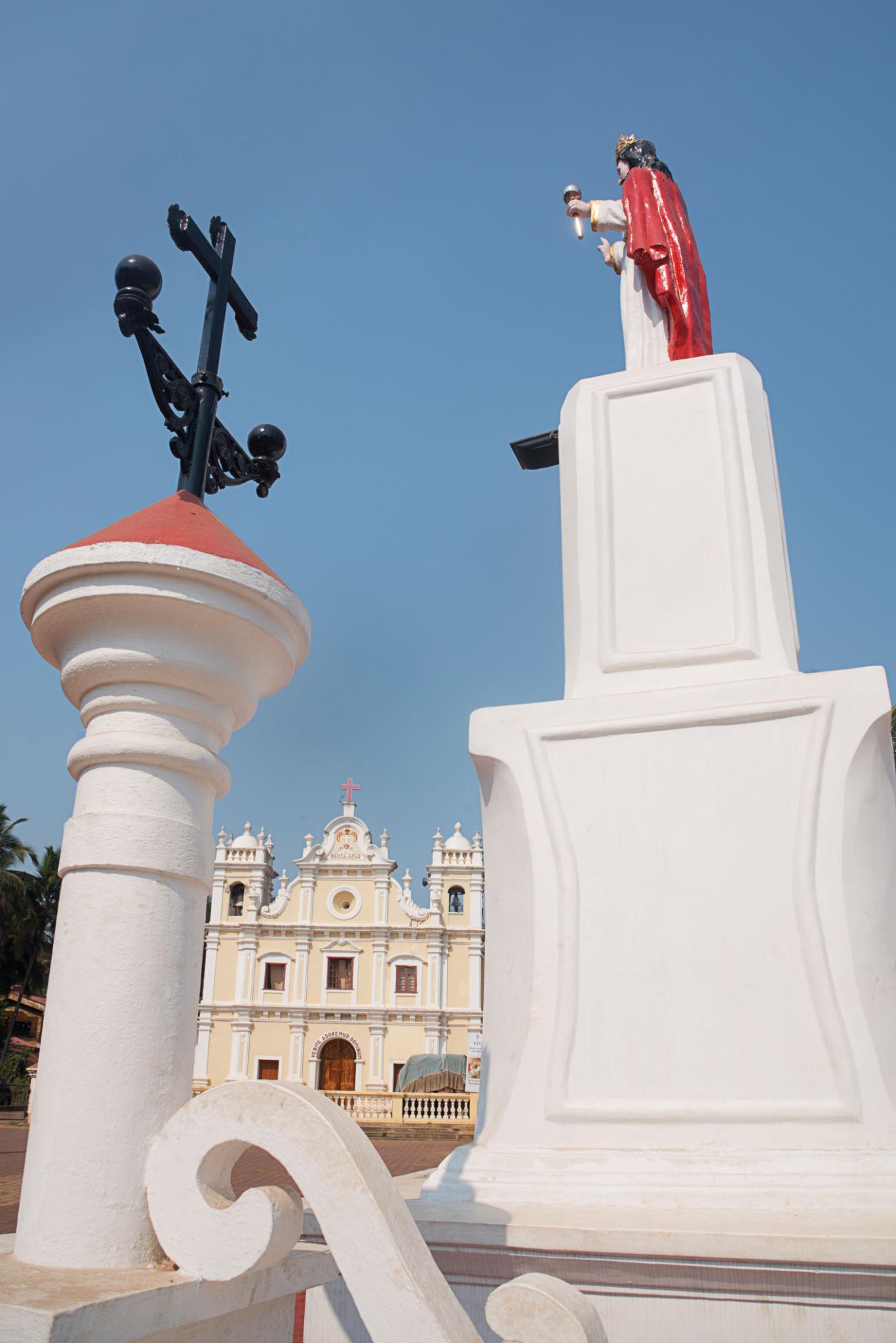
- Explore the Church Grounds: Walk around the exterior to see the traditional grotto dedicated to the Virgin Mary and the well-maintained cemetery nearby, which houses several historic tombstones with Portuguese inscriptions.
- Interact with Locals: If you see the parish priest or local volunteers, a polite conversation can reveal fascinating stories about the church’s history and the village’s traditions.
- Village Walk: After visiting the church, take a stroll through Cavelossim village. Observe the traditional Goan houses with their vibrant colors, large porches (balcãos), and oyster-shell windows.
Nearby Attractions
The Cavelossim Church is situated in a region rich with natural beauty and historical sites. You can easily combine your visit with these nearby attractions:
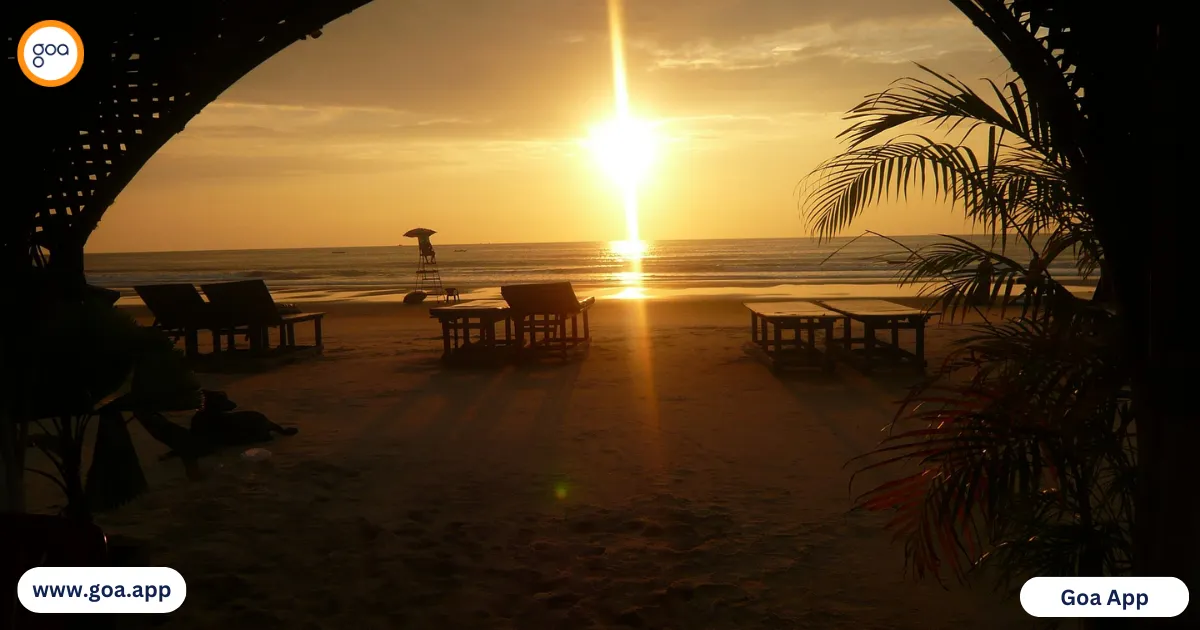
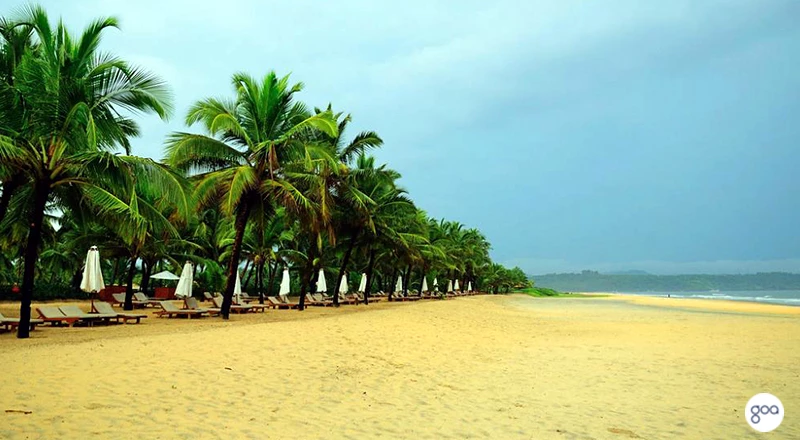
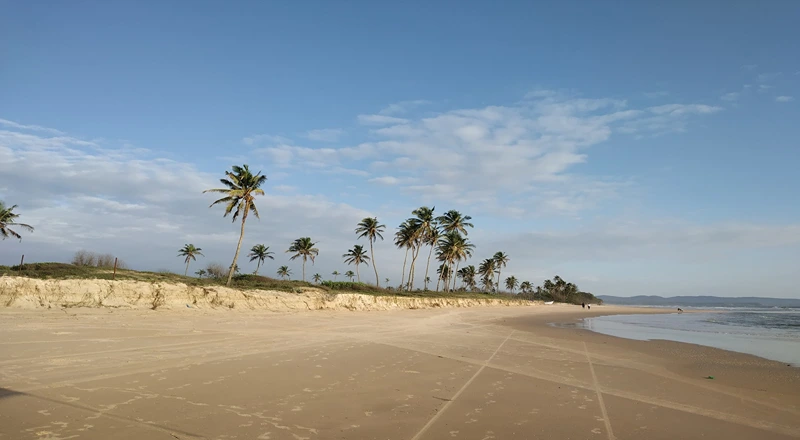
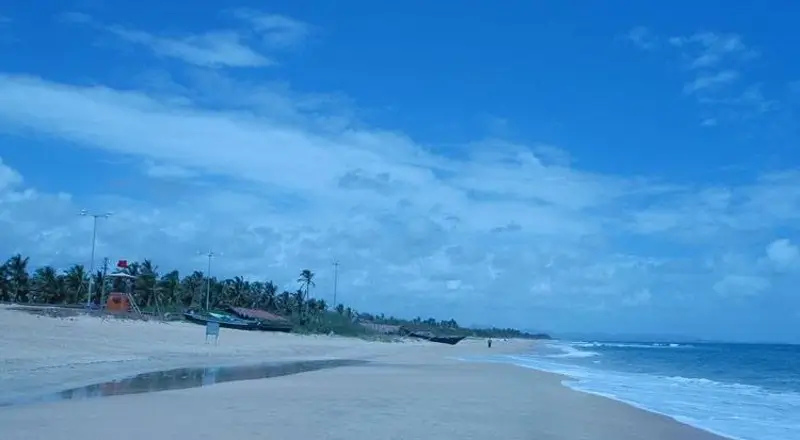
- Cavelossim Beach: Just a short walk or drive away, this beach is famous for its unique combination of white sand and black lava rocks. it is much quieter than the beaches of North Goa and is perfect for a sunset stroll.
- Mobor Beach: Located at the southern tip of the Cavelossim stretch, this is where the Sal River meets the Arabian Sea. It is a hub for water sports like jet-skiing and parasailing.
- Sal River Cruise: You can take a boat trip on the Sal River to spot local birdlife, watch traditional fishermen at work, and enjoy the tranquil mangroves. Some cruises also offer "dolphin spotting" trips.
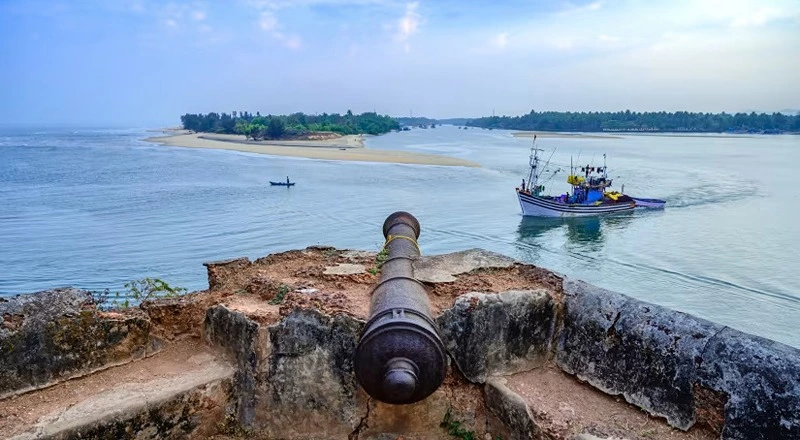
- Betul Fort and Lighthouse: Located across the river, the Betul Fort offers panoramic views of the coastline. It is a small but historically significant site built by Shivaji Maharaj.
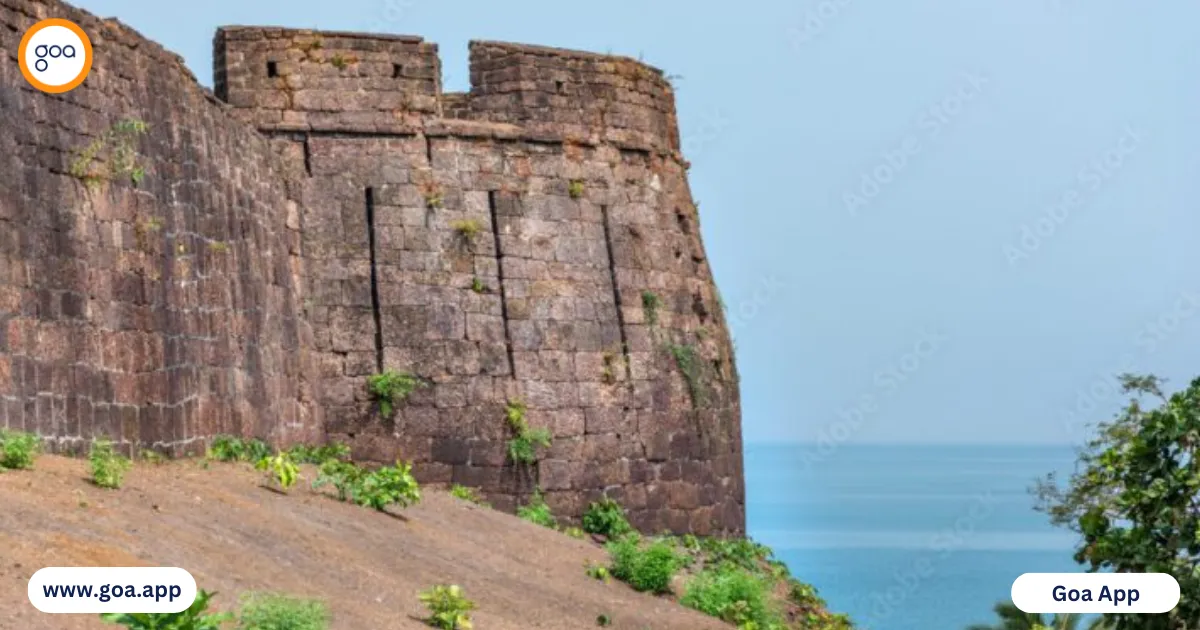
- Cabo de Rama Fort: About 15-20 km further south, this ancient fort perched on a cliff offers some of the most spectacular views in all of Goa. It also houses a small chapel inside its walls.
- Carmona Village: Another quintessential South Goan village nearby, known for its beautiful traditional architecture and the Church of Our Lady of Help.
Photography & Visitor Guidelines
To maintain the sanctity of the Cavelossim Church and ensure a pleasant experience for everyone, visitors are encouraged to follow these guidelines:
- Respect the Sanctum: The area around the altar is considered the most sacred. Avoid entering the sanctuary area or touching the religious artifacts and statues.
- Silence is Golden: Maintain a low volume when speaking. If a Mass or prayer service is in progress, refrain from walking around the church or taking photos.
- Photography Etiquette: While photography is usually permitted in the outer courtyard, some churches discourage photography inside the main hall to prevent distractions. Always look for signs or ask for permission. Never use flash inside the church, as it can damage old paintings and disturb worshippers.
- No Food or Drinks: Consuming food or beverages inside the church or on its immediate steps is strictly prohibited. Please dispose of any trash in designated bins outside.
- Mobile Phones: Switch your mobile phone to silent or airplane mode before entering. Avoid taking calls inside the sanctuary.
- Smoking and Alcohol: These are strictly prohibited within the church premises and the surrounding grounds.
- Respect Local Customs: If you see locals performing rituals, such as lighting candles or kneeling, give them space and do not interrupt.
Where to Eat Nearby
Cavelossim is a culinary delight, offering everything from humble local shacks to high-end fine dining. Here are some top recommendations near the church:
- Mike’s Place: A legendary spot in Cavelossim known for its lively atmosphere, great cocktails, and a wide range of Goan and Continental dishes. It is a great place to experience the local "vibe."
- Fisherman’s Wharf: Located on the banks of the Sal River, this restaurant offers a stunning view and some of the best seafood in South Goa. Try their Kingfish Recheado or Prawn Curry Rice.
- James’s Beach Shack: For a more relaxed experience, head to the beach. This shack is known for its fresh catch of the day and friendly service.
- The Leela Goa Dining: If you are looking for luxury, the nearby Leela resort offers several world-class restaurants serving authentic Indian and international cuisines in a palatial setting.
- Robin’s Ark: A popular choice for families, offering a diverse menu that includes excellent steaks, seafood, and Goan specialties.
- Local Bakeries: Don’t forget to visit a local "Padeiro" (baker) in the morning to try fresh Poi (Goan bread) or Pão.
Accommodation Nearby
Cavelossim offers a variety of stay options to suit different budgets, making it an excellent base for exploring South Goa.
- Luxury Resorts:
- The Leela Goa: A sprawling riverside and beachside property offering ultimate luxury and Goan hospitality.
- Taj Exotica Resort & Spa: Located slightly further north in Benaulim but easily accessible, this is one of Goa’s most iconic luxury stays.
- Radisson Blu Resort: Known for its colorful, Portuguese-inspired architecture and excellent amenities.
- Boutique Hotels & Villas:
- Novotel Goa Dona Sylvia Resort: A beautiful Mediterranean-style resort located right on Cavelossim Beach.
- Karma Royal Haathi Mahal: Offers a blend of hotel rooms and apartments with a unique "Old World" charm.
- Budget & Mid-Range:
- Luisa by the Sea: Offers charming villas and apartments near the river, perfect for long-term stays.
- Guesthouses: There are numerous family-run guesthouses in Cavelossim village that offer a more authentic and affordable experience.
Travel Tips
To make the most of your trip to the Cavelossim Church and the surrounding area, keep these tips in mind:
- Stay Hydrated: The Goan sun can be intense. Always carry a bottle of water, especially if you are exploring on foot or by scooter.
- Sun Protection: Use sunscreen, wear a hat, and carry sunglasses.
- Local Currency: While many places accept cards and UPI, smaller shops and local transport may require cash. It’s always good to have some Indian Rupees on hand.
- Learn Basic Konkani: A simple "Dev Borem Korum" (God bless you/Thank you) goes a long way in winning the hearts of the locals.
- Rent a Scooter: For maximum flexibility, rent a scooter. It allows you to explore the narrow lanes of Cavelossim and nearby villages at your own pace.
- Respect the Environment: South Goa is known for its pristine beauty. Avoid using single-use plastics and ensure you don't leave any litter behind.
- Check Local Calendars: Before visiting, check if there are any local festivals or "Zatras" (temple festivals) happening nearby, as these can affect traffic and crowd levels.
Conclusion
The Cavelossim Church is a testament to the enduring faith and rich cultural tapestry of South Goa. It is a place where history is etched into the white-washed walls and where the spiritual pulse of the village can be felt in every prayer and hymn. Whether you are drawn by its stunning Neo-Gothic architecture, its deep religious significance, or simply the desire to find a moment of peace away from the tourist crowds, the church offers a rewarding and soul-stirring experience.
Visiting this holy site allows you to connect with the "real" Goa—a land that is as much about its spiritual heritage as it is about its sun-kissed beaches. As you stand before the Holy Cross or walk through the quiet village lanes, you realize that Cavelossim is a place where time slows down, allowing the beauty of the present moment to take center stage. Make sure to include the Cavelossim Church in your South Goa itinerary; it is a journey into the heart of a community that continues to honor its past while embracing the beauty of its natural surroundings with grace and devotion.