Overview of Devaki Krishana Temple
Nestled in the serene and culturally rich village of Marcel (also known as Mashel) in the Ponda taluka of Goa, the Devaki Krishna Temple stands as a monumental symbol of maternal love and historical resilience. Unlike the stereotypical image of Goa defined by its sun-kissed beaches and vibrant nightlife, the hinterlands of Ponda offer a glimpse into the spiritual soul of the state. The Devaki Krishna Temple is unique not just in Goa, but across the entire Indian subcontinent, as it is the only temple dedicated to the worship of Lord Krishna alongside his biological mother, Devaki. This specific focus on the bond between mother and son makes it a site of immense emotional and spiritual significance for devotees and travelers alike.
Marcel is often referred to as the "Village of Temples" because it serves as a sanctuary for many deities that were relocated during the Portuguese colonial era. The Devaki Krishna Temple is the crown jewel of this village. The temple complex is characterized by its peaceful ambiance, traditional Goan-Hindu architecture, and a sense of timelessness that transports visitors back to an era of profound devotion. For a professional travel writer, this site represents the "other side" of Goa—one that is rooted in ancient Vedic traditions, communal harmony, and a history of survival against religious persecution. Whether you are a spiritual seeker, a history enthusiast, or a cultural explorer, this temple provides a deep, meditative experience that contrasts beautifully with the coastal bustle.
The temple is the primary place of worship for the Gaud Saraswat Brahmins and several other local communities who consider Devaki Krishna as their Kuldevta (family deity). The atmosphere here is one of quiet reverence, where the rhythmic chanting of shlokas and the scent of fresh marigolds and incense create a divine aura. Visiting this temple is not just a religious ritual; it is an immersion into the socio-cultural fabric of Goan Hindus who have preserved their heritage with unwavering tenacity for centuries.
History & Religious Significance
The history of the Devaki Krishna Temple is a gripping saga of displacement, survival, and the preservation of faith. To understand its significance, one must look back to the 16th century, a period of intense religious upheaval in Goa. Originally, the idols of Devaki and Krishna were enshrined in a magnificent temple on the Island of Chorao (Chudamani), located in the Tiswadi taluka. During the Portuguese conquest and the subsequent Goa Inquisition, many Hindu temples were systematically demolished to make way for churches and to facilitate religious conversions.
In 1510, as the Portuguese solidified their hold over Tiswadi, the devotees realized that their beloved deities were at risk. In a daring act of devotion, the idols were secretly moved under the cover of night across the Mandovi River. The journey was not a simple one; the deities were first moved to Mayem in Bicholim taluka. However, as the Portuguese influence expanded, the idols were moved again to their current location in Marcel, which at the time fell under the jurisdiction of the more religiously tolerant Bijapur Sultanate and later the Maratha influence. This relocation is why Marcel today hosts a cluster of relocated deities, including Lord Ravalnath, Lord Ganesha, and Goddess Bhumika.
The religious significance of the temple is rooted in the "Vatsalya" bhav (the emotion of parental love). While most Krishna temples focus on his role as the divine lover (Radha-Krishna) or the supreme philosopher (as seen in the Bhagavad Gita), the Marcel temple celebrates the reunion of Devaki and her son Krishna. According to local lore and scriptures, after Krishna defeated Kansa and released his parents from prison in Mathura, the bond between Devaki and Krishna became a symbol of pure, unconditional love. The idol depicts Devaki in a standing posture with the child Krishna held close to her, a rare iconographic representation that draws pilgrims from all over India who seek blessings for their families and children.
Architecture of Devaki Krishana Temple
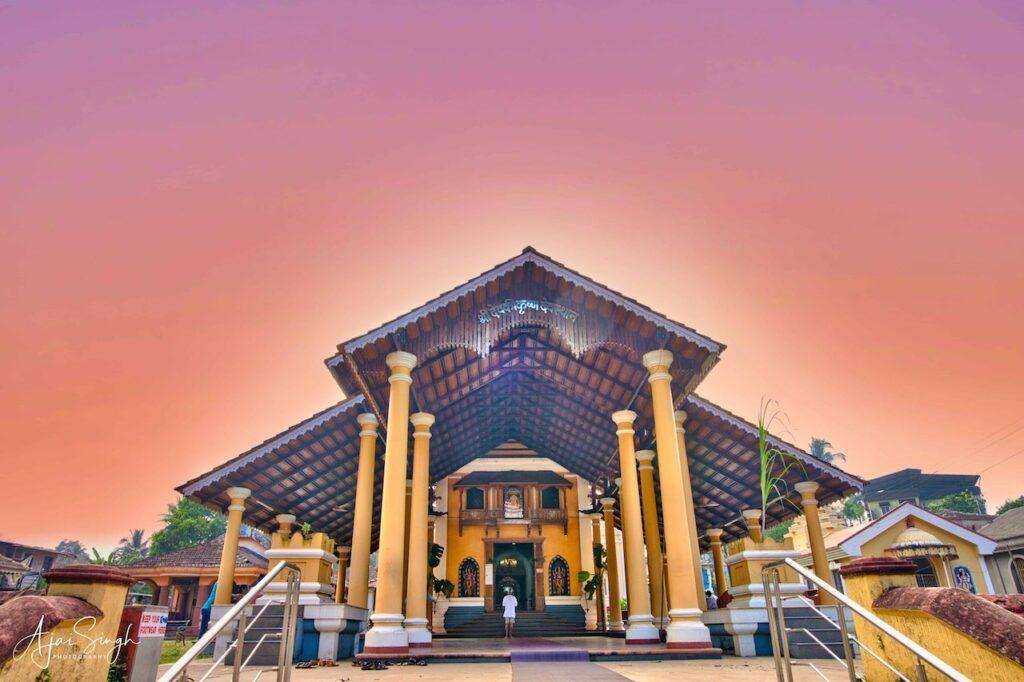
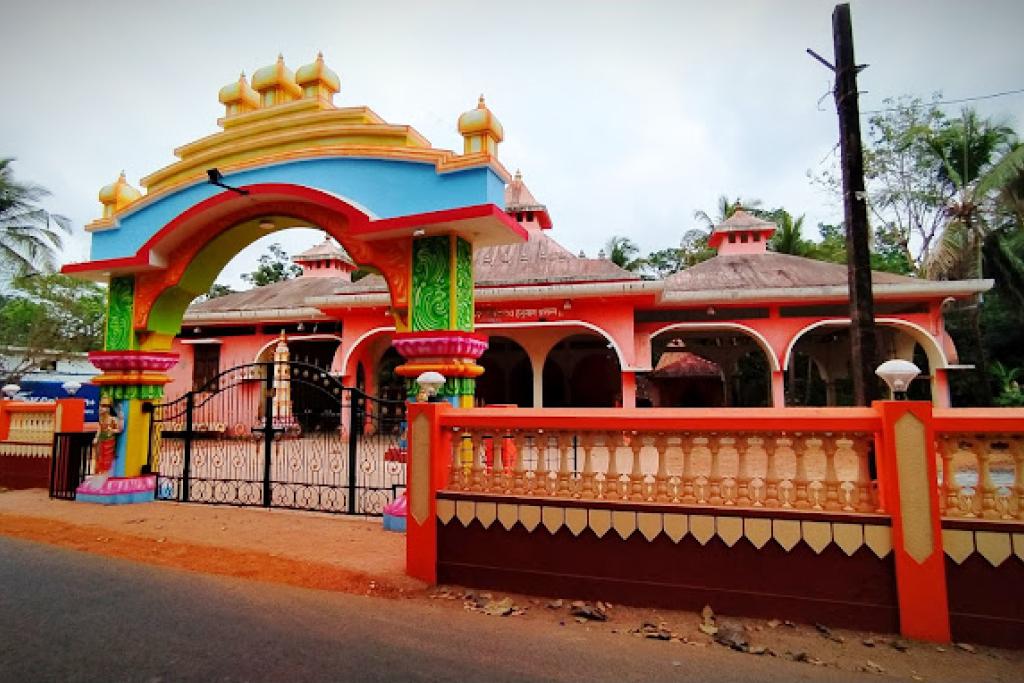
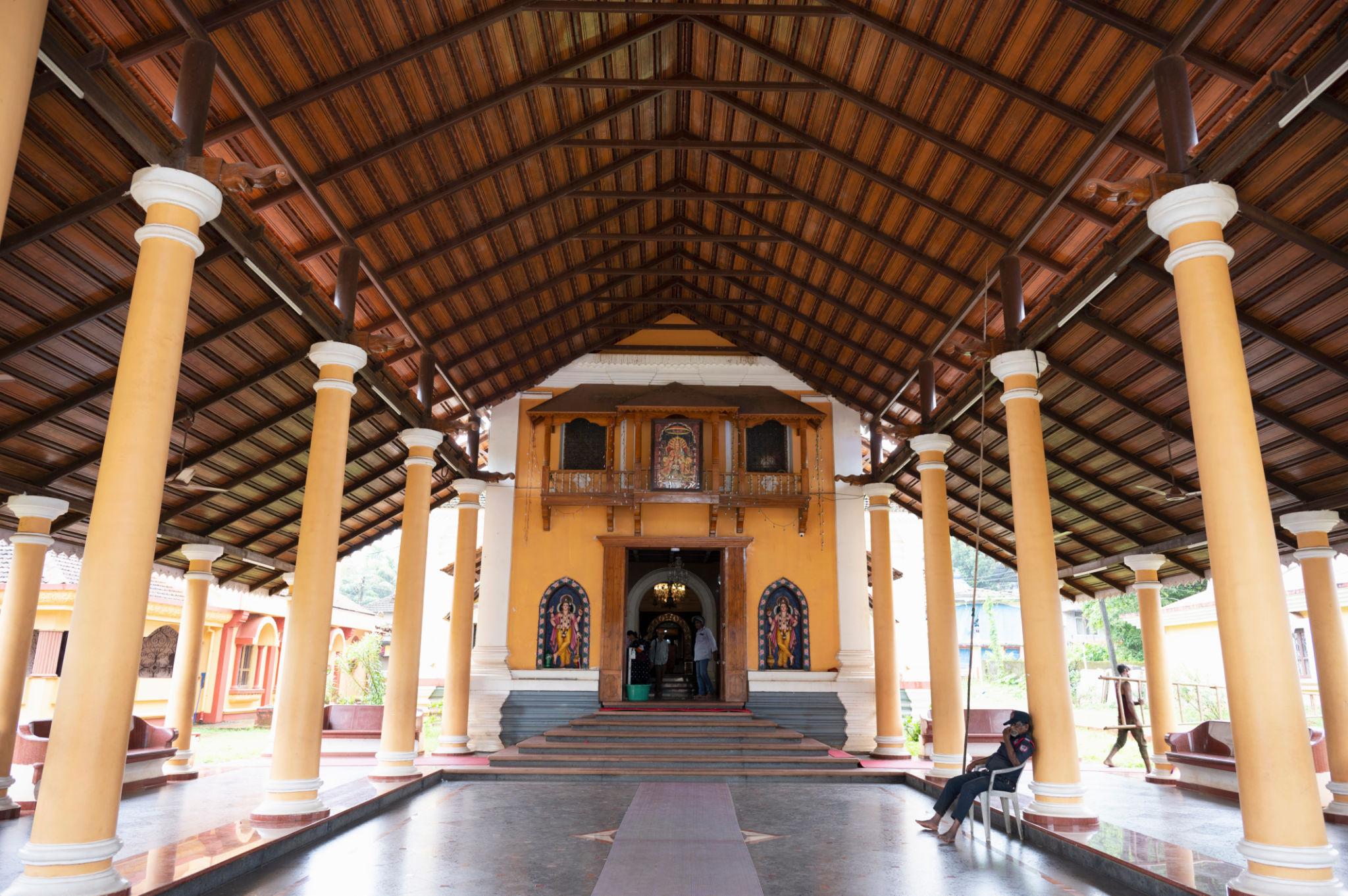
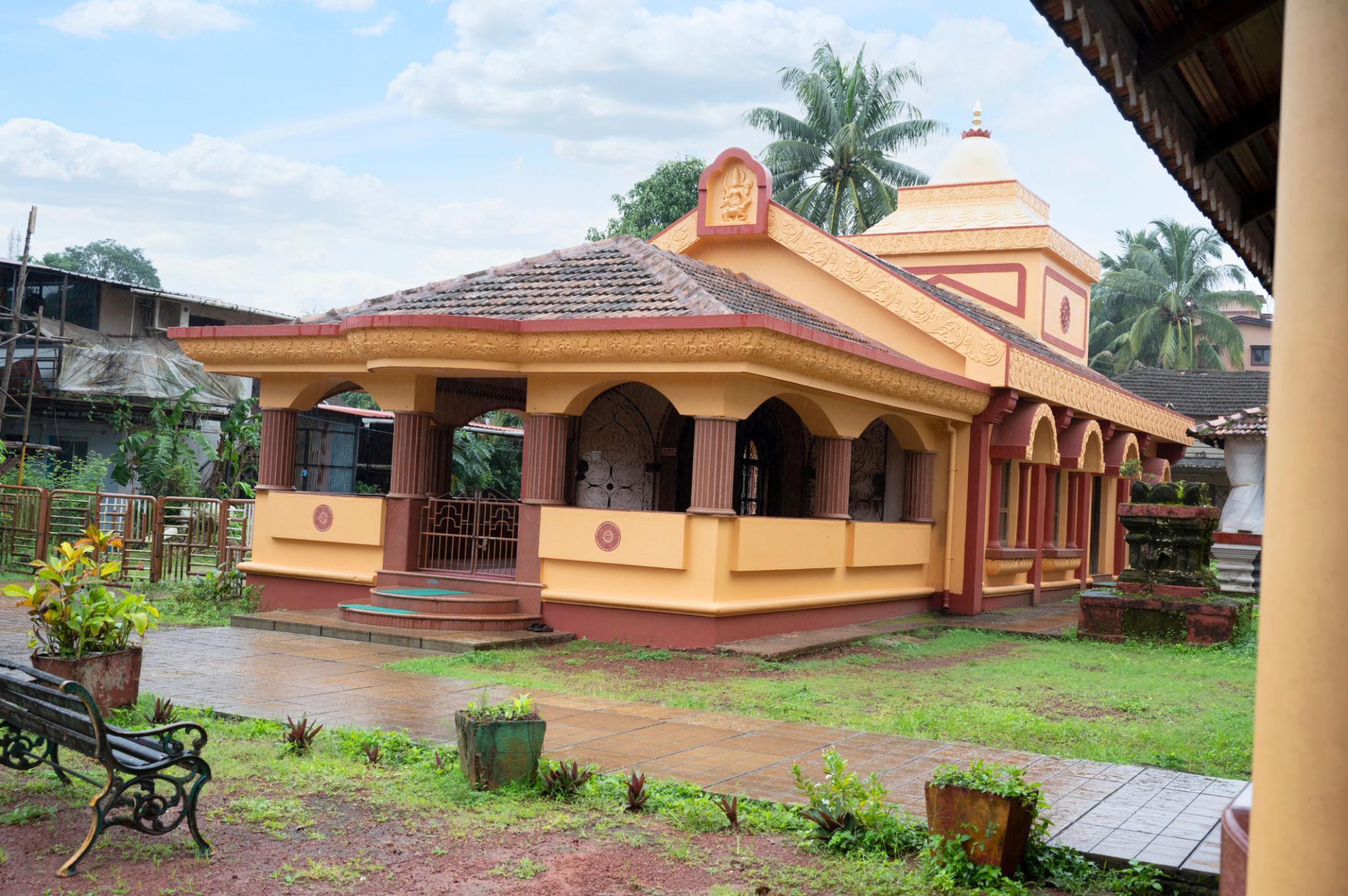
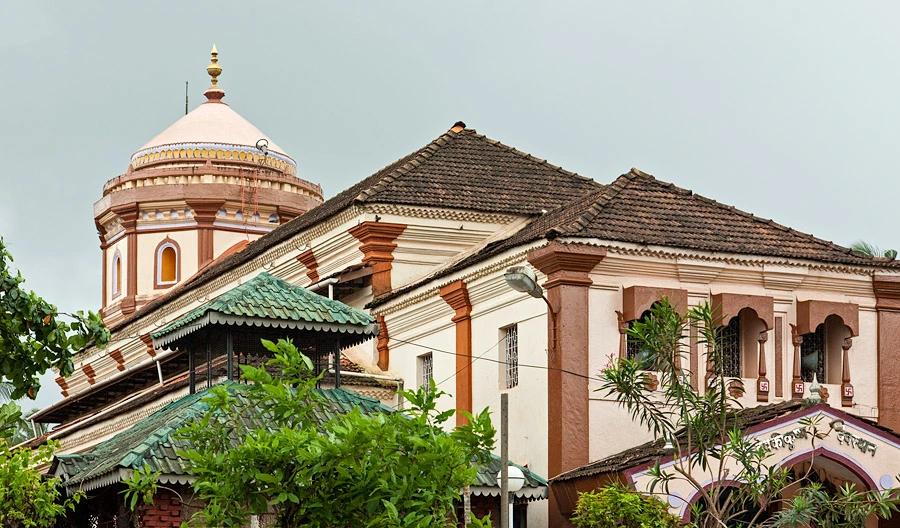
The architecture of the Devaki Krishna Temple is a quintessential example of the Goan-Hindu style, which is a fascinating blend of local Indian traditions, Maratha influences, and subtle colonial Portuguese aesthetic elements. Unlike the towering Gopurams of South India, Goan temples like this one feature a more horizontal profile with distinct structural components that reflect the region's climate and history.
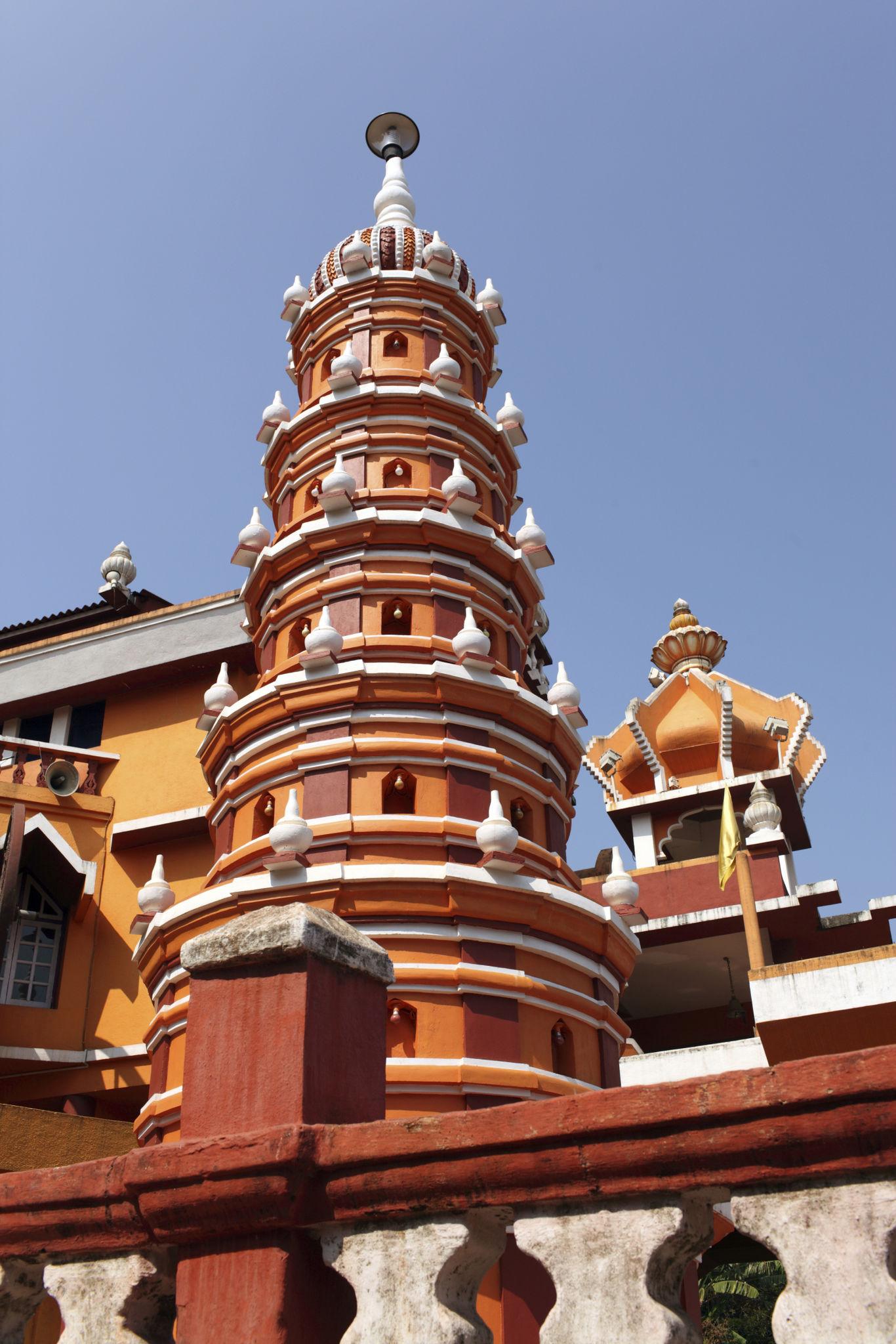
- The Deepastambha (Tower of Light): As you enter the temple complex, the first thing that captures your attention is the magnificent Deepastambha. This multi-storied octagonal tower is a hallmark of Goan temples. During festivals, hundreds of oil lamps are lit in the niches of this tower, creating a breathtaking spectacle of light. The tower reflects a fusion of Maratha design with European-style decorative moldings.
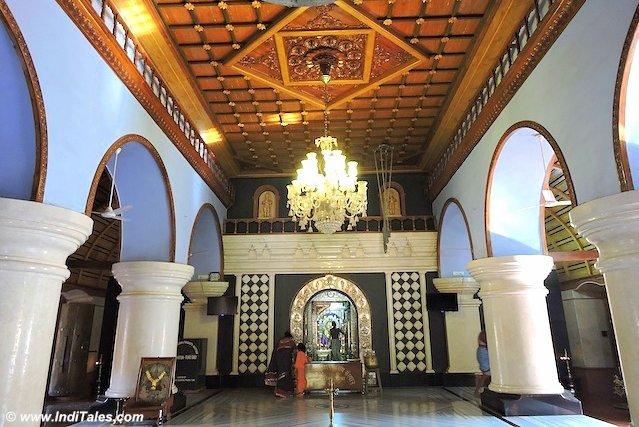
- The Mandapa (Assembly Hall): The main hall of the temple is spacious and airy, designed to accommodate large numbers of devotees. The ceiling often features intricate wood carvings or paintings depicting scenes from the Puranas. The pillars are sturdy, sometimes topped with carved motifs that show the craftsmanship of local Goan artisans.
- The Shikhar (Dome): The temple features a prominent dome rather than a traditional pointed spire. This dome structure is often cited as an influence of Indo-Islamic or even Neo-Classical architecture, adapted to the local temple layout. It is usually painted in bright whites or ochres, standing out against the lush green backdrop of the Ponda countryside.
- The Garbhagriha (Sanctum Sanctorum): This is the most sacred part of the temple where the main idols are placed. The entrance to the sanctum is often adorned with silver-plated doors or intricate stone carvings. The inner chamber is kept dim, illuminated by oil lamps, which focuses the devotee's attention entirely on the divine forms of Devaki and Krishna.
- Prakara and Courtyard: The temple is surrounded by a clean, paved courtyard. Around the main shrine, there are smaller shrines dedicated to secondary deities (Parivar Devatas), creating a holistic spiritual ecosystem. The use of red laterite stone—abundant in Goa—for the foundations and outer walls provides a grounded, earthy feel to the entire structure.
Main Deity / Spiritual Importance
The spiritual heart of the temple lies in its unique iconography. The main deity is a beautifully carved idol of Devaki and Lord Krishna. What makes this idol extraordinary is the depiction of Devaki in a standing position, holding the young Krishna. The craftsmanship is exquisite, usually carved from black stone (Kala Pashan), which gives the deities a timeless and powerful presence. Krishna is shown not as the infant "Bal Krishna" crawling with a butter pot, but as a young boy, symbolizing the moment of recognition and maternal joy.
The spiritual importance of this deity combination cannot be overstated. In Hindu theology, the relationship between a mother and her child is considered one of the highest forms of Bhakti (devotion). Pilgrims believe that worshipping here helps in strengthening family bonds and brings peace to the household. Many women visit the temple to pray for the well-being of their children or to seek blessings for conceiving, as Devaki is seen as the ultimate protector of her offspring.
Additionally, the temple houses other significant deities including Lord Ravalnath, Lord Ganesha, Goddess Bhumika, and Lord Mallinath. This "Panchayatana" style of worship—where multiple deities are honored in one complex—is a core part of Goan spiritual life. It represents the interconnectedness of various divine energies. For the local community, the deity is not just a statue but a living presence that has guided their ancestors through centuries of hardship and migration. The spiritual energy of the temple is said to be particularly potent during the early morning Abhishek (ritual bathing of the idol), where the vibrations of the Vedic chants resonate through the hall.
Festivals & Celebrations
The Devaki Krishna Temple comes alive during its various festivals, which are celebrated with a unique Goan fervor that combines religious solemnity with cultural joy. If you want to experience the true spirit of Marcel, timing your visit during these celebrations is highly recommended.
- Malni Purnima (The Annual Zatra): This is the most important festival of the temple, held in the month of Pausha (usually January). The Zatra is a grand affair where the deities are taken out in a decorated chariot (Ratha) in a massive procession. Thousands of devotees from across Goa and neighboring states gather to pull the chariot, seeking blessings. The village of Marcel turns into a fairground with stalls selling traditional sweets like khaje, clay toys, and local handicrafts.
- Janmashtami: Being a Krishna temple, the birth of Lord Krishna is celebrated with immense devotion. The temple is decorated with flowers and lights. Devotees stay up until midnight, singing bhajans and kirtans, to mark the exact moment of Krishna's birth. The "Dahi Handi" celebrations in the surrounding village area are also a sight to behold.
- Shigmo: The Goan version of Holi, Shigmo, is celebrated here with traditional folk dances like Ghode Modni and Fugdi. The temple courtyard becomes a stage for local artists to perform, showcasing the rich folk heritage of the Ponda region.
- Tulsi Vivah: Marking the end of the monsoon and the beginning of the wedding season in India, the ceremonial marriage of the Tulsi plant to Lord Vishnu (in his Krishna form) is performed with elaborate rituals, reflecting the agrarian roots of the local community.
- Dhalo: An eco-feminist festival celebrated by the women of the village in the temple precincts, involving traditional songs and dances that pray for the prosperity of the village and the health of the earth.
Best Time to Visit
The best time to visit the Devaki Krishna Temple depends on whether you are seeking a peaceful meditative experience or a vibrant cultural immersion.
Winter (November to February): This is the peak season for visiting Goa and the temple. The weather is pleasant, with cool breezes and mild sunshine, making it comfortable to explore the temple complex and the village of Marcel. This period also coincides with the Malni Purnima Zatra, offering a chance to see the temple in its full festive glory.
Monsoon (June to September): For those who love the lush, green side of Goa, the monsoon is a magical time. The Ponda region, with its spice plantations and thick canopy, looks stunning. The temple feels even more serene as the sound of rain provides a natural backdrop to the temple bells. However, be prepared for heavy downpours which might make travel a bit slower.
Summer (March to May): The summer months can be quite hot and humid in Goa. If you visit during this time, it is best to go early in the morning (between 7:00 AM and 9:00 AM) or late in the evening (after 5:00 PM) to avoid the midday heat. The temple interiors remain relatively cool due to the stone construction and high ceilings.
Timings, Entry Fee & Dress Code
To ensure a respectful and smooth visit, please keep the following practical details in mind:
- Temple Timings: The temple is generally open from 7:00 AM to 12:30 PM and then from 4:00 PM to 8:30 PM. During festival days, these hours may be extended. It is advisable to visit during the morning or evening Aarti (prayer ceremony) to experience the spiritual atmosphere at its peak.
- Entry Fee: There is no entry fee to visit the Devaki Krishna Temple. It is a place of worship open to all. Donations for the maintenance of the temple are accepted and can be made at the temple office, for which a receipt is provided.
- Dress Code: As with most religious sites in India, a modest dress code is expected. Devotees and tourists should avoid wearing short skirts, sleeveless tops, or beachwear. Men are encouraged to wear trousers or traditional dhotis/kurtais, while women are encouraged to wear sarees, salwar kameez, or long skirts. It is mandatory to remove footwear before entering the temple hall.
- Inner Sanctum Access: While everyone can view the deities from the main hall, entry into the Garbhagriha (inner sanctum) is usually restricted to the temple priests.
How to Reach Devaki Krishana Temple
Marcel is well-connected to the major hubs of Goa, making the Devaki Krishna Temple easily accessible by various modes of transport.
- By Road: Marcel is located about 17 kilometers from Panaji (the capital of Goa) and about 12 kilometers from Ponda city. You can hire a taxi or a self-drive car from any part of Goa. The drive from Panaji takes about 30 to 40 minutes via the Banastari bridge, offering scenic views of the Mandovi River and lush paddy fields.
- By Bus: Regular Kadamba (government) and private buses ply from the Panaji bus stand and the Ponda bus stand to Marcel. The bus journey is very affordable and gives you a chance to travel like a local. Once you get down at the Marcel bus stop, the temple is just a short walk away.
- By Air: The nearest airport is Manohar International Airport (Mopa) or Dabolim Airport. Dabolim is approximately 35-40 kilometers away. From the airport, you can book a pre-paid taxi directly to Marcel, which takes about an hour.
- By Rail: The nearest major railway station is Madgaon (Margao), located about 30 kilometers away. Another option is the Karmali Railway Station, which is much closer (about 10 kilometers) and is very convenient if you are taking a train on the Konkan Railway route.
Things to Do
A visit to the Devaki Krishna Temple can be more than just a quick prayer stop. Here are some activities to enrich your visit:
- Attend the Aarti: Witnessing the evening Aarti is a soulful experience. The rhythmic ringing of bells, the flickering lamps, and the collective chanting create a powerful meditative environment.
- Explore the Village of Marcel: Take a slow walk through the lanes of Marcel. You will notice that almost every house has a small shrine, and the village is home to several other historic temples like the Shantadurga Kumbharjuvekarin Temple. The architecture of the old Goan houses here is also worth observing.
- Observe the Deepastambha Lighting: If you happen to visit during a festival or a special "Palakhi" (palanquin) procession, don't miss the lighting of the Deepastambha. It is a photographer's delight and a moment of pure aesthetic beauty.
- Meditation: The temple courtyard offers several quiet corners where you can sit and meditate. The lack of commercial noise makes it an ideal spot for introspection.
- Engage with Locals: Goans are known for their warmth. If you find a temple priest or a local devotee who is free, ask them about the history of the temple. The oral traditions and stories they share are often more detailed than what you find in guidebooks.
Nearby Attractions
Ponda is the heart of Goa’s "Temple Circuit," and there are several other significant sites within a short distance of the Devaki Krishna Temple:
- Mangueshi Temple: Located about 10 kilometers away in Priol, this is perhaps the most famous temple in Goa, dedicated to Lord Shiva. Its towering Deepastambha and elegant architecture are iconic.
- Shanta Durga Temple: Situated in Kavlem, this temple is dedicated to the Goddess of Peace. It features a unique fusion of Indo-Portuguese architecture and is one of the most visited shrines in the state.
- Banastari Market: Just a few kilometers from Marcel, the Banastari market is famous for its traditional Goan produce. If you visit on a Friday (market day), you can see a vibrant local trade of spices, dry fish, and local vegetables.
- Spice Plantations: The Ponda region is home to several spice farms like Sahakari Spice Farm and Tropical Spice Plantation. You can take a guided tour to learn about cardamom, pepper, and vanilla, and enjoy a traditional Goan lunch served on banana leaves.
- Old Goa (Velha Goa): About 15-20 minutes away, you can visit the UNESCO World Heritage site featuring the Basilica of Bom Jesus and the Se Cathedral, offering a stark historical contrast to the Hindu temples of Ponda.
Photography & Visitor Guidelines
To maintain the sanctity of the Devaki Krishna Temple and ensure a pleasant visit for everyone, please adhere to these guidelines:
- Photography: Photography is generally prohibited inside the main sanctum (Garbhagriha). However, you are usually allowed to take photos of the temple exterior, the Deepastambha, and the courtyard. Always look for signage or ask a temple official before clicking pictures.
- Silence: Maintain a low volume when speaking inside the temple. The temple is a space for prayer and meditation; loud conversations can be disruptive to others.
- Mobile Phones: Keep your mobile phones on silent or vibrate mode. Avoid taking calls inside the prayer hall.
- Cleanliness: Do not litter within the temple premises. If you are carrying offerings like flowers or coconuts, dispose of the waste in designated bins.
- Offerings: You can buy flowers, incense, and oil for lamps from small shops outside the temple. It is a local tradition to offer these to the deity, but it is not mandatory.
- Respecting Rituals: If a ritual or ceremony is in progress, observe from a distance without interrupting the priests or the devotees involved.
Where to Eat Nearby
The Ponda region offers some of the most authentic Goan vegetarian cuisine, which is quite different from the seafood-heavy fare of the coast.
- Local Eateries in Marcel: Small "Khanavals" (local eateries) around the temple serve simple but delicious Goan thalis. Look for dishes like Khatkhate (a mixed vegetable stew) and Varan Bhaat (lentils and rice).
- Spice Plantation Restaurants: If you are heading to a nearby spice farm, they offer elaborate buffet lunches featuring traditional Goan Hindu recipes, often cooked with fresh spices grown on-site.
- Ponda City: For more variety, head to Ponda city (12 km away), where you can find restaurants like Kamat’s or Farmagudi Residency that serve a range of Indian cuisines including South Indian breakfast and North Indian meals.
- Street Snacks: Don't forget to try local snacks like Mirchi Baji (chili fritters) and Batata Vada from the small stalls near the Marcel bus stand. Pair them with a hot cup of ginger tea for a true local experience.
Accommodation Nearby
While most people visit Marcel as a day trip, staying in the Ponda region allows you to explore the temples and nature at a more relaxed pace.
- Farmagudi Residency (GTDC): Located just a few kilometers away, this Goa Tourism Development Corporation property offers comfortable, budget-friendly rooms in a quiet, hilly setting.
- Eco-Resorts and Spice Farms: Some spice plantations offer eco-cottages for an immersive nature stay. These are perfect for those who want to wake up to the sound of birds and the smell of fresh earth.
- Heritage Stays: There are a few restored heritage mansions in the Ponda and Loutolim area (about 30-40 minutes away) that offer a luxury boutique experience, reflecting the colonial history of Goa.
- Panaji Hotels: Since Marcel is only 40 minutes from the capital, many travelers choose to stay in Panaji, which offers a wide range of options from hostels to 5-star hotels like the Vivanta by Taj or Marriott.
Travel Tips
To make the most of your journey to the Devaki Krishna Temple, consider these professional travel tips:
- Hire a Local Guide: If you are deeply interested in the history of the Goa Inquisition and the migration of deities, hiring a local cultural guide can provide insights that aren't available online.
- Combine with Other Temples: Since Marcel and Ponda are close to each other, plan a "Temple Trail" day. Start early at Mangueshi, move to Shanta Durga, and end your afternoon at Devaki Krishna.
- Stay Hydrated: The Goan humidity can be draining. Always carry a bottle of water, especially if you are traveling by public transport.
- Respect the "Siesta": Remember that many Goan villages, including Marcel, observe a quiet period in the afternoon (typically between 1:30 PM and 4:00 PM). Shops might be closed, and the temple itself is closed during these hours.
- Language: While Konkani is the local language, most people understand and speak basic English and Hindi. Learning a few Konkani words like "Dev barem koru" (May God do good/Thank you) will surely bring a smile to the locals' faces.
Conclusion
The Devaki Krishna Temple in Marcel is more than just a religious site; it is a testament to the enduring spirit of Goan culture and the profound beauty of maternal devotion. In a world that is often fast-paced and disconnected, this temple offers a sanctuary of peace and a reminder of the simple, powerful bond between a mother and her child. Its unique history of surviving colonial challenges adds a layer of depth to every stone and pillar within its walls. Visiting this temple allows you to see a side of Goa that is deeply spiritual, historically significant, and culturally vibrant. It is a journey into the heart of the "Village of Temples," where faith has been preserved for generations against all odds. Whether you come for the architectural beauty, the historical intrigue, or a moment of quiet prayer, the Devaki Krishna Temple leaves an indelible mark on your soul, making your Goan holiday truly complete and meaningful.