Explore sections of this guide
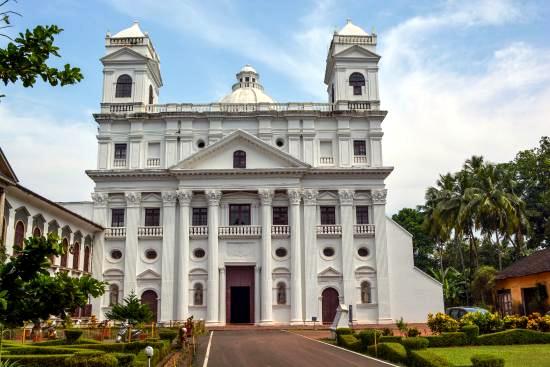
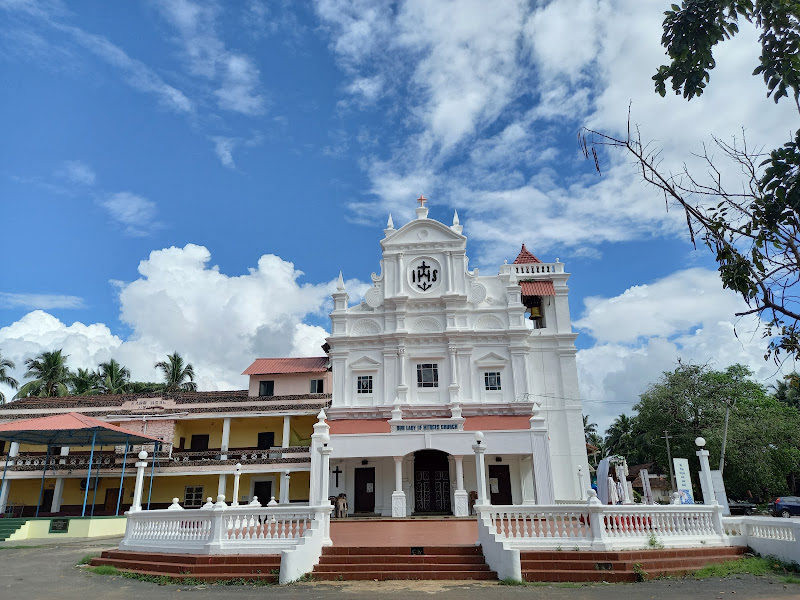
Nestled in the heart of the coastal village of Colva in South Goa, the Our Lady of Merces Church (locally known as Nossa Senhora das Mercês) stands as a monumental testament to Goan faith, history, and architectural grandeur. While many tourists flock to Colva for its pristine white sands and vibrant beach shacks, the more discerning traveler and the devout pilgrim find their way to this majestic white-washed edifice, which has served as the spiritual anchor of the community for over four centuries. The church is not merely a place of worship; it is a cultural landmark that bridges the gap between the colonial past and the vibrant, living traditions of modern-day Goa.
The Our Lady of Merces Church is most famous across the Indian subcontinent for its miraculous statue of the Menino Jesus (Infant Jesus). This specific devotion has elevated the church from a local parish to a major pilgrimage site, drawing thousands of devotees who seek blessings, healing, and spiritual solace. The church dominates the Colva landscape with its imposing presence, situated just a short distance from the shoreline, where the sound of the Arabian Sea waves often provides a rhythmic backdrop to the ringing of its historic bells. As you approach the church, the vast courtyard and the traditional cross standing at the entrance invite you into a space of profound serenity, away from the bustling tourist activity of the nearby beach.
For visitors, the church offers an immersive experience into the unique Luso-Indian culture. It is a place where the architecture of the Portuguese Renaissance meets the tropical sensibilities of the Konkan coast. Whether you are an architectural enthusiast, a history buff, or a spiritual seeker, Our Lady of Merces Church provides a deep, multi-layered narrative of Goan identity. It represents the "Mercy" (Merces) that the Virgin Mary bestows upon her followers, a theme that resonates through the prayers, the hymns, and the very atmosphere of this hallowed ground.
The history of the Our Lady of Merces Church in Colva is a fascinating journey through time, beginning in the early 17th century. The foundation of the original structure dates back to 1613, when it was established as a simple chapel by the Jesuit missionaries who were active in the Salcete province of Goa. As the population of Colva grew and the influence of the Catholic faith deepened, the chapel was elevated to the status of a parish church in 1635. The current structure we see today is the result of various renovations and expansions over the centuries, each adding to its historical layers while maintaining its core spiritual essence.
The religious significance of the church is inextricably linked to the miraculous statue of the Menino Jesus. According to local lore and historical records, the statue was found in the mid-17th century by a Jesuit priest, Father Bento Ferreira, who was shipwrecked off the coast of Mozambique. It is said that he found the statue on the shores and brought it with him to Goa when he was posted to the Colva parish in 1648. Upon his arrival, the statue was placed on the main altar, and soon, stories of miraculous healings and answered prayers began to circulate among the villagers.
However, a historical rift occurred when the Jesuits were expelled from Goa in 1759. The statue was moved to the Rachol Seminary, but the people of Colva refused to let go of their devotion. They commissioned a replica, into which a small ring belonging to the original statue was placed. This "fused" spiritual connection ensured that the grace of the Menino Jesus remained in Colva. Today, the church stands as a symbol of resilience and the deep-seated faith of the Goan people, who have preserved their traditions through periods of colonial shift and modernization. The church is dedicated to Our Lady of Mercy, reflecting the Catholic doctrine of Mary as a source of compassion and intercession for the suffering.
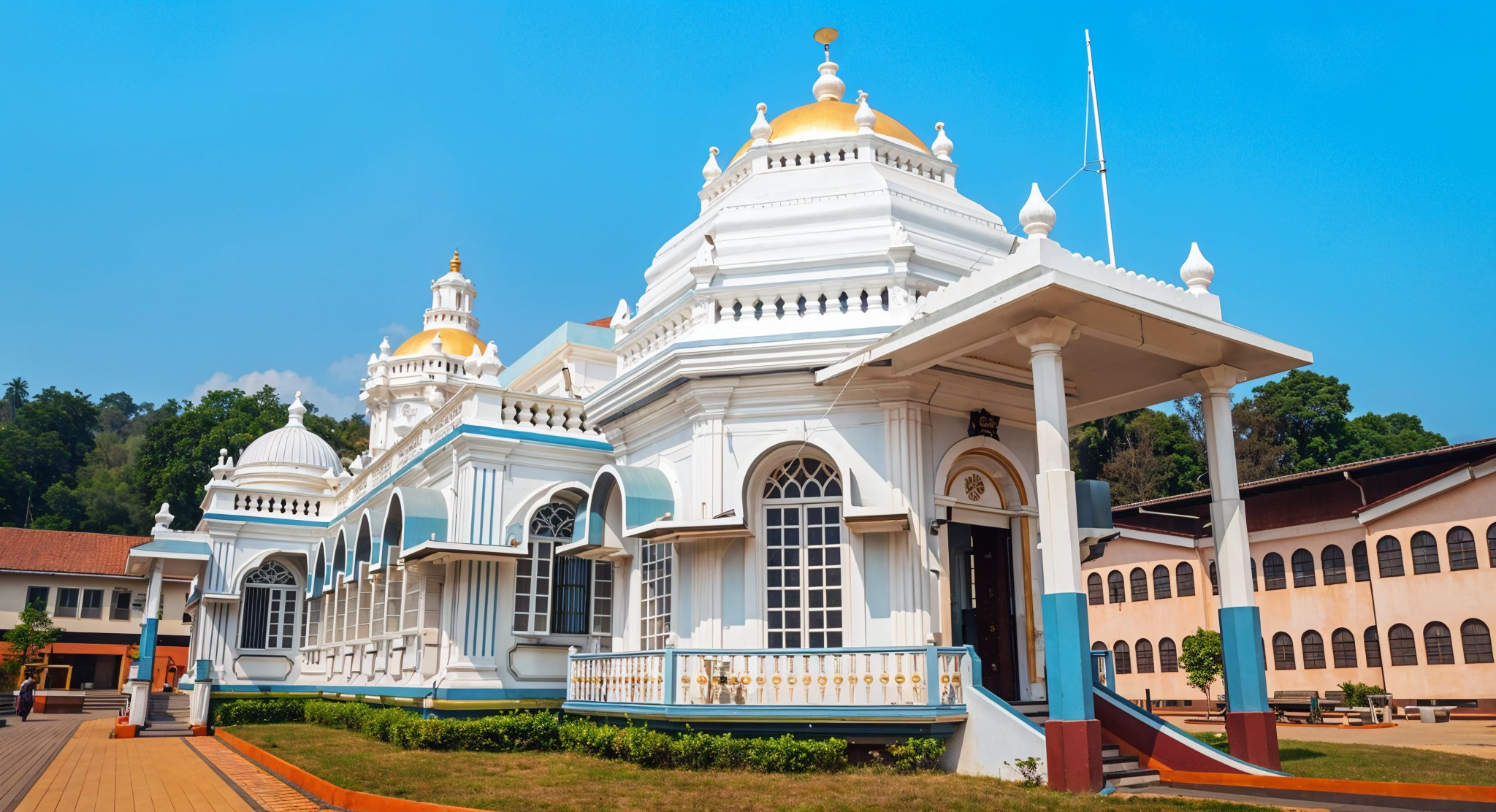
The architecture of Our Lady of Merces Church is a quintessential example of the Mannerist style, which was prevalent during the Portuguese colonial era in Goa. The exterior is characterized by a grand, three-storied facade that is brilliantly white-washed, a common practice in Goa to protect the laterite stone from the heavy monsoon rains and to symbolize purity. The facade is divided into vertical sections by twin pilasters, and it features a series of windows and niches that give the structure a sense of rhythm and balance. The central pediment is topped with a decorative cross, standing tall against the blue Goan sky.
Upon entering the church, visitors are greeted by a spacious nave that leads the eye toward the magnificent high altar. The interior reflects the Baroque and Rococo influences that followed the Mannerist period. The high altar is a masterpiece of woodcarving, adorned with intricate gold leaf work (talha dourada) that glitters under the soft light filtering through the high windows. The central niche of the altar houses the image of Our Lady of Merces, while the side altars are dedicated to various saints, including the much-revered Menino Jesus.
Notable architectural features include:
The primary patroness of the church is Our Lady of Merces (Nossa Senhora das Mercês), a title of the Virgin Mary associated with the "Order of the Blessed Virgin Mary of Mercy." Her presence signifies the protection and liberation of the faithful. However, in the spiritual landscape of Colva, the Menino Jesus (Infant Jesus) holds a position of almost equal prominence. The devotion to the Infant Jesus here is unique because it centers on a specific miraculous event and a highly celebrated annual feast.
The spiritual importance of the church lies in its reputation as a place of divine intervention. Local families have, for generations, attributed their prosperity, health, and safety to the intercession of Our Lady and the Menino Jesus. It is common to see devotees offering "ex-votos" (votive offerings), which are often small wax figures representing parts of the body that have been healed, or small cradles offered by couples praying for a child. This "living faith" is what distinguishes Our Lady of Merces from a mere historical monument; it is a breathing, pulsing center of spiritual energy.
The spiritual atmosphere is particularly palpable during the morning masses, when the scent of incense fills the air and the rhythmic chanting in Konkani creates a meditative environment. For the locals, the church is the site of all major life milestones—baptisms, weddings, and funerals. The belief is that the "Mercy" of the Lady and the "Innocence" of the Infant Jesus provide a dual shield against the hardships of life. This duality of devotion makes the church a focal point for the entire Salcete taluka, drawing people from diverse backgrounds who come to light a candle and whisper a prayer in the quiet sanctuary of the nave.
The calendar of Our Lady of Merces Church is dotted with numerous religious observances, but none are as grand or as famous as the Fama of Menino Jesus. Held annually on the second Monday of October, the Fama is one of the most significant religious events in Goa. Unlike most "feasts" which celebrate the actual feast day, the Fama (meaning 'fame' or 'announcement') is the day the miraculous statue of the Infant Jesus is brought down from its high pedestal for public veneration.
During the Fama, thousands of devotees from all over the world converge on Colva. The highlights of this celebration include:
The best time to visit Our Lady of Merces Church depends on whether you wish to experience the vibrant local culture or the quiet spiritual solitude of the site. For those interested in the cultural spectacle, October is the absolute best time, specifically during the Fama of Menino Jesus. However, be prepared for massive crowds and a very busy atmosphere.
If you prefer a more tranquil experience, the months of November to February offer the most pleasant weather. During the Goan winter, the temperatures are mild, ranging from 20°C to 30°C, making it ideal for exploring the church and the surrounding village on foot. The morning light during these months is particularly beautiful for photography, highlighting the crisp white facade of the church against the lush green palms.
The monsoon season (June to September) provides a different kind of charm. While the rains can be heavy, the landscape becomes incredibly lush, and the church stands as a stark, beautiful contrast to the grey skies and green fields. Visiting during the novenas in September allows you to see the local community in their most devout state, though you should be prepared for the humidity and occasional downpours. Ideally, plan your visit for a weekday morning to avoid the Sunday mass crowds if you want to study the architecture in peace.
To ensure a respectful and fulfilling visit to Our Lady of Merces Church, please keep the following practical details in mind:
Timings:
Entry Fee:
Dress Code:
Our Lady of Merces Church is centrally located in Colva, making it easily accessible from various parts of Goa. Here are the most convenient ways to reach the site:
By Air: The nearest airport is Dabolim Airport (GOI), located approximately 20-25 kilometers away. From the airport, you can hire a pre-paid taxi directly to Colva. The drive takes about 45 minutes to an hour, depending on traffic.
By Rail: The closest major railway station is Madgaon Junction (MAO), which is only about 6-8 kilometers from the church. Madgaon is well-connected to major Indian cities like Mumbai, Bangalore, and Delhi. From the station, you can take an auto-rickshaw, a local bus, or a taxi to reach the church in about 15-20 minutes.
By Road:
A visit to Our Lady of Merces Church can be more than just a quick stop. Here are several ways to enrich your experience:
The location of Our Lady of Merces Church in South Goa puts you in close proximity to several other fascinating sites:
To maintain the sanctity of the church and ensure a pleasant experience for everyone, visitors are encouraged to follow these guidelines:
Colva is a culinary hotspot, offering everything from traditional Goan fare to international cuisines. Here are some recommendations near the church:
Whether you are looking for luxury or budget-friendly options, Colva has a wide range of stay choices:
To make the most of your visit to Our Lady of Merces Church, consider these expert travel tips:
The Our Lady of Merces Church in Colva is far more than a stop on a tourist itinerary; it is the soul of a vibrant Goan village. Its pristine white walls hold the echoes of four hundred years of prayers, while its miraculous Menino Jesus continues to be a beacon of hope for thousands. In the delicate carvings of its altars and the rhythmic tolling of its bells, one finds the true essence of Goa—a place where faith is deeply personal yet grandly communal, where history is preserved with love, and where every visitor is welcomed into a space of profound peace.
Whether you come to witness the spectacular fervor of the Fama, to admire the Mannerist architecture, or simply to find a moment of quiet reflection away from the sun-drenched sands of Colva Beach, the church offers a rewarding and soul-stirring experience. It stands as a reminder that amidst the changing tides of time and tourism, some things remain eternal: the power of faith, the beauty of heritage, and the enduring mercy of the Lady of Colva. As you leave the church grounds, the spirit of the Menino Jesus and the serene presence of Our Lady of Merces stay with you, a spiritual souvenir of the real, enchanting Goa.