Maruti Temple

Maruti Temple

5 1,655 Verified
Temple North Goa

Quick Navigation

Explore sections of this guide

Overview of Maruti Temple

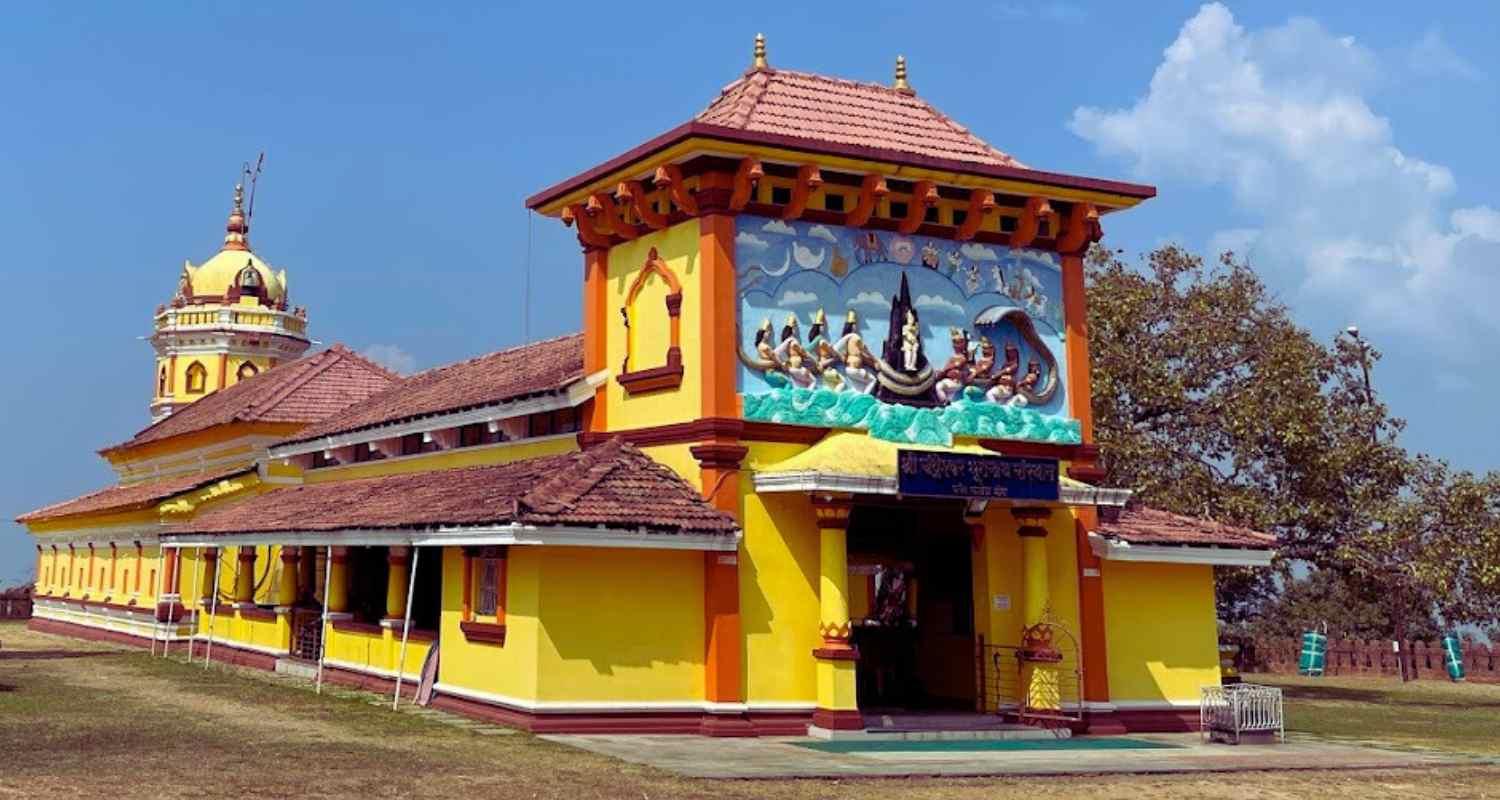
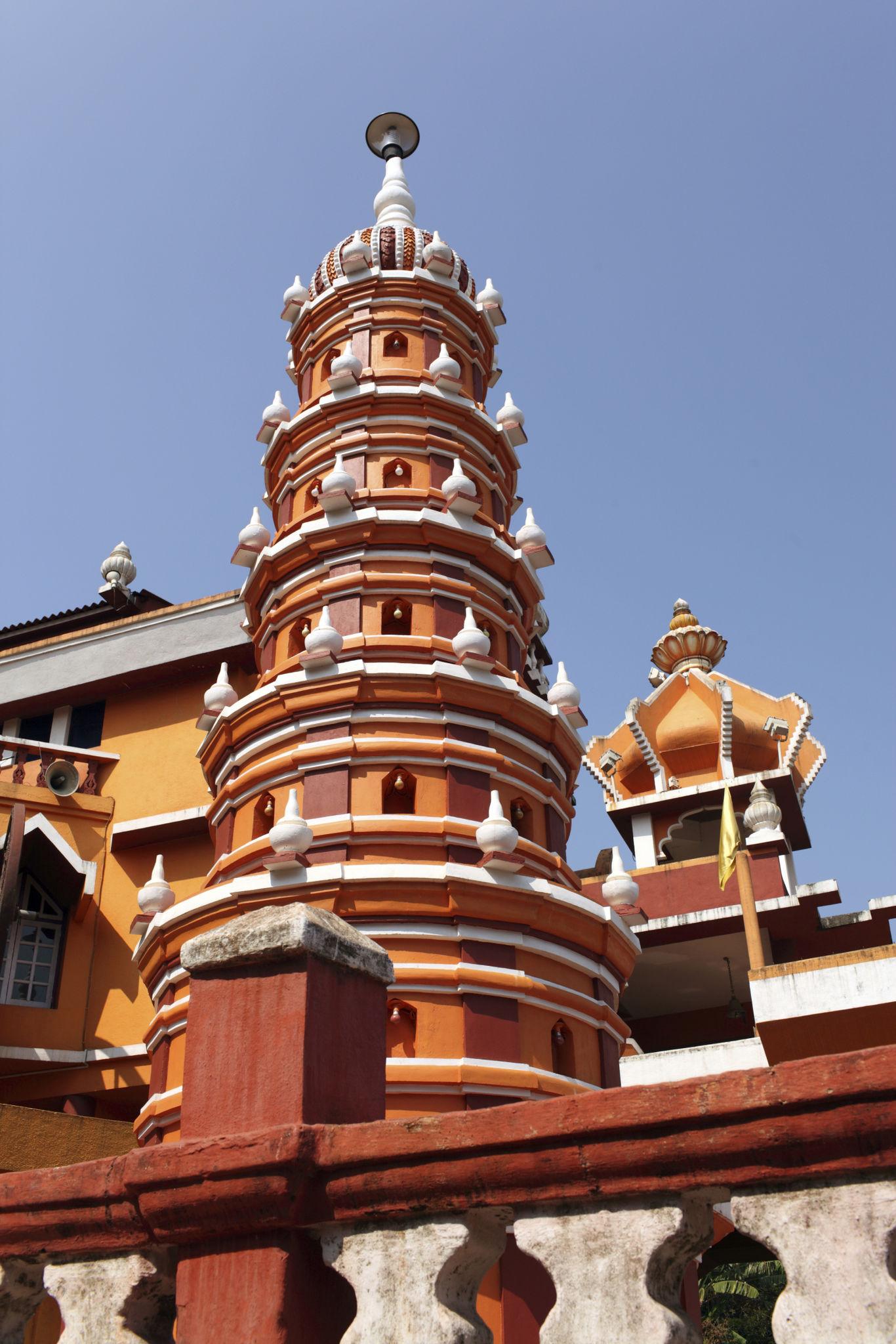
Perched majestically atop the verdant Altinho hill in the heart of Panjim, the Maruti Temple stands as a radiant beacon of faith, culture, and architectural beauty. Dedicated to Lord Hanuman, the monkey god known for his unwavering devotion to Lord Rama, this temple is not just a place of worship but a significant landmark that defines the skyline of Goa’s capital city. For travelers and spiritual seekers alike, the Maruti Temple offers a unique blend of serenity and panoramic visual splendor. As you look up from the narrow, colorful lanes of the Fontainhas Latin Quarter, the temple’s bright orange silhouette provides a stunning contrast against the lush green backdrop of the hill and the clear blue Goan sky.

The Maruti Temple is widely regarded as one of the most beautiful Hindu shrines in North Goa. Unlike many ancient temples tucked away in remote villages, this temple is vibrant, accessible, and deeply integrated into the daily life of Panjim’s residents. It serves as a spiritual anchor for the local community, who climb the winding roads of Altinho to seek blessings, find peace, and enjoy the cooling breezes that sweep across the hill. The temple is especially famous for its nighttime appearance; when the sun sets, the entire structure is bathed in golden light, making it visible from various points across the Mandovi River. Whether you are a history buff, an architecture enthusiast, or someone looking for a quiet moment of reflection, the Maruti Temple provides an enriching experience that captures the soulful essence of Goan Hindu traditions.

History & Religious Significance

The history of the Maruti Temple is a testament to the resilience and enduring faith of the Hindu community in Goa during the colonial era. For centuries, Goa was under Portuguese rule, a period marked by the intense promotion of Christianity and significant restrictions on the public practice of Hinduism. During the 18th and 19th centuries, many Hindu temples were destroyed or forced into hiding. However, as the political climate began to shift toward the end of the Portuguese regime, the local Hindu population in Panjim sought a dedicated space to worship Lord Hanuman.

The current structure of the Maruti Temple is relatively modern, having been constructed in the mid-20th century, but the site itself has been a place of clandestine worship for much longer. Legend has it that the idol of Lord Hanuman was kept hidden during the height of the Inquisition to protect it from desecration. It was only after the liberation of Goa in 1961 that the temple saw significant expansion and reached its current architectural glory. The choice of Altinho hill was strategic; being on an elevated position, it allowed the devotees to feel closer to the heavens while providing a sense of protection and oversight over the city of Panjim.

Religiously, the temple holds immense significance as it is dedicated to Maruti (Hanuman), who is worshipped as the 'Sankat Mochan' or the remover of obstacles. In the Goan cultural context, Lord Hanuman is also seen as a protector of the land. The temple serves as a reminder of the syncretic nature of Goan society, where Hindu and Christian influences have coexisted for centuries, often influencing each other's art, music, and social customs. For the locals, a visit to the Maruti Temple is often the first thing they do before embarking on a new venture or during times of personal struggle, believing that the deity’s strength will guide them through adversity.

Architecture of Maruti Temple

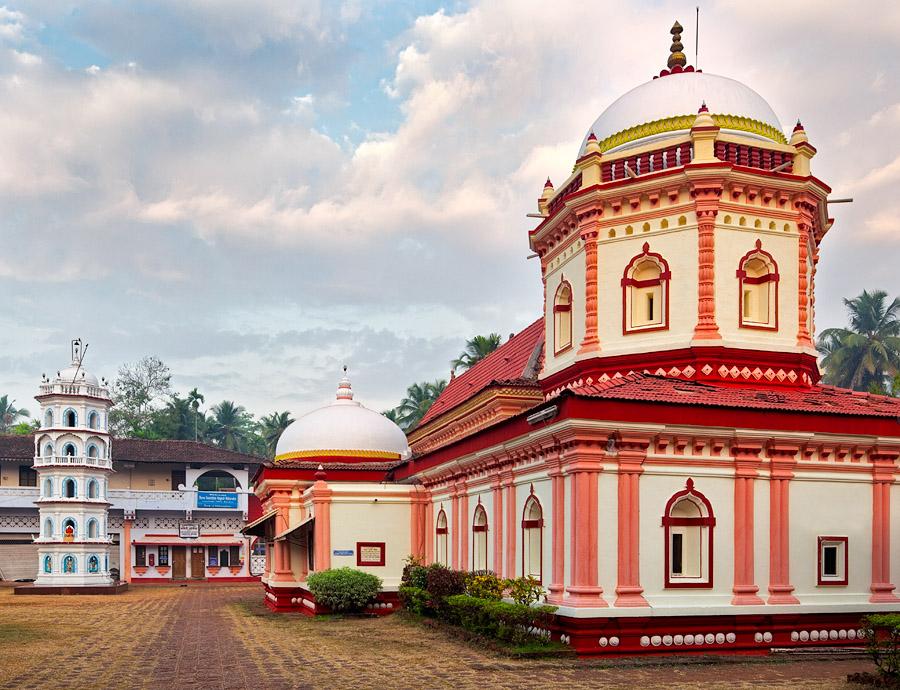
The architecture of the Maruti Temple is a fascinating study of modern Goan-Hindu style, blending traditional elements with contemporary aesthetics. The most striking feature of the temple is its vibrant saffron or orange hue, a color traditionally associated with Lord Hanuman, representing energy, purity, and sacrifice. The temple is built on multiple levels, taking advantage of the sloping terrain of Altinho hill. As you approach the temple, you are greeted by a series of beautifully designed steps that lead you upward, symbolizing the spiritual journey from the material world to the divine.

The main structure features a tiered roof system, reminiscent of the 'Shikhara' style but adapted to the coastal climate of Goa. The use of sloping roofs is practical for the heavy monsoon rains that characterize the region. One of the standout architectural elements is the 'Deepastambha' or the lamp tower located at the entrance. This tall, slender tower features multiple niches for oil lamps, which are lit during festivals, creating a mesmerizing spectacle of light. The exterior walls are adorned with intricate carvings and bas-reliefs depicting scenes from the Ramayana, showcasing the craftsmanship of local Goan artisans.

Inside the temple, the 'Garbhagriha' (sanctum sanctorum) is designed to focus all attention on the deity. The interior is surprisingly spacious and airy, with high ceilings and large windows that allow natural light to flood the prayer hall. The floors are often made of polished marble or high-quality tiles, keeping the space cool even during the peak of summer. The use of decorative pillars and ornate doorways adds to the sense of grandeur. Unlike the more somber ancient stone temples, the Maruti Temple feels bright, welcoming, and celebratory, reflecting the joyous spirit of the Goan people.

Main Deity / Spiritual Importance

The central figure of the temple is Lord Hanuman, also known as Maruti, Mahavira, and Bajrangbali. The idol inside the sanctum is a magnificent representation of the deity, usually depicted in a standing posture with hands folded in 'Anjali Mudra' or holding his signature mace (Gada). The idol is often smeared with Sindoor (vermillion), which is a traditional offering to Hanuman. This practice stems from a story in the Ramayana where Hanuman covered his entire body in sindoor to ensure the immortality and well-being of Lord Rama, symbolizing ultimate devotion.
The spiritual importance of this deity in Panjim cannot be overstated. Lord Hanuman is the embodiment of 'Bhakti' (devotion) and 'Shakti' (power). Devotees believe that chanting the Hanuman Chalisa within the temple premises grants them mental clarity, physical strength, and protection from evil influences. The temple is particularly frequented by students during exam seasons and by professionals seeking success in their careers, as Hanuman is also considered a master of wisdom and intellect.

Another spiritual aspect of the temple is its connection to the 'Panchmukhi' (five-faced) form of Hanuman, which is sometimes celebrated during special rituals. Each face represents a different direction and a different divine quality, offering holistic protection to the devotee. The atmosphere inside the temple is one of intense vibration; the rhythmic ringing of the temple bells, the smell of burning incense and camphor, and the low hum of prayers create a meditative environment that transcends the hustle and bustle of the city below.

Festivals & Celebrations

The Maruti Temple becomes a focal point of grand celebrations during various Hindu festivals, with Hanuman Jayanti being the most significant. This festival, marking the birth of Lord Hanuman, usually falls in the month of Chaitra (March/April). During this time, the temple is decorated with thousands of marigold flowers and decorative lights. The festivities begin at dawn with special prayers and 'Abhishek' (ritual bathing of the idol), followed by the continuous chanting of religious hymns. A massive 'Palkhi' (palanquin) procession is organized, where the deity is carried through the streets of Panjim, accompanied by traditional music, drums, and dance.

Another major event is the annual Jatra (temple festival), which attracts thousands of devotees from all over Goa. During the Jatra, the area around the temple turns into a vibrant fair with stalls selling traditional Goan sweets like 'Khaje', handmade toys, and religious artifacts. Cultural programs, including 'Bhajans' and classical dance performances, are held in the temple courtyard, showcasing the rich heritage of Goan performing arts.

  • Hanuman Jayanti: Grand celebrations with a city-wide procession.
  • Tuesdays and Saturdays: Special weekly prayers that see a surge in local visitors.
  • Ram Navami: Celebrating the birth of Lord Rama, with whom Hanuman is eternally linked.
  • Diwali: The temple is illuminated with thousands of oil lamps, creating a stunning visual on Altinho hill.

Best Time to Visit

The best time to visit the Maruti Temple is during the winter months (November to February). During this period, the weather in Goa is pleasant and cool, making the climb up the Altinho hill enjoyable rather than draining. The humidity is low, and the clear skies provide the best views of the Panjim city and the Mandovi River from the temple's vantage point.

If you want to experience the temple in its full spiritual glory, early morning (around 6:30 AM to 8:00 AM) is highly recommended. The air is fresh, the chanting is soothing, and you can witness the traditional morning rituals. Alternatively, late evening (around 6:00 PM to 7:30 PM) is another fantastic time. This is when the temple is beautifully lit, and you can catch a stunning sunset over the Arabian Sea in the distance. The evening 'Aarti' is a powerful experience, filled with the energy of ringing bells and communal singing.

For those interested in local culture, visiting during Hanuman Jayanti or the annual Jatra is a must, though be prepared for large crowds. If you prefer a quiet, meditative visit, avoid Tuesdays and Saturdays, as these days are dedicated to Lord Hanuman and see a higher footfall of local devotees.

Timings, Entry Fee & Dress Code

The Maruti Temple is open to visitors throughout the week. The general timings are as follows:

  • Morning: 5:00 AM to 12:30 PM
  • Evening: 3:30 PM to 8:30 PM

Entry Fee: There is no entry fee to visit the Maruti Temple. It is a public place of worship open to people of all faiths and backgrounds. Donations are voluntary and can be placed in the 'Hundi' (donation box) located inside the temple.

Dress Code: As with most religious sites in India, a respectful dress code is expected. While there is no strict enforcement of traditional attire, it is recommended to wear clothes that cover your shoulders and knees. Avoid wearing swimwear, revealing tops, or short skirts. Men usually wear trousers or traditional dhotis, and women wear sarees, salwar kameez, or long dresses. You must remove your footwear before entering the main temple platform; there are designated areas to leave your shoes safely.

How to Reach Maruti Temple

The Maruti Temple is centrally located in Panjim, making it very easy to reach from various parts of Goa. Depending on your preference, you can choose several modes of transport:

  • By Foot: If you are staying in the Fontainhas area, the best way to reach the temple is by walking. There is a famous set of colorful steps leading directly from the heart of the Latin Quarter up to the temple. It is a bit of a climb but offers great photo opportunities.
  • By Two-Wheeler/Car: You can drive up the winding roads of Altinho. The roads are well-paved and offer a scenic drive through one of Panjim’s most elite residential areas. There is limited parking available near the temple entrance.
  • By Auto-Rickshaw/Taxi: Taxis and rickshaws are readily available throughout Panjim. Simply ask the driver for "Maruti Temple, Altinho." It is a short 5-10 minute ride from the Panjim KTC Bus Stand.
  • By Bus: You can take a local bus to the Panjim city center and then either walk or take a short rickshaw ride to the temple.

Things to Do

A visit to the Maruti Temple offers more than just a religious experience. Here are some things you can do while you are there:

  • Offer Prayers: Participate in the 'Aarti' or simply sit in silence and offer your prayers to Lord Hanuman. You can also offer flowers or coconuts, which are available at stalls outside the temple.
  • Enjoy the View: The temple offers one of the best panoramic views of Panjim. You can see the colorful rooftops of Fontainhas, the winding Mandovi River, and the modern bridges that span across it.
  • Photography: While photography inside the sanctum is usually prohibited, the exterior of the temple and the views from the hill are incredibly photogenic. The bright orange walls against the greenery make for stunning shots.
  • Meditation: Find a quiet corner in the temple courtyard to meditate. The peaceful vibrations and the gentle breeze make it an ideal spot for mindfulness.
  • Explore Altinho: After visiting the temple, take a walk around the Altinho hill. It is home to beautiful colonial-era bungalows, the Bishop’s Palace, and the All India Radio station.

Nearby Attractions

The Maruti Temple’s location in Altinho puts it within walking distance of some of Panjim’s most iconic attractions. You can easily combine your visit with the following sites:

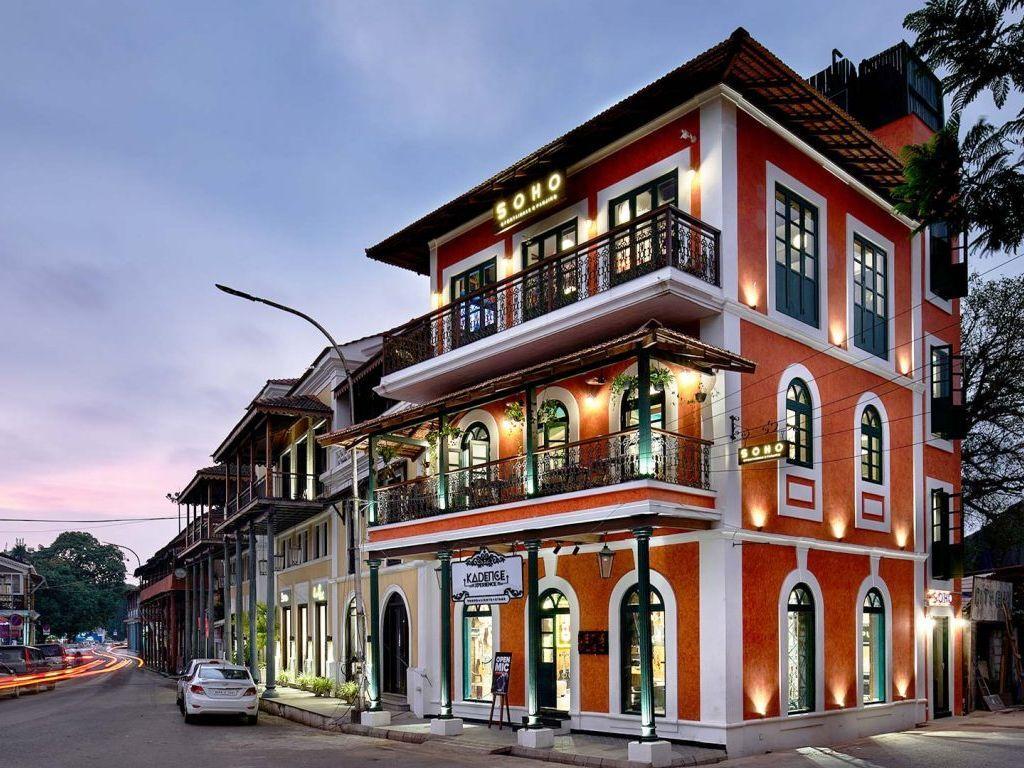
  • Fontainhas (Latin Quarter): Located at the foot of the temple hill, this area is famous for its narrow winding streets and brightly colored Portuguese-style houses. It is a UNESCO-recognized heritage zone.
  • Immaculate Conception Church: One of the most famous churches in Goa, known for its white facade and zig-zag staircases, is just a short drive or 15-minute walk away.
  • Bishop’s Palace: Located on the same hill, this is an impressive colonial building that serves as the official residence of the Archbishop of Goa.
  • Goa State Museum: For history lovers, the museum offers a deep dive into the archaeological and cultural history of the state.
  • Mandovi River Cruises: After your temple visit, head down to the riverfront to enjoy an evening cruise with traditional Goan music and dance.

Photography & Visitor Guidelines

To ensure a respectful and pleasant visit for everyone, please adhere to the following guidelines:

  • Respect the Sanctity: Maintain silence inside the prayer hall. Avoid loud conversations or using mobile phones.
  • Photography Rules: Always check for signs regarding photography. Usually, taking pictures of the main deity (the idol) is strictly forbidden. However, photographing the architecture and the views is generally allowed.
  • Footwear: Always remove your shoes before stepping onto the temple’s main platform. Carrying a pair of socks can be helpful if the stone floor is hot.
  • Interacting with Priests: If you wish to perform a specific ritual or 'Pooja', you can approach the temple priests. They are usually very helpful and will guide you through the process. It is customary to give a small offering (Dakshina) after a private prayer.
  • Cleanliness: Do not litter. The temple premises are kept very clean by the devotees and authorities; please help maintain this.

Where to Eat Nearby

Panjim is a foodie’s paradise, and there are several excellent dining options near the Maruti Temple, ranging from traditional Goan fare to modern cafes:

  • Viva Panjim: Located in Fontainhas, this legendary eatery serves authentic Goan Portuguese cuisine in a heritage setting. Try their Fish Curry Rice and Prawn Balchao.
  • The Verandah: A high-end dining option located in the Panjim Inn, offering a beautiful ambiance and a mix of local and continental dishes.
  • Ritz Classic: A favorite among locals for its massive Goan fish thali. It is located in the main Panjim market area, about 10 minutes from the temple.
  • Hospedaria Venite: A quirky, historic restaurant known for its balconies overlooking the street and delicious seafood.
  • Street Food: At the base of the Altinho hill, you can often find local vendors selling 'Ross Omelette' (omelette served with spicy gravy), a Goan street food staple.

Accommodation Nearby

Staying near the Maruti Temple allows you to experience the historic charm of Panjim. Here are some recommended places to stay:

  • WelcomHeritage Panjim Inn: A stunning heritage hotel in Fontainhas that offers a glimpse into Goa’s colonial past with antique furniture and personalized service.
  • The Crown Goa: A luxury hotel located on the edge of Altinho hill, offering spectacular views of the Mandovi River and top-tier amenities.
  • Old Quarter by HostelCrowd: A vibrant and affordable hostel located in the heart of the Latin Quarter, perfect for solo travelers and backpackers.
  • Fortune Mira: A more modern, mid-range hotel located near the Miramar beach area, just a short drive from Altinho.
  • Mateus Boutique Hotel: A beautifully restored 19th-century mansion offering a quiet and intimate stay in the heritage zone.

Travel Tips

To make the most of your visit to the Maruti Temple, keep these practical tips in mind:

  • Stay Hydrated: The climb up the steps from Fontainhas can be tiring, especially in the afternoon. Carry a bottle of water with you.
  • Mosquito Repellent: If you are visiting during the evening Aarti, it is wise to apply some mosquito repellent, as the lush greenery of Altinho can attract insects at dusk.
  • Combine with a Walk: The best way to experience this part of Panjim is through a walking tour. Start at the Immaculate Conception Church, walk through Fontainhas, and end your tour at the Maruti Temple for sunset.
  • Respect Local Customs: You might see devotees performing 'Pradakshina' (circumambulating the temple). Always walk in a clockwise direction if you choose to join.
  • Cash: While many shops in Panjim accept cards, keep some cash handy for small offerings or for buying snacks from local vendors.

Conclusion

The Maruti Temple in Panjim is more than just a religious site; it is a symbol of Goan identity, a masterpiece of modern Hindu architecture, and a place of immense peace. Its presence on Altinho hill serves as a constant reminder of the spiritual strength that has sustained the local community through centuries of change. Whether you are drawn by the vibrant saffron walls, the promise of a breathtaking view, or the desire to connect with the divine, the temple never fails to leave a lasting impression. It is a place where the past and present of Goa meet, where the ringing of bells harmonizes with the distant sounds of the city, and where every visitor can find a moment of solace. No trip to Panjim is complete without ascending the heights of Altinho to pay respects to Lord Hanuman at this magnificent shrine. As you leave the temple and look back at its glowing facade, you carry with you a piece of Goa’s soulful heritage and the empowering energy of the mighty Maruti.

Photo Gallery

Maruti Temple Gallery Image

User Reviews

5
1655 Reviews
5
85%
4
10%
3
3%
2
1%
1
1%

Login to post a review

Join the community to share your spiritual experiences.

Login / Sign Up

Location Details

Address
Maruti Temple, Mala, Panaji, Goa 403001, India
Visiting Hours
All year round

Share Peace

Share this spiritual guide with your friends and family on WhatsApp!

Share Now

Nearest Beaches from Maruti Temple

Nearest Forts from Maruti Temple

Nearest Waterfalls from Maruti Temple

Nearby Nightlife from Maruti Temple