Explore sections of this guide
The Santa Cruz Church, locally known as the Igreja de Santa Cruz, stands as a monumental testament to Goa’s rich colonial past and its vibrant, living faith. Located in the heart of the Santa Cruz village—one of the largest and most culturally significant villages in the Tiswadi taluka—this church is more than just a place of worship; it is the spiritual and social epicenter of the community. As a professional travel writer who has traversed the length and breadth of Goa, I find that Santa Cruz Church offers a unique blend of architectural grandeur and local intimacy that is often missed by tourists flocking to the more famous basilicas of Old Goa.
The village of Santa Cruz, historically referred to as Calafura, is situated just a few kilometers from the capital city of Panjim. The church itself is a striking sight, with its massive white-washed facade rising against the lush green backdrop of the Goan countryside. It serves as a beacon for the faithful and a point of pride for the villagers, known as Santa Cruzenses. The atmosphere here is one of profound serenity, punctuated by the rhythmic tolling of the church bells and the soft murmurs of daily prayers. For a traveler seeking to understand the "Real Goa," a visit to this church is indispensable. It provides a window into the soul of a community that has navigated the complexities of history while holding fast to its religious identity.
In this comprehensive guide, we will delve into the intricate details of the church's history, its stunning architectural features, and the deeply rooted traditions that make it a cornerstone of Goan Catholicism. Whether you are a history buff, an architecture enthusiast, or a spiritual seeker, the Santa Cruz Church promises an experience that is both enlightening and humbling. The sheer scale of the building, combined with the warmth of the local congregation, creates an environment where the past and present coexist in perfect harmony.
The history of the Santa Cruz Church is inextricably linked to the arrival of the Portuguese and the subsequent Christianization of the Tiswadi region. The original structure dates back to the mid-16th century, specifically 1547, making it one of the older religious establishments in the area. It was initially established as a mission post by the Jesuits, who were instrumental in the religious transformation of Goa. The name "Santa Cruz" translates to "Holy Cross," a symbol of immense significance in the Christian faith, representing sacrifice, redemption, and the ultimate victory of life over death.
Discover 10 fascinating facts about Goa from Portuguese history & architecture to hidden beaches, cheap alcohol secrets, and more.
In its early years, the church served a burgeoning population of converts. The village of Calafura was strategically located, and as the community grew, so did the need for a larger and more permanent place of worship. The current structure we see today is the result of several renovations and expansions over the centuries, reflecting the evolving styles of Goan ecclesiastical architecture. One of the most significant historical aspects of this church is its role in the Padroado system—a series of agreements between the Holy See and the Portuguese Crown regarding the administration of local churches.
Religious significance here is deeply tied to the local Gaunkari system, the traditional village communal landholding system of Goa. The church has historically been the patron of the village, and the elders of the community have played a pivotal role in its upkeep and the organization of its major religious events. The church also houses several relics and sacred artifacts that have been preserved for generations. For the locals, the church is a sanctuary where they celebrate their milestones—from baptisms and weddings to the final rites of passage. The historical weight of the Santa Cruz Church is felt in its thick laterite walls and the ancient tombstones that line its floors, each telling a story of a bygone era and a faith that has stood the test of time.
Goa is India's most popular beach destination and attracts millions of domestic and international tourists every year. One of the most common questions tra...
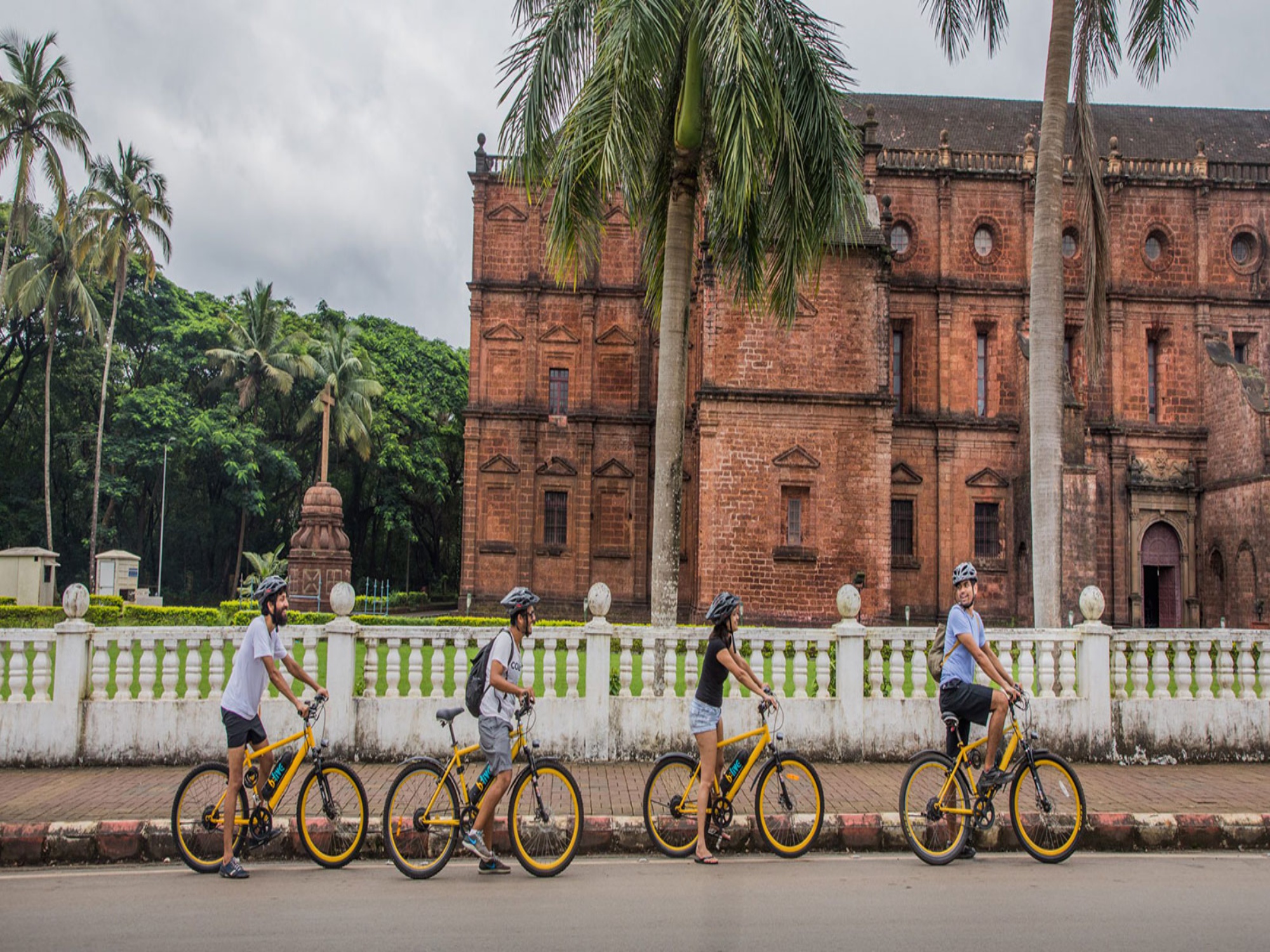
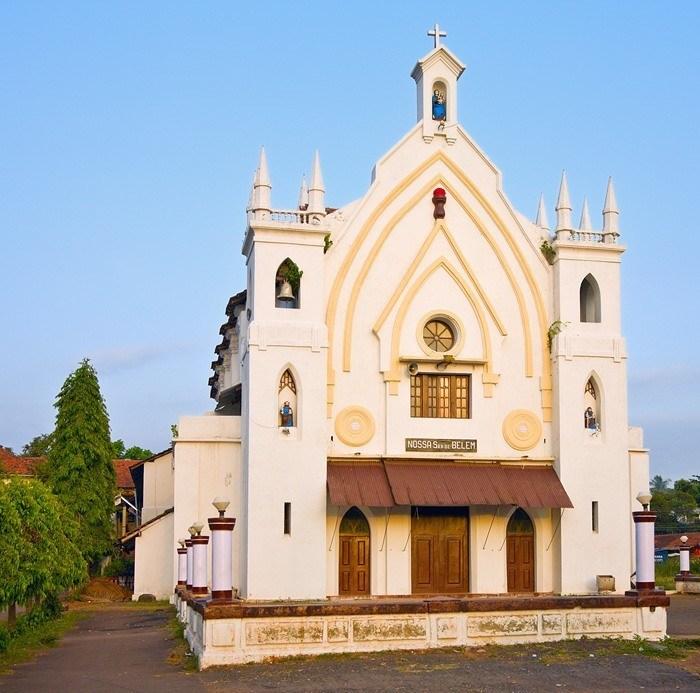
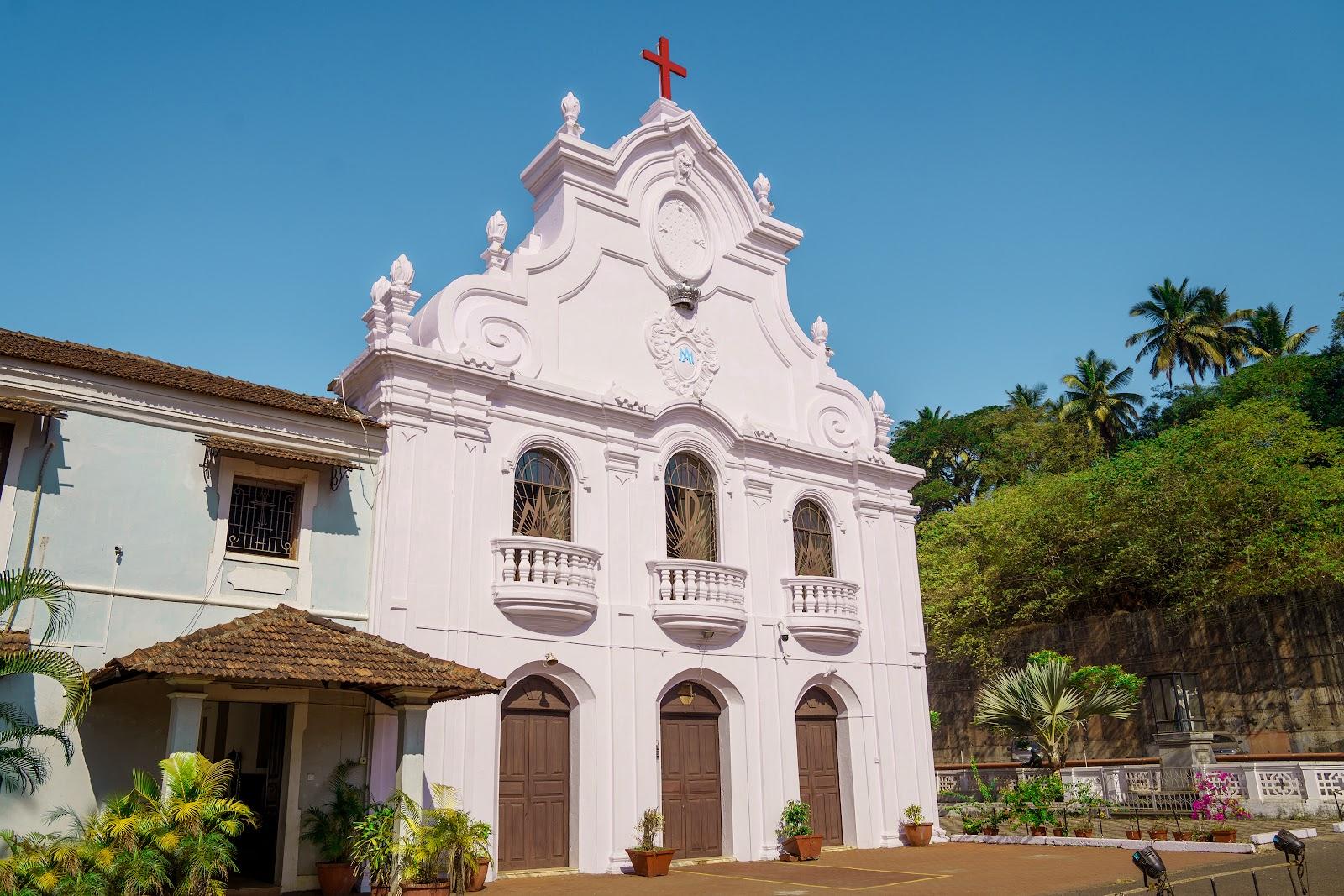
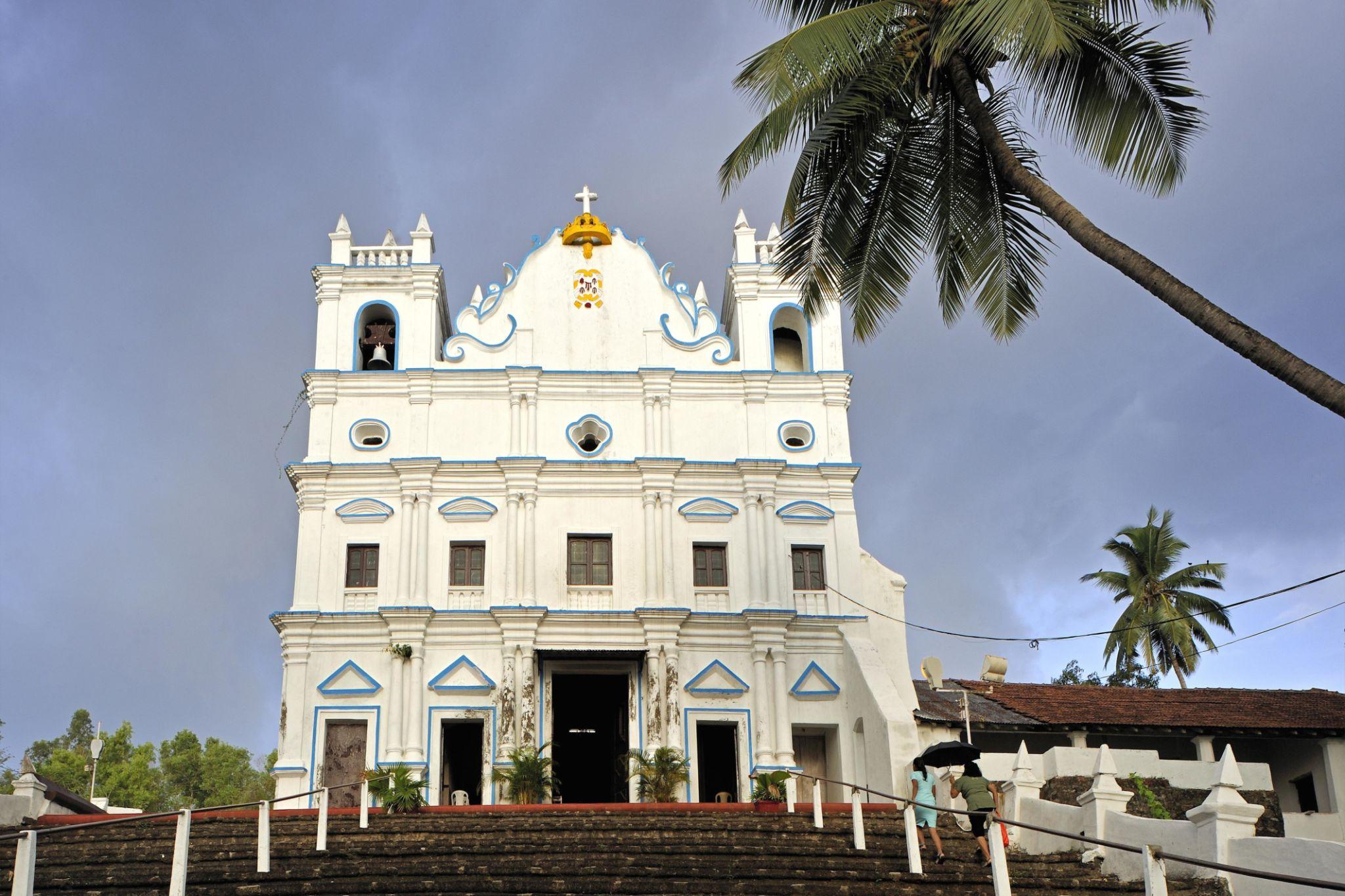
The architecture of the Santa Cruz Church is a masterful display of the Neo-Roman and Baroque styles that dominated Goan church construction during the Portuguese era. Built primarily using local laterite stone and plastered with a thick coat of lime, the church is designed to withstand the heavy monsoon rains while reflecting the bright tropical sun. The facade is a three-storied marvel, characterized by its symmetry and the use of classical elements like pilasters, cornices, and pediments. The central portion of the facade is slightly recessed, creating a sense of depth and grandeur that draws the eye upward toward the heavens.
Upon entering the church, one is immediately struck by the vastness of the nave. The interior is designed to accommodate a large congregation, reflecting the village's status as one of the most populous in Goa. The ceiling is a barrel vault, which enhances the acoustics of the space—a feature that becomes particularly evident during the singing of traditional hymns. The pulpit, located on the left side of the nave, is an exquisite piece of wood carving, decorated with intricate floral motifs and symbols of the evangelists. Such pulpits were essential in the days before modern sound systems, designed to project the priest's voice to the very back of the hall.
South Goa is famous for its peaceful beaches, natural beauty, clean coastline, and relaxed atmosphere. While North Goa attracts thousands of tourists every...
The high altar is the focal point of the interior. It is an ornate structure gilded in gold leaf, featuring a central niche that houses the image of the Holy Cross. Surrounding the main altar are several smaller altars or retables, dedicated to various saints and manifestations of the Virgin Mary. These altars are examples of the "Goan Baroque" style, where European forms were adapted by local craftsmen, leading to a unique aesthetic that includes indigenous floral patterns and motifs. The floor of the church is another architectural highlight, paved with stone slabs that often serve as markers for the graves of prominent community members and clergy, a common practice in historic Goan churches.
The primary spiritual focus of the Santa Cruz Church is the Holy Cross (Santa Cruz). Unlike many other Goan churches that are dedicated to specific saints like St. Francis Xavier or St. Catherine, this church centers its devotion on the central symbol of Christianity. The Holy Cross is viewed by the parishioners not just as a historical artifact of Christ’s passion, but as a living source of strength and protection. The villagers believe that the Holy Cross watches over Calafura, shielding them from calamities and guiding them through the trials of life.
The spiritual importance of the church is amplified during the Lenten season. During this time, the church becomes a hub of intense prayer and penance. The "Way of the Cross" is a particularly moving ceremony where the faithful retrace the steps of Jesus on his way to Calvary. The devotion to the Holy Cross in Santa Cruz is also linked to the concept of the "Cruz dos Milagres" (Miraculous Cross), a theme prevalent in Goan spirituality where specific crosses are believed to possess healing powers. While the primary feast is in May, the spiritual presence of the cross is felt year-round through the daily Angelus and the evening rosaries that echo through the village lanes.
Furthermore, the church serves as a spiritual anchor for the Vaddo (ward) system of the village. Each vaddo has its own small chapel or shrine, but the Santa Cruz Church is the "Mother Church" where all come together for major liturgical celebrations. This communal spiritual life fosters a deep sense of belonging and collective identity. For a visitor, witnessing a Sunday Mass here is a powerful experience; the fervor of the singing, the solemnity of the liturgy, and the visible devotion of the people provide a profound insight into the spiritual fabric of Goan society.
The most significant event in the village calendar is the Feast of the Holy Cross, celebrated with great pomp and fervor on the 3rd of May. This feast, known locally as the Festa da Santa Cruz, marks the end of the summer season and the beginning of the preparations for the monsoons. The celebrations begin nine days prior with the Novenas, during which special prayers and masses are held. Each day of the Novena is usually sponsored by a different group or vaddo within the village, ensuring that the entire community is involved in the festivities.
On the day of the feast, the church is beautifully decorated with flowers and silk drapes. A traditional brass band plays the Alvorada (dawn serenade) to wake the village. The High Mass is a grand affair, often presided over by the Archbishop of Goa or a high-ranking clergyman. Following the mass, a solemn procession carries the image of the Holy Cross through the main streets of the village. The air is filled with the scent of incense and the sound of bells. The secular celebrations are equally vibrant, featuring a Fair (Feira) where stalls sell everything from traditional Goan sweets like khaje and laddoos to copperware and household items.
Other major celebrations include Christmas, which is marked by the construction of elaborate cribs and the Midnight Mass, and Easter, which is preceded by the somber rituals of Holy Week. The village is also known for its enthusiastic participation in the Goa Carnival. While the Carnival is a secular event, the church community often organizes cultural programs, including traditional Mando (song and dance) performances, which showcase the unique Luso-Indian heritage of the region. These festivals are a time for "return migration," where Santa Cruzenses living abroad or in other parts of India return to their ancestral home to reconnect with their roots.
To experience the Santa Cruz Church in all its glory, the best time to visit is during the winter months, from November to February. During this period, the weather in Goa is pleasant, with cool breezes and clear blue skies, making it ideal for exploring the church grounds and the surrounding village. The humidity is significantly lower than in the summer, which allows for a more comfortable experience when admiring the intricate details of the architecture and the interior altars.
If you wish to witness the deep religious fervor of the community, visiting during the Feast of the Holy Cross in May is highly recommended. Although the weather is hot and humid during this time, the cultural richness of the feast—the processions, the music, and the village fair—is an experience like no other. It provides a rare glimpse into the traditional Goan "Feast culture" that is often sanitized in more touristy areas. However, be prepared for large crowds and a very festive, albeit busy, atmosphere.
Another excellent time to visit is during the Christmas season (late December). The church and the entire village of Santa Cruz are illuminated with stars and fairy lights. The sense of community is palpable, and the traditional Goan Christmas spirit is on full display. For those who prefer a quiet, meditative visit, the monsoon months of June to September offer a different kind of beauty. The landscape is incredibly lush and green, and the church provides a peaceful refuge from the torrential rains, though outdoor exploration may be limited.
The Santa Cruz Church is an active place of worship, and visitors are expected to respect its sanctity and the schedules of the local congregation. The church is generally open to the public during the following times:
There is no entry fee to visit the church. It is open to people of all faiths who wish to admire its architecture or offer a prayer. However, donations for the maintenance of the church are always welcomed and can be placed in the designated boxes near the entrance.
Regarding the dress code, it is imperative to dress modestly. As a traditional Catholic parish, the church maintains certain standards of decorum. Visitors should follow these guidelines:
Note: Tourists are discouraged from wandering around the altar or taking photographs during the middle of a Mass service. Always check the notice board at the entrance for any specific changes to timings or special liturgical events.
Santa Cruz is centrally located in Goa, making it easily accessible from various parts of the state. The church is situated approximately 5 kilometers from Panjim, the capital city.
The church is a prominent landmark in the village, so if you find yourself lost, simply asking any local for directions to "Santa Cruz Church" or "Igreja de Santa Cruz" will get you back on track.
Visiting the Santa Cruz Church offers a variety of activities for the conscious traveler. Here are some of the things you can do during your visit:
The central location of Santa Cruz makes it a great starting point for exploring other attractions in Central Goa. Here are some nearby places you should consider visiting:
To ensure a respectful and enjoyable visit for everyone, please adhere to the following guidelines regarding photography and general conduct:
Santa Cruz and the nearby Panjim area offer a range of dining options that cater to all tastes and budgets. Here are some recommendations:
Since Santa Cruz is very close to Panjim, most visitors choose to stay in the capital or its outskirts. However, there are options for every budget:
To make the most of your visit to the Santa Cruz Church, keep these practical tips in mind:
The Santa Cruz Church is a shining example of Goa's enduring spiritual heritage and architectural brilliance. It stands as a silent witness to centuries of history, from the early days of the Jesuit missions to the vibrant, modern-day celebrations of the Santa Cruzenses. For the traveler, it offers a rare opportunity to step away from the commercialized tourist trail and experience the authentic, soulful side of Goa. The church’s majestic facade, its tranquil interior, and the deep-rooted traditions of the village community create an experience that lingers in the heart long after the visit.
Whether you come to admire the Neo-Roman architecture, to participate in the joyous Feast of the Holy Cross, or simply to find a moment of quiet reflection, the Santa Cruz Church welcomes you with open arms. It is a place where faith, history, and culture intertwine, reminding us of the rich tapestry of human experience that defines this beautiful coastal state. As you leave the church and walk through the winding lanes of Calafura, you carry with you a piece of Goa’s true essence—a spirit of resilience, devotion, and timeless beauty. Do not miss the chance to include this magnificent site in your Goan itinerary; it is, quite literally, a journey to the heart of the Holy Cross.