Overview of Surla Mosque
Nestled in the lush, emerald heart of Ponda, Goa, the Surla Mosque, more formally known as the Safa Masjid or the Safa Shahouri Masjid, stands as a profound testament to the region's complex and multi-layered history. While most travelers flock to the sun-drenched beaches of North Goa or the baroque churches of Old Goa, the Surla Mosque offers a serene detour into the Islamic heritage of the Konkan coast. This historical landmark is located in the Surla village area of the Ponda Taluka, a region often referred to as the "Antruz Mahal" or the cultural capital of Goa. It is one of the few surviving Islamic structures from the pre-Portuguese era, making it an architectural anomaly and a site of immense historical value.
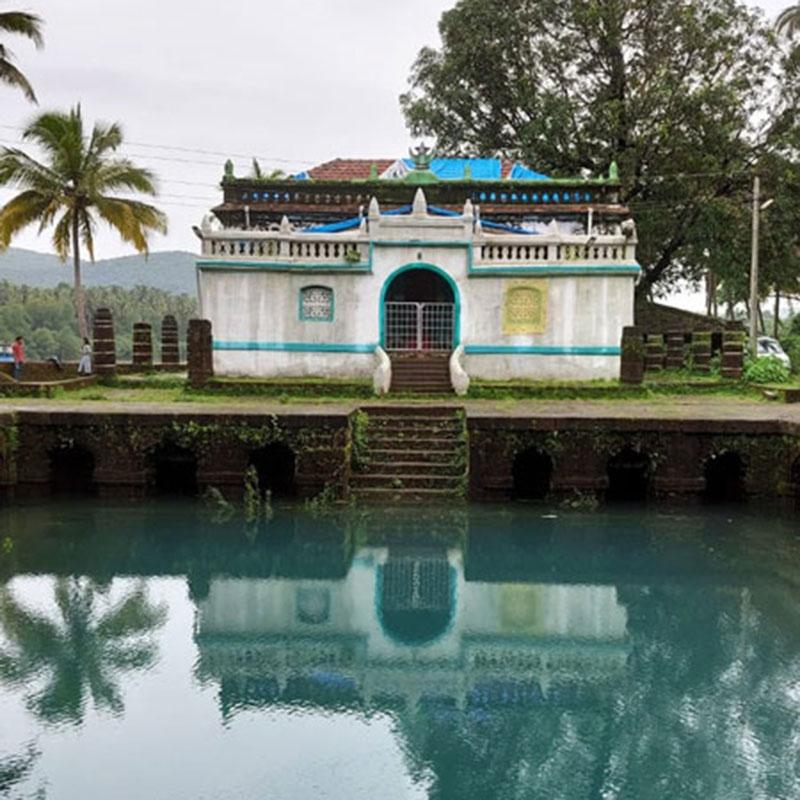
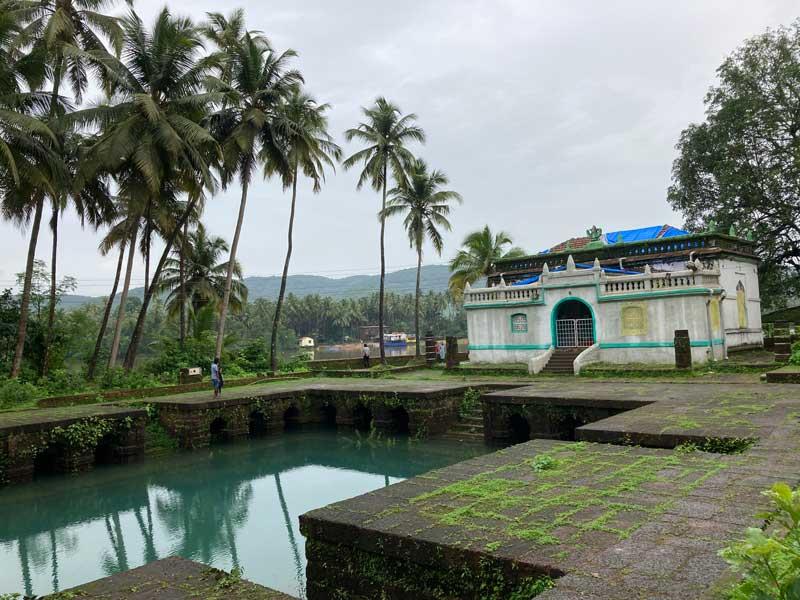
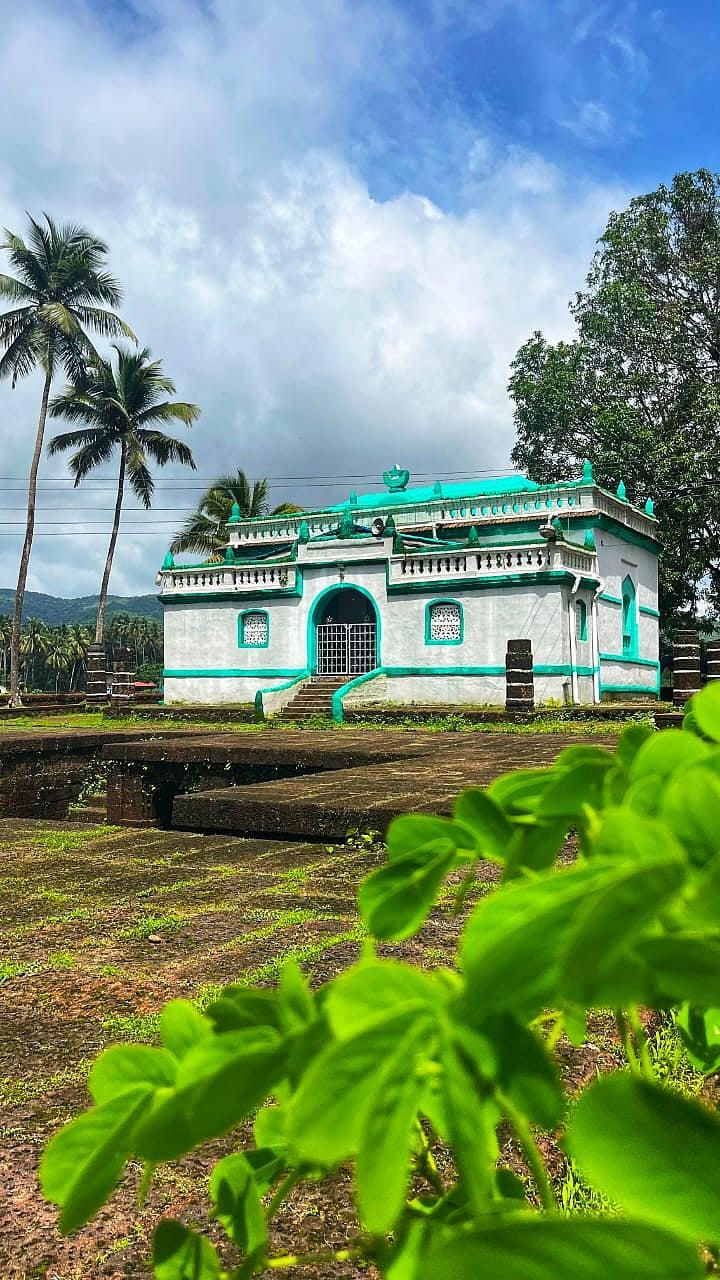
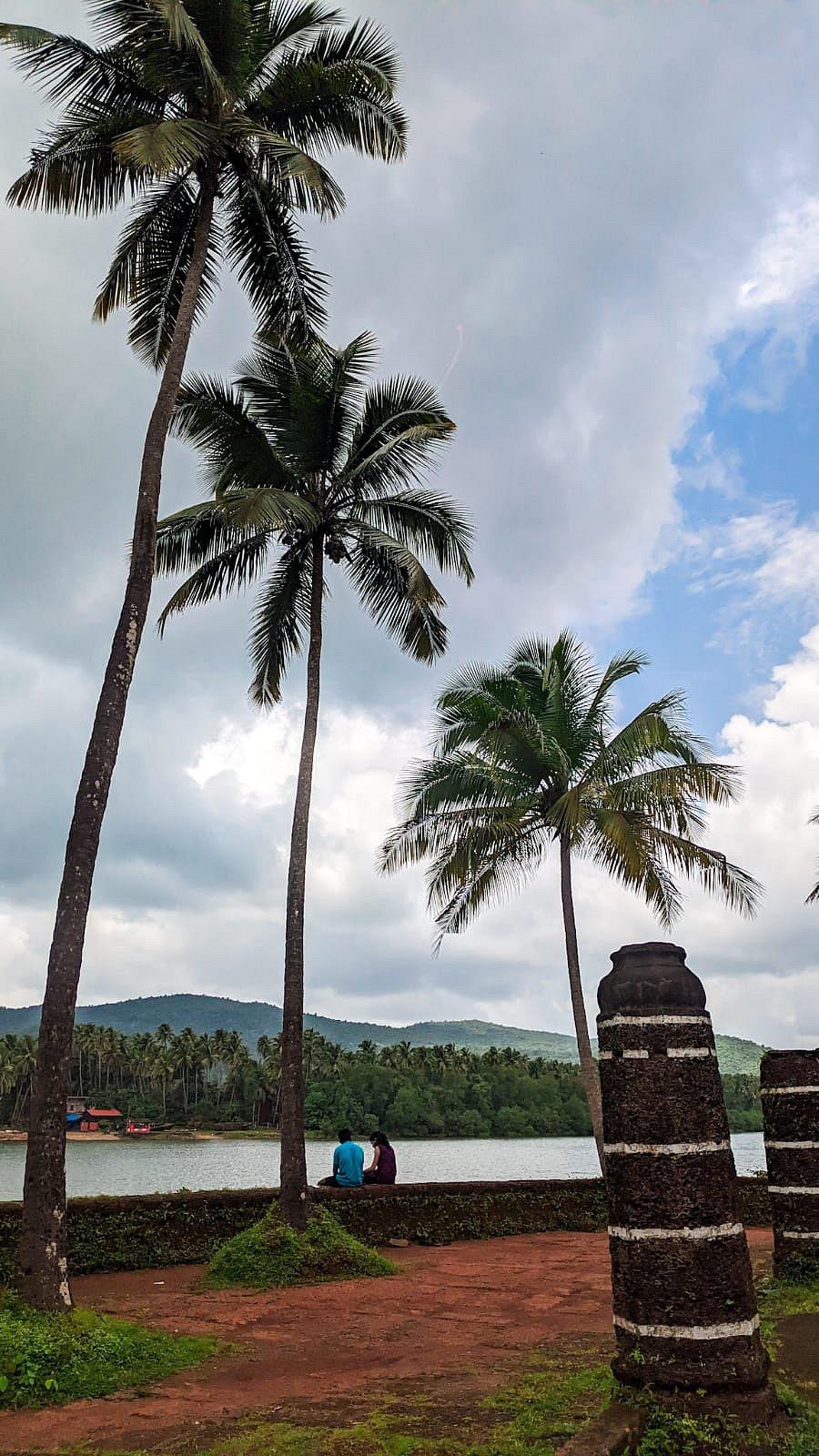
The mosque is not just a place of prayer but a symbol of resilience. Surrounded by manicured gardens and a massive, ancient masonry tank, the site exudes a sense of tranquility that is rare to find in the bustling tourist hubs. As you step onto the grounds, the first thing that strikes you is the harmony between the structure and its natural surroundings. The mosque is framed by towering coconut palms and tropical foliage, reflecting the typical Goan landscape. Unlike the grand, imposing mosques of Northern India, the Surla Mosque is characterized by its elegant simplicity and its unique blend of Indo-Islamic architecture. It serves as a reminder of the Bijapur Sultanate's influence over the region before the Portuguese conquest in 1510. Today, the mosque is a protected monument under the Archaeological Survey of India (ASI), attracting history buffs, architecture enthusiasts, and spiritual seekers from across the globe.
For the modern traveler, visiting the Surla Mosque is an invitation to look beyond the "party capital" image of Goa. It is a place where time seems to slow down, allowing for quiet reflection. Whether you are interested in the intricacies of 16th-century masonry or simply wish to enjoy the cool breeze blowing across the water tank, the Surla Mosque provides a unique spiritual and aesthetic experience. Its location in Ponda also makes it a perfect starting point for exploring the spice plantations and ancient Hindu temples that define the hinterlands of Goa.
History & Religious Significance
The history of the Surla Mosque is deeply intertwined with the rise and fall of the Adil Shahi Dynasty of Bijapur. Built in 1560 by Ibrahim Adil Shah I, the mosque was part of a larger complex that once included extensive gardens, fountains, and perhaps even a palace. During the 16th century, Ponda was a strategic military and administrative hub for the Bijapur Sultanate, serving as a buffer zone against the expanding Portuguese influence in Velha Goa (Old Goa). The mosque was constructed during a period of relative prosperity and cultural synthesis, which is reflected in its design and its survival through the centuries.
The religious significance of the mosque is heightened by its survival during the Portuguese Inquisition. During the 16th and 17th centuries, many religious structures that were not aligned with the Catholic faith were dismantled or repurposed. However, the Safa Masjid in Surla remained relatively untouched, largely due to its location in the Ponda region, which remained under the control of the Marathas and the Bijapur Sultanate for longer periods than the coastal provinces. This makes it one of the oldest surviving mosques in Goa. The name "Safa" is derived from the Arabic word for "pure" or "clean," which is highly significant in Islamic theology. The mosque was intended to be a place of spiritual purification, a concept reinforced by the presence of the massive water tank used for Wudu (ritual ablution).
Over the centuries, the mosque has witnessed the shifting tides of Goan history—from the decline of the Sultanates to the Maratha invasions led by Shivaji Maharaj, and finally the eventual annexation of Ponda by the Portuguese in the late 18th century. Despite these upheavals, the mosque continued to serve the local Muslim community. Today, it stands as a bridge between the past and the present, representing the pluralistic fabric of Goan society where Hindu, Muslim, and Christian traditions have co-existed for generations. Its historical weight is recognized by the Archaeological Survey of India, which maintains the site as a National Monument of importance.
Architecture of Surla Mosque
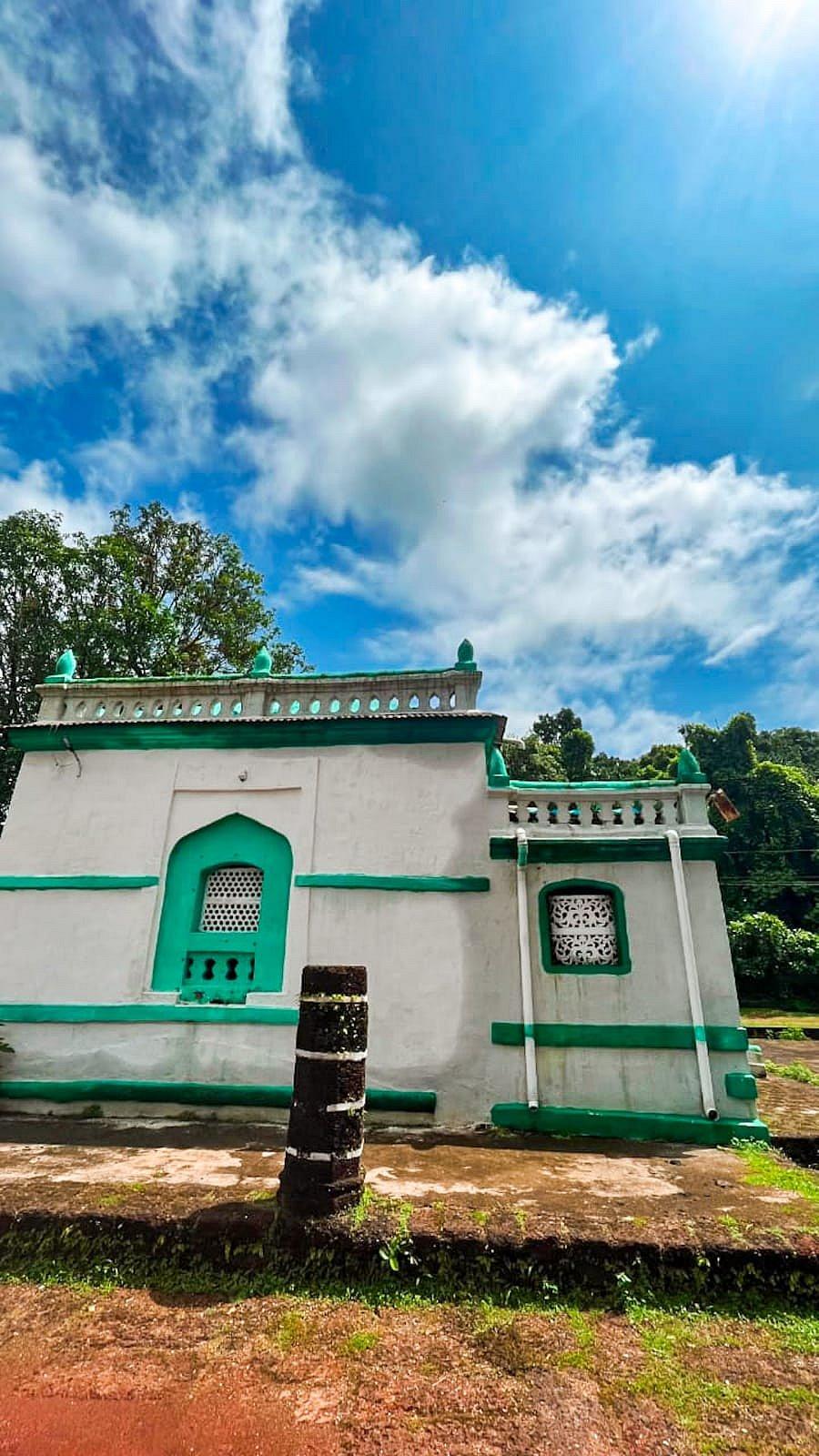
The architecture of the Surla Mosque is a fascinating study in the adaptation of Islamic styles to the local Goan environment. Built primarily of laterite stone, which is the characteristic red stone of the Konkan region, the mosque displays a unique aesthetic that distinguishes it from the marble-heavy Mughal architecture of the north. The structure is relatively small and rectangular, sitting atop a high plinth, which was a common feature in regional architecture to protect buildings from the heavy monsoon rains of the Western Ghats.
One of the most striking features of the mosque is its roof. Originally, the mosque likely featured a traditional terracotta tiled roof, typical of Goan houses and temples, rather than the large domes seen in other parts of the Islamic world. This "Goanization" of Islamic architecture is what makes the Surla Mosque so special. The exterior walls are adorned with pointed arches and recessed niches, showcasing the Bijapuri influence. The interior is equally minimalist, with a prayer hall that emphasizes space and light. The Mihrab (the niche indicating the direction of Mecca) is elegantly carved, serving as the focal point for worshippers.
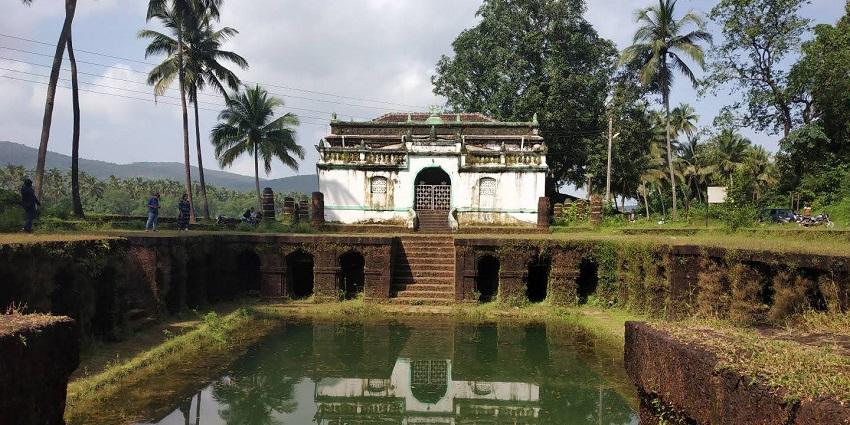
However, the true architectural marvel of the site is the massive masonry tank located in front of the mosque. This tank features 44 small arches around its perimeter, which are not just decorative but also served as part of the water management system. The tank is connected to a series of underground channels that were designed to keep the water fresh and flowing. The symmetry of the tank, combined with the reflection of the mosque in the water, creates a stunning visual effect. The surrounding area was once a sprawling garden (Charbagh style), and while much of the original landscaping has changed, the ASI has restored the lawns to give visitors a sense of the original Persian-inspired garden layout. The use of local materials like laterite, combined with Persian-inspired geometry, makes the Surla Mosque a masterpiece of Indo-Saracenic fusion.
Main Deity / Spiritual Importance
As an Islamic place of worship, the Surla Mosque does not house a "deity" in the conventional sense used in Hindu or Christian contexts. Instead, it is dedicated to the worship of Allah, the one true God in Islam. The spiritual importance of the mosque lies in its role as a sanctuary for prayer, reflection, and community gathering. The concept of Tawhid (the oneness of God) is central to the spiritual atmosphere here. The lack of icons or idols within the mosque directs the worshipper's focus entirely toward the divine through the recitation of the Quran and the performance of Salah (prayer).
The name "Safa," meaning "Pure," points to the spiritual purity required of those who enter. This is physically manifested in the ritual of Wudu, performed at the ancient tank. The act of washing before prayer is symbolic of shedding the impurities of the material world before standing in the presence of the Divine. For the local Muslim community, the mosque is a "Baitullah" (House of Allah), a sacred space that provides a sense of continuity and identity. Even for non-Muslim visitors, the mosque offers a profound spiritual experience. The silence of the prayer hall, the rhythmic sound of the wind through the trees, and the vastness of the water tank invite a meditative state of mind.
In the broader spiritual landscape of Goa, the Surla Mosque represents the "Sufi" influence that was once prevalent in the Deccan region. Sufism, with its emphasis on inner mysticism and universal love, often found common ground with the local Bhakti movements. The mosque, therefore, stands as a symbol of interfaith harmony. It is not uncommon to see people of various faiths visiting the site, drawn by its historical aura and its peaceful energy. The spiritual importance of the mosque transcends its physical boundaries, acting as a reminder of the shared human quest for peace and transcendence.
Festivals & Celebrations
The Surla Mosque comes alive during the major Islamic festivals, drawing the local community together in a vibrant display of faith and culture. The two most significant celebrations held here are Eid-ul-Fitr and Eid-ul-Adha. During these times, the mosque and its surrounding gardens are meticulously cleaned and sometimes decorated. The atmosphere is one of immense joy and gratitude.
- Eid-ul-Fitr: Marking the end of the holy month of Ramadan, this festival begins with a special congregational prayer (Salat al-Eid) held in the morning. Hundreds of devotees gather on the lawns and in the prayer hall, dressed in their finest traditional attire. After the prayers, people embrace and exchange greetings of "Eid Mubarak," often sharing traditional sweets like Sheer Khurma.
- Eid-ul-Adha: Known as the Festival of Sacrifice, this event commemorates the devotion of Prophet Ibrahim. It involves special prayers and the distribution of meat to the needy, emphasizing the Islamic values of charity and community support.
- Milad-un-Nabi: The birth anniversary of Prophet Muhammad is another occasion marked by prayers and sometimes religious discourses that highlight the Prophet's teachings of peace and compassion.
In addition to these major festivals, the mosque serves as a hub for local community gatherings. While it is a quiet site for most of the year, these celebrations offer a glimpse into the living traditions of Goan Muslims. The festivals are also a time when the surrounding village of Surla and the town of Ponda witness a surge in local trade, with small stalls selling traditional snacks, perfumes (attar), and religious items. For a traveler, visiting during these festivals provides a unique opportunity to witness the cultural richness of Islam in a Goan context, though it is important to remain respectful of the religious observances.
Best Time to Visit
To fully appreciate the beauty and serenity of the Surla Mosque, timing is essential. Goa’s tropical climate means that the experience can vary significantly depending on the season. The best time to visit is undoubtedly during the winter months, from November to February. During this period, the weather is pleasantly cool and dry, with temperatures ranging from 20°C to 30°C. This is the ideal time for walking around the large masonry tank and exploring the gardens without the discomfort of intense heat or humidity.
The monsoon season (June to September) offers a different, more atmospheric experience. The laterite stone of the mosque turns a deep, dark red when wet, and the surrounding greenery becomes incredibly lush and vibrant. The water tank fills to the brim, reflecting the grey, dramatic skies. However, be prepared for heavy downpours which might limit your ability to explore the outdoor areas. If you enjoy the petrichor and the "Green Goa" vibe, the monsoons can be a magical time to visit, provided you have an umbrella and waterproof footwear.
The summer months (March to May) can be quite hot and humid, with temperatures often soaring above 35°C. If you visit during this time, it is best to go early in the morning (between 8:00 AM and 10:00 AM) or late in the afternoon (after 4:30 PM). The morning light is particularly beautiful for photography, casting a golden hue over the mosque and the water. Visiting during the late afternoon allows you to catch the sunset, which provides a peaceful backdrop for reflection as the day cools down.
Timings, Entry Fee & Dress Code
Planning your visit to the Surla Mosque requires attention to a few practical details to ensure a smooth and respectful experience. The mosque is an active site of worship and a protected monument, so certain rules apply.
- Timings: The mosque is generally open to visitors from 6:00 AM to 6:00 PM daily. However, it is advisable to avoid visiting during the designated prayer times (Salat), especially the Friday afternoon prayers (Jumu'ah), unless you are there to participate. During prayer times, the inner sanctum may be reserved for worshippers.
- Entry Fee: There is no entry fee for visiting the Surla Mosque. It is free for both domestic and international tourists. This makes it an excellent budget-friendly addition to any Goan itinerary.
- Dress Code: As this is a religious site, modest dress is mandatory. Both men and women should ensure their shoulders and knees are covered. Women may find it respectful to carry a light scarf to cover their heads if they intend to enter the prayer hall. Avoid wearing transparent clothing or beachwear. It is also customary to remove your shoes before stepping onto the raised platform of the mosque or entering the prayer area.
- Photography: Photography is generally allowed in the garden and around the tank area. However, it is polite to ask for permission before taking photos of people praying or of the interior of the prayer hall.
How to Reach Surla Mosque
The Surla Mosque is located in the Ponda Taluka, approximately 28 kilometers from the state capital, Panaji, and about 20 kilometers from Margao. Its central location makes it accessible from various parts of Goa.
- By Taxi/Private Car: This is the most convenient way to reach the mosque. You can hire a taxi from North Goa (Calangute/Baga) which will take about an hour and fifteen minutes. If you are staying in South Goa (Colva/Benaulim), the drive is shorter, roughly 45 minutes. Using apps like GoaMiles or hiring a local driver for a day trip to Ponda is highly recommended.
- By Scooter/Bike: For the adventurous traveler, riding a rented scooter to Ponda is a great way to see the Goan countryside. The roads leading to Ponda are well-paved and wind through scenic villages and spice plantations. However, be cautious of the traffic on the main highways.
- By Bus: You can take a Kadamba (state-run) bus or a private bus from the Panaji or Margao bus stands to Ponda. From the Ponda bus stand, the mosque is just a short auto-rickshaw or motorcycle taxi (pilot) ride away. Buses are very affordable but can be crowded.
- By Train: The nearest major railway station is Madgaon Junction. From there, you can take a taxi or a bus to Ponda. The mosque is well-known locally, so most drivers will know the location if you mention "Safa Masjid" or "Surla Mosque."
Things to Do
A visit to the Surla Mosque is not just about looking at a building; it is about immersing yourself in the environment. Here are some activities to enhance your visit:
- Explore the Masonry Tank: Spend time walking around the perimeter of the massive water tank. Observe the 44 arches and the intricate steps leading down to the water. It is a fantastic spot for those interested in ancient engineering and water conservation techniques.
- Meditation and Reflection: The mosque's quiet atmosphere makes it an ideal spot for meditation. Find a quiet corner on the lawn or near the tank to sit and soak in the tranquility. The sound of birds and the rustle of palm leaves provide a natural soundtrack for mindfulness.
- Architectural Photography: For photographers, the mosque offers endless angles. The contrast between the red laterite, the blue sky, and the green gardens is stunning. Capture the reflection of the mosque in the tank for a classic shot.
- Learn Local History: Read the information plaques provided by the ASI. They offer valuable insights into the construction and preservation of the site. If you are lucky, you might encounter a local who can share stories about the mosque's past.
- Enjoy a Picnic: While you shouldn't have a full meal inside the mosque area, the surrounding gardens are a lovely place to sit and relax for a while. It is a great spot to take a break after visiting the nearby crowded temples.
Nearby Attractions
Ponda is the heart of Goa’s cultural and spiritual tourism. You can easily combine your visit to the Surla Mosque with several other fascinating sites nearby:
- Sahakari Spice Farm: Located just a few kilometers away, this farm offers guided tours where you can learn about various spices, enjoy a traditional Goan lunch, and even watch an elephant bath.
- Mangueshi Temple: One of the most famous Hindu temples in Goa, dedicated to Lord Shiva. Its unique architecture, featuring a prominent Deepastambha (lamp tower), is a must-see.
- Shanta Durga Temple: Located in Kavlem, this temple is dedicated to the goddess of peace. The temple complex is vast and features a beautiful blend of Indo-Portuguese architectural styles.
- Bondla Wildlife Sanctuary: A bit further away, this is a great spot for families. It features a small zoo, botanical gardens, and nature trails.
- Old Goa (Velha Goa): About a 30-minute drive from Ponda, you can explore the UNESCO World Heritage site featuring the Basilica of Bom Jesus and the Se Cathedral.
Photography & Visitor Guidelines
To ensure that the Surla Mosque remains a preserved and peaceful site, visitors are encouraged to follow these guidelines:
- Be Respectful of Worshippers: If you see people praying, maintain silence and do not walk in front of them. Avoid using flash photography inside the prayer hall.
- Keep the Premises Clean: The mosque is a "no littering" zone. Ensure you take any trash back with you or dispose of it in designated bins. The cleanliness of the site adds to its spiritual "Safa" (purity).
- Avoid Loud Noises: The mosque is a place for quiet contemplation. Refrain from playing loud music or shouting while on the grounds.
- Respect the Structure: Do not climb on the ancient walls or the arches of the tank. These are fragile historical structures that need to be preserved for future generations.
- Drone Photography: If you plan to use a drone, you must obtain prior permission from the Archaeological Survey of India (ASI). Drones are generally restricted over protected monuments without a permit.
Where to Eat Nearby
After exploring the mosque, you’ll likely be hungry. Ponda offers some of the most authentic Goan cuisine, away from the commercialized beach shacks.
- Traditional Spice Farm Lunch: If you visit the Sahakari or Tropical Spice Plantations, they offer a buffet of traditional Goan Hindu cuisine, featuring fish curry, rice, local vegetables, and the famous feni-based cocktails.
- Hotel Menino: Located in Ponda town, this is a reliable spot for both Goan and North Indian dishes. It is popular with locals and tourists alike.
- Farmagudi Residency: Run by the Goa Tourism Development Corporation (GTDC), their restaurant offers a range of local delicacies in a pleasant setting.
- Local Eateries: Look for small "Khanavals" (local lunch homes) in Ponda that serve "Fish Thali." This is the most authentic way to experience Goan food—fresh, spicy, and incredibly satisfying.
Accommodation Nearby
While many people visit Ponda as a day trip, staying overnight allows you to explore the region more deeply. Accommodation options range from eco-stays to budget hotels.
- Farmagudi Residency (GTDC): A well-maintained property offering comfortable rooms and cottages. It is located on a hillock and provides a peaceful environment.
- The Postcard Hideaway, Netravali: For those looking for luxury and seclusion, this is a bit of a drive but offers an unparalleled experience of Goan nature.
- Budget Hotels in Ponda: There are several no-frills hotels in Ponda town, such as Hotel Padmavi, which are suitable for solo travelers or those on a tight budget.
- Eco-Resorts: Consider staying at one of the spice farms like Dudhsagar Spa Resort or local homestays that offer a more immersive "village life" experience.
Travel Tips
To make the most of your trip to the Surla Mosque, keep these travel tips in mind:
- Carry Water: While there is a tank, the water is not for drinking. Carry a reusable water bottle to stay hydrated, especially during the humid months.
- Wear Comfortable Shoes: You will be walking on uneven stone surfaces and grass. Wear comfortable walking shoes, but remember they must be easy to remove.
- Combine with Spice Farms: Since the mosque doesn't take more than an hour to explore, plan your day to include a spice farm tour and a visit to a nearby temple.
- Hire a Guide: If you are a history buff, consider hiring a local guide who can explain the nuances of the Bijapur Sultanate and the architectural details of the Safa Masjid.
- Respect Local Customs: Ponda is more traditional than the coastal areas. Dressing modestly and being polite to locals will go a long way in ensuring a positive experience.
Conclusion
The Surla Mosque is a hidden gem that offers a different perspective on Goa’s identity. It is a place where history, architecture, and spirituality converge in a quiet corner of the Ponda hinterlands. By visiting this ancient site, you are not only witnessing a beautiful piece of 16th-century engineering but also honoring the diverse cultural heritage that makes Goa so unique. Whether you are mesmerized by the 44 arches of the masonry tank or the simple elegance of the laterite prayer hall, the Safa Masjid leaves a lasting impression of peace and resilience. It serves as a poignant reminder that even in a land known for its fast-paced tourism, there are still sanctuaries of silence and history waiting to be discovered. So, the next time you find yourself in the Sunshine State, take a break from the waves and journey into the heart of Ponda to experience the timeless beauty of the Surla Mosque.