Overview of Shree Shantadurga Kumbarjuvekarin Temple
Nestled in the serene and emerald-green heart of the Kumbarjua island in Goa, the Shree Shantadurga Kumbarjuvekarin Temple stands as a profound symbol of faith, resilience, and Goan cultural heritage. Unlike the bustling beaches of North Goa or the commercial hubs of the south, Kumbarjua offers a glimpse into the "Old Goa" that remains untouched by time. The temple is dedicated to Goddess Shantadurga, the peaceful avatar of the fierce Goddess Durga, who is revered across the Konkan coast as a mediator and a bringer of harmony. For the local community and the thousands of devotees who visit annually, this temple is not merely a structure of stone and mortar; it is the spiritual anchor of the island.
The temple is uniquely situated amidst the winding backwaters of the Mandovi River, surrounded by lush mangroves and the famous Cumbarjua Canal—known globally for its thriving crocodile population. This geographical isolation has preserved the temple’s sanctity and traditional atmosphere. As you approach the temple, the salty breeze from the river mingles with the scent of burning camphor and fresh marigolds, creating an immediate sense of tranquility. The suffix "Kumbarjuvekarin" specifically denotes the deity's association with the village of Kumbarjua, distinguishing this shrine from other Shantadurga temples in Kavlem or Pemem. It highlights a deep-rooted localized tradition where the Goddess is seen as the mother and protector of this specific island community.
Top Goa Experience • Part 1
Highly Recommended Near Shree Shantadurga Kumbarjuvekarin Temple
Explore All
For a traveler or a spiritual seeker, the Shree Shantadurga Kumbarjuvekarin Temple offers more than just a religious visit. It provides an opportunity to witness the harmonious blend of nature and divinity. The temple complex serves as a communal gathering point where ancient Konkani traditions are still practiced with fervor. Whether you are interested in the intricate nuances of Goan temple architecture, the history of the 16th-century migrations, or simply seeking a quiet corner for meditation away from the tourist trail, this temple is a hidden gem that encapsulates the soulful essence of Goa.
History & Religious Significance
The history of the Shree Shantadurga Kumbarjuvekarin Temple is a testament to the tumultuous yet resilient past of the Goan Hindu community. During the mid-16th century, Goa underwent a period of intense religious transformation under Portuguese colonial rule. The Portuguese Inquisition led to the destruction of many indigenous temples in the "Velhas Conquistas" (Old Conquests) regions. Historians believe that the original idols of many Goan deities were moved by night, across rivers and through dense forests, to the "Novas Conquistas" (New Conquests) or to safer island pockets like Kumbarjua to protect them from desecration.
Recommended Guide
10 Interesting Facts About Goa That Will Blow Your Mind
Discover 10 fascinating facts about Goa from Portuguese history & architecture to hidden beaches, cheap alcohol secrets, and more.
Read Guide →
The deity Shantadurga has a fascinating mythological origin. According to the Skanda Purana, a fierce battle once broke out between Lord Shiva (the destroyer) and Lord Vishnu (the preserver). The intensity of their combat threatened to consume the entire universe. To prevent a cosmic catastrophe, Lord Brahma prayed to the supreme Goddess Shakti to intervene. She manifested as Shantadurga, placing Lord Vishnu on her right hand and Lord Shiva on her left, successfully mediating the conflict and restoring peace (Shanti) to the world. This is why she is worshipped as the "Peaceful Durga." In the context of Kumbarjua, she is believed to have protected the islanders from floods, epidemics, and external invasions for centuries.
The establishment of the temple in its current location is tied to the Kumbhar community (traditional potters) of the island, who have been the primary custodians of the deity’s rituals. Over the generations, the temple has undergone several renovations, evolving from a modest thatched-roof shrine to the grand structure seen today. The religious significance is further elevated by the temple's role in the "Sangodd" festival, a unique water-borne pageant that involves the entire island. The temple is not just a place of worship but a historical archive of the island's survival through colonial pressures, maintaining its Vedic roots while coexisting with the changing socio-political landscape of Goa.
Recommended Guide
Best Less Crowded Beaches in South Goa
South Goa is famous for its peaceful beaches, natural beauty, clean coastline, and relaxed atmosphere. While North Goa attracts thousands of tourists every...
Read Guide →
Architecture of Shree Shantadurga Kumbarjuvekarin Temple
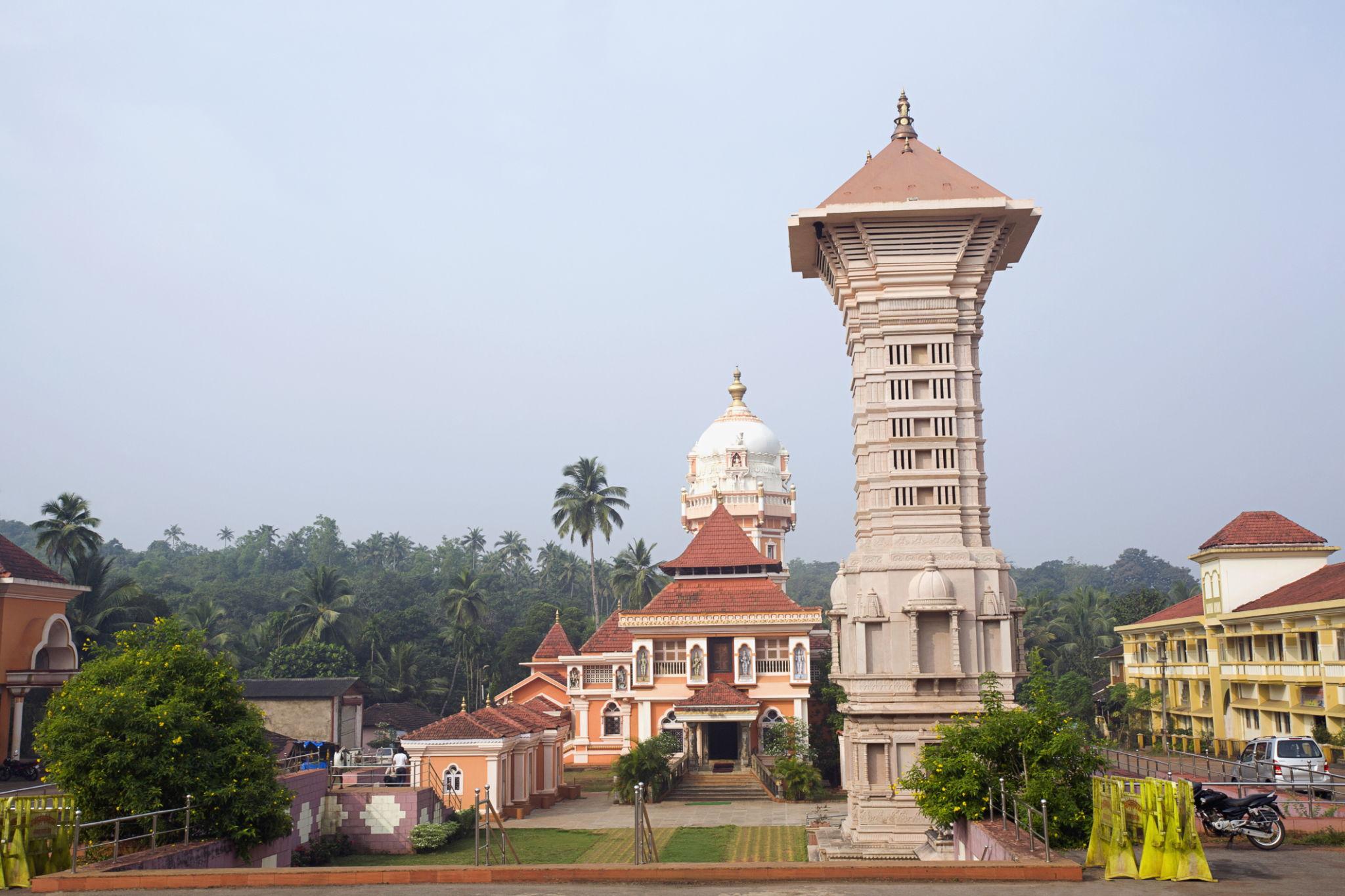
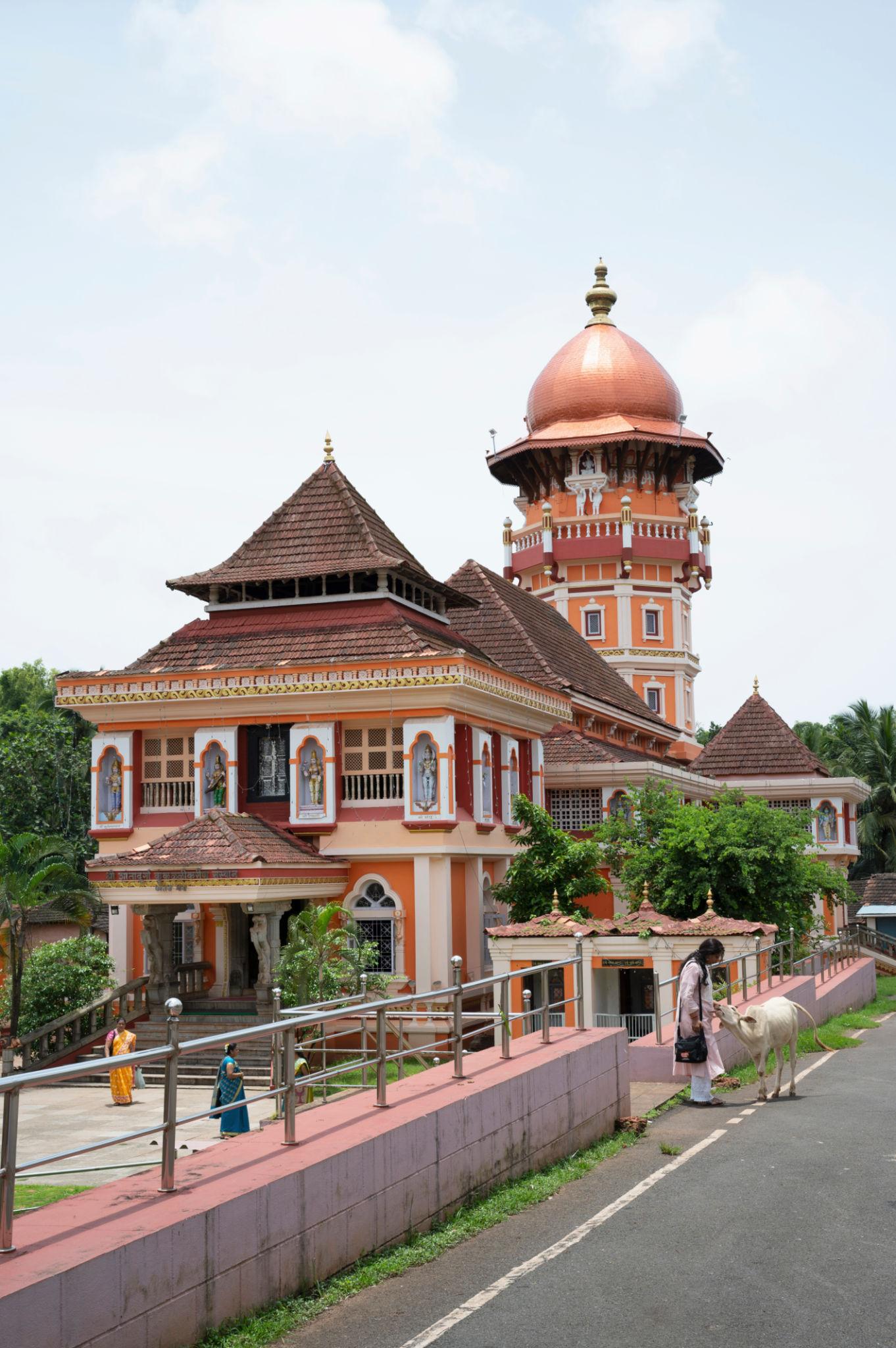
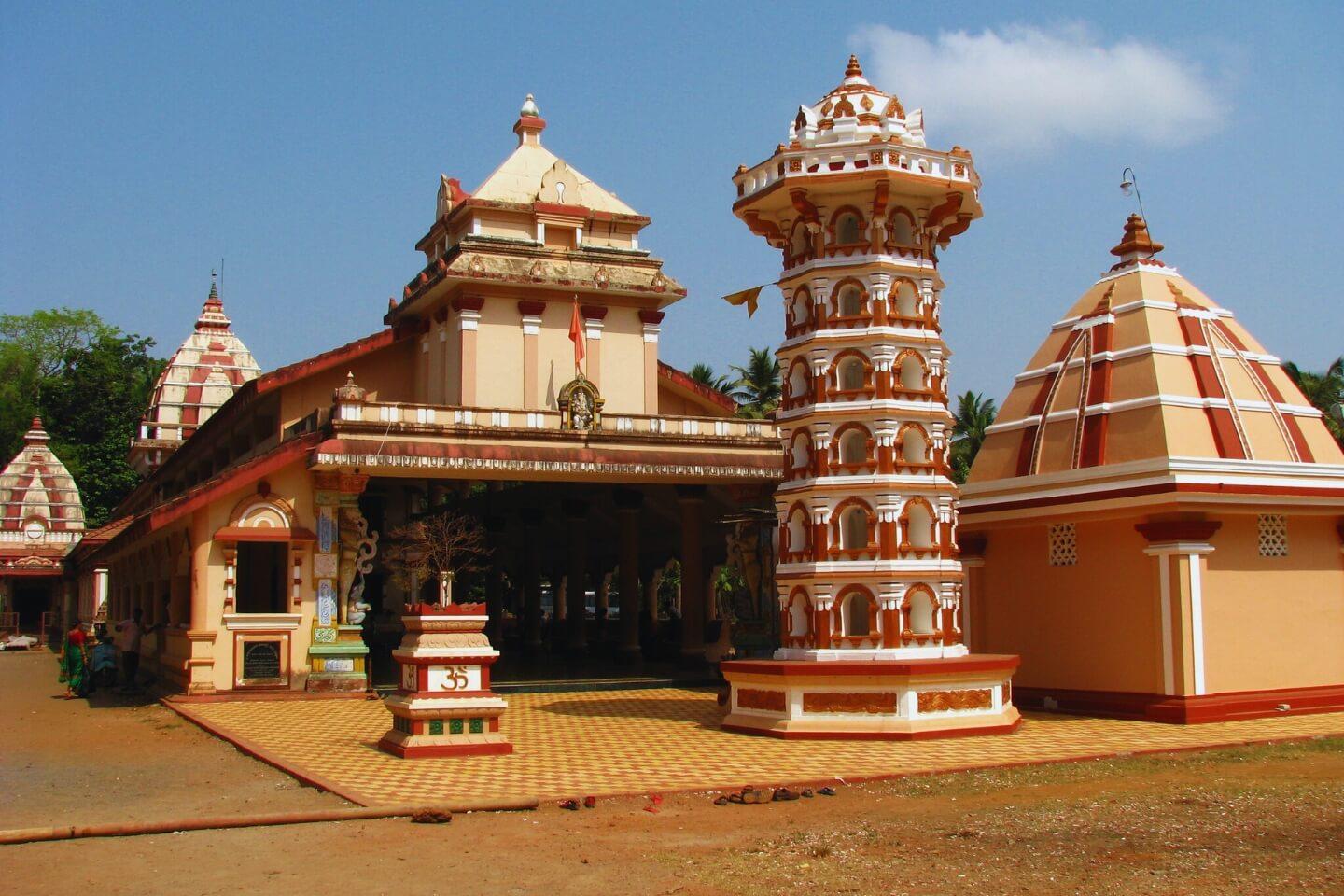
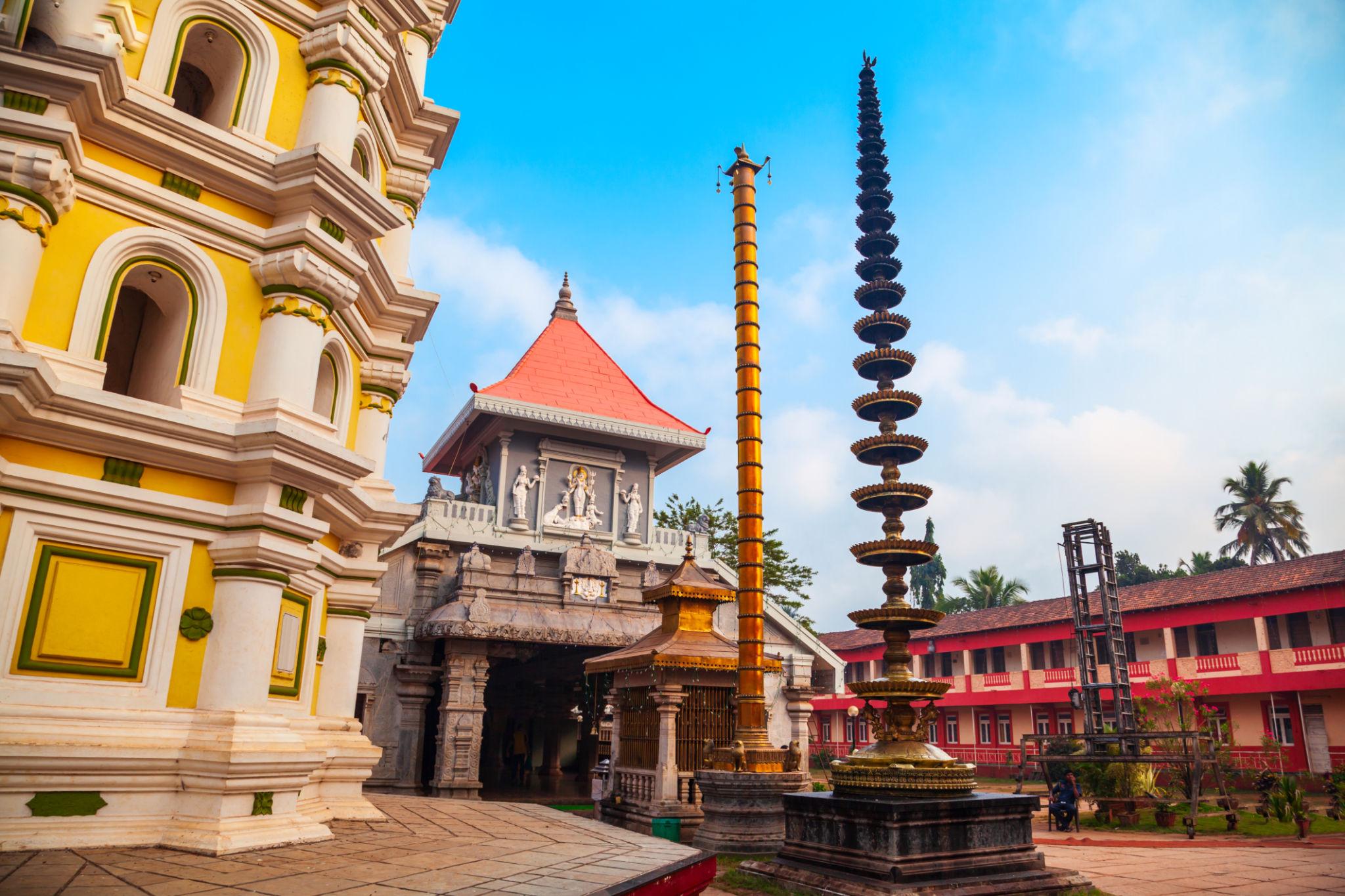
The architecture of the Shree Shantadurga Kumbarjuvekarin Temple is a stunning example of the Goan Temple Style, which is a unique synthesis of Indian, Islamic, and Portuguese architectural elements. This fusion occurred because local craftsmen, influenced by the prevailing European aesthetics of the time, integrated those designs into traditional Hindu temple layouts. As you enter the complex, the most striking feature is the Deepastambha (Tower of Light). This multi-storied white octagonal tower is a hallmark of Goan temples. During festivals, hundreds of oil lamps are lit in its niches, creating a celestial glow that reflects off the nearby river waters.
The main temple structure features a sloping roof made of Mangalore tiles, designed to withstand the heavy Goan monsoons. The exterior walls are often painted in vibrant shades of white and ochre, contrasting beautifully with the surrounding greenery. The entrance to the Mandapa (assembly hall) is flanked by intricately carved wooden pillars. Unlike the stone-heavy temples of South India, Goan temples like this one make extensive use of high-quality teak wood, often adorned with motifs of lotus flowers, elephants, and scenes from the Puranas. The Shikhara (dome) above the sanctum sanctorum is neo-classical in design, reflecting a subtle Baroque influence that was prevalent during the era of its reconstruction.
Recommended Guide
Top 10 Tips for Renting a Car in Goa (Complete Guide 2026)
Renting a car in Goa sounds like the perfect plan — full freedom, beach hopping, no waiting for taxis, and exploring hidden places at your own pace. But...
Read Guide →
Inside the temple, the flooring is typically made of polished marble or granite, keeping the interiors cool. The Garbhagriha (inner sanctum) houses the divine idol of Goddess Shantadurga. The silver-plated doorway leading to the sanctum is a work of art, featuring embossed figures of gatekeepers (Dvarapalas). The ceiling of the Mandapa often features large chandeliers, a direct influence of the Portuguese elite's home decor, which found its way into the temples. The spatial arrangement is designed to facilitate Pradakshina (circumambulation), allowing devotees to walk around the deity in a meditative state while admiring the smaller shrines dedicated to subordinate deities (Panchayatana) within the courtyard.
Top Goa Experience • Part 2
Highly Recommended Near Shree Shantadurga Kumbarjuvekarin Temple
Explore All
Main Deity / Spiritual Importance
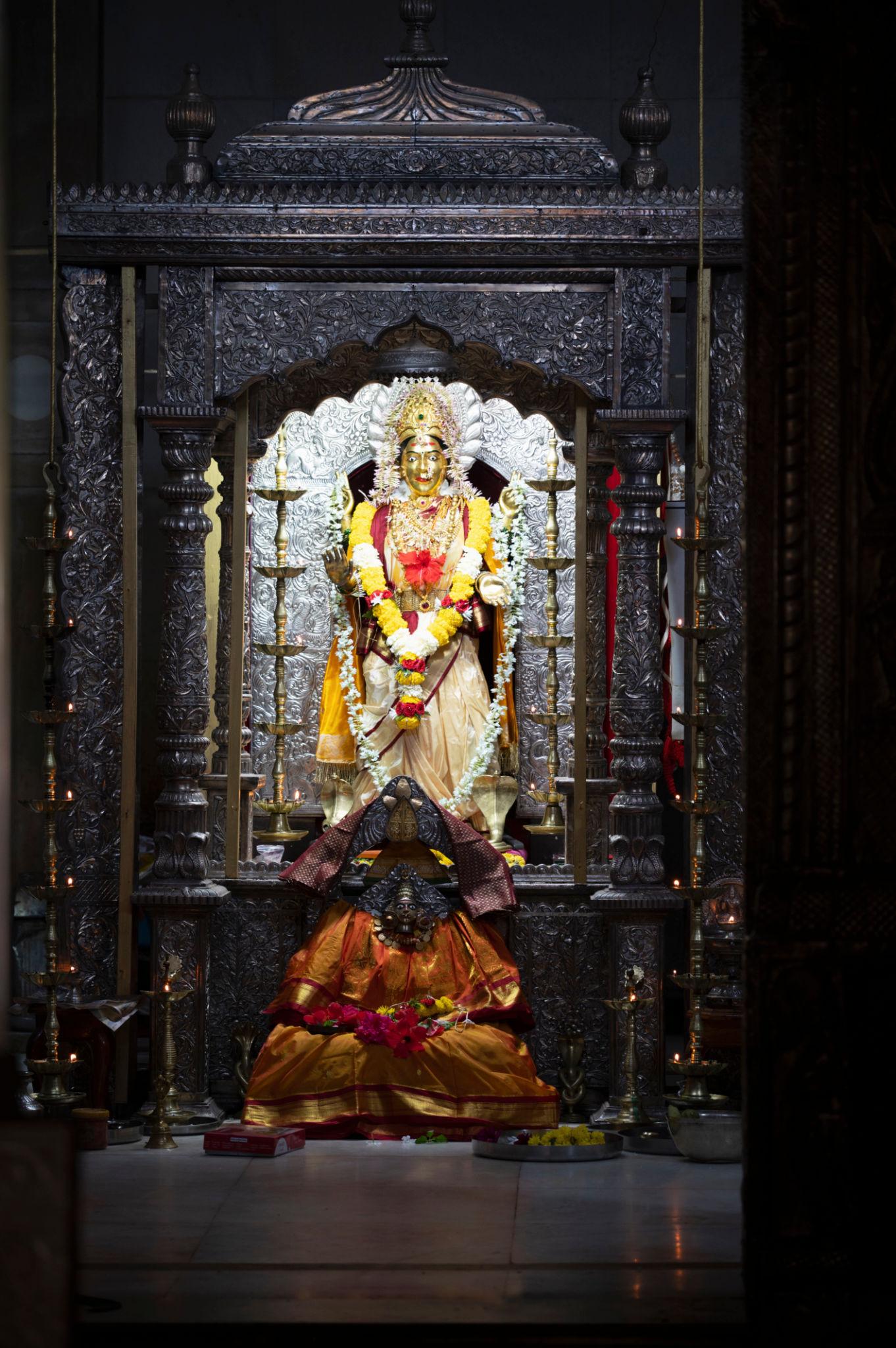
The presiding deity, Shree Shantadurga, is depicted in a calm and benevolent posture. In this temple, she is often seen holding two serpents, representing the controlled energy of the two warring gods, Shiva and Vishnu. The idol is typically draped in exquisite Goan silk sarees (Kunbi or Nauvari style) and adorned with traditional gold jewelry, including the 'Nath' (nose ring) and 'Har' (necklaces) that are characteristic of the Konkani bride and matriarch. The spiritual energy of the temple is centered around the concept of "Shanti" or inner peace. Devotees believe that praying here helps resolve domestic conflicts and brings mental clarity.
The spiritual importance of the deity extends to the local "Kulavis" (clan members) who consider Shantadurga their Kuladevi (family deity). Even those who have migrated to distant lands return to Kumbarjua to seek her blessings for major life events like weddings, births, or new business ventures. A unique spiritual practice here is the "Kaul Prasad," a ritual where devotees seek divine guidance by placing flower petals on the idol and waiting for them to fall. The direction or timing of the petal's fall is interpreted by the priest as an answer to the devotee's prayer. This practice fosters a deep, personal connection between the worshipper and the Goddess, making the temple a living oracle for the community.
Furthermore, the Goddess is viewed as the protector of the island’s ecology. The people of Kumbarjua have a long-standing tradition of respecting the crocodiles in the canal, believing them to be the "guardians" of the Goddess's territory. This spiritual interlinking of the divine with the local fauna is a rare example of eco-spirituality in Goa. Visiting the temple is not just about ritualistic worship; it is about acknowledging the delicate balance of life, peace, and nature that the Goddess Shantadurga embodies.
Festivals & Celebrations
The Shree Shantadurga Kumbarjuvekarin Temple comes alive with vibrant colors and rhythmic music during its many festivals. The most significant event is the Zatra (annual fair), which usually takes place in the winter months. During the Zatra, the deity is placed in a magnificent wooden chariot (Ratha) and pulled by hundreds of devotees around the temple complex. The air is filled with the sound of the Dhol, Tasha, and Shehnai. The entire island of Kumbarjua is illuminated, and the streets are lined with stalls selling traditional sweets like Khaje, clay toys, and local handicrafts.
Another unique celebration is the Sangodd, which is held during the monsoon season, particularly around the feast of St. John the Baptist (Sao Joao), showing a unique cross-cultural influence. In the Hindu context, the Sangodd at Kumbarjua involves tying two boats together to form a floating stage. Performers dress up as mythological characters and enact scenes from the Ramayana and Mahabharata as the boats glide through the canal. This water-borne festival is a spectacular sight and highlights the islanders' deep connection to the Mandovi River. It is a time of great communal harmony, where people from all walks of life gather on the banks to watch the procession.
Navratri is also celebrated with immense devotion for nine nights. Each day, the Goddess is dressed in a different color, and the temple resonates with the chanting of the Devi Mahatmyam. The Shigmo festival (the Goan version of Holi) sees the performance of folk dances like Ghode Modni and Fugdi in the temple courtyard. These festivals are not just religious events but are vital for the preservation of Goan folk arts. The Palkhi (palanquin) procession, held on specific auspicious days (like Shukla Panchami), is a more intimate affair where the Goddess is carried around the temple, allowing devotees to be in close proximity to the divine presence.
Best Time to Visit
The best time to visit the Shree Shantadurga Kumbarjuvekarin Temple is during the winter months, from November to February. During this period, the weather in Goa is pleasant, with cool breezes and low humidity, making it ideal for exploring the island and the temple complex. This window also coincides with the temple's annual Zatra, providing visitors with a chance to witness the full grandeur of Goan Hindu traditions. The morning hours, specifically between 8:00 AM and 10:30 AM, are particularly peaceful, allowing for a quiet Darshan before the midday heat sets in.
If you wish to experience the unique Sangodd festival, you should plan your visit during the monsoon season (June to August). While the rains in Goa can be heavy, the lushness of the Kumbarjua island is at its peak, and the backwaters look majestic. However, be prepared for humidity and occasional travel disruptions due to rain. For those who prefer a spiritual and meditative experience without the crowds, the months of September and October (post-monsoon) are excellent, as the landscape is vibrant green, and the temple remains quiet and serene.
- Winter (Nov - Feb): Ideal weather, peak festival season, best for sightseeing.
- Monsoon (Jun - Sep): Best for the Sangodd festival and witnessing the lush greenery of the canal.
- Summer (Mar - May): Can be quite hot; visit early in the morning or late evening.
Timings, Entry Fee & Dress Code
To ensure a respectful and smooth visit, it is important to adhere to the temple's timings and guidelines. The temple typically follows a traditional Goan schedule:
- Opening Hours: 7:00 AM to 1:00 PM and 4:00 PM to 8:30 PM.
- Aarti Timings: The morning Aarti usually takes place around 7:30 AM, and the evening Aarti is held at sunset (around 6:30 PM or 7:00 PM). Attending the evening Aarti is highly recommended for the atmospheric chanting and lamp-lighting.
- Entry Fee: There is no entry fee to visit the temple. It is open to people of all faiths, provided they respect the sanctity of the site. Donations for the temple's upkeep are voluntarily accepted at the office.
Dress Code: Like most traditional Hindu temples in Goa, a strict dress code is encouraged. Devotees and tourists are expected to dress modestly.
- For Men: Long trousers or dhotis and shirts. Avoid wearing shorts, sleeveless undershirts, or caps inside the main hall.
- For Women: Sarees, salwar kameez, or long skirts. Shoulders and knees must be covered. Avoid wearing short skirts, sleeveless tops, or transparent clothing.
- Footwear: All footwear must be removed before entering the temple premises. There are designated racks available near the entrance.
How to Reach Shree Shantadurga Kumbarjuvekarin Temple
Reaching the Shree Shantadurga Kumbarjuvekarin Temple is an adventure in itself, as it involves navigating the unique geography of the Kumbarjua island. The island is located about 15 kilometers from the state capital, Panaji, and about 10 kilometers from the historical hub of Old Goa.
- By Road: You can drive from Panaji or North Goa towards Old Goa (Velha Goa). From Old Goa, follow the signs toward the Gaundalim ferry point. The roads are narrow but scenic, passing through traditional Goan villages and paddy fields.
- By Ferry (The Authentic Way): The most charming way to reach the temple is by taking the free government ferry from the Gaundalim ferry ramp to Kumbarjua. The ferry ride takes about 5-10 minutes and offers stunning views of the Mandovi River and the mangroves. Once you disembark at the Kumbarjua side, the temple is a short walk or a quick rickshaw ride away.
- By Bus: Local buses run from Panaji and Ponda to Old Goa. From Old Goa, you may need to hire a motorcycle taxi (pilot) or an auto-rickshaw to reach the ferry point.
- By Air: The nearest airport is Manohar International Airport (MOPA) in North Goa (approx. 45 km) or Dabolim Airport (approx. 30 km). From the airport, you can hire a pre-paid taxi directly to Kumbarjua.
- By Rail: The closest railway station is Karmali (Karmali Railway Station), which is just 5 kilometers away. From Karmali, you can easily find a taxi or auto-rickshaw to take you to the temple.
Things to Do
A visit to the Shree Shantadurga Kumbarjuvekarin Temple can be expanded into a half-day exploration of the island's unique offerings. Here are the top things to do:
- Seek Blessings and Meditate: Spend time in the Mandapa, soaking in the spiritual vibrations. The temple's quiet atmosphere is perfect for introspection and prayer.
- Admire the Deepastambha: Take a close look at the intricate carvings on the lamp tower. If you visit during an auspicious evening, witness the magical sight of the tower being lit with oil lamps.
- Explore the Village of Kumbarjua: Walk through the narrow lanes of the village. Observe the traditional Goan houses with their distinct porches (balcãos) and the local potters at work, keeping the village's namesake craft alive.
- Crocodile Spotting in Cumbarjua Canal: This is one of the few places in Goa where you can take a boat safari to see Mugger crocodiles in their natural habitat. Many local operators offer boat trips that depart from nearby areas.
- Photography: Capture the stunning architecture and the scenic river views. (Note: Photography is usually prohibited inside the inner sanctum, so always check for signs or ask the priest).
- Attend a Palkhi Procession: If your visit coincides with a Friday or a festival day, stay back for the evening palanquin procession, which is a soulful experience involving traditional music and community participation.
Nearby Attractions
Kumbarjua's location makes it a perfect base to explore the historical and natural wonders of Central Goa. Here are some nearby attractions you shouldn't miss:
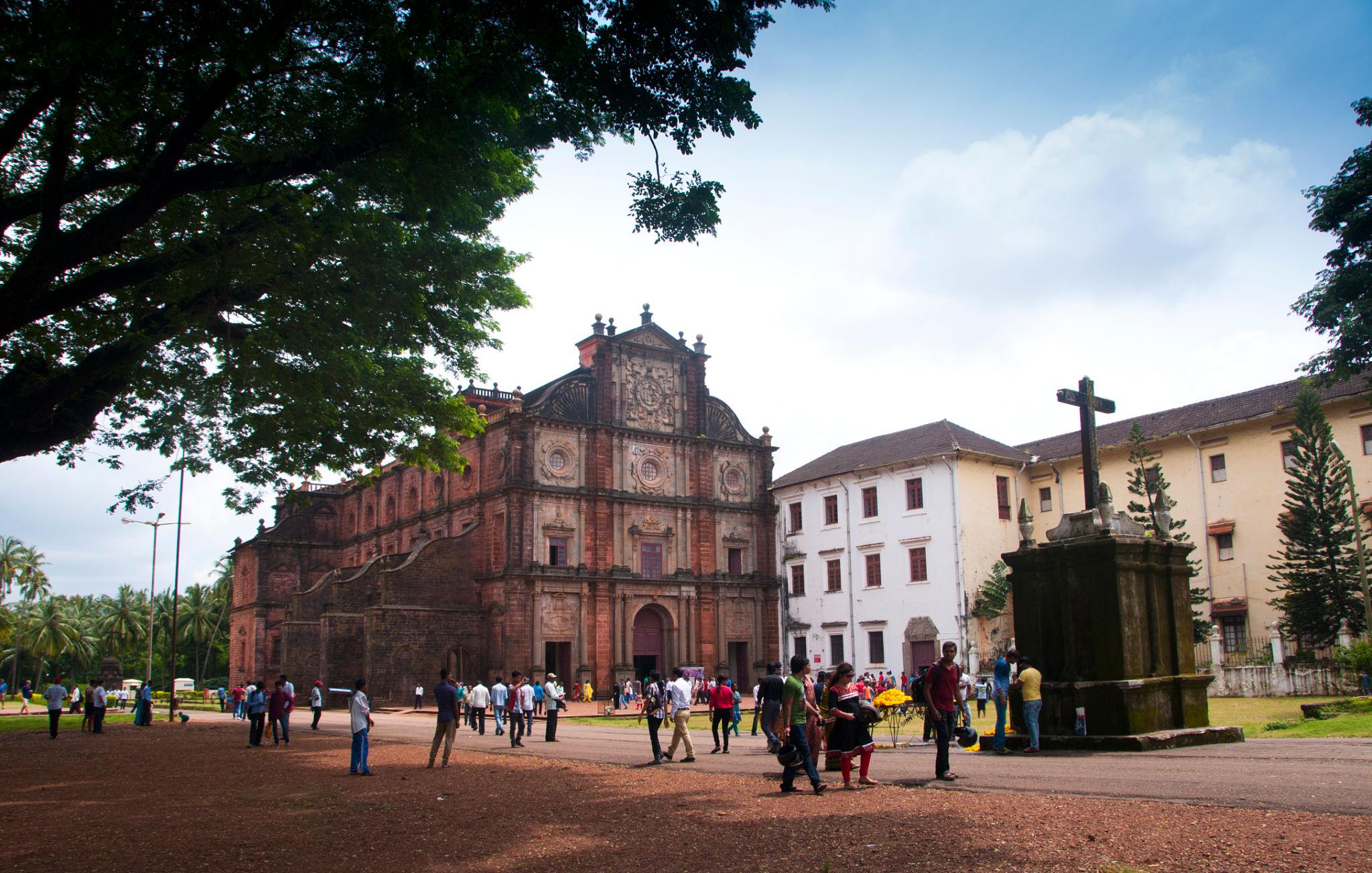
- Old Goa (Velha Goa): Just a few kilometers away, this UNESCO World Heritage site houses the Basilica of Bom Jesus and the Se Cathedral. It offers a stark contrast between the Hindu traditions of Kumbarjua and the Catholic history of Goa.
- Divar Island: Another beautiful island accessible by ferry from Old Goa. It is known for its scenic beauty, the Piedade Church, and the ancient Saptakoteshwar Temple ruins.
- Dr. Salim Ali Bird Sanctuary: Located on the island of Chorao, a short ferry ride away. It is a paradise for birdwatchers and nature lovers, especially during the migratory season.
- Mangueshi Temple: Located in Priol (about 12 km away), this is one of the most famous and largest temples in Goa, dedicated to Lord Shiva.
- Viceroys Arch: A historical gateway in Old Goa that once served as the main entrance to the city for the Portuguese Viceroys.
- The Mandovi River Backwaters: Rent a small boat for a private tour of the backwaters to experience the raw, uncommercialized side of Goa’s riverine ecosystem.
Photography & Visitor Guidelines
To maintain the sanctity of the Shree Shantadurga Kumbarjuvekarin Temple, visitors are requested to follow certain ethical guidelines:
- Photography: While the exterior of the temple and the Deepastambha are incredibly photogenic, photography is strictly prohibited inside the Garbhagriha (inner sanctum). Always ask for permission before clicking pictures of the priests or devotees.
- Silence: Maintain silence within the temple premises. Avoid loud conversations or using mobile phones, as many people come here for meditation and prayer.
- Offerings: You can buy flowers, incense, and coconuts from stalls outside the temple to offer to the deity. If you wish to perform a specific Puja, contact the temple office or the head priest.
- Environmental Respect: Kumbarjua is an ecologically sensitive island. Do not litter the temple grounds or the river. Avoid using single-use plastics during your visit.
- Interaction with Locals: The villagers of Kumbarjua are friendly and proud of their heritage. A polite "Namaskar" goes a long way. If you are lucky, a local might share stories about the temple's history and the crocodiles of the canal.
Where to Eat Nearby
While Kumbarjua is a quiet island with limited commercial dining, you can find authentic Goan flavors in the vicinity:
- Local Eateries in Kumbarjua: There are small 'refeitorio' style outlets near the ferry point where you can get traditional Goan snacks like Samosas, Batata Vada, and Ros Omelette. Don't miss the local Goan chai.
- Old Goa Restaurants: A short drive away, Old Goa offers several restaurants like Viceroy’s Arch and Hotel Baia Do Sol that serve Goan fish thalis, Xacuti, and Cafreal.
- Riverfront Cafes: Along the road from Old Goa to Panaji, there are several upscale riverfront restaurants that offer a mix of Goan and Continental cuisine with a view of the Mandovi.
- Ponda Eateries: If you are heading towards the spice plantations or Mangueshi Temple, stop at Sahakari Spice Farm for a traditional Goan Hindu meal served on banana leaves.
Accommodation Nearby
Since Kumbarjua is primarily a residential and religious island, most visitors stay in nearby hubs. Options include:
- Old Goa: There are several guest houses and boutique hotels like The Postcard Velha for those seeking luxury and history.
- Panaji (Panjim): The capital city, 15 km away, offers everything from budget hostels to 5-star hotels like Vivanta by Taj and Goa Marriott Resort.
- Homestays in Divar Island: For a more immersive experience, consider staying at a traditional Portuguese-style villa on Divar Island, which is just a ferry ride away.
- Farmstays: There are eco-resorts and farmstays in the Ponda region that offer a peaceful rural experience close to the temple circuit.
Travel Tips
- Carry Cash: Most small shops and rickshaws in Kumbarjua do not accept cards or UPI, so keep some Indian Rupees handy.
- Stay Hydrated: The Goan sun can be intense. Carry a reusable water bottle.
- Respect the Wildlife: If you take a boat trip to see crocodiles, keep a safe distance and do not try to feed them. They are wild animals and are respected by the locals as part of the Goddess’s domain.
- Combine Your Trip: Plan your visit to the temple along with a trip to Old Goa or a bird-watching session at Chorao Island to make the most of your day.
- Use the Ferry: Even if you have a car, using the ferry is a quintessential Goan experience that adds to the charm of visiting an island temple.
Conclusion
The Shree Shantadurga Kumbarjuvekarin Temple is a shining example of Goa's "hidden" spiritual landscape. It is a place where history, architecture, and nature converge to tell a story of a community that refused to let its faith be extinguished. The temple offers a profound sense of peace that is increasingly hard to find in today’s fast-paced world. Whether you are drawn by the unique Indo-Portuguese architecture, the legends of the peaceful Goddess, or the thrill of exploring the crocodile-filled canals of Kumbarjua, this temple promises an experience that is both grounding and elevating.
As the sun sets over the Mandovi River and the bells of the evening Aarti begin to ring, one realizes that the true beauty of Goa lies in these quiet corners. The Shree Shantadurga Kumbarjuvekarin Temple is not just a destination; it is a journey into the heart of Goan identity. It invites you to slow down, breathe in the river air, and find your own "Shanti" in the presence of the Divine Mother. For any traveler looking to go beyond the stereotypical Goan holiday, a pilgrimage to this island sanctuary is an absolute must.