Overview of Our Lady of Health Church
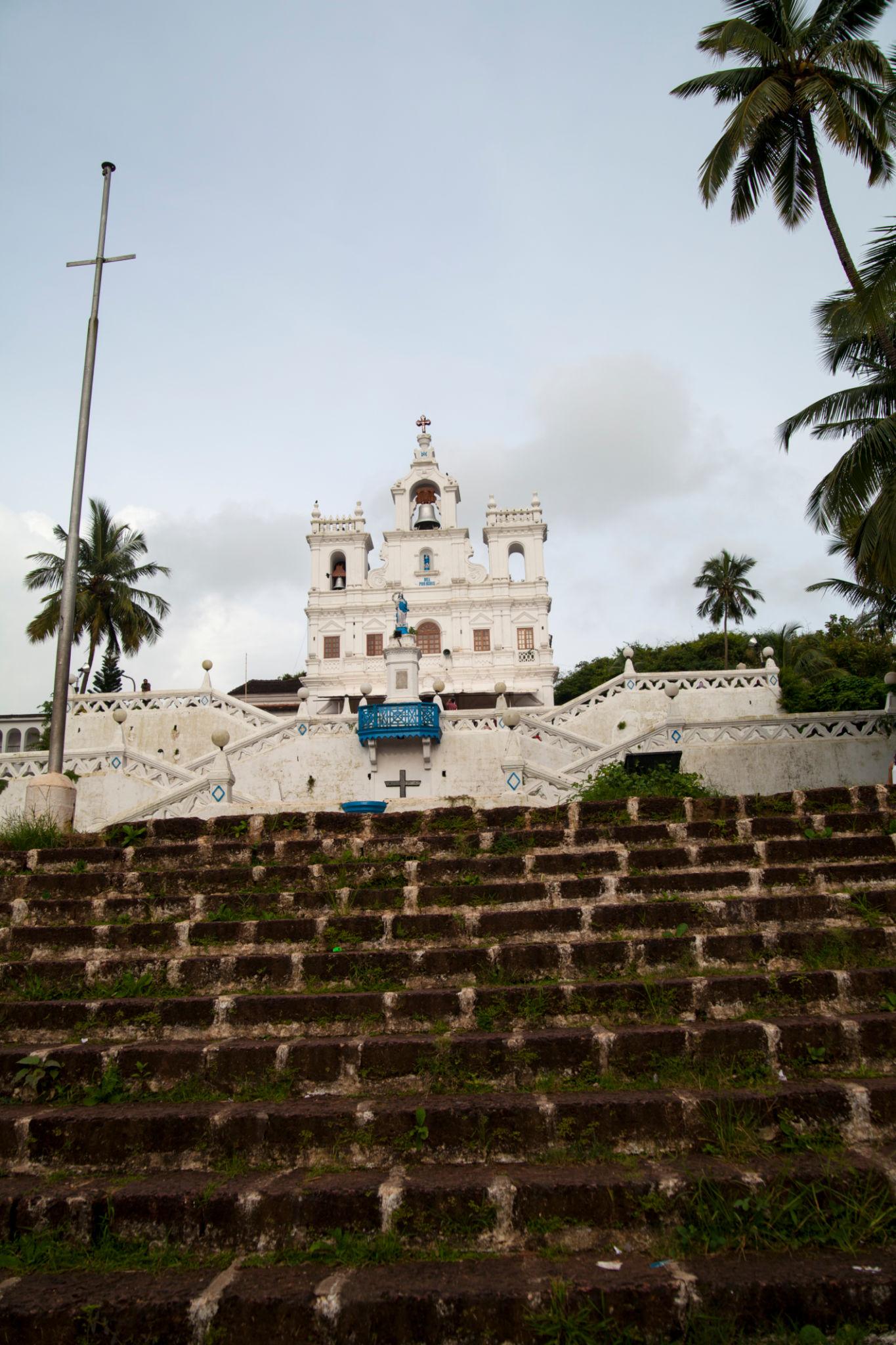
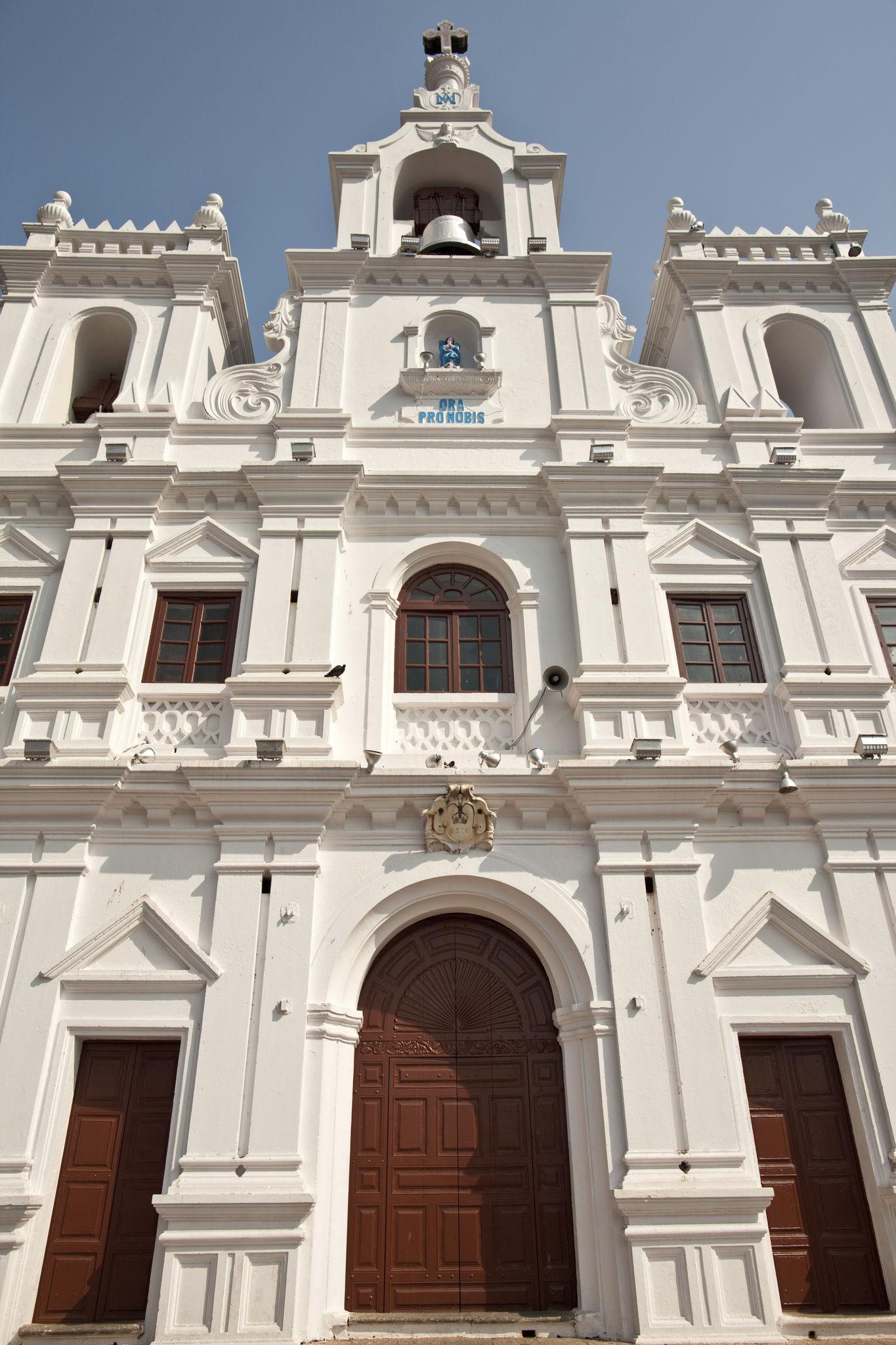
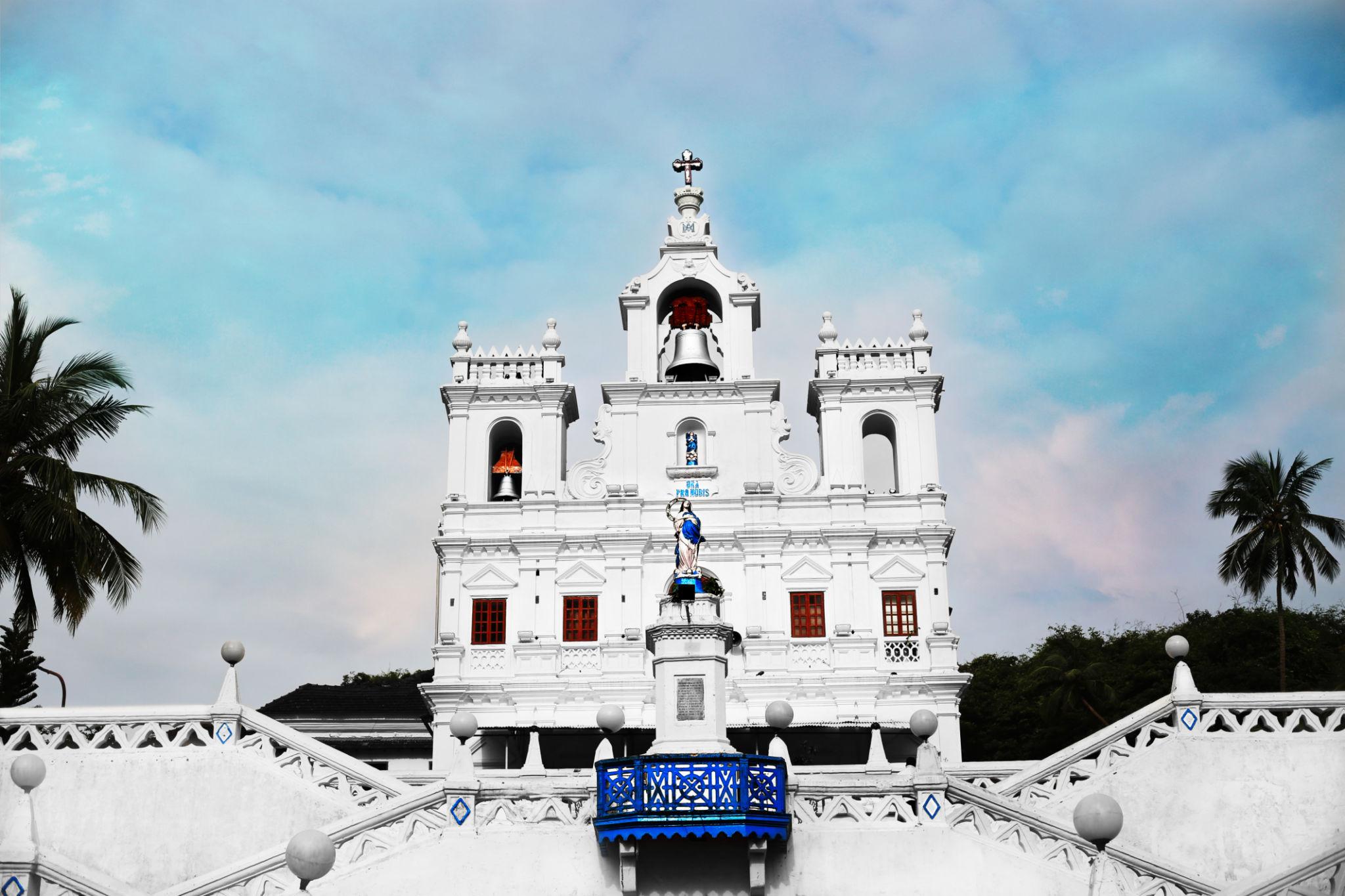
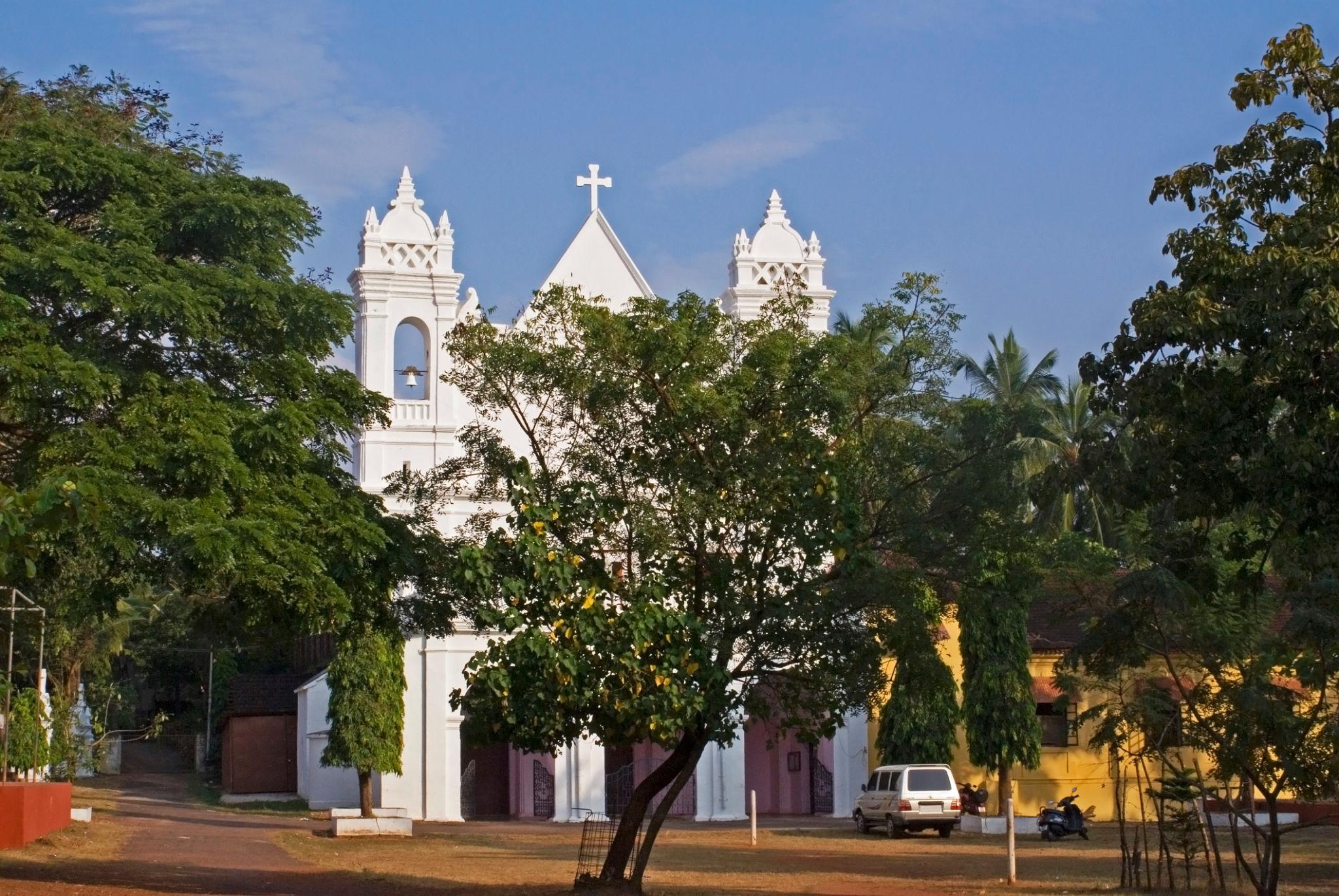
Nestled in the historic and culturally vibrant village of Cuncolim in South Goa, the Our Lady of Health Church (Nossa Senhora da Saude) stands as a monumental testament to faith, resilience, and the complex colonial history of the Indian subcontinent. This sacred edifice is not merely a place of worship but a focal point of the local community, representing the spiritual heart of the Salcete taluka. For travelers and pilgrims alike, the church offers a profound sense of peace, characterized by its stunning white facade that gleams under the tropical Goan sun and its serene interiors that echo with centuries of prayers.
The Our Lady of Health Church is uniquely positioned in a region known for its fierce independence and rich heritage. Cuncolim itself is famous for the "Cuncolim Revolt" of 1583, the first organized uprising against colonial rule in Asia. Consequently, the church occupies a site that is deeply intertwined with the narratives of both resistance and religious conversion. Today, it serves as a beacon of the Catholic faith in Goa, attracting thousands of devotees who seek the intercession of the Blessed Virgin Mary under her title of "Our Lady of Health." The atmosphere here is one of deep devotion, where the scent of incense mingles with the salty breeze from the nearby Arabian Sea, creating an environment perfect for introspection and spiritual renewal.
As you approach the church, you are greeted by a sprawling courtyard and the traditional Goan church square, which serves as a gathering spot for the villagers. Whether you are an architecture enthusiast, a history buff, or a spiritual seeker, the Our Lady of Health Church provides a multi-layered experience. It encapsulates the essence of Goan "Roma do Oriente" (Rome of the East) through its liturgical practices, its community-driven festivals, and its role as a guardian of local traditions. Visitors often find themselves captivated by the quiet dignity of the structure, which has weathered centuries of change while remaining a steadfast pillar of the Cuncolim community.
History & Religious Significance
The history of the Our Lady of Health Church is as dramatic as it is significant. To understand its religious importance, one must delve into the events of the late 16th century. The church is built on a site that was once the epicenter of a major conflict between the local Chieftains (Gaunkars) of Cuncolim and the Portuguese Jesuit missionaries. In 1583, five Jesuit priests, led by Fr. Rudolph Acquaviva, along with several local Christians, were killed in what became known as the Cuncolim Martyrdom. This event was a reaction to the destruction of local temples and the imposition of new religious taxes by the colonial administration.
Following the martyrdom, the Portuguese authorities eventually established the church to honor the memory of those who fell and to solidify the presence of Christianity in the region. The original structure was built in the early 1600s, specifically around 1604, and has undergone several renovations and expansions over the centuries. The church was dedicated to Nossa Senhora da Saude (Our Lady of Health), a title of the Virgin Mary that was particularly popular among the Portuguese, who often sought divine protection against the tropical diseases that plagued the early settlers and the local population.
The religious significance of the church is further heightened by its association with the "Martyrs of Cuncolim." While the martyrs were beatified by the Catholic Church in 1893, the site of the church remains a place where the history of the encounter between East and West is palpable. For the local Catholic community, the church represents the triumph of faith and the healing power of the Mother of God. It is believed that many miracles have occurred here, with devotees testifying to physical and spiritual healings after praying before the image of Our Lady. This history of conflict, followed by centuries of devotion, has transformed the church into a symbol of reconciliation and communal harmony in modern-day Goa.
Architecture of Our Lady of Health Church
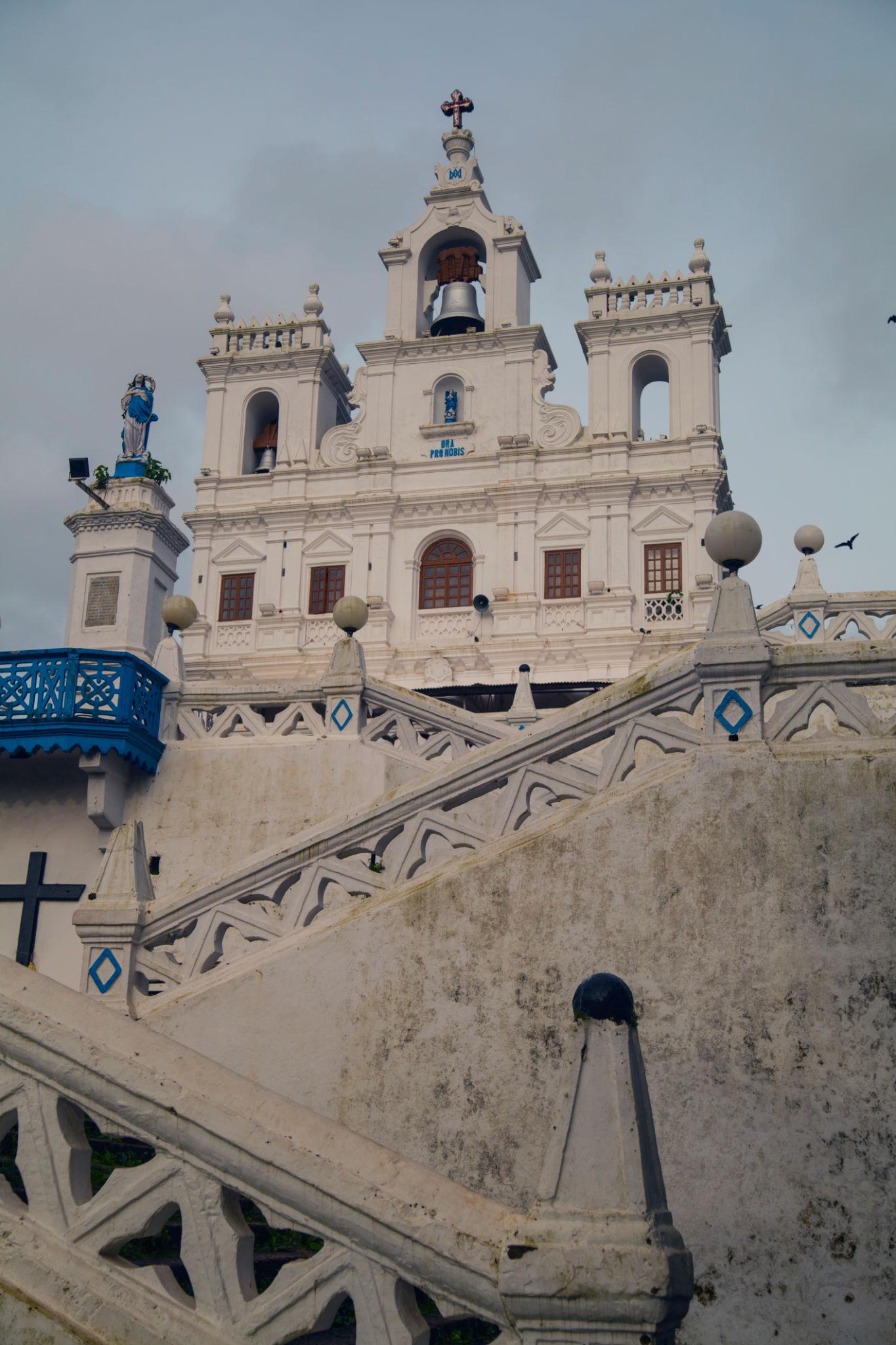
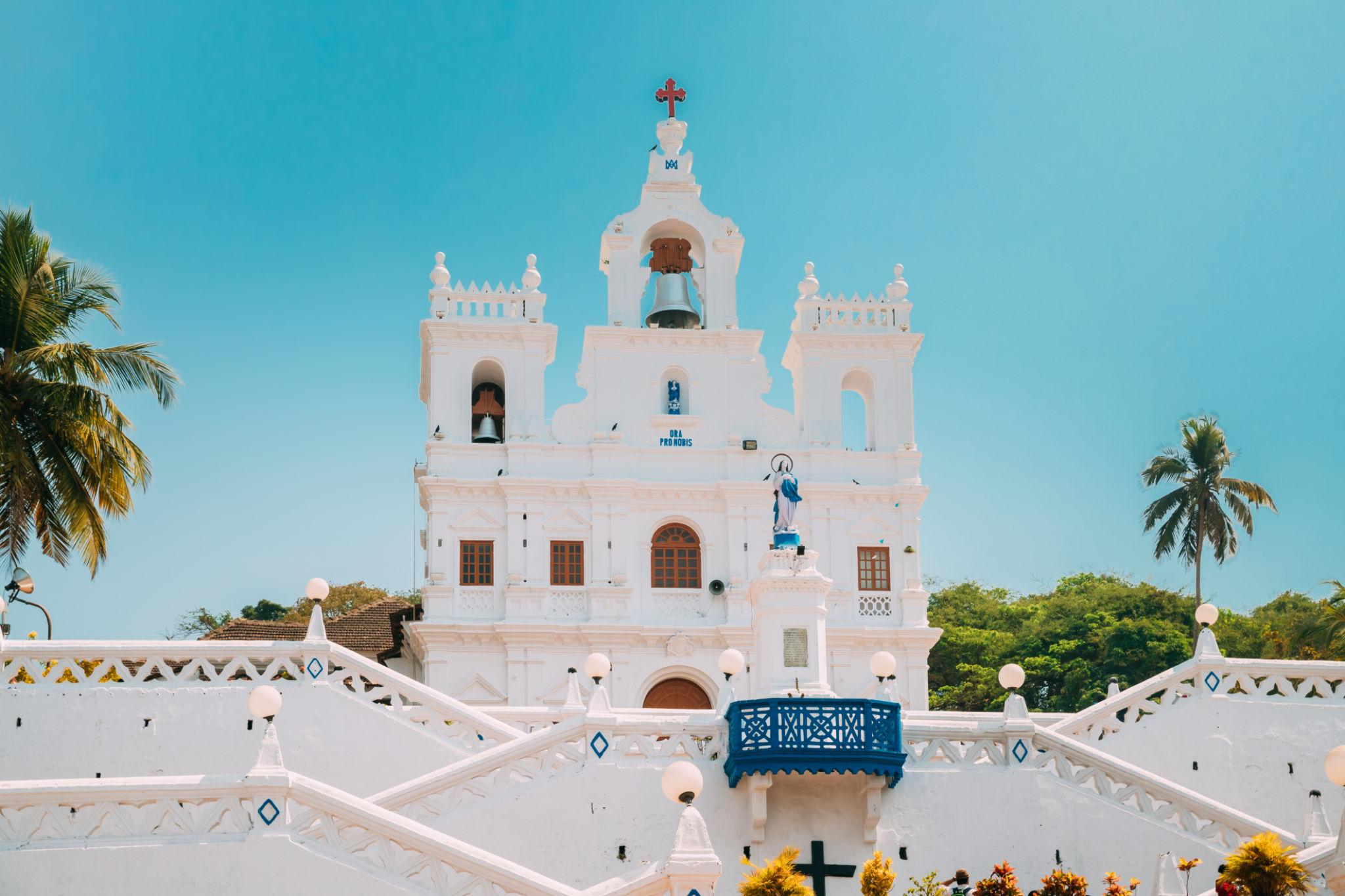
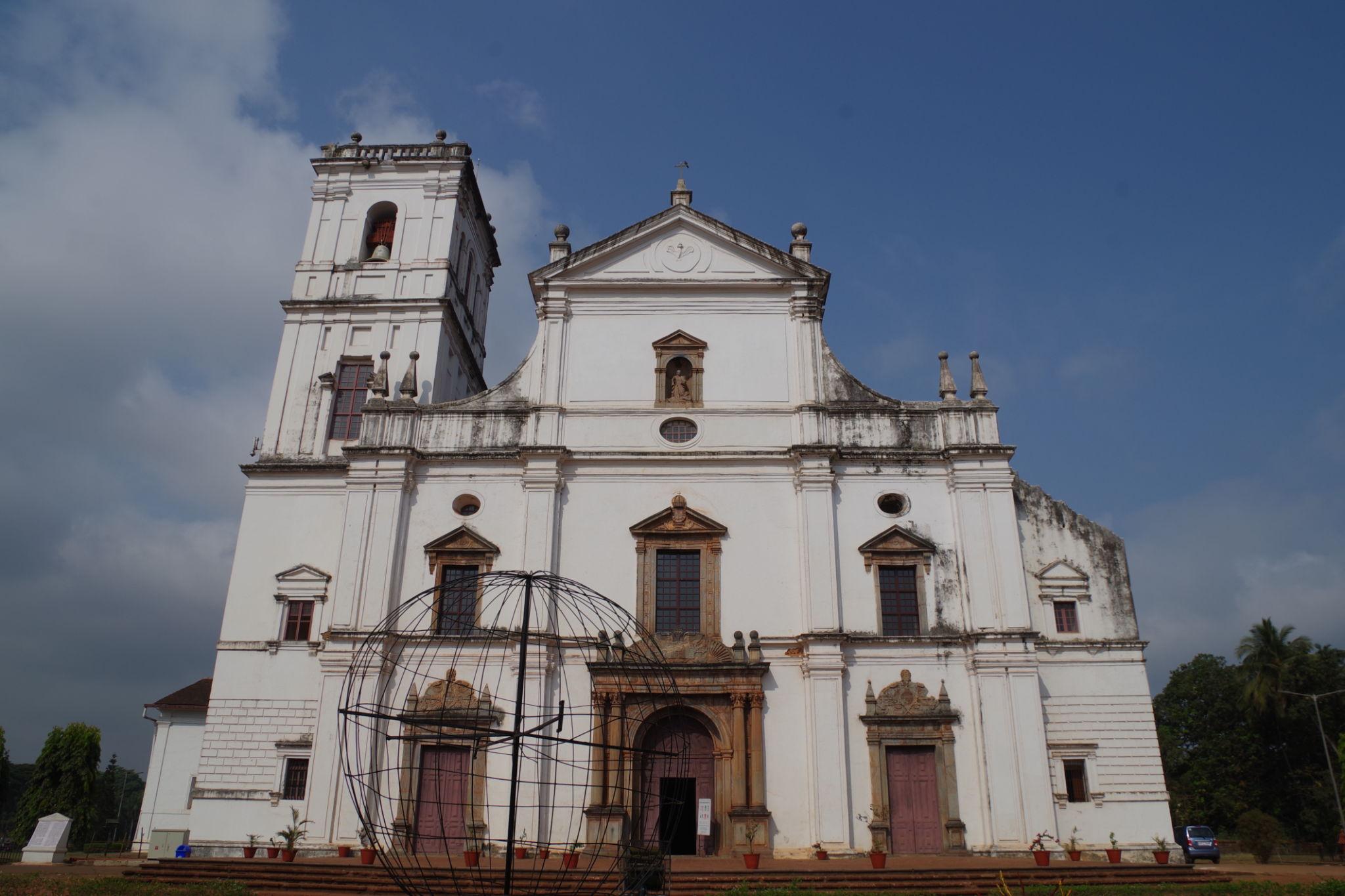
The architecture of the Our Lady of Health Church is a quintessential example of the Goan Mannerist style, which evolved during the Portuguese era as a blend of European Renaissance aesthetics and local craftsmanship. The facade of the church is its most striking feature—a towering, three-story structure divided into vertical sections by elegant pilasters. The use of white lime plaster over laterite stone is a traditional Goan technique that gives the building its brilliant, luminous quality. The central gable is intricately decorated, often featuring the emblem of the Jesuit order or symbols related to the Virgin Mary.
Upon entering the church, one is immediately struck by the grandeur of the main altar. The reredos (the decorative screen behind the altar) is a masterpiece of woodcarving, heavily gilded in gold leaf. This "Golden Goa" style of interior decoration was intended to evoke a sense of the divine and the celestial. The main altar houses the statue of Our Lady of Health, flanked by smaller niches containing statues of various saints. The ceiling of the nave is typically vaulted, providing excellent acoustics for the choir and the sounding of the pipe organ during high mass.
Specific architectural details to look for include:
- The Pulpit: A beautifully carved wooden pulpit located on the side of the nave, often featuring floral motifs and figures of the Evangelists.
- The Baptistery: Located near the entrance, the baptistery often contains an ancient stone font used for generations of christenings.
- The Choir Loft: A traditional wooden loft at the rear of the church, which offers a panoramic view of the altar and the nave.
- The Windows: Large, high-set windows that allow natural light to filter through, illuminating the intricate patterns of the tiled floor.
The church also features a bell tower that houses bells cast in local foundries, their tolling a familiar sound that marks the rhythm of daily life in Cuncolim. The overall architectural layout follows the "hall church" design, ensuring that the congregation has an unobstructed view of the sanctuary, fostering a sense of communal participation in the liturgy.
Main Deity / Spiritual Importance
The central figure of devotion at the church is Our Lady of Health. In Catholic theology, Mary is often invoked as the "Salus Infirmorum" (Health of the Sick). This devotion holds a special place in the hearts of Goans, as it addresses the universal human need for healing—not just of the body, but of the mind and spirit. The statue of Our Lady of Health in Cuncolim depicts the Virgin Mary holding the Infant Jesus, symbolizing her role as the Mother of God and the source of comfort for the suffering.
The spiritual importance of this site extends beyond the Catholic community. It is common to see people of various faiths visiting the church to light a candle or offer a petition. The belief in the miraculous powers of Our Lady of Health is deeply ingrained in the local folklore. Many families in Cuncolim and the surrounding villages of Assolna, Velim, and Veroda have stories of ancestors who were cured of ailments after making a vow (votive offering) at this church. This spiritual connection is most visible during the weekly novenas, where the atmosphere is thick with the collective hope and faith of the gathered pilgrims.
Spiritually, the church also serves as a reminder of the "Martyrs of Cuncolim." Their sacrifice is commemorated within the church precincts, encouraging the faithful to remain steadfast in their beliefs. The church provides a space for "Adoration of the Blessed Sacrament," offering a quiet sanctuary for those who wish to meditate in the presence of the Eucharist. For many, a visit to Our Lady of Health is a journey of spiritual fortification, where the burdens of daily life are laid down at the feet of the Virgin, and a sense of divine grace is carried back home.
Festivals & Celebrations
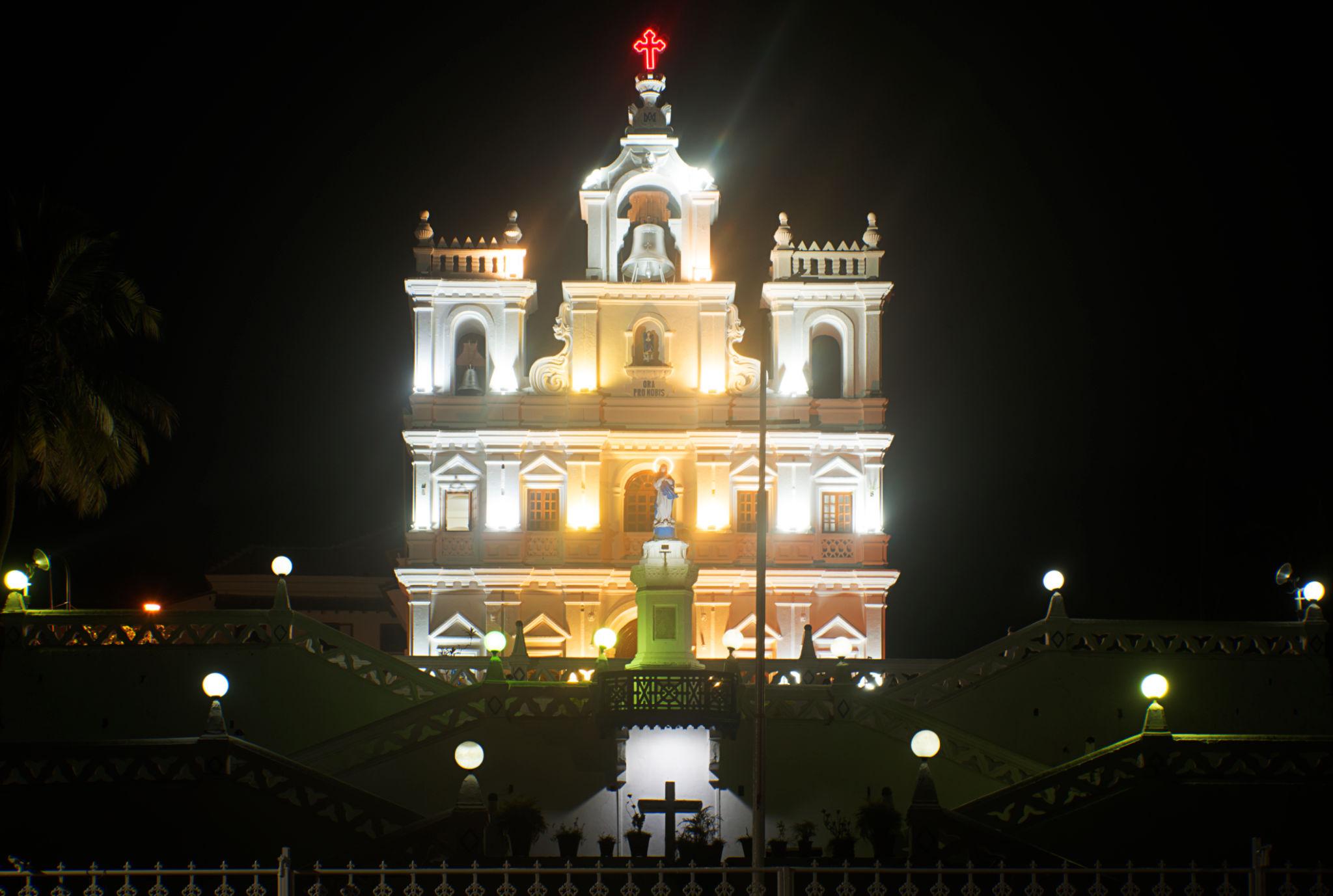
The liturgical calendar of the Our Lady of Health Church is marked by several vibrant celebrations, the most prominent being the Feast of Our Lady of Health, celebrated annually on the 2nd of February. This feast is preceded by a nine-day period of prayer known as the Novena. Each day of the novena is organized by different wards of the village, showcasing the community's deep involvement in church affairs. The village of Cuncolim comes alive during this time, with streets decorated with colorful buntings and the church facade illuminated with thousands of tiny lights.
On the feast day, a solemn High Mass is celebrated, often presided over by the Archbishop of Goa or a high-ranking prelate. The highlight of the celebration is the grand procession, where the statue of Our Lady of Health is carried on a flower-bedecked palanquin through the streets of the village. The procession is accompanied by a brass band playing traditional hymns, and devotees follow in a long, prayerful line, holding candles. This event is a beautiful display of Goan Catholic culture, blending religious solemnity with festive joy.
Another significant event is the Feast of the Martyrs, which commemorates the Jesuit priests killed in 1583. While this is a more somber occasion, it is deeply respected by the locals. Additionally, the church celebrates traditional Goan festivals like the Harvest Feast (Konsachem Fest), where the first stalks of the rice harvest are blessed. During these festivals, the church grounds host a "festa" or fair, where stalls sell traditional Goan sweets like khaje (ginger-infused jaggery sticks), gram, and various local handicrafts. These celebrations are essential for experiencing the true spirit of Goa, where the sacred and the social are inextricably linked.
Best Time to Visit
To fully appreciate the beauty and spiritual ambiance of the Our Lady of Health Church, timing is crucial. The best time to visit is between November and February. During these months, the weather in Goa is pleasant, with cool breezes and lower humidity, making it ideal for exploring the church grounds and the surrounding village. This period also coincides with the major feast in February, offering visitors a chance to witness the church in its full festive glory.
If you prefer a more quiet and contemplative experience, visiting during the monsoon season (June to September) has its own charm. The lush green landscape of Cuncolim provides a stunning backdrop to the white church, though the heavy rains may limit outdoor exploration. For photography enthusiasts, the early morning hours (around 7:00 AM) are perfect, as the soft morning light enhances the architectural details of the facade and the interior is usually quiet before the daily activities begin. Avoid visiting during the peak afternoon heat (12:00 PM to 3:00 PM) as the sun can be quite intense, and the church may be closed for a mid-day break.
Timings, Entry Fee & Dress Code
As a place of active worship, the Our Lady of Health Church follows specific timings and expects visitors to adhere to certain norms of decorum.
- Timings: The church is generally open to visitors from 6:30 AM to 12:30 PM and from 3:30 PM to 7:00 PM daily. Mass timings vary, usually held at 6:30 AM and 7:15 AM on weekdays, with multiple services on Sunday mornings starting from 6:00 AM.
- Entry Fee: There is no entry fee to visit the church. It is open to people of all faiths. Donations for the upkeep of the church are welcomed but entirely voluntary.
- Dress Code: Visitors are required to dress modestly. As a sign of respect for the sacredness of the site, shoulders and knees should be covered. Avoid wearing sleeveless tops, short skirts, or beachwear. It is customary to remove hats and sunglasses when inside the church. Silence should be maintained, especially if a mass or prayer service is in progress.
Please note that during special liturgical services or funerals, tourist sightseeing inside the church may be restricted to ensure the privacy and solemnity of the occasion.
How to Reach Our Lady of Health Church
The Our Lady of Health Church is located in Cuncolim, which is well-connected to the rest of Goa.
- By Air: The nearest airport is Dabolim Airport (GOI), located approximately 35 kilometers away. From the airport, you can hire a pre-paid taxi or use a ride-sharing app to reach Cuncolim, which takes about 45 to 60 minutes depending on traffic.
- By Rail: The Madgaon Junction (MAO) in Margao is the closest major railway station, situated about 12 kilometers from the church. From the station, you can take a local bus heading towards Karwar or Canacona and get off at the Cuncolim market bus stop. Alternatively, auto-rickshaws and taxis are readily available.
- By Road: Cuncolim lies on the National Highway 66 (NH66), which connects Panjim to Mangalore. If you are driving from Panjim (approx. 45 km), follow the highway south towards Margao and continue towards Cuncolim. The church is a prominent landmark and easily found using GPS.
- Local Transport: Within South Goa, the local blue-and-white buses are an economical way to travel. Look for buses labeled "Margao-Cuncolim" or "Margao-Canacona." For more flexibility, renting a scooter or a car is highly recommended for exploring the scenic backroads of Salcete.
Things to Do
A visit to the Our Lady of Health Church can be expanded into a half-day itinerary filled with cultural and spiritual activities:
- Attend a Konkani Mass: Even if you do not understand the language, attending a mass in Konkani is a soulful experience. The rhythmic chanting and traditional hymns provide a deep insight into the local religious culture.
- Explore the Church Square: Spend some time in the courtyard. Observe the Tulsi Vrindavan-like structures often found in Goan church squares, which represent the unique syncretic culture of the region.
- Light a Votive Candle: Join the locals in their devotion by lighting a candle at the side altar of Our Lady of Health and offering a silent prayer.
- Walk through Cuncolim Village: The village is home to several beautiful Portuguese-era mansions with ornate balconies and large windows. A walk through the lanes offers a glimpse into the slow-paced "Susegad" lifestyle of Goa.
- Visit the Martyrs' Chapel: Located a short distance from the main church, this small chapel marks the exact spot where the Jesuit martyrs were killed. It is a site of great historical and emotional significance.
- Photography: Capture the stunning architecture of the church and the vibrant life in the church square. (Ensure you follow the guidelines mentioned below).
Nearby Attractions
Cuncolim serves as a gateway to several other fascinating sites in South Goa:
- Cuncolim Martyrs' Memorial: A monument dedicated to the chieftains and villagers who participated in the 1583 revolt, located near the village center. It provides a balanced historical perspective on the events that shaped the region.
- Shree Shantadurga Kunkallikarin Temple: Originally located in Cuncolim, the deity was moved to Fatorpa during the Portuguese era. The temple is just a 15-minute drive away and is one of the most important Hindu shrines in Goa, famous for its annual Zatra.
- Margao City: The commercial capital of South Goa, Margao is 12 km away. Visit the Holy Spirit Church, the bustling Madgaon Market, and the historic Jorge Barreto Park.
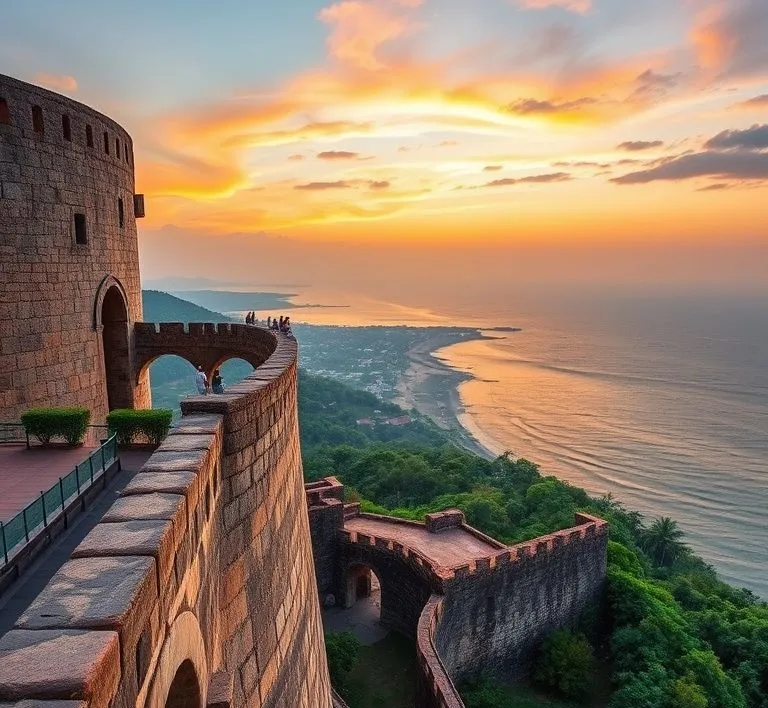
- Cabo de Rama Fort: Located about 18 km away, this ancient fort offers breathtaking views of the Arabian Sea and houses a small church within its walls.
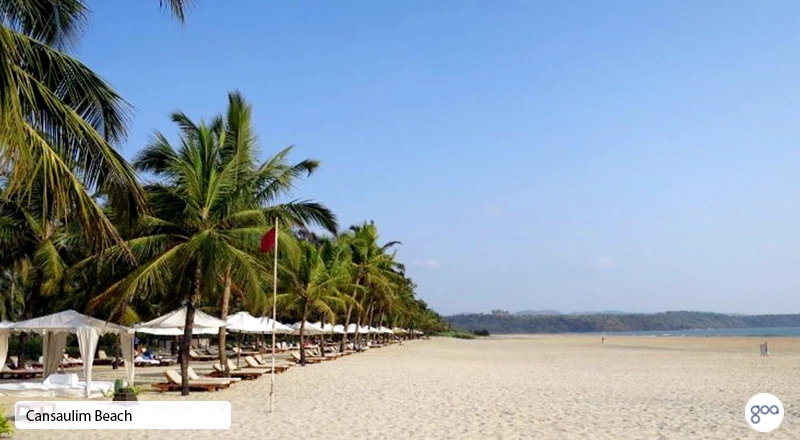
- South Goa Beaches: The pristine shores of Mobor, Cavelossim, and Varca are within a 20-30 minute drive. These beaches are known for their white sands and luxury resorts.
- Assolna Village: Just across the river from Cuncolim, Assolna is famous for its scenic beauty and its role in the Indian freedom struggle.
Photography & Visitor Guidelines
To ensure a respectful visit, please keep the following guidelines in mind:
- Interior Photography: Photography is generally prohibited inside the church during mass and prayer services. At other times, it is advisable to ask for permission from the parish office or the sacristan. Never use flash photography as it can damage the ancient gilded altars and disturb worshippers.
- Exterior Photography: The exterior and the church square are excellent subjects for photography. Drone photography requires prior permission from the church authorities and local police.
- Respect the Silence: The church is a place of quiet reflection. Avoid loud conversations and ensure your mobile phone is on silent mode.
- Do Not Touch Artifacts: The altars, statues, and carvings are centuries old. Please refrain from touching them to help preserve these historical treasures.
- Interact Respectfully: If you wish to speak with the local priests or the parishioners, be polite and mindful of their time. They are often happy to share stories about the church’s history if approached respectfully.
Where to Eat Nearby
Cuncolim and its surrounding areas offer a variety of dining options that showcase authentic Goan flavors:
- Local Tavernas: You can find small local eateries in Cuncolim market serving traditional Goan snacks like beef cutlet pao, chorizo pao, and fish thalis.
- The Southern Deck (Benaulim/Cavelossim): For a more upscale beachfront dining experience, head towards the coast. They offer a great mix of seafood and continental dishes.
- Fisherman’s Wharf (Cavelossim): A famous riverside restaurant offering a wide array of Goan delicacies like Prawn Balchao and Fish Recheado in a vibrant setting.
- Martin’s Corner (Betalbatim): A legendary Goan restaurant known for its authentic flavors and celebrity visitors. It is about a 25-minute drive from Cuncolim.
- Street Food: In the evenings, the area around Cuncolim bus stand has stalls selling gadbad ice cream and spicy ros omelet, a local favorite.
Accommodation Nearby
While Cuncolim itself is a quiet village, there are several accommodation options in the vicinity:
- Luxury Resorts: The nearby beaches of Cavelossim and Varca house premium properties like The Leela Goa, Taj Exotica, and Novotel Goa Dona Sylvia. These are ideal for travelers looking for a high-end stay.
- Boutique Guest Houses: In Margao and the surrounding villages, you can find charming heritage homes converted into guest houses, such as Vivenda dos Palhacos in Majorda.
- Budget Stays: There are numerous budget hotels and homestays in Margao city that provide easy access to Cuncolim via public transport.
- Eco-Stays: For those who prefer nature, there are eco-resorts located further inland towards the Western Ghats, offering a peaceful retreat away from the coastal crowds.
Travel Tips
To make the most of your trip to the Our Lady of Health Church, consider these practical tips:
- Carry Water and Sun Protection: The Goan sun can be harsh. Carry a reusable water bottle, wear sunscreen, and bring a hat for outdoor exploration.
- Hire a Local Guide: If you are deeply interested in the history of the Cuncolim Revolt and the church, hiring a local heritage guide can provide insights that aren't found in standard guidebooks.
- Check the Calendar: Before visiting, check if there are any local festivals or public holidays, as this might affect transport and the accessibility of the church.
- Learn a Few Konkani Phrases: A simple "Dev borem korum" (May God do good to you/Thank you) goes a long way in building rapport with the locals.
- Respect Local Customs: Goa has a unique blend of cultures. Be mindful of local sensibilities, especially in rural areas like Cuncolim where traditional values are strongly held.
- Combine Your Visit: Plan to visit the church along with the Shantadurga Temple in Fatorpa for a comprehensive understanding of the region's religious landscape.
Conclusion
The Our Lady of Health Church in Cuncolim is far more than just a beautiful piece of architecture; it is a living monument to the complex, often turbulent, yet ultimately resilient spirit of Goa. Its walls hold the echoes of a dramatic past, while its altars continue to offer solace to the weary and the hopeful. By visiting this sacred site, you are not just seeing a church; you are stepping into a story that has been unfolding for over four hundred years—a story of faith, healing, and the enduring strength of a community.
Whether you stand in awe of its gilded reredos, walk the historic paths of the village, or simply sit in the quiet pews to find a moment of peace, the church leaves an indelible mark on your soul. It stands as a reminder that despite the scars of history, faith has the power to build bridges and bring health—both physical and spiritual—to all who seek it. As you leave the quiet confines of Cuncolim and head back into the vibrant energy of Goa, the serenity of Our Lady of Health stays with you, a gentle reminder of the spiritual depth that lies beneath the surface of India's favorite holiday destination.