Overview of Mulvir Temple
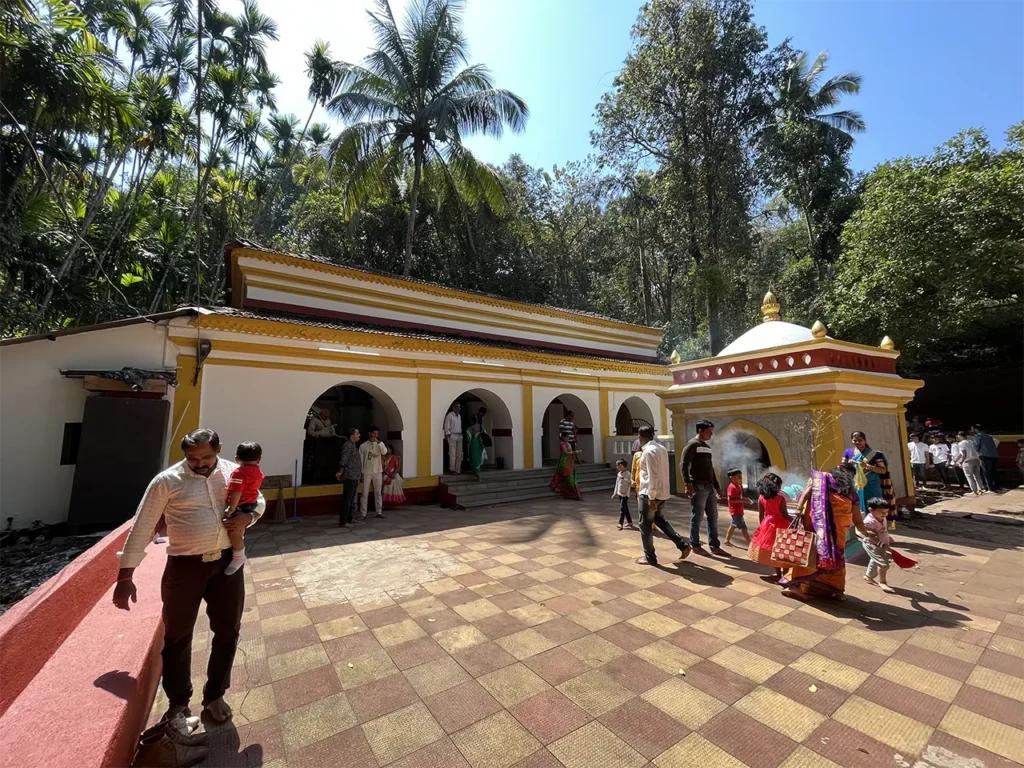
Tucked away in the serene and verdant landscapes of North Goa, the Mulvir Temple in Mandrem stands as a profound symbol of the region's deep-rooted spiritual traditions and cultural resilience. While most travelers flock to Goa for its sun-kissed beaches and vibrant nightlife, those who venture slightly inland are often rewarded with the sight of this magnificent temple, which serves as the spiritual heartbeat of the Mandrem village community. The temple is dedicated to Lord Mulvir, a deity who is regarded as the guardian protector of the village, ensuring the well-being and prosperity of its inhabitants.
The Mulvir Temple is not just a place of worship; it is a repository of local history and a center for social gathering. Surrounded by swaying coconut palms and lush greenery, the temple offers an atmosphere of profound peace that stands in stark contrast to the bustling tourist hubs nearby. For the local Goan Hindu community, the temple is a sacred space where the divine and the earthly intersect. It is common to see devotees arriving early in the morning, their foreheads adorned with vermillion, to offer prayers before starting their daily chores. The air here is often thick with the scent of fresh marigolds, incense, and the salty breeze drifting in from the nearby Arabian Sea.
As a professional travel writer, I find that the Mulvir Temple represents the "authentic Goa"—a side of the state that remains untouched by commercialization. It is a place where rituals have been preserved for generations, and where the architecture tells a story of cultural synthesis. Whether you are a spiritual seeker, a history buff, or simply a traveler looking for a quiet moment of reflection, the Mulvir Temple provides an enriching experience that delves deep into the soul of the Konkan coast. Its significance extends beyond religious boundaries, as it embodies the communal harmony and the "Sussegad" spirit that Goa is famous for.
History & Religious Significance
The history of the Mulvir Temple is intricately linked with the ancient folk traditions of the Konkan region. The name "Mulvir" is derived from two words: "Mul," meaning root or original, and "Vir," meaning brave or warrior. In the local Goan context, Mulvir is often identified as a "Gramadevata" or a village deity. Historically, these deities were ancestral spirits or heroic figures who protected the land and its people. Over centuries, these folk beliefs merged with mainstream Puranic Hinduism, and Mulvir began to be worshipped as an incarnation or a close associate of Lord Shiva or a heroic guardian spirit under the divine hierarchy.
The origins of the temple date back several centuries, though the current structure has undergone various renovations. During the Portuguese colonial era, many Hindu temples in Goa faced destruction or were forced into hiding in the "Novas Conquistas" (New Conquests) regions. Mandrem, being part of the Pernem taluka, was integrated into Portuguese Goa much later than the central coastal areas. This historical timeline allowed many of the local traditions and temple structures in this region to remain relatively intact or be rebuilt with less interference compared to the "Velhas Conquistas."
The religious significance of the Mulvir Temple is immense for the local families, many of whom consider the deity their Kuldevata (family deity). The temple is the site where the "Kaul" is sought—a traditional Goan practice where devotees ask the deity for guidance or permission before making major life decisions, such as a wedding or building a new home. This ritualistic consultation involves placing flower petals on the idol and observing which petal falls first, interpreted as a divine "yes" or "no." This living tradition highlights the temple's role as a constant guide in the lives of the Mandrem villagers.
Architecture of Mulvir Temple
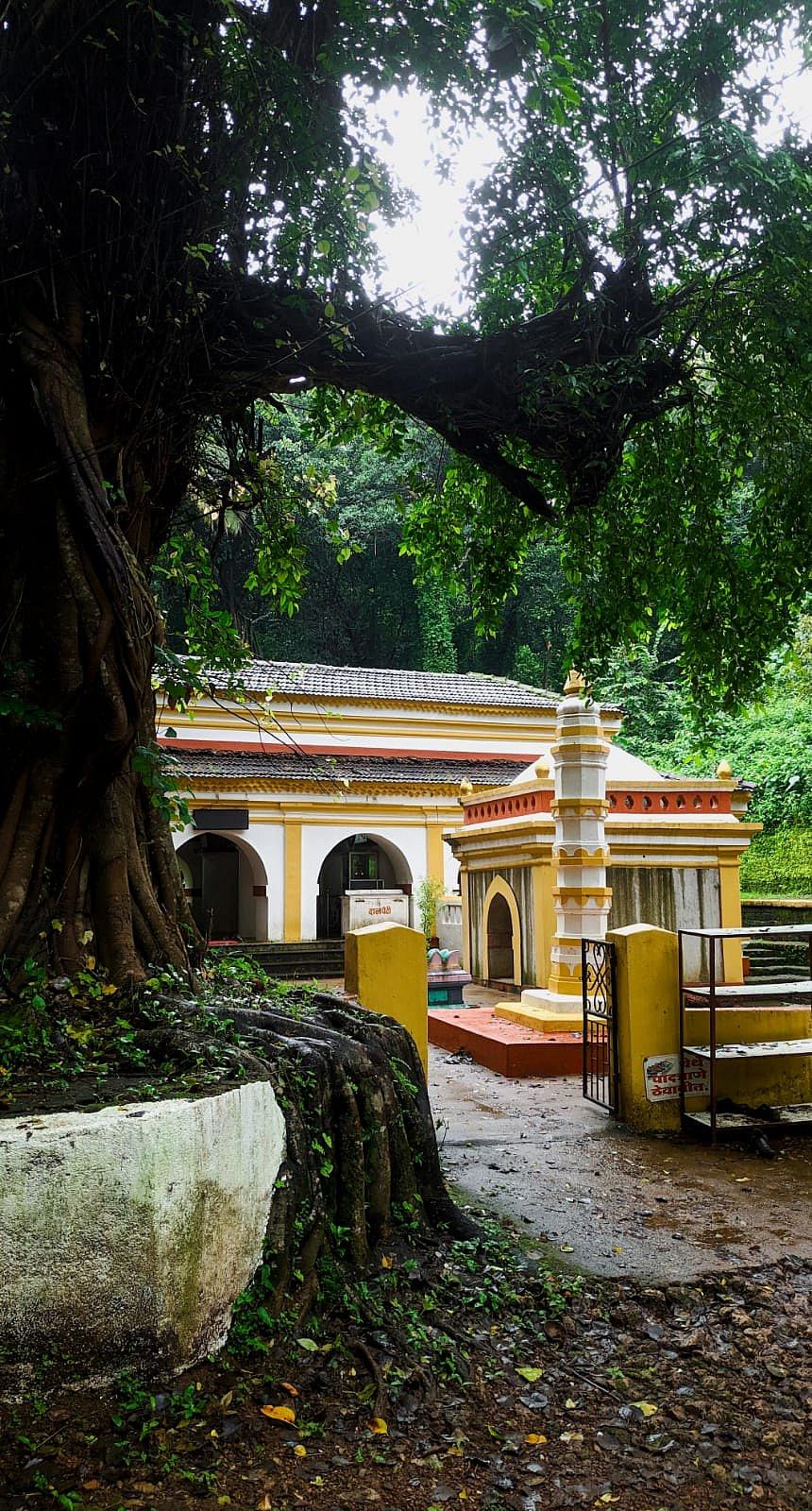
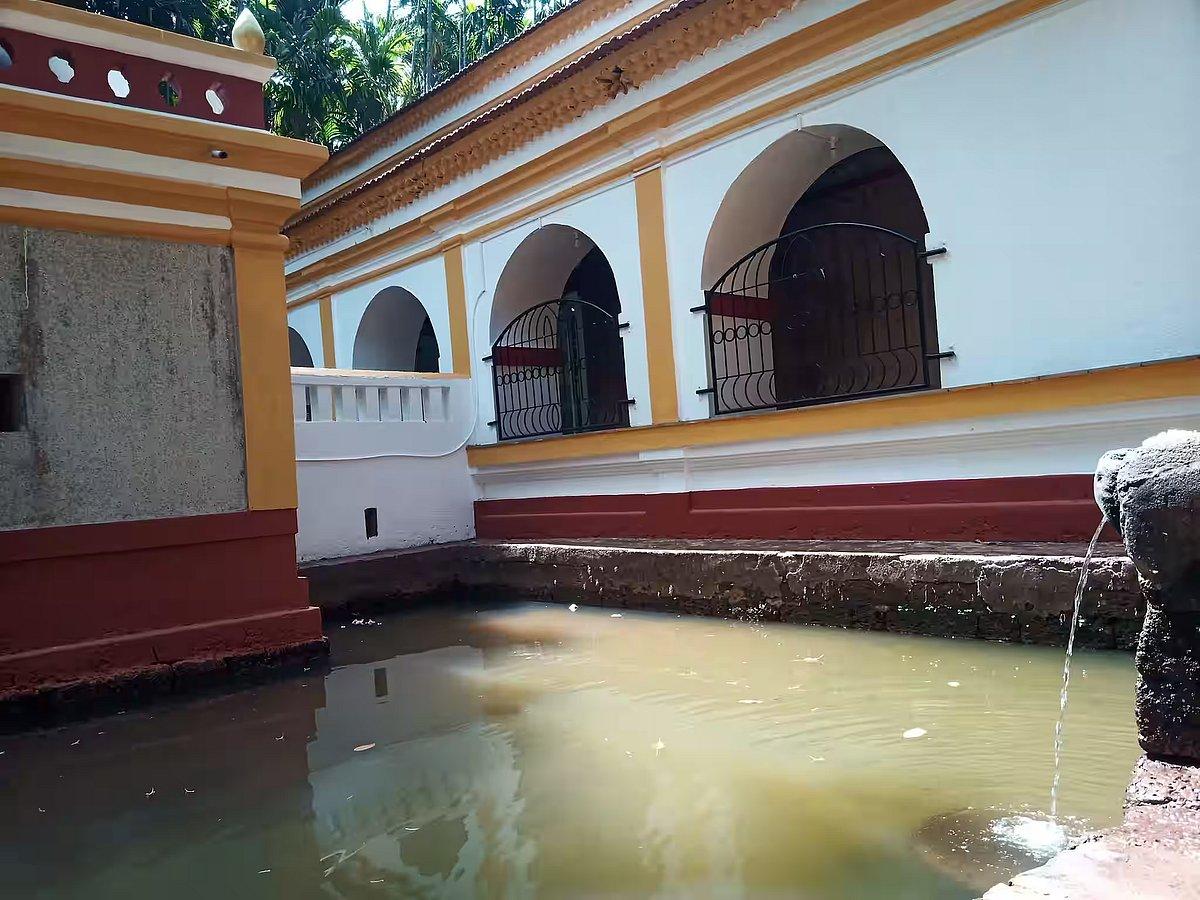
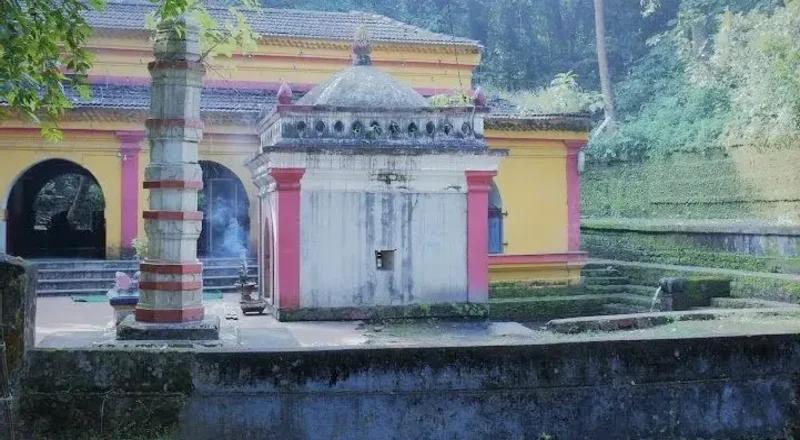
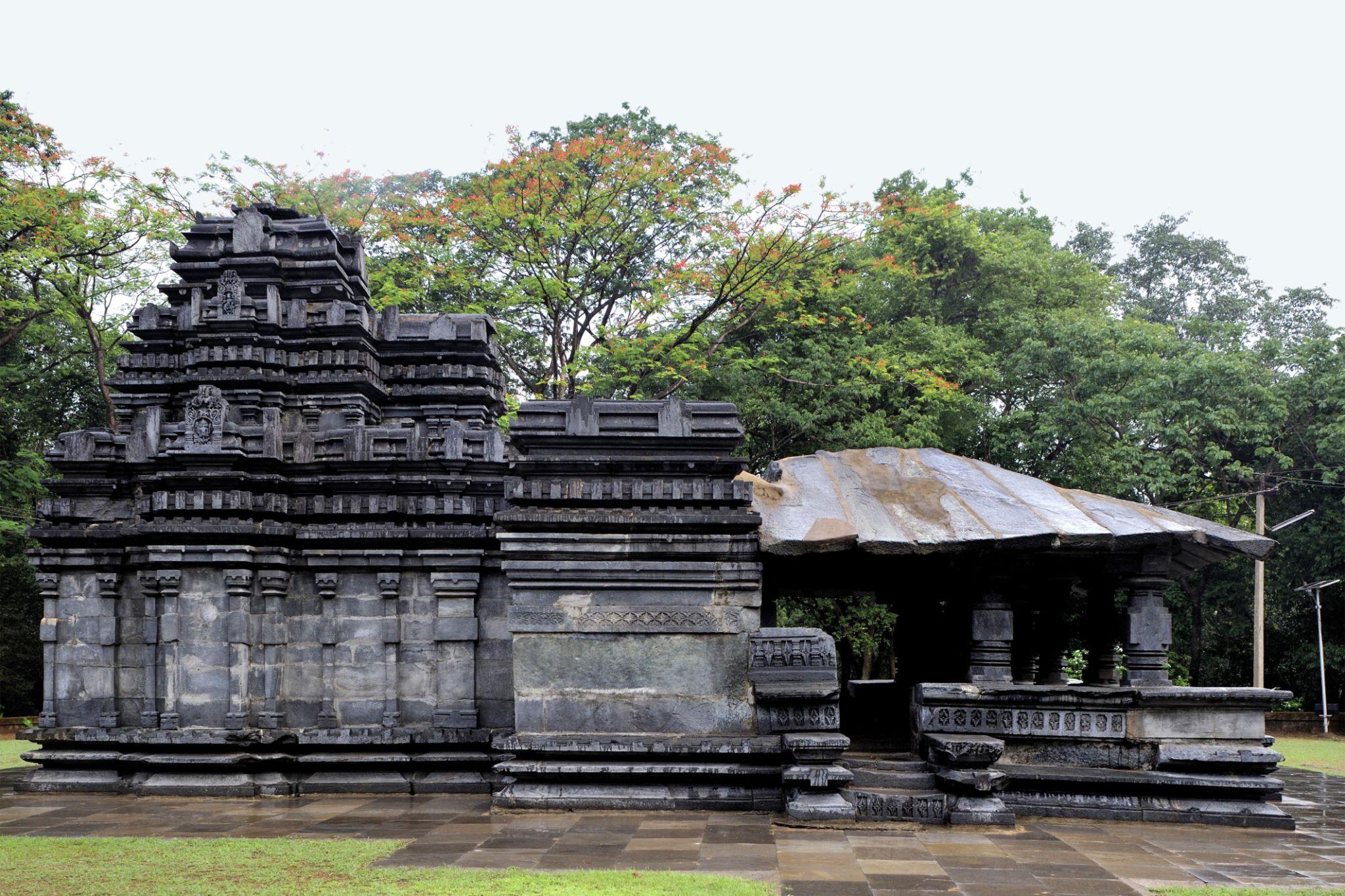
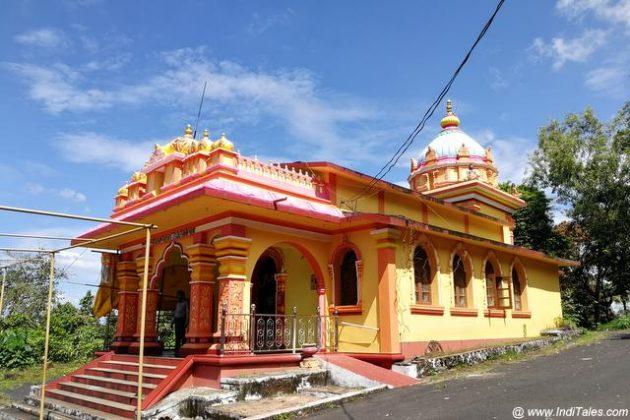
The architecture of the Mulvir Temple is a classic example of the Goan temple style, which is a unique blend of local Kadamba, Maratha, and even subtle Portuguese influences. Unlike the soaring gopurams of South India or the marble structures of the North, Goan temples like Mulvir are characterized by their functionality, elegance, and integration with nature. The temple is built primarily using local laterite stone, which is then plastered and painted in vibrant white and ochre hues, making it stand out against the green backdrop of the Goan countryside.
Key architectural features of the temple include:
- The Deepastambha: A signature element of Goan temples, the Deepastambha (lamp tower) stands tall at the entrance. This multi-tiered octagonal tower is used to hold hundreds of oil lamps during festivals, creating a celestial glow that can be seen from a distance.
- The Mandapa: The main hall or Mandapa features heavy wooden pillars and a high ceiling designed to facilitate natural ventilation. The woodwork often depicts intricate carvings of floral motifs and scenes from Hindu mythology.
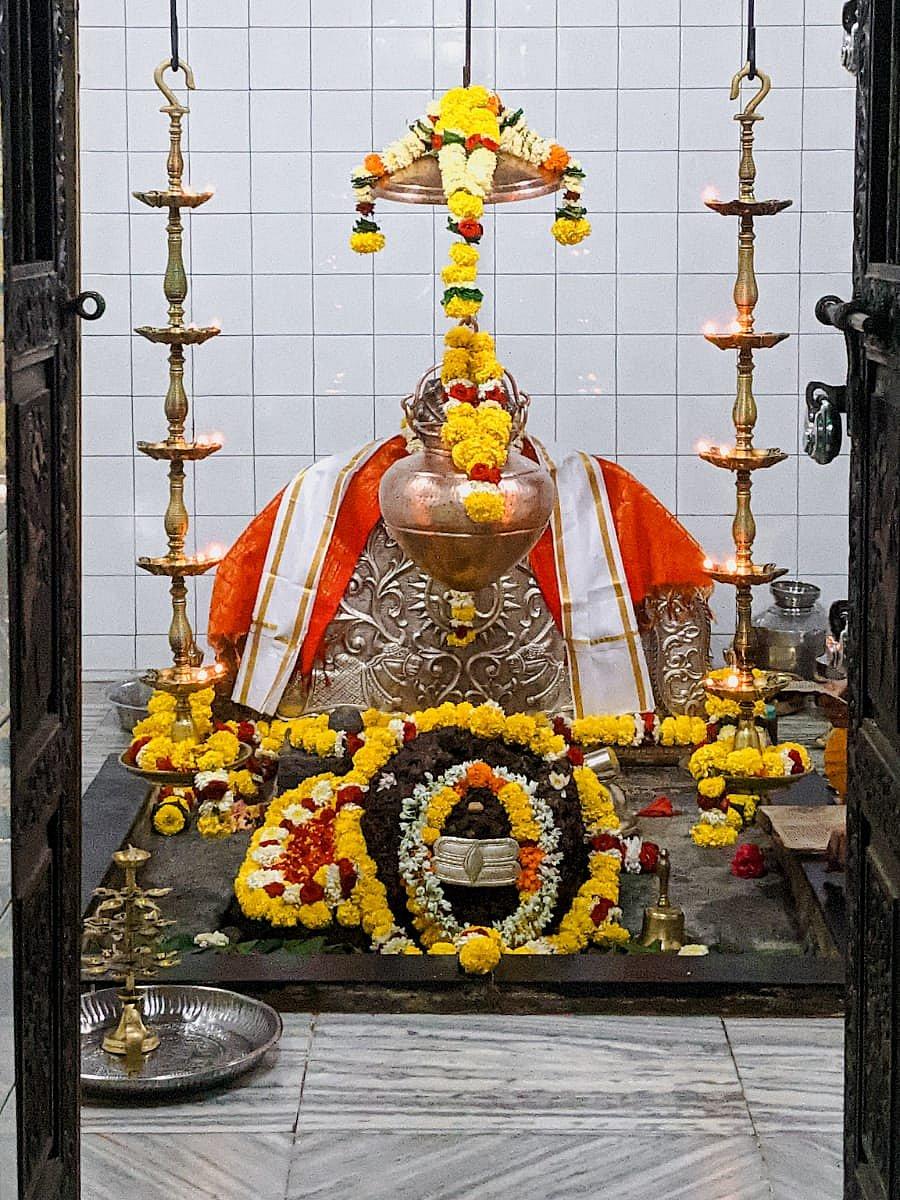
- The Garbhagriha: The inner sanctum, where the idol of Lord Mulvir resides, is a space of intense spiritual energy. It is usually dimly lit, with the focus entirely on the deity, illuminated by the soft light of oil lamps.
- The Shikhar: The dome or spire of the temple is typically built in a tiered fashion, often topped with a "Kalash" (sacred pot). The Mulvir Temple’s Shikhar reflects the Maratha influence, with its rounded contours and decorative niches.
- Pradakshina Path: The circumambulatory path around the sanctum is wide and airy, allowing devotees to perform their rounds while taking in the peaceful surroundings.
One of the most striking aspects of the architecture is the use of Kaavi art in some sections of the older structure. Kaavi is a traditional form of wall art found in the Konkan region, using reddish-brown pigment derived from laterite soil to create stunning murals. The overall layout of the temple complex is designed to foster a sense of community, with spacious courtyards that serve as gathering points during village meetings and festivals.
Main Deity / Spiritual Importance
The primary deity of the temple is Lord Mulvir. In the spiritual hierarchy of Goa, Mulvir is regarded as a powerful "Rakshandev" or protector deity. He is often depicted as a warrior figure, symbolizing strength, courage, and the protection of righteousness (Dharma). The idol is usually adorned with traditional silken drapes, silver ornaments, and fresh garlands of hibiscus and marigold. The presence of the deity is believed to create a protective shield over the village of Mandrem, warding off evil spirits and natural calamities.
The spiritual importance of Mulvir Temple is deeply tied to the concept of Ancestral Worship. For many Goans, the deity represents the "Mool" or the root of their lineage. Worshipping here is a way of honoring one's ancestors and seeking their blessings for future generations. The temple also houses secondary shrines dedicated to other deities such as Lord Ganesha, Goddess Shakti, and local spirits, creating a comprehensive spiritual ecosystem within the complex.
Devotees believe that Lord Mulvir is particularly responsive to the prayers of those facing obstacles in life. The "Prasad" (divine offering) given at the temple is considered highly auspicious. The spiritual vibration of the temple is most palpable during the evening "Aarti," when the rhythmic beating of the Ghumot (a traditional Goan percussion instrument made of an earthen pot) and the chanting of hymns create a meditative atmosphere that transcends the physical realm. For the visitor, this is a time to experience the "Bhava" or the emotional essence of Hindu devotion.
Festivals & Celebrations
The Mulvir Temple comes alive with extraordinary fervor during its annual festivals. These celebrations are not just religious events but are vibrant displays of Goan folk culture, music, and dance. If you happen to visit during these times, you will witness the temple in its full glory, decorated with thousands of lights and flowers.
- The Annual Zatra: This is the most significant festival of the temple. The Zatra (pilgrimage/fair) usually takes place in the winter months. The highlight is the Palkhi Procession, where the deity is placed in a beautifully decorated palanquin and carried on the shoulders of devotees around the temple complex. The air is filled with chants, the sound of traditional trumpets, and the joyous energy of the villagers.
- Shigmo: Goa's version of Holi, Shigmo is celebrated with great pomp at the Mulvir Temple. Local troupes perform folk dances like the Ghode Modni (horse dance) and Romtamel in the temple courtyard. It is a colorful spectacle that celebrates the arrival of spring and the harvest.
- Mahashivratri: Since Mulvir is closely associated with Lord Shiva, Mahashivratri is observed with night-long prayers, bhajans, and special abhishekams (ritual bathing of the deity).
- Navratri: The nine nights dedicated to the Divine Mother are also celebrated here, emphasizing the balance of masculine and feminine energies in the universe.
- Vat Purnima: Local women gather at the temple to perform rituals for the longevity of their husbands, often tying sacred threads around ancient banyan trees located near the temple premises.
During these festivals, the temple serves free "Mahaprasad" (communal meals) to all visitors, regardless of caste or creed. This practice of "Annadan" (food charity) is a cornerstone of the temple's social philosophy, emphasizing equality and brotherhood.
Best Time to Visit
To fully appreciate the beauty and spiritual aura of the Mulvir Temple, timing is essential. The best time to visit is from November to February. During these months, the weather in Goa is pleasant, with cool breezes and low humidity, making it ideal for exploring the temple complex and the surrounding village of Mandrem.
If you wish to experience the cultural vibrancy of the temple, plan your visit around the Annual Zatra, which typically falls between December and January (the dates vary according to the Hindu lunar calendar). This is when you can witness the traditional rituals and the grand palanquin procession.
For those seeking peace and solitude, the monsoon season (June to September) offers a different kind of charm. The laterite stones of the temple turn a deep red against the neon-green moss and the grey skies, creating a very atmospheric and brooding beauty. However, be prepared for heavy downpours which might limit outdoor exploration. Early mornings (6:30 AM to 8:30 AM) are universally the best time of day to visit, as you can witness the morning rituals and enjoy the temple in its most tranquil state before the heat of the day sets in.
Timings, Entry Fee & Dress Code
As a sacred site of worship, the Mulvir Temple maintains specific protocols to ensure the sanctity of the environment is preserved. Visitors are expected to adhere to these guidelines out of respect for the local community and the deity.
- Timings: The temple is generally open from 6:00 AM to 12:30 PM and then from 4:00 PM to 8:30 PM. During festival days, the temple may remain open throughout the day and late into the night.
- Entry Fee: There is no entry fee to visit the Mulvir Temple. It is open to people of all faiths and backgrounds. Donations are voluntary and are used for the maintenance of the temple and social welfare activities.
- Dress Code: A modest dress code is strictly enforced. Both men and women should ensure their shoulders and knees are covered. Avoid wearing swimwear, shorts, sleeveless tops, or transparent clothing. Carrying a sarong or a shawl is a good idea if you are coming directly from the beach.
- Footwear: Like all Hindu temples, footwear must be removed before entering the main temple structure. There is usually a designated area or a rack near the entrance to leave your shoes.
How to Reach Mulvir Temple
The Mulvir Temple is located in the Mandrem village of North Goa, which is well-connected by road to other parts of the state. Depending on your starting point, here are the best ways to reach the temple:
- From Mopa Airport (Manohar International Airport): This is the closest airport, located about 25-30 km away. You can hire a pre-paid taxi from the airport, which will take approximately 45 minutes to reach Mandrem.
- From Dabolim Airport: Located about 55-60 km away, a taxi ride from Dabolim will take around 1.5 to 2 hours depending on traffic.
- By Rail: The nearest major railway station is Thivim, which is about 20 km from Mandrem. From Thivim, you can take a taxi or a local bus to Mandrem. Pernem station is even closer (about 15 km) but fewer express trains stop there.
- By Road: If you are staying in popular areas like Calangute, Baga, or Panjim, you can rent a scooter or a car. The drive to Mandrem is scenic, passing through traditional Goan villages and paddy fields. From Panjim, the distance is about 30 km via the NH66.
- Local Transport: Within Mandrem, the temple is easily accessible by foot or bicycle if you are staying nearby. Local buses run frequently from Mapusa to Mandrem.
Things to Do
A visit to the Mulvir Temple can be more than just a quick prayer stop. To truly soak in the essence of this spiritual site, consider the following activities:
- Meditation and Reflection: The quiet corners of the temple courtyard are perfect for meditation. The rhythmic sounds of the temple bells and the natural surroundings help in centering one's thoughts.
- Observe Rituals: Watch the local priests perform the "Abhishek" or the evening "Aarti." Observing these ancient rituals provides deep insight into the Goan way of life.
- Photography: While photography is often restricted inside the inner sanctum, the exterior of the temple, the Deepastambha, and the surrounding landscapes are incredibly photogenic. Always ask for permission before clicking pictures of people.
- Engage with Locals: If you find a local elder or a priest who is free, strike up a conversation. They often have fascinating stories about the temple’s history and village legends.
- Walk through Mandrem Village: After visiting the temple, take a stroll through the narrow lanes of Mandrem. You will see traditional Goan houses with balcãos (porches), small wayside shrines, and a pace of life that is refreshingly slow.
Nearby Attractions
Mandrem is situated in a geographically blessed part of Goa, surrounded by several other points of interest that you can combine with your visit to the Mulvir Temple:
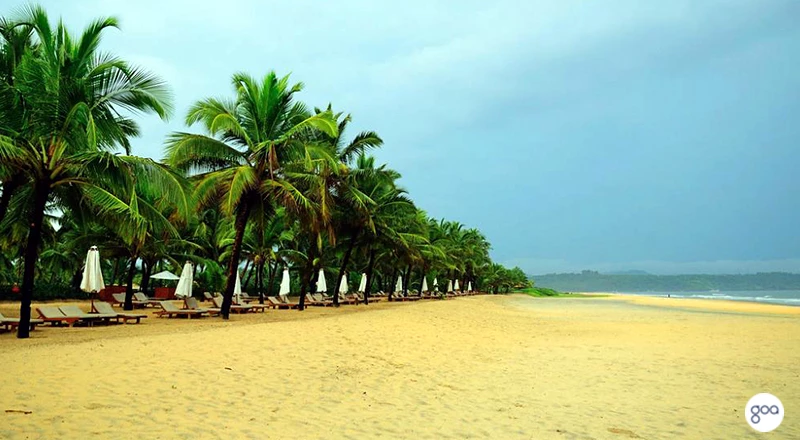
- Mandrem Beach: Just a short distance from the temple, this is one of the most beautiful and quietest beaches in North Goa. It is famous for its white sand and a small creek that runs parallel to the sea.
- Ashwem Beach: Known for its trendy boutiques and upscale beach shacks, Ashwem is perfect for a sunset walk and a delicious meal.
- Arambol Beach: A bit further north, Arambol is the hub for bohemian culture, drum circles, and paragliding. It offers a starkly different vibe from the quietude of the Mulvir Temple.
- Morjim Beach: Famous as a nesting site for Olive Ridley turtles, Morjim is great for birdwatching and enjoying a peaceful afternoon by the sea.
- Pernem City: The administrative hub of the taluka, Pernem is home to the ancient Deshprabhu Royal Mansion and several other historic temples.
Photography & Visitor Guidelines
To ensure a respectful visit to the Mulvir Temple, please keep the following guidelines in mind:
- Respect the Sanctum: Most Goan temples prohibit photography inside the Garbhagriha (inner sanctum). Look for signs or ask the temple authorities before taking out your camera.
- Maintain Silence: The temple is a place of prayer. Keep your voice low and ensure your mobile phone is on silent mode.
- No Alcohol or Smoking: Consuming alcohol, smoking, or carrying non-vegetarian food into the temple premises is strictly prohibited and considered a grave sign of disrespect.
- Offerings: If you wish to make an offering, you can buy flowers or oil for the lamps from small shops outside the temple. Avoid offering cash directly to the idol; use the "Hundi" (donation box) instead.
- Menstrual Taboos: In accordance with traditional customs followed by many Hindu temples in India, women are requested not to visit the temple during their menstrual cycle.
Where to Eat Nearby
Mandrem and the surrounding coastal areas offer a fantastic range of dining options, from local Goan eateries to international organic cafes.
- Local Goan Thali: For an authentic taste, look for small family-run "Khanavals" in Mandrem village that serve fish thalis or vegetarian thalis featuring local specialties like 'Khatkhate' (a mixed vegetable stew).
- The Lazy Dog: Located near Mandrem Beach, this place offers a great ambiance and a mix of Indian and Continental dishes.
- Chiliado: A great spot for those who enjoy fresh seafood prepared with local spices.
- Organic Cafes: Since Mandrem is a hub for yoga and wellness, you will find many cafes serving smoothie bowls, avocado toasts, and herbal teas. Vaayu Village and Sunset Ashram are popular choices nearby.
Accommodation Nearby
Whether you are looking for luxury or a budget stay, the area around Mulvir Temple has plenty of options:
- Luxury Resorts: Mandrem Village Resort and Stone Wood Riverfront Resort offer high-end amenities and a peaceful environment.
- Yoga Retreats: Mandrem is famous for its yoga schools like Ashiyana Yoga Retreat, which provide holistic stay packages including meditation and sattvic meals.
- Boutique Hotels: Elsewhere is a famous heritage stay located on a secluded spit of land nearby, offering a very private and rustic-luxe experience.
- Budget Guesthouses: There are numerous "Rooms to Let" in Mandrem village where you can stay with local families and experience Goan hospitality firsthand at a very affordable price.
Travel Tips
To make your trip to the Mulvir Temple and Mandrem seamless, here are some expert travel tips:
- Rent a Scooter: The best way to explore the winding lanes of North Goa is on a two-wheeler. It gives you the freedom to stop at scenic spots and hidden shrines.
- Carry Cash: While many places now accept digital payments, small shops near the temple and local transport often require cash.
- Hydration: The Goan sun can be intense. Always carry a reusable water bottle and stay hydrated.
- Respect Local Customs: Goans are very friendly and proud of their culture. A simple "Dev Borem Korun" (May God do good to you/Thank you in Konkani) goes a long way in building rapport with the locals.
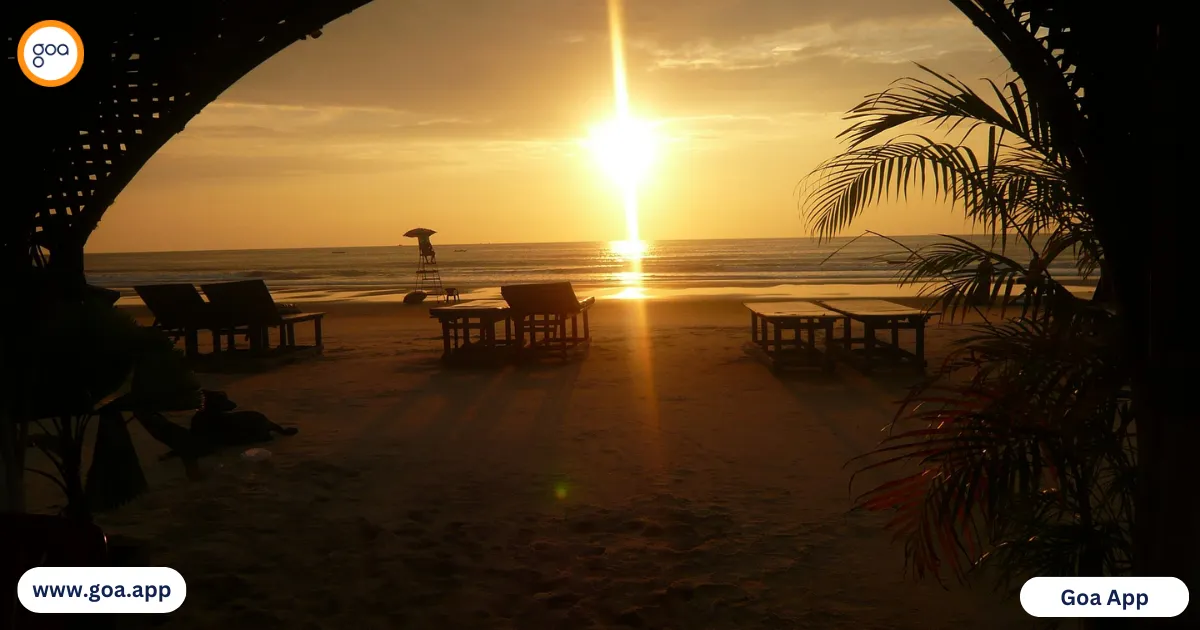
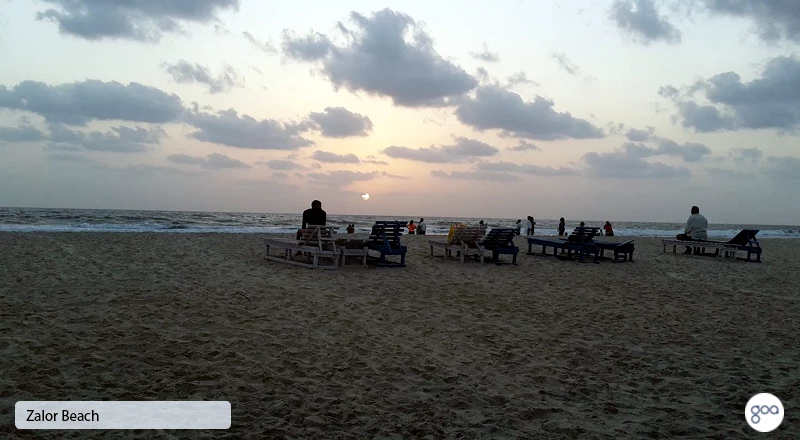
- Plan for Sunset: After your temple visit, head to Mandrem or Ashwem beach for the sunset. The North Goa sunsets are legendary and provide the perfect end to a spiritual day.
Conclusion
The Mulvir Temple is more than just a religious landmark; it is a window into the enduring soul of Goa. In a world that is increasingly fast-paced and commercialized, this temple remains a sanctuary of tradition, faith, and peace. It reminds us that the true essence of travel lies in discovering the stories, the people, and the spiritual roots that define a place. By visiting the Mulvir Temple, you are not just seeing a building; you are participating in a centuries-old tradition of communal protection and ancestral reverence. Whether you come for the architecture, the history, or the silence, you will leave with a piece of Goa's quiet, spiritual heart tucked away in your own. It is a must-visit destination for anyone who seeks to understand the "Real Goa" beyond the brochures and the beach parties.