Overview of Shree Saptakoteshwara Temple, Maem
Nestled in the tranquil and verdant village of Narve, near Maem in the Bicholim taluka of North Goa, the Shree Saptakoteshwara Temple stands as one of the most culturally significant and historically resilient spiritual landmarks in the Konkan region. Often referred to as one of the six great temples of Lord Shiva in the Konkan, this sacred site is far more than just a place of worship; it is a symbol of the enduring spirit of Goan Hindus against centuries of colonial and dynastic upheavals. The temple is dedicated to Lord Saptakoteshwara, an incarnation of Lord Shiva, who has been the family deity (Kuldevta) of the Kadamba dynasty, the erstwhile rulers of Goa.
As you approach the temple, the bustling tourist tracks of coastal Goa fade away, replaced by the rhythmic sounds of the Mandovi River and the rustling leaves of ancient tropical trees. The location of the temple in Narve is strategically and spiritually significant, offering a sense of seclusion that invites introspection. Unlike the more famous, brightly painted temples of Ponda, Shree Saptakoteshwara exudes an aura of antiquity and architectural sobriety. It is a site where history is etched into every stone, and the air is thick with the scent of incense and the echoes of ancient Sanskrit chants. For a traveler or a spiritual seeker, this temple provides a deep dive into the pre-colonial heritage of Goa, showcasing a side of the state that remains untouched by the commercial veneer of beach tourism.
The temple complex is surrounded by lush hills and traditional Goan homesteads, creating a picturesque setting that feels like a step back in time. The approach to the temple involves a scenic drive through winding roads, often crossing the river via a ferry, which adds to the traditional Goan experience. Whether you are a history buff, an architecture enthusiast, or a devotee seeking divine intervention, the Shree Saptakoteshwara Temple offers a multi-layered experience that resonates with the soul of the "Real Goa."
History & Religious Significance
The history of the Shree Saptakoteshwara Temple is a saga of devotion, destruction, and ultimate restoration. The origins of the deity date back several centuries, with the original temple located on the island of Divar (then known as Dipavati). During the 12th century, the Kadamba kings held Lord Saptakoteshwara in the highest regard, featuring the deity's name on their gold coins and official seals. The name "Saptakoteshwara" translates to the "Lord of Seven Crores," referring to the seven crores (seventy million) of mantras or sages who worshipped Lord Shiva at this spot to attain spiritual liberation.
The temple's timeline took a dark turn in the 14th century when the Bahmani Sultanate invaded the region and demolished the original structure. However, the resilient local population managed to hide the sacred Lingam. In 1391, the Vijaynagar Empire, under the leadership of Madhav Mantri, defeated the Sultanate and reconstructed the temple, restoring its former glory. This period of peace was short-lived, as the 16th century brought the Portuguese Inquisition. In 1560, the Portuguese demolished the temple on Divar Island once again and even built a chapel over its ruins. To protect their deity from further desecration, the devotees managed to smuggle the Lingam across the river to the territory of the Hindu rulers of Bicholim, eventually settling it in the village of Narve.
The most defining moment in the temple’s history occurred in 1668. The great Maratha warrior king, Chhatrapati Shivaji Maharaj, during one of his campaigns in Goa, visited the site. Witnessing the dilapidated state of the makeshift temple and the struggle of the devotees, he ordered the complete reconstruction of the temple at its current site in Narve. An inscription near the entrance of the temple still commemorates this historic restoration by Shivaji Maharaj. This act solidified the temple as a beacon of Maratha influence in Goa and a sanctuary for Hindu culture during the colonial era. Today, the temple remains a powerful symbol of the "Reconquista" of Hindu faith in the region, drawing thousands of pilgrims who come to pay homage to the deity that survived the tides of time and conquest.
Architecture of Shree Saptakoteshwara Temple, Maem
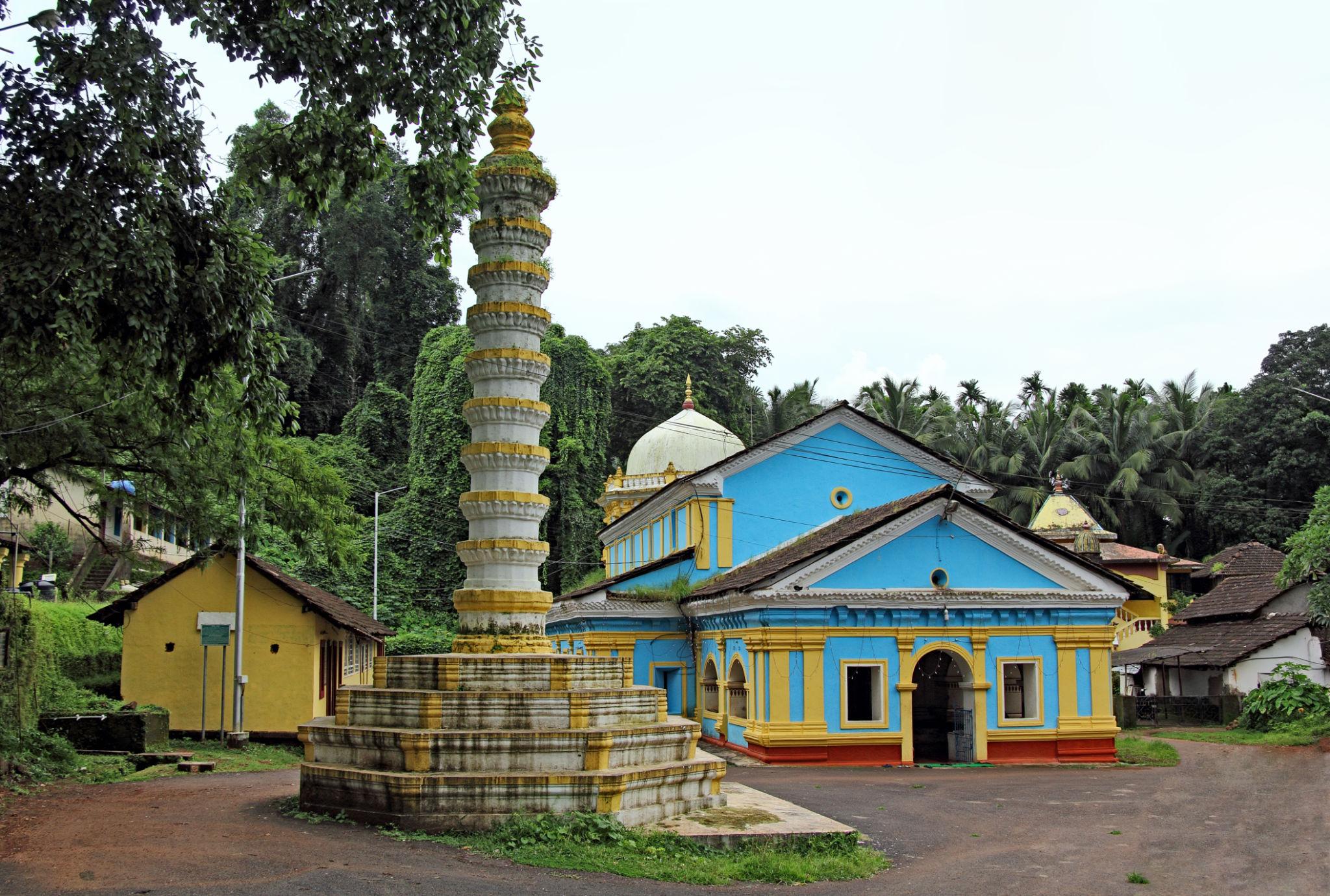
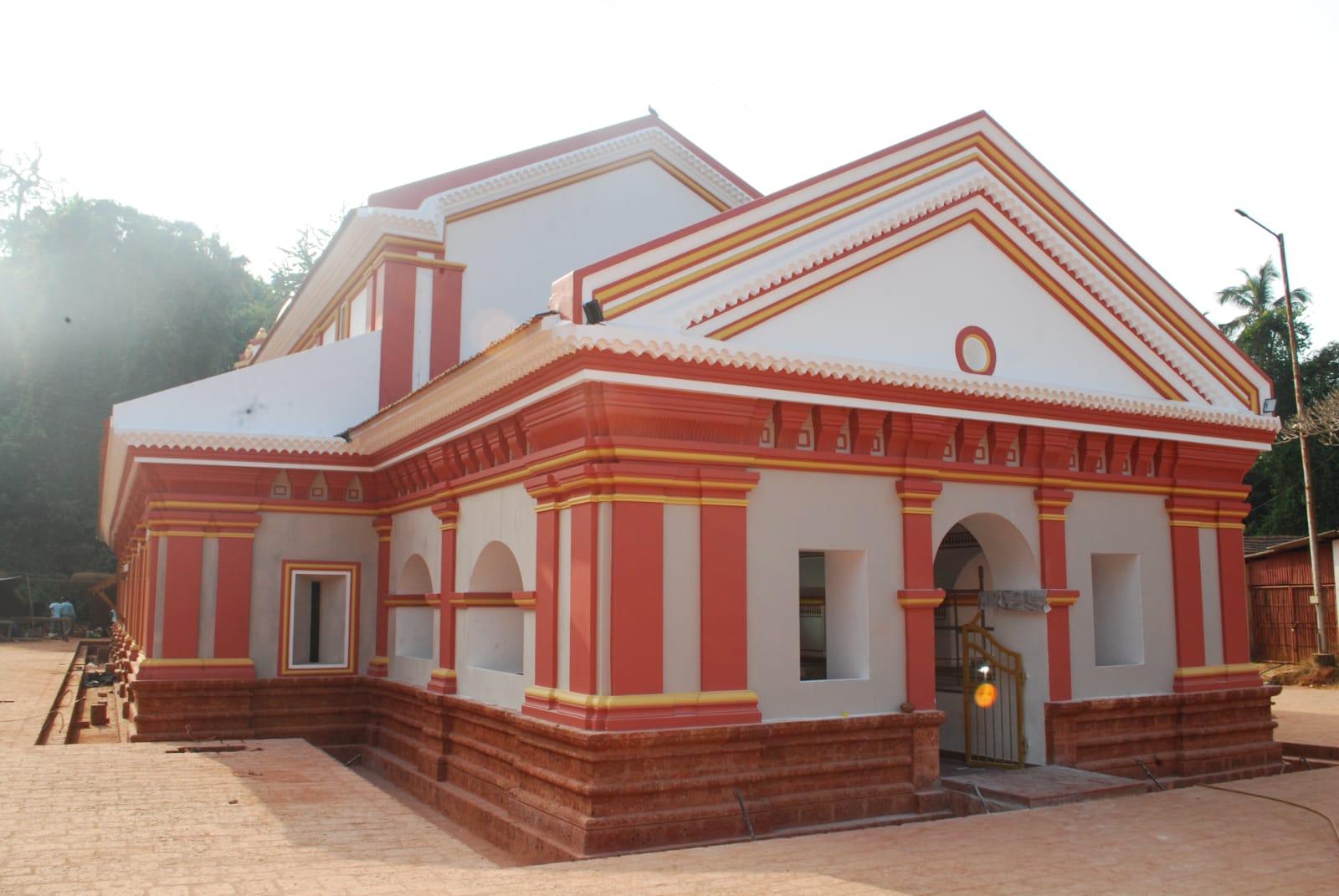
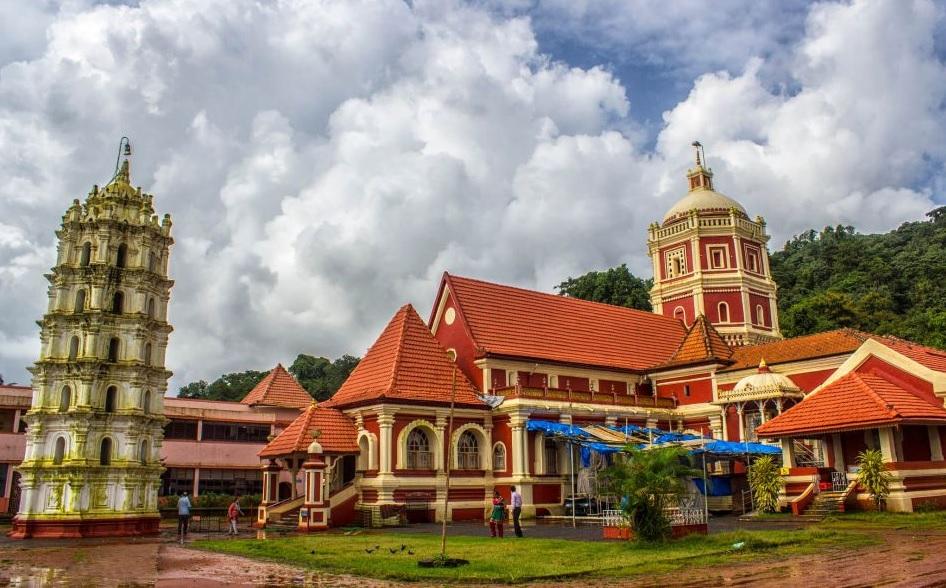
The architecture of the Shree Saptakoteshwara Temple is a fascinating blend of various styles, reflecting the different eras of its construction and the diverse cultural influences that have shaped Goa. While many temples in Goa adopted a "Goan-Baroque" style with heavy Portuguese influence, Saptakoteshwara maintains a more traditional Indo-Saracenic and Maratha aesthetic, owing to its patronage by Shivaji Maharaj.
- The Shallow Dome: Instead of the traditional high-pitched Nagara shikhara, the temple features a shallow, Mughal-style dome rising from the center. This reflects the architectural trends of the 17th century when Maratha structures often incorporated elements from the Deccan Sultanates.
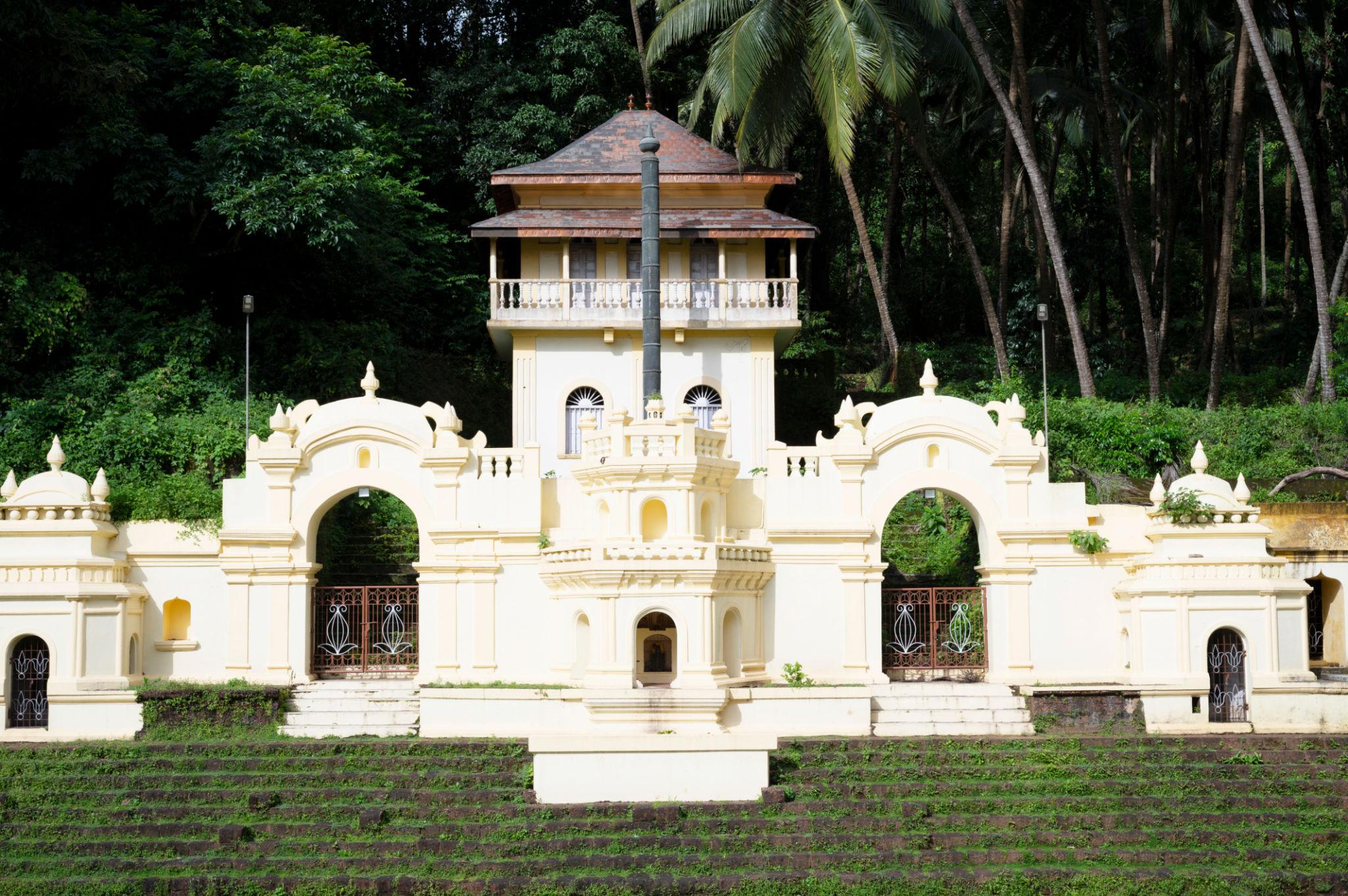
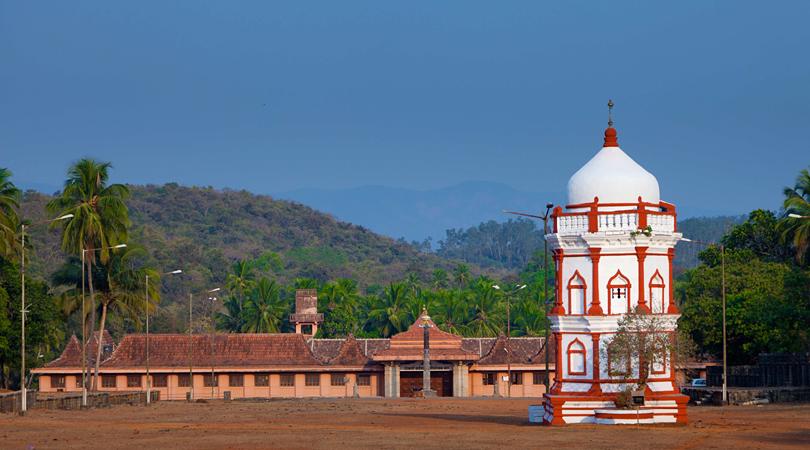
- The Deepastambha: One of the most striking features of the temple complex is the Deepastambha (lamp tower). This towering structure is uniquely designed with multiple tiers of niches to hold oil lamps. When lit during festivals, the entire courtyard is bathed in a golden glow, creating a celestial atmosphere.
- The Mandapa: The main prayer hall or Mandapa is supported by sturdy, intricately carved wooden pillars. The ceiling often features traditional motifs, and the flooring is made of cool stone that has been polished by the feet of millions of devotees over centuries.
- The Arched Windows: The exterior of the temple features small, arched windows that allow for natural ventilation and light, a common feature in Goan temple architecture that blends functionality with aesthetic grace.
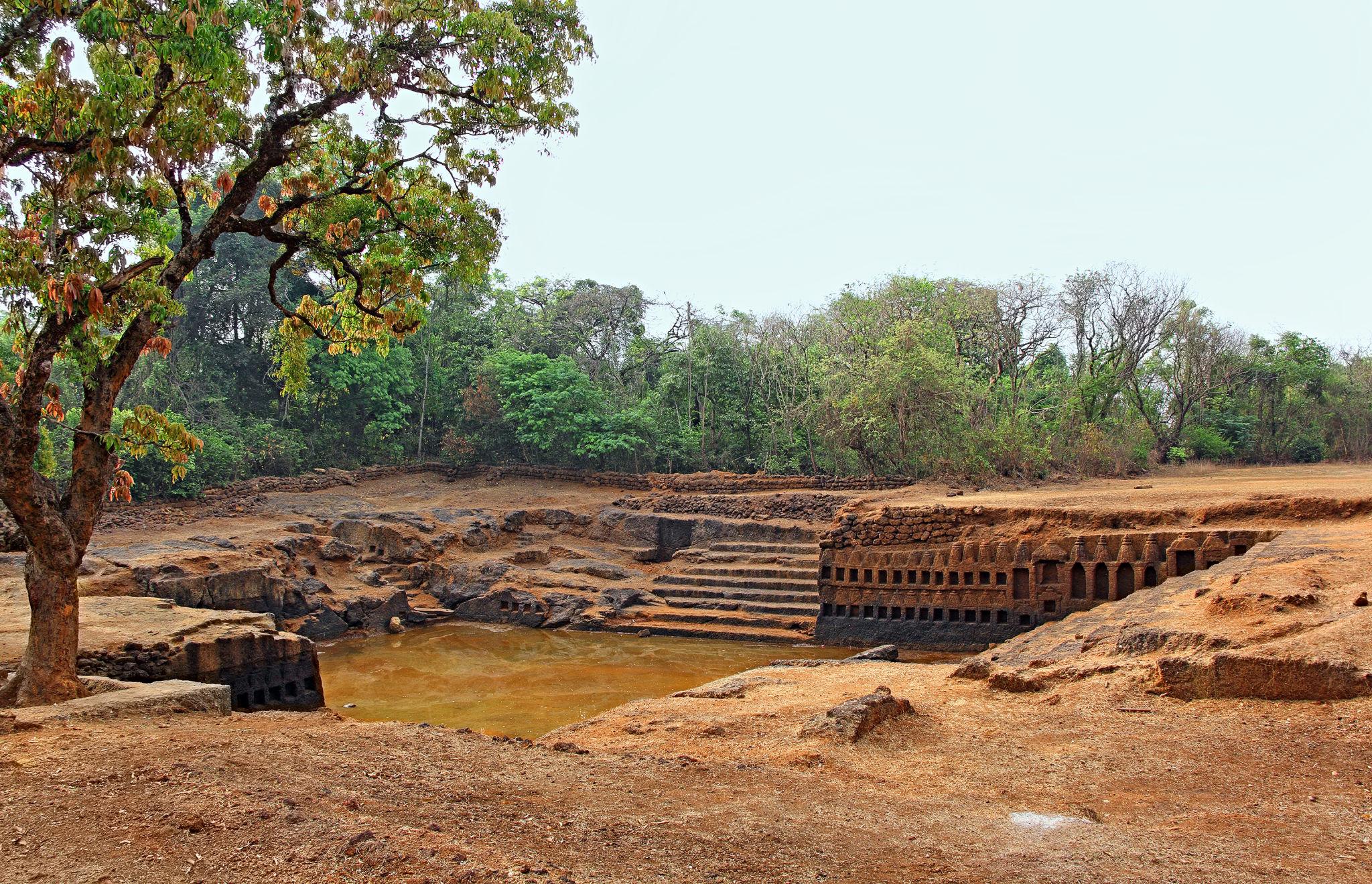
- The Sacred Tank (Panchaganga Tirtha): Adjacent to the temple is a sacred water tank. It is believed that the water from five holy rivers meets here. The tank is used for ritualistic baths and is an integral part of the temple's architectural layout, reflecting the importance of water in Hindu temple design.
The overall structure is painted in a soothing white with ochre accents, which stands out beautifully against the emerald green backdrop of the surrounding forest. The simplicity of the exterior hides the spiritual intensity of the interior, where the focus remains entirely on the Dharalingam. The temple underwent a significant restoration project by the Goa Archives and Archaeology Department recently, which meticulously preserved the original stone carvings and structural integrity while ensuring the temple can stand for several more centuries.
Main Deity / Spiritual Importance
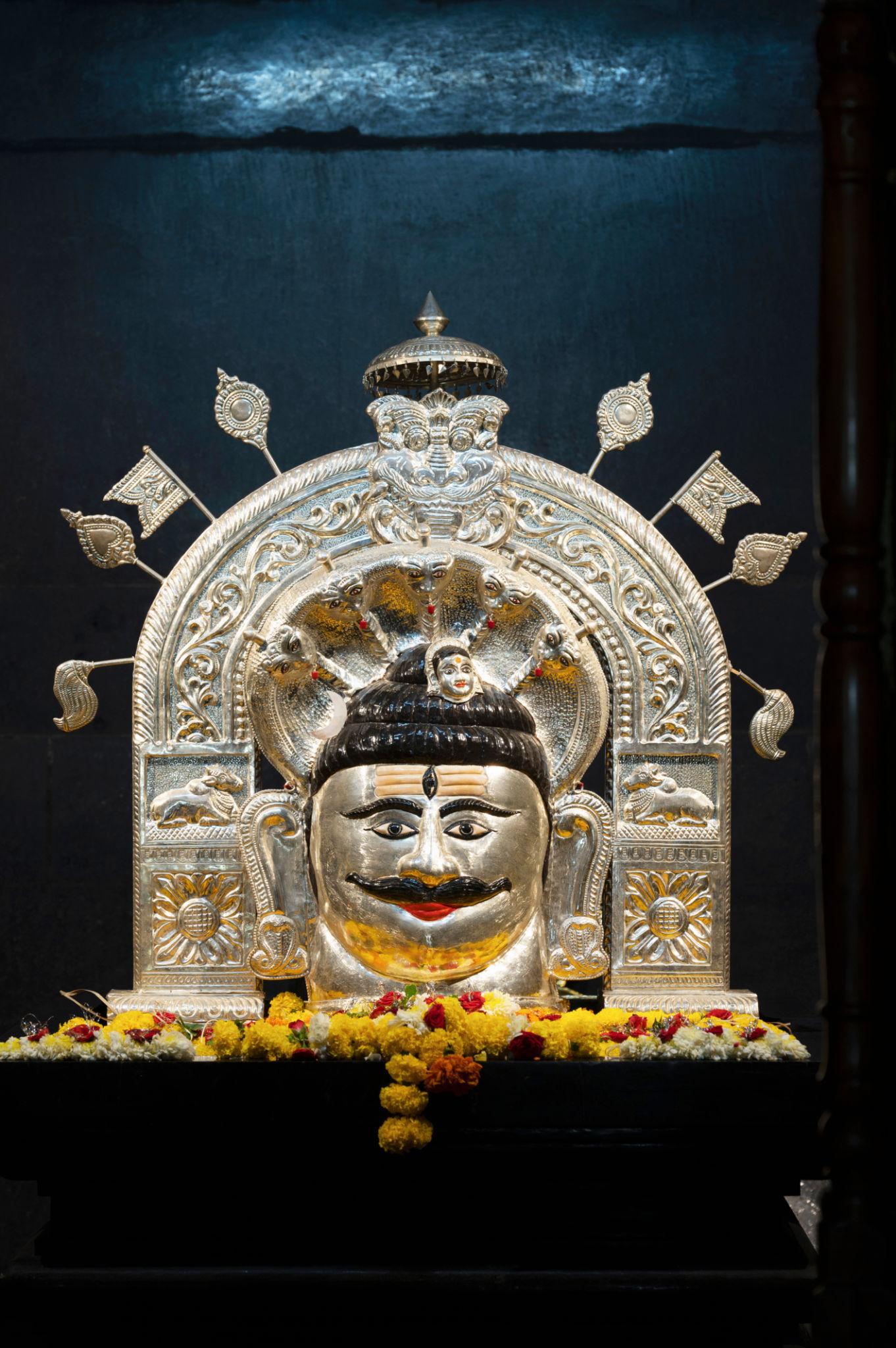
The presiding deity of the temple is Lord Saptakoteshwara, a form of Lord Shiva. The primary object of worship in the sanctum sanctorum (Garbhagriha) is a unique Dharalingam. Unlike the smooth, rounded Shiva Lingams found in many other temples, a Dharalingam is faceted. The one at Narve is particularly revered for its ancient origins and its survival through multiple destructions. It is made of dark, polished stone and is believed to radiate immense spiritual energy.
The spiritual importance of Saptakoteshwara is deeply rooted in the concept of the "Seven Crores." According to local legends, seven holy sages (Saptarishis) performed intense penance for seven million years to please Lord Shiva. Impressed by their devotion, Shiva appeared before them in this form. Consequently, it is believed that a prayer offered here is equivalent to the merit gained from praying at seven crore other shrines. This makes it a "Moksha-sthal," a place where one can seek liberation from the cycle of birth and death.
For the local Goan community, particularly the GSB (Gaud Saraswat Brahmins) and the Maratha families of the region, Saptakoteshwara is the Rakhandar or the protector of the land. Rituals here are performed with strict adherence to ancient Vedic traditions. The daily 'Abhisheka' (ritual bathing of the Lingam) and the 'Aarti' are moments of profound spiritual connection. Devotees believe that the deity has the power to heal ailments, resolve family disputes, and provide clarity of mind. The presence of the deity in Narve is seen as a divine choice, marking the village as a "Teertha-kshetra" or a holy pilgrimage site.
Festivals & Celebrations
The Shree Saptakoteshwara Temple comes alive during various Hindu festivals, transforming from a quiet sanctuary into a vibrant hub of cultural and religious activity. These festivals are the best time to witness the authentic Goan Hindu culture and traditional performing arts.
- Gokulashtami: While typically associated with Lord Krishna, Gokulashtami is the most significant festival at this temple. It marks the day the deity was traditionally reinstated. Thousands of devotees from across Goa and neighboring Maharashtra gather here to take a holy dip in the sacred tank and offer prayers. The atmosphere is electric with the chanting of "Har Har Mahadev."
- Mahashivratri: As a temple dedicated to Lord Shiva, Mahashivratri is celebrated with immense fervor. Devotees keep an all-night vigil, and continuous Abhishekas are performed. The temple remains open throughout the night, illuminated by thousands of lamps.
- The Palkhi Procession: On special occasions, the deity is placed in a beautifully decorated Palkhi (palanquin) and carried around the temple complex. This procession is accompanied by traditional Goan music, including the 'Dhol' and 'Tasha', and is a sight to behold.
- Shigmotsav: The Goan version of Holi, Shigmo, is celebrated with traditional folk dances like the 'Ghode Modni' and 'Romtamel' in the temple courtyard, showcasing the deep link between religion and local folk traditions.
During these festivals, the temple administration often organizes 'Annadan' (community feasts), where thousands of people are served traditional Goan vegetarian meals on banana leaves. Participating in these celebrations offers a unique insight into the communal harmony and deep-rooted faith of the Goan people.
Best Time to Visit
The best time to visit the Shree Saptakoteshwara Temple is during the winter months, from November to February. During this period, the weather in Goa is pleasant, with cool breezes and moderate temperatures, making it ideal for exploring the temple complex and the nearby village of Narve. The humidity is significantly lower, which is a relief when walking around the stone courtyards.
If you wish to experience the temple in its most vibrant state, plan your visit during Gokulashtami (usually in August) or Mahashivratri (February/March). However, be prepared for large crowds during these times. For those who prefer a more meditative and quiet experience, a weekday morning during the monsoon season (June to September) can be magical. The surrounding hills of Bicholim turn a vibrant emerald green, and the sound of falling rain against the temple's ancient stones creates a serene, ethereal atmosphere. Just keep in mind that the ferry crossing might be slightly more adventurous during heavy rains!
Timings, Entry Fee & Dress Code
To ensure a respectful and smooth visit, please take note of the following logistical details:
- Timings: The temple is generally open from 6:00 AM to 1:00 PM and from 4:00 PM to 7:00 PM. It is advisable to visit during the morning hours to witness the main rituals and avoid the afternoon heat.
- Entry Fee: There is no entry fee to visit the Shree Saptakoteshwara Temple. It is open to people of all faiths, provided they respect the sanctity of the site. Donations for the temple's upkeep are welcome but entirely voluntary.
- Dress Code: As with most traditional Hindu temples in Goa, a modest dress code is strictly enforced. Men are expected to wear long trousers or dhotis; shorts and sleeveless shirts are discouraged. Women should wear sarees, salwar kameez, or long skirts. Shoulders and knees must be covered. It is customary to remove your footwear before entering the main temple structure.
How to Reach Shree Saptakoteshwara Temple, Maem
Reaching the temple is an experience in itself, as it takes you through some of Goa's most beautiful inland scenery. The temple is located in Narve, which is about 35 kilometers from Panaji and 15 kilometers from Bicholim.
- By Road: You can hire a taxi or rent a scooter from Panaji or Mapusa. The route via Bicholim is well-marked. The drive takes you through scenic cashew plantations and small Goan hamlets.
- By Ferry (The Traditional Way): For a more authentic experience, drive to the Divar Island ferry point near Old Goa. Cross over to Divar Island, drive across the island to the other side, and take another ferry to Narve. This route is incredibly picturesque and gives you a sense of the geographical isolation that helped protect the deity in the past.
- By Bus: Local buses run from Panaji and Mapusa to Bicholim. From the Bicholim bus stand, you can take an auto-rickshaw or a local pilot (motorcycle taxi) to reach the temple in Narve.
- From the Airport: Dabolim Airport is approximately 50 kilometers away. A pre-paid taxi from the airport is the most convenient option, taking about 1.5 to 2 hours depending on traffic.
Things to Do
A visit to Shree Saptakoteshwara Temple offers several enriching activities beyond simple prayer:
- Meditation: The quiet corners of the temple courtyard, especially near the ancient trees, are perfect for meditation and silent reflection.
- Explore the Architecture: Spend time observing the intricate carvings on the wooden pillars and the unique design of the Deepastambha. Don't miss the historical inscription mentioning Chhatrapati Shivaji Maharaj.
- Ritual Participation: Observe or participate in the morning 'Abhisheka'. Watching the priests perform these ancient rituals is a hypnotic and spiritual experience.
- Village Walk: Take a stroll through the village of Narve. It is a traditional Goan village with old houses, friendly locals, and a pace of life that is refreshingly slow.
- Photography: While photography is usually prohibited inside the inner sanctum, the exterior of the temple, the lamp tower, and the surrounding landscapes are incredibly photogenic.
Nearby Attractions
The Bicholim taluka is rich in natural and historical sites that you can combine with your visit to the temple:
- Mayem Lake: Located just a few kilometers away, this is a popular picnic spot offering boat rides and a serene environment surrounded by hills.
- Arvalem Caves (Pandava Caves): These 6th-century rock-cut caves are steeped in legend and history, believed by some to have been the home of the Pandavas during their exile.
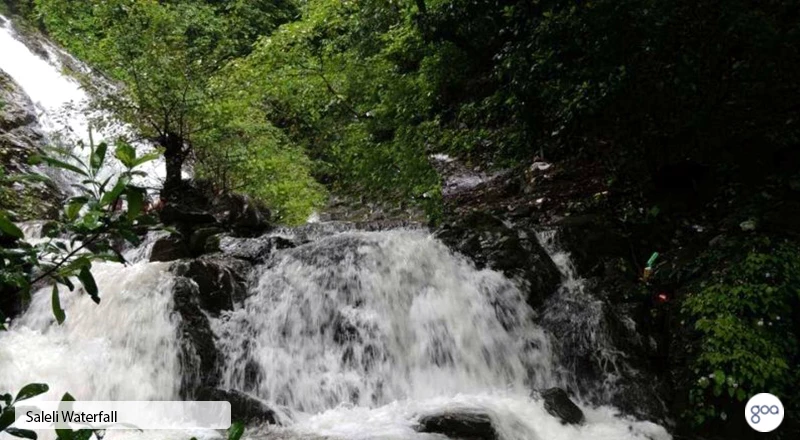
- Arvalem Waterfall: A stunning waterfall located near the caves, especially majestic during the monsoon and post-monsoon months.
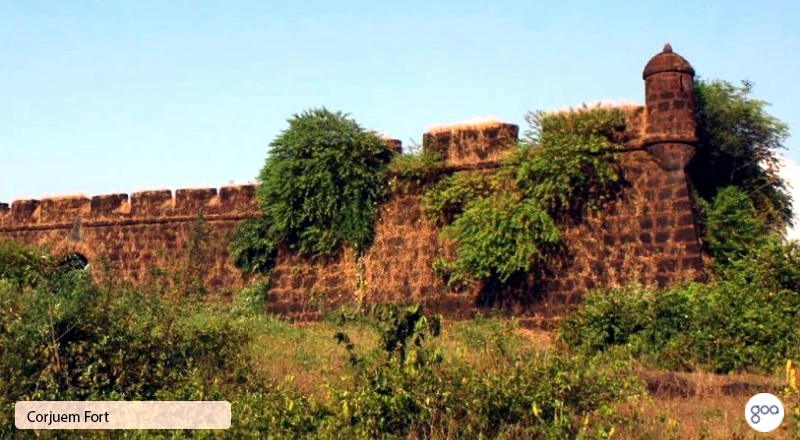
- Corjuem Fort: A small but well-preserved inland fort that offers panoramic views of the surrounding river and countryside.
- Divar Island: Explore the scenic beauty, old villas, and the Piedade Church on this river island.
Photography & Visitor Guidelines
To maintain the sanctity of the temple and ensure a pleasant experience for everyone, visitors are requested to follow these guidelines:
- No Indoor Photography: Taking pictures of the main deity inside the Garbhagriha is strictly forbidden. Always ask for permission before photographing priests or devotees.
- Maintain Silence: The temple is a place of worship and meditation. Please keep your voice low and ensure your mobile phone is on silent mode.
- Respect Rituals: If a ritual is in progress, stand aside and observe quietly. Do not interrupt the priests or walk between the priest and the deity.
- Cleanliness: Do not litter within the temple premises. Use the provided bins for any waste.
- Footwear: Always leave your shoes at the designated stand outside the temple entrance.
Where to Eat Nearby
Narve is a small village, so dining options within the immediate vicinity of the temple are limited to small tea stalls selling snacks like 'Samosas' and 'Batata Vadas'. For a proper meal, you should head to Bicholim town (approx. 15-20 minutes away). Here, you can find:
- Local Goan Eateries: Look for small restaurants serving the traditional Goan Hindu Thali, which includes rice, fish curry (or a veg alternative), 'Kismoor', and 'Sol Kadi'.
- Vegetarian Options: There are several "Udupi" style restaurants in Bicholim that serve clean and delicious South Indian and North Indian vegetarian food.
- Mayem Lake Resort: The GTDC (Goa Tourism Development Corporation) property near Mayem Lake has a restaurant that serves a variety of cuisines with a view of the lake.
Accommodation Nearby
Most visitors visit the Shree Saptakoteshwara Temple as a day trip from the coastal areas or Panaji. However, if you wish to stay nearby to experience the rural charm, consider these options:
- GTDC Mayem Lakeview: A budget-friendly and scenic option located right on the banks of Mayem Lake.
- Homestays in Bicholim: There are a few heritage homestays and local guest houses in the Bicholim area that offer a more personal and authentic Goan experience.
- Boutique Stays in Aldona/Divar: The nearby villages of Aldona and Divar Island have several high-end heritage villas and boutique stays for those looking for luxury amidst nature.
Travel Tips
To make the most of your spiritual journey to Shree Saptakoteshwara, keep these tips in mind:
- Hire a Local Guide: If possible, find a local guide or talk to the temple priest to learn about the specific legends and historical anecdotes that aren't found in guidebooks.
- Hydration: Carry a bottle of water, as it can get quite warm during the day, especially if you are traveling by scooter.
- Cash is King: While digital payments are growing, small shops and rickshaws in this area usually prefer cash.
- Combine with Arvalem: Plan your trip to include the Arvalem caves and waterfall for a full-day "Hinterland Goa" itinerary.
- Respect Local Customs: If you see a local ceremony or 'Zatra' (village fair) happening, feel free to watch, but always maintain a respectful distance.
Conclusion
The Shree Saptakoteshwara Temple in Maem/Narve is more than just a religious site; it is a living chronicle of Goa’s complex and colorful past. It stands as a testament to the fact that while structures can be demolished, faith and heritage have a way of enduring and flourishing against all odds. From its royal Kadamba beginnings and its tragic destruction to its glorious restoration by Chhatrapati Shivaji Maharaj, every stone of this temple tells a story of resilience.
Visiting this temple offers a profound sense of peace that is often missing from the crowded beaches of the North. It invites you to slow down, breathe in the fresh river air, and connect with a spiritual tradition that has remained unbroken for centuries. Whether you come seeking the blessings of the Lord of Seven Crores or simply to admire the unique Indo-Maratha architecture, a journey to Shree Saptakoteshwara is a journey into the very heart of Goan identity. It is an essential stop for anyone who wishes to truly understand the spiritual and historical landscape of this beautiful coastal state.