Overview of Shree Betal temple
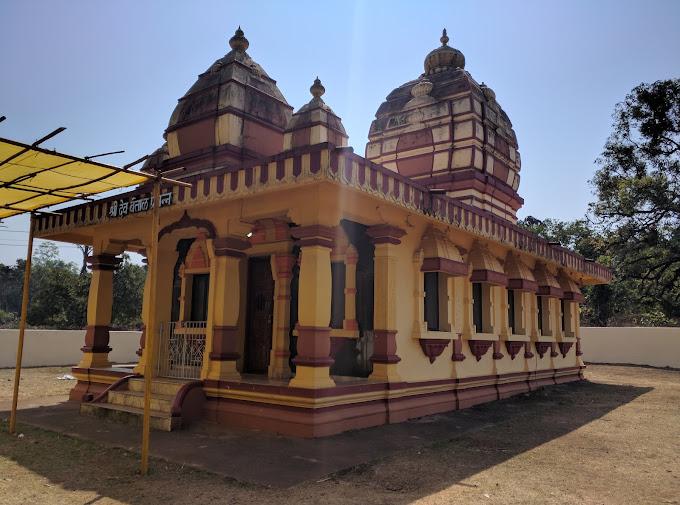
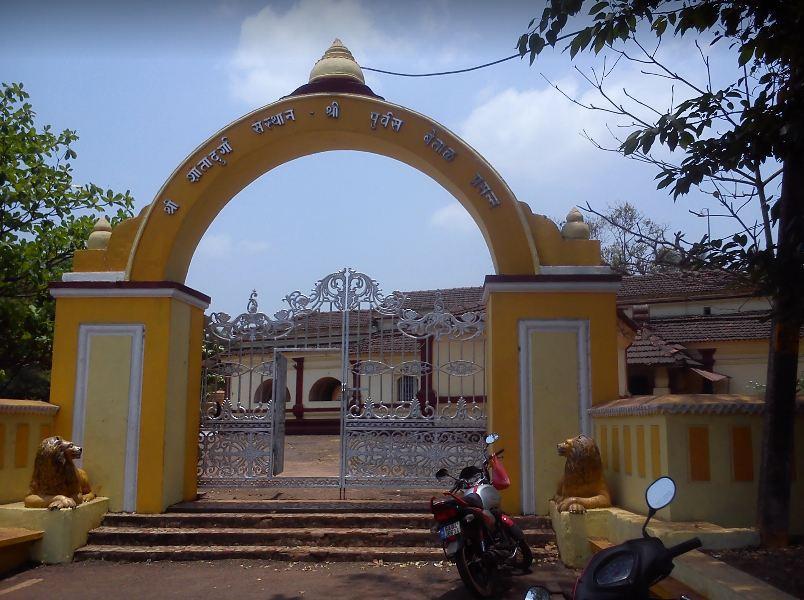
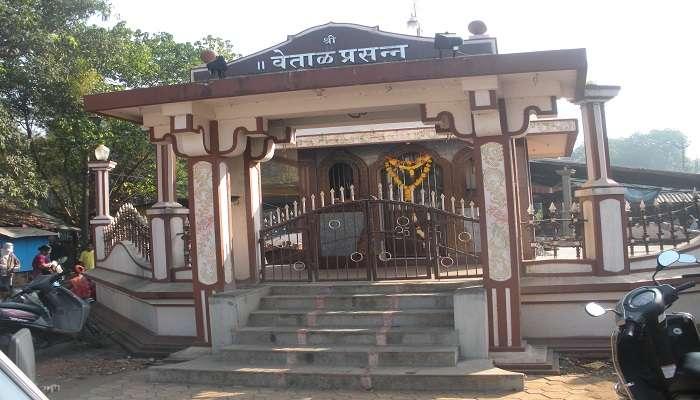
Nestled in the serene and verdant village of Amona, within the Bicholim Taluka of North Goa, lies the magnificent Shree Betal temple. While Goa is globally renowned for its sun-kissed beaches and vibrant nightlife, its heart beats in the quiet, spiritual enclaves of its hinterlands. The Shree Betal temple stands as a testament to the profound religious roots of the Goan people, specifically the Hindu community that has preserved its traditions through centuries of colonial influence. This temple is dedicated to Lord Betal, a fierce yet protective deity who is considered the Gramadevata (village deity) of Amona and several other surrounding regions. Unlike the more ornate and tourist-heavy temples of Ponda, the Shree Betal temple in Amona offers a raw, authentic, and deeply spiritual experience that transports visitors back to an era of ancient mysticism.
The temple is not just a place of worship but a cultural anchor for the local community. It is situated amidst a landscape of swaying coconut palms, cashew groves, and the rhythmic flow of the nearby Mandovi River tributaries. For a traveler seeking to understand the "Real Goa," a visit to this temple is indispensable. The deity, Betal, is often depicted as a warrior god, and the temple’s atmosphere reflects a unique blend of martial strength and divine tranquility. As you approach the temple complex, the first thing you notice is the striking Deepastambha (lamp tower), a hallmark of Goan temple architecture, standing tall against the blue sky. The air is often filled with the scent of incense and the distant sound of temple bells, creating an environment conducive to meditation and introspection. Whether you are a spiritual seeker, a history enthusiast, or a lover of architecture, the Shree Betal temple provides a comprehensive glimpse into the soul of Goan Hinduism.
Top Goa Experience • Part 1
Highly Recommended Near Shree Betal temple
Explore All
The significance of this temple extends beyond its physical boundaries. It represents the resilience of the local faith. During the Portuguese Inquisition, many temples in the coastal "Old Conquests" were destroyed, leading to the clandestine relocation of deities to the "New Conquests" like Bicholim. The Shree Betal temple is a living monument to this history of survival and devotion. Today, it remains one of the most respected shrines in the state, drawing devotees from across Goa and neighboring states like Maharashtra and Karnataka. The temple's layout, its rituals, and even the way the deity is dressed are specific to the Konkan region, making it a distinct cultural landmark that differs significantly from the North Indian or Dravidian temple styles found elsewhere in India.
History & Religious Significance
The history of the Shree Betal temple is deeply intertwined with the tumultuous past of the Goa region. The worship of Betal (also known as Vetal) predates the arrival of the Portuguese and even the mainstreaming of Puranic Hinduism in the region. Historically, Betal was a folk deity, a protector of the boundaries, and the leader of the Ganas (spirits). Over time, he was assimilated into the Hindu pantheon as an aspect of Lord Shiva. The temple in Amona is believed to be several centuries old, though the current structure has undergone multiple renovations to maintain its grandeur. During the 16th and 17th centuries, when the Portuguese religious fervor led to the destruction of Hindu shrines in the Velhas Conquistas (Salcete, Bardez, and Tiswadi), many families fled with their family deities (Kuladevatas) to the safety of the interior forests and hills governed by local Maratha or Sawantwadi rulers. The deity of Betal was among those who found a permanent and safe sanctuary in the Bicholim area.
Recommended Guide
10 Interesting Facts About Goa That Will Blow Your Mind
Discover 10 fascinating facts about Goa from Portuguese history & architecture to hidden beaches, cheap alcohol secrets, and more.
Read Guide →
The religious significance of Lord Betal is profound. He is viewed as the Supreme Commander of the spirits and the guardian of the village. In Goan folklore, it is believed that Betal patrols the village streets at night, protecting the inhabitants from evil forces and ensuring justice. This belief is so strong that even today, many villagers avoid walking certain paths late at night out of respect for the deity's "nightly rounds." The temple serves as the spiritual court where disputes are sometimes settled through a ritual known as Kaul. During this ritual, the priest places flower petals on the idol, and the way they fall is interpreted as the deity's decision or advice. This practice highlights the role of the temple not just as a religious site, but as a social and judicial center for the community.
Furthermore, the temple is a key site for the Gaud Saraswat Brahmin community and other local castes who consider Betal their protector. The historical narrative of the temple also mentions the patronage of local chieftains and landlords who donated land and resources for its upkeep. The oral traditions passed down through generations of temple priests (Pujaris) tell stories of miraculous interventions by Lord Betal during times of war and famine. To understand the history of this temple is to understand the socio-political evolution of Goa, where indigenous folk traditions merged with Vedic rituals to create a unique religious tapestry that remains vibrant to this day.
Recommended Guide
Best Less Crowded Beaches in South Goa
South Goa is famous for its peaceful beaches, natural beauty, clean coastline, and relaxed atmosphere. While North Goa attracts thousands of tourists every...
Read Guide →
Architecture of Shree Betal temple
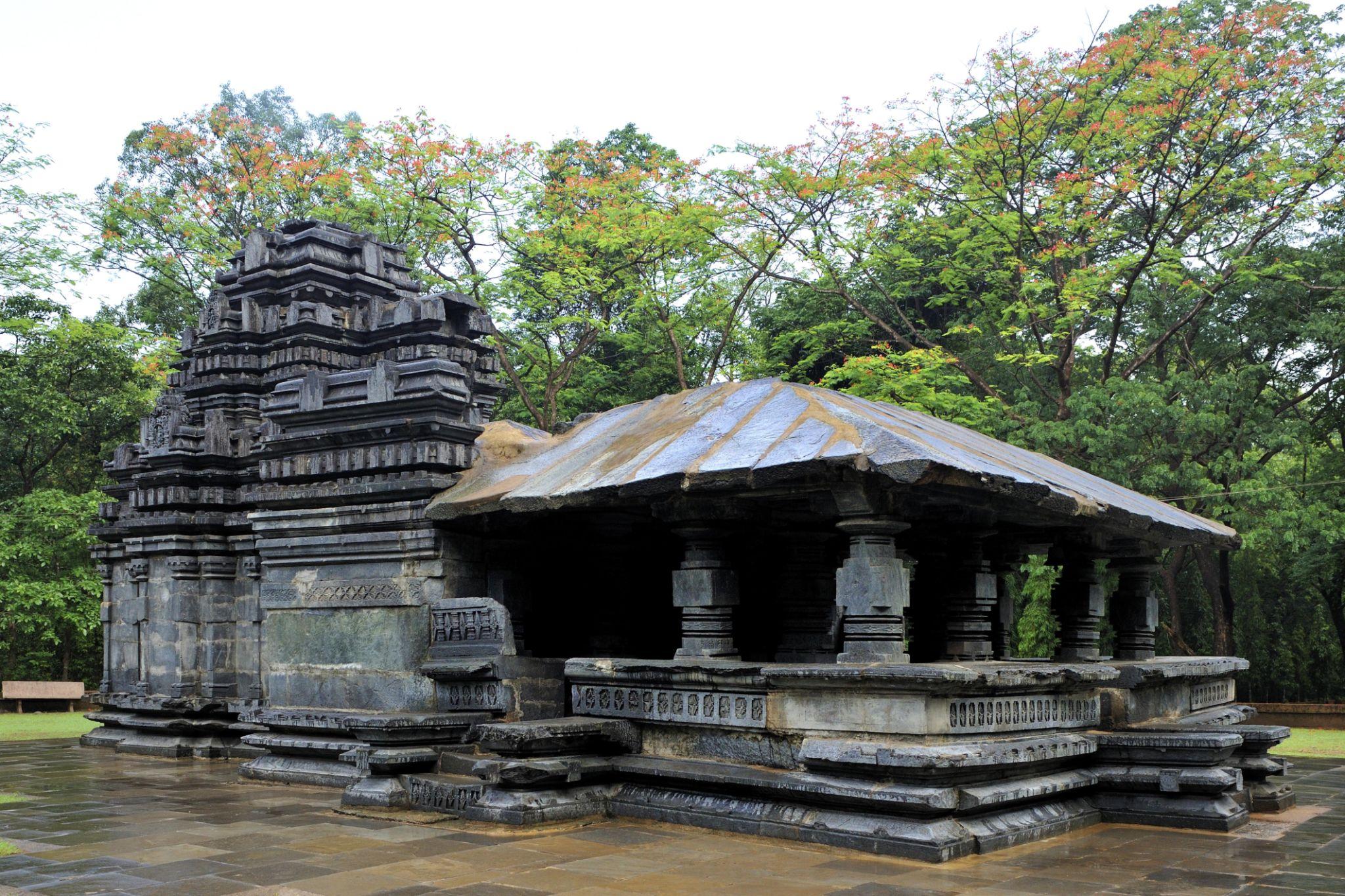
The architecture of the Shree Betal temple is a classic example of the Goan Temple Style, which is a unique synthesis of indigenous, Islamic, and even subtle European influences. The most striking feature of the temple complex is the Deepastambha, a multi-storied octagonal tower used for lighting oil lamps during festivals. This tower is beautifully white-washed and features intricate niches for the lamps. When lit, the Deepastambha creates a celestial glow that can be seen from a distance, symbolizing the light of knowledge dispelling the darkness of ignorance.
As you enter the main temple premises, you are greeted by the Sabhamandapa (assembly hall). The hall is characterized by its spaciousness and the use of heavy wooden pillars, often carved from local teak or jackfruit wood. The ceilings are frequently adorned with traditional motifs, and the flooring is made of cool, polished stone that provides relief from the tropical heat. Unlike the dark, cramped interiors of many ancient Indian temples, Goan temples like Shree Betal are designed to be airy and well-lit. The walls are often decorated with murals or paintings depicting scenes from the Puranas and the life of Lord Shiva. The Garbagriha (sanctum sanctorum) is where the magnificent idol of Lord Betal resides. The entrance to the sanctum is usually flanked by ornate carvings and brass-plated doors, signifying the transition from the material world to the divine realm.
Recommended Guide
Top 10 Tips for Renting a Car in Goa (Complete Guide 2026)
Renting a car in Goa sounds like the perfect plan — full freedom, beach hopping, no waiting for taxis, and exploring hidden places at your own pace. But...
Read Guide →
The exterior of the temple features a sloping roof, traditionally made of red Mangalore tiles, which is a practical adaptation to the heavy monsoon rains of the Konkan coast. The Shikhara (dome) over the sanctum is often more modest than those found in South Indian temples but is elegantly proportioned. One of the most fascinating architectural details of the Shree Betal temple is the presence of prakaras (outer courtyards) which allow for the Pradakshina (circumambulation) of the deity. The overall aesthetic is one of harmony and balance, where the white-washed walls contrast beautifully with the surrounding green landscape. The use of local materials and the integration of traditional Goan design elements make the Shree Betal temple a masterpiece of regional architecture, reflecting a sense of place that is uniquely Goan.
Top Goa Experience • Part 2
Highly Recommended Near Shree Betal temple
Explore All
Main Deity / Spiritual Importance
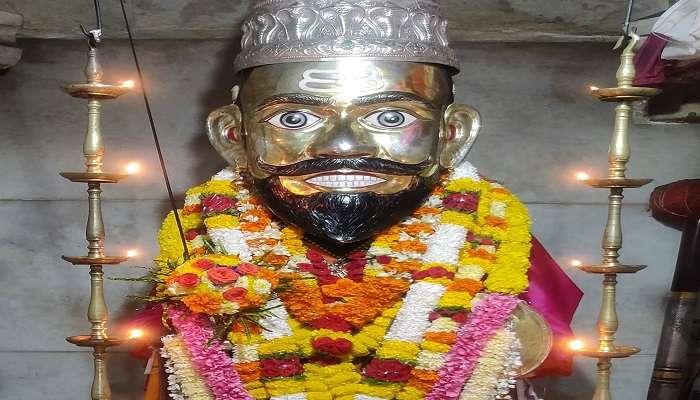
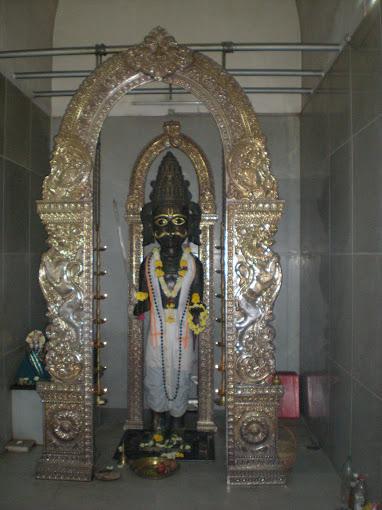
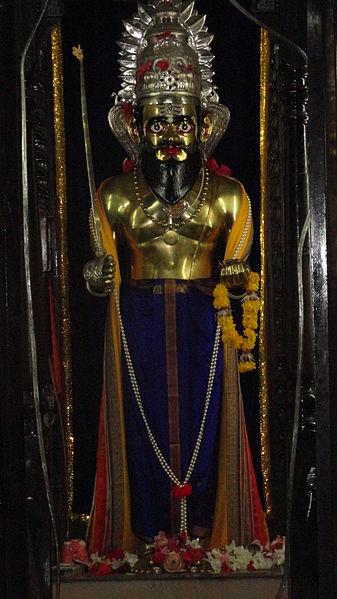
The presiding deity of the temple is Lord Betal, a form of Lord Shiva in his Aghori or fierce manifestation. The idol of Betal in Amona is particularly famous for its imposing and awe-inspiring presence. Unlike many Hindu deities who are depicted in a meditative or benevolent pose, Betal is shown as a naked warrior, standing tall and upright. He is typically depicted with two hands, holding a sword in one and a bowl or a severed head in the other, symbolizing his role as the destroyer of ego and evil. The idol is carved from black basalt stone and is often life-sized, giving the devotee a sense of standing before a powerful, living presence.
Spiritually, Lord Betal represents the raw, primordial energy of the universe. He is the lord of the Panchabhuta (five elements) and the master of all spirits, ghosts, and celestial beings. Devotees believe that worshipping Betal grants them courage, protection from black magic, and the strength to overcome life's obstacles. He is a "Jagrut" deity, meaning he is believed to be "awake" and highly responsive to the prayers of his followers. The spiritual importance of the deity is also linked to the concept of Kula Dharma (family duty). For many Goan families, Betal is the ultimate guardian who oversees the well-being of their lineage. The offerings made to him are often simple yet symbolic, including coconuts, flowers, and oil.
One of the most unique spiritual traditions associated with Lord Betal is the offering of leather sandals (chappals). It is a local belief that the deity wears out his sandals during his nightly patrols around the village. Consequently, devotees offer handcrafted leather footwear to the temple. It is said that if one observes closely, the new sandals offered to the deity eventually show signs of wear and tear, as if they have been used on the rocky paths of Amona. This tradition bridges the gap between the divine and the mundane, making the deity a tangible part of the villagers' daily lives. The spiritual aura of the temple is one of intense devotion, where the boundary between the worshipper and the divine becomes thin, allowing for a direct, heart-to-heart connection with the protector god.
Festivals & Celebrations
The Shree Betal temple is a hub of cultural activity throughout the year, but it truly comes alive during its major festivals. The most significant event is the annual Jatra (temple festival), which usually takes place in the Hindu month of Magha (January or February). During the Jatra, the entire village of Amona is transformed into a vibrant fairground. The deity is taken out in a grand procession on a decorated Palkhi (palanquin), accompanied by the rhythmic beating of traditional drums (Dhol and Tasha) and the blowing of conch shells. Thousands of devotees flock to the temple to catch a glimpse of the Lord and seek his blessings. The atmosphere is electric, filled with religious fervor and communal joy.
Another major celebration is Shigmotsav, the Goan version of Holi. Shigmo in the Betal temple is a sight to behold. It involves traditional folk dances like the Ghode Modni (horse dance) and Romtamel, where groups of men dance to the beat of drums while carrying colorful banners and umbrellas. The festival celebrates the arrival of spring and the harvest season. In the temple courtyard, various cultural programs, including Dashavatar (plays depicting the ten incarnations of Vishnu) and Bhajans, are performed throughout the night. These celebrations are not just religious but are vital for the preservation of Goan folk art and music.
Special rituals are also conducted during Mahashivratri, as Betal is an aspect of Shiva. Devotees observe fasts and stay awake all night, chanting hymns and performing Abhisheka (ritual bathing of the idol). Additionally, the monthly Amavasya (new moon) and Purnima (full moon) days see an increase in the number of visitors who come to perform special pujas. The temple also observes the Kaul Prasad ceremony during auspicious days, where the community gathers to seek the deity's guidance for the upcoming year. These festivals serve as a powerful reminder of the enduring strength of Goan traditions and provide a wonderful opportunity for visitors to experience the local culture in its most authentic form.
Best Time to Visit
The best time to visit the Shree Betal temple is during the winter months, from November to February. During this period, the weather in Goa is exceptionally pleasant, with clear blue skies and a cool breeze that makes exploring the temple complex and the surrounding village of Amona a delight. The humidity is significantly lower than in the summer months, and the temperature ranges from a comfortable 20°C to 30°C. This is also the time when most of the major festivals, including the annual Jatra and Shigmo, take place, allowing visitors to witness the temple in its full glory.
If you prefer a more tranquil and lush experience, the Monsoon season (June to September) is also a beautiful time to visit. The Bicholim region turns into a vibrant shade of emerald green, and the temple, surrounded by rain-washed trees and mist, takes on a mystical appearance. However, be prepared for heavy downpours which might make travel a bit challenging. The Summer months (March to May) can be quite hot and humid, with temperatures often exceeding 35°C. If you visit during the summer, it is best to go early in the morning or late in the evening to avoid the midday heat. Regardless of when you choose to visit, the temple offers a peaceful retreat, but the winter months undoubtedly provide the most comfortable and culturally rich experience for travelers.
Timings, Entry Fee & Dress Code
To ensure a respectful and fulfilling visit to the Shree Betal temple, it is important to be aware of the following logistics:
- Timings: The temple is generally open to devotees from 6:00 AM to 12:30 PM and then from 4:00 PM to 8:30 PM. The morning hours are ideal for witnessing the Nitya Puja (daily rituals) and experiencing the peaceful morning vibrations. The evening Aarti (usually around 7:00 PM) is a spiritually uplifting experience with the lighting of lamps and chanting.
- Entry Fee: There is no entry fee to visit the Shree Betal temple. It is a place of worship open to everyone regardless of their background. However, donations for the upkeep of the temple are always welcome and can be dropped into the Hundi (donation box).
- Dress Code: Like most Hindu temples in Goa, a modest dress code is strictly expected. Visitors should avoid wearing shorts, sleeveless tops, or revealing clothing. Men are encouraged to wear trousers or traditional dhotis/kurta-pyjamas. Women should ideally wear sarees, salwar kameez, or long skirts. It is customary to remove your footwear before entering the temple premises. Carrying a shawl or scarf to cover your shoulders is a good practice if you are wearing western clothing.
How to Reach Shree Betal temple
The Shree Betal temple in Amona is well-connected by road, though it is tucked away from the main tourist hubs of Calangute or Panjim. Here is how you can reach the temple:
- By Air: The nearest airport is the Manohar International Airport (Mopa), which is about 30-35 km away. The Dabolim Airport is approximately 45-50 km away. From either airport, you can hire a pre-paid taxi to take you directly to Amona.
- By Rail: The closest railway station is Thivim, located about 15 km from Amona. Thivim is a major stop for many trains on the Konkan Railway route. From the station, you can take a taxi or a local bus to Bicholim and then a rickshaw to the temple.
- By Road: Amona is well-connected to major Goan towns. If you are staying in Panjim (20 km away), you can drive via the Ribandar-Chorao ferry or through the Banastarim bridge. From Mapusa, it is about an 18 km drive. The roads are generally in good condition and offer scenic views of the Goan countryside. Hiring a self-drive scooter or car is a popular option for tourists.
- Local Bus: Regular bus services operate from Panjim and Mapusa to Bicholim. From the Bicholim bus stand, you can find local buses or auto-rickshaws that go towards Amona.
Things to Do
While the primary purpose of visiting the Shree Betal temple is spiritual, there are several things you can do to enrich your visit:
- Attend the Evening Aarti: The evening ritual is a sensory experience. The sound of the bells, the glow of the oil lamps, and the rhythmic chanting create an atmosphere of deep devotion.
- Observe the Architecture: Spend some time looking at the intricate carvings on the wooden pillars and the design of the Deepastambha. The fusion of styles is a treat for those interested in art and history.
- Walk through Amona Village: After visiting the temple, take a slow walk through the village. You will see traditional Goan houses with their unique porches (balcaos) and friendly locals. It’s a great way to experience the slow-paced "Sussegad" lifestyle.
- Meditation: The temple courtyards are often quiet during the mid-morning hours. It is an excellent place to sit in silence and meditate, soaking in the spiritual energy of the site.
- Interact with the Priest: If the priest is not busy with rituals, you can respectfully ask about the history of the temple and the significance of the deity. They often have fascinating stories to share.
- Photography (Exterior): Capture the beauty of the Deepastambha and the temple’s sloping roofs against the backdrop of the lush Goan landscape.
Nearby Attractions
The Bicholim taluka is home to several other interesting sites that you can combine with your visit to the Shree Betal temple:
- Mayem Lake: Located just a few kilometers away, this is a popular picnic spot. You can enjoy a pedal boat ride on the lake or simply relax in the surrounding park.
- Arvalem Caves (Pandava Caves): These ancient rock-cut caves date back to the 6th century and are believed to have been used by the Pandavas during their exile. They are a significant archaeological site.
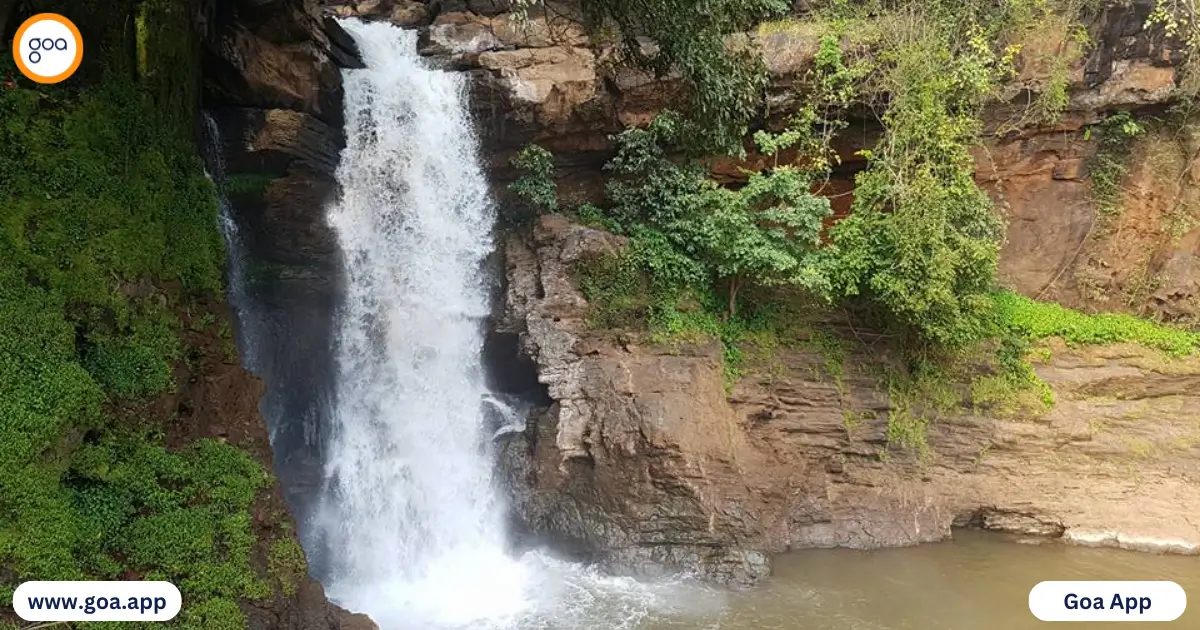
- Arvalem Waterfalls: Situated near the caves, this waterfall is particularly stunning during the monsoon and post-monsoon months. It’s a great spot for nature lovers.
- Saptakoteshwar Temple: Located in Narve, this is one of the most historically significant temples in Goa, rebuilt by Chhatrapati Shivaji Maharaj. It is known for its unique architectural style.
- Bicholim Market: Visit the local market to see a variety of Goan spices, pottery, and fresh produce. It’s a great place to buy authentic local souvenirs.
Photography & Visitor Guidelines
To maintain the sanctity of the Shree Betal temple, visitors are requested to follow these guidelines:
- Photography: Photography is usually permitted in the outer courtyards and of the temple exterior. However, photography and videography inside the Garbagriha (sanctum sanctorum) are strictly prohibited. Always look for signs or ask the temple authorities before taking photos.
- Silence: Maintain silence within the temple premises. Avoid loud conversations or using mobile phones, especially near the prayer areas.
- Respect Rituals: If a ritual or puja is in progress, stand aside and observe quietly. Do not interrupt the priests or the devotees.
- Cleanliness: Do not litter. Use the designated bins for any waste. The temple is a sacred space, and keeping it clean is a sign of respect.
- Offerings: If you wish to make an offering, you can buy flowers or coconuts from shops outside the temple. Ensure that the offerings are handled with clean hands.
- Avoid Touching Idols: Unless specifically permitted, do not touch the main idol or the smaller deities placed around the temple.
Where to Eat Nearby
Amona is a small village, so dining options within the immediate vicinity of the temple are limited to small local tea stalls serving snacks like Samosas, Batata Vadas, and Mirchi Bhajis. For a full meal, you should head to the nearby town of Bicholim or Sanquelim:
- Local Goan Eateries: You will find several small restaurants in Bicholim serving traditional Goan fish thali, which includes rice, fish curry, fried fish, and various vegetable preparations.
- Vegetarian Options: There are dedicated vegetarian restaurants in Bicholim that serve South Indian breakfast items and North Indian meals.
- Street Food: In the evenings, the Bicholim market area comes alive with stalls selling Goan snacks and sweets like Bebinca and Dodol.
- Recommendation: Try the local Ross Omelette (omelette served with a spicy gravy) at a nearby "Gadda" (street-side stall) for an authentic Goan experience.
Accommodation Nearby
Since Amona is relatively close to major towns, most visitors choose to stay in Panjim, Mapusa, or the beach belts of North Goa and visit the temple as a day trip. However, if you wish to stay closer to the spiritual heart of Bicholim, consider these options:
- Heritage Stays: There are a few heritage homes and boutique guesthouses in the Bicholim and Aldona areas that offer a quiet, rustic experience.
- Budget Hotels: Bicholim town has a few basic hotels and lodges that cater to business travelers and pilgrims.
- GTDC Residencies: The Goa Tourism Development Corporation (GTDC) has a residency near Mayem Lake, which is a comfortable and affordable option for families.
- Eco-Resorts: There are a few eco-friendly resorts located in the nearby foothills of the Western Ghats for those who want to be close to nature.
Travel Tips
To make your trip to the Shree Betal temple smooth and enjoyable, keep these tips in mind:
- Carry Water: The Goan sun can be intense. Always carry a bottle of water to stay hydrated.
- Footwear: Wear easy-to-remove footwear like sandals or flip-flops, as you will need to take them off frequently.
- Navigation: While Google Maps is generally reliable, don't hesitate to ask locals for directions. The people in Amona are very helpful.
- Cash: Carry enough cash, as small shops and rickshaw drivers in the village may not accept digital payments or cards.
- Language: While most people understand English and Hindi, knowing a few words of Konkani (like "Dev Borem Karum" for Thank You) will be greatly appreciated by the locals.
- Respect Local Customs: Remember that this is a living place of worship. Be mindful of local sensibilities and traditions.
Conclusion
The Shree Betal temple in Amona is much more than just a religious site; it is a profound cultural experience that offers a glimpse into the resilient spirit and ancient traditions of Goa. Away from the crowded beaches and commercialized tourist spots, this temple provides a sanctuary of peace, history, and divine energy. The imposing figure of Lord Betal, the unique architectural beauty of the Deepastambha, and the vibrant local festivals all come together to create a narrative that is deeply rooted in the soil of the Konkan. Whether you come to seek blessings, admire the craftsmanship, or simply find a moment of quiet reflection, the temple leaves an indelible mark on your soul. It reminds us that Goa’s true beauty lies in its diversity—a place where the fierce and the serene, the ancient and the modern, coexist in perfect harmony. A visit to the Shree Betal temple is an invitation to explore the hidden depths of Goan spirituality and to witness the enduring power of faith that has stood the test of time.