Overview of Khadee Gululem Waterfall
When one thinks of Goa, the mind immediately drifts to the sun-kissed shores of Calangute, the neon lights of Baga, or the colonial charm of Old Goa. However, for those who seek the soul of the sunshine state, the true magic lies hidden within the emerald embrace of the Western Ghats. Specifically, in the Sattari Taluka of North Goa, lies a pristine natural wonder that remains largely untouched by the commercial thrum of coastal tourism: the Khadee Gululem Waterfall. This cascading marvel is part of the Mhadei Wildlife Sanctuary, a region recognized globally for its high biodiversity and ecological significance.
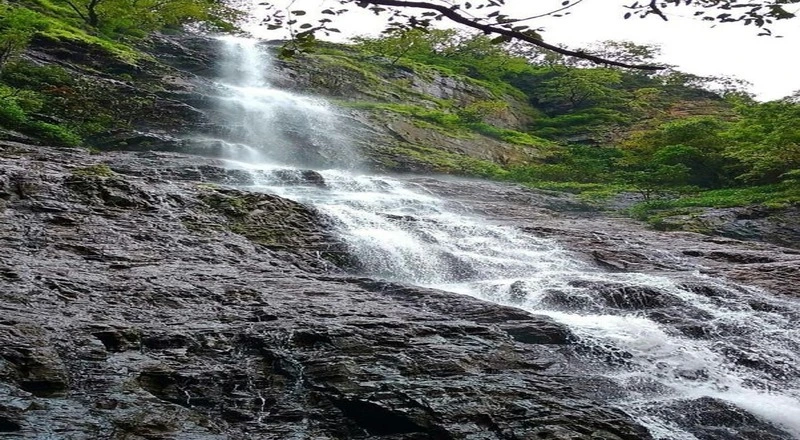
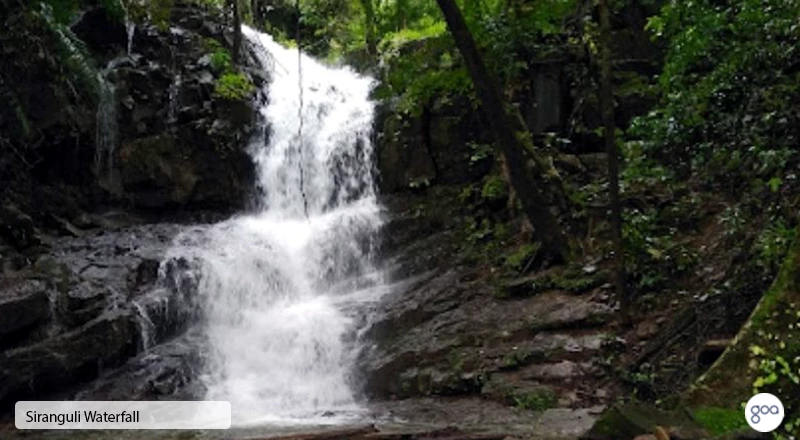
Khadee Gululem is not just a waterfall; it is a sensory experience. Located near the quaint village of Gululem, the falls are a testament to the raw, rugged beauty of the Goan hinterlands. Unlike the famous Dudhsagar Falls, which attracts thousands of tourists daily, Khadee Gululem offers a sense of solitude and intimacy with nature. The waterfall features a series of drops, with the main cascade plunging into a crystal-clear pool surrounded by ancient trees and moss-covered boulders. The name "Khadee" often refers to the deep rocky pools or ravines found in the local dialect, perfectly describing the geological formation of this hidden gem.
Top Goa Experience • Part 1
Highly Recommended Near Khadee Gululem Waterfall
Explore All
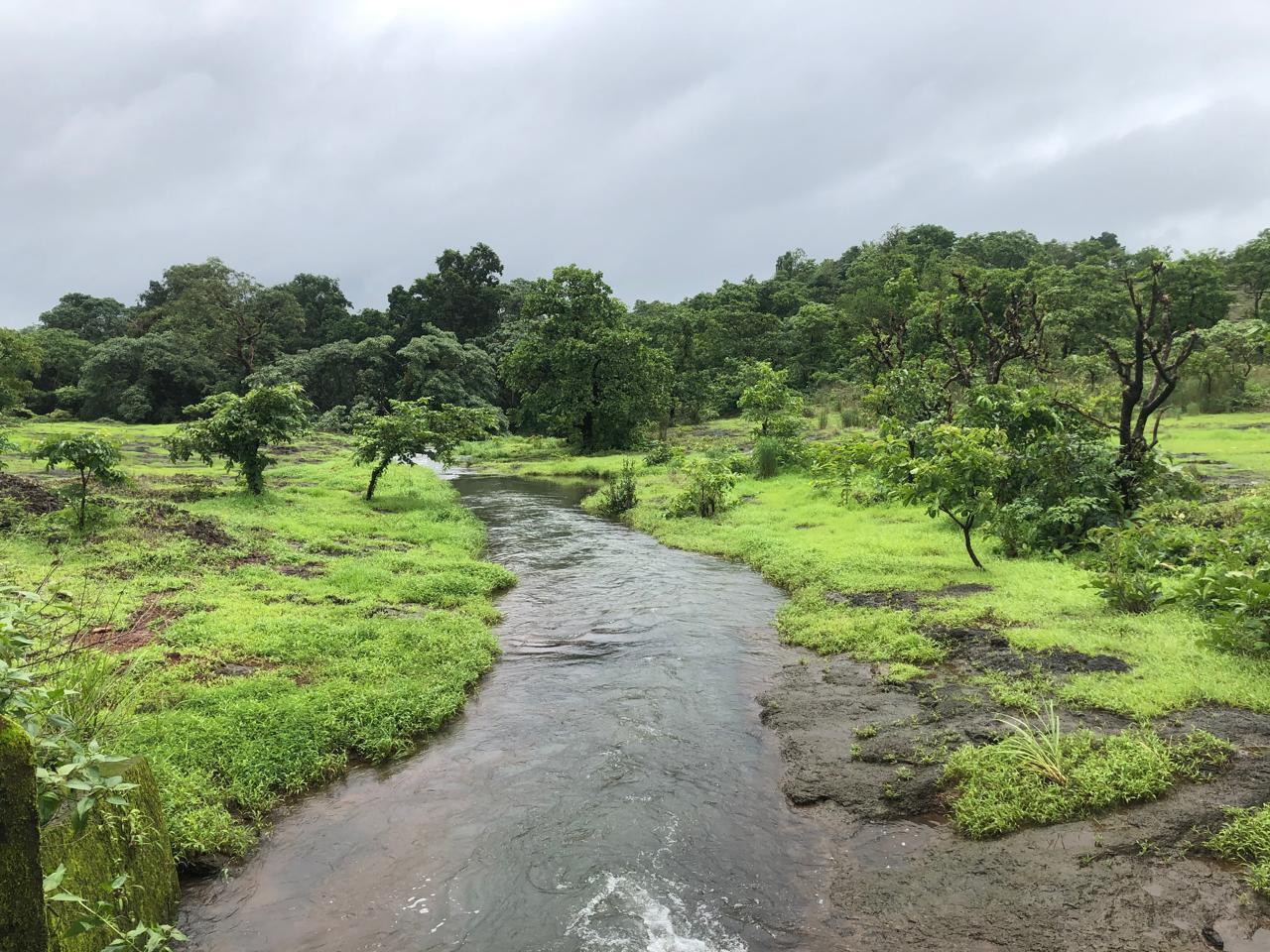
The surrounding landscape is a lush tapestry of semi-evergreen and moist deciduous forests. Here, the air is thick with the scent of wild orchids and damp earth, and the silence is only broken by the rhythmic call of the Malabar Whistling Thrush or the rustle of a Giant Squirrel in the canopy. For the eco-conscious traveler and the avid trekker, Khadee Gululem represents the "Other Goa"—a place where the rhythms of nature dictate the pace of life. As a professional travel writer who has traversed the length and breadth of this state, I can confidently say that the journey to Gululem is as rewarding as the destination itself, offering a glimpse into the traditional agrarian life of the Goan interior.
How to Reach Khadee Gululem Waterfall
Reaching Khadee Gululem Waterfall requires a bit of planning, as it is located far from the primary tourist hubs. The waterfall is situated approximately 55 to 60 kilometers from the state capital, Panjim, and about 50 kilometers from Mapusa. The nearest major town is Valpoi, which serves as the gateway to the Sattari wilderness. To reach this destination, travelers have several options, though private transport is highly recommended.
Recommended Guide
15 Best Hill Stations Near Goa distance & Travel Tips
Discover the 15 best hill stations near Goa to visit in 2026. Our guide covers distances, trekking trails, and local highlights.
Read Guide →
- By Air: The nearest airports are Manohar International Airport (MOPA) in North Goa and Dabolim Airport in South Goa. From MOPA, the drive to Gululem is roughly 1.5 to 2 hours. You can hire a pre-paid taxi or rent a self-drive car from the airport. The route via Bicholim and Sanquelim is particularly scenic.
- By Rail: The closest railway stations are Thivim and Karmali. From Thivim, you can take a taxi towards Valpoi. If you are coming from the Karnataka side, the Londa Junction is another option, though it involves a longer drive through the ghats.
- By Road: This is the most popular way to reach the falls. If you are driving from Panjim, follow the route towards Ponda, then head to Sanquelim, and finally reach Valpoi. From Valpoi, you must navigate towards the village of Gululem. The roads are generally well-paved but become narrow and winding as you approach the village. Keep an eye out for local landmarks like the Valpoi Forest Office or the Honda Junction.
- Local Transport: While there are state-run Kadamba buses that ply between Panjim/Mapusa and Valpoi, the frequency of buses from Valpoi to Gululem village is quite low. If you choose public transport, you may need to hire a local "pilot" (motorcycle taxi) from Valpoi to take you the final few kilometers to the village.
It is important to note that mobile connectivity can be spotty in the Sattari region. It is highly advisable to download offline maps or carry a physical map of the Sattari Taluka. Once you reach Gululem village, the locals are incredibly friendly and will point you toward the starting point of the trek, which is usually near the village temple or the local government school.
Best Time to Visit
The timing of your visit to Khadee Gululem Waterfall will drastically change your experience. Because it is a seasonal waterfall fed by the monsoon rains, the Monsoon Season (June to September) is undoubtedly the best time to see the falls in their full, roaring glory. During these months, the entire Sattari region transforms into a vibrant shade of emerald, and the waterfall becomes a powerful force of nature. However, the trek can be challenging during peak rains due to slippery paths and leeches.
Recommended Guide
Why Foreigners Love Arambol, Morjim, and Agonda
Goa has long been one of India’s most famous beach destinations, attracting millions of travelers from around the world every year. While bustling beache...
Read Guide →
The Post-Monsoon Period (October to November) is perhaps the most ideal time for trekkers. The water volume is still significant, providing a beautiful visual spectacle, but the rains have subsided, making the trail safer and more manageable. The weather during this time is pleasant, with clear blue skies providing a stunning contrast to the green forest. This is also the best time for photography, as the lighting is more consistent.
During the Winter Months (December to February), the waterfall thins out into a gentle stream. While it may not be as dramatic, the trek remains enjoyable, and the cool weather is perfect for long hikes. The natural pools at the base of the falls are calm and safe for a refreshing dip. By Summer (March to May), the waterfall often dries up completely or reduces to a mere trickle. Visiting during the peak of summer is generally not recommended if your primary goal is to see the waterfall, though the forest itself remains a peaceful retreat from the coastal heat.
Recommended Guide
Water Sports in Candolim Goa | Best Prices, Packages & Booking Guide
Candolim Beach, located in North Goa, is one of the most popular destinations for water sports in Goa. Known for its clean shoreline, less crowded environm...
Read Guide →
Trek Details for Khadee Gululem Waterfall
The trek to Khadee Gululem Waterfall is classified as moderate. It is not an arduous climb, but it requires a basic level of fitness and a sense of adventure. The trail begins from the outskirts of Gululem Village. As you leave the village behind, you immediately enter the dense foliage of the Mhadei Wildlife Sanctuary. The trek is approximately 3 to 4 kilometers long (one way) and takes about 1 to 1.5 hours depending on your pace and how often you stop to admire the scenery.
Top Goa Experience • Part 2
Highly Recommended Near Khadee Gululem Waterfall
Explore All
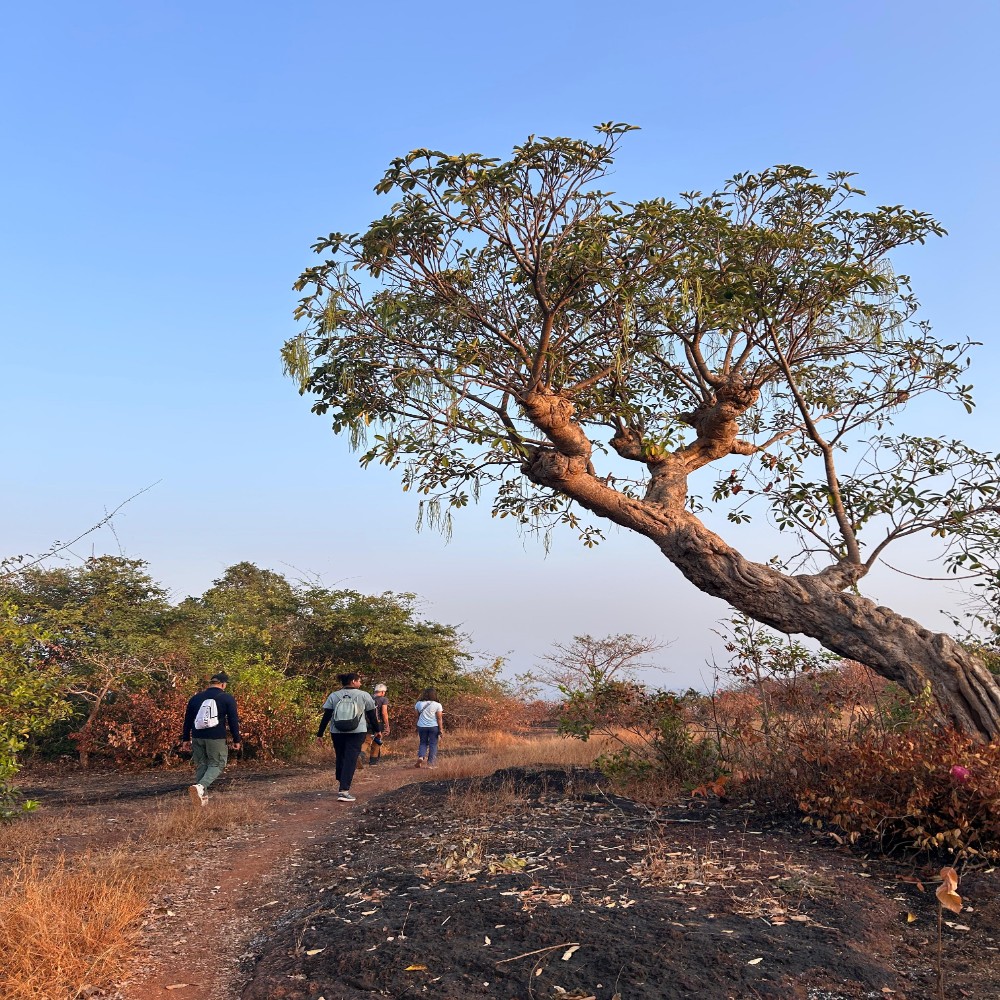
The first leg of the trek involves walking through relatively flat terrain, passing through local cashew plantations and Devrais (sacred groves). These groves are protected by the local community and are home to ancient trees that have stood for centuries. As you move deeper, the canopy thickens, and the sunlight filters through the leaves in golden shafts. You will likely encounter several small streams that need to be crossed. During the monsoon, these streams can be knee-deep, so wearing sturdy, waterproof trekking shoes with a good grip is non-negotiable.
The path is not always clearly marked, as it is a natural forest trail. Look for trail markers like stacked stones or ribbons tied to trees, which are often placed by local guides or previous trekkers. The final stretch of the trek involves a slight incline and navigating over large, mossy boulders. The sound of crashing water grows louder with every step, building anticipation. Suddenly, the forest opens up to reveal the Khadee Gululem Waterfall. The sight of the water plunging down the black basalt rocks into the pool below is a moment of pure euphoria. The terrain around the waterfall can be very slippery, so exercise extreme caution when moving around the base of the falls.
Things to Do
Khadee Gululem offers a variety of activities for nature lovers and adventure seekers alike. While the waterfall is the main attraction, the surrounding ecosystem provides plenty of opportunities for engagement.
- Swimming in the Natural Pool: The pool at the base of the waterfall is perfect for a refreshing swim. The water is cool, clear, and free from the salt of the ocean. It is an incredibly rejuvenating experience after the trek. Always check the depth before jumping in, as the underwater terrain can be uneven.
- Bird Watching: The Sattari region is a paradise for birders. Keep your binoculars ready for sightings of the Malabar Grey Hornbill, the Ruby-throated Yellow Bulbul (Goa's state bird), and various species of kingfishers and eagles. The early morning hours are the best for birding.
- Forest Bathing (Shinrin-yoku): Take a moment to sit quietly and absorb the sounds and smells of the forest. The therapeutic benefits of being in such a pristine environment are immense. It is a great place for meditation or simply disconnecting from the digital world.
- Macro Photography: Apart from the grand landscape shots, the trail is filled with tiny wonders. From colorful fungi and intricate spider webs to vibrant butterflies and rare forest orchids, there is plenty for a macro photographer to capture.
- Picnicking: Many visitors carry a light lunch or snacks to enjoy by the waterfall. However, it is vital to follow Leave No Trace principles. Ensure that every piece of plastic or waste is carried back with you to the village.
Safety Tips
Safety should be your top priority when exploring the Goan wilderness. The Khadee Gululem trek, while beautiful, presents certain risks that need to be managed carefully.
- Beware of Leeches: During the monsoon and post-monsoon months, the forest floor is teeming with leeches. While they are harmless, their bites can be annoying. Wear long socks, tuck your trousers into your socks, and apply tobacco water or Odomos to your legs to deter them. Carrying a small pouch of salt can also help remove them if they latch on.
- Slippery Surfaces: The rocks near the waterfall are covered in algae and moss, making them incredibly slick. Avoid jumping from rock to rock. Use a trekking pole for extra stability if needed.
- Weather Awareness: In the monsoon, flash floods can occur in the streams. If it starts raining heavily while you are at the falls, it is wise to start heading back immediately. Never attempt to cross a fast-flowing stream that is above knee height.
- Hire a Local Guide: If it is your first time, hiring a local guide from Gululem village is highly recommended. Not only does this support the local economy, but it also ensures you don't get lost in the dense forest. They are also knowledgeable about the local flora and fauna.
- Hydration and Nutrition: Carry at least 2 liters of water per person. The humidity in the Goan forest can lead to quick dehydration. Energy bars, nuts, and fruits are good snacks to keep your energy levels up.
- Wildlife Encounters: While rare, the Mhadei region is home to leopards and sloth bears. Stay on the designated path and avoid trekking after dark. If you encounter wildlife, maintain a safe distance and do not provoke the animals.
Nearby Attractions
If you are making the trip to Sattari, it is worth exploring other nearby attractions to make the most of your journey. The region is rich in both natural and historical sites.
- Hivre Waterfalls: Located not too far from Gululem, Hivre is another spectacular waterfall that requires a trek through dense forest. It is often combined with a visit to Gululem for a full day of trekking.
- Tambdi Surla Temple: About an hour's drive away is the 12th-century Mahadev Temple at Tambdi Surla. It is the oldest temple in Goa, built in the Kadamba style using weather-resistant basalt rock. The intricate carvings are a sight to behold.
- Nanuz Fort: Built by Shivaji Maharaj and later occupied by the Portuguese, this small fort in Valpoi has a rich history related to the Rane revolts. It offers a glimpse into Goa's turbulent past.
- Chorla Ghat: If you continue driving uphill from Valpoi, you will reach the Chorla Ghat, which sits at the intersection of Goa, Karnataka, and Maharashtra. The views from the top are breathtaking, and the area is known for its high-end eco-resorts.
- Mhadei River Rafting: During the monsoon months, the Mhadei River offers exciting white-water rafting opportunities. The starting point is usually near Valpoi.
Entry Fees & Timings
As of my last visit, there is no formal entry fee specifically for the Khadee Gululem Waterfall. However, since it falls within the Mhadei Wildlife Sanctuary jurisdiction, you may occasionally encounter forest department checkpoints where you might be asked to register your details. If you are part of an organized trekking group, they usually handle any necessary permits.
The recommended timings for the visit are from 8:00 AM to 4:00 PM. It is essential to start your trek early in the morning so that you can return to the village before sunset. The forest becomes very dark very quickly once the sun goes down, and navigating the trail in the dark is dangerous. Most local guides will refuse to take visitors to the falls after 2:00 PM to ensure a safe return.
Where to Eat Nearby
Gululem is a remote village, so do not expect any cafes or restaurants near the waterfall. Your best bet for a meal is in the town of Valpoi. Here are some suggestions:
- Local Goan Thalis: Several small eateries in Valpoi serve authentic Goan fish thalis. Look for places where the locals eat. You will get a plate of rice, fish curry, fried fish, and local vegetable preparations like Khatkhate or Tambdi Bhaji.
- Tea and Snacks: In Gululem village, you might find a small "Gado" (kiosk) selling tea, biscuits, and perhaps some Mirchi Bhajis or Samosas. It is a great place to interact with the villagers after your trek.
- Pack Your Own: Most trekkers prefer to carry their own food. Stop at a bakery in Sanquelim or Valpoi to pick up some fresh Goan Pao (bread) and some fruit. Remember to pack everything in reusable containers to avoid littering.
Accommodation Nearby
While most people visit Khadee Gululem as a day trip from the coast, staying overnight in the Sattari region is a wonderful way to experience the tranquility of the forest.
- Eco-Resorts: For a luxury experience, consider staying at Wildernest Nature Resort or Swapnagandha Resort in Chorla Ghat. These resorts offer stunning views of the Vazira Falls and provide guided nature walks.
- Homestays: There are emerging homestay options in and around Valpoi and Keri. Staying with a local family allows you to taste home-cooked Goan food and learn about the local culture.
- Forest Guest Houses: The Goa Forest Department has guest houses in some areas, though booking them usually requires a visit to the forest office in Panjim or Valpoi. These are basic but offer an immersive forest experience.
- Budget Stays: For budget travelers, the towns of Sanquelim and Bicholim have several modest hotels and lodges that provide a comfortable base for exploring North Goa's interior.
Photography Spots
Khadee Gululem is a dream for photographers. To get the best shots, keep these spots in mind:
- The Main Drop: Capture the full height of the waterfall by standing on the large rocks directly across from the pool. Use a tripod and a Neutral Density (ND) filter to get that silky, long-exposure effect on the water.
- The Stream Crossings: The small streams you cross during the trek provide excellent opportunities for "leading line" compositions, with the lush green forest framing the water.
- Macro Details: Don't forget to look down. The moss-covered stones, wild mushrooms, and the intricate patterns on tree barks make for excellent macro subjects.
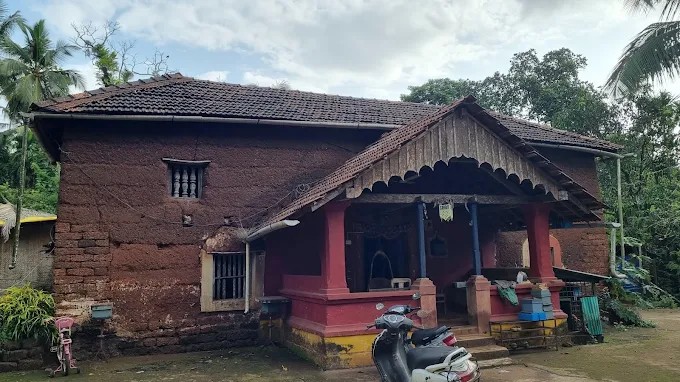
- Village Life: On your way back, the village of Gululem offers beautiful frames of traditional Goan houses, local farmers at work, and children playing, capturing the essence of rural Goa.
Hidden Gem Score & Crowd Level
Hidden Gem Score: 9.5/10
Khadee Gululem is one of the best-kept secrets in Goa. It scores high because it offers an authentic wilderness experience without the crowds found at more popular spots. It is a place for those who value nature over convenience.
Crowd Level: Very Low
Even during weekends in the monsoon, you are unlikely to find more than a handful of people here. On weekdays, you might have the entire waterfall to yourself. This lack of crowds is what makes the location so special, allowing for a deep connection with the environment that is hard to find elsewhere in Goa.
Conclusion
The Khadee Gululem Waterfall is a reminder that Goa is much more than its coastline. It is a land of deep forests, ancient traditions, and breathtaking natural beauty. Visiting this waterfall is not just about the destination; it is about the journey through the heart of the Sattari Taluka, the thrill of the trek, and the peace that comes from being surrounded by the Western Ghats.
As travelers, we have a responsibility to protect these fragile ecosystems. When you visit Khadee Gululem, do so with respect. Respect the silence of the forest, the privacy of the villagers, and the purity of the water. Avoid using loud music, do not consume alcohol at the site, and most importantly, carry your trash back. By practicing responsible tourism, we can ensure that this hidden gem remains pristine for generations of explorers to come. Whether you are a solo traveler seeking solace, a photographer chasing the perfect light, or a group of friends looking for an adventure, Khadee Gululem Waterfall promises an experience that will linger in your heart long after the Goan monsoon has faded.