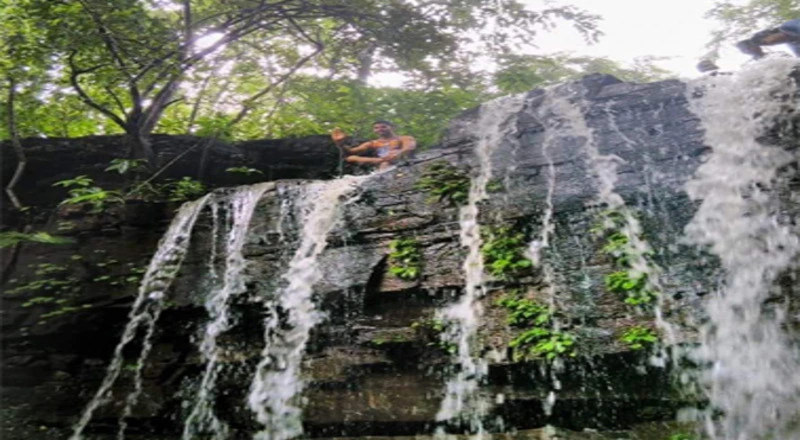
Overview of Shree Rudreshwar Temple
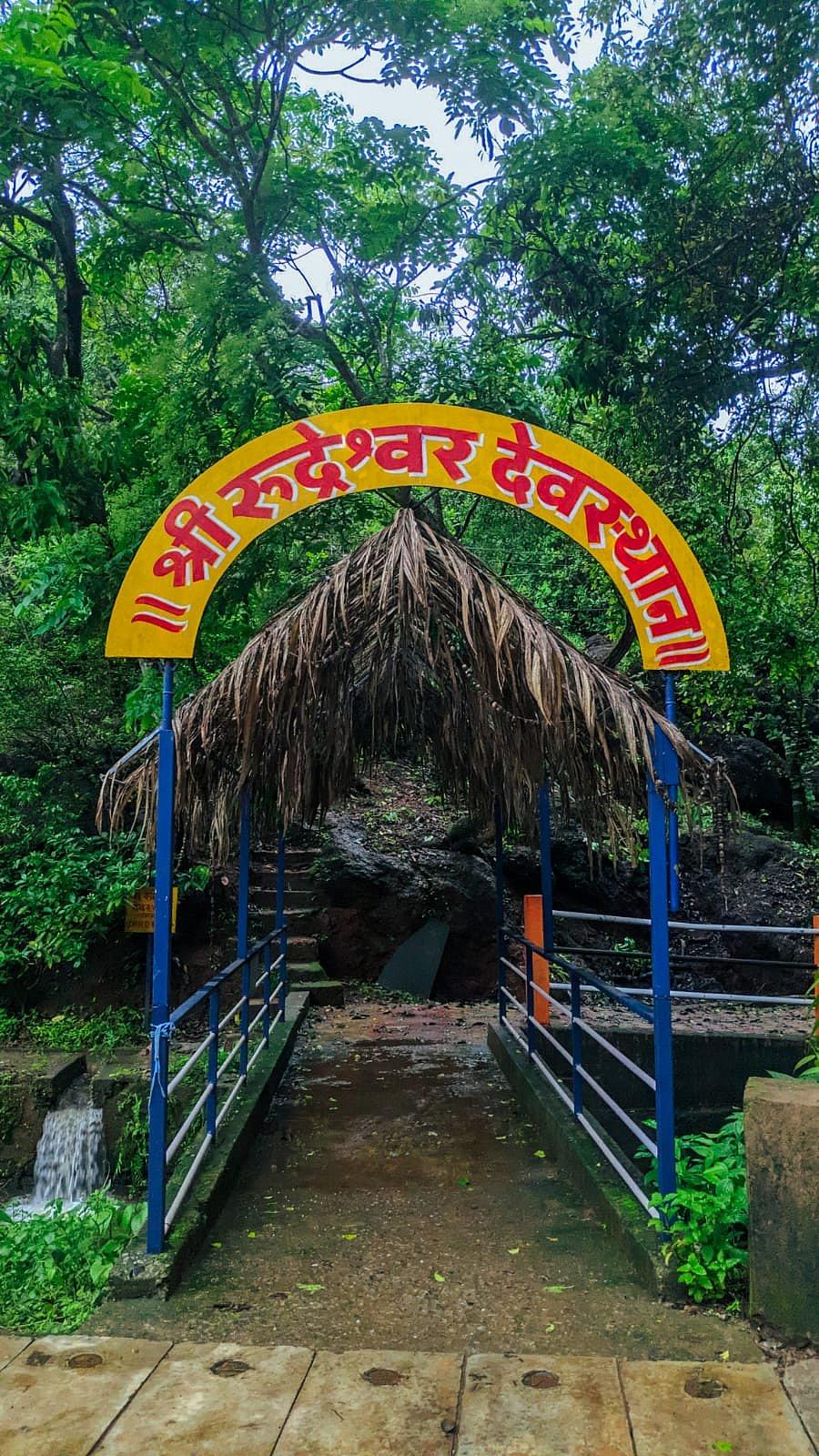
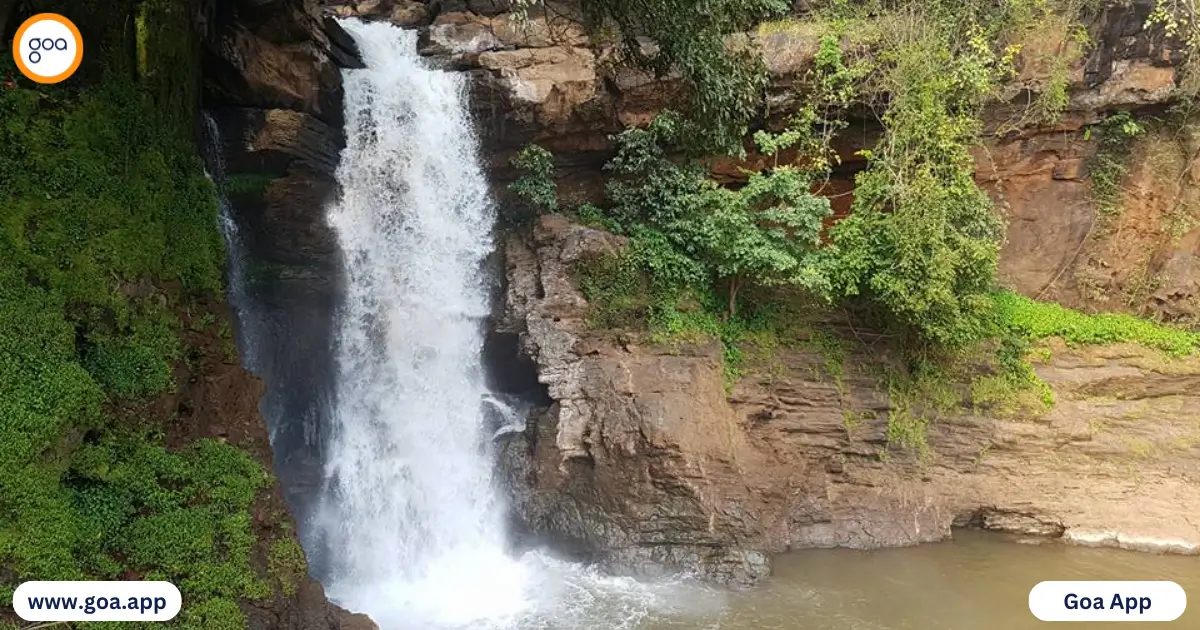
Nestled in the lush, emerald hinterlands of North Goa, specifically in the Bicholim taluka, Shree Rudreshwar Temple stands as a beacon of ancient spirituality and natural beauty. Unlike the sun-drenched beaches that define the coastal tourist circuit, this temple offers a profound glimpse into the "Real Goa"—a land of deep-rooted traditions, mystical landscapes, and architectural marvels. Located in the village of Sanquelim (also known as Sankhali), the temple is situated at the foot of the majestic Harvalem Waterfalls (also known as Arvalem Waterfalls). The name "Rudreshwar" is derived from 'Rudra', one of the most powerful and fierce forms of Lord Shiva, reflecting the raw energy of the cascading waters nearby.
The temple is not just a place of worship but a sanctuary where the elements of nature—earth, water, and spirit—converge. As you approach the site, the rhythmic roar of the waterfall provides a natural background score to the chanting of Vedic hymns. This site is particularly significant for its serene atmosphere, which contrasts sharply with the bustling party vibes of North Goa’s shoreline. For the local Goan Hindu community, Shree Rudreshwar is a site of immense reverence, often associated with the final rites of the deceased, believed to grant the soul liberation or Moksha. The temple complex is surrounded by dense groves of areca nut trees and tropical foliage, creating a microclimate that remains cool and refreshing even during the peak of the Goan summer.
Visitors to Shree Rudreshwar Temple often find themselves transported back in time. The site serves as a gateway to exploring the Arvalem Caves, which are located just a stone's throw away. This geographical proximity makes the temple a central hub for history buffs, spiritual seekers, and nature lovers alike. Whether you are coming to witness the breathtaking sight of the Harvalem Falls during the monsoon or to seek the blessings of Lord Shiva, the temple promises a transformative experience that touches the soul. It represents the "Sattvic" side of Goa, where the pace of life slows down, and the focus shifts inward toward the divine.
History & Religious Significance
The history of Shree Rudreshwar Temple is deeply intertwined with the ancient lore of the Konkan region and the broader tapestry of Hindu mythology. While the current structure reflects modern renovations, the site itself has been a center of pilgrimage for centuries. Local legends link the area to the Pandavas from the Indian epic, the Mahabharata. It is widely believed that the Pandavas took refuge in the nearby Arvalem Caves during their twelve-year exile. During their stay, they are said to have worshipped Lord Shiva at this very location, cementing the site's status as a "Siddha Peetha" (a place of spiritual power).
Historically, the Bicholim region was a stronghold of the Kadamba Dynasty, who were great patrons of Shaivism. The temple’s roots can be traced back to this era when the worship of Rudra was prevalent among the warrior classes and the local peasantry. Unlike many other Goan temples that faced destruction during the Portuguese Inquisition, Shree Rudreshwar remained relatively protected due to its inland location and the rugged terrain of the Western Ghats. Over the centuries, the temple has undergone several phases of reconstruction, with the most significant modern renovation taking place in the late 20th century to accommodate the growing number of devotees.
The religious significance of Shree Rudreshwar Temple is multifaceted. Most notably, it is considered one of the holiest places in Goa for performing Antyesti (funeral rites) and Asthi Visarjan (immersion of ashes). It is believed that a dip in the holy waters of the Kushavati River, which feeds the Harvalem Falls, followed by a prayer to Lord Rudreshwar, cleanses the soul of worldly sins. This makes it the "Kashi of the South" for many Goans. The temple is also a site for "Shraddha" ceremonies, where descendants offer prayers to their ancestors. This connection between the fierce form of Shiva (Rudra) and the transition of life makes the temple a profound site for contemplating the cycle of birth and death.
Architecture of Shree Rudreshwar Temple
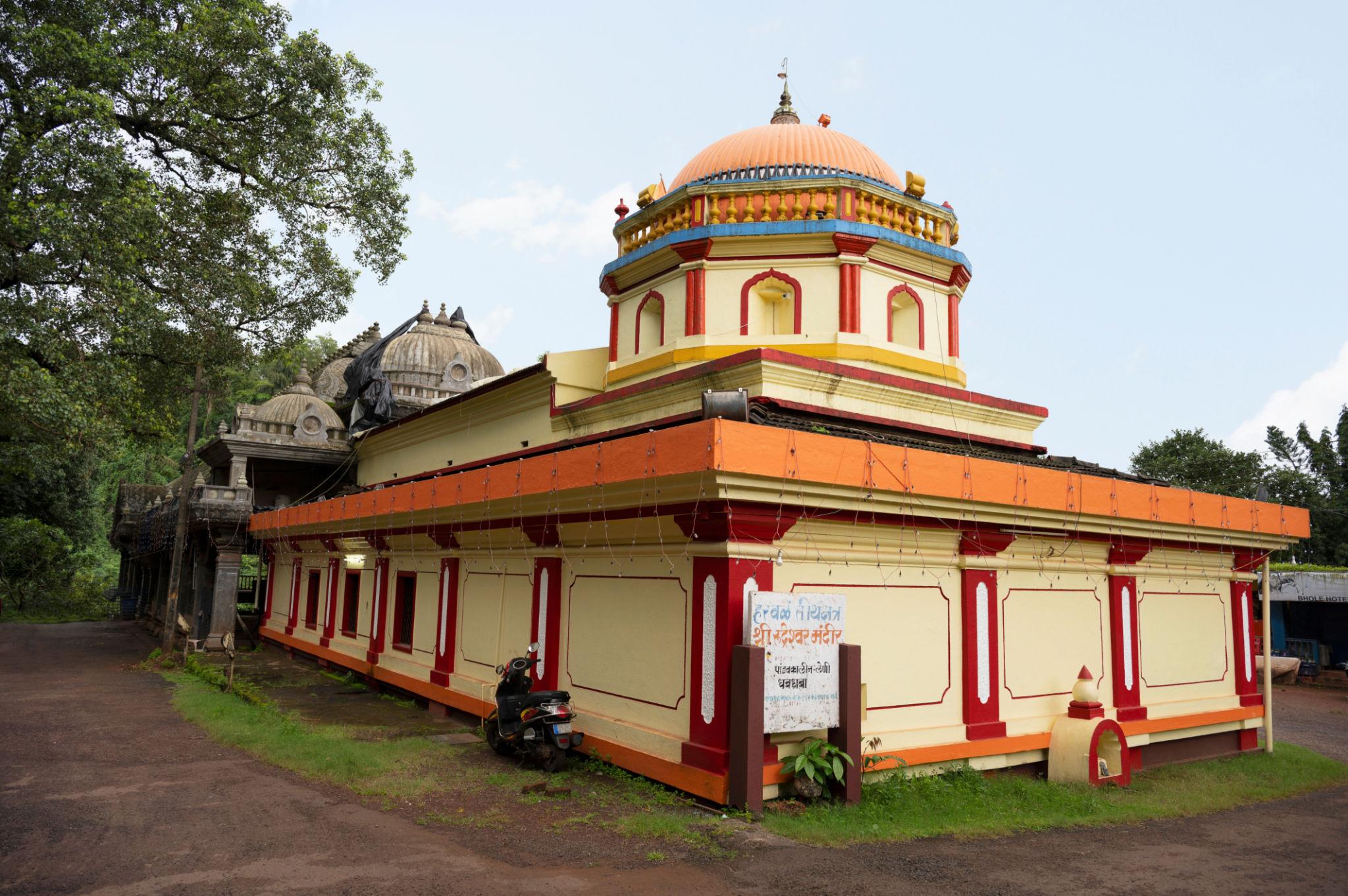
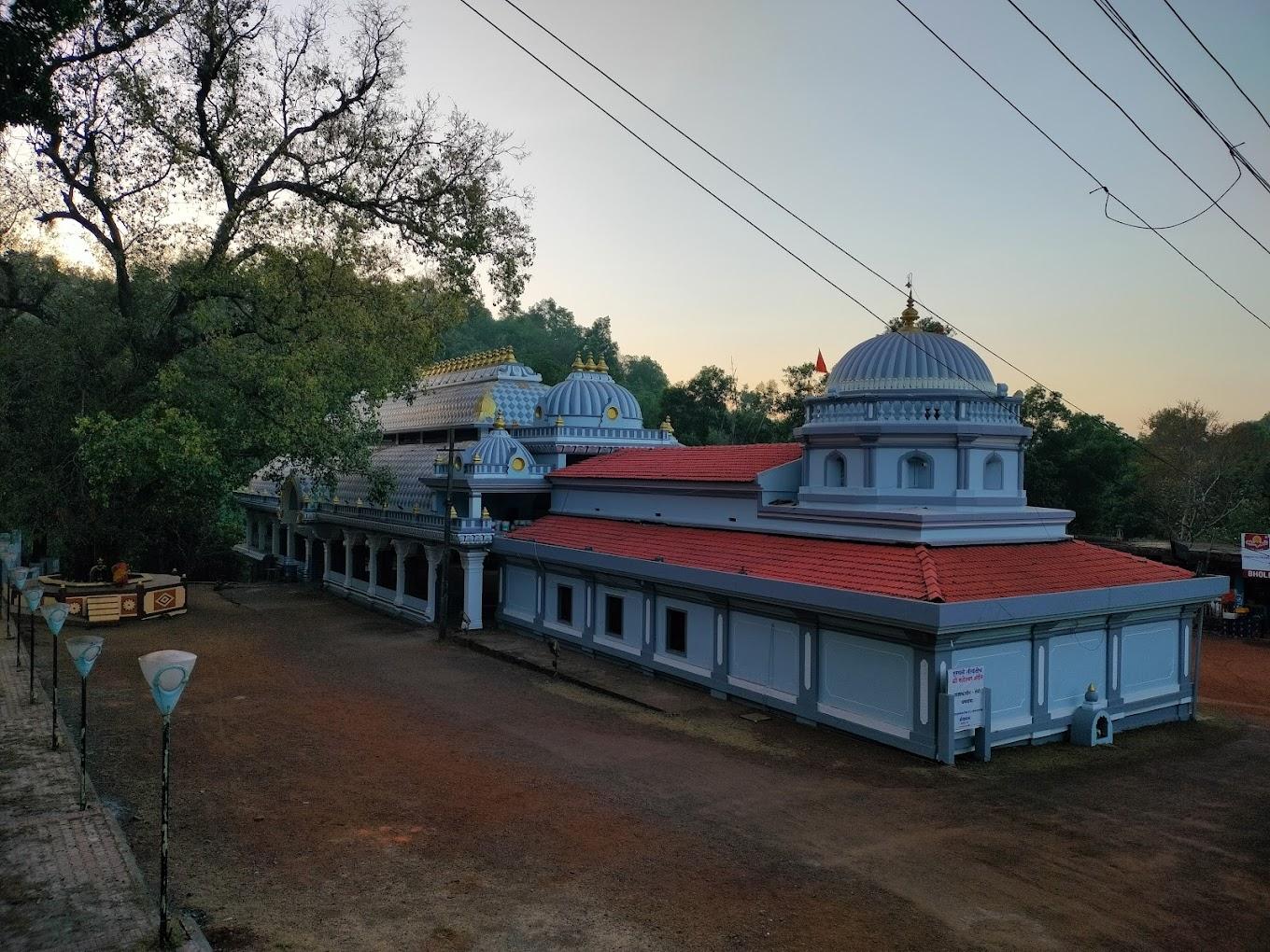
The architecture of Shree Rudreshwar Temple is a beautiful blend of traditional Goan Hindu styles and modern structural elements. While it lacks the intricate basalt carvings of the Tambdi Surla temple, it possesses a clean, white-washed elegance that is characteristic of Goan temples built or renovated in the post-Portuguese era. The most striking feature of the temple is its orientation; it faces the Harvalem Waterfall, allowing the deity to symbolically "watch" over the cascading waters. This alignment is intentional, emphasizing the connection between the deity and the life-giving force of water.
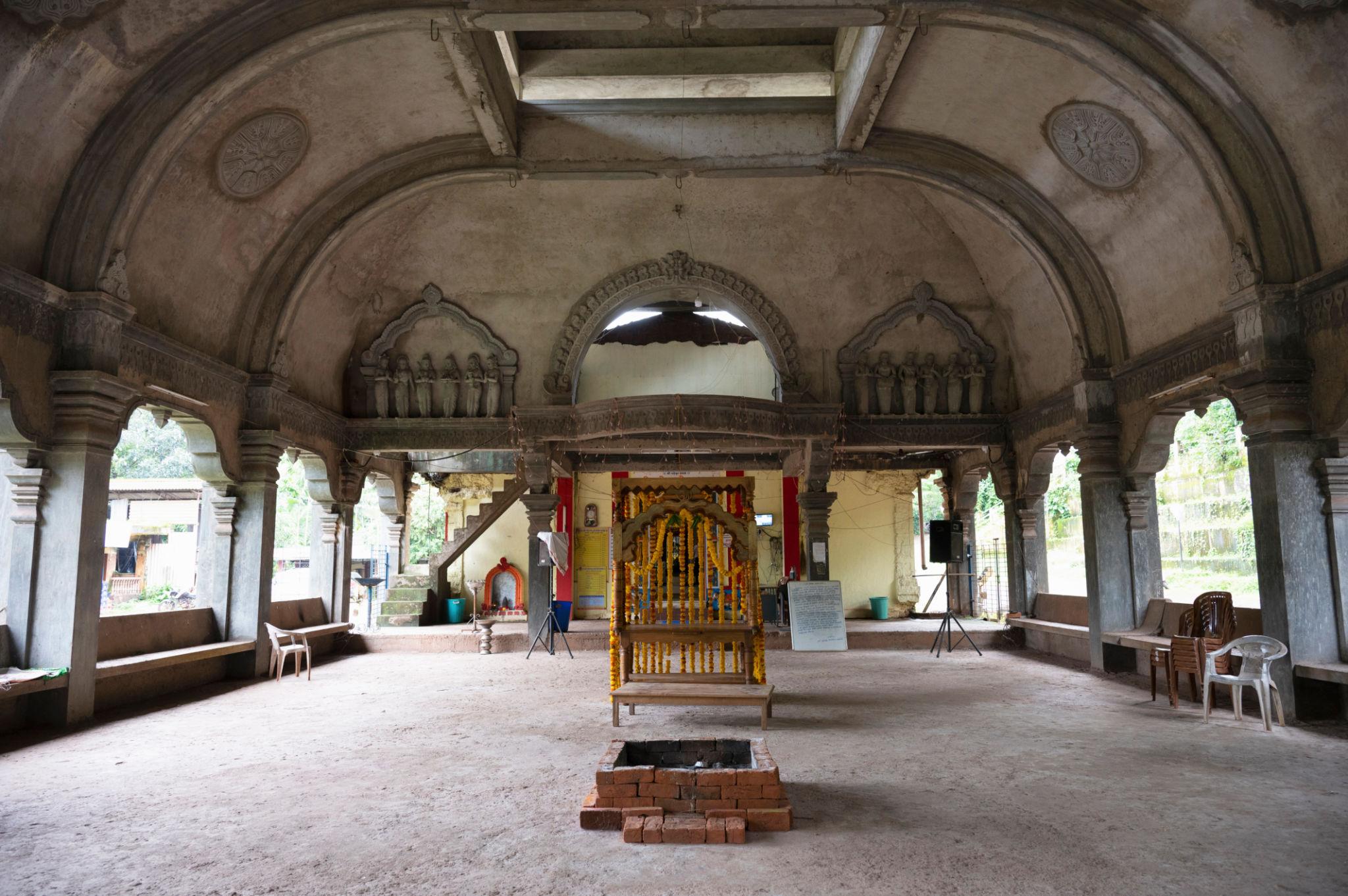
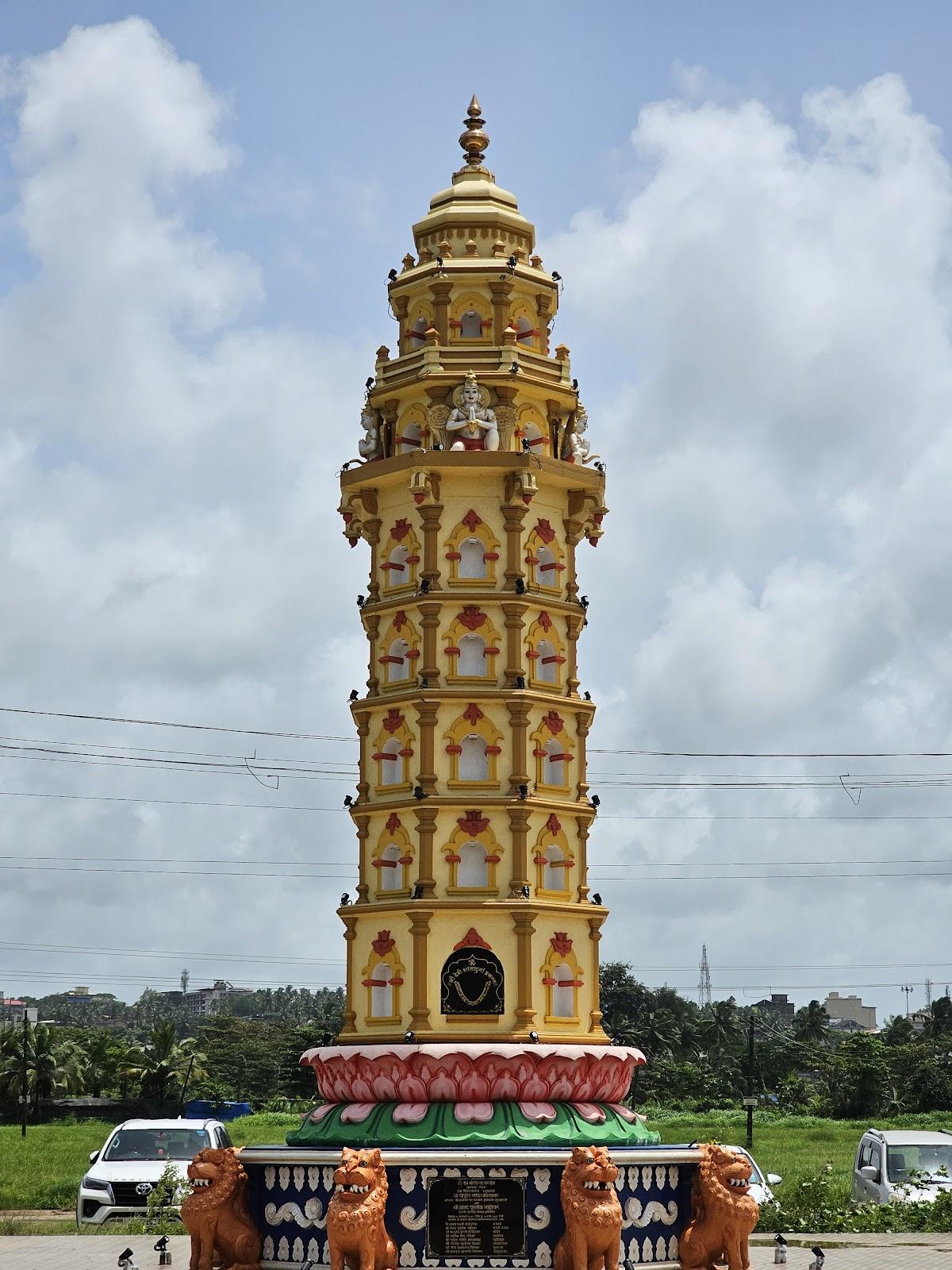
Upon entering the complex, visitors are greeted by a tall, majestic Deepstambha (lamp tower). This multi-tiered structure is a hallmark of Goan temple architecture and is lit with hundreds of oil lamps during festivals, creating a celestial glow. The main temple structure consists of a Mandapa (assembly hall) and the Garbhagriha (sanctum sanctorum). The Mandapa is spacious, featuring pillars painted in vibrant hues and a ceiling adorned with depictions of various deities from the Hindu pantheon. The flooring is typically made of polished stone, keeping the interiors cool even in humid weather.
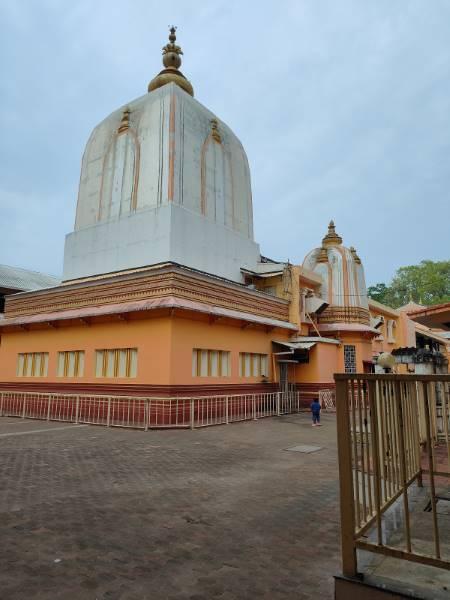
The Shikhara (temple tower) is built in the typical Goan style—a pyramidal structure with multiple levels, often topped with a golden Kalash. The use of laterite stone, which is abundant in Goa, provides the foundation for the temple, while the exterior is finished with high-quality lime plaster. One of the most unique architectural aspects is the flight of stairs that leads down from the temple directly to the base of the waterfall. This integration of man-made structure with the natural rock face of the cliff is a testament to the ancient engineers' ability to harmonize with the environment. The temple also features a small shrine dedicated to Lord Ganesha and other subsidiary deities, ensuring that the entire "Panchayatana" style of worship can be observed.
Main Deity / Spiritual Importance
The presiding deity of the temple is Lord Rudreshwar, a fierce yet benevolent form of Lord Shiva. In the sanctum sanctorum, the deity is represented by a Shiva Linga, which is ancient and believed to be 'Swayambhu' (self-manifested) by many devotees. The Linga is positioned such that the sound of the waterfall resonates within the chamber, creating a natural 'Om' vibration that many meditators find incredibly powerful. Rudra is the Vedic deity associated with storms, hunting, and death, but also with healing and medicine. This duality is central to the spiritual experience at the temple.
The spiritual importance of Shree Rudreshwar is deeply tied to the concept of Rudra Abhisheka. This is a ritual bath given to the Shiva Linga with water, milk, honey, and curd while chanting the Sri Rudram from the Yajur Veda. It is believed that performing this ritual at this specific site, where the natural water source is so potent, brings immense peace, prosperity, and health to the devotee. The temple is a focal point for those seeking to overcome obstacles in life or those looking for spiritual purification.
Furthermore, the temple holds a special place in the hearts of the local farming community. Lord Rudreshwar is seen as the protector of the fields and the provider of rain. Before the sowing season begins, many farmers from Sanquelim and Bicholim visit the temple to seek blessings for a bountiful harvest. The spiritual energy here is not just about individual salvation but about communal well-being and the preservation of the natural order. For the casual visitor, the spiritual importance manifests as a sense of profound stillness—a "Shanti" that is hard to find elsewhere.
Festivals & Celebrations
The temple comes alive with a different energy during festivals, attracting thousands of devotees from across Goa and neighboring states like Maharashtra and Karnataka. The most significant festival celebrated here is Mahashivratri. On this day, the entire temple complex is decorated with flowers and lights. Devotees keep a night-long vigil (Jagran), chanting "Om Namah Shivaya" and participating in the various 'Prahars' of the night puja. A massive fair (Zatra) is organized in the vicinity, where local artisans sell traditional Goan sweets like 'Khaje', clay toys, and household items. The sight of the Deepstambha fully lit against the dark Goan sky is a highlight of the Mahashivratri celebrations.
Another important period is the month of Shravan (usually falling in August). During this holy month, special pujas are conducted every Monday. Many devotees undertake a pilgrimage on foot to reach the temple. The monsoon season adds a dramatic backdrop to these celebrations, as the Harvalem waterfall is at its most thunderous and magnificent during Shravan. The sound of the water crashing down is seen as the natural 'Abhisheka' of Lord Shiva by Mother Nature herself.
The Tripurari Purnima is also celebrated with great fervor. This festival marks the end of the Diwali season and involves the floating of miniature lamps and artistically designed boats in the river near the temple. This tradition commemorates the victory of Lord Shiva over the demon Tripurasura. The competition for the best-designed boat attracts participants from all over Goa, showcasing the incredible creativity and craftsmanship of the local youth. These festivals are not just religious events but cultural milestones that keep the Goan identity and community spirit alive.
Best Time to Visit
Choosing the right time to visit Shree Rudreshwar Temple can significantly enhance your experience, depending on whether you prioritize religious rituals or natural beauty.
- Monsoon (June to September): This is arguably the most visually stunning time to visit. The Harvalem Waterfall is in full flow, and the surrounding greenery is incredibly lush. The temple feels like a hidden island in a sea of green. However, be prepared for heavy rainfall and slippery paths.
- Winter (October to February): This is the peak tourist season in Goa and the best time for those who prefer pleasant weather. The humidity is low, and the temperatures are comfortable for exploring the nearby Arvalem Caves and trekking around the temple. This period also coincides with major festivals like Tripurari Purnima.
- Mahashivratri (February/March): If you want to experience the spiritual core of the temple, visit during Mahashivratri. While it will be crowded, the cultural vibrancy and the intensity of the rituals are unmatched.
- Summer (March to May): The weather can be quite hot and humid. However, the temple remains a cool refuge. The waterfall may reduce to a trickle, but the peacefulness of the site is at its peak as there are fewer tourists.
Timings, Entry Fee & Dress Code
To ensure a respectful and smooth visit, keep the following logistical details in mind:
- Timings: The temple is generally open from 6:00 AM to 8:00 PM daily. It is advisable to visit early in the morning (around 7:00 AM) to witness the morning 'Aarti' and enjoy the tranquility before the day-trippers arrive.
- Entry Fee: There is no entry fee to visit Shree Rudreshwar Temple or the Harvalem Waterfalls. It is a public place of worship open to all. However, donations for the temple's maintenance are welcomed and can be made at the designated office.
- Dress Code: As with most Hindu temples in Goa, a modest dress code is strictly enforced.
- Men: Should wear trousers or traditional dhotis. Short shorts and sleeveless shirts should be avoided.
- Women: Should wear sarees, salwar kameez, or long skirts. Avoid wearing short skirts, sleeveless tops, or revealing beachwear. Carrying a shawl or dupatta is recommended to cover shoulders if necessary.
- Footwear: You must remove your footwear before entering the main temple platform. There are designated areas to leave your shoes.
How to Reach Shree Rudreshwar Temple
Shree Rudreshwar Temple is located in Sanquelim, North Goa, and is well-connected by road. Here are the best ways to reach the site:
- By Air: The nearest airport is Manohar International Airport (Mopa), which is about 35-40 km away. Alternatively, Dabolim Airport is approximately 50-55 km away. From the airport, you can hire a pre-paid taxi directly to Sanquelim.
- By Rail: The closest railway station is Thivim, which is about 15 km from the temple. Thivim is a major stop for Konkan Railway trains. From Thivim, you can take a local bus to Bicholim and then a rickshaw to the temple, or simply hire a taxi.
- By Road (Self-Drive/Taxi):
- From Panaji: The temple is about 35 km from the capital city. The route via Ribandar and Amona is scenic and takes about an hour.
- From Mapusa: It is approximately 22 km away. Follow the road toward Bicholim and then proceed to Sanquelim.
- From Calangute/Baga: If you are staying in the beach belt, it is a 40-45 km drive. It makes for an excellent day trip into the Goan countryside.
- By Bus: Regular KTC (Kadamba Transport Corporation) buses and private buses ply from Panaji and Mapusa to Sanquelim. From the Sanquelim bus stand, the temple is a short 2-km auto-rickshaw ride away.
Things to Do
A visit to Shree Rudreshwar Temple offers more than just a religious experience. Here are some activities you can engage in:
- Meditation by the Falls: Find a quiet spot on the temple steps or near the riverbank. The sound of the Harvalem Falls is known to be an excellent aid for deep meditation and mindfulness.
- Explore the Arvalem Caves: Located just a few hundred meters from the temple, these 6th-century rock-cut caves are a must-visit. Explore the five compartments and look for the Shivalingas carved inside.
- Photography: Capture the stunning architecture of the temple against the backdrop of the waterfall. The lush greenery and the ancient caves provide ample opportunities for landscape and architectural photography.
- Attend the Aarti: If you visit during the evening, staying for the 'Deepa Aarti' is a magical experience. The sound of bells and the glow of lamps create a divine atmosphere.
- Nature Walk: The area around the temple is perfect for a light trek. Walk through the areca nut plantations and observe the local flora and fauna, including various species of butterflies and tropical birds.
- Ritual Offerings: You can participate in the local tradition of offering 'Bilva' leaves to the Shiva Linga. You can buy these from local vendors outside the temple.
Nearby Attractions
The Bicholim taluka is rich in heritage and natural sites. You can combine your visit to Shree Rudreshwar with these nearby attractions:
- Harvalem Waterfalls: Located right next to the temple, this 50-meter-high waterfall is a sight to behold, especially during the monsoon. There is a well-maintained park and viewing gallery for tourists.
- Arvalem Caves (Pandava Caves): These ancient caves are carved into laterite rock. While their origin is debated (some say Buddhist, others say Hindu), they are an essential historical site in Goa.
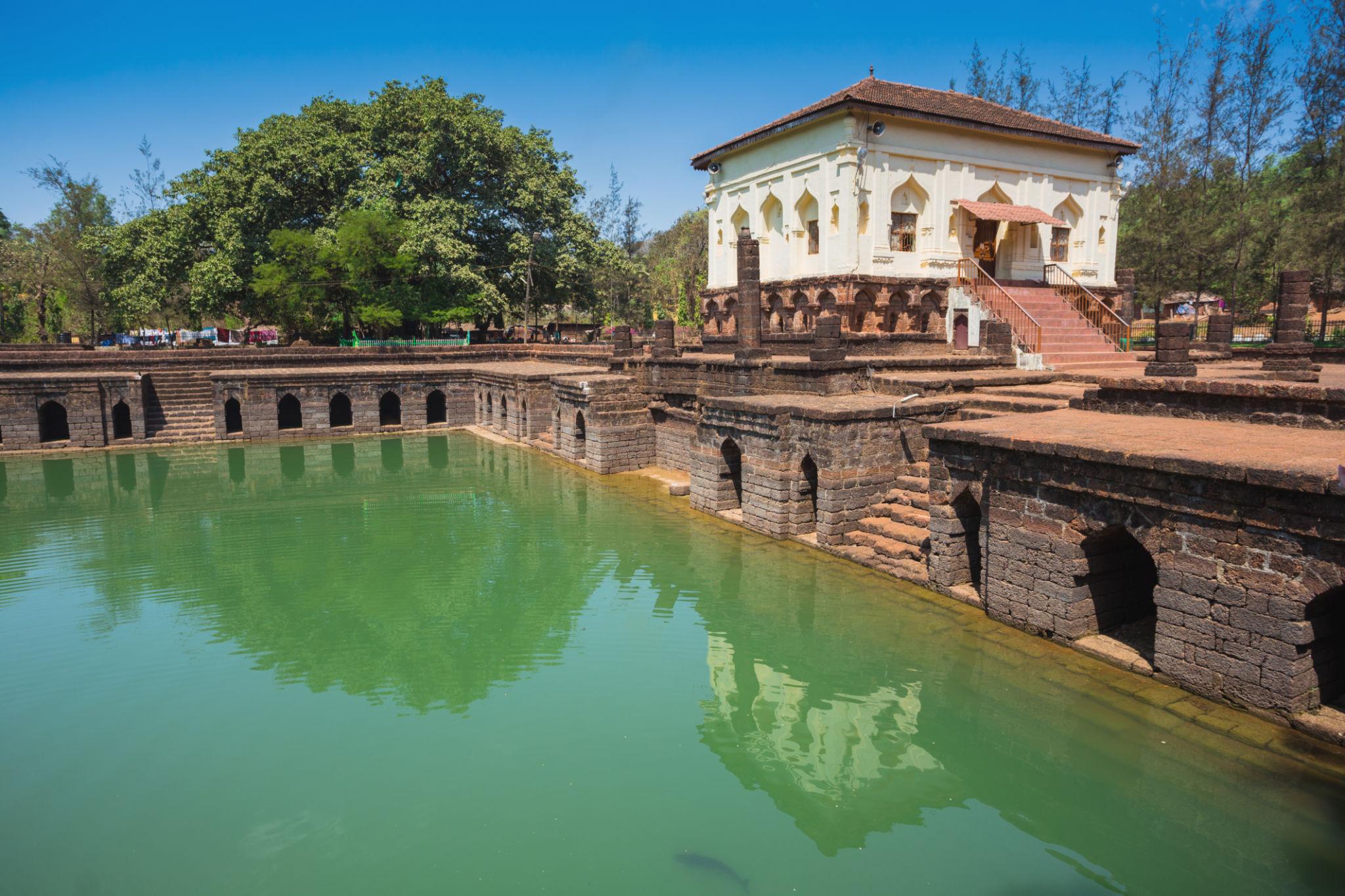
- Saptakoteshwar Temple: Located in Narve (about 10 km away), this is one of the most important Shiva temples in Goa, rebuilt by Chhatrapati Shivaji Maharaj. It features a unique Mughal-style dome.
- Mayem Lake: A popular picnic spot located about 12 km from the temple. You can enjoy pedal boating or simply relax by the serene lake surrounded by hills.
- Bicholim Pottery Studio: Bicholim is famous for its traditional pottery. You can visit local workshops to see artisans at work and buy authentic Goan terracotta items.
- Carambolim Lake: For bird watchers, this lake (about 20 km away) is a paradise, especially in winter when migratory birds arrive.
Photography & Visitor Guidelines
To ensure you have a pleasant visit and respect the sanctity of the site, please follow these guidelines:
- Photography Inside the Sanctum: Photography is usually strictly prohibited inside the Garbhagriha (inner sanctum) where the main deity is housed. Always look for signage or ask the temple priest before taking photos of the interiors.
- Drone Usage: Using drones near the temple and the waterfall may require prior permission from the local police or the temple committee. Given the proximity to the waterfall, be careful of the mist affecting your equipment.
- Silence: Maintain silence within the temple premises. Avoid loud conversations or playing music on portable speakers.
- Cleanliness: Shree Rudreshwar is a sacred site. Do not litter. Dispose of plastic bottles and wrappers in the designated bins. Avoid using plastic altogether if possible.
- Respect Rituals: If a funeral rite or a private puja is in progress, maintain a respectful distance. Do not interrupt or take photos of people performing these sensitive rituals.
- Safe Distance from Water: The rocks near the Harvalem Falls can be extremely slippery, especially during the monsoon. Do not venture beyond the safety railings for photos.
Where to Eat Nearby
Sanquelim and Bicholim offer a taste of authentic Goan Hindu cuisine, which is quite different from the seafood-heavy fare found on the coast.
- Local Eateries in Sanquelim: You will find several small restaurants serving "Goan Thali" (vegetarian). These usually include rice, dal, a vegetable dish (bhaji), 'sol kadi' (a refreshing kokum-based drink), and pickle.
- Tea Stalls: Outside the temple, there are stalls selling hot tea, coffee, and local snacks like 'Mirchi Vada' (chilli fritters), 'Batata Vada', and 'Samosas'.
- Bicholim Market: If you drive 15 minutes to Bicholim town, you will find more substantial dining options. Look for restaurants serving 'Ross Omelette', a famous Goan street food, though this is more of an evening snack.
- Mayem Lake Restaurant: The GTDC (Goa Tourism Development Corporation) restaurant near Mayem Lake offers a decent range of Indian and Goan dishes with a view of the water.
- Home-stays: Some local home-stays in the Bicholim area offer authentic, home-cooked Goan meals if you book in advance. This is the best way to try dishes like 'Khatkhate' (a mixed vegetable stew).
Accommodation Nearby
While most visitors visit Shree Rudreshwar as a day trip, staying nearby allows you to experience the peaceful rural life of Goa.
- GTDC Mayem Lakeview: Located about 12 km away, this government-run hotel offers clean rooms and a beautiful view of Mayem Lake. It is a reliable and budget-friendly option.
- Eco-Resorts in Valpoi: If you are willing to drive a bit further (about 20-30 km), the Valpoi region has several eco-resorts and farm-stays like Wildernest Nature Resort or Swapnagandha. These offer luxury in the lap of the Western Ghats.
- Home-stays in Bicholim: There are increasing numbers of heritage home-stays in the Bicholim and Sanquelim area. These are often old Goan mansions (Rajwada style) converted into guest houses.
- Hotels in Mapusa: For those who want more urban amenities, Mapusa (22 km away) has a wide range of budget and mid-range hotels. From Mapusa, the temple is an easy 40-minute drive.
Travel Tips
To make your trip to Shree Rudreshwar Temple seamless, consider these expert travel tips:
- Hire a Local Guide: While not mandatory, a local guide can explain the nuances of the Arvalem Caves and the specific legends associated with the temple that are not found in guidebooks.
- Carry Cash: While digital payments are growing, small stalls near the temple and rickshaw drivers often prefer cash. There are ATMs in Sanquelim town, but it’s best to be prepared.
- Mosquito Repellent: Since the temple is located near a waterfall and dense vegetation, mosquitoes can be an issue, especially toward the evening. Carry a good repellent.
- Footwear Choice: Wear comfortable walking shoes or sandals with a good grip, as you will be walking on uneven stone surfaces and potentially damp ground near the waterfall.
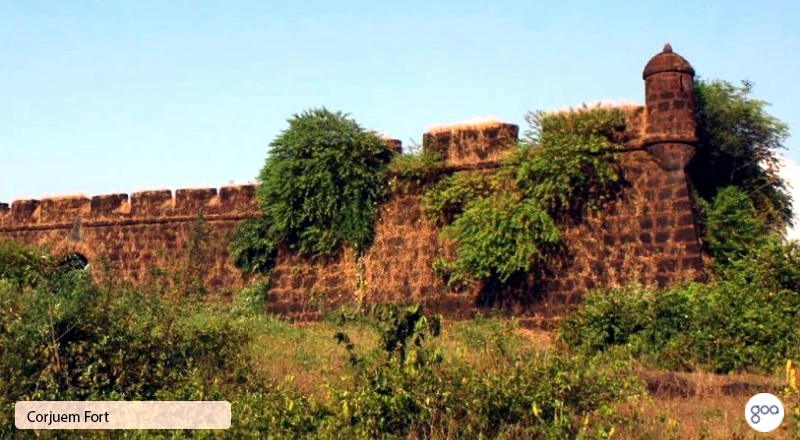
- Combine with a Hinterland Tour: Don't just visit the temple. Use the day to explore the Bicholim and Sattari talukas. This area is home to spice plantations, ancient forts like Corjuem, and hidden rivulets.
- Check for Festivals: Before visiting, check the Hindu calendar. If your visit coincides with a local 'Zatra', be prepared for heavy crowds but also a unique cultural experience.
Conclusion
Shree Rudreshwar Temple is more than just a religious landmark; it is a testament to Goa’s enduring spiritual heritage and its harmonious relationship with nature. In a state often characterized by its colonial past and beach culture, this temple stands as a reminder of the ancient Vedic roots that continue to thrive in the heart of the Konkan. The sight of Lord Shiva facing the thunderous Harvalem Falls is an image of power and peace that stays with every visitor long after they have left.
Whether you are a devout pilgrim seeking 'Moksha', a history enthusiast deciphering the secrets of the Arvalem Caves, or a traveler looking for a quiet corner of Goa to meditate, Shree Rudreshwar Temple offers a sanctuary for all. It invites you to step away from the mundane and immerse yourself in a world where the roar of the water is a prayer and the ancient stones tell stories of gods and heroes. A visit here is not just a journey through the geography of Goa, but a journey inward, toward a deeper understanding of the "Rudra" within us all. Make sure to include this spiritual gem in your Goan itinerary for an experience that is as refreshing as the mist from the Harvalem Falls.