Explore sections of this guide
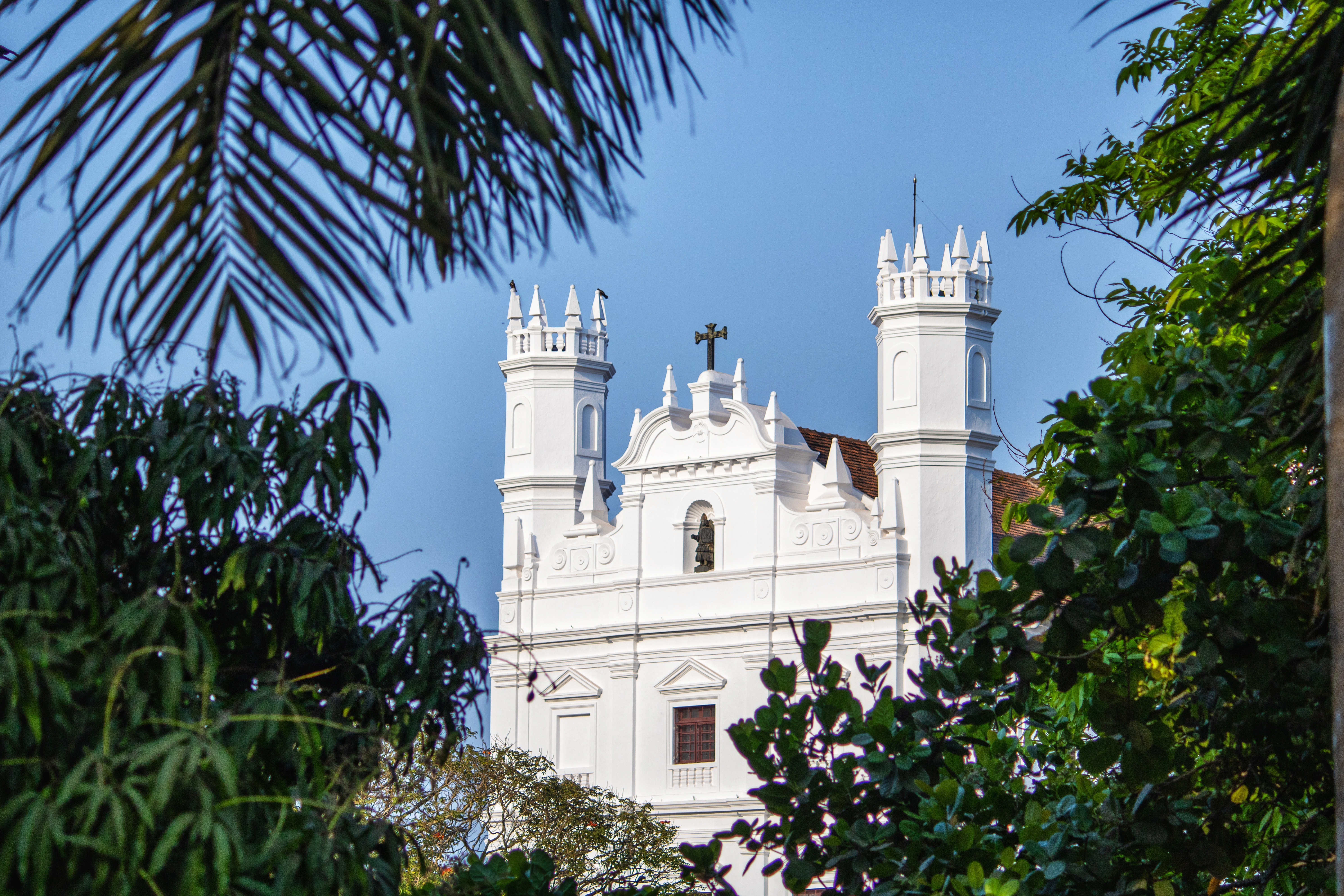
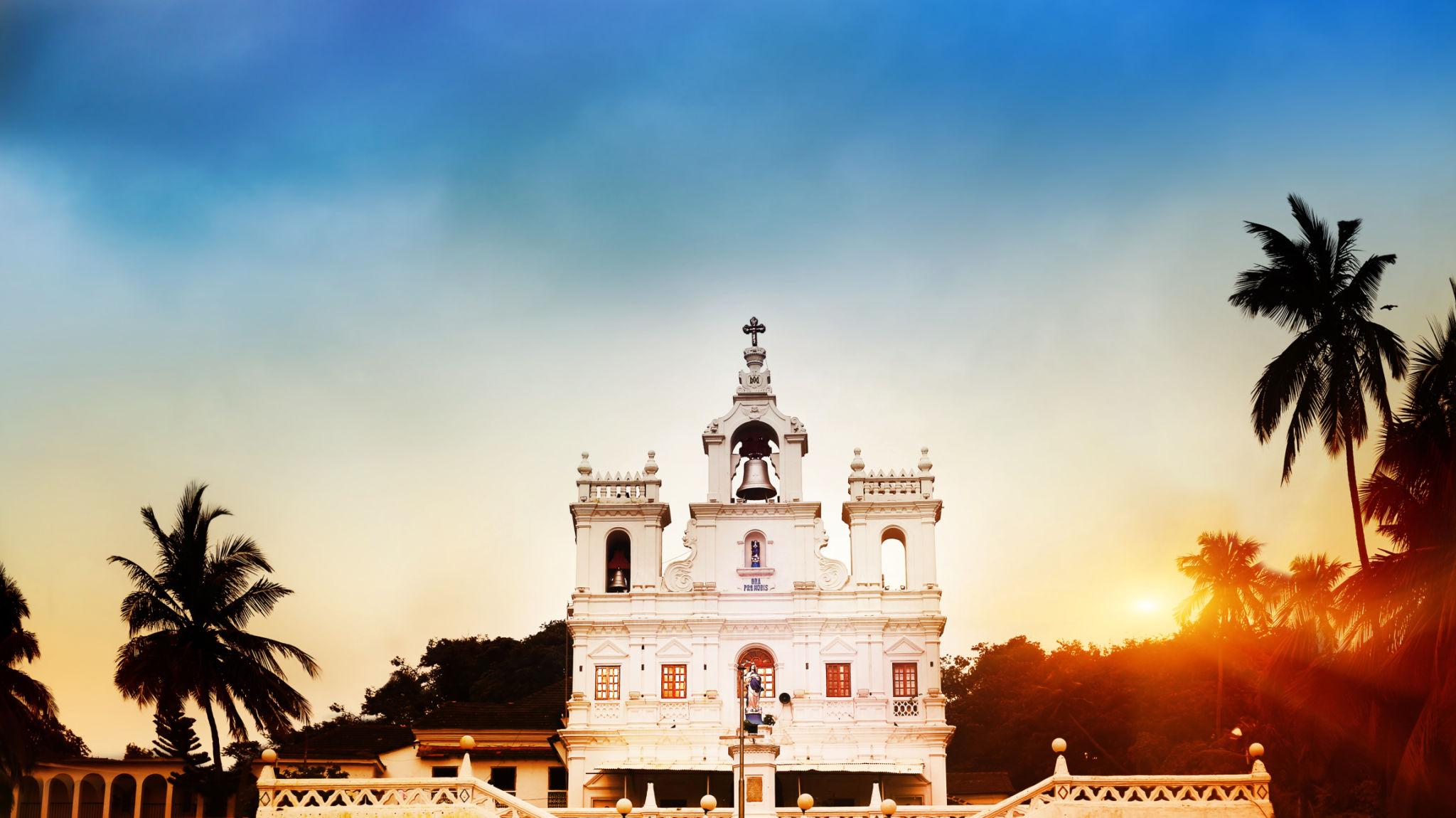
Nestled in the heart of the picturesque village of Saligao, the Mother of God Church, locally known as the Mae de Deus Church, stands as a breathtaking testament to Goa’s rich religious tapestry and architectural evolution. Unlike the typical white-washed Baroque structures that dot the Goan landscape, this church is a rare and stunning example of Neo-Gothic architecture, often described by travelers and locals alike as a "fairytale castle" or a "gleaming white wedding cake." Surrounded by the lush greenery of the Saligao valley, its stark white spires and intricate buttresses create a visual contrast that is nothing short of ethereal.
The Mother of God Church is not just a place of worship; it is the spiritual heartbeat of the Saligao community. For over 150 years, it has served as a beacon of faith, drawing devotees and tourists who seek both spiritual solace and aesthetic wonder. The church is dedicated to the Blessed Virgin Mary, specifically under the title of "Mae de Deus" (Mother of God). Its location in North Goa makes it easily accessible, yet it retains a sense of serenity that is often lost in the more commercialized parts of the state. As you approach the church, the first thing that strikes you is its sheer verticality—a hallmark of the Gothic style—which directs the viewer's gaze upward toward the heavens, reflecting the spiritual aspirations of those who built it.
What makes this church particularly special is its evening appearance. When the sun sets and the floodlights are turned on, the Mother of God Church transforms into a glowing monument that seems to float against the dark Goan sky. This magical ambiance has made it one of the most photographed religious sites in India. However, beyond its beauty lies a deep history that connects the modern village of Saligao to the ancient religious centers of Old Goa. To visit the Mae de Deus Church is to step into a world where Goan traditions, Portuguese influence, and Gothic artistry converge into a single, magnificent experience.
The history of the Mother of God Church is a fascinating journey that begins long before its foundation stone was laid in Saligao. The story is intricately linked to the Convent of Mae de Deus in Old Goa, which was established in the 16th century by the Franciscan Order. By the mid-19th century, the original convent in Old Goa had fallen into a state of ruin due to the abandonment of the city and the suppression of religious orders. However, the miraculous and highly revered statue of the Mother of God remained intact.
Discover 10 fascinating facts about Goa from Portuguese history & architecture to hidden beaches, cheap alcohol secrets, and more.
In the 1860s, the people of Saligao, who previously belonged to the parishes of Nagoa and Parra, expressed a deep desire for a church of their own. They petitioned the ecclesiastical authorities to bring the sacred statue from the decaying ruins of Old Goa to their village. On November 26, 1873, their wish was fulfilled as the church was officially inaugurated and the statue was enshrined in its new home. This migration of the deity is a significant event in Goan Catholic history, symbolizing the resilience of faith and the preservation of sacred relics across generations.
The religious significance of the church is rooted in its dedication to the Theotokos (God-bearer). For the villagers of Saligao, the "Mae de Deus" is a protective matriarchal figure. Over the decades, the church has been the site of countless miracles and answered prayers, cementing its status as a pilgrimage site. The historical transition from the Baroque influence of the Franciscans in Old Goa to the Neo-Gothic style chosen for the Saligao church also represents a shift in Goan architectural preferences during the late 19th century, influenced by European trends of the time. The church stands as a monument to the Saligaonkar (people of Saligao) identity, showcasing their collective effort and devotion in funding and constructing such a monumental structure.
Goa is India's most popular beach destination and attracts millions of domestic and international tourists every year. One of the most common questions tra...
The Mother of God Church is widely celebrated as the finest example of Neo-Gothic architecture in Goa. While most Goan churches follow the Mannerist or Baroque styles introduced by the early Portuguese settlers—characterized by thick walls, rounded arches, and heavy ornamentation—the Mae de Deus Church breaks this mold with its elegant, pointed features. The architectural design is attributed to the influence of French Gothic cathedrals, adapted to the tropical climate of India.
The exterior of the church is a masterpiece of symmetry and verticality. It features a series of flying buttresses, which are structural supports that allow for thinner, taller walls and larger windows. The facade is adorned with multiple pinnacles and spires, each topped with a cross, creating a jagged yet harmonious silhouette. The central tower rises majestically, housing the church bell, while the pointed arches (lancet arches) over the doors and windows emphasize the Gothic theme. The entire structure is finished in a brilliant white lime wash, which requires regular maintenance to withstand the heavy Goan monsoons.
South Goa is famous for its peaceful beaches, natural beauty, clean coastline, and relaxed atmosphere. While North Goa attracts thousands of tourists every...
Upon entering the church, the interior is equally impressive. The high vaulted ceiling creates a sense of immense space and light. The main altar is a work of art, featuring intricate wood carvings and gilded accents that reflect the light of the candles. The use of stained glass windows is another Gothic element, though many have been replaced or modified over the years. These windows allow filtered light to dance across the floor, creating a meditative atmosphere. The floor itself is often paved with traditional Goan tiles or stone, adding to the rustic charm. The architectural layout follows the traditional cruciform (cross-shaped) plan, with a long nave leading to the sanctuary. Every corner of the building, from the choir loft to the side altars, reflects a meticulous attention to detail that was intended to honor the Divine through human craftsmanship.
The focal point of the church’s spiritual life is the statue of Mae de Deus (Mother of God). This statue is not merely a piece of art but a deeply venerated icon with a history spanning over four centuries. Carved from wood and painted in lifelike colors, the statue depicts the Virgin Mary holding the infant Jesus. It is renowned for its serene expression and the intricate detailing of the robes, which are often draped with real silk vestments and gold jewelry donated by devotees during feast days.
The spiritual importance of the Mother of God in Saligao is profound. She is seen as the intercessor between the people and God, a figure of compassion and maternal care. Local folklore is filled with stories of how the "Mae" has protected the village from epidemics, natural disasters, and personal tragedies. Devotees from all over Goa, regardless of their religious background, visit the church to light candles and offer flowers, seeking her blessings for health, family, and prosperity.
The presence of this specific statue, which survived the decay of Old Goa, gives the church a direct link to the Golden Age of Goa. It serves as a reminder of the continuity of the Catholic faith in the region. During the Novenas (nine days of prayer) leading up to the annual feast, the spiritual energy in the church is palpable. The "Salve Regina" is sung with great fervor, and the rituals performed are a blend of Roman Catholic liturgy and local Goan cultural expressions. For the people of Saligao, the church is the "House of the Mother," a place where they find a sense of belonging and divine connection.
The calendar of the Mother of God Church is marked by several vibrant celebrations, the most prominent being the Feast of Mae de Deus. This feast is traditionally celebrated on the first Sunday of May. Unlike many other village feasts in Goa that take place during the monsoon or winter, the Saligao feast occurs during the height of the Goan summer, giving it a unique character. The celebration is preceded by nine days of Novenas, during which the village comes alive with spiritual preparation and social gatherings.
On the day of the feast, a grand High Mass is celebrated, often presided over by high-ranking clergy. The church is decorated with fresh flowers, and the statue of the Mother of God is placed on a beautifully adorned palanquin for a solemn procession around the church grounds. The procession is accompanied by a brass band playing traditional hymns, and the air is filled with the scent of incense and the sound of firecrackers. Following the religious ceremonies, the village hosts a "mela" or fair, featuring stalls selling traditional Goan sweets like khaje, toys, and household items. Families host elaborate luncheons, serving Goan delicacies like sorpotel, sanna, and pulao.
Other significant celebrations include:
To experience the Mother of God Church in its full glory, timing is essential. The best time to visit is during the winter months, from November to February. During this period, the weather in Goa is pleasant and cool, making it ideal for exploring the church grounds and the surrounding village of Saligao. The clear blue skies provide a perfect backdrop for the brilliant white spires of the church, and the low humidity makes outdoor photography much more comfortable.
If you wish to see the church at its most magical, plan your visit for the evening, specifically around 6:30 PM to 8:00 PM. This is when the floodlights are turned on, illuminating the Neo-Gothic facade and making it glow like a beacon. The sight is truly spectacular and offers a completely different perspective compared to a daytime visit. For those interested in the local culture, visiting during the Feast of Mae de Deus in May is highly recommended, though one must be prepared for the summer heat.
The monsoon season (June to September) offers a different kind of beauty. The surrounding fields turn a vibrant emerald green, and the white church stands out sharply against the dark, rain-heavy clouds. While the rain might limit your ability to walk around the grounds, the atmosphere is incredibly peaceful and romantic. Avoid visiting during mid-day in the summer (March to May) as the sun can be quite harsh and the white surface of the church reflects a significant amount of glare.
Understanding the logistics of your visit will ensure a respectful and smooth experience at the Mother of God Church. As an active place of worship, certain rules and schedules must be followed.
The Mother of God Church is located in Saligao, North Goa, and is well-connected by road to major tourist hubs. Its central location makes it an easy stop during a North Goa sightseeing tour.
The church is located right on the main road connecting Chogm Road to Mapusa, making it impossible to miss. There is ample parking space available for both two-wheelers and four-wheelers near the church entrance.
A visit to the Mother of God Church offers more than just a quick photo opportunity. To truly appreciate the site, consider the following activities:
Saligao is perfectly positioned for you to explore other nearby gems in North Goa. You can easily combine your visit to the church with these attractions:
To ensure that the sanctity of the Mother of God Church is maintained while you capture its beauty, please adhere to the following guidelines:
Saligao and the surrounding areas are home to some of the best culinary experiences in North Goa. After your spiritual tour, you can indulge in local or international flavors:
If you wish to stay close to the Mother of God Church and experience the quiet village life of Saligao, there are several excellent options:
To make the most of your trip to the Mother of God Church, keep these practical tips in mind:
The Mother of God Church in Saligao is more than just an architectural landmark; it is a symbol of Goan grace, history, and unwavering faith. Its unique Neo-Gothic design sets it apart from the rest of the state's religious architecture, offering a visual treat that feels both ancient and timeless. Whether you are a history buff, an architecture enthusiast, a devout pilgrim, or simply a traveler looking for a moment of peace, this church provides an unforgettable experience.
From the legendary story of its miraculous statue brought from the ruins of Old Goa to the vibrant celebrations of its annual feast, the church embodies the soul of the Saligao community. Its pristine white spires against the green valley and its golden glow under the night sky are images that stay with you long after you have left Goa. As you stand before its majestic facade, you are not just looking at a building; you are witnessing the living heritage of a land that prides itself on its spiritual diversity and cultural richness. A visit to the Mae de Deus Church is truly a journey into the heart of Goa’s "fairytale" side.