Overview of Pali Waterfall
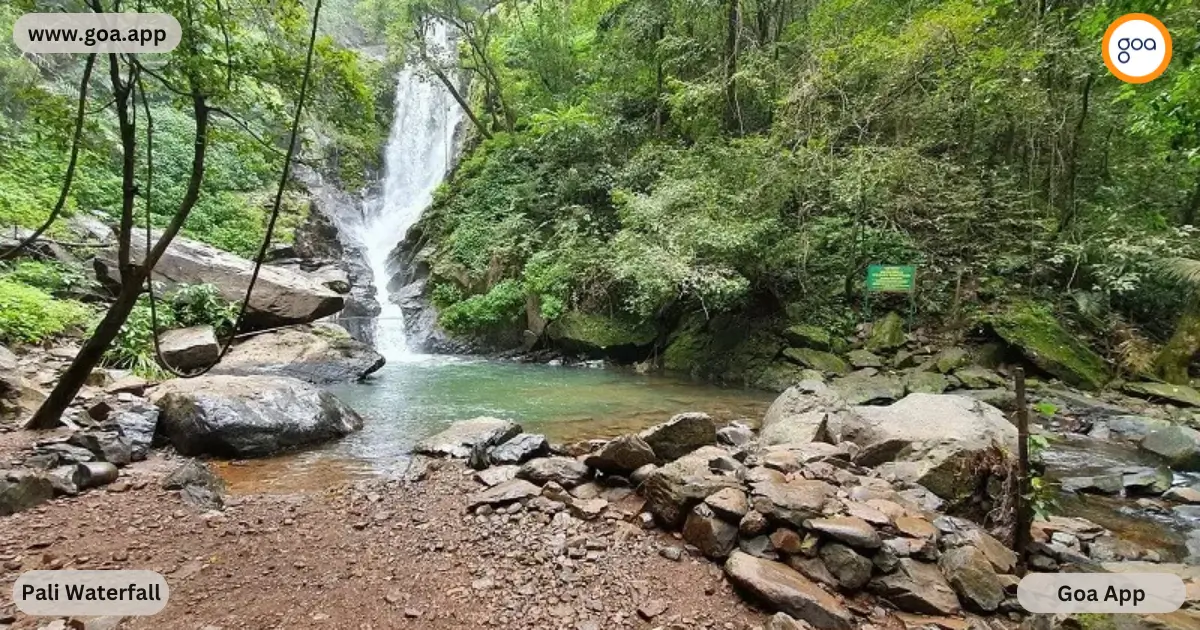
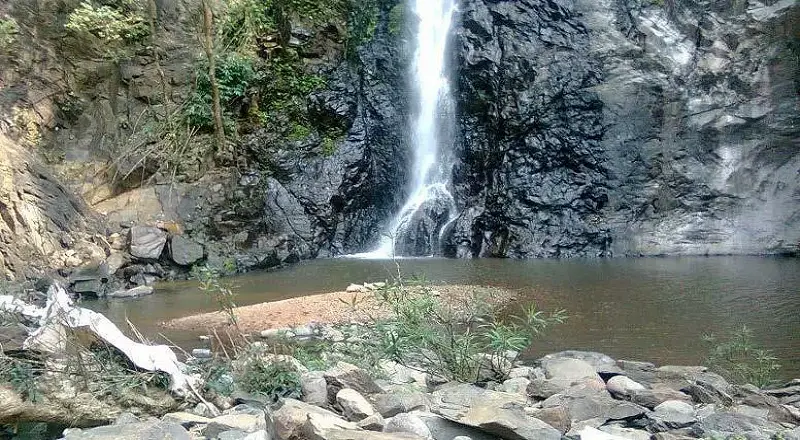
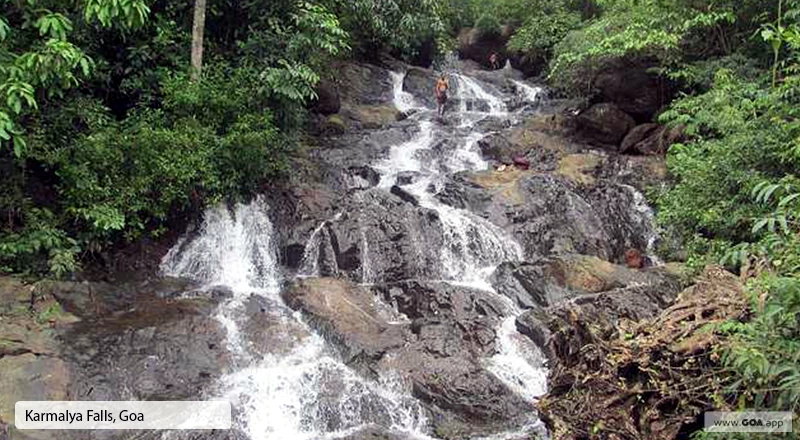
Deep within the emerald embrace of the Sattari taluka in North Goa lies one of the state's most pristine and exhilarating natural wonders: the Pali Waterfall. Also frequently referred to by locals as the Shivling Waterfall due to the unique rock formation at its base that resembles a sacred Shivling, this cascading marvel is a testament to the raw, untamed beauty of the Western Ghats. Unlike the commercialized beaches of North Goa or the crowded shacks of the south, Pali Waterfall offers a sanctuary for those seeking solace in the heart of the Mhadei Wildlife Sanctuary ecosystem.
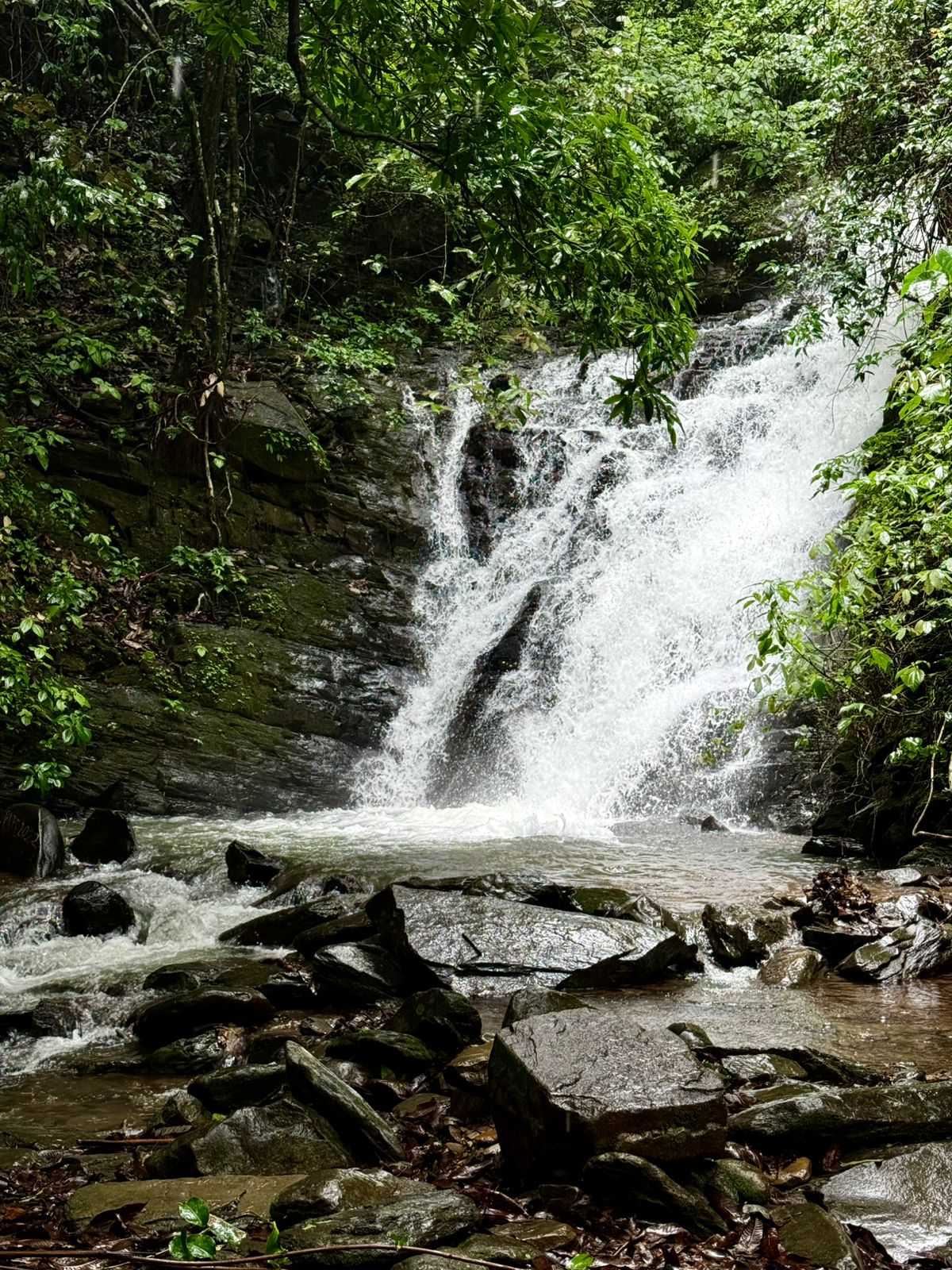
The Pali Waterfall is not just a destination; it is an experience that begins long before you see the water. It is situated near the quaint village of Pali, a settlement that seems frozen in time, where the traditional Goan way of life persists amidst dense semi-evergreen forests. The waterfall itself is a multi-tiered spectacle, especially during the monsoon season when the Mhadei river tributaries swell with rainwater, sending a thunderous volume of white foam crashing down the rugged basalt cliffs. The surrounding canopy is so thick that sunlight often filters through in ethereal beams, creating a mystical atmosphere that feels worlds away from the neon lights of Baga or Calangute.
Top Goa Experience • Part 1
Highly Recommended Near Pali Waterfall
Explore All
For the uninitiated, Pali Waterfall represents the "other side" of Goa—the hinterlands. This region is part of the Sahyadri Range, a UNESCO World Heritage site known for its incredible biodiversity. As a professional travel writer, I have seen many of Goa's hidden gems, but Pali remains a personal favorite because it demands effort. It is not a roadside attraction; it is a reward for those willing to trek through slushy trails, cross gurgling streams, and immerse themselves in the humid, life-teeming jungle. The air here is thick with the scent of damp earth (petrichor) and the call of the Malabar Whistling Thrush, making it a sensory overload for nature lovers.
How to Reach Pali Waterfall
Reaching Pali Waterfall requires a bit of planning, as it is located in the relatively remote northeastern corner of Goa. The journey itself is a scenic drive through the Goan countryside, passing through cashew plantations, spice farms, and traditional Portuguese-style houses. Here is a detailed breakdown of how to reach this hidden paradise:
Recommended Guide
15 Best Hill Stations Near Goa distance & Travel Tips
Discover the 15 best hill stations near Goa to visit in 2026. Our guide covers distances, trekking trails, and local highlights.
Read Guide →
- By Road from Panjim: The capital city, Panjim, is approximately 50 kilometers away from Pali village. The most efficient route is to head towards Old Goa and then proceed towards Bicholim or Ponda, eventually making your way to Valpoi. Valpoi is the nearest major town and serves as the gateway to the Sattari hinterlands. From Valpoi, Pali village is about 10-12 kilometers away. The roads are generally well-paved but become narrow and winding as you enter the ghat region.
- By Road from North Goa Beaches: If you are staying in the Calangute or Candolim belt, expect a journey of about 60-65 kilometers. It is highly recommended to rent a self-drive car or a powerful scooter (like an Activa or Himalayan) as public transport to Pali is infrequent and time-consuming. Follow the Mapusa-Bicholim-Valpoi route for the best road conditions.
- By Public Transport: While challenging, it is possible. You can take a Kadamba bus from Panjim or Mapusa to Valpoi. From the Valpoi bus stand, you might find local "pilot" (motorcycle taxi) riders or small rickshaws that can take you to Pali village. However, getting a return transport from the village can be difficult in the late afternoon, so having your own vehicle is strongly advised.
- Key Landmarks: Keep an eye out for the Valpoi Police Station and the Forest Department Office in Valpoi. Once you reach Pali village, the trek starts near a small local temple. You will often see a few local guides or villagers who can point you toward the trailhead.
Pro-Tip: Download offline maps before you leave Valpoi. Mobile network coverage (especially for data) becomes extremely spotty once you enter the forest zones near Pali. Look for signboards indicating "Mhadei Wildlife Sanctuary" to ensure you are on the right track.
Best Time to Visit
The timing of your visit to Pali Waterfall will completely dictate your experience. Being a seasonal beauty, the waterfall's character shifts dramatically with the weather.
Recommended Guide
Why Foreigners Love Arambol, Morjim, and Agonda
Goa has long been one of India’s most famous beach destinations, attracting millions of travelers from around the world every year. While bustling beache...
Read Guide →
- The Monsoon (June to September): This is the absolute best time to visit Pali Waterfall. During these months, Goa receives heavy rainfall, transforming the dry forest into a vibrant, neon-green paradise. The waterfall is at its peak volume, and the roar of the water can be heard from a distance. However, be prepared for a challenging trek, as the path becomes very muddy and the stream crossings can be thigh-high.
- Post-Monsoon (October to November): If you want the beauty of the waterfall without the torrential rains, this is an ideal window. The water flow is still significant, the forest remains lush, and the trekking path is slightly drier and safer. The weather is also cooler and more pleasant for physical exertion.
- Winter (December to February): By December, the waterfall begins to shrink into a gentle stream. While the forest is still beautiful and the trek is much easier, the "grandeur" of the waterfall is diminished. It is still a great spot for a quiet picnic, but don't expect the thunderous cascade seen in July.
- Summer (March to May): It is generally not recommended to visit Pali for the waterfall during summer, as it often dries up completely. The heat in the Sattari jungles can be oppressive, and the trek may feel unrewarding without the water at the end.
Timing Tip: Aim to reach the village by 9:00 AM. This gives you enough time to complete the trek, spend a few hours at the falls, and return before the forest gets dark. In the jungle, sunset happens "earlier" due to the thick canopy cover.
Trek Details for Pali Waterfall
The trek to Pali Waterfall is as famous as the waterfall itself. It is often described as a moderate difficulty trek, spanning approximately 6 to 7 kilometers (round trip). Here is what you can expect on the trail:
Recommended Guide
Water Sports in Candolim Goa | Best Prices, Packages & Booking Guide
Candolim Beach, located in North Goa, is one of the most popular destinations for water sports in Goa. Known for its clean shoreline, less crowded environm...
Read Guide →
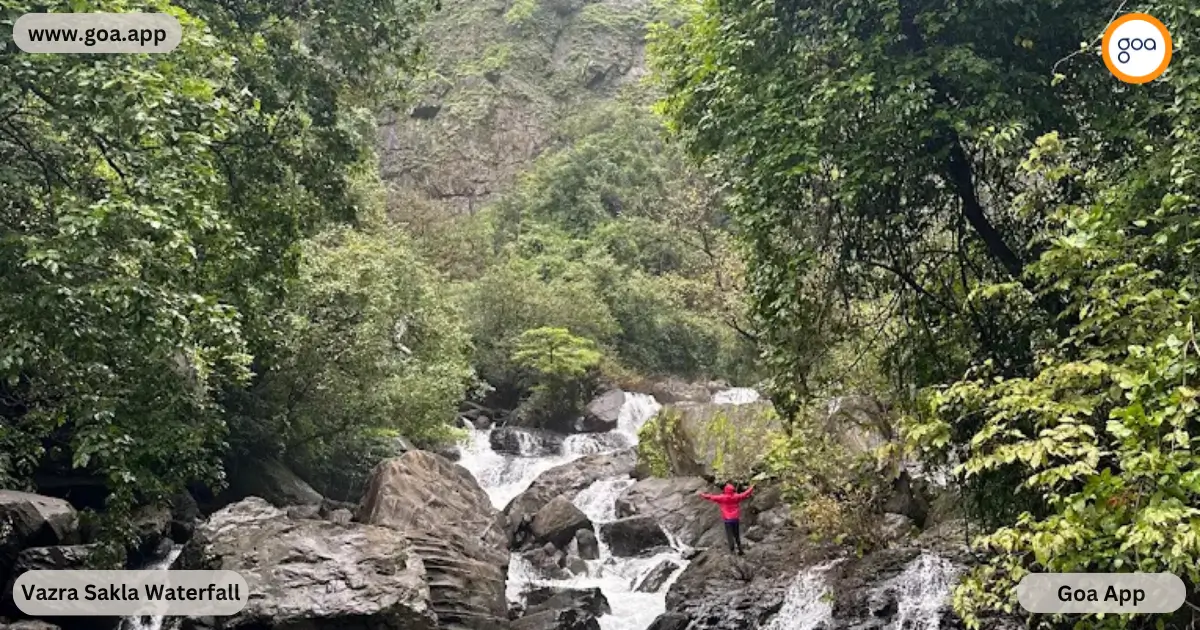
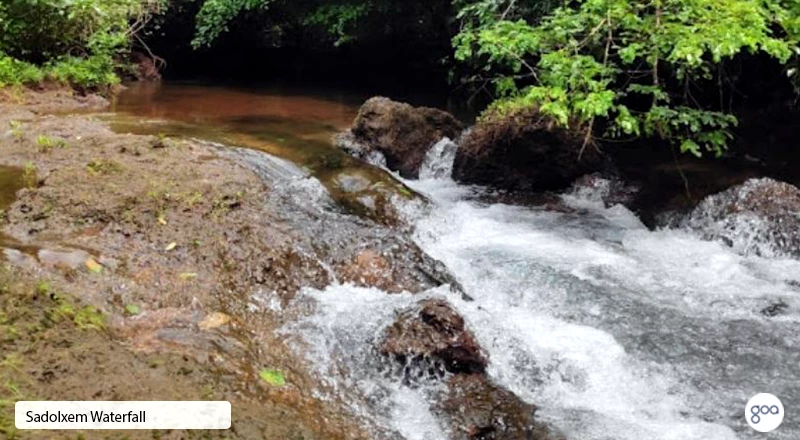
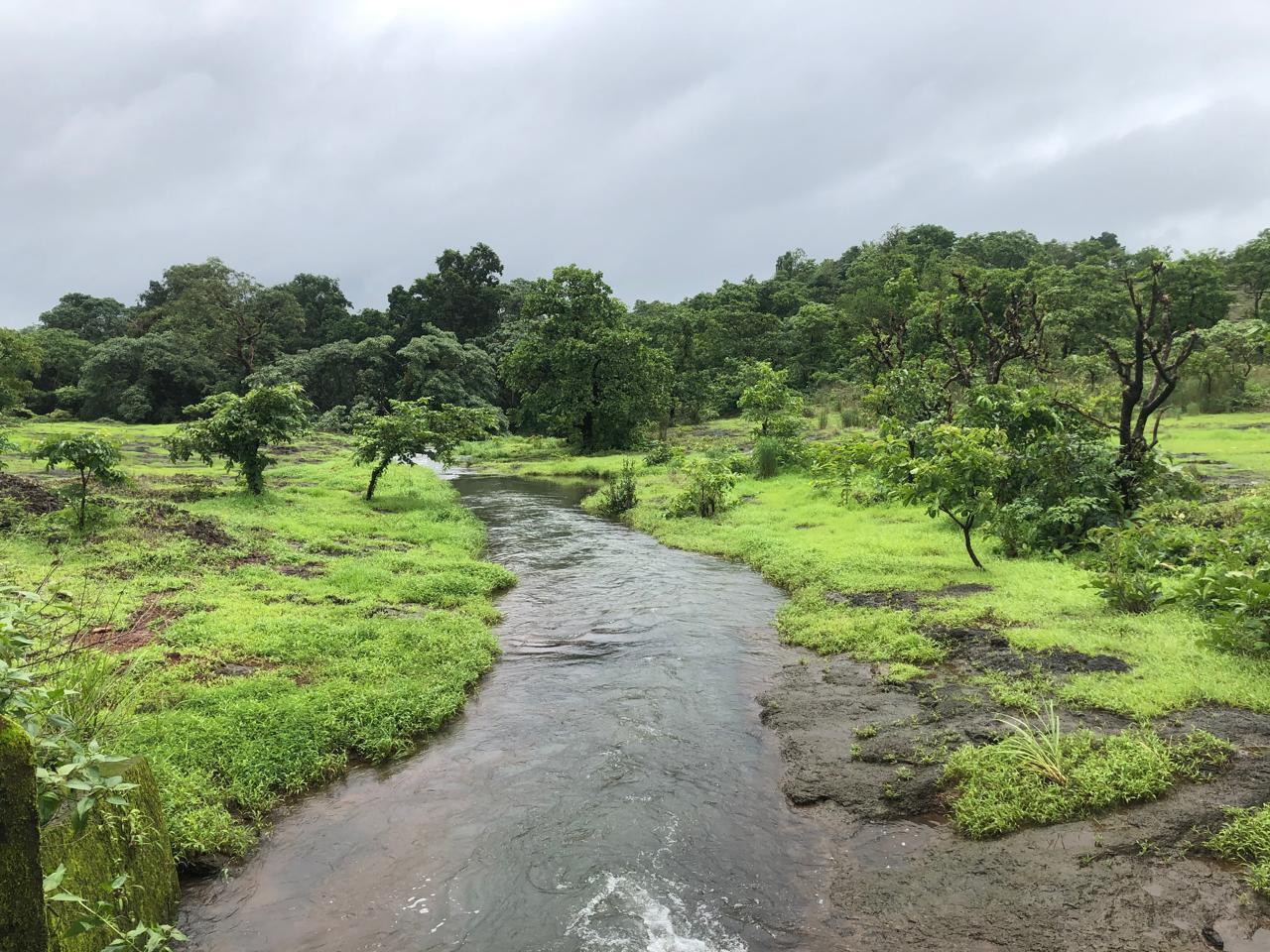
The journey begins at the edge of Pali village. Initially, the path is relatively flat, winding through local cashew groves and betel nut plantations. As you move deeper, the civilization fades away, and you enter the core area of the forest. The terrain is characterized by slippery rocks, loose soil, and thick undergrowth. One of the most exciting aspects of this trek is the multiple stream crossings. Depending on the rainfall, you may have to wade through 2 to 3 streams where the water can reach your knees. The stones at the bottom of these streams are covered in moss, making them incredibly slippery—tread with caution!
Top Goa Experience • Part 2
Highly Recommended Near Pali Waterfall
Explore All
As you progress, the incline increases. You will find yourself climbing over massive tree roots and navigating narrow ledges. The final stretch of the trek is the most challenging but also the most rewarding. As the sound of the waterfall grows louder, the humidity rises, and the air becomes noticeably cooler. Suddenly, the trees part, and you are greeted by the sight of the Pali Waterfall plunging into a deep, natural pool.
The duration of the trek typically takes about 1.5 to 2 hours one way, depending on your fitness level and how often you stop to admire the flora and fauna. It is a "wet trek," meaning you should expect to be soaked—either by rain, stream crossings, or sweat—well before you reach the falls.
Flora and Fauna: Keep your eyes peeled for the Malabar Giant Squirrel with its distinctive maroon fur, and various species of butterflies like the Blue Mormon. The region is also home to various snakes, including the non-venomous bronze-back tree snake and the more elusive pit vipers, so always watch where you step.
Things to Do
While the primary attraction is the waterfall itself, the Pali region offers several activities for the adventurous soul:
- Swimming in the Natural Pool: At the base of the waterfall, there is a large, deep pool carved out of the rock over centuries. The water is crystal clear and incredibly refreshing. It is the perfect way to wash off the mud and sweat from the trek. Note: Always test the depth before jumping, as underwater rocks can be hazardous.
- Nature Photography: From the intricate patterns of wild mushrooms on decaying logs to the grand scale of the waterfall, Pali is a photographer's dream. The "Shivling" rock formation provides a unique focal point for spiritual or landscape shots.
- Bird Watching: The Sattari region is a hotspot for ornithologists. Look for the Great Hornbill, the Emerald Dove, and the Ruby-throated Yellow Bulbul (the state bird of Goa).
- Mindfulness and Meditation: If you visit on a weekday when there are fewer trekkers, the area near the falls is incredibly peaceful. The rhythmic sound of falling water provides a natural white noise perfect for meditation.
- Fish Spa: If you sit still in the shallower parts of the stream with your feet in the water, small forest fish will often come and nibble at your skin—a free, natural spa treatment!
Safety Tips
A trip to Pali Waterfall is an adventure, but the jungle environment demands respect. Follow these safety guidelines to ensure a smooth trip:
- Beware of Leeches: During the monsoon, the trail is infested with leeches. They are harmless but can be annoying. Carry a small pouch of salt or tobacco powder to rub on your legs, or wear high-ankle trekking socks and apply a strong insect repellent.
- Wear Proper Footwear: Do not attempt this trek in flip-flops or casual sneakers. You need sturdy trekking shoes with a good grip. "Floaters" with straps can work for stream crossings, but they offer little protection against leeches and sharp rocks.
- Stay Hydrated: The humidity in the Goan jungle can lead to rapid dehydration. Carry at least 2 liters of water per person. Avoid drinking directly from the streams unless you have a portable water filter.
- Flash Floods: In the peak of monsoon, heavy rains upstream can cause a sudden rise in water levels. If the water starts turning muddy or you hear a sudden increase in the roar of the river, move to higher ground immediately.
- Travel in Groups: Never trek to Pali alone. The trail can be confusing, and in case of an injury, you will need assistance. Hiring a local guide from Pali village is highly recommended; they are affordable and know the safest paths.
- Pack a Basic First Aid Kit: Include band-aids, antiseptic cream, and salt for leeches.
Important: There are no lifeguards at the waterfall. If you are not a confident swimmer, stay in the shallower areas of the pool.
Nearby Attractions
If you have extra time, the Sattari taluka is filled with other hidden gems that are worth exploring:
- Hivrem Waterfall: Another spectacular waterfall located nearby. The trek to Hivrem is considered more difficult than Pali, making it ideal for hardcore trekkers.
- Charavane Waterfall: Located about 10 kilometers from Valpoi, this waterfall is easier to access and features beautiful step-like rock formations.
- Mhadei Wildlife Sanctuary: Explore the broader sanctuary which houses leopards, sloth bears, and an incredible array of herpetofauna.
- Nanuz Fort: Built by Shivaji Maharaj and later occupied by the Portuguese, this small fort in Valpoi offers a glimpse into the military history of the region.
- Surla Ghat: A drive up the ghats towards the Karnataka border offers breathtaking panoramic views of the valley below.
Entry Fees & Timings
As of my last visit, there is no formal "ticket counter" at the start of the Pali trek, but this can change as the Forest Department occasionally regulates entry into the Mhadei Wildlife Sanctuary zones.
- Entry Fee: Generally free, but some local village committees might collect a nominal "cleanliness fee" of around ₹20-₹50 per person. If you hire a local guide, expect to pay between ₹500 to ₹1000 for a group.
- Timings: The best time to start the trek is 9:00 AM. Most visitors are advised to start their return journey by 3:30 PM to ensure they reach the village before sunset (around 6:00 PM - 6:30 PM). Trekking in the dark is strictly prohibited and dangerous due to wildlife movement.
- Permissions: Occasionally, during periods of extreme rainfall, the Forest Department may close the trail for safety reasons. It is wise to check with locals in Valpoi before heading all the way to the village.
Where to Eat Nearby
Pali village is a remote settlement, so do not expect cafes or restaurants. You must plan your meals carefully:
- Pack Your Own Snacks: Carry energy bars, sandwiches, fruits, and nuts. Remember to carry all your plastic waste back with you.
- Local Houses in Pali: Some villagers may offer to cook a traditional Goan meal for you if you request them before starting your trek. This usually includes Xacuti (a spicy coconut-based curry), local rice, and dal. It is a wonderful way to experience authentic Goan flavors.
- Valpoi Town: For a proper meal, head back to Valpoi. There are several small eateries serving Goan Fish Thalis and Ros Omelette. Look for "Hotel Satkar" or local "Khanavals" for the most authentic taste.
- Earthen Pot: Located on the way back towards Sayyadri, this is a popular spot for tourists to enjoy a more comfortable dining experience with a variety of Indian and Goan dishes.
Accommodation Nearby
Most people visit Pali Waterfall as a day trip from the coastal areas, but staying nearby allows you to explore the hinterlands more deeply:
- Wildernest Nature Resort: Located at Chorla Ghat, about an hour's drive from Pali. This is a luxury eco-resort offering stunning views of the Vazira Falls and the valley. It is perfect for those who want comfort amidst nature.
- Swapnagandha Resort: A sister property to Wildernest, offering similar eco-friendly cottages with incredible views of the Mhadei Bio-region.
- Homestays in Valpoi: There are a few basic guesthouses and homestays in and around Valpoi town. These offer a more budget-friendly and local experience.
- The Earthen Pot: They also offer basic cottage accommodations for travelers looking to stay close to the forest.
Note: Camping at the waterfall or in the forest is strictly prohibited by the Forest Department to protect the wildlife and maintain the cleanliness of the area.
Photography Spots
For those looking to capture the essence of Pali Waterfall, here are the prime spots:
- The Stream Crossings: The mid-trek river crossings offer great opportunities for "action" shots with the dense jungle canopy as a backdrop.
- The First Glimpse: There is a spot about 100 meters before the falls where the trees open up. This provides a great wide-angle shot of the entire cascade.
- The Shivling Rock: Get a close-up shot of the water hitting the sacred rock formation. Use a slow shutter speed (long exposure) to make the water look like silk.
- The Canopy: Look up! The way the sunlight filters through the giant ferns and creepers is a macro photographer’s delight.
Photography Tip: Bring a waterproof bag or a dry bag for your gear. The mist from the waterfall and the frequent rain showers can easily damage electronics.
Hidden Gem Score & Crowd Level
Hidden Gem Score: 9.5/10
Pali Waterfall remains one of Goa's best-kept secrets. While locals and seasoned trekkers know about it, it has escaped the mass tourism that has affected sites like Dudhsagar Falls. You won't find hundreds of people in life jackets here. Instead, you'll find nature in its purest form.
Crowd Level: Low to Moderate
- Weekdays: You might be the only group on the trail. It is incredibly serene.
- Weekends: You will encounter small groups of local youngsters and trekking clubs from Panjim or Belgaum. Even then, it never feels "crowded."
- Public Holidays: This is the only time the trail sees a significant influx of people. If you value solitude, avoid visiting on 15th August or other major holidays.
Conclusion
Pali Waterfall is a reminder that Goa is so much more than its coastline. It is a place where the Western Ghats whisper stories of ancient forests and where the rhythm of the monsoon dictates the pace of life. Trekking to Pali is a humbling experience—it reminds you of the power of nature and the importance of conservation. Whether you are an adrenaline junkie, a photography enthusiast, or someone just looking to disconnect from the digital world, Pali Waterfall offers a soul-stirring escape.
As you plan your journey to this Goan paradise, remember to leave no trace. The beauty of Pali lies in its cleanliness and its wildness. Carry back your trash, respect the local village customs, and tread lightly on the forest floor. The trek might leave you with sore muscles and muddy boots, but the memory of standing before the Shivling Waterfall, with the spray of cold mountain water on your face, is something that will stay with you long after you leave the shores of Goa. Happy trekking!