Overview of Three Kings Church
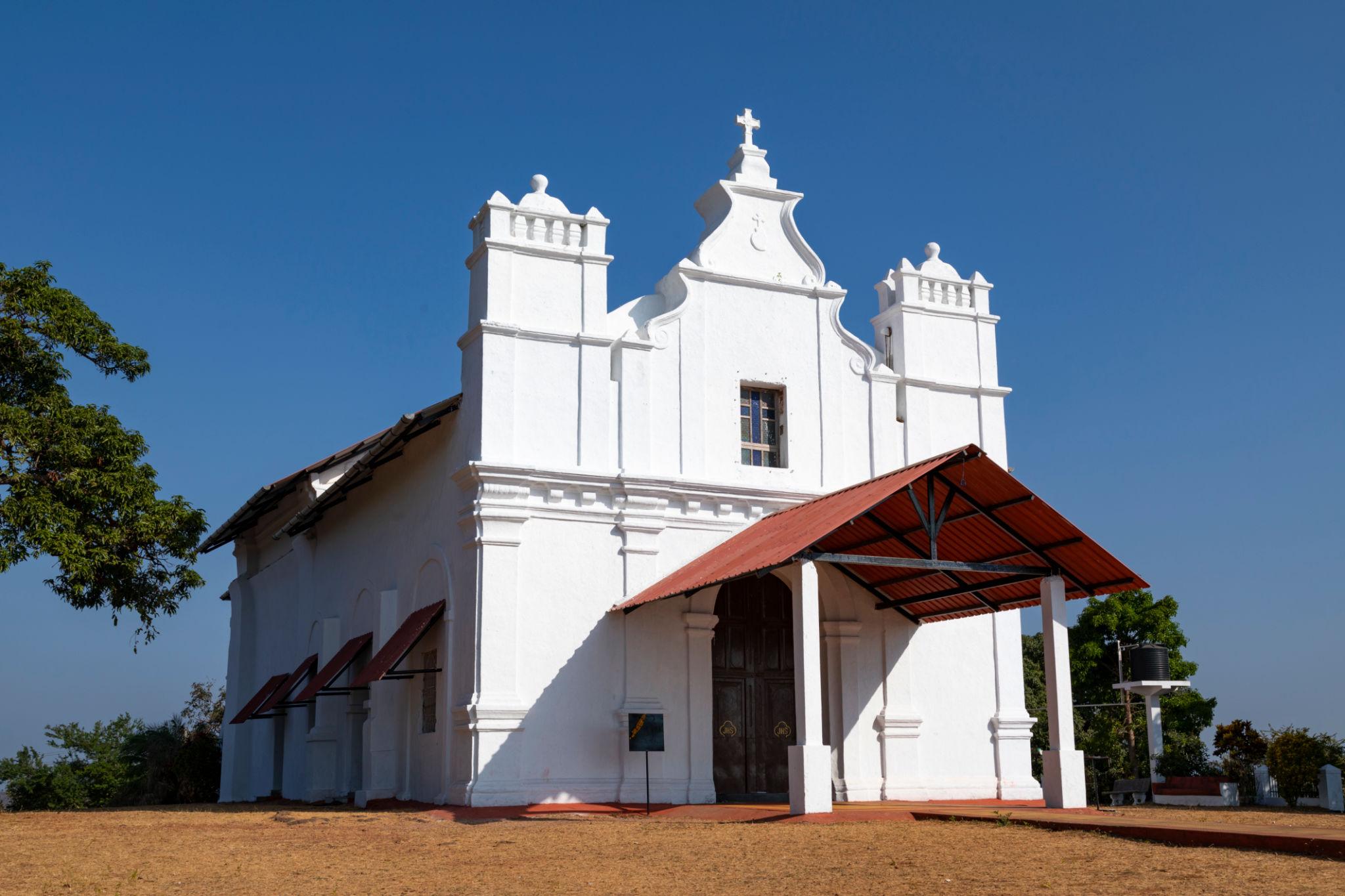
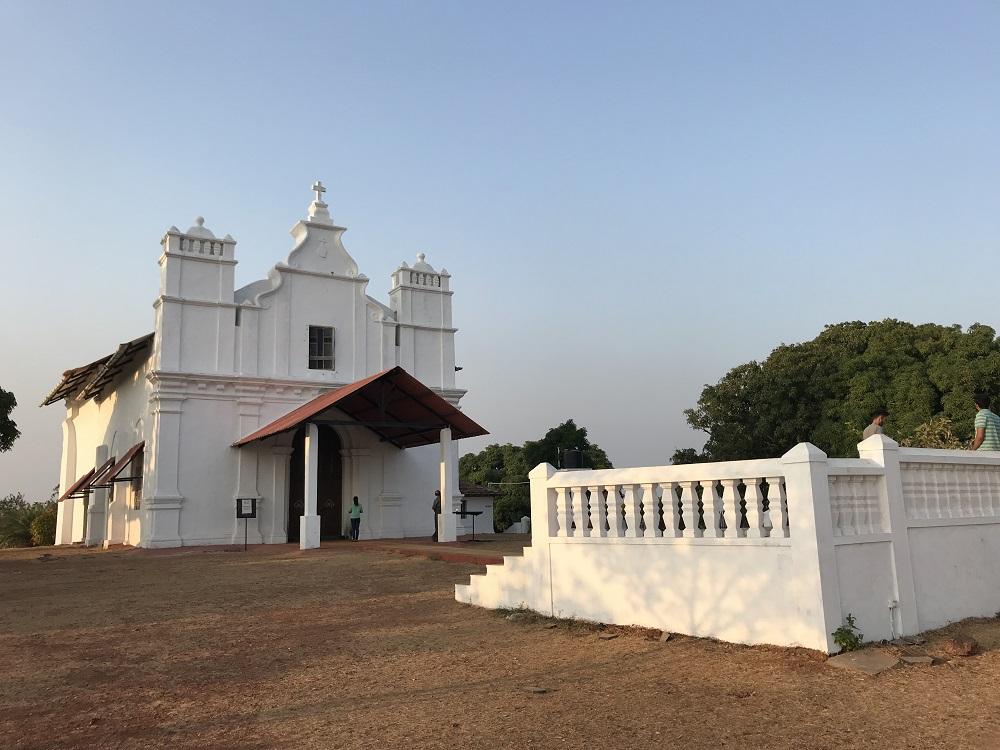
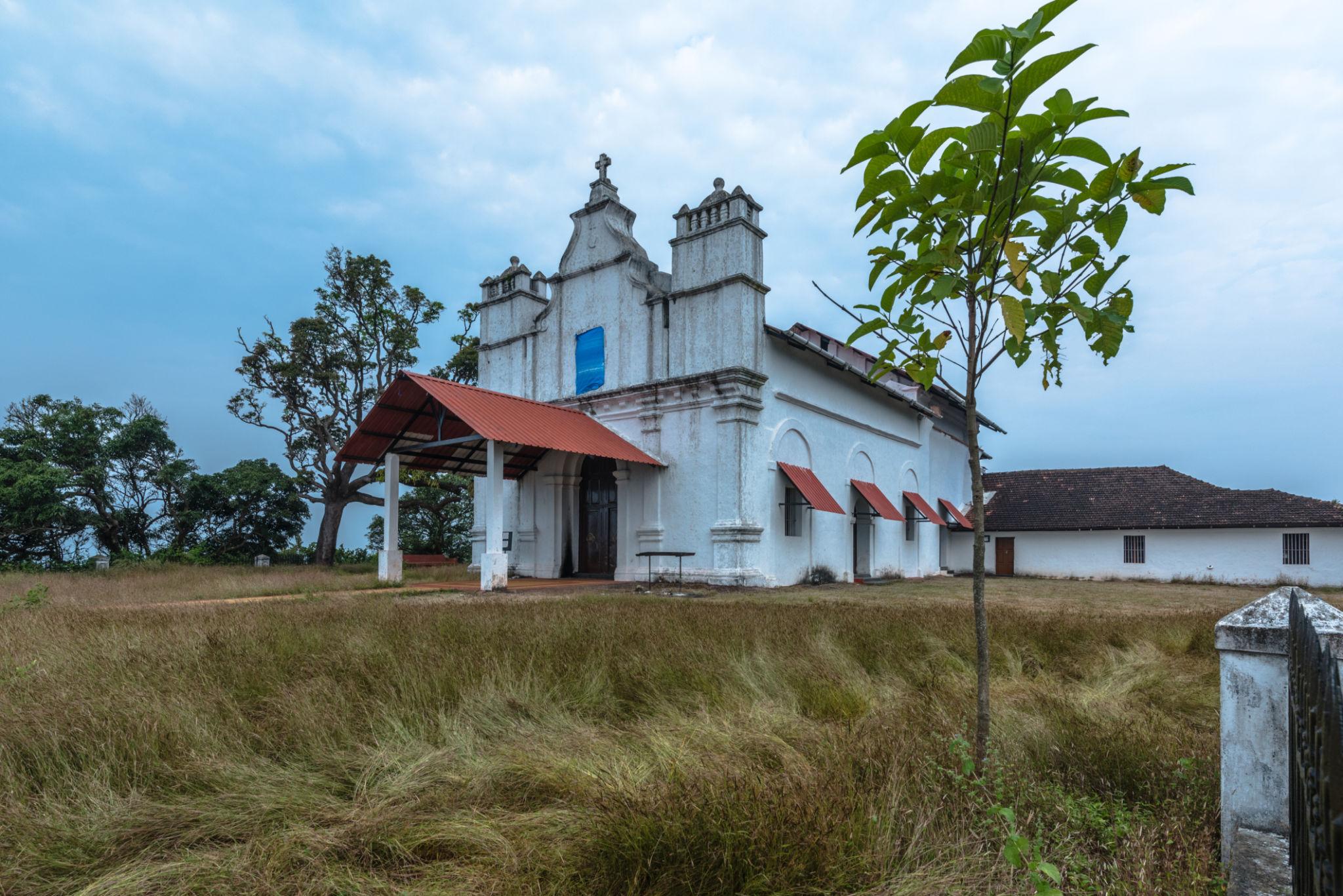
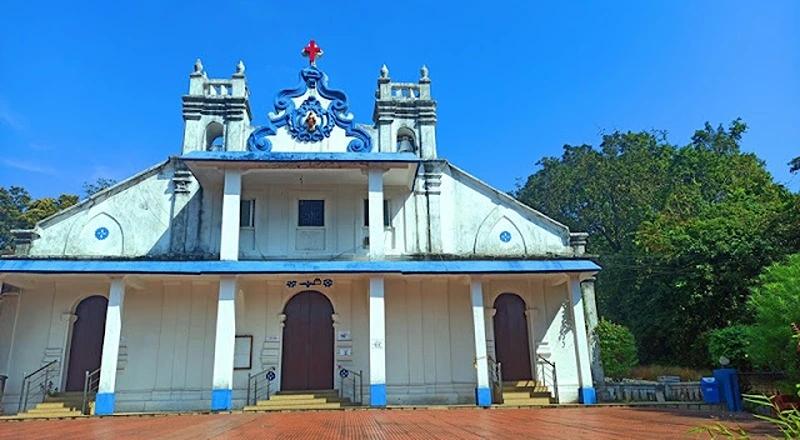
Perched majestically atop the lush, emerald-green hill of Cuelim in Cansaulim, South Goa, the Three Kings Church (also known as the Chapel of Our Lady of Remedies) stands as one of the most enigmatic and spiritually resonant structures in the coastal state. While Goa is world-renowned for its sprawling white-sand beaches and vibrant nightlife, locations like the Three Kings Church offer a different, more contemplative perspective of the "Pearl of the Orient." This site is not merely a place of worship; it is a panoramic vantage point that offers a 360-degree view of the Arabian Sea, the winding Sal River, and the dense coconut groves that define the Goan landscape.
The church is unique because it balances a deep sense of religious devotion with a layer of local folklore that has intrigued visitors for centuries. To the local community, it is a sacred sanctuary dedicated to Nossa Senhora dos Remedios (Our Lady of Remedies). To the traveler, it is a serene escape from the commercialized tourist hubs. To the enthusiast of the supernatural, it is often cited as one of the most haunted locations in India, though this reputation is handled with a mix of skepticism and traditional respect by the local villagers. The atmosphere here is thick with history, the air is cooled by the sea breeze, and the silence of the hilltop provides a meditative environment that is rare to find in the more crowded parts of North Goa.
Top Goa Experience • Part 1
Highly Recommended Near Three Kings Church
Explore All
Visiting Three Kings Church is as much about the journey as it is about the destination. The ascent up the hill, whether by vehicle or by foot, reveals the layered beauty of South Goa’s countryside. From the top, one can see the patchwork of salt pans, paddy fields, and the distant silhouettes of other historic churches. It is a place where time seems to slow down, allowing the spiritual significance of the site to wash over the visitor. Whether you are a pilgrim seeking divine intervention, a photographer looking for the perfect sunset shot, or a history buff eager to uncover the secrets of Portuguese-era architecture, Three Kings Church offers an experience that is both profound and unforgettable.
History & Religious Significance
The history of the Three Kings Church is deeply intertwined with the Portuguese colonial era, dating back to the late 16th century. Formally established in 1599, the church was built during a period of intense Jesuit activity in the Salcete region. The primary dedication of the chapel is to Our Lady of Remedies, a title of the Virgin Mary that has long been associated with healing and protection. However, the church is most famously known by its colloquial name, "Three Kings," which refers to the Biblical Magi—Melchior, Caspar, and Balthazar—who visited the infant Jesus.
Recommended Guide
10 Interesting Facts About Goa That Will Blow Your Mind
Discover 10 fascinating facts about Goa from Portuguese history & architecture to hidden beaches, cheap alcohol secrets, and more.
Read Guide →
The religious significance of this site is rooted in the Epiphany, the manifestation of Christ to the Gentiles. For the local Catholic population in the villages of Cansaulim, Arossim, and Cuelim, the church represents a communal bond that has survived for over four centuries. It serves as a spiritual lighthouse for the fishing and farming communities that reside at the base of the hill. Over the years, the church has undergone several renovations, yet it has maintained its original charm and the sanctity of its hilltop location.
Beyond the orthodox religious history, there is a legendary narrative that contributes to the site's fame. Local lore speaks of three Portuguese kings (or local rulers, depending on the version of the story) who vied for control over the region. According to the legend, one king invited the other two to a banquet at this very spot, where he poisoned their food to eliminate his competition. However, consumed by guilt and fearing the wrath of the local populace, he subsequently committed suicide by consuming the same poison. It is said that the three kings were buried within the church grounds. While historians view this story as a blend of myth and local folklore, it has added a layer of historical intrigue that draws thousands of curious visitors every year, making it a cornerstone of Goan oral tradition.
Recommended Guide
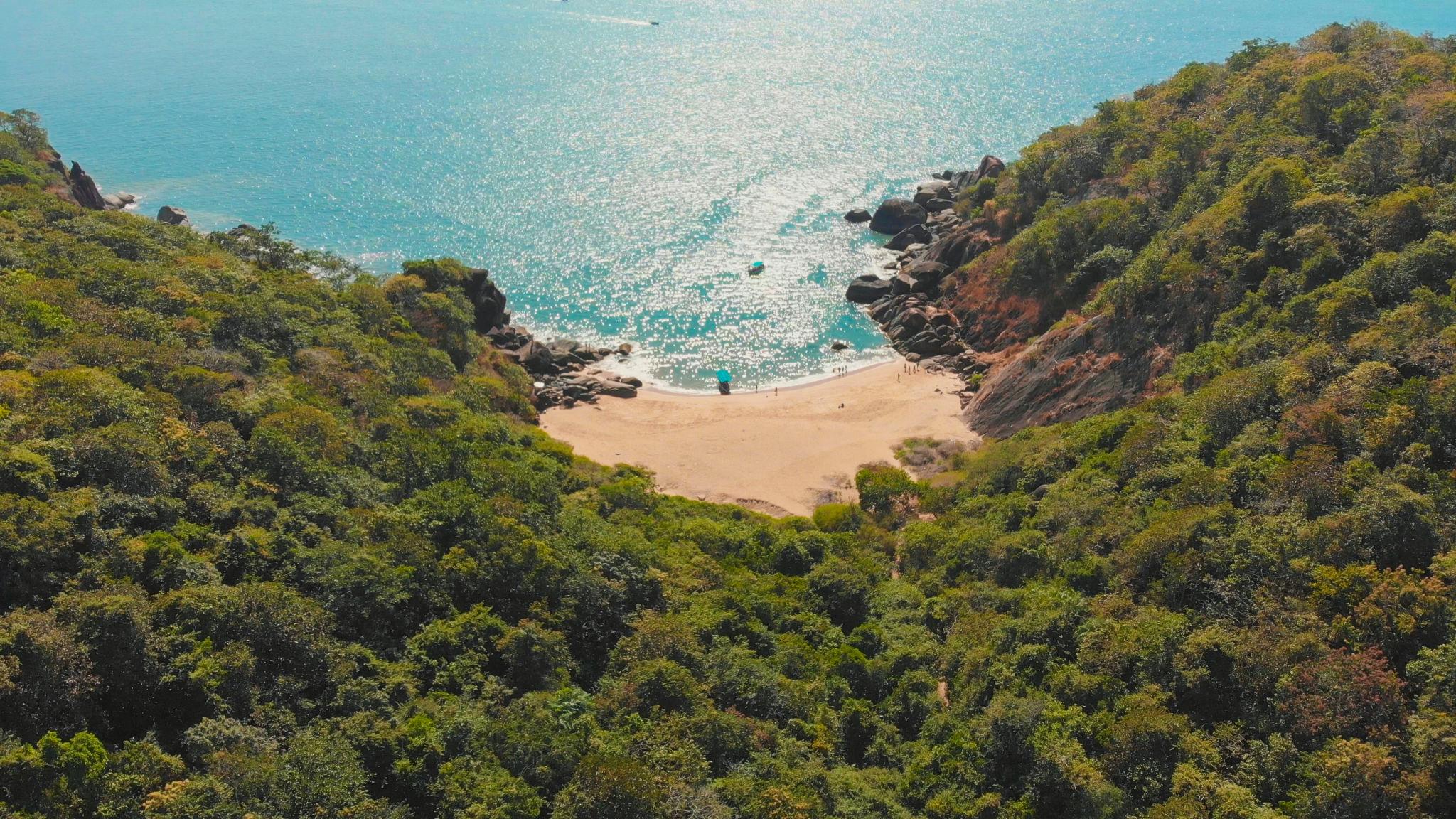
Best Less Crowded Beaches in South Goa
South Goa is famous for its peaceful beaches, natural beauty, clean coastline, and relaxed atmosphere. While North Goa attracts thousands of tourists every...
Read Guide →
Architecture of Three Kings Church
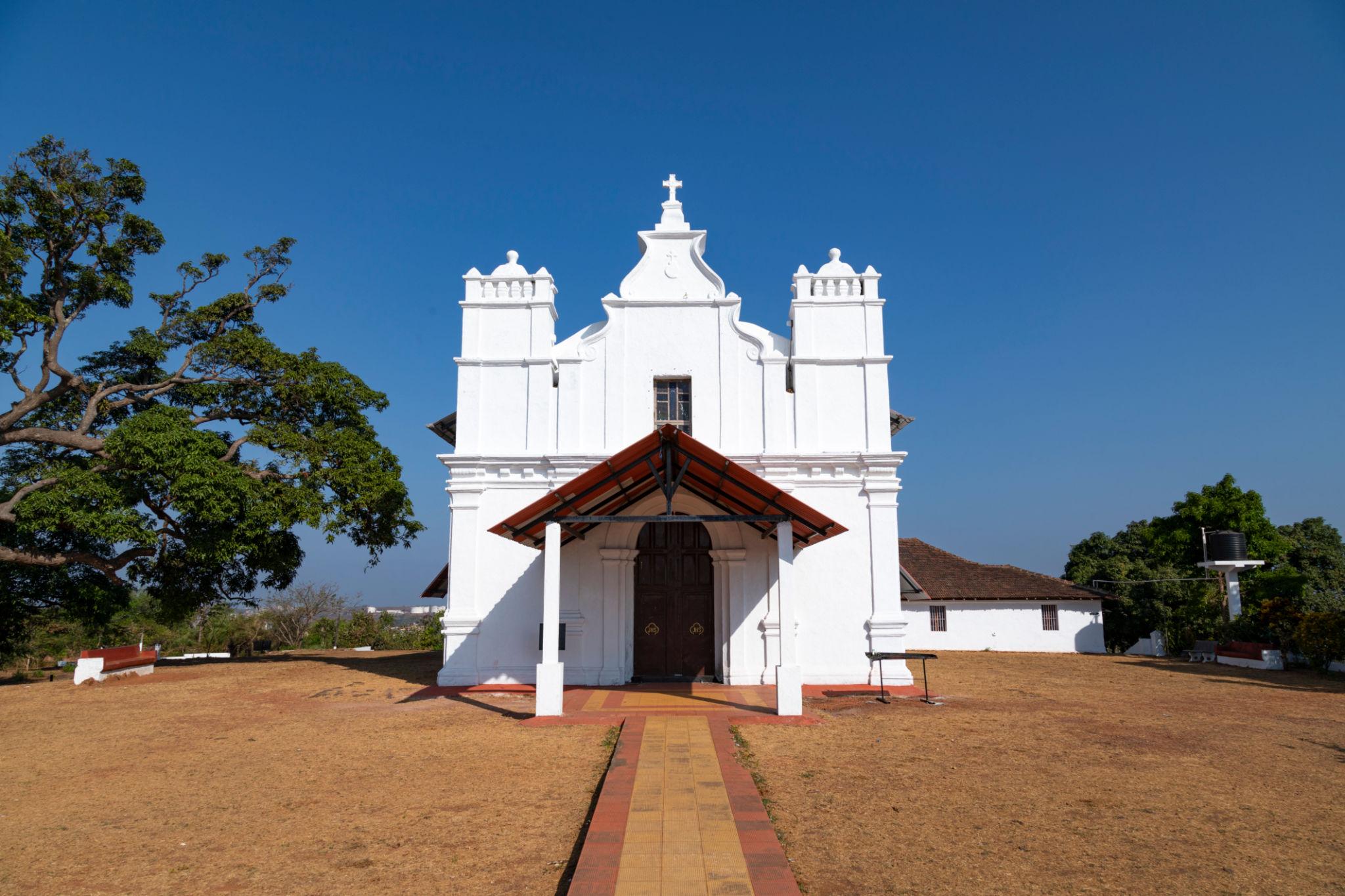
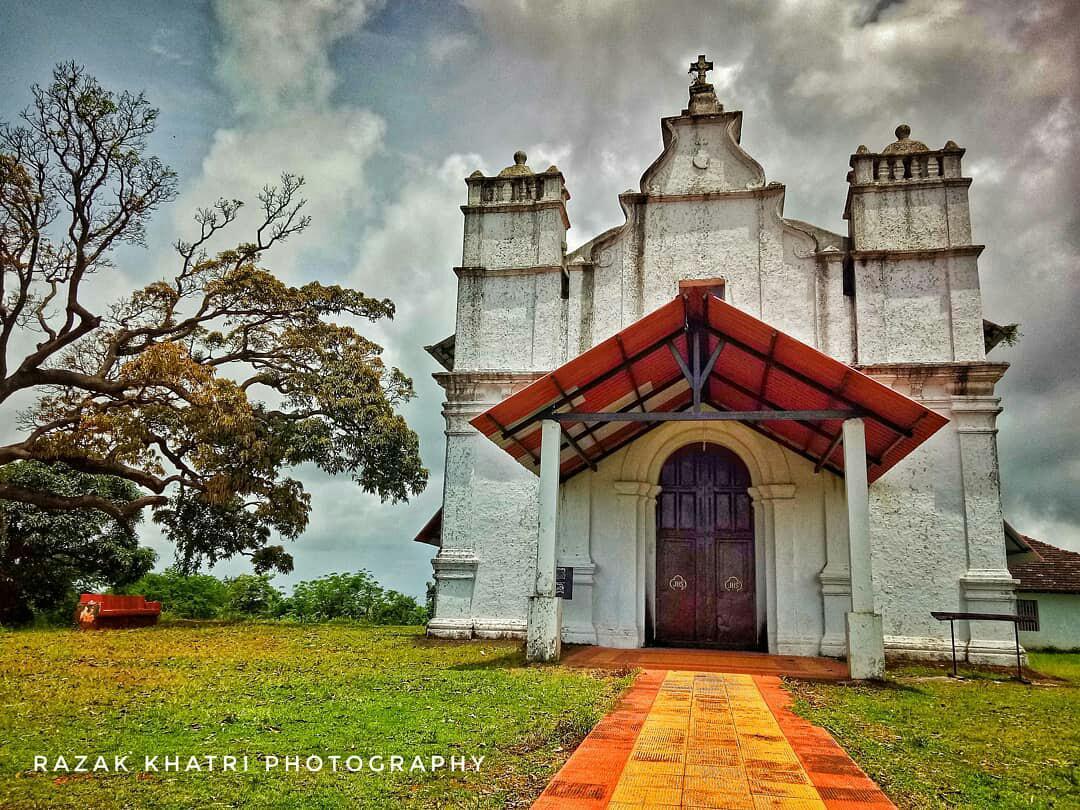
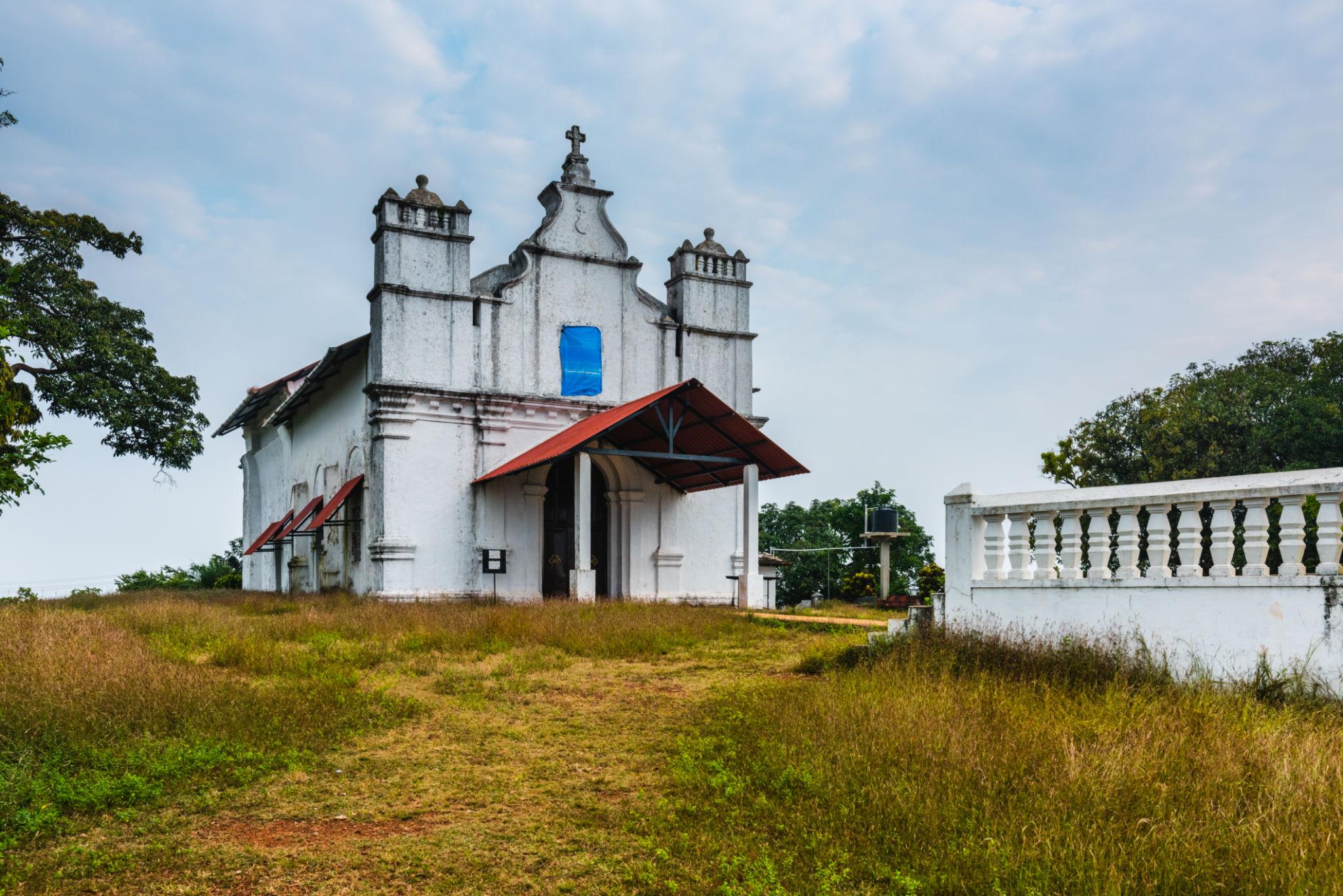
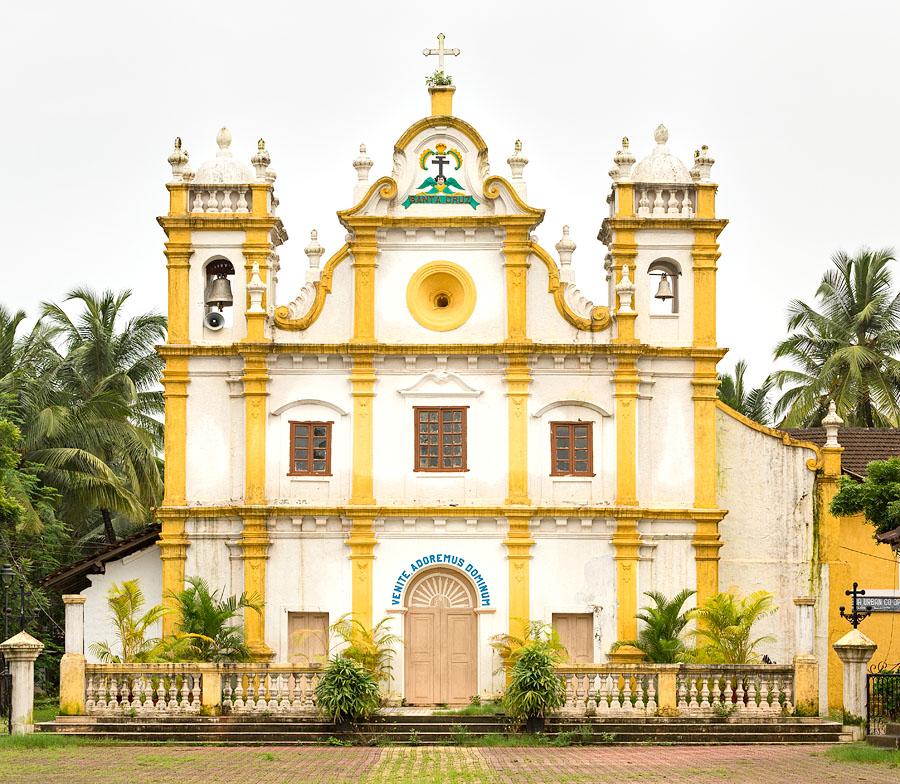
The architecture of the Three Kings Church is a classic example of the Mannerist style, which was prevalent during the Portuguese expansion in India. Unlike the grand, sprawling structures of Old Goa like the Se Cathedral or the Basilica of Bom Jesus, the Three Kings Church is modest in scale but exquisite in its simplicity. The structure is characterized by its thick laterite stone walls, which are plastered with lime to achieve a brilliant, whitewashed finish that glows under the Goan sun.
The facade of the church is divided into three vertical sections, a common feature in Goan ecclesiastical architecture. It features a simple pediment and a central doorway flanked by decorative pilasters. Above the main entrance, there is a small window that allows natural light to filter into the choir loft. One of the most striking features of the exterior is the belfry (bell tower), which stands as a silent sentinel over the valley. The bell is rung during special occasions and the annual feast, its sound echoing across the plains of South Goa.
Recommended Guide
Top 10 Tips for Renting a Car in Goa (Complete Guide 2026)
Renting a car in Goa sounds like the perfect plan — full freedom, beach hopping, no waiting for taxis, and exploring hidden places at your own pace. But...
Read Guide →
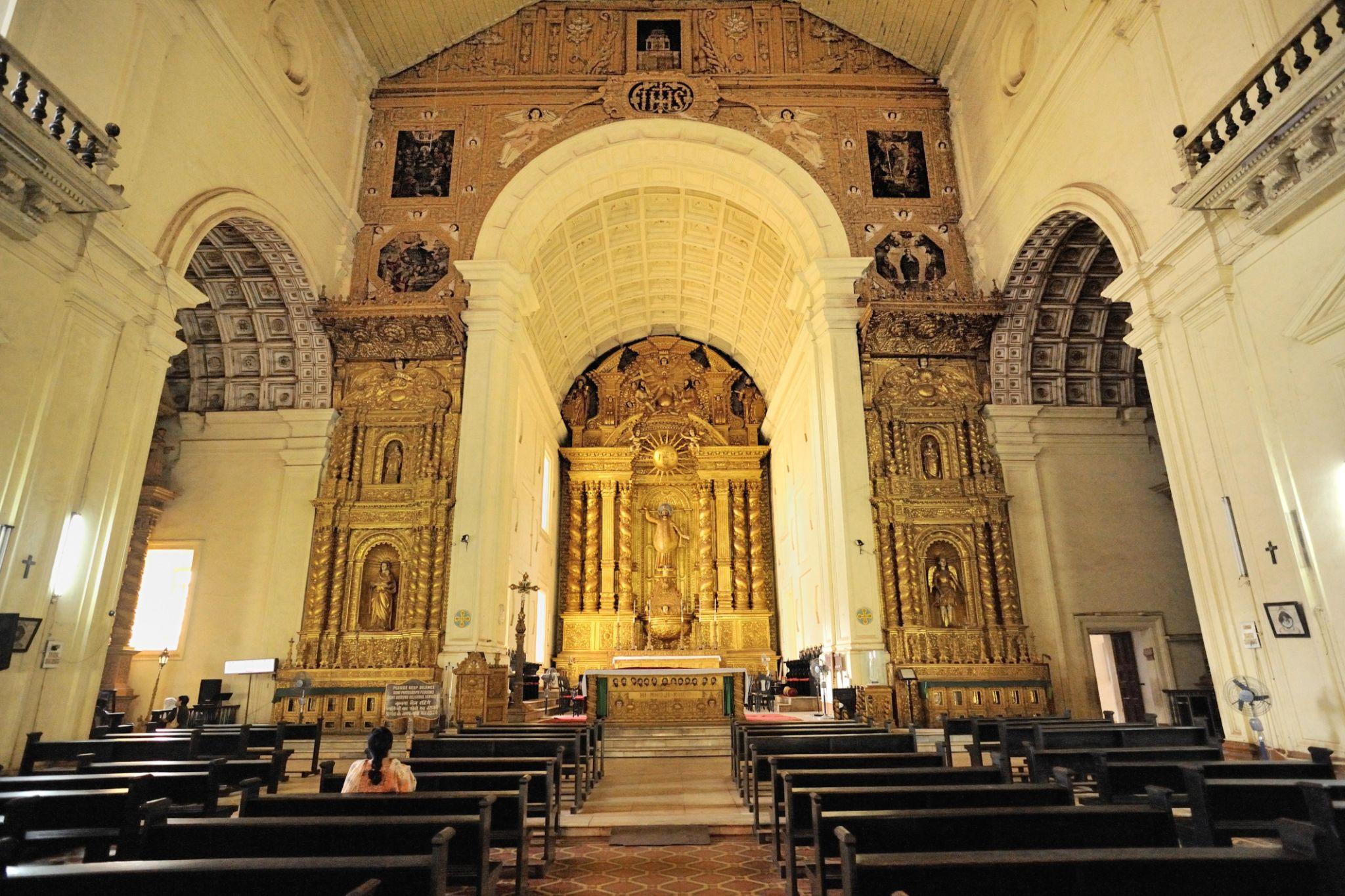
Inside, the church maintains a somber and holy atmosphere. The main altar is dedicated to Our Lady of Remedies, featuring intricate wood carvings that have been gilded in gold leaf—a hallmark of the Baroque influence that followed the Mannerist period. There are also smaller altars or niches dedicated to the Three Kings. The flooring is often made of traditional terracotta tiles or stone, which keeps the interior cool even during the peak of summer. The vaulted ceiling and the narrow windows create an acoustic environment perfect for liturgical singing. The architectural layout is designed to direct the eyes of the faithful toward the high altar, symbolizing the journey of the soul toward the divine. The integration of the church into the natural topography of the hill suggests that the architects wanted to create a space where the majesty of nature and the glory of God could be experienced simultaneously.
Top Goa Experience • Part 2
Highly Recommended Near Three Kings Church
Explore All
Main Deity / Spiritual Importance
The primary spiritual focus of the Three Kings Church is Our Lady of Remedies (Nossa Senhora dos Remedios). In the Catholic tradition, Mary is often invoked under this title by those seeking relief from physical ailments, financial distress, or spiritual burdens. The devotion to Our Lady of Remedies in Cuelim is particularly strong, with many locals testifying to miracles and answered prayers attributed to her intercession. The statue of the Virgin Mary, housed within the central retable, is a focal point for daily devotions and private meditations.
However, the spiritual identity of the church is equally shared with the Three Kings. The Magi represent the universal call to seek the truth and the recognition of the divine in the world. Their presence in the church’s name and traditions emphasizes a message of search, discovery, and humble adoration. For many pilgrims, the climb to the church is a physical manifestation of the Magi's long journey following the Star of Bethlehem. This "ascent" to the hilltop is seen as a way to leave behind the worldly distractions of the plains and move closer to a higher spiritual plane.
In the local Goan context, the spiritual importance also extends to the concept of "Soddvonn" (Deliverance). The church is seen as a place of protection. Despite the ghostly legends that surround the hill, the local community views the church as a sacred shield that blesses the surrounding villages. The spiritual energy here is a unique blend of formal Catholic liturgy and deep-seated folk beliefs, creating a religious environment that is uniquely and authentically Goan. It is a place where the community gathers not just to pray, but to reaffirm their cultural identity and their connection to their ancestors who have worshipped on this hill for generations.
Festivals & Celebrations
The most significant event in the church's calendar is the Feast of the Three Kings, celebrated annually on January 6th, which marks the Epiphany. This is one of the most vibrant and culturally rich festivals in South Goa, drawing people from all over the state and beyond. The celebration is not just a religious service but a grand reenactment of the journey of the Magi. The highlight of the feast involves three young boys, chosen from the three neighboring villages of Cuelim, Cansaulim, and Arrossim, who dress up as the three kings.
The preparation for this feast begins weeks in advance. The boys, usually between the ages of 8 and 12, are selected based on specific traditional criteria. On the day of the feast, they are dressed in elaborate royal costumes, complete with crowns and scepters. They mount decorated horses and ride up the hill to the church, accompanied by a lively procession of musicians, dancers, and the faithful. This procession is a spectacular sight, with the vibrant colors of the costumes contrasting against the green hillside and the blue sky.
- The High Mass: A solemn Eucharistic celebration is held at the church, where the "kings" offer their gifts at the altar, symbolizing the gold, frankincense, and myrrh offered to the Christ child.
- The Fair (Mela): At the foot of the hill and around the church, a traditional Goan fair is organized. Stalls sell everything from local sweets like khaje and laddu to handmade toys, copperware, and traditional garments.
- Communal Meals: Many local families host open houses, serving traditional Goan Catholic delicacies such as Sorpotel, Sanna, and Pulao.
The atmosphere during the feast is one of pure joy and communal harmony. It is a time when the "haunted" reputation of the hill is completely forgotten, replaced by the sounds of brass bands and the laughter of children. The Feast of the Three Kings is a testament to the enduring nature of Goan traditions and the deep-seated faith of the people of Cansaulim.
Best Time to Visit
To experience the Three Kings Church in its full glory, the winter season (November to February) is undoubtedly the best time. During these months, the weather in Goa is pleasant, with daytime temperatures ranging from 25°C to 30°C and cool breezes blowing in from the sea. The humidity is significantly lower than in the summer, making the walk or drive up the Cuelim hill much more comfortable. This period also coincides with the major festivities, including Christmas and the Feast of the Three Kings on January 6th.
If you prefer a more contemplative and solitary experience, the monsoon season (June to September) offers a different kind of beauty. The entire hill turns a vivid, pulsating green, and the clouds often descend low enough to shroud the church in a mystical mist. However, be prepared for heavy downpours and slippery paths. The view of the rain-washed landscape from the hilltop is breathtaking, but the church interior may be closed more frequently during this time.
Regarding the time of day, late afternoon is the most recommended. Arriving around 4:30 PM allows you to explore the church and its surroundings before witnessing one of the most spectacular sunsets in South Goa. As the sun dips into the Arabian Sea, the sky transforms into a canvas of oranges, pinks, and purples, providing a perfect backdrop for the stark white church. It is important to note that most visitors prefer to leave the hilltop shortly after sunset, respecting local customs and the eerie reputation the site gains after dark.
Timings, Entry Fee & Dress Code
Understanding the logistical details is crucial for a smooth visit to the Three Kings Church. Unlike the larger cathedrals in Old Goa, this chapel does not have a full-time staff present throughout the day, and it is primarily used for specific religious services.
- Timings: The church grounds are generally accessible from 8:00 AM to 6:00 PM. However, the interior of the chapel is often locked except during Sunday Mass or special feast days. If you wish to see the interior, it is best to visit on a Sunday morning around 7:30 AM or coordinate with the local parish office in Cansaulim.
- Entry Fee: There is no entry fee to visit the Three Kings Church. It is a place of worship and public heritage. However, donations for the maintenance of the chapel are always welcomed and can be placed in the donation boxes inside.
- Dress Code: As with all religious sites in Goa, a modest dress code is strictly expected. Visitors should ensure their shoulders and knees are covered. Sleeveless tops, short skirts, and beachwear are considered inappropriate. Wearing respectful attire not only honors the sanctity of the site but also ensures you are welcomed by the local devotees.
- Special Note: Visitors are strongly advised not to stay on the hilltop after dark. While the "haunted" stories are part of the allure, the area is isolated, and there is no lighting on the path leading up, making it a safety concern as much as a traditional one.
How to Reach Three Kings Church
The Three Kings Church is located in the village of Cuelim, within the Cansaulim region of South Goa. It is relatively easy to reach if you have your own transport, but public transport options are also available for the adventurous traveler.
- By Air: The nearest airport is Dabolim Airport (GOI), which is approximately 12 to 15 kilometers away. From the airport, you can hire a pre-paid taxi that will take you directly to the foot of the Cuelim hill in about 25-30 minutes.
- By Rail: The closest railway station is Cansaulim Railway Station, which serves local trains on the South Western Railway line. From the station, the church is about 3-4 kilometers away. You can find auto-rickshaws or local pilots (motorcycle taxis) to take you up the hill. For those coming from further away, Madgaon Junction (MAO) is the major railhead, located about 15 kilometers from the church.
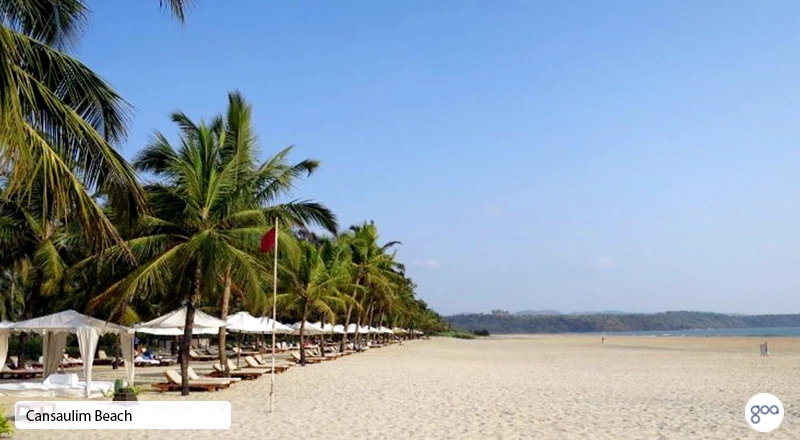
- By Road: If you are driving from Panjim (the capital), the distance is roughly 30 kilometers via the NH66. From Margao, it is a short 15-20 minute drive. The road leads through the scenic villages of Velsao and Cansaulim. Once you reach the base of the hill, there is a narrow but paved road that winds its way to the top. Small cars and two-wheelers can easily make the ascent.
- On Foot: Many locals and pilgrims prefer to walk up the hill as an act of devotion. There is a traditional stone pathway (staircase) that starts near the base. It is a moderately steep climb that takes about 15-20 minutes but offers the most intimate experience of the surrounding nature.
Things to Do
While the Three Kings Church is a quiet spot, there are several activities that can make your visit more enriching:
- Spiritual Meditation: The quietude of the hilltop is perfect for meditation or silent prayer. Even if the church is closed, the surrounding ledge offers a peaceful place to sit and reflect.
- Landscape Photography: This is a paradise for photographers. You can capture the architectural details of the church, the panoramic views of the coastline, and the dramatic play of light during sunset. The contrast of the white church against the blue sky is a classic Goan shot.
- Bird Watching: The Cuelim hill and the surrounding marshlands are home to various bird species. Keep an eye out for brahminy kites, kingfishers, and various migratory birds that frequent the nearby salt pans.
- Nature Walk: Explore the trails around the hill. The vegetation is typical of the Western Ghats' coastal foothills, featuring cashew trees, banyan trees, and various wild shrubs.
- Picnicking: Many families bring light snacks and water to enjoy the view. However, it is imperative to carry all your trash back with you, as there are no waste management facilities on the hilltop.
- Attend the Feast: If your visit coincides with January 6th, participating in the Feast of the Three Kings is an absolute must. It is a rare opportunity to see Goan culture in its most authentic and vibrant form.
Nearby Attractions
A visit to the Three Kings Church can be easily combined with other attractions in the South Goa circuit:
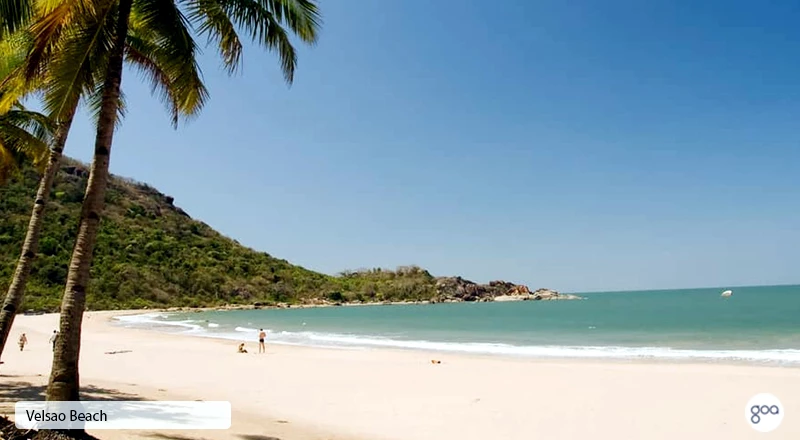
- Velsao Beach: Located just a few kilometers away, this is one of the most serene and least crowded beaches in Goa. Its long stretch of white sand is perfect for a quiet walk after visiting the church.
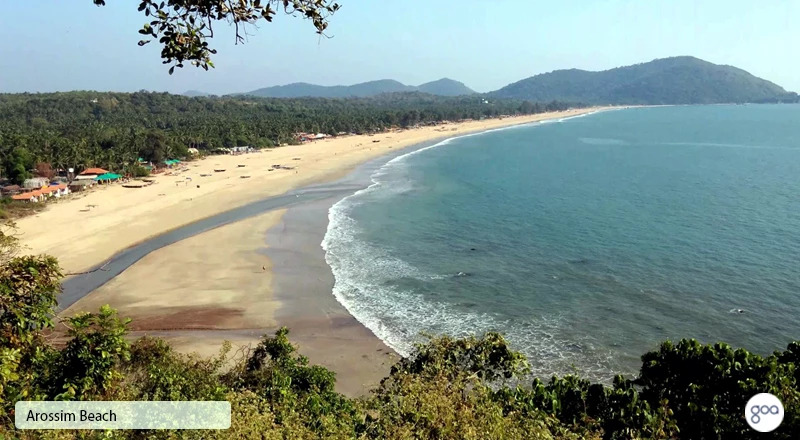
- Arossim Beach: Another stunning beach nearby, known for its high-end resorts and excellent beach shacks serving fresh seafood.
- St. Lawrence Church, Agassaim: Another historic church located a short drive away, offering beautiful views of the Zuari River.
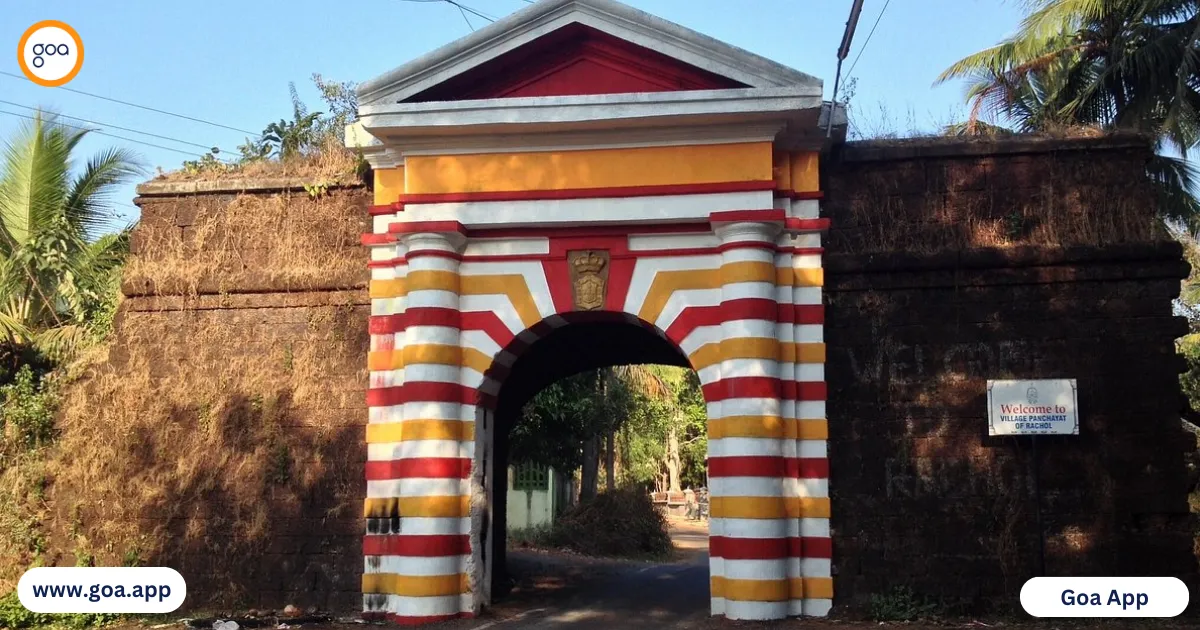
- The Rachol Seminary: For those interested in more religious history, the Rachol Seminary is one of the oldest and most prestigious theological institutions in Asia, featuring a magnificent library and museum.
- Margao City: The commercial hub of South Goa is great for shopping at the Gandhi Market and visiting the historic Holy Spirit Church.
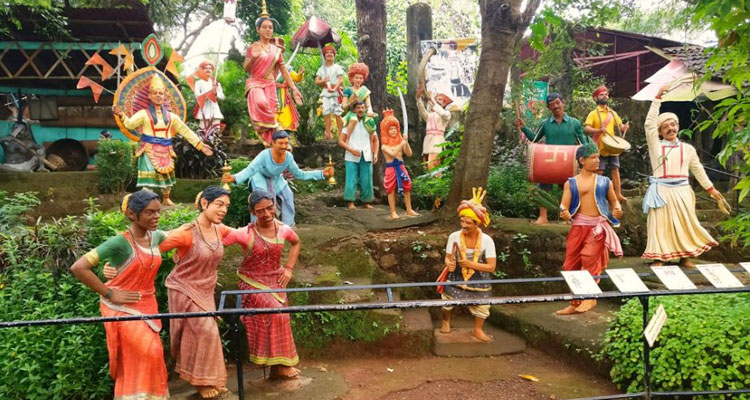
- The Ancestral Goa (Loutolim): A themed park and museum that recreates Goan village life from 100 years ago, located about 10 kilometers away. It features the famous "Big Foot" cross.
Photography & Visitor Guidelines
To ensure a respectful and pleasant visit for everyone, please adhere to the following guidelines:
- Photography: Photography is generally permitted outside the church. However, photography inside the chapel is often discouraged or requires explicit permission from the priest, especially during mass. Avoid using flash photography as it can damage the ancient gilded altars.
- Silence: Maintain a low volume. Many people come here for spiritual reasons, and loud conversations or music can be disruptive.
- Drone Usage: If you plan to use a drone for aerial shots, ensure you have the necessary permits. Be mindful of the privacy of the church grounds and any ongoing religious services.
- Respect the Environment: The Cuelim hill is a sensitive ecological zone. Do not pluck flowers, disturb the wildlife, or leave any litter behind.
- Safety: Be careful near the edges of the hilltop, as there are no railings in many sections. If you are walking up the hill, wear sturdy shoes as the path can be uneven.
- Cultural Sensitivity: If you see locals engaged in prayer or rituals, keep a respectful distance. Do not interrupt ceremonies for photos.
Where to Eat Nearby
South Goa is a culinary delight, and the area around Cansaulim offers several options ranging from humble local eateries to fine dining:
- Beach Shacks: Head to Velsao or Arossim beach for classic Goan shacks like Fish Ka or Star Fish. They serve excellent Rava Fried Fish, Prawn Curry Rice, and chilled beverages.
- The Southern Deck: Located on Benaulim beach (a bit further but worth the drive), this place offers a more upscale dining experience with a great view of the sea.
- Martin’s Corner: Located in nearby Betalbatim, this is a legendary Goan restaurant famous for its seafood and live music. It was a favorite of Indian cricket legend Sachin Tendulkar.
- Local Tavernas: In Cansaulim village, you can find small local bars and eateries serving traditional Goan snacks like Choris Pao (sausage bread) and Potato Chops.
- Heritage Village Resort: For those looking for a buffet or a more formal setting, the nearby resorts in Arossim offer various multi-cuisine options.
Accommodation Nearby
Depending on your budget and preference, you can find a variety of places to stay near the Three Kings Church:
- Luxury Resorts: ITC Grand Goa Resort & Spa and Heritage Village Resort & Spa in Arossim offer world-class amenities, private beach access, and traditional Goan hospitality.
- Boutique Stays: There are several restored Portuguese villas in the Cansaulim and Velsao area that function as boutique guesthouses, offering a more intimate and historical experience.
- Homestays: For a budget-friendly and authentic experience, look for homestays in Cansaulim village. This allows you to interact with local families and enjoy home-cooked Goan meals.
- Mid-Range Hotels: Nearby areas like Colva and Benaulim have numerous mid-range hotels and resorts that provide a balance of comfort and affordability.
Travel Tips
To make the most of your trip to the Three Kings Church, keep these tips in mind:
- Carry Water: There are no shops or vendors on the hilltop. Ensure you carry enough drinking water, especially if you are walking up.
- Sun Protection: The hilltop is quite exposed. Wear a hat, use sunscreen, and carry an umbrella if you are visiting during the middle of the day.
- Local Guidance: If you want to know more about the history, talk to the local villagers in Cansaulim. They are often happy to share stories and traditions that you won't find in guidebooks.
- Combine with a Beach Day: Since the church doesn't take more than an hour or two to explore, plan to spend the rest of your day at Velsao or Arossim beach.
- Respect the Legend: Even if you don't believe in ghosts, respect the local sentiment regarding the "Three Kings" legend. It is part of the cultural fabric of the place.
- Check for Mass Times: If you want to experience the spiritual side fully, check the local parish schedule for Sunday Mass times, which are usually held in Konkani.
Conclusion
The Three Kings Church in Cuelim is a rare gem in the Goan landscape—a place where the physical beauty of the earth meets the profound depths of human faith and the lingering echoes of history. It is a site that defies the stereotypical "party" image of Goa, offering instead a sanctuary of peace, a lesson in colonial architecture, and a window into the soul of the Goan people. Whether you are drawn by the spiritual aura of Our Lady of Remedies, the festive grandeur of the Epiphany, or the haunting legends of the three kings, you will leave the hilltop with a sense of wonder. It is a reminder that Goa’s true beauty lies not just in its shores, but in its high places, its ancient traditions, and its ability to keep the past alive in the present. A visit to this hilltop chapel is not just a stop on a tourist itinerary; it is a journey into the heart of South Goa’s spiritual and cultural heritage.