Overview of Karmalya waterfall
Deep within the heart of the Sattari taluka, far away from the neon lights of North Goa’s party strips and the crowded shacks of the southern coastline, lies a pristine natural wonder known as the Karmalya waterfall. Often referred to by locals as the "Karmali" or "Pissurlem" waterfall due to its proximity to the village of Pissurlem, this hidden gem is a testament to the raw, untamed beauty of the Western Ghats. Unlike the world-famous Dudhsagar Falls, which attracts thousands of tourists daily, Karmalya remains a quiet sanctuary, offering a serene escape for those who seek the "real" Goa—the Goa of lush emerald forests, ancient rock formations, and crystal-clear mountain streams.
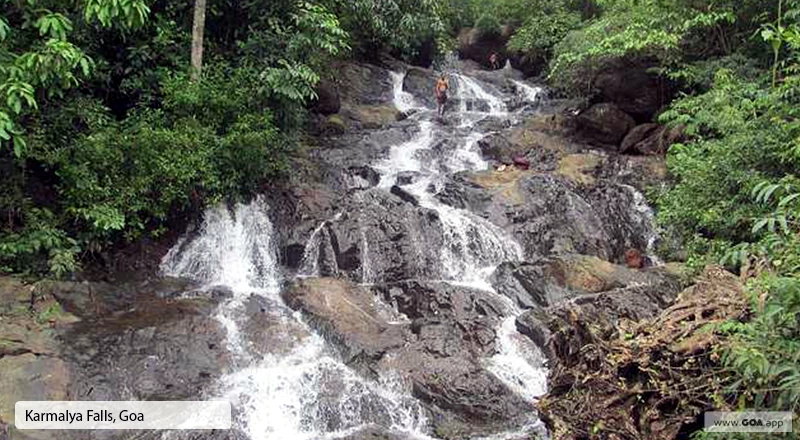
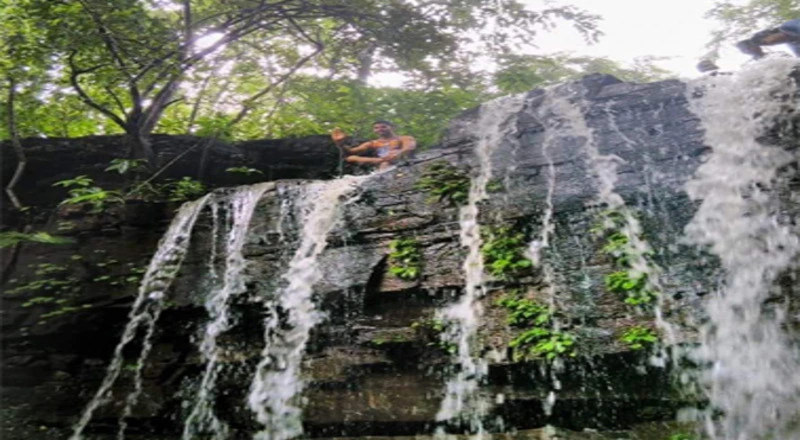
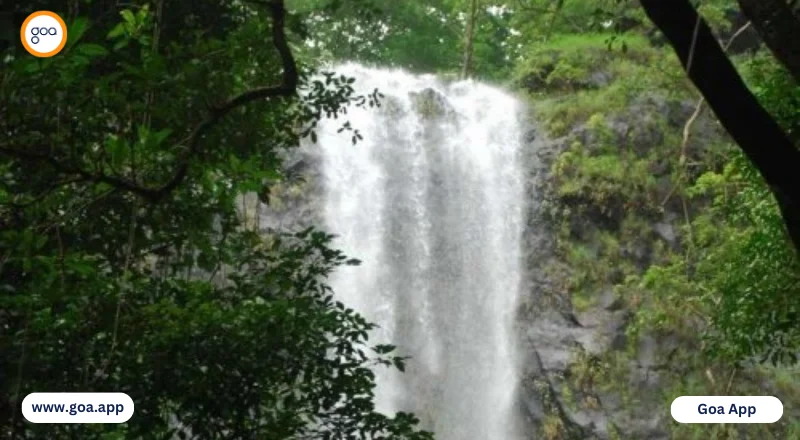
The Karmalya waterfall is unique because of its structure. It is essentially a seasonal step-waterfall, where the water cascades down a series of rocky tiers, creating natural pools at various levels. During the peak of the monsoon, the water takes on a milky white appearance, contrasting sharply against the dark basalt rocks and the vibrant green moss that carpets the surrounding landscape. The waterfall is situated in a region known for its iron ore mines, and the journey to the falls provides a stark, fascinating contrast between the industrial mining landscapes and the resilient, thriving biodiversity of the Goan hinterlands.
Top Goa Experience • Part 1
Highly Recommended Near Karmalya waterfall
Explore All
For the professional traveler and nature enthusiast, Karmalya is more than just a photo opportunity; it is an immersive experience. The air here is noticeably cooler, scented with the fragrance of wet earth and wild flora. The soundscape is dominated by the rhythmic drumming of the falls and the occasional call of the Malabar Whistling Thrush. This destination is perfect for those who want to disconnect from the digital world and reconnect with nature. It represents the "Hinterland Tourism" movement in Goa, which aims to highlight the ecological and cultural richness of the state's interior regions, moving beyond the stereotypical sun-and-sand image.
The waterfall is fed by the seasonal rains that lash the Sahyadri range. As such, its character changes with the intensity of the downpour. In early June, it begins as a gentle trickle, gaining momentum by July and August to become a roaring force of nature. By late September, it softens again, offering a more tranquil and accessible environment for visitors. Understanding the seasonal rhythm of Karmalya is essential for anyone planning a visit, as the experience is entirely dependent on the whims of the Indian Monsoon.
Recommended Guide
15 Best Hill Stations Near Goa distance & Travel Tips
Discover the 15 best hill stations near Goa to visit in 2026. Our guide covers distances, trekking trails, and local highlights.
Read Guide →
How to Reach Karmalya waterfall
Reaching Karmalya waterfall is an adventure in itself, requiring a bit of navigation through the winding roads of North-Eastern Goa. The waterfall is located near the village of Pissurlem in the Sattari Taluka. Depending on where you are staying in Goa, the journey can take anywhere from one to two hours. Here is a detailed breakdown of how to reach this hidden paradise:
- From Panaji (The Capital): Panaji is approximately 45 to 50 kilometers away from Karmalya. The most efficient route is to head towards Old Goa and then proceed towards Bicholim. From Bicholim, follow the signs for Sanquelim. Once you reach Sanquelim, you will need to head towards the Pissurlem industrial area. The waterfall is located a few kilometers beyond the mining zones.
- From North Goa Beaches (Calangute/Baga/Anjuna): If you are starting from the coastal belt, expect a journey of about 55 to 60 kilometers. You should navigate towards Mapusa, then take the road to Bicholim. The drive through the Goan countryside is scenic, passing through cashew plantations and small hamlets. Using a GPS is highly recommended, but don't hesitate to ask locals for "Karmalya Waterfall" or "Pissurlem Falls" if the signal drops.
- From South Goa (Margao): The distance from Margao is roughly 60 kilometers. The best route is to drive towards Ponda, then head north towards Sanquelim. This route takes you through the heart of Goa’s spice plantation belt and offers some of the most beautiful inland views.
Modes of Transport:
Recommended Guide
Why Foreigners Love Arambol, Morjim, and Agonda
Goa has long been one of India’s most famous beach destinations, attracting millions of travelers from around the world every year. While bustling beache...
Read Guide →
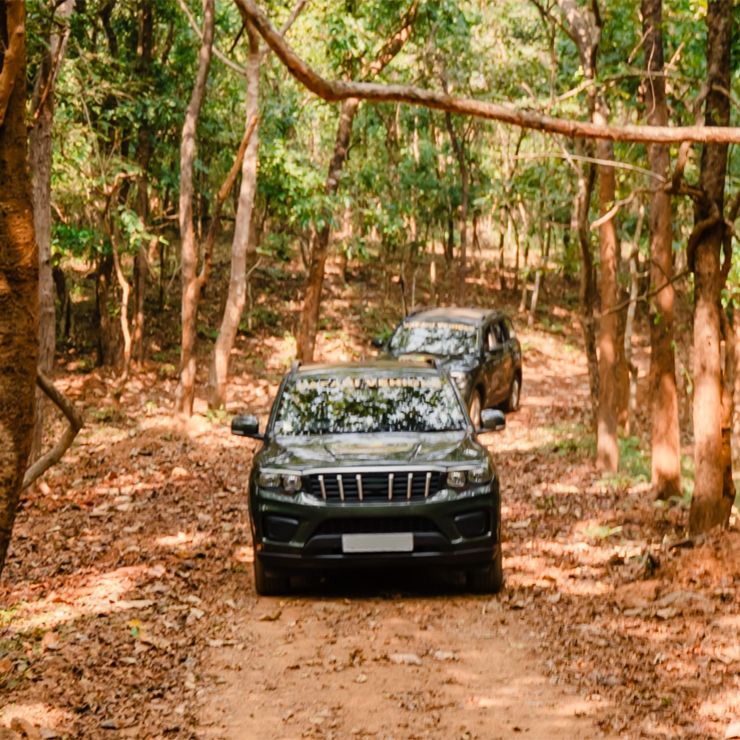
The best way to reach Karmalya is via a private vehicle, preferably a sturdy SUV or a powerful motorbike like a Royal Enfield, as the roads near the mining areas can be uneven and muddy during the monsoon. While you can hire a taxi for the day, it can be expensive. For the more adventurous, renting a scooter is an option, but be prepared for a long ride and potential rain. Public transport is limited; you can take a bus from Panaji or Mapusa to Sanquelim, but from there, you will need to hire a local pilot (motorcycle taxi) or an auto-rickshaw to take you the remaining distance to the start of the trek.
Landmarks to Watch For: Keep an eye out for the Sanquelim KTC Bus Stand and the Pissurlem Mining Belt. Once you leave the main industrial road, the path becomes narrower and more forested. Look for small makeshift signs or groups of local youngsters who often visit the spot on weekends. The final stretch involves parking your vehicle in a clearing and proceeding on foot.
Recommended Guide
Water Sports in Candolim Goa | Best Prices, Packages & Booking Guide
Candolim Beach, located in North Goa, is one of the most popular destinations for water sports in Goa. Known for its clean shoreline, less crowded environm...
Read Guide →
Best Time to Visit
Timing is everything when it comes to visiting Karmalya waterfall. Because it is a seasonal attraction, visiting at the wrong time of year might leave you looking at a dry rock face. To see the waterfall in its full, majestic glory, you must plan your visit during the Monsoon Season (June to September).
Top Goa Experience • Part 2
Highly Recommended Near Karmalya waterfall
Explore All
- June (The Arrival): The monsoon usually hits Goa in early June. During this time, the waterfall begins to wake up. The greenery is fresh, and the dust from the mining roads is washed away. It’s a great time for those who enjoy the "first rain" atmosphere, though the water volume may not be at its peak.
- July and August (The Peak): This is the absolute best time to visit Karmalya. The rains are heavy and consistent, ensuring that the waterfall is roaring. The "steps" of the fall are completely covered in white foam, and the surrounding forest is a deep, vibrant green. However, be prepared for heavy downpours and slippery trekking paths.
- September (The Sweet Spot): As the monsoon begins to retreat, the rains become less frequent but the waterfall remains full. This is often considered the best time for photography, as you get clearer skies and lush landscapes without the constant threat of a torrential downpour.
- October to May (The Dry Season): During the winter and summer months, Karmalya waterfall virtually disappears. While the rock formations and the forest remain, the water flow reduces to a tiny trickle or dries up completely. It is not recommended to visit during this time if your primary goal is to see a waterfall.
Time of Day: It is highly recommended to reach the waterfall early in the morning, around 9:00 AM or 10:00 AM. This allows you to enjoy the serenity before any small groups of locals arrive. Moreover, being in the forest during the morning hours increases your chances of spotting local birdlife and ensures you have plenty of daylight to navigate the trek back to your vehicle.
Trek Details for Karmalya waterfall
The trek to Karmalya waterfall is relatively short and can be classified as Easy to Moderate. It is not a grueling multi-hour hike like the trek to Dudhsagar or Netravali, making it accessible for families and casual hikers. However, the terrain can be tricky, especially during the rains.
Distance and Duration: The trek from the parking area to the base of the waterfall is approximately 1 to 1.5 kilometers. Depending on your pace and how often you stop to take photos, it should take you about 20 to 30 minutes one way.
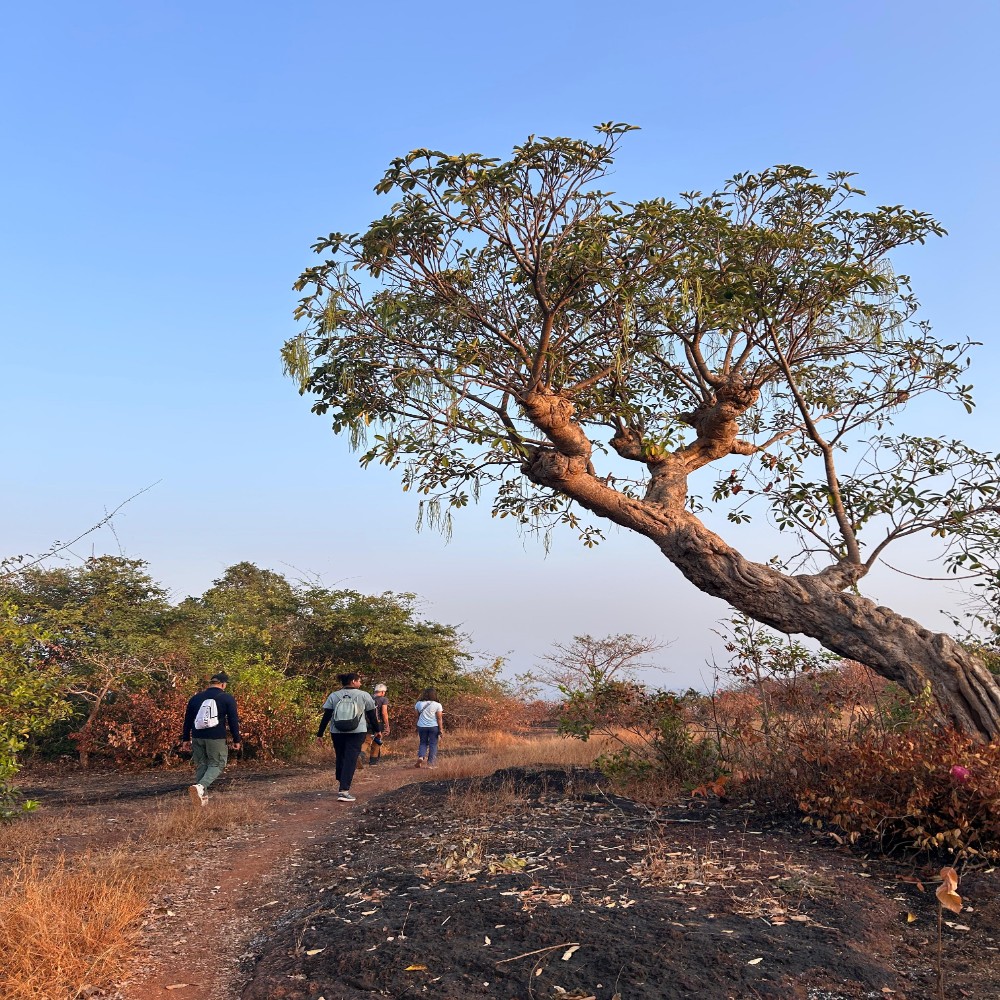
The Path: The trail starts as a wide dirt path but quickly narrows as you enter the forested area. You will walk through a mix of secondary forest and shrubland. As you get closer to the falls, the sound of rushing water will guide you. The final section involves navigating over laterite rocks and boulders. During the monsoon, these rocks become incredibly slippery due to moss and algae growth. It is essential to have footwear with a good grip.
The Experience: What makes this trek special is the transition of the landscape. You start near the red-soiled mining areas and slowly transition into a lush, green canopy. You may have to cross small streams or puddles, so expect your feet to get wet. The trek is a sensory delight; you’ll hear the crunch of leaves, the chirping of insects, and eventually, the thunderous sound of the waterfall. There are no steep inclines, but the unevenness of the ground requires constant attention to where you step.
Difficulty Factors: The main challenge isn't the distance or the elevation, but the humidity and the slippery surface. Even a short walk in the Goan monsoon can be sweating work. Additionally, be mindful of leeches, which are common in the Goan forests during the rains. Wearing long socks or applying a bit of salt/tobacco water can help keep them at bay.
Things to Do
While the waterfall itself is the main attraction, the area around Karmalya offers several activities for nature lovers and adventure seekers:
- Natural Hydrotherapy: The tiered structure of Karmalya waterfall creates several natural "showers." Standing under the cascading water is a rejuvenating experience, often described by locals as a natural massage. The water is cold, fresh, and incredibly invigorating.
- Swimming in Natural Pools: At the base of the various steps, the water collects into shallow pools. These are perfect for a refreshing dip. However, always test the depth before jumping in, as the underwater terrain can be rocky and uneven.
- Nature Photography: For photographers, Karmalya is a paradise. The contrast of the white water against the dark rocks, the intricate patterns of the moss, and the play of light through the forest canopy provide endless compositions. It’s a great place to practice long-exposure shots.
- Bird Watching: The Sattari region is a hotspot for biodiversity. Keep your eyes peeled for forest birds like the Emerald Dove, the Malabar Parakeet, and the Great Hornbill. Bringing a pair of binoculars is highly recommended for enthusiasts.
- Picnicking: Many visitors bring light snacks and drinks to enjoy by the water. There is something magical about eating a simple meal while listening to the sound of the falls. Crucial Note: Carry all your trash back with you. This is an ecologically sensitive area with no waste management services.
- Exploring the Mining Landscape: On your way to or from the falls, take a moment to observe the mining pits of Pissurlem. While controversial from an environmental standpoint, they are a significant part of Goa’s industrial history and offer a stark, lunar-like landscape that contrasts with the lush forest.
Safety Tips
To ensure your trip to Karmalya waterfall is memorable for the right reasons, keep these safety tips in mind:
- Wear Appropriate Footwear: This is the most important tip. Do not wear flip-flops or smooth-soled sandals. Use trekking shoes or sandals with high-grip rubber soles (like those from Decathlon or specialized hiking brands). The mossy rocks are deceptively slippery.
- Be Wary of Flash Floods: During heavy monsoon spells, the water level in the stream can rise rapidly. If you notice the water turning muddy or the flow increasing suddenly, exit the water and move to higher ground immediately.
- Check for Leeches: The forest floor is home to small land leeches during the monsoon. While they are harmless, they can be a bit unsettling. Check your ankles and legs periodically. If one attaches to you, don't pull it off forcefully; use a bit of salt or a flame to make it detach, or simply wait for it to finish.
- No Lifeguards: Unlike the popular beaches, there are no lifeguards or emergency services at Karmalya. You are responsible for your own safety. Avoid deep pools if you are not a confident swimmer.
- Stay Hydrated: The humidity in the Goan jungle can lead to quick dehydration. Carry at least 2 liters of water per person.
- Inform Someone: Since mobile network coverage can be spotty or non-existent near the waterfall, inform someone at your hotel or a friend about your whereabouts and expected return time.
- Avoid Alcohol: Consuming alcohol near the waterfall is dangerous and disrespectful to the local environment. Slippery rocks and impaired balance are a recipe for disaster.
Nearby Attractions
Since Karmalya waterfall is a relatively quick visit, you can combine it with other attractions in the Sattari and Bicholim talukas to make a full day of exploration:
- Arvalem Caves and Waterfall: Located in Sanquelim, these 6th-century rock-cut caves (also known as Pandava Caves) are a site of great historical significance. Nearby is the Arvalem Waterfall, which is more easily accessible and features a beautiful park and a temple dedicated to Lord Shiva (Rudrareshwar Temple).
- Chorla Ghat: If you continue driving uphill from the Sanquelim region, you will reach Chorla Ghat, the tri-junction of Goa, Karnataka, and Maharashtra. The drive offers breathtaking views of the Anjunem Dam and the sprawling valleys of the Western Ghats.
- Tambdi Surla Temple: About an hour's drive away is the 12th-century Mahadev Temple at Tambdi Surla. It is the oldest temple in Goa, built of black basalt in the Kadamba architectural style. It is located deep within the Bhagwan Mahavir Wildlife Sanctuary.
- Bondla Wildlife Sanctuary: A great spot for families, Bondla offers a small zoo, a botanical garden, and nature trails. It is one of the more "organized" nature spots in Goa.
- Mayem Lake: Located in Bicholim, this is a popular inland lake where you can enjoy pedal boating and a peaceful walk along the shore.
Entry Fees & Timings
One of the charms of Karmalya waterfall is its lack of commercialization. As of the current date:
- Entry Fee: There is no official entry fee to visit Karmalya waterfall. It is a natural site located on public/forest land. However, this may change if the forest department decides to regulate the area in the future.
- Timings: There are no formal gates, but it is strictly advised to visit between 8:00 AM and 5:00 PM. It gets dark very quickly in the forest, and navigating the rocky path in the twilight is dangerous. Additionally, the region is known to have wildlife (including leopards and snakes), which are more active after dark.
- Parking: There is no formal parking lot. Visitors usually park their vehicles on the side of the road or in a small clearing near the start of the trail. Ensure your vehicle is parked securely and does not block the narrow road used by mining trucks or locals.
Where to Eat Nearby
You won't find any cafes or restaurants at the waterfall site itself. For food, you will need to head back towards the nearby towns. Here are some options:
- Sanquelim Town: This is the closest major town. You will find several local eateries serving authentic Goan Thalis (fish, rice, curry). Look for small, bustling "Khanavals" for the most authentic taste.
- Valpoi: Another nearby town in Sattari, Valpoi has a few decent restaurants. It’s a great place to try Ross Omelette (a Goan street food specialty consisting of an omelette drowned in spicy chicken or chickpea gravy).
- Hotel Florentine (Bicholim): If you don't mind a bit of a drive, this is a legendary spot known for its Chicken Cafreal, a spicy green Goan curry that is a must-try for any food lover.
- Pack Your Own: Given the remote nature of the waterfall, many visitors choose to carry a picnic. Local bakeries (Power) in Sanquelim sell fresh Pao (bread), samosas, and cakes which make for a perfect trail snack.
Accommodation Nearby
Most people visit Karmalya as a day trip from the coastal areas, but if you want to stay close to the nature of Sattari, consider these options:
- Wildernest Nature Resort (Chorla Ghat): For a luxury eco-stay, this is the best option. It offers stunning views of the Vazira Falls and the valley, though it is about a 45-minute drive from Karmalya.
- Swapnagandha Resort: Located near Wildernest, this resort offers a similar eco-friendly experience with beautiful cottages overlooking the Sahyadris.
- Government Rest Houses: There are forest department and PWD rest houses in Valpoi and Sanquelim, but these usually require prior booking through government offices in Panaji.
- Homestays: A few local families in the Sattari region have started offering homestay experiences. This is a fantastic way to experience local Goan hospitality and home-cooked food.
Photography Spots
If you are looking to capture the perfect shot for your portfolio or social media, here are the best spots at Karmalya:
- The Bottom Tier: Looking up from the base of the falls gives you a sense of the scale and the "step" structure. Use a wide-angle lens here.
- The Middle Steps: If you carefully climb to the middle tiers, you can get close-up shots of the water rushing over the mossy rocks. This is perfect for macro photography of the flora and water droplets.
- The Forest Path: Don't just focus on the water. The trail leading to the falls, with its canopy of trees and filtered sunlight, provides a beautiful, moody backdrop for portraits.
- Drone Shots: If you have a drone, the aerial view of the waterfall cutting through the dense green forest is spectacular. However, be very careful of the overhead tree branches and the high moisture content in the air.
Hidden Gem Score & Crowd Level
Hidden Gem Score: 9.5/10
Karmalya waterfall is one of the few places left in Goa that feels truly "undiscovered." It hasn't been overrun by commercial tourism, and there are no shops or ticket counters to dilute the experience. It remains a raw, natural site that rewards the effort taken to find it.
Crowd Level: Very Low
On weekdays, you might be the only person at the waterfall. On weekends, you might encounter a few groups of local students or families from Sanquelim and Bicholim. Compared to the hundreds of people you would find at Baga beach or Dudhsagar, the crowd level here is negligible. This makes it an ideal spot for those seeking solitude and a quiet connection with the environment.
Conclusion
The Karmalya waterfall is a shining example of the "other side" of Goa—the side that is quiet, green, and profoundly beautiful. It offers a refreshing break from the frantic energy of the coast and provides a glimpse into the ecological heart of the state. While it requires a bit more effort to reach than your average tourist spot, the reward is a pristine, multi-tiered cascade that feels like your own private sanctuary.
As a traveler, visiting Karmalya comes with a responsibility. Because it is an unmanaged site, it is up to every visitor to ensure it stays beautiful. Practice "Leave No Trace" principles: take nothing but pictures, leave nothing but footprints. Whether you are a solo adventurer, a photography enthusiast, or a family looking for a unique outing, Karmalya waterfall is a destination that will linger in your memory long after the monsoon rains have stopped. It is a reminder that even in a popular tourist destination like Goa, there are still secrets waiting to be found by those willing to look beyond the map.