Overview of Sonal Waterfall
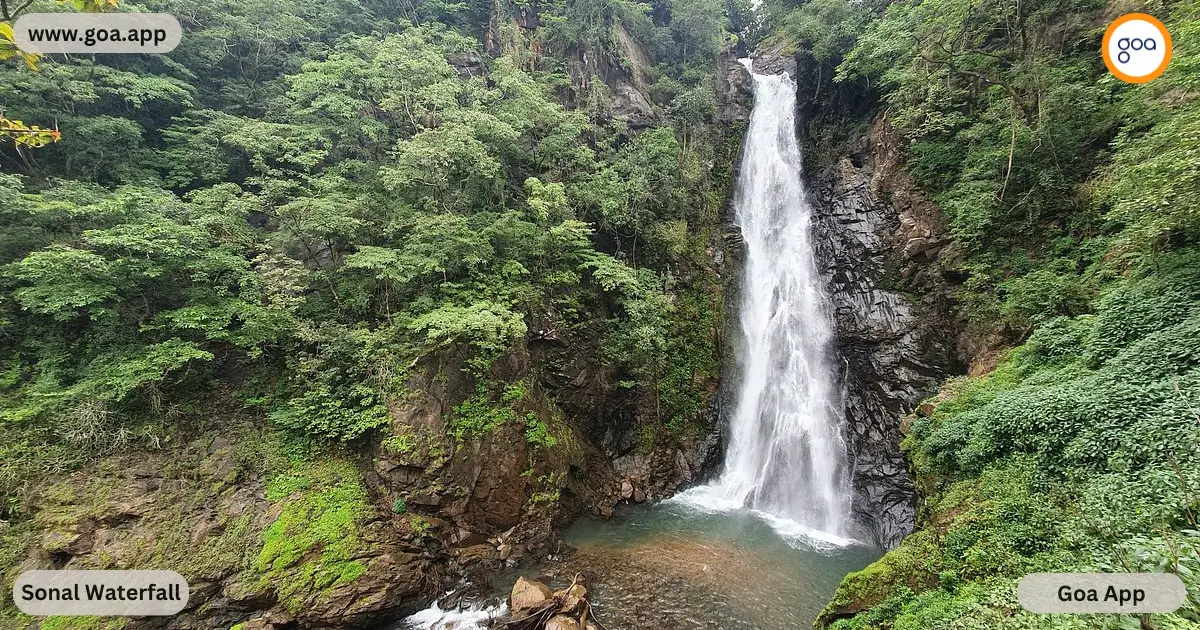
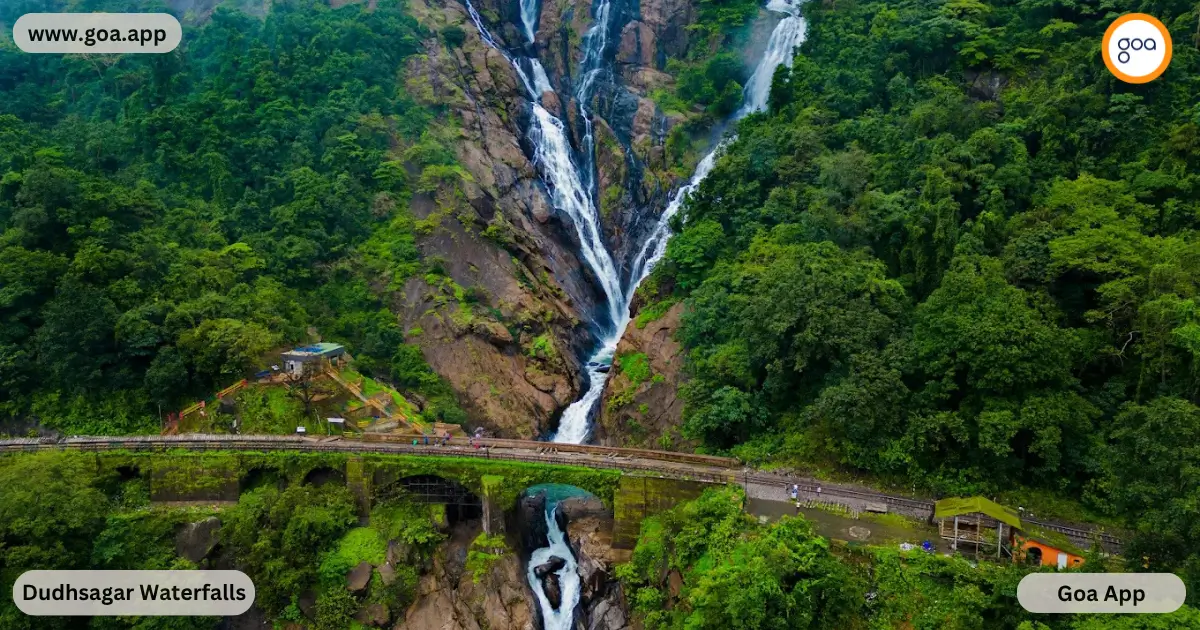
Deep within the verdant embrace of the Sattari Taluka in North Goa, tucked away from the thumping bass of the coastal parties and the neon lights of the casinos, lies the ethereal Sonal Waterfall. As a professional travel writer who has traversed the length and breadth of the Western Ghats, I can confidently state that Sonal is not just a destination; it is a sensory immersion into the raw, prehistoric beauty of Goa’s hinterland. This waterfall is one of the many hidden jewels located within the Mhadei Wildlife Sanctuary, a region recognized globally as a biodiversity hotspot. Unlike the more commercialized Dudhsagar Falls, Sonal offers a sense of solitude and intimacy with nature that is increasingly rare in the modern world.
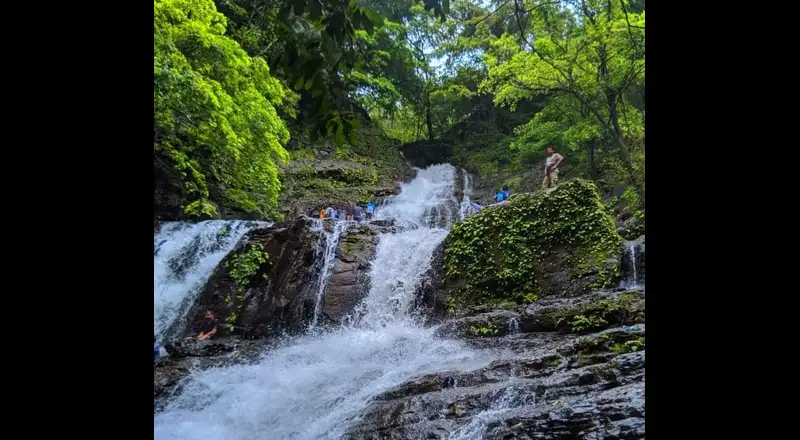
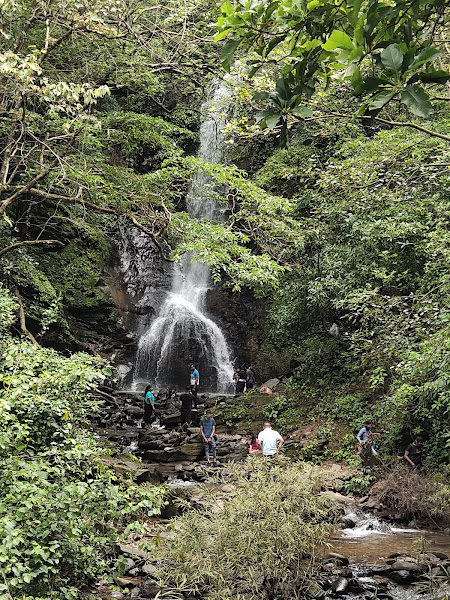
The Sonal Waterfall is a multi-tiered cascade that gains its strength from the monsoonal rains that drench the Sahyadri mountain range. The water originates from the high plateaus of the Western Ghats, tumbling down several rocky ledges before eventually joining the Mhadei River. What makes Sonal particularly captivating is its pristine environment. The air here is thick with the scent of damp earth, wild ferns, and the sweet fragrance of tropical blooms. The canopy of the surrounding forest is so dense that even at midday, the sunlight filters through in golden shafts, creating a mystical atmosphere that feels worlds away from the sandy shores of Calangute or Baga.
Top Goa Experience • Part 1
Highly Recommended Near Sonal Waterfall
Explore All
For those who seek the "Real Goa," Sonal Waterfall represents the ecological heart of the state. It is a place where the local Dhangar community and forest dwellers have lived in harmony with nature for centuries. Visiting this waterfall is an opportunity to witness the rugged topography of the Sattari region, characterized by deep valleys, steep ridges, and an unbelievable variety of flora and fauna. Whether you are an avid trekker, a nature photographer, or someone looking for a meditative escape, Sonal Waterfall promises a profound connection with the elements. It is a testament to the fact that Goa’s true beauty often lies in its silence, rather than its noise.
How to Reach Sonal Waterfall
Reaching Sonal Waterfall is an adventure in itself, requiring a journey through some of the most scenic rural landscapes in India. The waterfall is located near the village of Sonal, which is approximately 15 to 18 kilometers from the town of Valpoi, the administrative headquarters of Sattari.
Recommended Guide
15 Best Hill Stations Near Goa distance & Travel Tips
Discover the 15 best hill stations near Goa to visit in 2026. Our guide covers distances, trekking trails, and local highlights.
Read Guide →
- From Panjim (State Capital): If you are starting from Panjim, the distance is roughly 55 to 60 kilometers. The most efficient route is to head towards Old Goa and then take the Ponda-Belgaum Highway. You will need to deviate towards Bicholim and then proceed to Valpoi. From Valpoi, the local roads become narrower and more winding, leading you through lush cashew plantations and small hamlets until you reach Sonal Village.
- From North Goa Beaches (Calangute/Candolim): Expect a journey of about 65 to 70 kilometers. You will pass through Mapusa and then take the interior roads towards Assonora and Bicholim. The drive is spectacular, especially during the monsoon when the paddy fields are a vibrant shade of emerald.
- From South Goa (Margao): The journey from Margao is longer, spanning about 70 to 75 kilometers. You should head towards Ponda, continue towards Usgao, and then follow the signs for Valpoi. The route takes you through the industrial belt of Usgao before transitioning into the dense forest cover of Sattari.
Pro Tip for Travelers: While Google Maps is generally reliable in Goa, network connectivity can be extremely spotty once you enter the Mhadei Wildlife Sanctuary region. It is highly recommended to download offline maps or, better yet, ask the locals in Valpoi for directions. The people of Sattari are incredibly helpful and will guide you toward the "Sonal Vaze" (Vaze being the local word for waterfall). For the best experience, hiring a local Goan taxi or renting a powerful scooter/motorbike like a Himalayan or an Activa is ideal, as the last few kilometers involve navigating rugged terrain where a high-clearance vehicle is beneficial.
Best Time to Visit
The timing of your visit to Sonal Waterfall will completely dictate the experience you have. Being a seasonal wonder located in the heart of the Western Ghats, its appearance changes dramatically with the seasons.
Recommended Guide
Where to Party in Goa? (Ultimate 2026 Nightlife Guide)
Goa is not just a destination—it’s an experience. When the sun sets over the Arabian Sea, the state transforms into India’s ultimate nightlife capita...
Read Guide →
- Monsoon (June to September): This is arguably the best time to visit for those who want to see the waterfall in its full, roaring glory. During these months, the Sahyadris receive heavy rainfall, turning every mountain crevice into a stream. Sonal Waterfall becomes a powerful force of nature, and the surrounding forest turns an impossibly bright green. However, be prepared for leeches and slippery trekking paths.
- Post-Monsoon (October to December): This is the "sweet spot" for most travelers. The rains have subsided, making the trek safer and more manageable, yet the waterfall still retains a significant volume of water. The weather is pleasant, with cool breezes blowing through the forest, and the river crossings are less treacherous than in the peak monsoon.
- Winter (January to February): The waterfall begins to thin out, but the natural pool at the base remains a great spot for a refreshing dip. The forest is still lush, and the birdwatching opportunities are at their peak during these months.
- Summer (March to May): I would generally advise against visiting specifically for the waterfall during the height of summer. The stream may dwindle to a mere trickle, and the heat in the interior of Goa can be quite intense. However, the trek itself remains a beautiful forest walk, and the shaded canopy provides a respite from the sun.
Trek Details for Sonal Waterfall
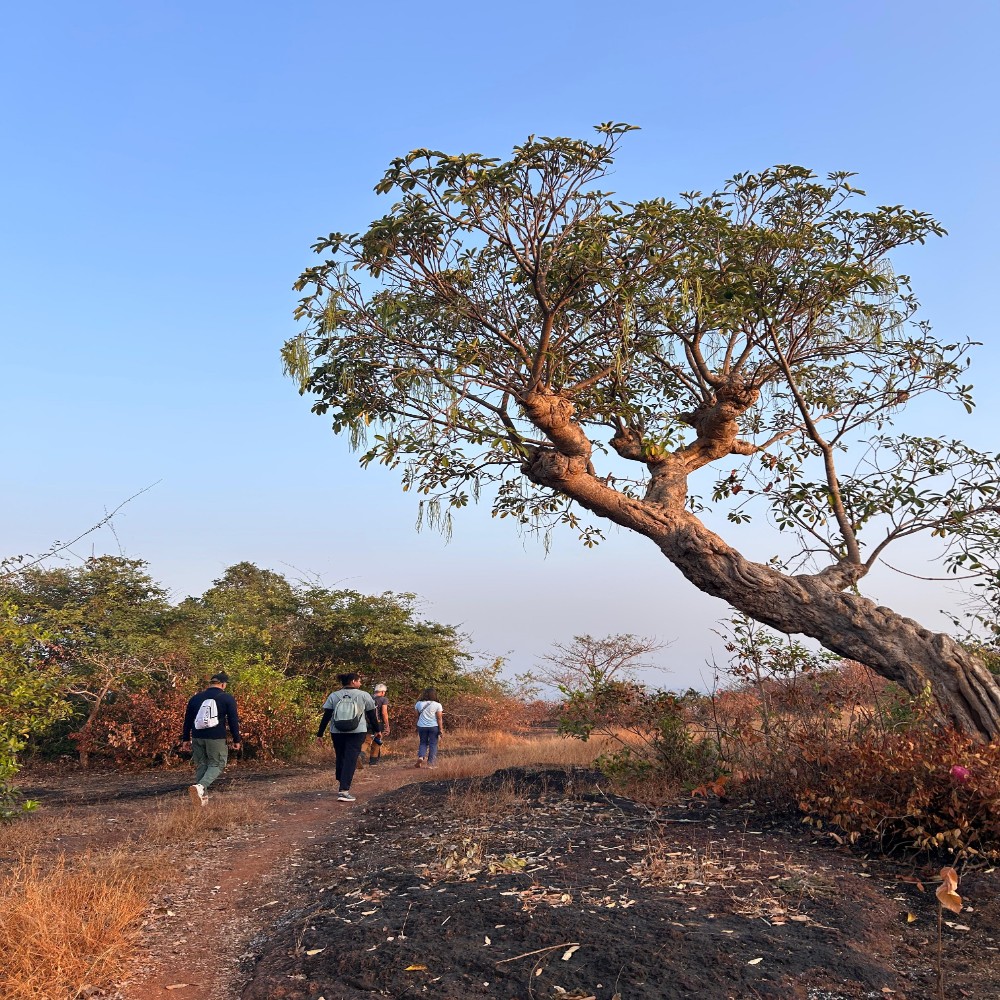
The trek to Sonal Waterfall is categorized as moderate. It is not an arduous climb like some of the peaks in the Sahyadris, but it requires a basic level of physical fitness and a willingness to get your feet wet—literally. The trek usually begins from the outskirts of Sonal village, where you can park your vehicles.
Phase 1: The Forest Walk
The initial part of the trek involves walking through a mix of private cashew groves and secondary forest. The path is relatively flat and well-marked by the footsteps of locals. You will hear the distant sound of the Mhadei River and the constant chirping of cicadas. This section is about 1.5 to 2 kilometers long and serves as a great warm-up.
Recommended Guide
Water Sports in Candolim Goa | Best Prices, Packages & Booking Guide
Candolim Beach, located in North Goa, is one of the most popular destinations for water sports in Goa. Known for its clean shoreline, less crowded environm...
Read Guide →
Phase 2: The River Crossing
One of the most exciting (and challenging) parts of the Sonal trek is crossing the Mhadei River. Depending on the time of year, the water can be anywhere from ankle-deep to waist-deep. During the peak monsoon, this crossing can be dangerous due to the current, so it is vital to use a sturdy walking stick and cross in a group. The riverbed is rocky, so wearing floaters or trekking shoes with good grip is essential. The cool water against your skin is incredibly refreshing and signals that you are entering the deeper parts of the sanctuary.
Top Goa Experience • Part 2
Highly Recommended Near Sonal Waterfall
Explore All
Phase 3: The Ascent
After crossing the river, the trail begins to incline. You will be walking through dense tropical moist deciduous forest. The path can be muddy and slippery, with tangled roots acting as natural steps. As you climb, the sound of the waterfall grows louder, building anticipation. You will encounter various species of butterflies and perhaps even spot a Malabar Giant Squirrel leaping through the canopy. The final stretch involves navigating over some large boulders before the magnificent Sonal Waterfall reveals itself.
Things to Do
While the waterfall is the main attraction, the entire ecosystem of Sonal offers a variety of activities for the conscious traveler:
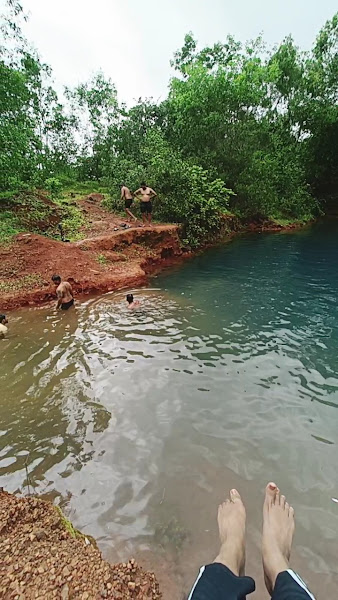
- Natural Jacuzzi Experience: The base of the waterfall has several natural rock pools. The force of the water falling from the tiers creates a "jacuzzi" effect. Sitting under the spray is a natural therapy that washes away the stress of urban life.
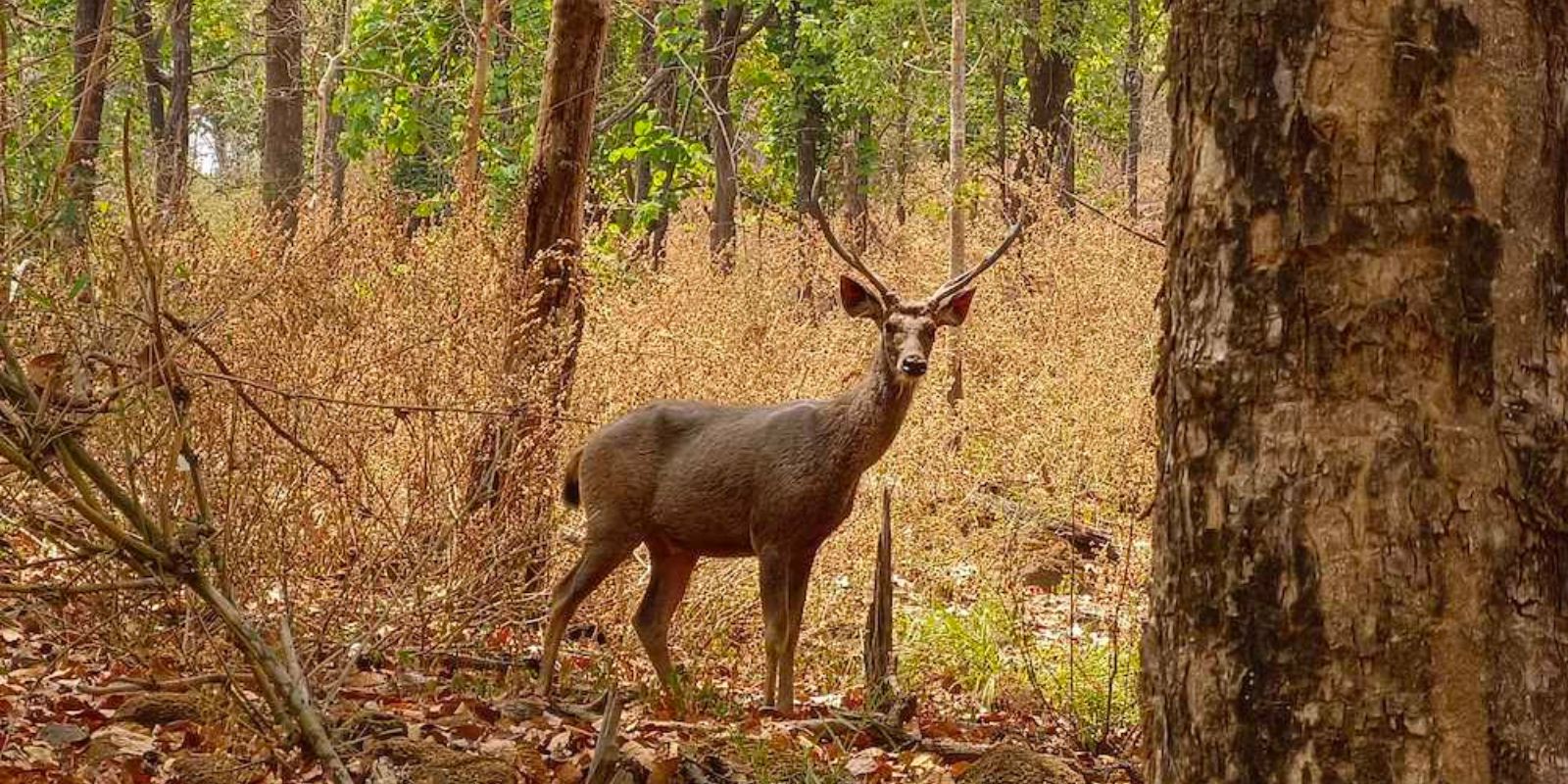
- Birdwatching: The Mhadei Wildlife Sanctuary is a haven for ornithologists. Keep your binoculars ready for the Malabar Whistling Thrush (known as the Schoolboy Whistler), the Great Indian Hornbill, and the vibrant Ruby-throated Yellow Bulbul (the state bird of Goa).
- Macro Photography: The forest floor is a world of its own. From exotic fungi and mushrooms to colorful forest crabs and rare orchids, there is an endless array of subjects for those interested in macro photography.
- Mindful Meditation: Sonal is one of the few places in Goa where you can find true silence. Find a flat rock, close your eyes, and practice forest bathing (Shinrin-yoku). The combination of the rhythmic sound of water and the oxygen-rich air is deeply healing.
- Picnicking (Responsibly): You can carry light snacks and water. However, it is non-negotiable that you carry back every bit of trash you bring. The sanctity of this forest depends on the responsibility of its visitors.
Safety Tips
Exploring the wild side of Goa requires respect for nature and a few safety precautions to ensure your trip doesn't end in a mishap.
- Leech Protection: During the monsoon, the trek is infested with leeches. While they are harmless, they can be annoying. Wear long socks, tuck your trousers into them, and carry a small pouch of salt or tobacco water to deter them.
- Footwear is Key: Do not attempt this trek in flip-flops or smooth-soled sneakers. You need shoes with "lugs" or deep treads to handle the slippery rocks and muddy slopes. Sandak-style waterproof sandals with straps are also a popular choice among local trekkers.
- Hydration and Snacks: There are no shops or vendors once you leave Sonal village. Carry at least 2 liters of water per person and some high-energy snacks like nuts, fruit, or energy bars.
- Wildlife Awareness: You are in a wildlife sanctuary. While sightings of large predators like leopards or tigers are extremely rare during the day, snakes (including the King Cobra) do inhabit these forests. Stay on the marked trails and avoid poking into hollow logs or deep crevices.
- Weather Watch: If it starts raining heavily while you are at the waterfall, head back immediately. Flash floods in the Western Ghats are a reality, and the river you crossed earlier can rise several feet in a matter of minutes.
Nearby Attractions
If you have made the journey all the way to Sattari, it is worth exploring other nearby attractions to make it a full-day or multi-day trip:
- Hivrem Waterfalls: Located nearby, this is another set of stunning waterfalls that require a slightly more strenuous trek. Often combined with a visit to Sonal by hardcore trekking enthusiasts.
- Charavane Waterfall: A more accessible but equally beautiful waterfall located in the Charavane village. It features a beautiful step-like structure.
- Tambdi Surla Temple: About an hour's drive away lies the 12th-century Mahadev Temple. Built of black basalt in the Kadamba style, it is the oldest temple in Goa and a masterpiece of ancient architecture.
- Chorla Ghat: If you continue driving uphill from Valpoi towards the border of Karnataka, you will reach Chorla Ghat. The viewpoints here offer breathtaking vistas of the Anjunem Dam and the sprawling valleys of the Western Ghats.
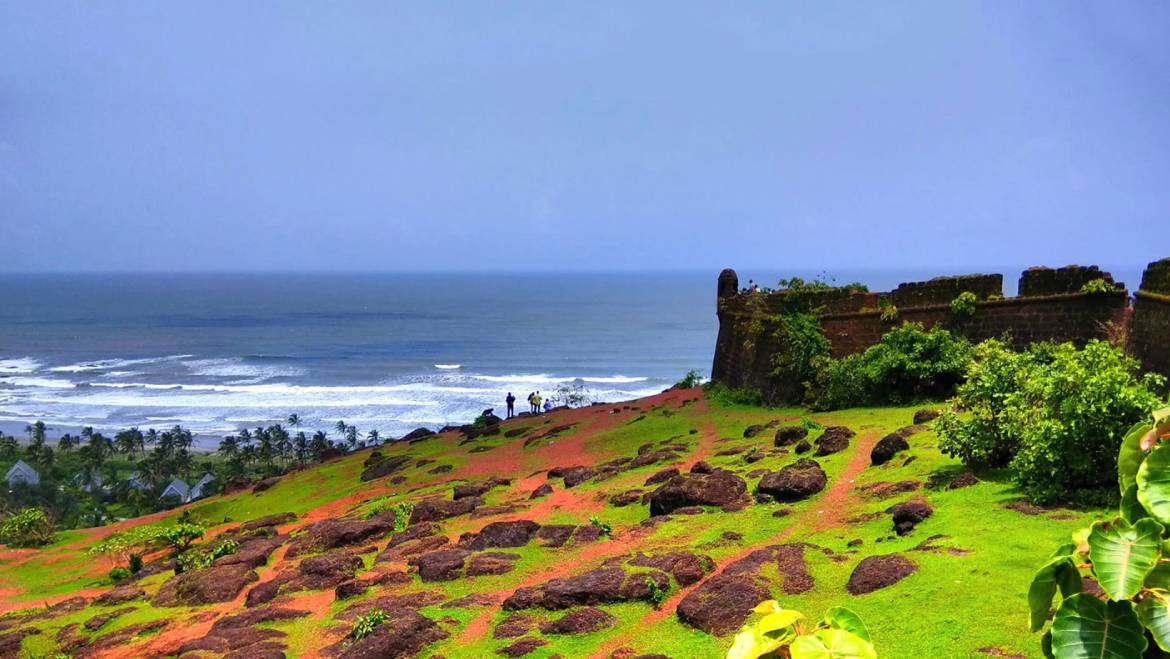
- Nanuz Fort: A small historical fort in Valpoi built by Maratha ruler Shivaji Maharaj and later occupied by the Portuguese. It offers a glimpse into the military history of the region.
Entry Fees & Timings
Currently, there is no formal "ticket counter" specifically for Sonal Waterfall, as it is a natural site. However, because it falls within or on the periphery of the Mhadei Wildlife Sanctuary, you may be required to register your name at a forest department check-post if you are entering through certain routes.
- Entry Fee: Usually, there is no fee, but if you hire a local guide (which is highly recommended), expect to pay between INR 500 to INR 1000 depending on the group size. This supports the local economy and ensures you don't get lost.
- Timings: It is strictly recommended to visit between 8:00 AM and 5:00 PM. Entering the forest before sunrise or staying after sunset is dangerous due to wildlife activity and the lack of visibility for the river crossing. Aim to start your trek by 9:00 AM so you can spend a few hours at the falls and return before the afternoon rains or dusk.
Where to Eat Nearby
Do not expect luxury cafes or multi-cuisine restaurants in the Sonal region. The culinary experience here is as raw and authentic as the landscape.
- Local Homes in Sonal Village: Some villagers offer home-cooked Goan meals if informed in advance. This is the best way to try authentic Goan Hindu cuisine, which focuses on local vegetables, lentils, and fresh-water fish. Ask for "Kulith Saaru" (horse gram soup) or a simple "Fish Thali."
- Valpoi Town: Valpoi has several small eateries and "Udupi" style restaurants. You can find delicious Mirchi Bhaji, Samosas, and Ross Omurice (omelet with gravy). Hotel Satyawan is a well-known local spot for a quick, filling meal.
- Packing Your Own: Many visitors prefer to pack a picnic. Local bakeries (Poder) in the morning sell fresh Pao or Poee (Goan bread). Stuff them with some bhaji or chorizo for a perfect trekking snack.
Accommodation Nearby
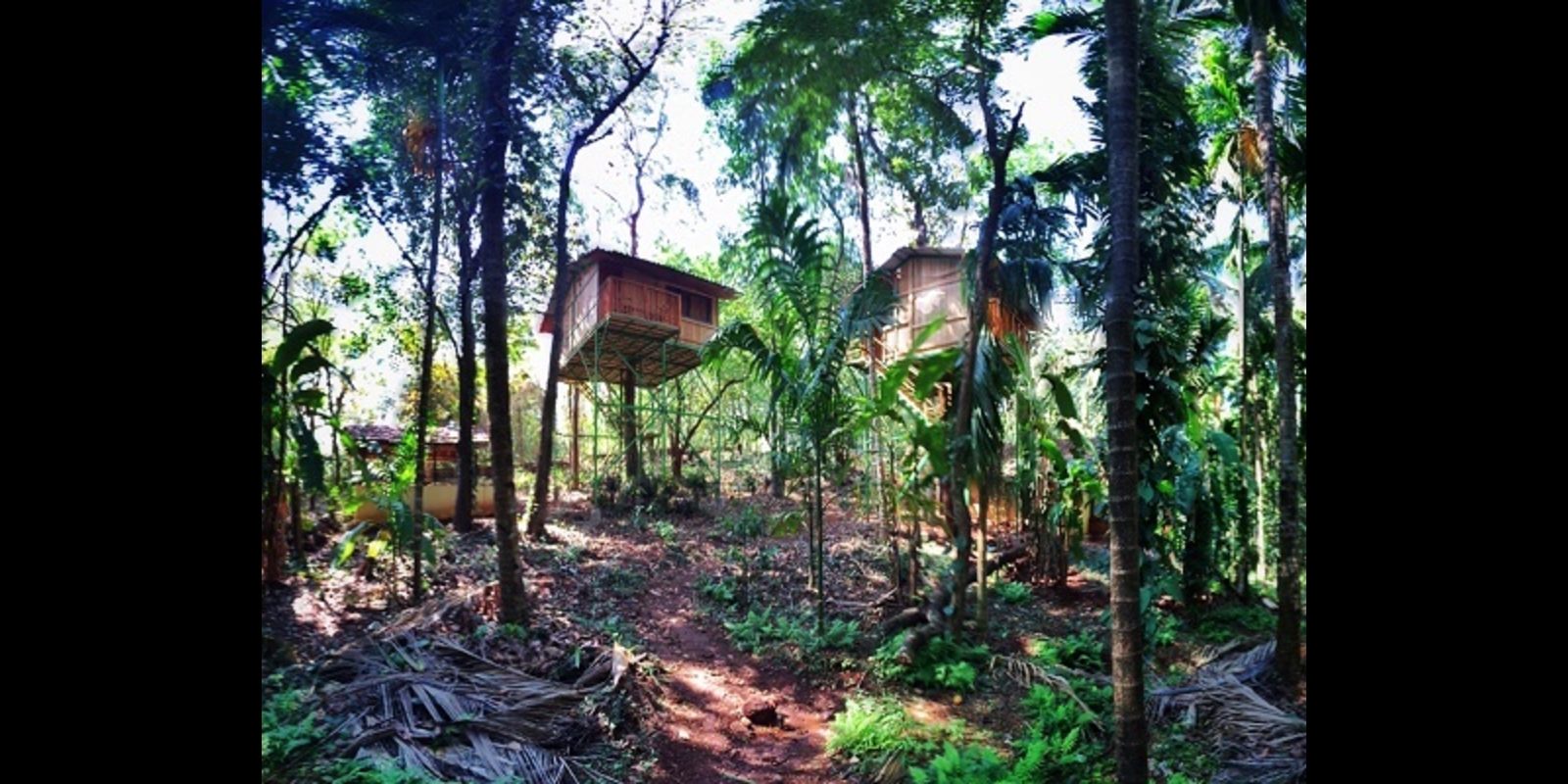
Since Sonal is in a remote part of Goa, accommodation options are limited but unique. You won't find 5-star resorts here, but rather eco-stays that prioritize nature.
- Wildernest Nature Resort: Located at Chorla Ghat, this is one of Goa's premier eco-resorts. It offers stunning infinity pools overlooking the valley and luxury eco-cottages. It is about 45 minutes to an hour from Sonal.
- Swapnagandha Resort: A sister property to Wildernest, offering similar breathtaking views and a focus on nature conservation.
- Homestays in Valpoi: There are a few budget-friendly guesthouses and homestays in and around Valpoi town. These provide a basic, clean place to sleep and a chance to interact with local families.
- Forest Rest Houses: The Goa Forest Department has rest houses in the Sattari region. These require prior booking through the forest department office in Panjim and offer a very basic, "middle of the forest" experience.
Photography Spots
For the visual storyteller, Sonal Waterfall is a goldmine. Here are the spots you shouldn't miss:
- The River Crossing: Capture the action as your group navigates the Mhadei River. The contrast of the blue/brown water against the green forest backdrop is stunning.
- The Middle Tier: Most people stop at the base, but if you can safely scramble to the middle tier, you get a unique perspective of the water dropping down towards the forest floor.
- The "Green Tunnel": On the trek back, look for sections where the bamboo and trees form a natural arch over the path. The lighting here is soft and perfect for portraits.
- Long Exposure Shots: If you carry a tripod, the various smaller cascades along the trail are perfect for silky-smooth water photography. The dark rocks provide an excellent contrast to the white frothy water.
Hidden Gem Score & Crowd Level
Hidden Gem Score: 9.5/10
Sonal Waterfall is one of the few remaining places in Goa that hasn't been overrun by "Instagram tourism." It remains pristine because it requires effort to reach. It is a true sanctuary for those who value the environment over convenience.
Crowd Level: Very Low
On a typical weekday, you might be the only person at the waterfall. Even on weekends, you will only encounter a handful of local Goan trekking groups or nature lovers. Unlike Dudhsagar, where you have to wait in line for jeeps, at Sonal, the only thing you'll be waiting for is the perfect moment to jump into the water.
Conclusion
Sonal Waterfall is a poignant reminder that Goa is much more than its coastline. It is a land of deep forests, ancient mountains, and life-giving rivers. Visiting Sonal is an exercise in humility and appreciation for the delicate balance of our ecosystem. As you stand at the base of the falls, feeling the mist on your face and hearing the roar of the Mhadei, you realize that the best travel experiences aren't bought with a ticket—they are earned through a trek, a river crossing, and a respect for the wild.
If you decide to visit, please go with the mindset of a protector, not just a consumer. Leave no trace, respect the local customs of the Sonal villagers, and take nothing but pictures. The Western Ghats are a heritage we must pass down, and Sonal Waterfall is one of its most beautiful chapters. Whether you are seeking adventure or peace, the journey to Sonal will stay with you long after the Goan tan has faded.