Introduction to Fort Tiracol
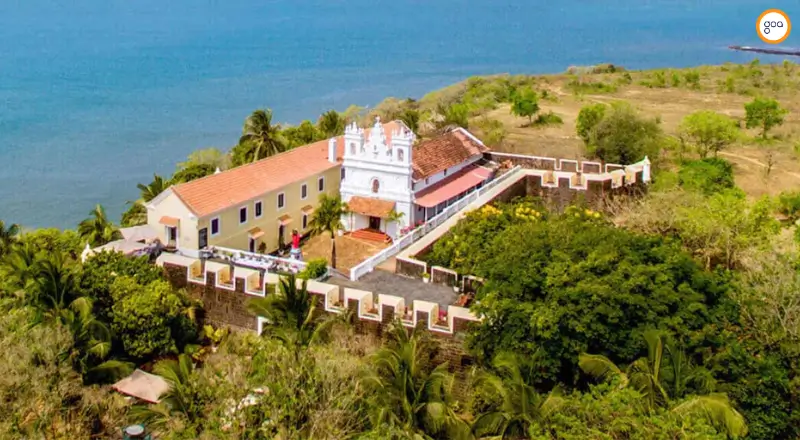
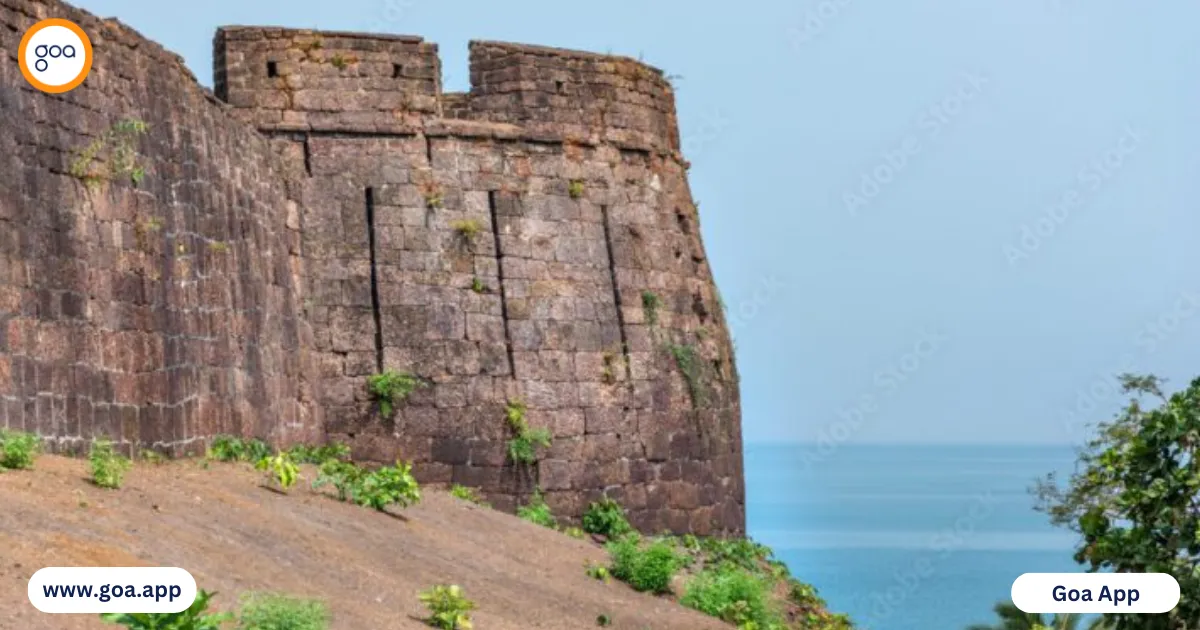
Perched majestically on a cliff overlooking the vast expanse of the Arabian Sea, Fort Tiracol (often spelled Terekhol) stands as a silent sentinel of Goa’s northernmost frontier. Located in the Pernem Taluka, this historic edifice is uniquely situated on the northern bank of the Terekhol River. While it is geographically separated from the rest of Goa by the river, it remains an integral part of the state’s rich cultural and historical tapestry. This 17th-century marvel offers a rare blend of serenity, heritage, and breathtaking natural beauty, making it a must-visit destination for those who wish to escape the bustling crowds of North Goa’s more commercialized beaches.
The journey to Fort Tiracol is as enchanting as the destination itself. To reach the fort, visitors must take a traditional ferry from Querim (Keri) Beach, crossing the gentle waters where the river meets the sea. As the ferry glides across, the fort’s whitewashed walls and sturdy bastions gradually emerge from the lush greenery of the hillside. Today, Fort Tiracol has been thoughtfully restored and converted into a luxury boutique hotel, the Fort Tiracol Heritage Hotel, allowing guests to experience the grandeur of the past with modern comforts. Despite its transformation, the fort retains its original charm, offering panoramic views that stretch across the horizon, encompassing the golden sands of Querim and the deep blue of the ocean. It is a place where time seems to slow down, and the whispers of history echo through the salty sea breeze.
History of Fort Tiracol
The history of Fort Tiracol is a fascinating chronicle of conquest, rebellion, and strategic maneuvering. It was originally constructed in the early 17th century by Maharaja Khem Sawant Bhonsle, the Raja of Sawantwadi. Recognizing the strategic value of the high ground overlooking the Terekhol River, the Raja built the fort to serve as a defensive outpost and a lookout for invading maritime forces. For decades, it served as a stronghold for the Maratha influence in the region, guarding the northern approaches to the Konkan coast.
However, the fort’s strategic importance did not go unnoticed by the Portuguese, who were steadily expanding their colonial footprint in India. In 1746, the Portuguese Governor-General, Dom Pedro Miguel de Almeida (the Marquis of Alorna), launched a decisive naval and land assault against the fort. After a fierce battle, the Portuguese emerged victorious, and the fort was formally incorporated into the Portuguese "Estado da Índia." Under Portuguese rule, the fort underwent significant structural changes. It was extensively rebuilt and strengthened to house a garrison and heavy artillery. A small chapel dedicated to St. Anthony was also constructed within its walls, symbolizing the integration of Catholic faith into the military outpost.
One of the most dramatic episodes in the fort’s history occurred in 1825 during a rebellion against the Portuguese administration. The fort became the center of a localized uprising led by Dr. Bernardo Peres da Silva, the first Goan-born Governor-General. Though the rebellion was ultimately suppressed, it highlighted the fort’s role as a symbol of local resistance. Later, during the 20th-century struggle for the liberation of Goa, Fort Tiracol once again became a focal point. In 1954, Satyagrahis (non-violent protesters) marched toward the fort to hoist the Indian national flag, an act of defiance that resulted in significant tension and served as a precursor to the final liberation of Goa by Indian forces in 1961. Today, the fort stands not just as a relic of colonial power, but as a monument to the complex and layered history of the Goan people.
Architecture
The architecture of Fort Tiracol is a classic example of Indo-Portuguese military design, characterized by its functional sturdiness and aesthetic simplicity. Built primarily of local laterite stone—a reddish, porous rock common in the Konkan region—the fort’s walls are thick and resilient, designed to withstand both the elements and enemy cannon fire. The structure is strategically laid out to follow the natural contours of the cliffside, maximizing its defensive capabilities while providing commanding views of the surrounding terrain.
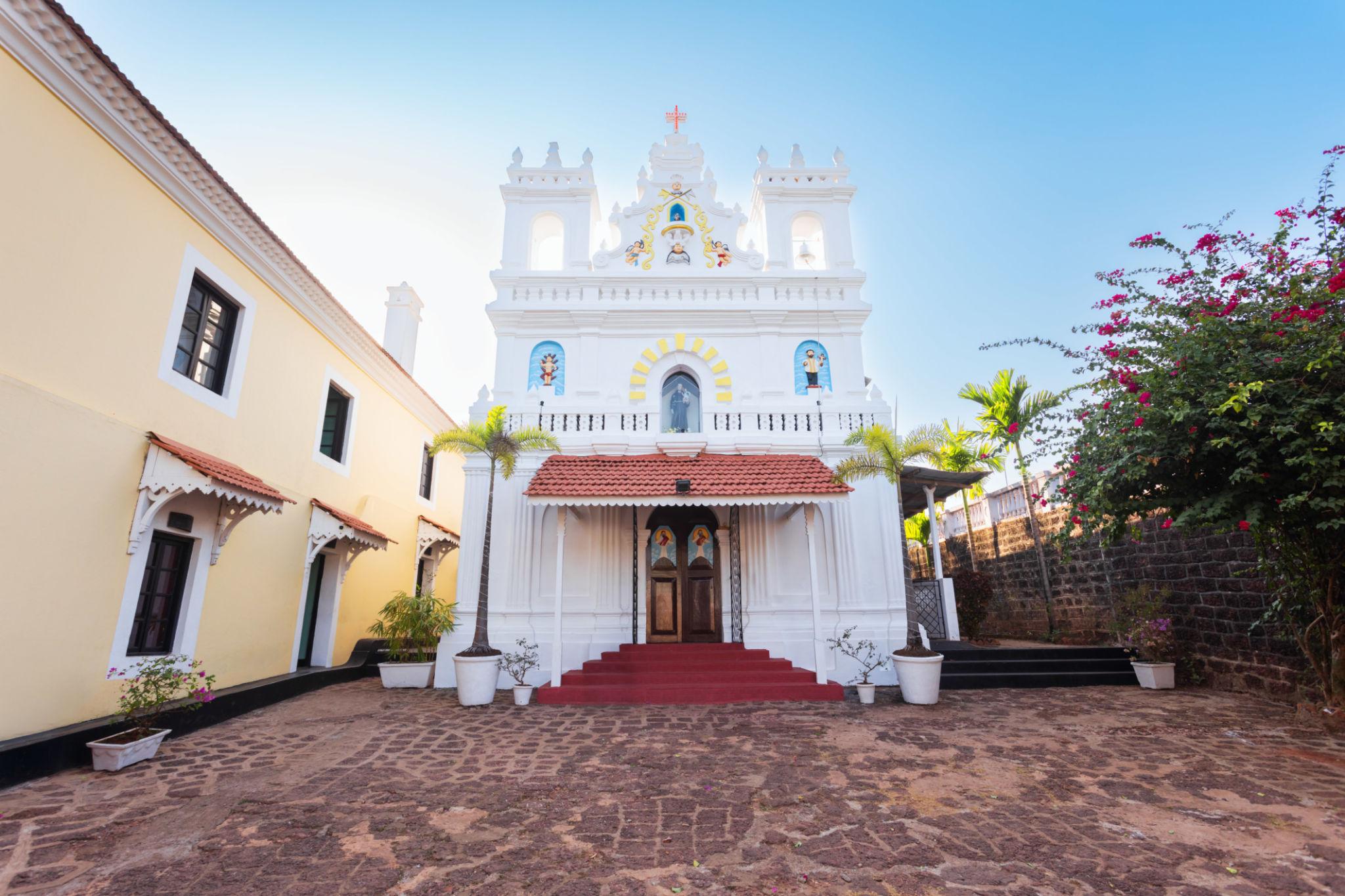
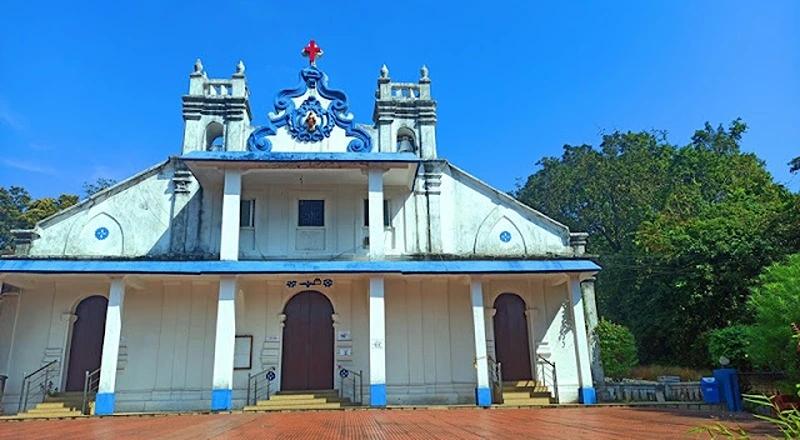
Upon entering the fort through its arched gateway, visitors are greeted by a central courtyard that serves as the heart of the complex. The most striking architectural feature within the fort is the Church of St. Anthony. The church’s facade is a beautiful example of the Mannerist style, featuring clean lines, a triangular pediment, and a classic bell tower. The interior of the church, though modest in size, is elegantly decorated and continues to hold services for the local community on special occasions. Surrounding the courtyard are the former barracks and officer quarters, which have been meticulously restored. These rooms now serve as guest suites, featuring high ceilings, wooden beams, and expansive windows that frame the sea. The bastions of the fort remain largely intact, offering narrow embrasures through which soldiers once aimed their muskets. The seamless integration of the historic military structures with modern luxury elements makes Fort Tiracol a triumph of architectural preservation, ensuring that the soul of the 17th-century fortress remains palpable in every corner.
Why Fort Tiracol is Famous
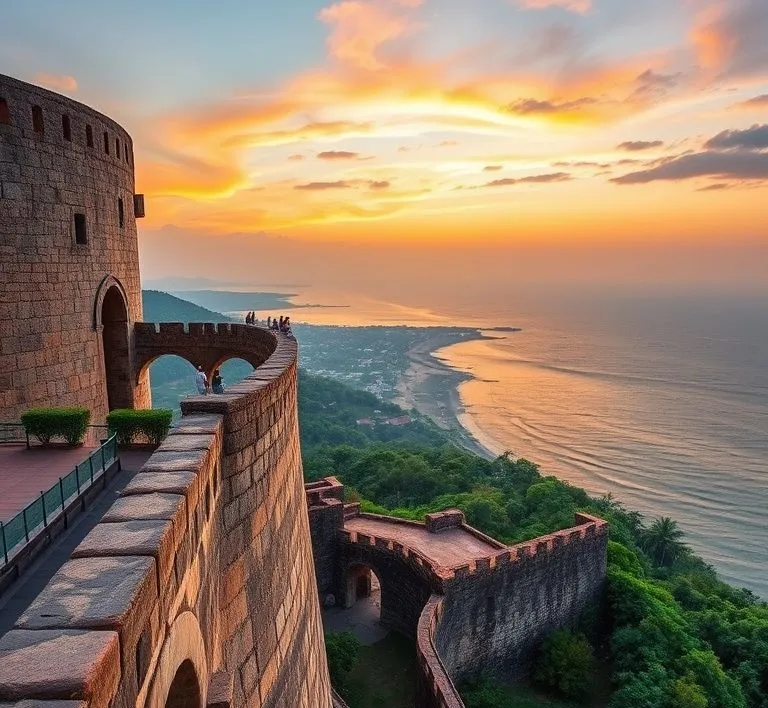
Fort Tiracol is famous for several reasons, making it a standout attraction in the Goan tourism circuit. First and foremost is its unparalleled location. As the northernmost point of Goa, it offers a sense of isolation and tranquility that is increasingly hard to find in the state. The view from the fort’s ramparts—where the Terekhol River spills into the Arabian Sea—is widely considered one of the most beautiful vistas in all of India. This panoramic scenery makes it a favorite for photographers, honeymooners, and nature lovers.
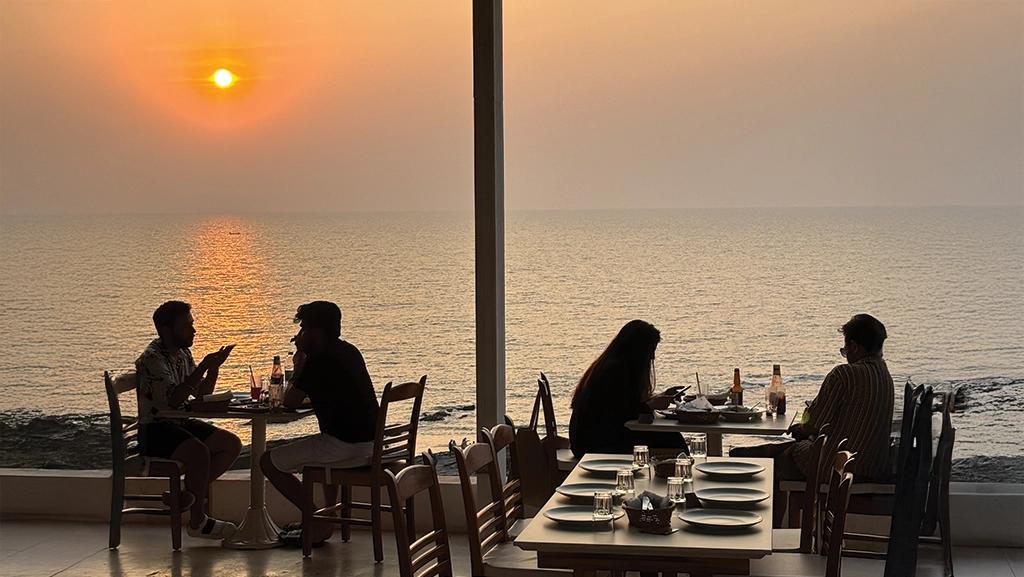
Secondly, the fort is renowned as a premier heritage stay. Unlike many other forts in Goa that lie in ruins, Fort Tiracol has been preserved as a living monument. The transformation into a boutique hotel allows visitors to immerse themselves in history, sleeping in rooms that once housed Portuguese officers. The fort’s restaurant, Tavern, is also a major draw, famous for its refined Goan-Portuguese fusion cuisine and its alfresco dining area that overlooks the ocean. Furthermore, the fort’s association with the Goan Liberation Movement gives it a profound historical significance, attracting history buffs and those interested in India’s colonial past. Whether it is for the history, the luxury, or the sheer natural beauty, Fort Tiracol occupies a unique place in the hearts of those who visit.
Strategic Importance
To understand the strategic importance of Fort Tiracol, one must look at the geography of the 18th century. During that era, the Terekhol River served as a vital maritime artery for trade and troop movements. By controlling the fort on the northern bank, the Sawantwadi rulers could monitor and tax any vessels entering the river. When the Portuguese captured the fort, they used it as a "sentinel of the north" to guard against incursions from the Marathas and other local powers who held territories in what is now Maharashtra.
The fort’s elevation provided a significant tactical advantage. From its high bastions, lookouts could spot enemy ships several miles out at sea, long before they reached the shore. This early warning system was crucial for the defense of the "Old Conquests" of Goa. Additionally, the fort served as a supply link and a communication hub between the Portuguese headquarters in Old Goa and their northern outposts. Its location made it nearly impregnable from the sea due to the rocky cliffs, and any land-based assault had to contend with the difficult terrain of the Pernem hills. Even today, the strategic value of the site is evident; standing on the ramparts, you realize that nothing can move along the coast or into the river without being seen from this vantage point.
Best Time to Visit
Choosing the right time to visit Fort Tiracol can significantly enhance your experience. The winter season, from November to February, is undoubtedly the best time to explore the fort. During these months, the weather in Goa is pleasant and mild, with temperatures ranging from 20°C to 30°C. The humidity is low, making it ideal for walking around the ramparts and exploring the nearby Querim Beach. The skies are usually clear blue, providing the best visibility for the panoramic sea views and sunset photography.
If you prefer a more dramatic and lush landscape, the Monsoon season (June to September) offers a different kind of beauty. While the ferry crossing can be a bit adventurous during heavy rains, the entire Pernem region turns a vibrant shade of emerald green. The sight of the dark monsoon clouds rolling in over the Arabian Sea from the safety of the fort’s veranda is truly spectacular. However, do note that swimming at the nearby beaches is strictly prohibited during this time due to rough seas. The summer months (March to May) can be quite hot and humid, but if you enjoy the heat and want to avoid even the small crowds that visit the fort, this is a quiet time to explore. Regardless of when you go, the evening hours are always the most magical, as the sunset at Fort Tiracol is a legendary experience.
Timings & Entry Fee
For those planning a day trip, it is important to know the operational timings of Fort Tiracol. The fort is generally open to the public from 9:00 AM to 7:00 PM daily. However, since a portion of the fort operates as a private hotel, certain areas like the guest rooms and private lounge are restricted to residents. The central courtyard, the ramparts, and the Church of St. Anthony are usually accessible to visitors. It is worth noting that the church is not always open for interior viewing; it typically opens during Sunday mass or on special feast days, such as the Feast of St. Anthony in June.
Regarding the entry fee, there is currently no formal charge to enter the fort grounds for a walk-through. However, many visitors choose to dine at the in-house restaurant, Tavern, which is highly recommended. If you are not staying at the hotel, it is polite to patronize the restaurant or café if you plan on spending an extended period on the premises. Additionally, you will need to account for the cost of the ferry crossing. The ferry from Querim to Tiracol is operated by the River Navigation Department and is free for pedestrians, while a nominal fee is charged for two-wheelers and four-wheelers. The ferry operates at regular intervals, usually every 30 minutes, from early morning until late at night.
Things To Do at Fort Tiracol
Despite its small size, Fort Tiracol offers a variety of engaging activities for travelers. Here are the top things to do:
- Experience the Ferry Ride: The journey begins with a ferry ride across the Terekhol River. It is a quintessential Goan experience, offering a chance to see local fishermen at work and enjoy the cooling river breeze.
- Explore the Ramparts: Walk along the ancient stone walls and bastions. The views of the Arabian Sea meeting the river are mesmerizing. Look out for the old cannons that still sit in their embrasures.
- Visit the Church of St. Anthony: Step into the quiet courtyard and admire the 17th-century church. If it’s open, the modest interior offers a peaceful space for reflection.
- Indulge in Fine Dining: Have a meal at Tavern. The restaurant specializes in Goan-Portuguese cuisine. Try the Pork Vindaloo or the fresh catch of the day while sitting on the terrace overlooking the ocean.
- Watch the Sunset: Fort Tiracol is one of the best sunset points in Goa. The sun dips directly into the Arabian Sea, painting the sky in hues of orange, pink, and purple.
- Stay Overnight: For a truly immersive experience, book a room at the heritage hotel. Waking up to the sound of waves crashing against the cliffs is an unforgettable experience.
- Bird Watching: The surrounding cliffs and the river estuary are home to various bird species, including sea eagles and kingfishers. Bring your binoculars for a quiet morning of birding.
Photography Spots
Fort Tiracol is a paradise for photographers, offering a mix of historical architecture and stunning natural landscapes. Here are the best spots to capture that perfect shot:
- The Main Gateway: The arched entrance with the fort’s name inscribed above it provides a classic "heritage" frame for portraits.
- The Church Facade: The whitewashed Church of St. Anthony against a clear blue sky offers a striking contrast. The architectural details of the bell tower are particularly photogenic.
- The North Bastion: This spot offers the most expansive view of the Arabian Sea. It is the perfect place for wide-angle landscape shots, especially during the "golden hour" before sunset.
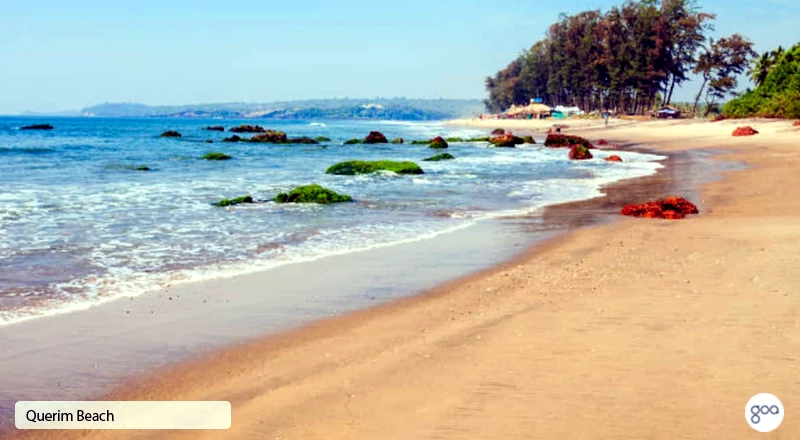
- View of Querim Beach: Looking south from the fort, you get a bird’s-eye view of the long, pine-fringed Querim Beach and the river mouth. The patterns of the sand and water from this height are artistic and unique.
- The Courtyard: The inner courtyard, with its manicured greenery and old stone walls, provides a serene backdrop for lifestyle photography.
- The Tavern Terrace: Capture the elegance of alfresco dining with the backdrop of the ocean. The wooden furniture and colonial-style decor add a sophisticated touch to your photos.
Nearby Attractions
A visit to Fort Tiracol can easily be combined with other attractions in the Pernem and neighboring Maharashtra region. Here are some nearby places to explore:
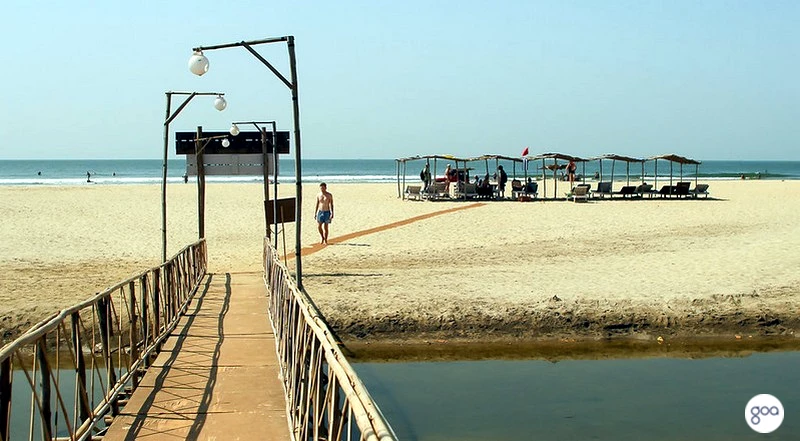
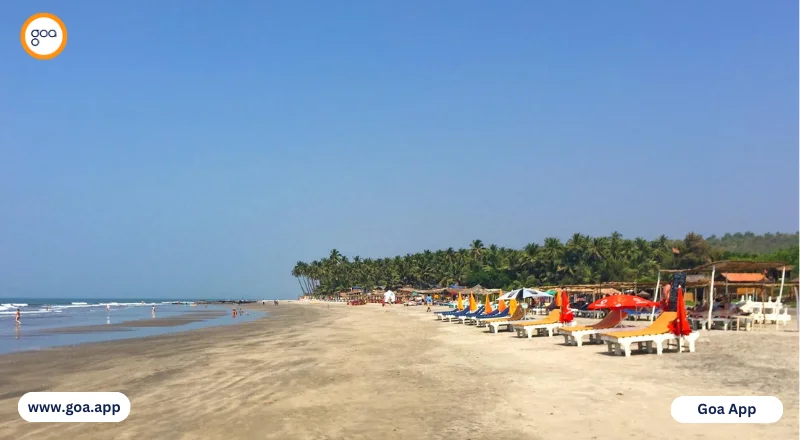
- Querim (Keri) Beach: Located just across the river, this is one of Goa’s quietest beaches. Known for its Casuarina (pine) trees rather than palm trees, it offers a serene environment for a long walk.
- Arambol Beach: About 15-20 minutes away by road, Arambol is famous for its bohemian vibe, drum circles, and the Sweet Water Lake. It is a great place to experience the alternative side of Goa.
- Redi Fort (Yashwantgad): Located just across the border in Maharashtra, this "jungle fort" is being reclaimed by nature, with roots growing through the walls. it is a hauntingly beautiful site for explorers.
- Shri Kalika Devi Temple: Situated in the village of Kasarpal nearby, this ancient temple is dedicated to the goddess Kali and is an important pilgrimage site for locals.
- Shiroda Beach: A short drive into Maharashtra will bring you to Shiroda, known for its pristine white sands and clear waters, often much emptier than Goan beaches.
How To Reach Fort Tiracol
Reaching Fort Tiracol requires a bit of planning as it is tucked away in the far north. Here are the primary ways to get there:
By Road: If you are driving from Panjim (the capital), the distance is approximately 50-55 kilometers, which takes about 1.5 to 2 hours. You will need to drive north through Mapusa and Pernem, following the signs for Querim Beach. From Manohar International Airport (Mopa), the fort is much closer, roughly a 45-minute drive, making it an excellent first or last stop on your Goan itinerary.
By Ferry: This is the most popular way to reach the fort. Once you arrive at Querim Beach, look for the ferry ramp. The River Navigation Department ferry carries passengers and vehicles across the Terekhol River. The crossing takes about 10-15 minutes. Once you disembark on the Tiracol side, a short, winding uphill road leads you directly to the fort’s entrance.
By Public Transport: You can take a bus from Mapusa to Pernem or directly to Querim. However, buses to Querim are infrequent. From the Querim bus stop, you can walk to the ferry point. For convenience, hiring a taxi or renting a scooter/car is highly recommended to explore this remote area.
Travel Tips
To make your trip to Fort Tiracol seamless and enjoyable, keep these professional travel tips in mind:
- Check Ferry Timings: While the ferry runs frequently, it may stop temporarily during very low tides or extremely rough weather during the monsoon. Always have a bit of buffer time.
- Book Dining in Advance: If you plan to have lunch or dinner at the Tavern restaurant, especially on weekends, it is wise to call ahead and reserve a table, as it is a popular spot for both hotel guests and day-trippers.
- Dress Comfortably: You will be doing a fair amount of walking on uneven stone surfaces. Wear comfortable walking shoes or sandals with a good grip.
- Sun Protection: The fort is quite exposed to the sun. Carry a hat, sunglasses, and apply plenty of sunscreen, especially if you plan to spend time on the ramparts.
- Respect the Hotel Guests: Remember that part of the fort is a luxury hotel. Maintain a reasonable noise level and respect the "No Entry" signs in private guest areas.
- Carry Cash: While the hotel accepts cards, local shops near Querim or the ferry might only take cash. It is always good to have some small change for the ferry (if bringing a vehicle) and local snacks.
- Combine with Querim: Spend the morning at the fort and the afternoon under the shade of the pine trees at Querim Beach for a perfect, relaxed day out.
Conclusion
Fort Tiracol is more than just a historical monument; it is a destination that captures the soul of "Old Goa"—a place where history, nature, and luxury converge. Its journey from a Maratha stronghold to a Portuguese fortress, and finally to a boutique heritage destination, reflects the resilient spirit of the region. Whether you are standing on its ancient bastions watching the sun set over the Arabian Sea, exploring the quiet aisles of the St. Anthony Church, or enjoying a gourmet meal overlooking the river estuary, the fort offers an experience that is both grounding and elevating.
In a state that is often associated with loud parties and crowded beaches, Fort Tiracol remains a sanctuary of peace. It invites you to slow down, breathe in the salt air, and appreciate the layers of time etched into its laterite walls. For the discerning traveler, a visit to this northern sentinel is not just a sightseeing trip, but a journey into the heart of Goa’s storied past. As you take the ferry back across the river, leaving the fort behind on its lonely cliff, you carry with you a sense of tranquility and a deeper connection to the magnificent heritage of India’s sunshine state.