Overview of Gurudwara Singh Sabha
Nestled amidst the lush greenery and the rhythmic flow of the Mandovi River in Betim, the Gurudwara Singh Sabha stands as a serene beacon of spirituality and communal harmony in the heart of North Goa. While Goa is globally renowned for its sun-kissed beaches, vibrant nightlife, and historic Portuguese-era churches, the Gurudwara Singh Sabha offers a different, more meditative facet of the state’s rich cultural tapestry. It is the most prominent Sikh shrine in Goa, serving not only the local Sikh community—many of whom are associated with the Indian Navy and Coast Guard—but also a steady stream of travelers seeking a moment of peace away from the tourist bustle.
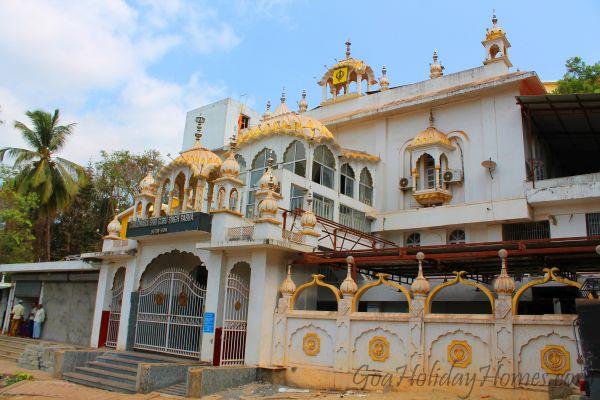
The Gurudwara is located just across the river from the capital city, Panjim. Its striking white facade, topped with traditional golden domes, provides a sharp yet beautiful contrast to the deep blue of the Goan sky and the emerald hues of the surrounding palms. As you approach the site, the atmosphere shifts from the energetic pace of Goan roads to a realm of quiet contemplation. The sound of the Gurbani (holy hymns) wafting through the air creates an immediate sense of tranquility. For many, a visit to Gurudwara Singh Sabha is a soul-stirring experience that highlights the inclusive nature of Goan society, where diverse faiths coexist with mutual respect and shared devotion.
This spiritual landmark is more than just a place of worship; it is a center for Seva (selfless service) and Langar (community kitchen), embodying the core Sikh principles of equality and brotherhood. Whether you are a devout follower of Sikhism or a curious traveler, the Gurudwara welcomes you with open arms, offering a sanctuary where the mind can rest and the spirit can find rejuvenation. Its strategic location in Betim makes it an easy stop for those exploring the heritage circuit of North Goa, bridging the gap between the coastal charm and the spiritual depth of the region.
History & Religious Significance
The history of Gurudwara Singh Sabha in Goa is intrinsically linked to the migration of the Sikh community to this coastal state, particularly after the liberation of Goa in 1961. As Goa integrated with the rest of India, personnel from the Indian Armed Forces, especially the Navy, moved to the region. Many of these brave men and women were Sikhs who felt the need for a central place of worship to practice their faith and maintain their cultural roots. What began as small gatherings in temporary structures eventually led to the establishment of this magnificent Gurudwara in Betim.
The religious significance of this site is rooted in the teachings of Guru Nanak Dev Ji, the founder of Sikhism, who emphasized the oneness of God and the equality of all human beings. In a state like Goa, which has its own unique history of religious synthesis, the Gurudwara Singh Sabha acts as a bridge between the northern traditions of India and the western coastal culture. It serves as the primary religious hub for the Sikh Sangat (community) in Goa, providing a space for daily prayers, communal gatherings, and the celebration of major Sikh festivals.
Over the decades, the Gurudwara has grown in both size and influence. It has become a symbol of the Sikh community's contribution to the social and economic fabric of Goa. The establishment of the Sabha was a milestone in ensuring that the message of the ten Gurus—of bravery, honesty, and service—was kept alive in this part of the country. For the local Goans, the Gurudwara is a respected institution that represents the "Sarva Dharma Sambhava" (equal respect for all religions) philosophy that India prides itself on. The history of this place is not just about bricks and mortar; it is a living history of a community that brought the spirit of the Punjab to the shores of the Arabian Sea.
Architecture of Gurudwara Singh Sabha
The architecture of Gurudwara Singh Sabha is a stunning example of contemporary Sikh design, characterized by its elegance, symmetry, and spiritual symbolism. Unlike the colonial Baroque or Manueline styles found in nearby Old Goa, the Gurudwara follows the traditional Gumbad (dome) style of architecture that is synonymous with Sikh shrines across the globe. The entire structure is painted in a pristine white, which reflects the tropical sun and gives the building a celestial glow.
Key architectural features include:
- The Domes: The central dome is the most prominent feature, often topped with a golden finial. It represents the sovereignty of the soul and the reach of the divine. Smaller domes surround the main one, creating a balanced and harmonious skyline.
- The Nishan Sahib: Standing tall outside the Gurudwara is the Nishan Sahib, the saffron-colored Sikh flag. It is hoisted on a tall flagpole covered in cloth and topped with a Khanda (a double-edged sword). This flag serves as a beacon, signaling to all that help, food, and shelter are available within these walls.
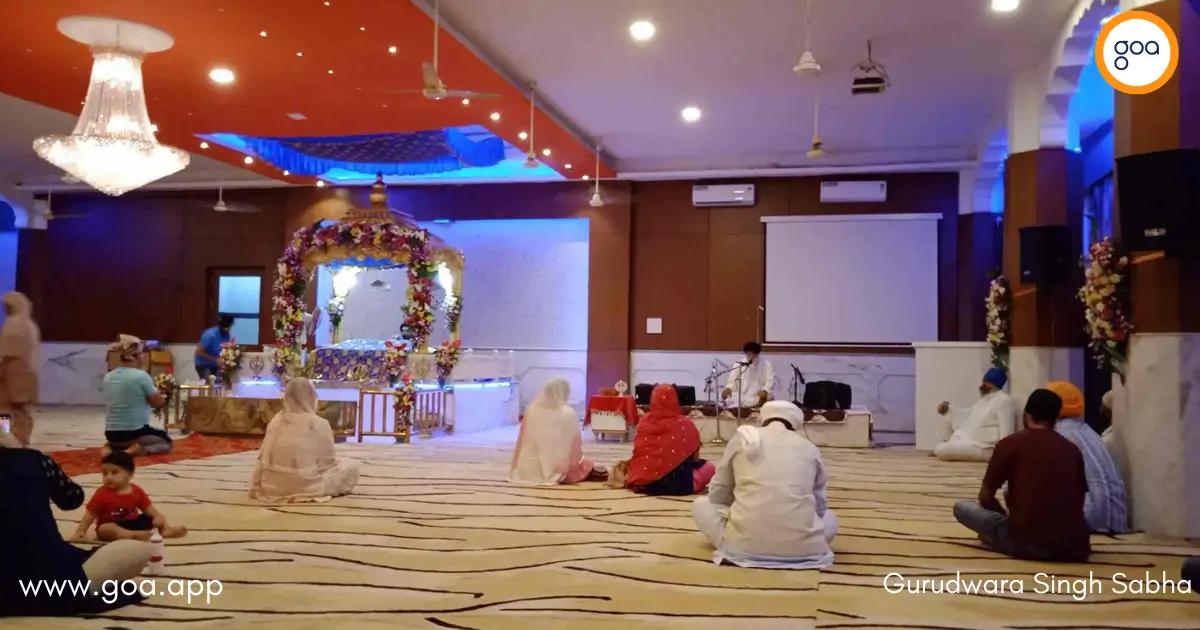
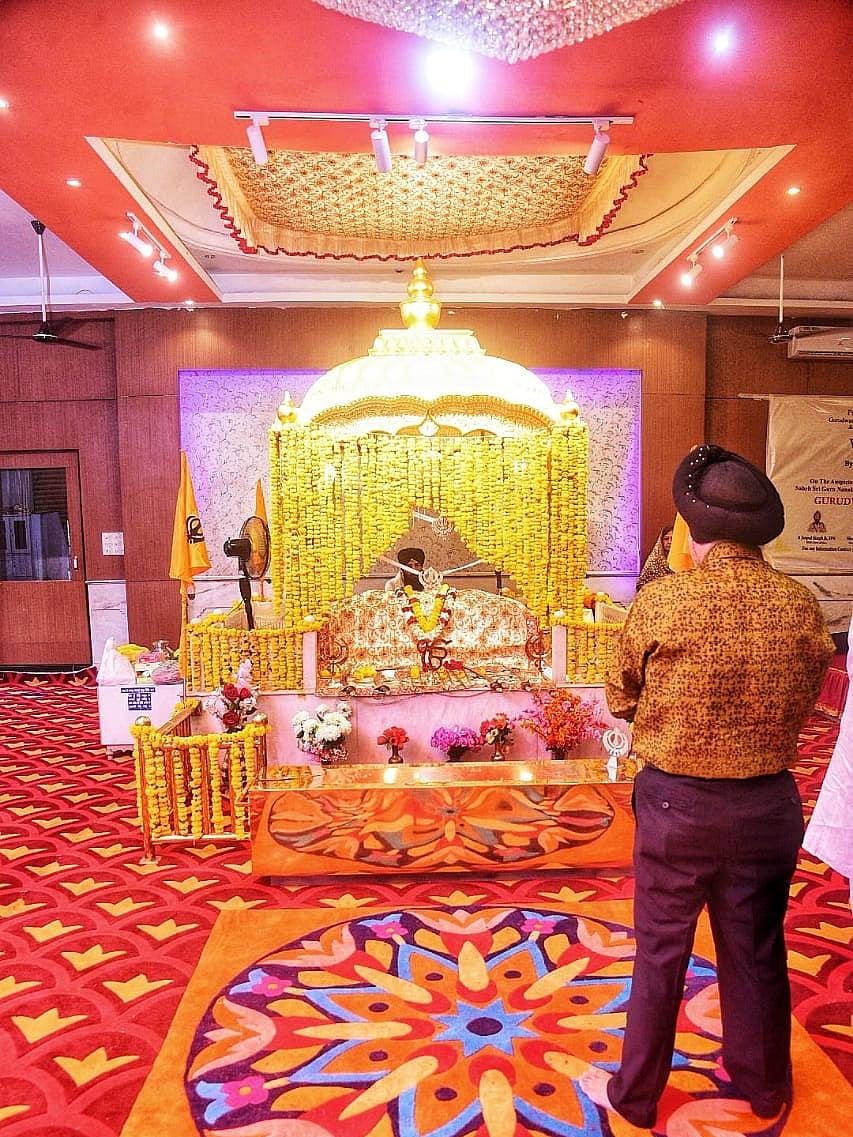
- The Prayer Hall (Darbar Sahib): The interior is spacious and airy, designed to accommodate hundreds of devotees. The floor is typically covered with carpets, and the walls are adorned with portraits of the Sikh Gurus and depictions of significant historical events in Sikhism. The focus of the hall is the Palki Sahib, an exquisitely carved canopy where the holy scripture is placed.
- The Marble Work: The use of high-quality marble on the floors and walls keeps the interiors cool, providing a literal and metaphorical relief from the Goan heat. The intricate inlay work and the cleanliness of the premises are hallmarks of Sikh architectural maintenance.
- Langar Hall: A separate, large hall is dedicated to the community kitchen. It is designed with functionality in mind, allowing for the efficient serving of hundreds of people simultaneously while they sit on the floor in rows, symbolizing equality.
The Gurudwara's design also incorporates open balconies and windows that allow for natural ventilation, taking advantage of the river breeze. The blend of traditional North Indian religious architecture with the local Goan environment makes it a unique landmark in the Betim landscape.
Main Deity / Spiritual Importance
In Sikhism, the central focus of worship is not an idol or a statue, but the Guru Granth Sahib, the holy scripture. At Gurudwara Singh Sabha, the Guru Granth Sahib is treated with the utmost reverence as the "Living Guru." It is the spiritual heart of the Gurudwara, containing the divine verses and teachings of the Sikh Gurus, as well as Hindu and Muslim saints, emphasizing the universal nature of the faith.
The spiritual importance of the Gurudwara lies in its role as a school of the soul. When a devotee enters the Darbar Sahib, they bow before the Guru Granth Sahib, acknowledging the supreme authority of the Word. The Shabad Kirtan (devotional singing) that takes place throughout the day is intended to elevate the consciousness of the listener, transporting them into a state of Simran (meditation). The spiritual atmosphere is further enhanced by the presence of the Granthi (ceremonial reader), who performs the daily rituals and provides guidance to the seekers.
Furthermore, the Gurudwara emphasizes the concept of Miri-Piri—the balance between temporal and spiritual power. It teaches that one must be a "Saint-Soldier," leading a life of deep spirituality while being ready to stand up for justice and the protection of the weak. In the context of Goa, this spiritual message resonates deeply with the local culture of peace and coexistence. The Gurudwara serves as a reminder that the ultimate deity is the Formless One (Ik Onkar), who resides within every heart, regardless of caste, creed, or nationality.
Festivals & Celebrations
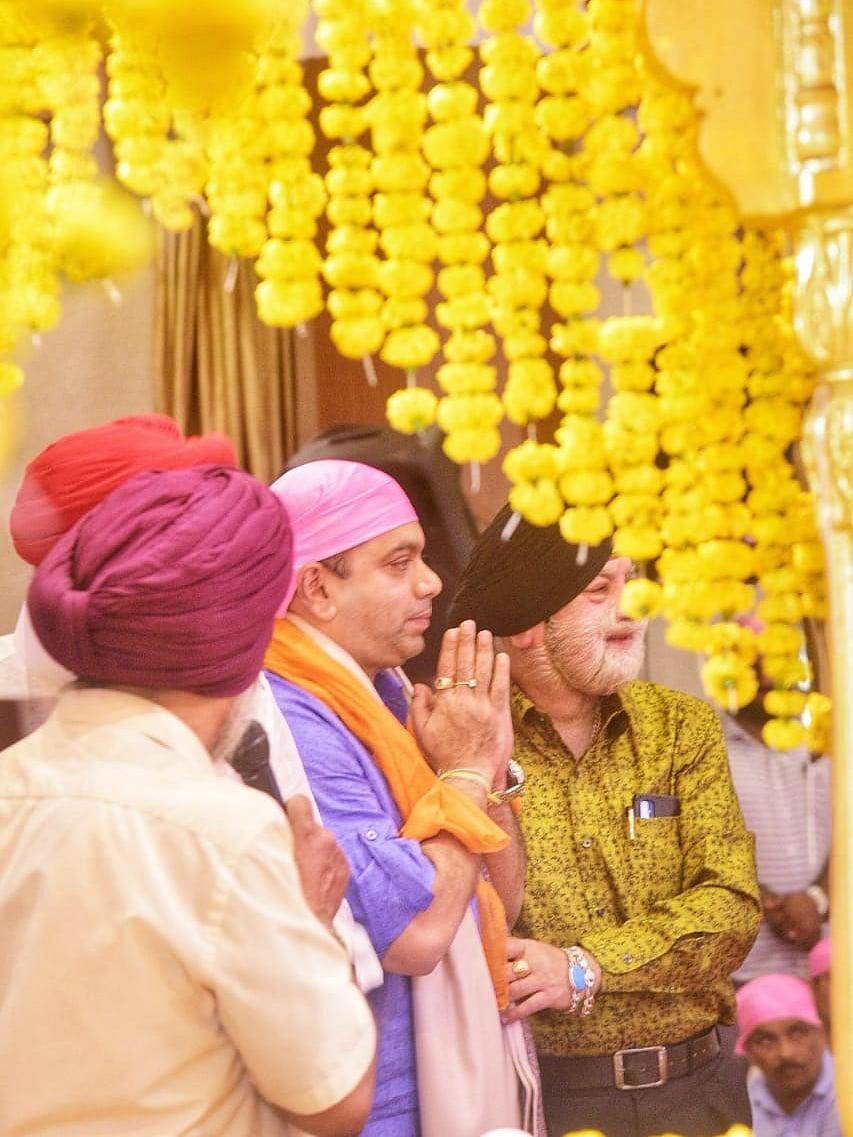
The Gurudwara Singh Sabha becomes a center of immense joy and vibrant energy during major Sikh festivals. These celebrations are not restricted to the Sikh community; they are open to all, and it is common to see people of various faiths participating in the festivities, reflecting the inclusive spirit of Goa.
- Guru Nanak Gurpurab: This is the most significant festival, celebrating the birth anniversary of Guru Nanak Dev Ji. The Gurudwara is beautifully illuminated with lights and flowers. The celebrations include Akhand Path (48-hour continuous reading of the scripture), Nagar Kirtan (a procession through the streets of Betim and Panjim), and a grand Langar.
- Baisakhi: Marking the harvest festival and the birth of the Khalsa, Baisakhi is celebrated with great fervor in April. The Nishan Sahib is ceremonially bathed and the flag is changed. Traditional songs and prayers fill the air, and the community gathers to celebrate the spirit of bravery and sacrifice.
- Guru Gobind Singh Jayanti: The birth anniversary of the tenth Guru is another major event, featuring special Kirtans and lectures on the life and teachings of the Guru who gave the Sikhs their distinct identity.
- Martyrdom Days (Shaheedi Divas): The Gurudwara also observes the martyrdom days of Guru Arjan Dev Ji and Guru Tegh Bahadur Ji. These are solemn occasions marked by intense prayer and the distribution of Chabeel (sweetened cold water) to passersby, symbolizing the coolness of spirit even in the face of adversity.
During these festivals, the Gurudwara offers a unique cultural experience for tourists. The Gatka (Sikh martial arts) performances often held during processions are a sight to behold, showcasing incredible skill and discipline.
Best Time to Visit
While the Gurudwara Singh Sabha is open year-round and offers a peaceful retreat in any season, the best time to visit is undoubtedly during the winter months, from November to February. During this period, the weather in Goa is pleasant, with cool breezes and mild temperatures, making the outdoor areas of the Gurudwara comfortable to explore. The clear skies also enhance the beauty of the white architecture against the river backdrop.
If you wish to experience the Gurudwara at its most vibrant, plan your visit during Guru Nanak Gurpurab (usually in November) or Baisakhi (in April). However, be prepared for larger crowds during these times. For those seeking solitude and a deep meditative experience, the early morning hours (between 5:00 AM and 7:00 AM) are ideal. The Amrit Vela (the time of nectar) is when the first prayers are offered, and the atmosphere is incredibly serene.
Evenings are also a wonderful time to visit, as the setting sun casts a golden glow on the domes, and the evening Rehras Sahib prayers provide a calming end to the day. Avoid visiting during the peak of the afternoon in the summer months (March to May), as the marble floors can get quite hot, and the humidity can be taxing, although the interior of the prayer hall remains relatively cool.
Timings, Entry Fee & Dress Code
To ensure a respectful and smooth visit to Gurudwara Singh Sabha, visitors should be aware of the following practical details:
- Timings: The Gurudwara is generally open from 5:00 AM to 9:00 PM every day. It is advisable to visit during the morning or evening prayer times to experience the full spiritual essence of the place.
- Entry Fee: There is no entry fee. Gurudwaras are open to everyone regardless of their financial status. You are welcome to make a voluntary donation (Golak) inside the prayer hall, but it is never mandatory.
- Dress Code: Modesty is key. Both men and women should wear clothing that covers their shoulders and knees. Avoid wearing shorts, sleeveless tops, or revealing outfits.
- Head Covering: It is mandatory for all visitors to cover their heads before entering the Gurudwara premises. If you do not have a scarf or a handkerchief, the Gurudwara provides clean headscarves at the entrance.
- Footwear: You must remove your shoes and socks before entering the main building. There is a dedicated shoe storage area (Joda Ghar) where volunteers will look after your footwear for free.
- Hygiene: It is customary to wash your hands and feet at the provided taps before entering the Darbar Sahib. This ritual cleanliness is a sign of respect for the holy space.
How to Reach Gurudwara Singh Sabha
The Gurudwara Singh Sabha is located in Betim, which is on the northern bank of the Mandovi River. Accessing it is quite easy, and the journey itself can be quite scenic.
- By Ferry (The Local Way): The most charming way to reach the Gurudwara from Panjim is by taking the Panjim-Betim Ferry. The ferry terminal is located near the Mandovi bridge in Panjim. The ferry ride is free for pedestrians and takes only about 5-10 minutes. Once you disembark at the Betim jetty, the Gurudwara is just a short 5-minute walk or a quick rickshaw ride away.
- By Road: If you are coming from North Goa beach belts like Calangute or Candolim, you can reach Betim via the main highway. From Panjim, you can drive across the Atal Sethu or the older Mandovi Bridge and take the exit toward Betim. The Gurudwara is well-connected by local buses plying between Panjim and Mapusa via Betim.
- By Taxi/Auto-Rickshaw: Taxis and auto-rickshaws are readily available throughout Goa. You can simply ask the driver to take you to the "Betim Gurudwara." Using apps like GoaMiles can also help you book a ride at standardized rates.
- Distance from Major Hubs:
- Panjim: ~3 km (via ferry) or ~6 km (via bridge)
- Calangute Beach: ~10 km
- Dabolim Airport: ~30 km
- Madgaon Railway Station: ~40 km
Things to Do
A visit to Gurudwara Singh Sabha offers several meaningful activities that allow you to engage with the faith and find inner peace:
- Attend the Ardas: Participate in the congregational prayer where the community stands together to seek divine blessings. The rhythmic chanting and the collective energy are deeply moving.
- Partake in Langar: One of the most essential experiences is eating at the community kitchen. You will sit on the floor with people from all walks of life and enjoy a simple, delicious, and nutritious vegetarian meal. This act of eating together breaks down social barriers.
- Perform Seva: If you have time, offer your services. You can help in the kitchen, assist in cleaning the premises, or help manage the shoe stall. Seva is considered the highest form of worship in Sikhism.
- Listen to Kirtan: Spend time sitting quietly in the Darbar Sahib and listening to the Ragis (musicians) perform Shabad Kirtan. Even if you don't understand the language, the melody and devotion are universal.
- Meditate: The quiet corners of the Gurudwara are perfect for personal reflection and meditation. The view of the river from the nearby banks adds to the contemplative mood.
- Read the History: Take a moment to look at the posters or literature available that explain the lives of the Gurus and the history of the Sikh faith.
Nearby Attractions
Since the Gurudwara Singh Sabha is centrally located in North Goa, you can easily combine your visit with several other nearby attractions:
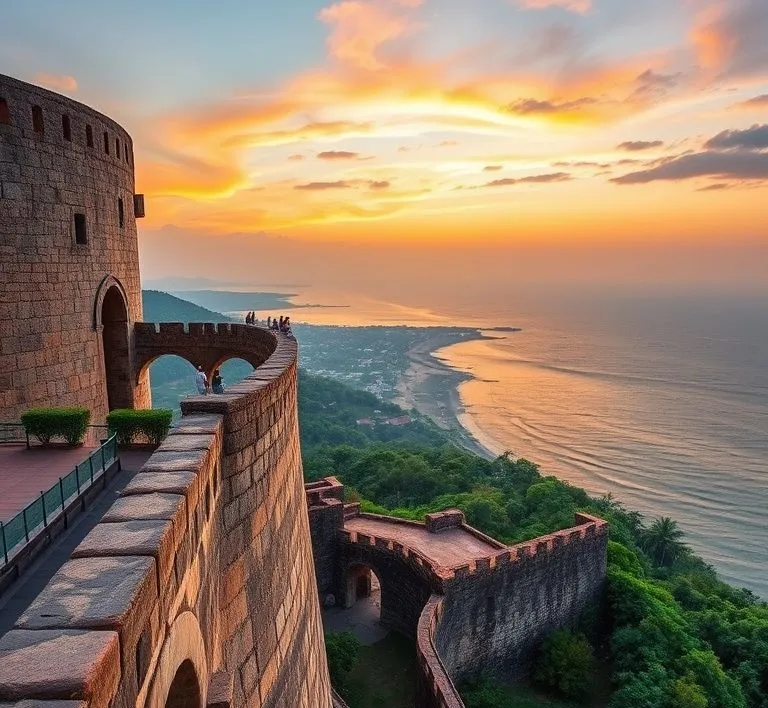
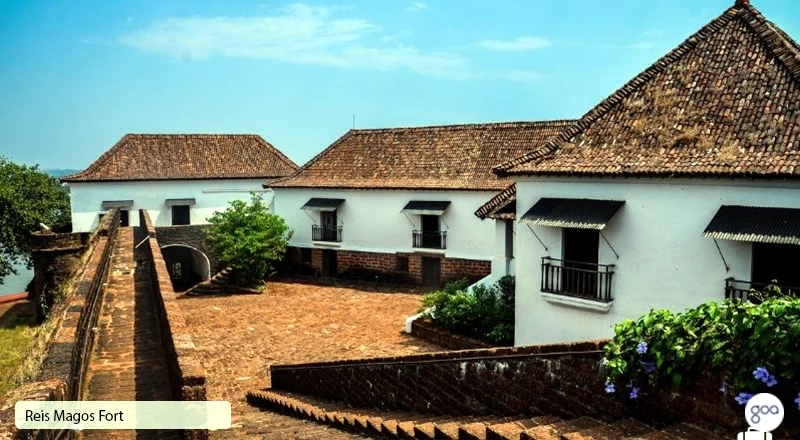
- Reis Magos Fort: Just a few kilometers down the road from Betim, this beautifully restored fort offers stunning views of the Mandovi River meeting the Arabian Sea. It also houses a cultural center and a museum.
- Reis Magos Church: Located at the foot of the fort, this is one of the oldest churches in Goa, known for its unique colorful facade and the annual Feast of the Three Kings.
- Panjim City: Cross the river to explore the capital's Latin Quarter (Fontainhas), the Immaculate Conception Church, and the bustling local markets.
- Miramar Beach: A short drive from Panjim, this beach is perfect for an evening stroll and watching the sunset.
- Dr. Salim Ali Bird Sanctuary: Located on Chorao Island, a ferry ride away from nearby Ribandar, this is a paradise for nature lovers and birdwatchers.
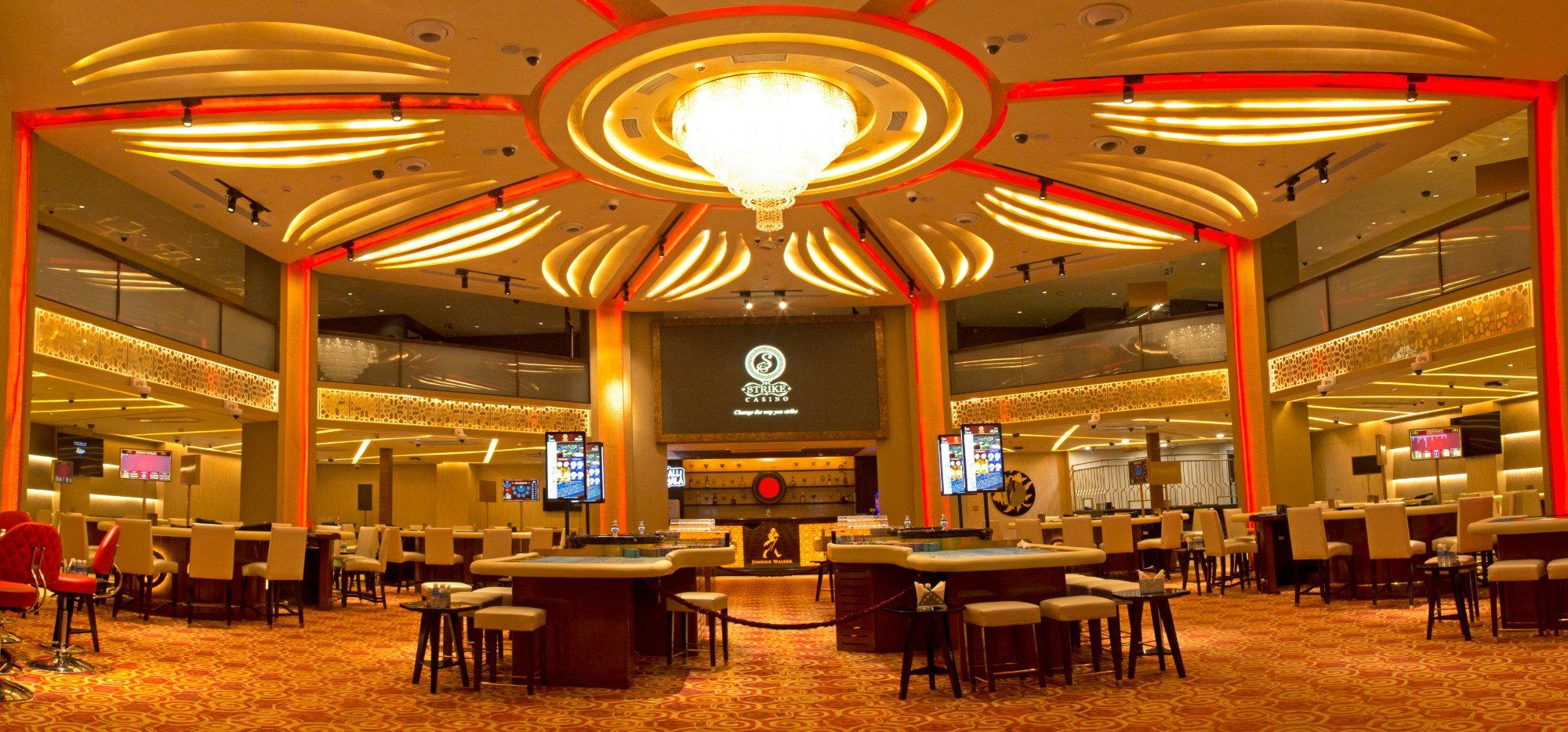
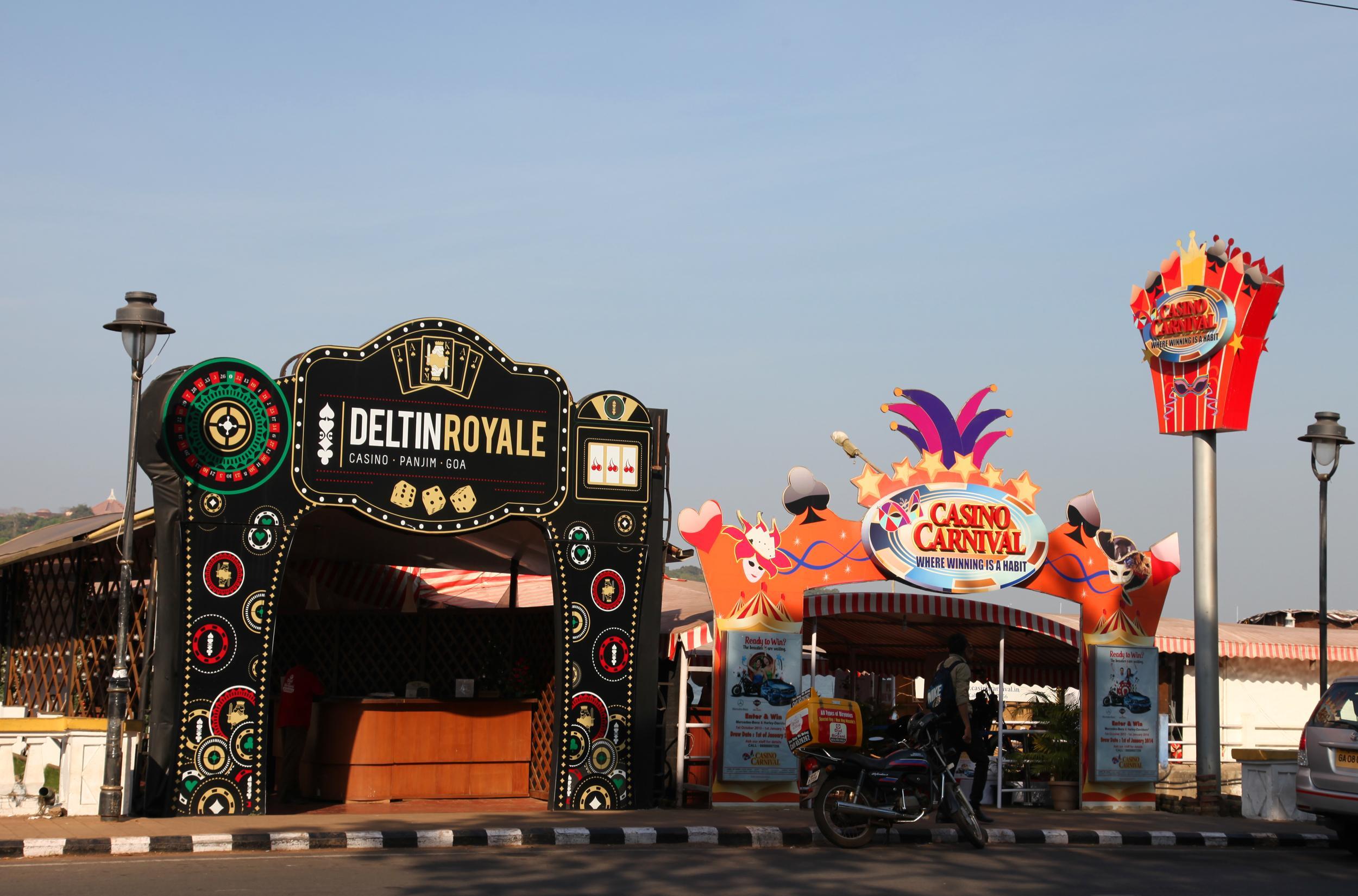
- Casino Row: For those interested in the more modern side of Goa, the offshore casinos are anchored in the Mandovi River, visible from the Betim side.
Photography & Visitor Guidelines
To maintain the sanctity of Gurudwara Singh Sabha, visitors are expected to follow certain guidelines:
- Photography: Photography is generally prohibited inside the main prayer hall (Darbar Sahib) while the Guru Granth Sahib is present or during active prayers. You may take photos of the exterior architecture and the courtyard, but always ask for permission first. Avoid taking selfies that might seem disrespectful.
- Silence: Maintain silence or speak in low tones within the premises. The Gurudwara is a place of meditation and prayer.
- Prohibited Items: Do not carry or consume tobacco, alcohol, or any other intoxicants near or inside the Gurudwara. Non-vegetarian food is also strictly prohibited on the premises.
- Conduct: Do not point your feet toward the Guru Granth Sahib when sitting. It is customary to sit cross-legged on the floor.
- Children: Ensure that children are supervised and do not run around or make loud noises in the prayer hall.
- Respecting the Scripture: Never touch the Guru Granth Sahib or the Palki Sahib unless you are a baptized Sikh authorized to do so.
Where to Eat Nearby
While the Langar at the Gurudwara provides a soul-satisfying meal, you might also want to explore the local Goan culinary scene in the vicinity:
- Langar: Available at specific times (usually after the morning and evening services), it is a must-experience for every visitor. It is free and open to all.
- The Verandah (Panjim): Located across the river, this upscale restaurant offers traditional Goan and Portuguese dishes in a beautiful heritage setting.
- Ritz Classic (Panjim): Famous for its authentic Goan fish thali, it’s a great spot for lunch after your morning visit to the Gurudwara.
- Local Eateries in Betim: There are several small "gadras" or local tea shops in Betim where you can enjoy Goan snacks like Samosas, Batata Vada, and Chai.
- Copperleaf (Porvorim): A short drive away, this restaurant is highly rated for its North Indian and seafood specialties, offering a comfortable dining experience for families.
Accommodation Nearby
For those who wish to stay close to the Gurudwara Singh Sabha, there are several options ranging from spiritual to luxury:
- Gurudwara Sarai: The Gurudwara offers basic accommodation facilities known as a Sarai for pilgrims. It is clean, safe, and very affordable, though it is best to contact the Gurudwara management in advance to check availability.
- Panjim Heritage Hotels: Stay in Fontainhas at places like WelcomHeritage Panjim Inn for a colonial-era experience.
- Vivanta Goa, Panaji: For those seeking luxury, this 5-star hotel is located just across the river and offers top-notch amenities.
- Guesthouses in Betim/Reis Magos: There are several boutique guesthouses and villas in the Reis Magos area that offer stunning river views and a quiet atmosphere.
- Hostels: For budget travelers and backpackers, Panjim has several vibrant hostels like The Hosteller or Old Quarter by Hostelology.
Travel Tips
To make your visit to Gurudwara Singh Sabha even more rewarding, keep these travel tips in mind:
- Carry a Scarf: While the Gurudwara provides them, carrying your own clean scarf or bandana is more convenient and hygienic.
- Ferry Timing: The ferry from Panjim runs frequently, but it’s good to check the last ferry time if you are visiting late in the evening.
- Combine with Reis Magos: Since Reis Magos Fort is very close, plan to visit the Gurudwara in the morning and the fort in the late afternoon.
- Respect Local Customs: Remember that you are in a place of worship. Observe how the locals behave and follow suit.
- Stay Hydrated: The Goan sun can be harsh. Carry a water bottle, but remember to drink water only in designated areas outside the prayer hall.
- Interact with Volunteers: The people working at the Gurudwara are often very friendly. Don't hesitate to ask them questions about the history or the rituals; they are usually happy to share their knowledge.
Conclusion
The Gurudwara Singh Sabha in Betim is a testament to the diverse and inclusive spirit of Goa. It stands as a peaceful sanctuary that transcends religious boundaries, offering a space for reflection, service, and community. Whether you are drawn by its stunning white architecture, the soul-stirring Gurbani, or the humble experience of the Langar, a visit to this Gurudwara adds a layer of spiritual depth to any Goan holiday. In a land famous for its "Susegad" (relaxed) lifestyle, the Gurudwara provides a different kind of peace—one that comes from within. It is a reminder that amidst the celebrations and the scenic beauty of the coast, there is always a place for quiet devotion and selfless service. As you leave the Gurudwara and perhaps take the ferry back to the bustling streets of Panjim, you carry with you a sense of calm and a deeper appreciation for the multicultural harmony that makes Goa truly special.