Overview of Church of Our Lady of the Mount
The
Church of Our Lady of the Mount, locally known as
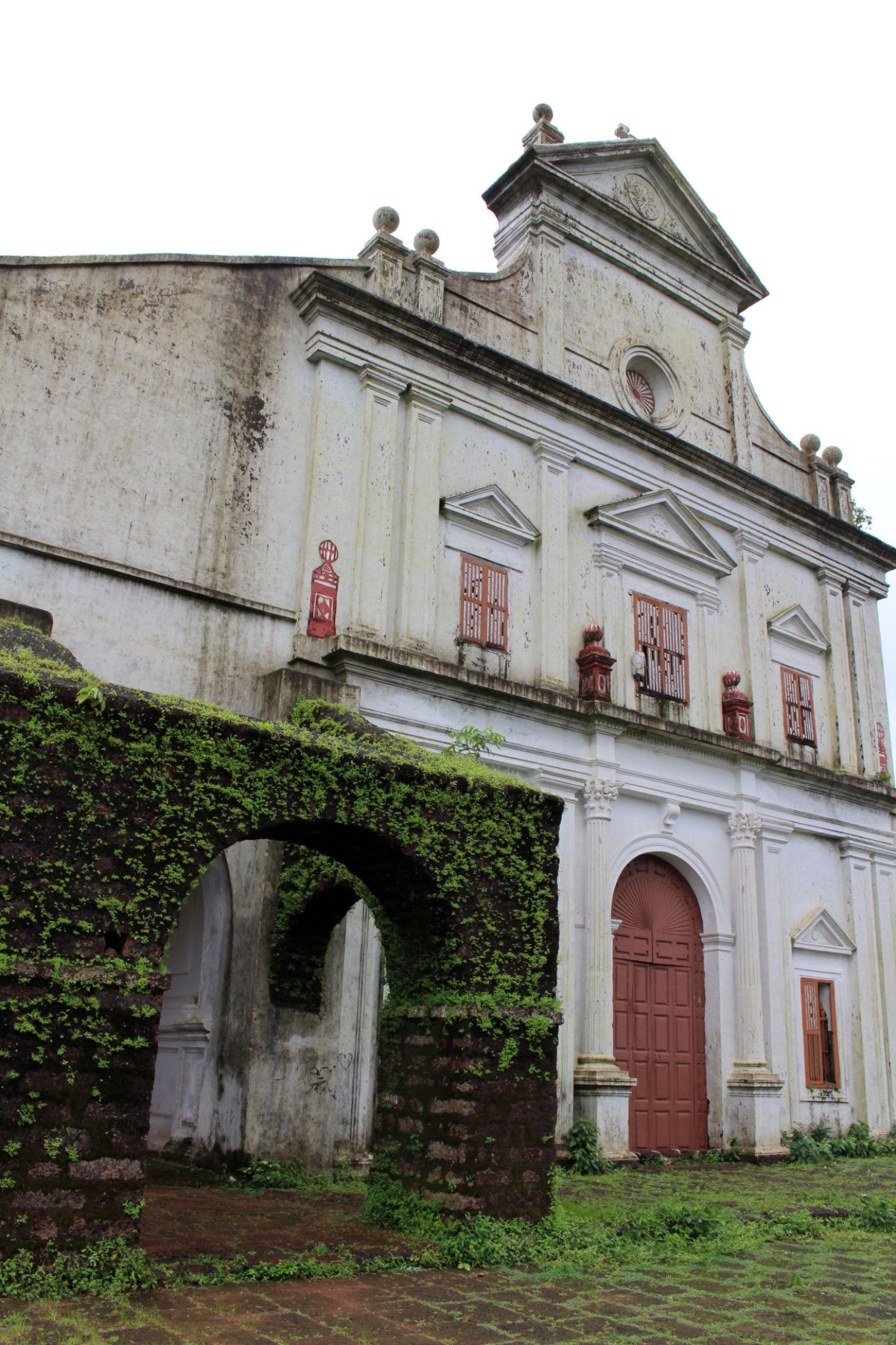
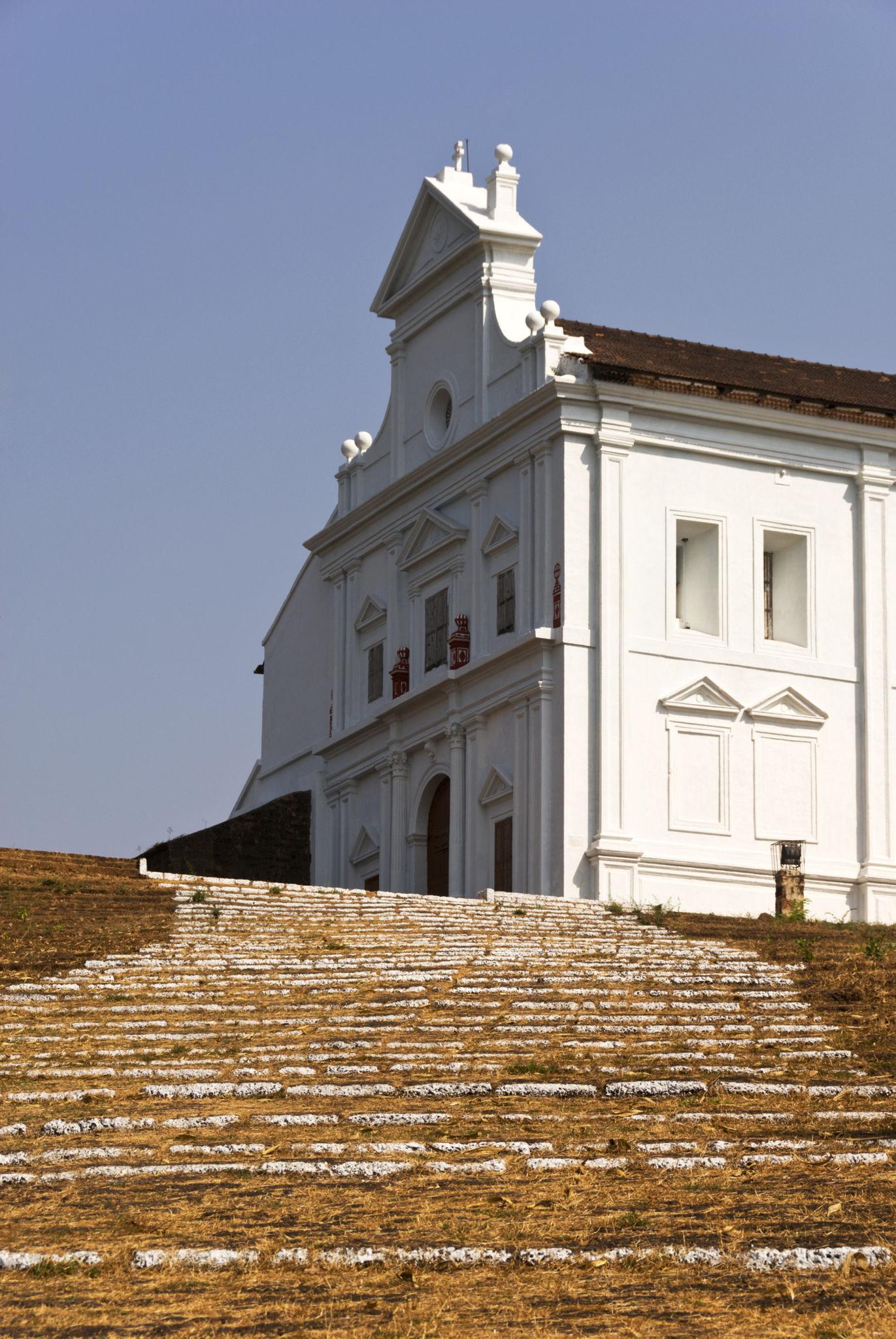
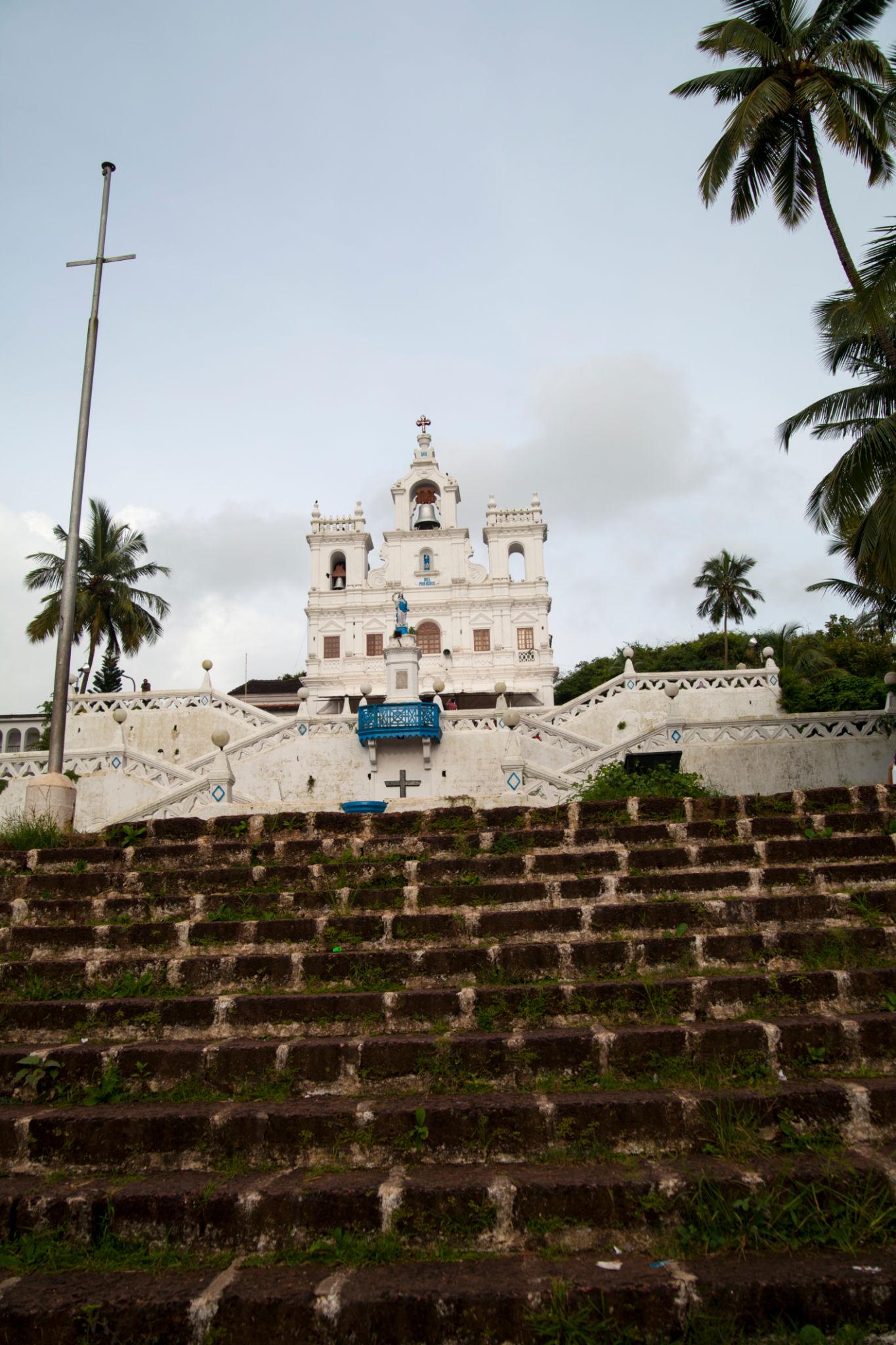
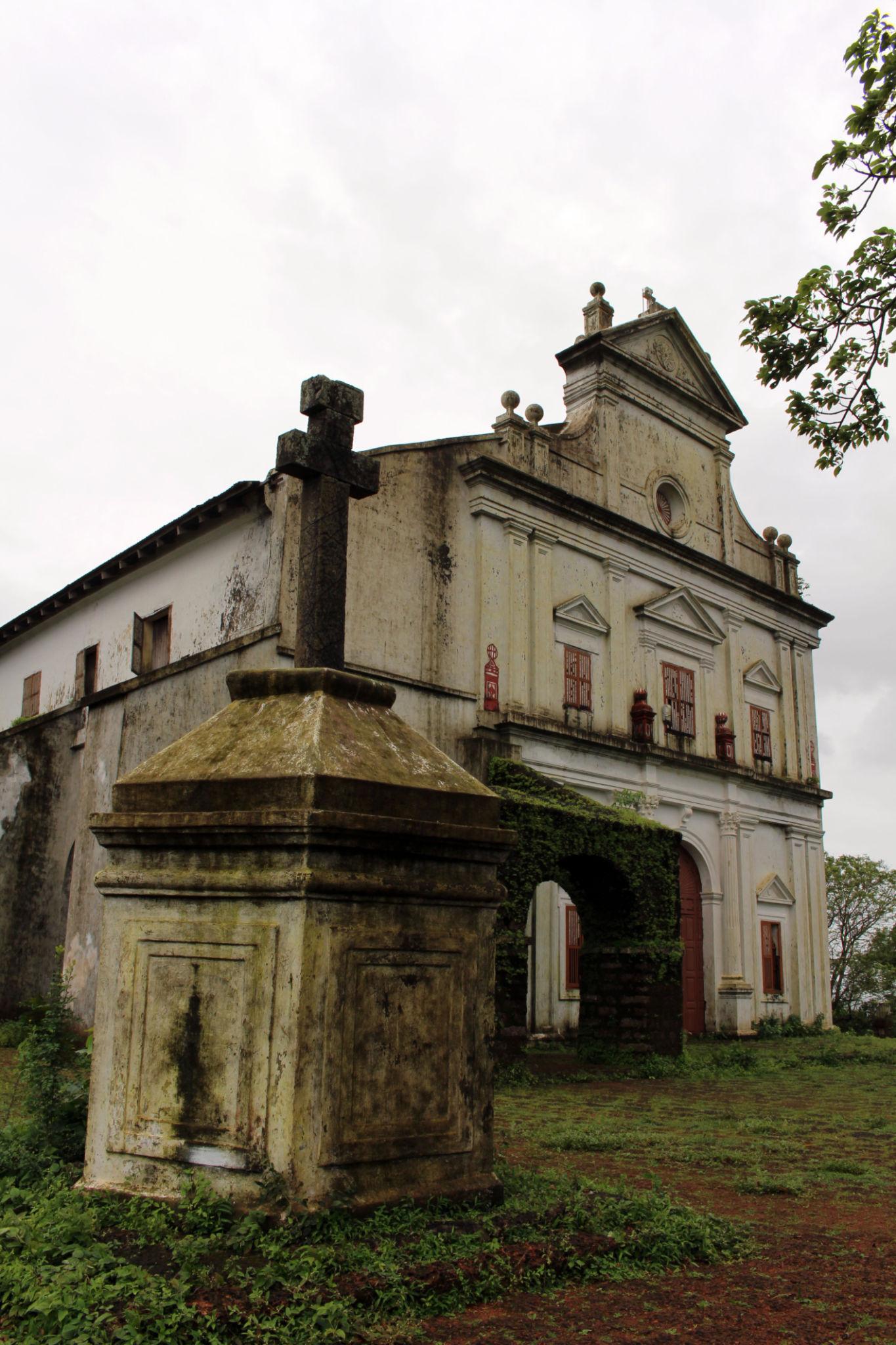
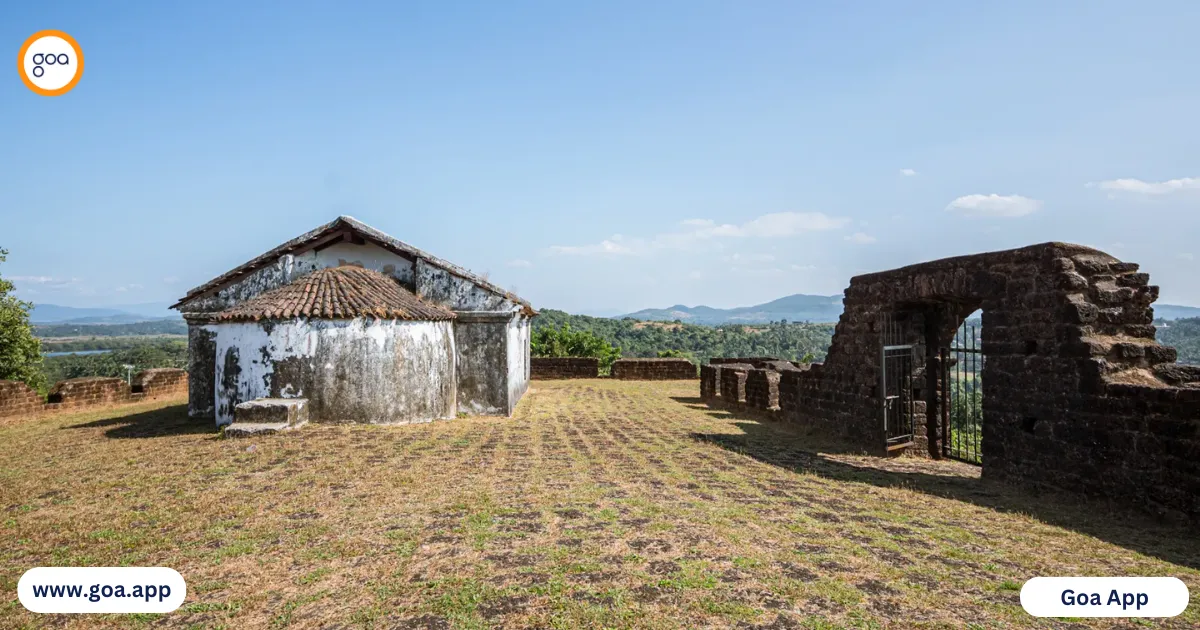
Nossa Senhora do Monte, stands as one of the most evocative and spiritually resonant landmarks in Old Goa. Perched atop the Monte Hill, this historic chapel offers a stark contrast to the bustling tourist hubs of the Basilica of Bom Jesus and the Se Cathedral located just a few hundred meters below. While the massive cathedrals of the valley showcase the power and grandeur of the Portuguese Empire, the Church of Our Lady of the Mount represents a more intimate, serene, and contemplative side of Goan Catholic heritage.
As a professional travel writer who has traversed the length and breadth of Goa, I find this particular site to be the "soul" of Old Goa. It is not just a religious structure; it is a vantage point that provides a breathtaking panoramic view of the Mandovi River, the surrounding lush greenery of Divar and Chorao islands, and the majestic white towers of the various churches dotting the landscape of the former colonial capital. The atmosphere here is one of profound silence, broken only by the whistling of the wind and the distant tolling of church bells.
For the spiritual traveler, the climb to the Monte is a pilgrimage of sorts. The church is dedicated to the
Virgin Mary and has remained a silent witness to the rise and fall of the Portuguese "Golden Goa." Unlike other monuments that have been heavily restored or are constantly swarmed by crowds, the Church of Our Lady of the Mount retains an air of ancient mystery. Its whitewashed walls, weathered by centuries of monsoons, glow ethereally during the golden hour, making it a favorite for photographers, history buffs, and seekers of peace.
History & Religious Significance
The history of the Church of Our Lady of the Mount is deeply intertwined with the very beginning of Portuguese rule in India. The origins of this sacred site date back to
1510, immediately following the conquest of Goa by
Afonso de Albuquerque. According to historical records, Albuquerque ordered the construction of a small chapel on this hill to fulfill a vow he made during the heat of the battle against the forces of Yusuf Adil Shah, the Sultan of Bijapur.
The hill itself held immense strategic importance. From this height, the Portuguese artillery could dominate the city of Goa and the river. After the successful capture of the city, the initial modest structure was erected to thank the Virgin Mary for the victory. However, the church we see today is not the original 1510 structure. It was rebuilt and expanded several times, with the most significant reconstruction occurring in
1519 and later major renovations in the late 16th century, specifically around
1591.
Historically, the church served as a landmark for sailors entering the Mandovi River. Its elevated position made it visible from the sea, serving as a beacon of faith for the Portuguese armadas returning from long voyages. Over the centuries, the church faced periods of neglect, especially after the capital was shifted from Old Goa to Panjim (Nova Goa) due to plague and cholera outbreaks. For many years, it lay in a state of partial ruin, its roof collapsing and its interiors exposed to the elements.
It was only in the late 20th century, with the intervention of the
Fundação Oriente and the local ecclesiastical authorities, that the church underwent a meticulous restoration. Today, it stands as a protected monument under the Archaeological Survey of India (ASI) and remains a vital link to the 16th-century religious fervor that shaped the cultural fabric of Goa. Its religious significance remains potent, particularly for the local Catholic community who view the "Monte" as a place of special intercession by the Mother of God.
Architecture of Church of Our Lady of the Mount
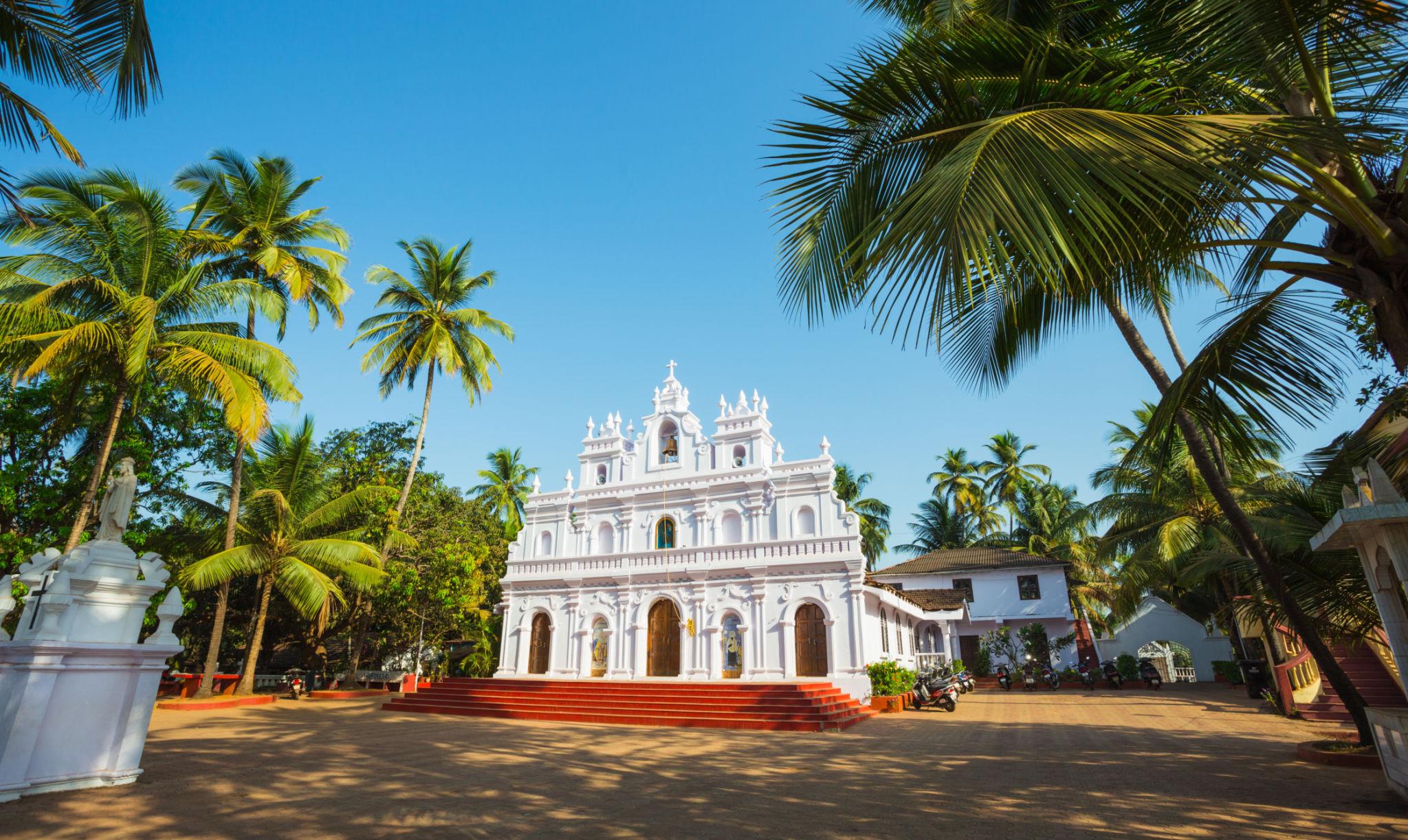
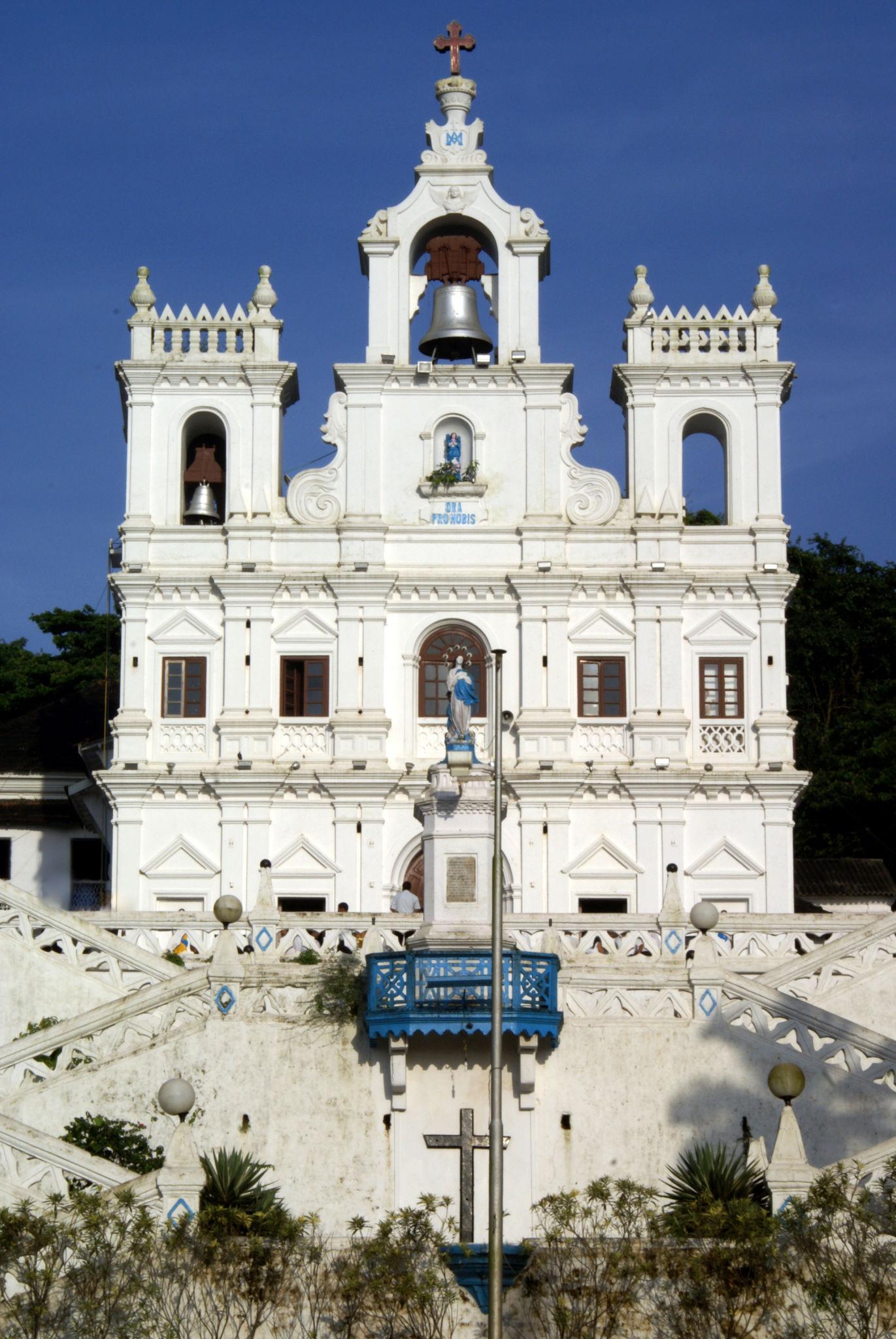
The architecture of the Church of Our Lady of the Mount is a masterful example of the
Mannerist style, which was a transition between the high Renaissance and the Baroque periods. Built primarily of local laterite stone and plastered with white lime, the church exhibits a simplicity that is both elegant and imposing.
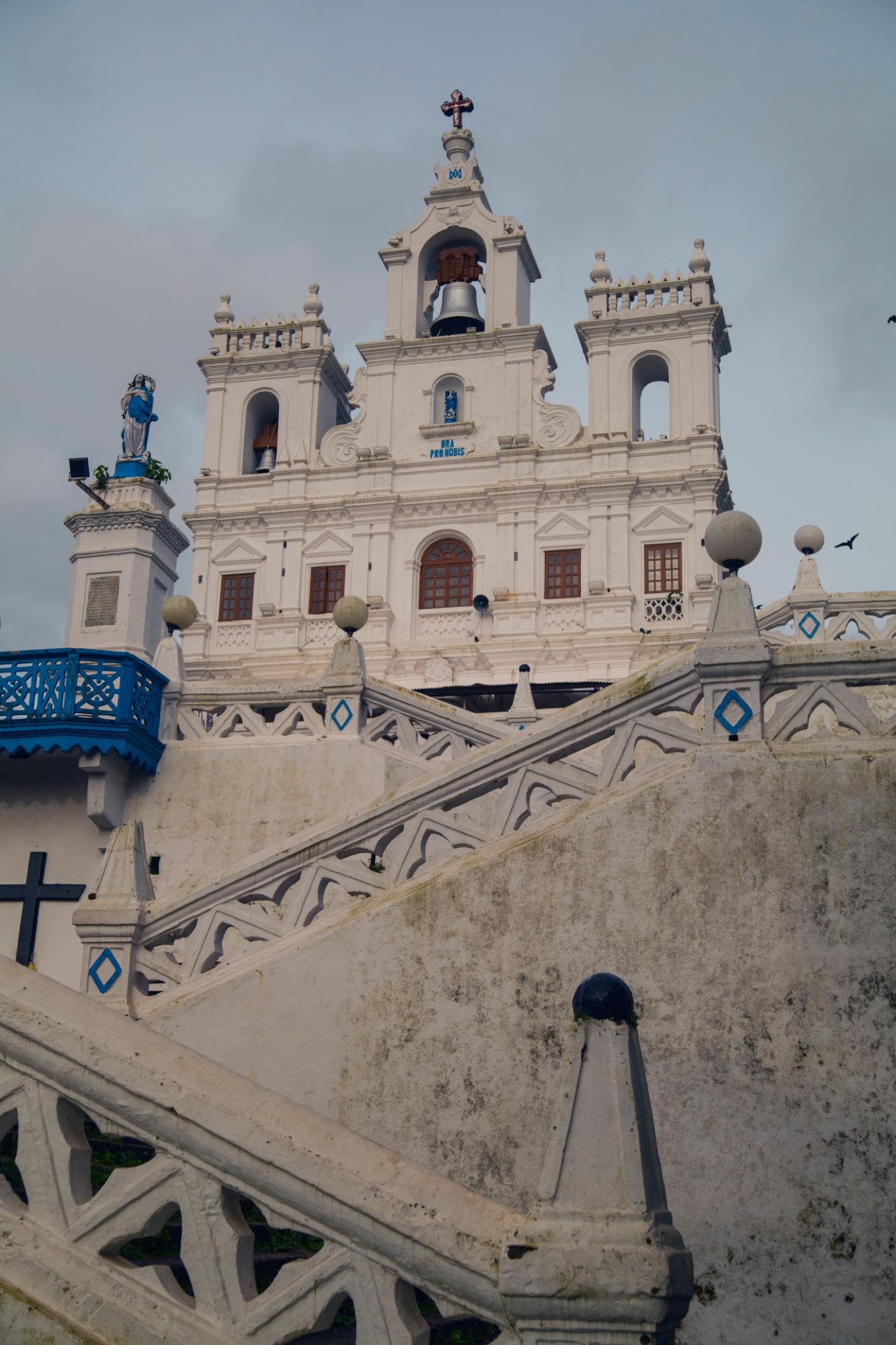
The facade of the church is divided into three distinct horizontal levels. The lowest level features three large arched entrances, with the central door being the most prominent. The second level is characterized by three large rectangular windows that allow natural light to flood the choir loft inside. The topmost level is a triangular pediment, crowned with a simple stone cross. What makes the facade unique is the lack of the heavy ornamentation found in the Se Cathedral; instead, it relies on clean lines and geometric symmetry.
One of the most striking architectural features is the
double-storied bell tower located to the side. The interior of the church follows a single-nave plan, typical of the early Jesuit and Franciscan influences in Goa. As you step inside, your eyes are immediately drawn to the high altar, which is a magnificent piece of Baroque craftsmanship. The gilded reredos (altar screen) features intricate carvings of floral motifs, angels, and various saints, centering around the image of Our Lady of the Mount.
The church also houses several lateral chapels dedicated to various saints. The flooring consists of weathered granite and basalt slabs, some of which mark the burial sites of noble Portuguese families and high-ranking clergy. The choir loft, supported by heavy wooden beams, offers a glimpse into the acoustic engineering of the era. The thick walls and small, high-placed windows (oculi) ensure that the interior remains cool even during the peak of the Goan summer, creating a perfect environment for prayer and meditation.
Main Deity / Spiritual Importance
The primary deity of this sacred site is
Our Lady of the Mount (Nossa Senhora do Monte), a title for the Virgin Mary. In the Catholic tradition, Mary is often associated with high places and mountains, symbolizing her closeness to God and her role as a protectress overlooking her children.
The spiritual importance of the church is rooted in the concept of "protection." For the early Portuguese settlers, the Virgin Mary on the hill was the guardian of the city. For the modern devotee, she represents a source of peace and a refuge from the chaos of the world. The statue of Our Lady of the Mount on the high altar depicts her in a regal yet motherly pose, often adorned with fresh flowers and traditional Goan "garlands" during feast days.
There is a profound sense of "Golgotha" associated with the hill. The climb up the Monte is often compared by locals to the journey of faith—laborious but rewarding. Many pilgrims visit the church to pray for family well-being, health, and guidance. The silence of the location enhances the spiritual experience, allowing for a level of introspection that is hard to find in the more tourist-heavy churches of Old Goa.
Furthermore, the church holds a special place in the hearts of the Goan diaspora. Many who have moved abroad return to this specific chapel to give thanks, as it embodies the historical and spiritual roots of their ancestors. The spiritual energy of the place is palpable, especially during the early morning hours when the mist hangs over the Mandovi River, making the church appear as if it is floating between heaven and earth.
Festivals & Celebrations
The Church of Our Lady of the Mount comes alive during specific times of the year, blending religious devotion with cultural celebration. The most significant religious event is the
Feast of Our Lady of the Mount, celebrated on
September 8th. This feast marks the Nativity of the Blessed Virgin Mary.
The celebration begins with a nine-day period of prayer known as the
Novena. During these nine days, locals from the surrounding villages of Ella and Old Goa climb the hill every evening to participate in the rosary and mass. On the feast day itself, a grand High Mass is celebrated, often attended by the Archbishop of Goa. Following the religious services, there is a small traditional fair where local snacks like
gram (chickpeas) and
kadio-bodio (sweet sticks) are sold.
Perhaps the most famous cultural event held here is the
Monte Music Festival. Organized usually in
February by the Fundação Oriente in collaboration with the Goa Tourism Department, this festival is a unique celebration of Western and Indian classical music. The church and its courtyard serve as the stage, with the setting sun and the rising moon providing a natural backdrop.
The Monte Music Festival is a prestigious event that attracts world-class musicians. The acoustics of the ancient church are perfect for choral music, violin recitals, and Hindustani classical performances. Watching a performance here, with the lights of Panjim twinkling in the distance and the silhouettes of the ancient cathedrals below, is a transcendent experience that bridges the gap between different cultures and eras.
Best Time to Visit
To truly appreciate the beauty and serenity of the Church of Our Lady of the Mount, timing is essential. The best months to visit are from
November to February. During this period, the weather in Goa is pleasant, with cool breezes and clear skies, making the uphill walk or drive comfortable.
In terms of the time of day,
late afternoon is the absolute best. Arriving around 4:30 PM or 5:00 PM allows you to explore the architecture and the interior before the church closes, and then witness what is arguably the
best sunset in Goa. As the sun dips below the horizon, the sky turns into a canvas of oranges, purples, and pinks, reflecting off the Mandovi River and highlighting the white facade of the church.
If you are interested in the religious aspect, visiting during the
Feast of the Nativity in early September is recommended. The lush greenery of the post-monsoon season makes the hill look incredibly vibrant, though you should be prepared for occasional rain showers. For music lovers, the
Monte Music Festival in February is a must-visit, but do check the official dates in advance as they vary each year.
Early mornings (around 9:00 AM) are also beautiful for those who want to avoid any crowds and enjoy the crisp morning air. However, the church is most magical when the light is soft, either at dawn or dusk.
Timings, Entry Fee & Dress Code
The Church of Our Lady of the Mount follows a specific schedule, and visitors should plan accordingly to avoid disappointment.
- Timings: The church is generally open from 9:00 AM to 7:00 PM daily. However, the interior chapel may sometimes be locked if there are no staff present. It is most consistently open during the late afternoon hours.
- Entry Fee: There is no entry fee to visit the church or the hill. It is a public place of worship and a heritage site open to all.
- Dress Code: As this is an active religious site, visitors are expected to dress modestly. Both men and women should ensure their shoulders and knees are covered. Avoid wearing beachwear, sleeveless tops, or very short skirts/shorts. If you are dressed inappropriately, you may be asked to remain outside the main chapel area.
- Mass Timings: Regular masses are not held daily as they are at the Basilica. Usually, mass is held on Sundays or during special feast days. It is advisable to check with the local parish in Old Goa for the current liturgical schedule.
How to Reach Church of Our Lady of the Mount
Reaching the Church of Our Lady of the Mount requires a bit of effort, as it is located away from the main road that connects Panjim to Ponda.
- By Road: From Panjim, the church is approximately 9 to 10 kilometers away. You can take a taxi or a rented scooter/car. Follow the road toward Old Goa. Once you reach the vicinity of the Se Cathedral, look for the signposts pointing toward "The Monte" or "Our Lady of the Mount." The road winds upward through a forested area.
- By Foot: For those who enjoy a bit of trekking, you can walk up the hill from the main Old Goa complex. The path starts near the St. Augustine Tower. It is a steep but paved climb that takes about 15-20 minutes. The walk is beautiful, offering glimpses of the valley through the trees.
- By Public Transport: You can take a bus from Panjim to Old Goa. From the Old Goa bus stop, you will either need to walk up the hill or hire a local pilot (motorcycle taxi) to take you to the top.
- Parking: There is ample parking space available right in front of the church entrance for both two-wheelers and four-wheelers.
Pro Tip: If you are driving, be cautious during the monsoon season as the winding road can be slippery and narrow in certain sections.
Things to Do
A visit to the Church of Our Lady of the Mount is not just about seeing a building; it is about the experience. Here are the top things to do:
- Witness the Sunset: The courtyard of the church is the premier spot for sunset viewing. Watch the sun go down over the Mandovi River and the islands of Divar and Chorao.
- Architectural Photography: The clean lines of the Mannerist facade and the weathered textures of the walls provide excellent subjects for photography. The play of light and shadow in the evening is spectacular.
- Meditation and Prayer: Take a moment to sit inside the cool, quiet nave. The silence here is perfect for personal reflection or meditation, regardless of your religious background.
- Bird Watching: The hill is surrounded by thick tropical vegetation. If you visit in the early morning, you can spot various local bird species, including kingfishers and hornbills.
- Historical Exploration: Examine the ancient tombstones on the floor and the intricate carvings of the high altar. Each element tells a story of Goa's colonial past.
- Attend the Monte Music Festival: If your visit coincides with February, attending a concert here is a world-class cultural experience that you will never forget.
Nearby Attractions
The Church of Our Lady of the Mount is situated in the heart of the UNESCO World Heritage site of Old Goa. You can easily combine your visit with these nearby attractions:
- Basilica of Bom Jesus: Located at the foot of the hill, this world-famous basilica holds the mortal remains of St. Francis Xavier and is a masterpiece of Baroque architecture.
- Se Cathedral: One of the largest churches in Asia, known for its "Golden Bell" and its stunning Tuscan exterior.
- St. Augustine Tower: The ruins of a 46-meter high bell tower that was once part of one of the largest churches in the Iberian world.
- Museum of Christian Art: Located within the Convent of Santa Monica, this museum houses a rare collection of Indo-Portuguese Christian art.
- Viceroy’s Arch: The historical gateway through which Portuguese Viceroys used to enter the city.
- Church of St. Cajetan: Modeled after St. Peter's Basilica in Rome, this church is famous for its stunning Corinthian architecture.
Photography & Visitor Guidelines
To ensure a respectful and pleasant visit for everyone, please adhere to the following guidelines:
- Photography: Photography is generally permitted outside the church and in the courtyard. However, inside the church, please be discreet. Do not use flash, especially if people are praying. During a mass or a religious service, photography is strictly prohibited.
- Silence: Maintain a low volume when speaking. Sound echoes significantly within the stone walls of the church and across the quiet hilltop.
- Littering: The Monte is a clean and pristine area. Please ensure you carry all your trash back with you. There are limited dustbins on the hill.
- Respect the Sacred: Do not climb on the altars, touch the statues, or sit on the sanctuary steps. These are sacred spaces for the local community.
- Safety: The hill can get quite dark after sunset. If you are walking down, ensure you have a flashlight or leave shortly after the sun disappears.
Where to Eat Nearby
Old Goa has several options for dining, ranging from quick snacks to full Goan meals:
- The Rasoda: Located near the main church complex, this restaurant offers excellent North Indian and Rajasthani vegetarian cuisine.
- Cafe Tinto: A great spot for a quick coffee, Goan snacks like pao com chouriço, or a light lunch.
- Local Eateries: There are numerous small shacks near the Old Goa bus stand serving traditional Goan fish thalis, which are both delicious and affordable.
- Panjim City: Since Panjim is only 15-20 minutes away, many visitors head back to the city for a wider variety of fine-dining options like The Black Sheep Bistro or Viva Panjim.
Accommodation Nearby
While most tourists stay in the beach belts of North or South Goa, staying near Old Goa offers a more peaceful and heritage-focused experience:
- Heritage Stays: There are several boutique heritage villas and homestays in the villages of Raia and Loutolim, which are a short drive away.
- Old Goa Residency: Operated by the GTDC (Goa Tourism Development Corporation), this offers basic and affordable accommodation right in the heart of the heritage zone.
- Panjim Hotels: For more luxury and mid-range options, Panjim (9km away) has hotels like The Crown Goa or WelcomHeritage Panjim Inn.
- Divar Island: For a unique experience, stay at a resort on Divar Island, which is accessible by ferry from Old Goa.
Travel Tips
As a local expert, here are a few insider tips for your visit to the Church of Our Lady of the Mount:
- Hydration: The climb or even the walk around the hilltop can be dehydrating. Carry a bottle of water, as there are no shops or vendors at the top of the hill.
- Footwear: Wear comfortable walking shoes. The stone surfaces around the church can be uneven and slippery when wet.
- Timing for Music: If you are attending the Monte Music Festival, book your tickets well in advance as they sell out quickly. Also, carry a light sweater as it can get surprisingly chilly on the hill in February.
- Solo Travelers: The hill is generally safe, but it is quite isolated. If you are a solo traveler, it is best to visit during the day or in the company of others during the sunset hour.
- Combine with Divar Island: After your visit to the Monte, take the ferry from the Old Goa wharf to Divar Island for a glimpse into traditional Goan village life.
Conclusion
The
Church of Our Lady of the Mount is more than just a destination; it is a bridge between the past and the present, between the earthly and the divine. It stands as a testament to Goa's complex history, reflecting the architectural prowess of the Portuguese and the enduring faith of the local people. Whether you are drawn by the historical intrigue of Afonso de Albuquerque’s vow, the architectural elegance of the Mannerist style, or simply the desire to witness the most beautiful sunset in the state, the "Monte" will not disappoint.
In a state that is often defined by its beaches and nightlife, this hilltop sanctuary offers a necessary pause—a place to breathe, reflect, and appreciate the silent majesty of Old Goa. As you stand on the hill, looking out over the winding Mandovi River and the ancient spires of the city below, you realize that the true spirit of Goa is found here, in the quiet, elevated corners where history and spirituality meet the sky. Make sure to include this hidden gem in your Goan itinerary for an experience that stays with you long after you’ve left the shores of the Konkan coast.
Top Goa Experience • Part 1
Highly Recommended Near Church of Our Lady of the Mount
Explore All
Recommended Guide
North Goa vs South Goa: Which is Better for Your Goa Trip?
Goa is India's most popular beach destination and attracts millions of domestic and international tourists every year. One of the most common questions tra...
Read Guide →
Recommended Guide
Tourist Season in Goa – Complete Travel Guide for Every Season
The winter season in Goa, stretching from November to February, is widely considered the best and most popular tourist season in Goa. This period attracts...
Read Guide →
Recommended Guide
Common Scams in Goa Tourists Still Fall For
Goa is one of India’s most loved travel destinations, attracting millions of tourists every year with its beaches, nightlife, and relaxed vibe. But like...
Read Guide →
Top Goa Experience • Part 2
Highly Recommended Near Church of Our Lady of the Mount
Explore All