Overview of Chapel of St. Sebastain
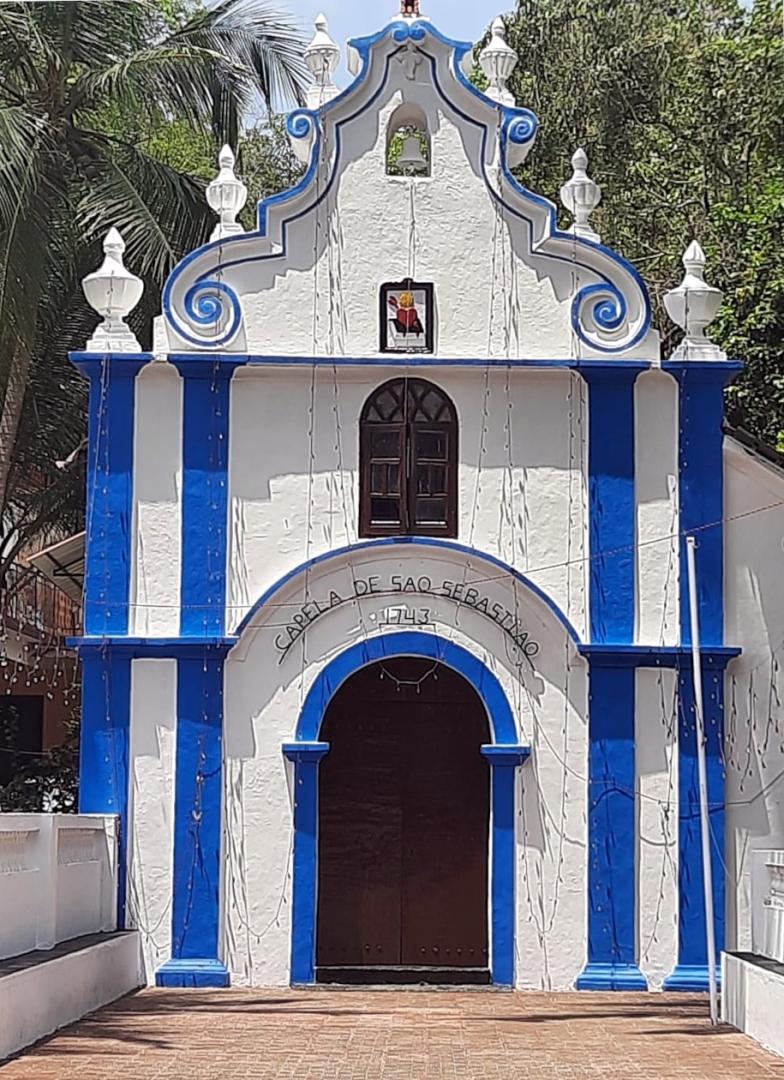
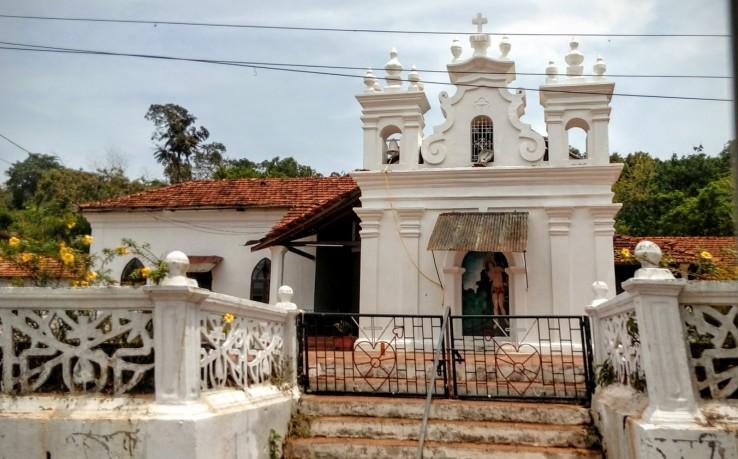
Nestled in the heart of the enchanting Latin Quarter of Fontainhas in Panjim, the Chapel of St. Sebastian stands as a serene sentinel of Goan-Portuguese heritage. This small yet profoundly significant religious structure is more than just a place of worship; it is the spiritual anchor for one of the most colorful and culturally rich neighborhoods in Asia. As you wander through the narrow, winding alleys of Fontainhas, flanked by houses painted in vivid hues of canary yellow, burnt orange, and sky blue, the pristine white facade of the chapel emerges as a striking contrast, symbolizing purity and peace amidst the vibrant urban tapestry.
The Chapel of St. Sebastian, dedicated to the 3rd-century Christian martyr who was famously tied to a tree and shot with arrows, serves as a focal point for the local Catholic community. While Goa is home to massive, world-renowned cathedrals like the Se Cathedral and the Basilica of Bom Jesus, this chapel offers a much more intimate and localized experience of Goan spirituality. It reflects the lived history of the "Mala" and "Fontainhas" areas, which were developed in the late 18th and 19th centuries when the Portuguese administration shifted the capital from Old Goa to Panjim (then Nova Goa) due to recurring epidemics.
Top Goa Experience • Part 1
Highly Recommended Near Chapel of St. Sebastain
Explore All
For the traveler, the chapel is a must-visit destination that encapsulates the soul of Panjim. It is not merely a tourist site but a living heritage monument where traditions have been preserved for over two centuries. The atmosphere here is one of quiet contemplation, far removed from the bustling markets and noisy beaches of North Goa. Whether you are an architecture enthusiast, a history buff, or a spiritual seeker, the Chapel of St. Sebastian provides a window into the unique Luso-Indian identity that defines modern Goa. Its presence underscores the resilience of the local community and their unwavering faith, which has survived through colonial transitions and the modernization of the state.
History & Religious Significance
The history of the Chapel of St. Sebastian is deeply intertwined with the development of Panjim as the capital of Portuguese India. The original chapel was not located at its current site; it was initially constructed around 1818 near the Praça do Comércio. However, as the city expanded and the marshy lands of Fontainhas were reclaimed, the chapel was relocated to its present position in 1888 to better serve the growing population of the Latin Quarter. This period was crucial in Goan history, as the Portuguese were consolidating their influence in Panjim after the abandonment of the plague-ridden Old Goa.
Recommended Guide
10 Interesting Facts About Goa That Will Blow Your Mind
Discover 10 fascinating facts about Goa from Portuguese history & architecture to hidden beaches, cheap alcohol secrets, and more.
Read Guide →
The religious significance of the chapel is rooted in the veneration of St. Sebastian, who is traditionally invoked as a protector against plagues and infectious diseases. Given that the shift of the capital was prompted by devastating outbreaks of cholera and malaria in Old Goa, the dedication of a major chapel in the new capital to St. Sebastian was both symbolic and practical. The locals looked to the saint for divine protection against the "pestilence" that had decimated their previous homes. To this day, St. Sebastian remains a figure of strength and endurance for the residents of Fontainhas.
One of the most historically significant artifacts within the chapel is the Crucifix, which is shrouded in legend and theological intrigue. This particular crucifix was brought to the chapel from the Palace of the Inquisition in Old Goa after the Inquisition was abolished. The Inquisition was a dark chapter in Goan history, and the crucifix served as a silent witness to the trials and tribulations of that era. Its relocation to the Chapel of St. Sebastian represents a transition from a period of institutionalized religious rigor to a more community-focused, pastoral expression of faith. The chapel has also historically served as the site for the annual "Festa de São Sebastião", a festival that reinforces the social bonds of the neighborhood through shared prayer and celebration.
Recommended Guide
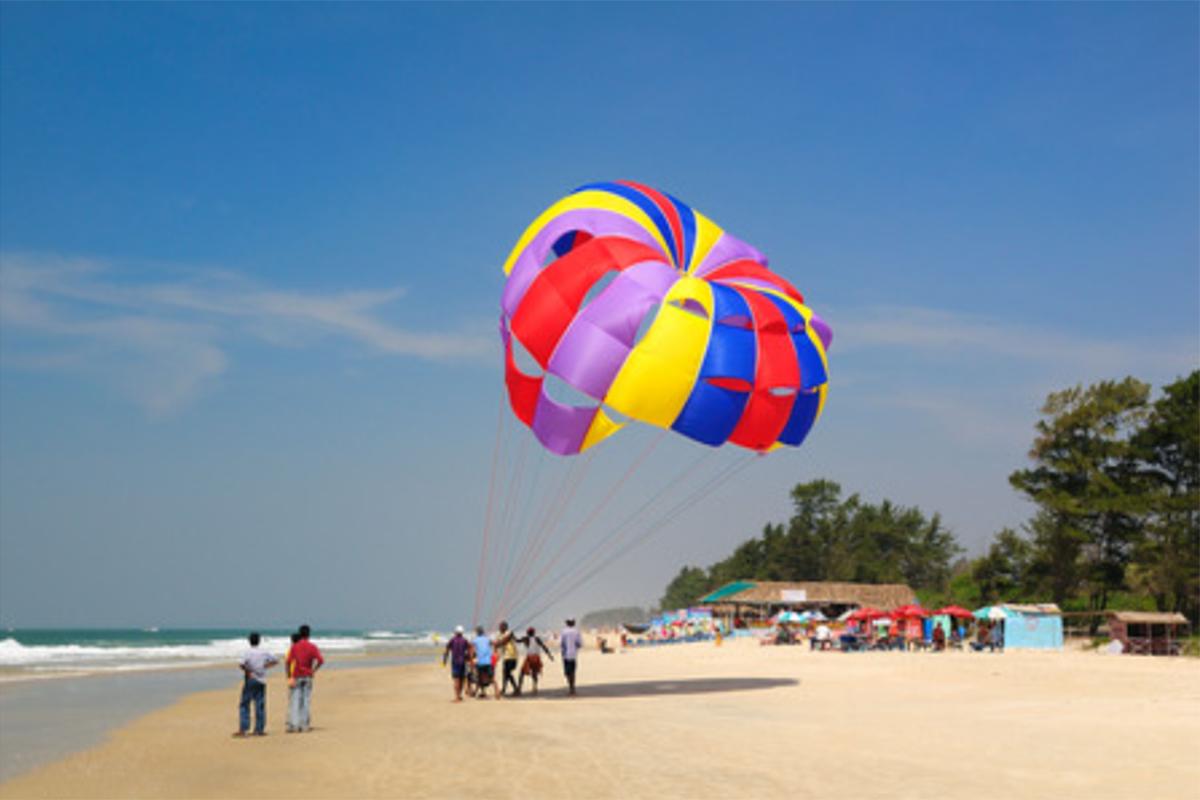
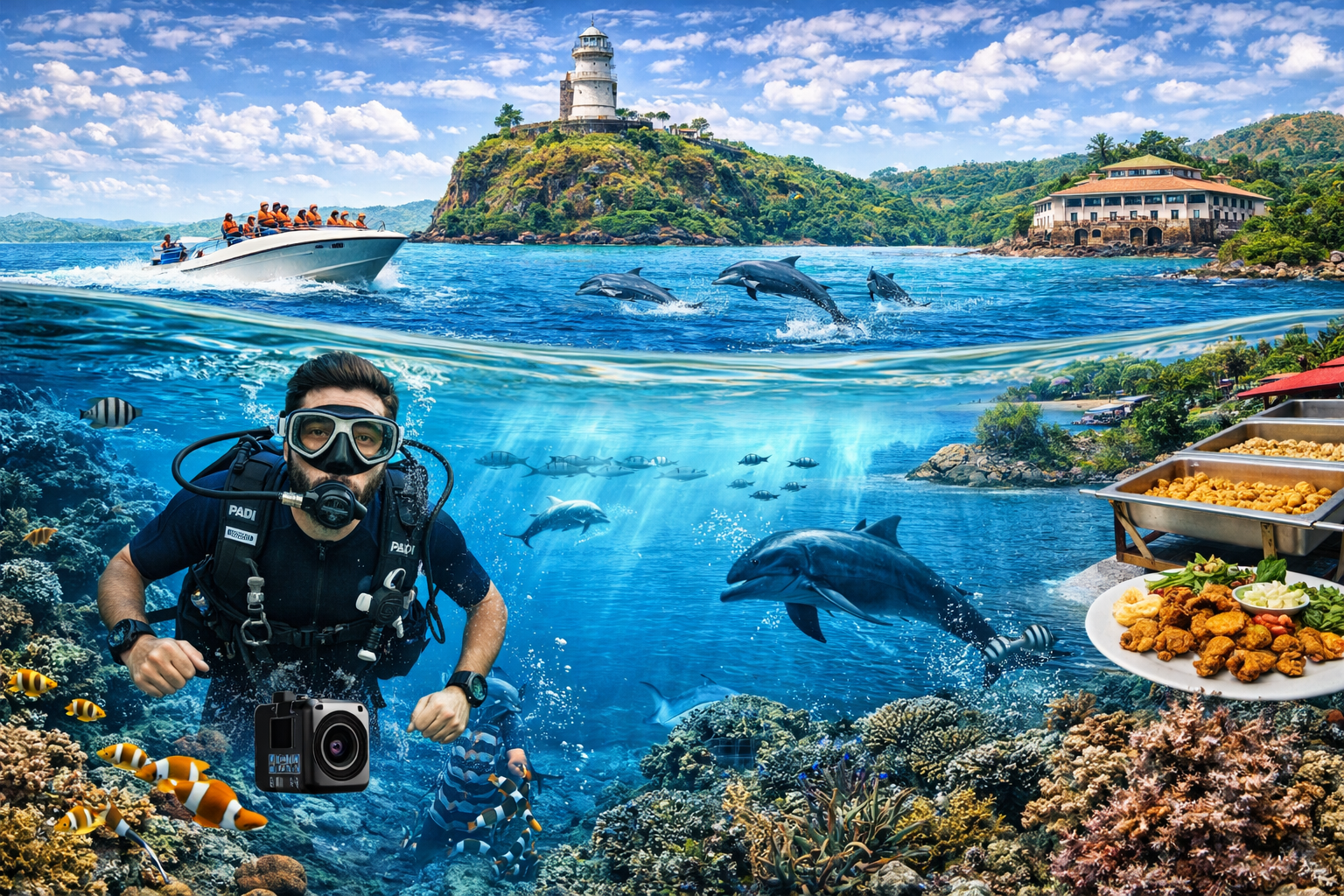
Water Sports in Candolim Goa | Best Prices, Packages & Booking Guide
Candolim Beach, located in North Goa, is one of the most popular destinations for water sports in Goa. Known for its clean shoreline, less crowded environm...
Read Guide →
Architecture of Chapel of St. Sebastain
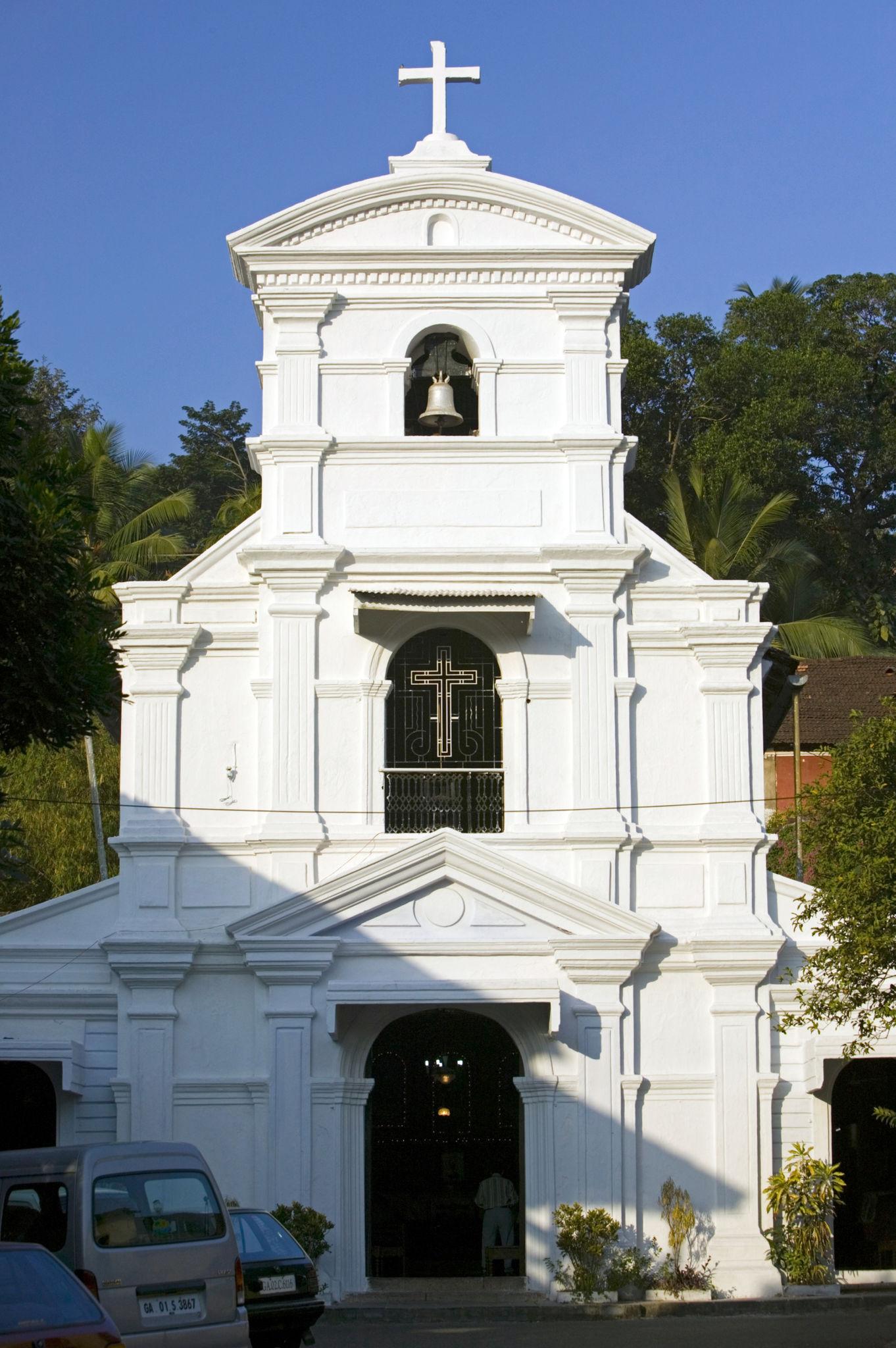
The architecture of the Chapel of St. Sebastian is a quintessential example of the Goan-Portuguese Baroque style, albeit on a more modest and human scale compared to the grand churches of Velha Goa. The exterior is characterized by its brilliant white lime-wash finish, a tradition mandated during the colonial era to ensure cleanliness and reflect the tropical sun. The facade is relatively simple but elegant, featuring a small bell tower (belfry) on the left side and a triangular pediment that lends it a sense of classical balance.
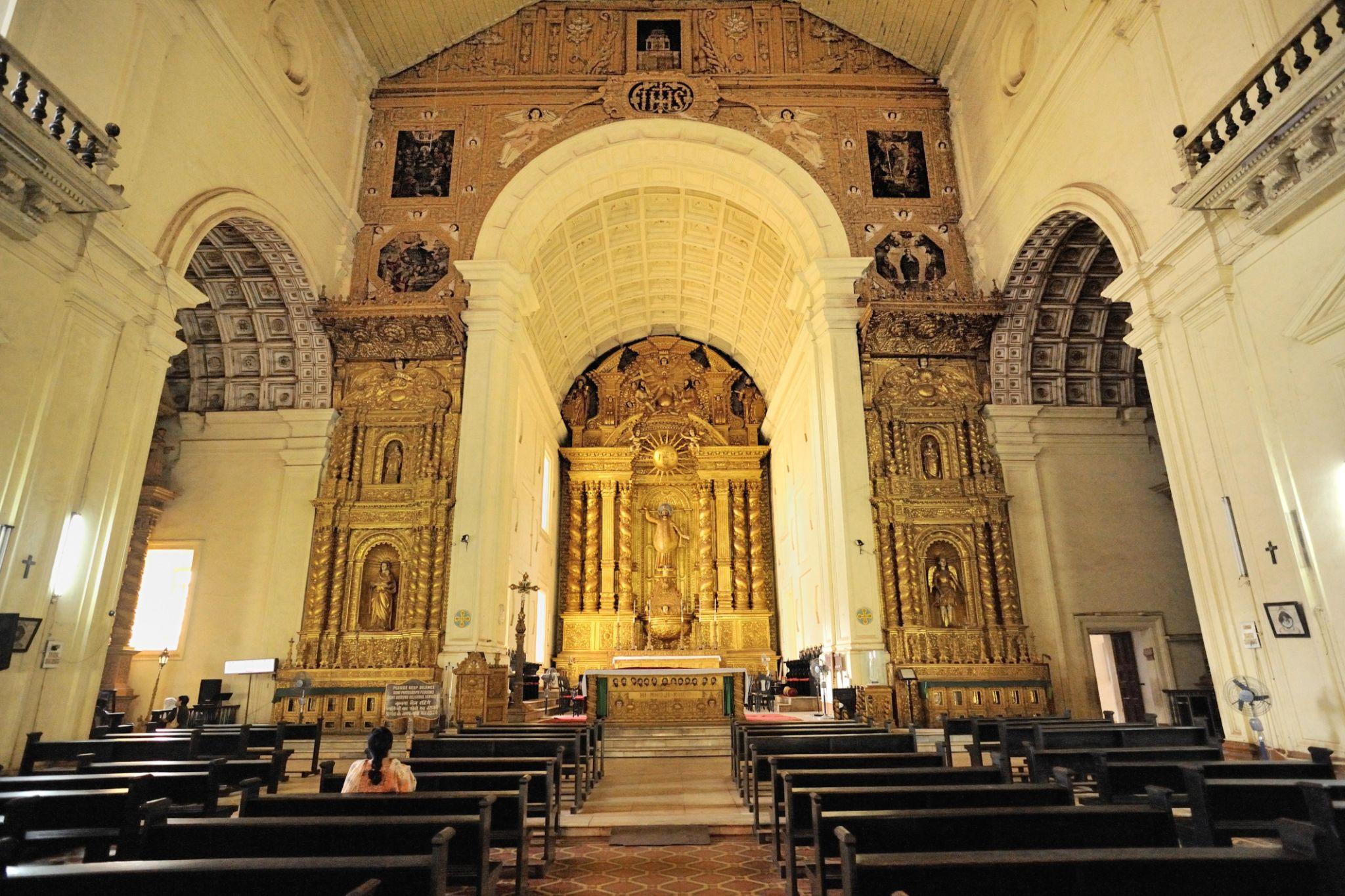
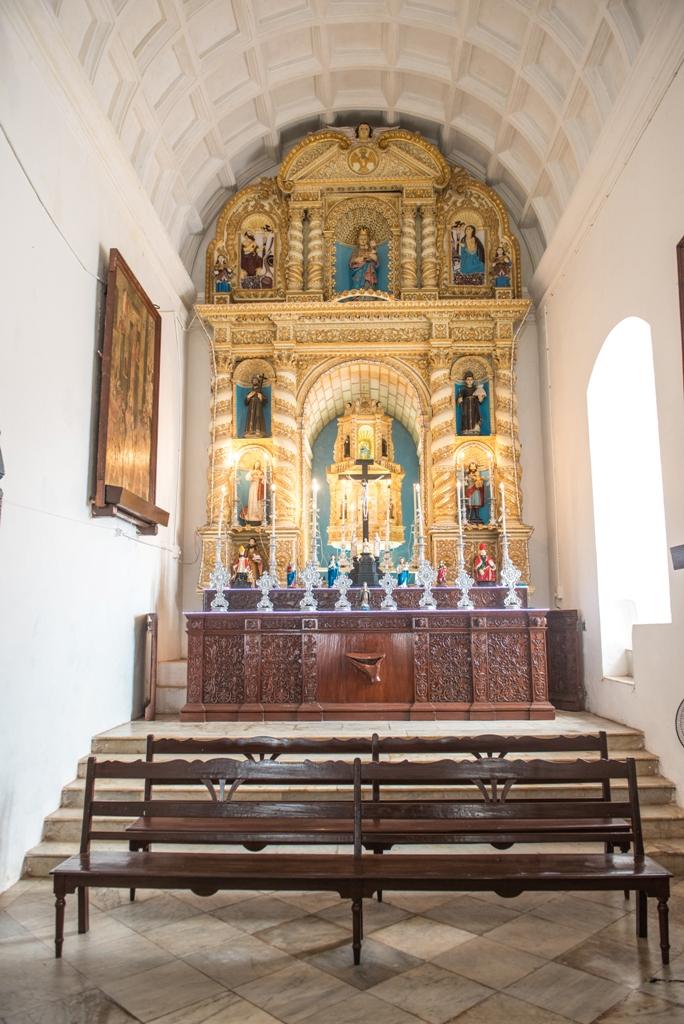
As you step through the main portal, the interior reveals a single-nave structure that emphasizes verticality and light. The most striking architectural feature is the altar, which is intricately carved and gilded in gold leaf, showcasing the high level of craftsmanship prevalent in 19th-century Goa. The use of local materials like laterite stone for the walls, combined with imported artistic styles, creates a unique aesthetic that is neither purely European nor purely Indian, but a harmonious blend of both. The wooden rafters and the tiled roof are typical of Goan ecclesiastical architecture, designed to withstand the heavy monsoon rains while providing natural ventilation.
Recommended Guide
Water Sports in Calangute Goa | Best Activities, Prices & Booking Guide
Calangute Beach, often called the “Queen of Beaches” in Goa, is one of the most popular destinations for water sports in India. Known for its vibrant a...
Read Guide →
The windows of the chapel are another point of interest. In many Goan chapels, including this one, the use of oyster shells (mother-of-pearl) instead of glass was common in the past. These shells were shaved thin and set into wooden frames, creating a translucent effect that filtered the harsh sunlight into a soft, ethereal glow. While many have been replaced by modern glass, the architectural intent remains visible. The flooring, often made of terracotta or patterned tiles, adds warmth to the space. The overall design of the chapel aims to create an environment of "compact grandeur," where every inch of the space is utilized to inspire devotion through artistic beauty.
Top Goa Experience • Part 2
Highly Recommended Near Chapel of St. Sebastain
Explore All
Main Deity / Spiritual Importance
While the chapel is named after St. Sebastian, the primary spiritual focus for many visitors and devotees is the extraordinary Crucifix located on the main altar. This crucifix is unique and world-renowned for a specific detail: the eyes of Jesus are open. In traditional Christian iconography, the crucified Christ is almost always depicted with his eyes closed, symbolizing his death and the completion of his sacrifice. However, the "Open Eyes" crucifix at St. Sebastian’s depicts a living Christ looking out at the world.
The spiritual importance of this depiction is profound. Some theologians suggest that the open eyes represent the Resurrection and the idea that Christ is a living presence who watches over his flock. In the context of the Inquisition, where this crucifix originated, it was believed that the open eyes were meant to strike a sense of awe and accountability in those who stood before it. For the modern devotee, however, the gaze is seen as one of compassion and vigilance. Locals believe that the "Eyes of Christ" in this chapel have a special power to see into the soul and offer comfort to those in distress.
The statue of St. Sebastian himself is also a focal point of devotion. He is depicted in the classic iconographic style—bound to a stake and pierced by arrows. This imagery serves as a powerful reminder of martyrdom and the strength of faith in the face of persecution. For the residents of Fontainhas, St. Sebastian is a "neighborly" saint, a protector who resides in their quarter and looks after their families. The spiritual importance of the chapel is thus twofold: it is a place of deep, almost mystical contemplation before the unique crucifix, and a place of communal protection under the patronage of St. Sebastian.
Festivals & Celebrations
The Chapel of St. Sebastian comes alive during the Feast of St. Sebastian, celebrated annually in mid-January (usually around the 20th of January). This is not just a religious event but a vibrant community festival that transforms the quiet streets of Fontainhas into a hub of activity. The preparations begin nine days in advance with the Novena, a series of nine days of prayer and masses where the local "Ladainhas" (litanies) are sung in Latin and Konkani. These novenas are a beautiful display of Goan musical heritage, often accompanied by local violinists.
On the day of the Feast, a grand high mass is held, attended by hundreds of devotees from across Panjim. Following the mass, a traditional procession takes place. The statue of St. Sebastian is carried on a decorated palanquin through the narrow streets of the Latin Quarter. The procession is led by a brass band playing somber yet celebratory tunes, followed by the clergy and the faithful holding candles. The houses along the route are often decorated with flowers and banners, and residents stand in their balconies to witness the passing of the saint.
Beyond the religious rituals, the feast is a time for Goan culinary traditions. Temporary stalls are set up near the chapel selling traditional sweets like khaje (ginger-infused chickpea flour sticks), revdie, and various Goan snacks. Families in Fontainhas host large lunches featuring festive dishes like Sorpotel, Sanna, and Pulao. The atmosphere is one of "Joie de vivre," reflecting the Goan spirit of Susegad combined with deep-seated faith. Another significant celebration is the Fontainhas Festival of the Arts, where the chapel often serves as a backdrop for cultural performances, showcasing the area's rich history of music and dance.
Best Time to Visit
To experience the Chapel of St. Sebastian in its full glory, the winter months from November to February are ideal. During this period, the weather in Goa is pleasant, with cool breezes and clear skies, making it perfect for exploring the Latin Quarter on foot. Visiting in January is particularly rewarding because of the Feast of St. Sebastian. The energy of the neighborhood during the feast is infectious, offering a rare glimpse into the authentic cultural life of the Goan Catholic community.
If you prefer a more tranquil experience, visiting during the monsoon season (June to September) has its own charm. The rain-washed streets of Fontainhas look incredibly vibrant, and the white chapel stands out even more sharply against the dark, moody skies. The sound of rain pattering on the tiled roofs creates a meditative atmosphere inside the chapel. However, be prepared for heavy downpours which might limit your ability to walk around the neighborhood. The summer months (March to May) can be quite hot and humid, so if you visit during this time, it is best to go in the early morning or late afternoon.
For daily visits, the early morning (around 7:30 AM to 9:00 AM) is highly recommended. This is when the local community gathers for the morning mass, and the air is filled with the scent of incense and the sound of bells. It is a time when the chapel feels most "alive" as a place of worship. Alternatively, visiting just before sunset allows you to capture the beautiful "golden hour" light on the facade of the chapel and the surrounding colorful houses, which is a photographer's dream.
Timings, Entry Fee & Dress Code
The Chapel of St. Sebastian is primarily a place of worship, and its timings reflect the daily liturgical schedule of the local parish. Generally, the chapel is open to visitors from 9:30 AM to 1:00 PM and again from 4:00 PM to 6:00 PM. However, these timings can vary on Sundays or during special feast days. It is always advisable to visit during the morning mass hours if you wish to see the interior in a devotional setting, but please ensure you do not disturb the service.
There is no entry fee to visit the Chapel of St. Sebastian. As a community chapel, it welcomes everyone regardless of their faith or background. However, donations for the upkeep of the chapel are always appreciated and can be placed in the designated offering boxes. It is important to remember that this is a functioning religious site, not a museum, so maintaining a respectful silence is essential.
Regarding the dress code, modesty is key. While Goa is known for its relaxed beachwear, such attire is strictly inappropriate for religious sites. Visitors should ensure their shoulders and knees are covered. Avoid wearing sleeveless tops, short skirts, or beach shorts. Men should ideally wear trousers or long shorts and shirts with sleeves. Removing hats and sunglasses before entering the chapel is a sign of respect. By following these simple guidelines, you show respect for the local culture and the sanctity of the space, ensuring a welcoming experience for yourself and other worshippers.
How to Reach Chapel of St. Sebastain
The Chapel of St. Sebastian is located in the Fontainhas district of Panjim, the capital city of Goa. Its central location makes it easily accessible from various parts of the state. If you are staying in Panjim, the best way to reach the chapel is by a leisurely walk. Walking through the Latin Quarter is an experience in itself, as you pass by heritage homes and quaint cafes. The chapel is just a 10-15 minute walk from the main Panjim Church (Our Lady of the Immaculate Conception) and the Post Office.
For those coming from further away, such as North or South Goa, you can take a bus to the Panjim Kadamba Bus Stand. From the bus stand, you can hire an auto-rickshaw or a pilot (Goa's unique motorcycle taxis) to drop you at the chapel. The ride takes about 5-10 minutes. If you are driving your own vehicle, be aware that the streets of Fontainhas are very narrow and parking can be a significant challenge. It is better to park your car near the Panjim Post Office or the Patto Plaza area and walk the rest of the way.
If you are arriving by train, the nearest major railway station is Karmali (Old Goa), located about 12 kilometers away. From there, you can take a taxi or a local bus to Panjim. For those flying into Goa, the Dabolim Airport is approximately 28 kilometers away, while the Mopa (Manohar International Airport) is about 35 kilometers away. Prepaid taxis are available at both airports and will take you directly to Fontainhas. Mentioning "Fontainhas Chapel" or "St. Sebastian Chapel" to the driver will ensure they take you to the correct spot in the heart of the Latin Quarter.
Things to Do
A visit to the Chapel of St. Sebastian offers several engaging activities for the mindful traveler. First and foremost is contemplative prayer and meditation. The interior of the chapel, with its unique "Open Eyes" crucifix, provides a powerful space for reflection. Even if you are not religious, the historical weight and the quietude of the space offer a moment of peace in a busy travel itinerary. Spend a few minutes sitting in the wooden pews, observing the intricate details of the altar and the play of light through the windows.
For those interested in photography, the chapel and its surroundings are a paradise. Capture the stark white facade against the vibrant yellow walls of the neighboring houses. The architectural details, such as the belfry and the decorative moldings, make for excellent close-up shots. However, always remember to be respectful and avoid taking photos inside the chapel during prayer services. Sketching and painting are also popular activities here; you will often see artists sitting on the pavement across from the chapel, trying to capture the essence of Fontainhas on their canvases.
Another "must-do" is a heritage walk starting from the chapel. Use the chapel as your landmark and explore the adjacent lanes like 31st January Road. Look for the traditional "Azulejos" (hand-painted blue tiles) on the house walls, the ornate balconies, and the hidden courtyards. Engaging with the locals is also a rewarding experience. Many residents are proud of their heritage and are happy to share stories about the neighborhood. Finally, you can attend a mass in Konkani to experience the local liturgical music and the deep-rooted traditions of the Goan Catholic community.
Nearby Attractions
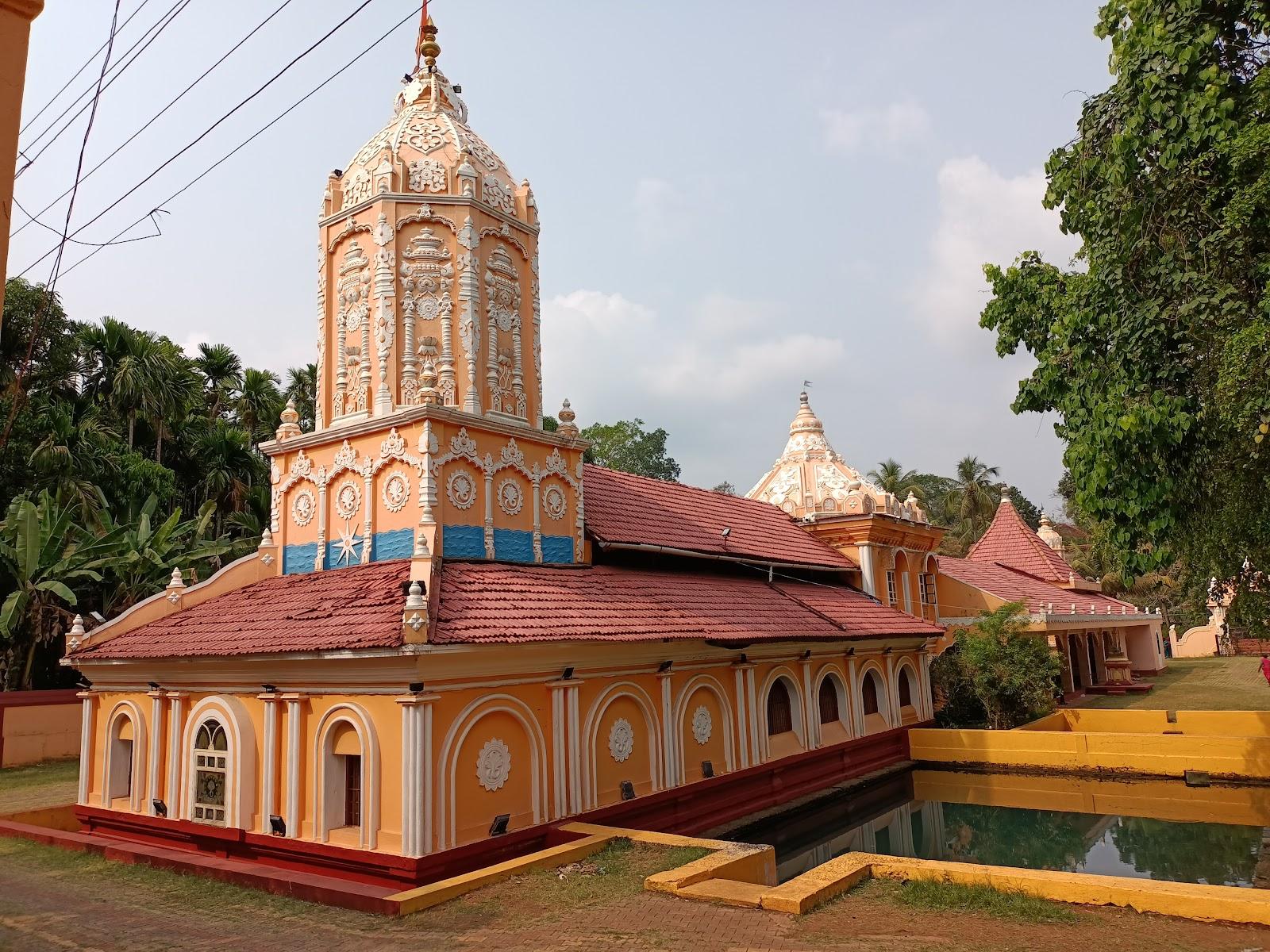
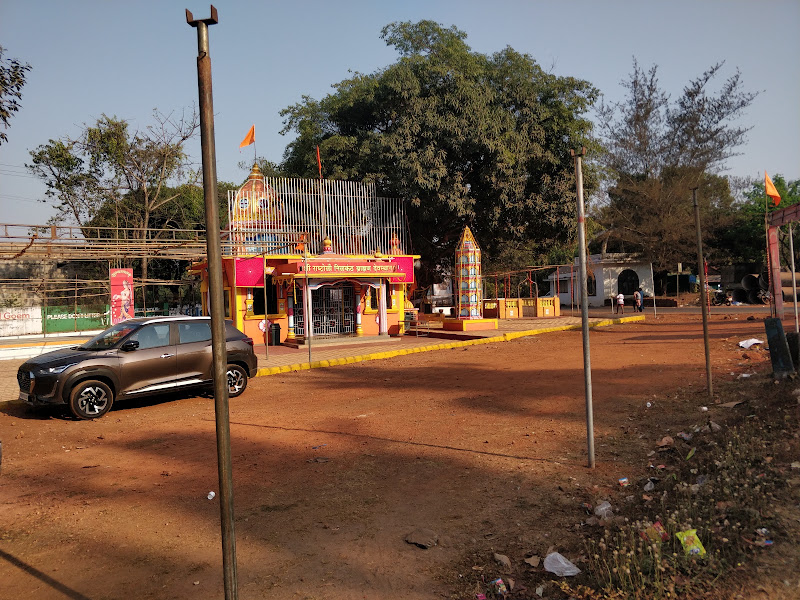
The Chapel of St. Sebastian is surrounded by several other historical and cultural landmarks that make for a full day of exploration. Just a short walk away is the Gitanjali Gallery, which houses a fine collection of contemporary art and Scandinavian lithographs from the 1950s to the 1970s. It is a great place to appreciate the artistic side of Panjim. Nearby, the Maruti Temple sits atop the Altinho hill, overlooking the Fontainhas area. This bright orange temple dedicated to Lord Hanuman offers a stunning contrast to the Catholic chapel and provides a panoramic view of the city and the Mandovi River.
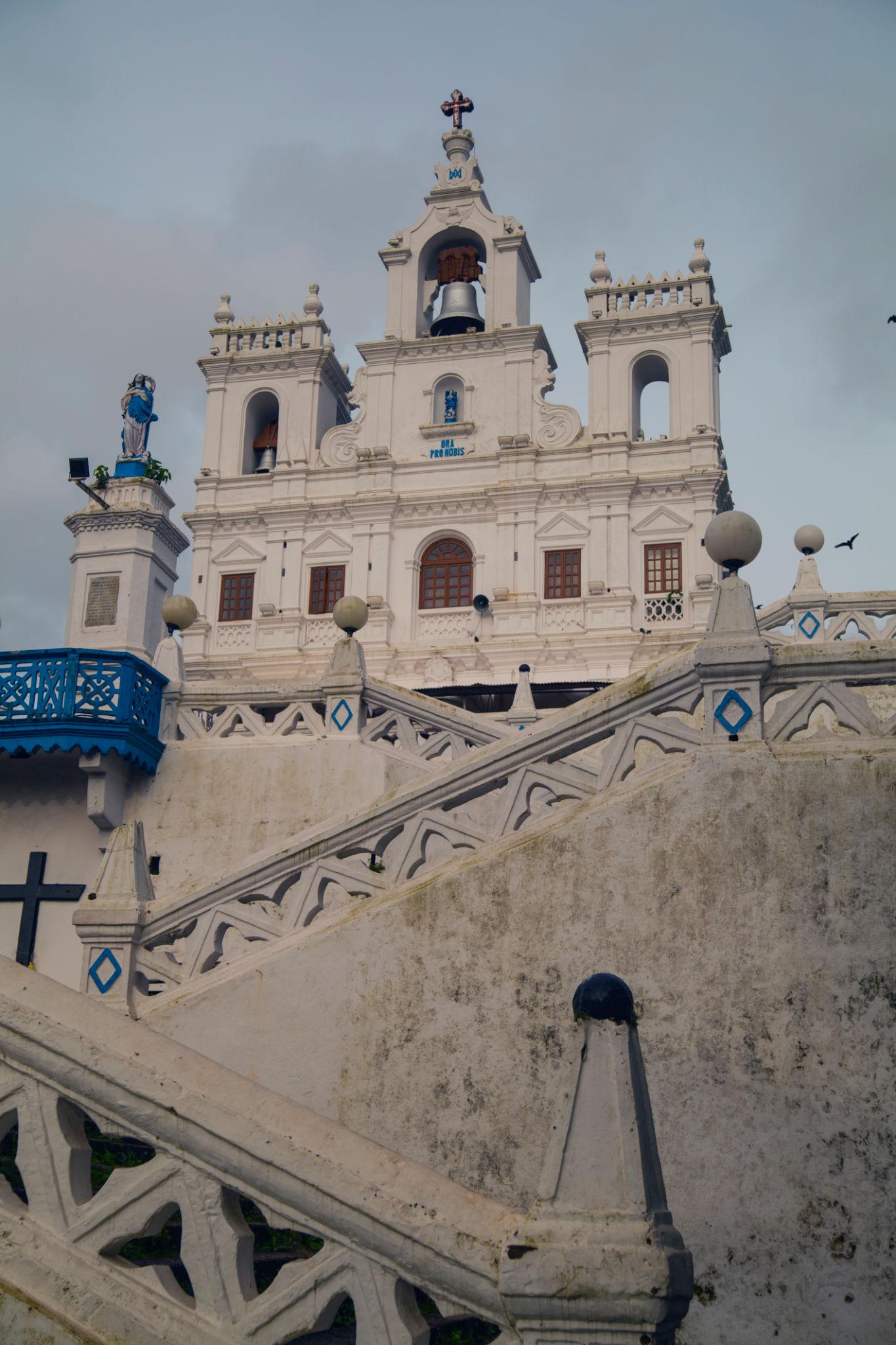
A few minutes' walk towards the center of Panjim will bring you to the iconic Our Lady of the Immaculate Conception Church. With its majestic zig-zag staircases and massive bell, it is one of the most photographed landmarks in Goa. If you are interested in history, the Goa State Museum (currently being relocated/renovated in parts) and the Adil Shah Palace (Old Secretariat) are also within a 2-kilometer radius. The Adil Shah Palace is the oldest standing structure in Panjim and often hosts art exhibitions and cultural events like the Serendipity Arts Festival.
For nature lovers, the Campal Gardens and the Miramar Beach are a short drive or a long walk away. The stroll along the DB Road (Dayanand Bandodkar Marg), which runs parallel to the Mandovi River, is particularly beautiful in the evenings. You can watch the offshore casinos light up and the river cruises sail by. Additionally, the Bishop's Palace in Altinho is an architectural marvel worth seeing from the outside, representing the ecclesiastical authority in the state. Exploring these nearby sites allows you to see the multi-layered history of Panjim, from its Hindu roots and Portuguese colonial past to its vibrant contemporary present.
Photography & Visitor Guidelines
To ensure a respectful and pleasant visit to the Chapel of St. Sebastian, visitors should adhere to certain photography and behavioral guidelines. Photography inside the chapel is generally discouraged, especially during mass. If you wish to take photos of the interior when it is empty, it is polite to ask the caretaker or the priest for permission. Never use flash photography, as it can be distracting to worshippers and may damage old artworks and gilded surfaces over time. The exterior, however, is a public space and can be photographed freely.
Silence is the most important rule when inside the chapel. Please turn off your mobile phones or put them on silent mode. If you are traveling in a group, keep conversations to a minimum and speak in whispers. Avoid walking around the altar area or touching the statues and artifacts. These are sacred objects to the local community and should be treated with reverence. If you see people praying, do not walk directly in front of them or disturb their concentration.
When exploring the surrounding Fontainhas area, remember that these are private residences. While the houses are beautiful and "Instagrammable," please respect the privacy of the residents. Do not climb onto private porches, peek into windows, or block the doorways for the sake of a photo. Most locals are friendly, but the influx of tourists can sometimes be overwhelming. A simple "Bom Dia" (Good Morning) or "Dev Borem Korum" (God bless you/Thank you in Konkani) goes a long way in building a positive rapport with the community. Lastly, do not litter; keep this heritage quarter clean for everyone to enjoy.
Where to Eat Nearby
Fontainhas is a culinary hotspot, offering some of the best traditional Goan and Portuguese-influenced food in the state. Just a stone's throw from the chapel is Viva Panjim, a legendary eatery located in an old heritage home. It is famous for its Pork Vindaloo, Prawn Curry Rice, and Chicken Cafreal. The seating in the narrow alleyway adds to the authentic charm. Another excellent option is The Horse Shoe, run by Chef Vasco Silveira, which serves authentic Portuguese-Goan fusion dishes in a cozy, rustic setting. Their Feijoada (bean and meat stew) is highly recommended.
For a more upscale dining experience, Verandah at Panjim Inn offers a beautiful setting overlooking the streets of Fontainhas. The menu features a mix of Goan classics and continental dishes. If you are looking for a quick snack or a traditional Goan breakfast, head to Confeitaria 31 de Janeiro. This is one of the oldest bakeries in the city, still using a traditional wood-fired oven. Try their Beef Patties, Prawn Rissois, and the famous Goan layered cake, Bebinca. Their Bolinhos (coconut cookies) are perfect for taking home as souvenirs.
For coffee lovers, Bombay Coffee Roasters provides a modern contrast with great brews and a relaxed vibe, often frequented by digital nomads. If you want to try some local "Urrack" or "Feni" in a traditional setting, look for the small, non-descript local bars scattered throughout the quarter, such as Joseph Bar. This tiny bar has become a cult favorite for its craft beers and old-world atmosphere. Eating in Fontainhas is not just about the food; it’s about soaking in the history and the slow pace of life that defines this part of Panjim.
Accommodation Nearby
Staying in or near Fontainhas allows you to fully immerse yourself in the heritage atmosphere of Panjim. The most iconic choice is the WelcomHeritage Panjim Inn. This is a restored 19th-century mansion filled with period furniture and antiques, offering a truly royal Goan experience. Its sister properties, Panjim Pousada and Panjim Peoples, offer similar heritage charm with slightly different vibes—the Pousada is built around a central courtyard, while the Peoples was once a school.
For a boutique experience, The Postcard Velha Goa or the Mateus Boutique Hotel are excellent choices. Mateus is a beautifully restored house with vibrant interiors and modern amenities, located right in the heart of the Latin Quarter. For budget-conscious travelers, there are several guest houses and hostels like Old Quarter by HostelCrowd. This hostel is very popular among backpackers and offers both dorms and private rooms, along with a great cafe and a social atmosphere. It’s a great place to meet fellow travelers and join guided walking tours.
If you prefer a more modern hotel, the Vivanta Goa, Panaji and Fortune Mira Hotel are located just a short drive away. These hotels provide five-star amenities while keeping you close to the cultural heart of the city. Staying in this area means you are within walking distance of the Chapel of St. Sebastian, the riverfront, and the best restaurants in town. It is a much more authentic alternative to the crowded beach resorts, allowing you to wake up to the sound of church bells and the sight of colorful heritage streets.
Travel Tips
- Wear Comfortable Shoes: The best way to explore the area around the Chapel of St. Sebastian is on foot. The streets are narrow and sometimes uneven, so sturdy walking shoes or sandals are a must.
- Carry Water and Sun Protection: Even in the cooler months, the Goan sun can be quite strong. Carry a water bottle, wear a hat, and apply sunscreen before you head out for your heritage walk.
- Respect Prayer Times: If you want to see the interior, try to arrive 15 minutes before or after a mass. Avoid walking around during the service to show respect to the local congregation.
- Learn a Few Phrases: Knowing basic Konkani or Portuguese greetings like "Good Morning" (Bom Dia) or "Thank You" (Obrigado/Dev Borem Korum) will endear you to the local residents.
- Book a Guided Tour: If you want to delve deep into the history of the chapel and Fontainhas, consider booking a heritage walking tour. Local guides can point out architectural details and share stories that you won't find in guidebooks.
- Visit on a Weekday: Fontainhas can get quite crowded with tourists on weekends. A weekday visit ensures a quieter, more peaceful experience at the chapel.
- Keep Your Camera Ready: Every corner of the Latin Quarter is a photo opportunity, but always be mindful of people's privacy.
- Try Local Beverages: Don't leave Panjim without trying a refreshing "Kokum Sherbet" or a glass of local "Cashew Feni" at one of the nearby taverns.
Conclusion
The Chapel of St. Sebastian is much more than a white-washed building in a colorful neighborhood; it is the beating heart of Panjim’s Latin Quarter. It stands as a testament to Goa’s complex history, its architectural ingenuity, and the enduring faith of its people. From the unique "Open Eyes" crucifix that challenges traditional iconography to the vibrant celebrations of its annual feast, the chapel offers a profound experience for anyone willing to step off the beaten path. It serves as a bridge between the past and the present, where the echoes of the Portuguese era still resonate in the hymns and the daily lives of the local community.
Visiting this chapel is a journey into the soul of Goa. It encourages a slower pace of travel—one where you take the time to observe the details, listen to the stories, and appreciate the quiet beauty of a heritage preserved. Whether you are standing in awe before its golden altar or simply enjoying the view of its facade against a sapphire sky, the Chapel of St. Sebastian leaves an indelible mark on your heart. It is a reminder that in the midst of change and modernization, there are sanctuaries of peace and tradition that continue to thrive, inviting us all to pause, reflect, and find a sense of wonder in the historical tapestry of Goa.