Overview of Church Of St Anne
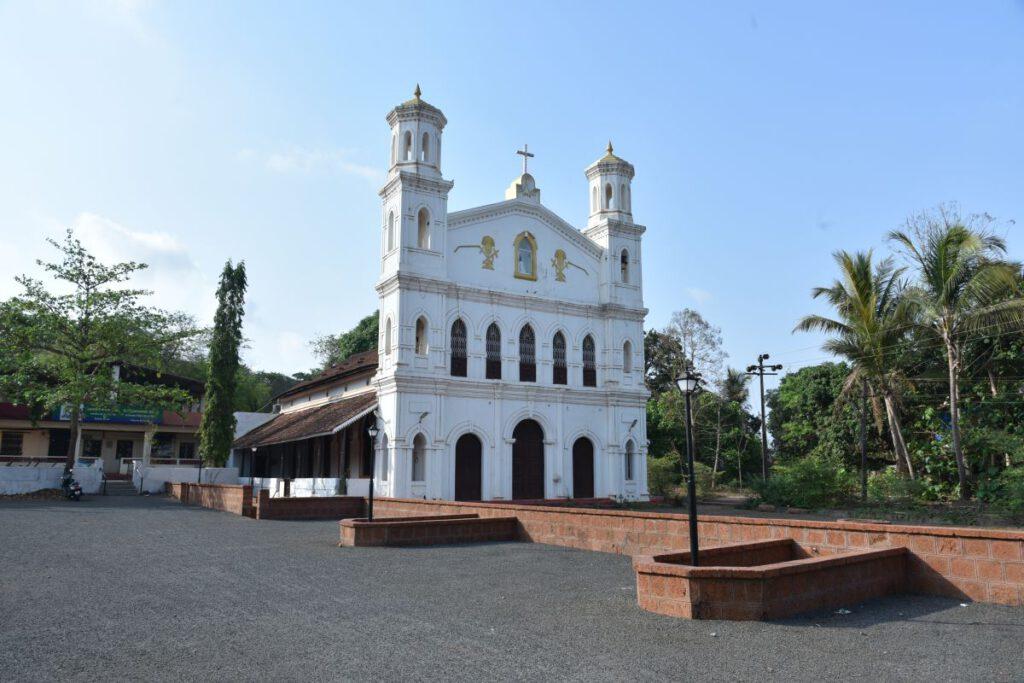
The Church of St. Anne, locally known as Santana Igreja, is a masterpiece of colonial Portuguese architecture and a profound symbol of faith nestled in the quiet, verdant village of Talaulim, Goa. Often overshadowed by the more famous basilicas of Old Goa, this church is frequently referred to as one of the most beautiful and grandest rural churches in the entire Indian subcontinent. Situated on the banks of the Siridao River, the church stands as a testament to the "Indian Baroque" style, blending European architectural sensibilities with local craftsmanship and materials. It is a National Monument, protected by the Archaeological Survey of India (ASI), and remains a cornerstone of the spiritual landscape for the Catholic community in Goa.
The Church of St. Anne is not just a building; it is a repository of legends, a hub of unique cultural traditions, and a silent witness to the evolving history of Goa. Unlike the bustling tourist spots of North Goa, Talaulim offers a serene, almost ethereal atmosphere. The approach to the church involves winding through narrow village roads lined with coconut groves and traditional Goan houses, heightening the sense of discovery. As you round the final bend, the massive, whitewashed facade of the church rises majestically against the backdrop of the blue sky and green fields, creating a visual impact that is both humbling and awe-inspiring. For any traveler seeking the "soul" of Goa beyond its beaches, a visit to this 17th-century marvel is indispensable.
History & Religious Significance
The history of the Church of St. Anne is steeped in both documented ecclesiastical records and local folklore. The origins of the site date back to 1577, when a small hermitage was first established by the Jesuits. However, the construction of the grand structure we see today began much later. The present church was completed in 1695, during the peak of Portuguese influence in Goa. It was built to replace an older, smaller chapel that had fallen into disrepair. The dedication to St. Anne, the mother of the Virgin Mary and grandmother of Jesus, carries deep significance in the context of family and fertility, themes that have permeated the local culture for centuries.
One of the most fascinating aspects of its history is the legend surrounding its dedication. According to local tradition, a priest named Padre Francisco do Rego was tasked with building the church but faced numerous challenges. A local Brahmin convert, Bartolomeu Marchon, claimed to have seen an elderly woman walking down the hill with a cane and a hat, stating that the house being built was her residence. Simultaneously, a pious old lady in the village had a similar vision of a grandmotherly figure claiming the site. These visions were interpreted as manifestations of St. Anne herself. Consequently, the church was dedicated to her, and she became the patroness of the village, specifically invoked by those seeking blessings for marriage and children.
Throughout the 18th and 19th centuries, the church served as a major religious center for the surrounding hamlets. However, as the population of Old Goa and its suburbs declined due to epidemics and the shifting of the capital to Panjim, the church fell into a period of neglect. By the late 20th century, the structure was in a precarious state, with parts of the roof collapsing. It was only through the concerted efforts of the Goan heritage community and the ASI that a massive restoration project was undertaken in the mid-2000s, bringing this "sleeping giant" back to its former glory. Today, it stands not just as a place of worship, but as a resilient survivor of time and nature.
Architecture of Church Of St Anne
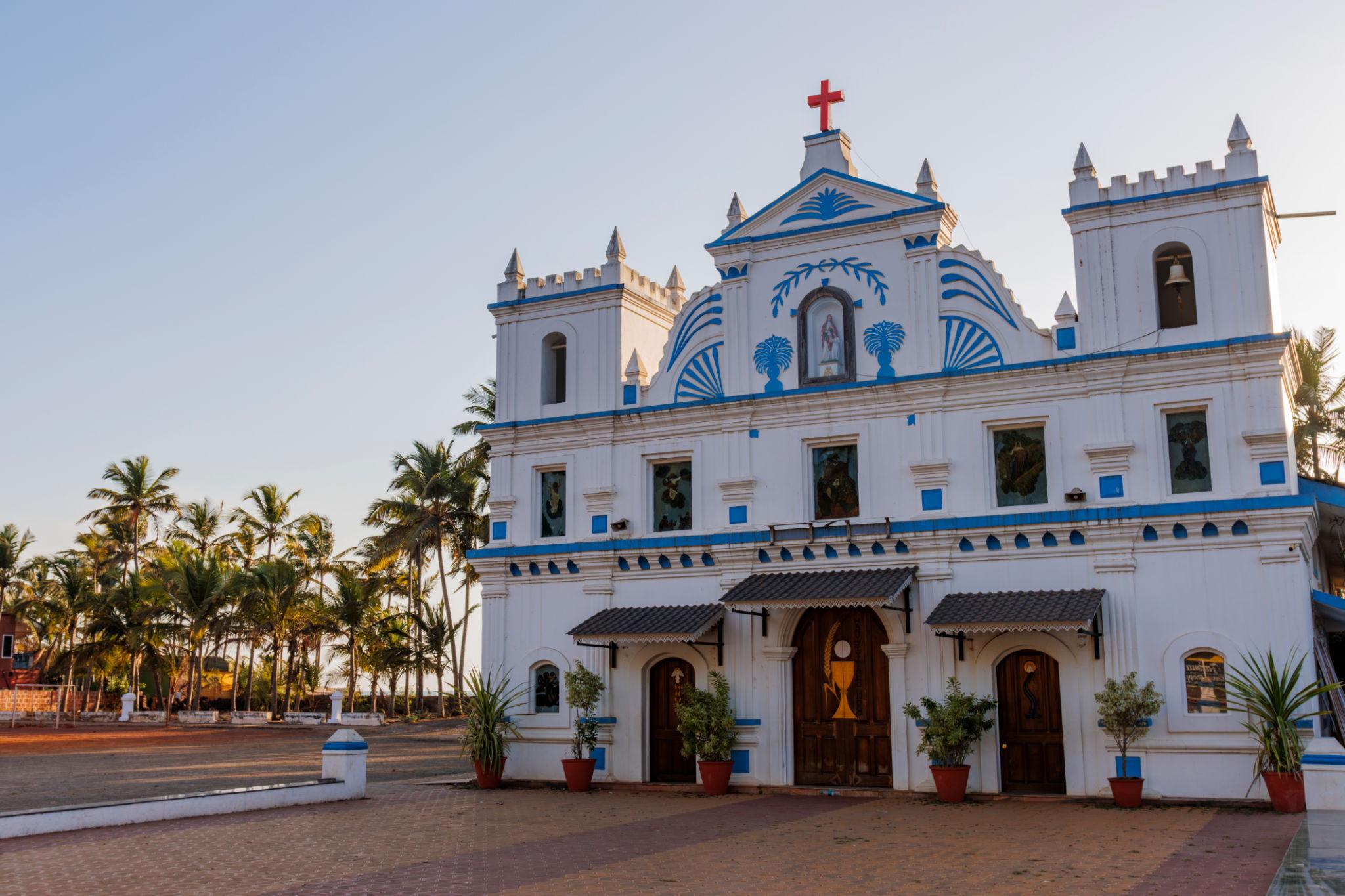
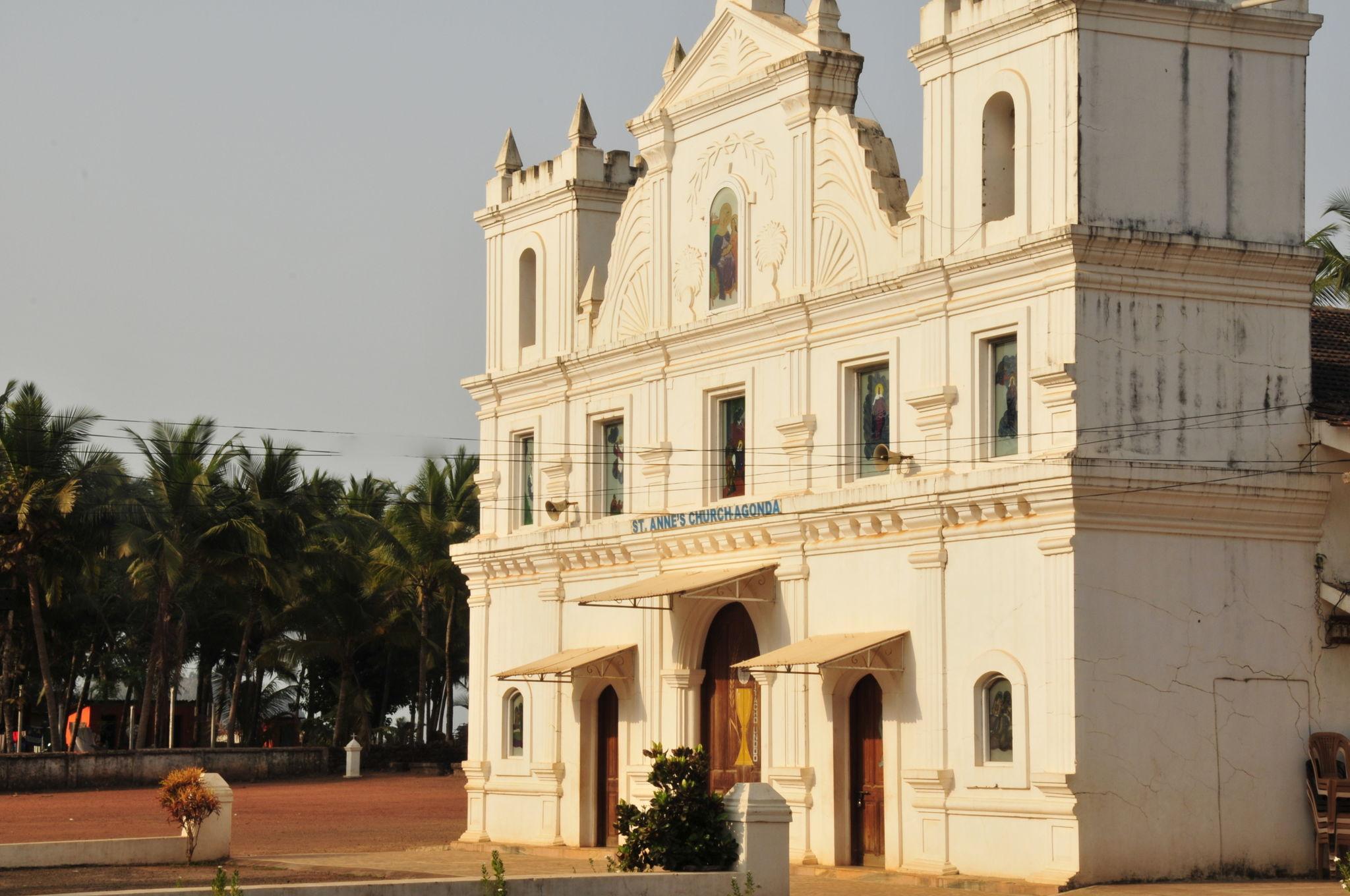
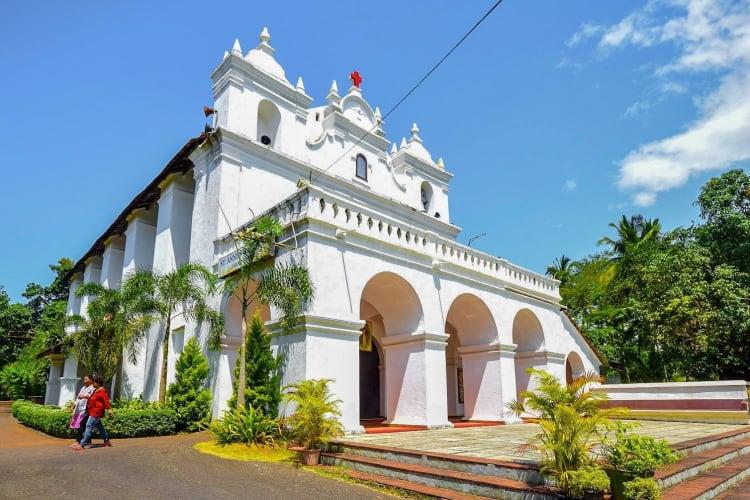
The architecture of the Church of St. Anne is widely considered the finest example of the Indian Baroque style. It reflects a transition from the earlier, more austere Mannerist style seen in the Basilica of Bom Jesus to a more decorative and exuberant Baroque aesthetic. The facade is a breathtaking sight, divided into five distinct tiers or stories. It features a central gable flanked by two massive bell towers that are capped with unique, onion-shaped domes—a feature that hints at the influence of local Indian architectural motifs on Portuguese designs.
The exterior is adorned with intricate stucco work, including scrolls, floral patterns, and depictions of shells. The use of laterite stone, which is native to Goa, provides the structural foundation, while a thick coat of lime plaster gives it the iconic white brilliance. One of the most striking architectural features is the use of "oculi" or circular windows, which allow shafts of natural light to penetrate the cavernous interior, creating a dramatic interplay of light and shadow during the day. The church also features multiple entrances with heavy, carved wooden doors that showcase the skill of 17th-century Goan woodworkers.
Inside, the church is equally magnificent. It follows a cruciform plan with a single nave and a high vaulted ceiling. The main altar is a masterpiece of gilded woodcarving (talha dourada), featuring elaborate retables that depict scenes from the life of St. Anne and St. Joachim. The side altars are dedicated to various saints and are similarly decorated with intricate motifs. The acoustics of the building are remarkable, designed to carry the sound of Gregorian chants to every corner of the vast hall. The flooring, made of local stone and intricate tiles, has been worn smooth by centuries of pilgrims. The overall architectural harmony of the Church of St. Anne is so precise that it was once compared to the great cathedrals of Europe, earning it the nickname "the masterpiece of the East."
Main Deity / Spiritual Importance
The primary deity of the church is St. Anne (Santana), traditionally recognized as the mother of Mary. In Goan Catholicism, St. Anne holds a special place as the "Grandmother of Jesus" (Avó de Jesus). Her spiritual importance in Talaulim transcends mere religious dogma; she is viewed as a maternal protector who intercedes in matters of the heart and the hearth. Devotees believe that St. Anne has a special affinity for those who are struggling with infertility or those who are seeking a life partner.
The spiritual atmosphere of the church is one of deep, quiet petition. Unlike the more commercialized shrines, the devotions here are intimate. The central statue of St. Anne, often depicted with a young Mary, is the focal point of prayer. For the local community, the "Santana" is a living presence. There is a profound sense of "belonging" to her patronage. The spiritual importance is also linked to the concept of the Holy Family, emphasizing the values of lineage, ancestry, and the sanctity of the domestic sphere. This makes the church a popular pilgrimage site for families from across Goa and neighboring states who come to offer "vows" (voti) in exchange for divine favors.
Festivals & Celebrations
The most famous and unique celebration at the Church of St. Anne is the Touxeachem Fest (The Cucumber Feast), held annually on the last Sunday of July (coinciding with the feast of St. Anne). This festival is a vibrant blend of Catholic ritual and local agrarian tradition. The name "Touxeachem" is derived from the Konkani word for cucumber (touxeam). During this festival, thousands of devotees flock to Talaulim, carrying cucumbers as offerings.
The tradition involves specific petitions made in the form of rhymes. Couples seeking a child will offer a cucumber to St. Anne and recite: "Senhora, tomai pepino, dai-me menino" (Lady, take this cucumber and give me a boy). Those seeking a daughter might say "dai-me menina". Young men seeking a wife offer a cucumber and say "Senhora, tomai pepino, dai-me uma mulher", while young women seeking a husband offer lentils (mung) and say "Senhora, tomai mung, dai-me um marido". Once the prayers are offered, the cucumbers are blessed and often distributed among the needy or taken home to be eaten as a "prasad" or holy offering. The church grounds transform into a bustling fairground with stalls selling traditional Goan sweets like khaje, toys, and local handicrafts, making it one of the most colorful social events in the Goan calendar.
Best Time to Visit
The best time to visit the Church of St. Anne is during the winter months (November to February). During this period, the weather in Goa is pleasant, with cool breezes and manageable humidity, making the journey to the rural village of Talaulim very enjoyable. The lush greenery of the surrounding countryside is at its peak immediately after the monsoon, providing a stunning visual contrast to the white church.
However, if you wish to experience the church in its full spiritual and cultural glory, visiting during the Touxeachem Fest in late July is a must. While this falls during the monsoon season, the energy of the festival is unparalleled. Be prepared for heavy rains and large crowds during this time. For those seeking peace and quiet for photography or meditation, a weekday morning in December is ideal. Arriving early (around 9:00 AM) allows you to witness the morning light hitting the facade, which is perfect for capturing the intricate architectural details.
Timings, Entry Fee & Dress Code
The Church of St. Anne generally follows standard timings, but it is important to remember that it is an active place of worship and a protected monument.
- Timings: Usually open from 9:00 AM to 12:30 PM and 3:00 PM to 6:00 PM daily. On Sundays, the timings may vary due to the morning Mass schedule.
- Entry Fee: There is no entry fee to visit the church. It is free for all visitors, regardless of nationality or religion.
- Dress Code: As with all religious sites in Goa, a modest dress code is strictly expected. Both men and women should ensure their shoulders and knees are covered. Avoid wearing swimwear, sleeveless tops, or very short skirts/shorts. Removing hats inside the church is customary for men.
- Mass Schedule: Sunday Mass is typically held in the morning (around 8:00 AM or 9:00 AM) in Konkani. Attending a Mass is a great way to experience the local liturgy, but photography is strictly prohibited during the service.
How to Reach Church Of St Anne
The Church of St. Anne is located in Talaulim, which is about 12 kilometers from the capital city, Panjim, and about 6 kilometers from Old Goa. Because it is off the main tourist circuit, reaching it requires some planning.
- By Taxi/Auto-Rickshaw: This is the most convenient way to reach the church. You can hire a taxi from Panjim, Old Goa, or Ponda. Ensure you book a return trip or ask the driver to wait, as finding a taxi for the return journey from the village can be difficult.
- By Private Vehicle: If you are renting a scooter or car, use GPS to navigate toward "Talaulim, Tiswadi." The route from Old Goa involves crossing the marshes and small bridges, offering a very scenic drive.
- By Bus: You can take a bus from Panjim to Pilar or Goa Velha and then hire a local pilot (motorcycle taxi) or an auto to Talaulim. However, direct buses to the village are infrequent.
- Distance from Major Points:
- From Panjim: 12 km (approx. 30 mins)
- From Old Goa (Basilica of Bom Jesus): 6 km (approx. 15 mins)
- From Dabolim Airport: 25 km (approx. 45 mins)
- From Madgaon Railway Station: 28 km (approx. 50 mins)
Things to Do
While the church itself is the main attraction, there are several things you can do to make your visit more enriching:
- Architectural Photography: The five-tiered facade and the unique domes offer endless angles for photography. Don't forget to capture the intricate stucco work and the shell motifs.
- Attend the Touxeachem Fest: If you visit in July, participate in the cucumber offering ritual to witness a unique blend of Goan and Portuguese traditions.
- Meditation and Prayer: The interior of the church is incredibly peaceful. Spend some time in silence to soak in the spiritual vibrations and admire the gilded altars.
- Village Walk: Take a stroll through Talaulim village. Observe the traditional Goan architecture of the houses, the small wayside shrines (crosses), and the local lifestyle that has remained largely unchanged for decades.
- River View: Walk down toward the Siridao River bank near the church for a serene view of the water and the mangroves. It is a great spot for birdwatching, especially in the early mornings.
Nearby Attractions
Talaulim’s location makes it a perfect starting point or mid-way stop for exploring the central part of Goa.
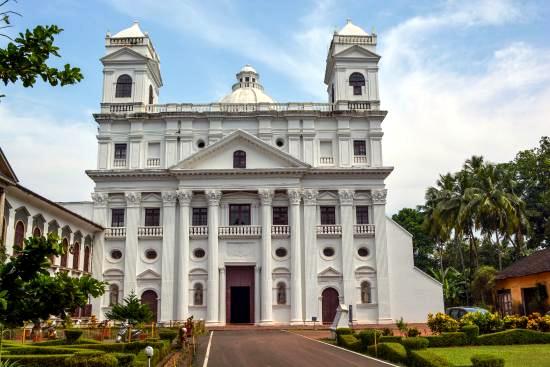
- Old Goa (Velha Goa): Just 15 minutes away, this UNESCO World Heritage site houses the Basilica of Bom Jesus, Se Cathedral, and the Church of St. Francis of Assisi.
- Karmali Lake: Located very close to the church, this lake is a haven for migratory birds. It is a must-visit for nature lovers and birdwatchers, especially during the winter months.
- Pilar Monastery: Situated on a hillock nearby, it offers panoramic views of the Zuari River and the surrounding countryside. The museum there is also quite informative.
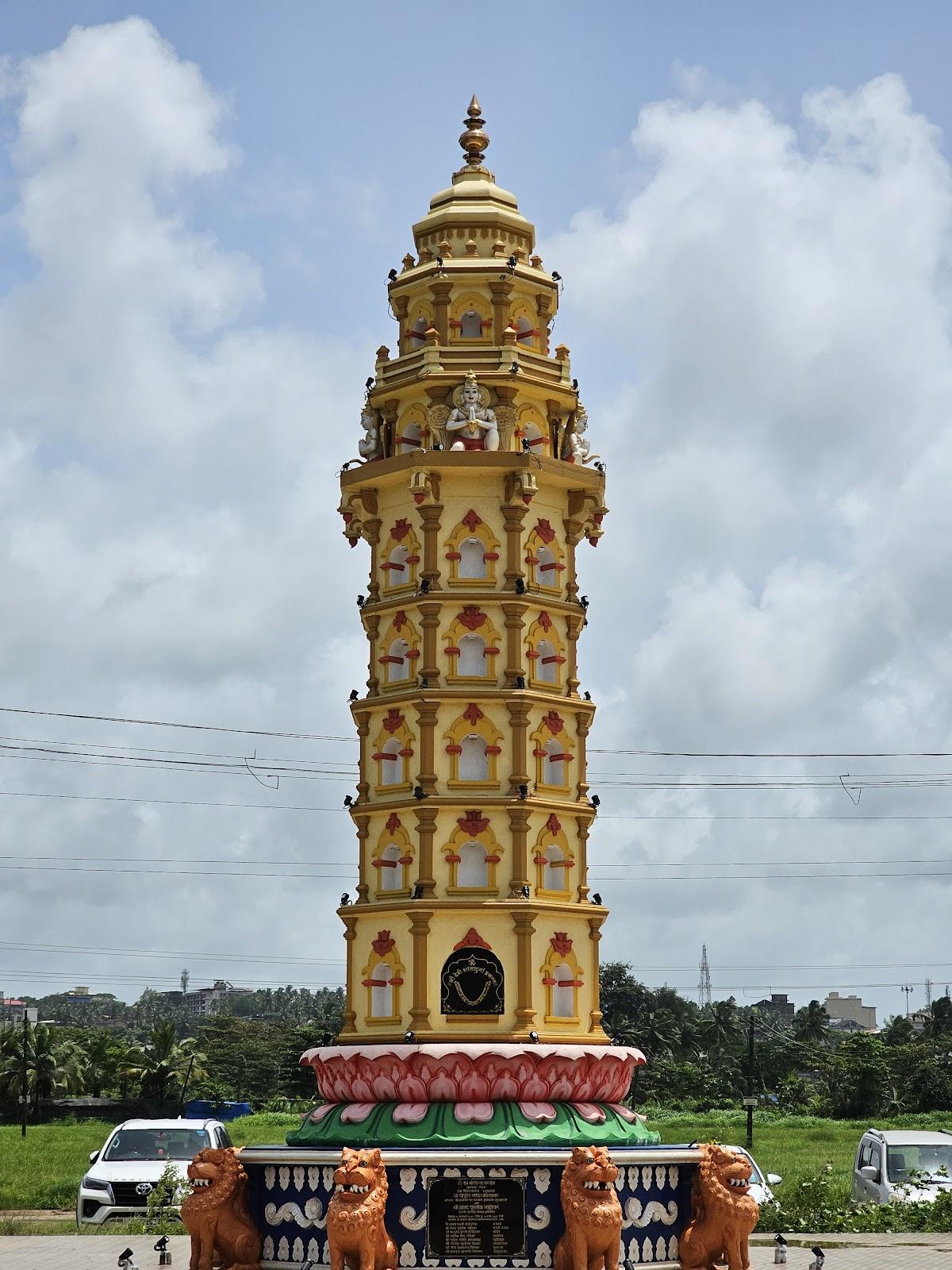
- Mangueshi Temple: About 10 km away in Ponda, this is one of Goa's most famous Hindu temples, known for its beautiful Deepastambha (lamp tower).
- Corlim Village: Known for its traditional bakeries and old-world charm, it’s a great place to stop for some fresh Goan poi (bread).
Photography & Visitor Guidelines
To ensure a respectful and pleasant visit, please adhere to the following guidelines:
- No Flash Photography Inside: While photography is generally allowed, using a flash inside the church can damage the ancient gilded altars and paintings. Use natural light wherever possible.
- Silence is Golden: Maintain a low volume when speaking inside the church. It is a place of active prayer for locals.
- Do Not Touch the Altars: The woodcarvings are centuries old and extremely fragile. Refrain from touching the statues or the gilded surfaces.
- Drone Usage: Using drones near the church requires prior permission from the ASI and the local parish priest. Given its status as a protected monument, unauthorized drone flights are discouraged.
- Respect the Rituals: If a Mass or a wedding is in progress, wait outside or sit quietly in the back pews. Do not move around to take photos during the service.
- Littering: Talaulim is a pristine village. Ensure you carry your trash back with you and do not leave plastic bottles or wrappers on the church grounds.
Where to Eat Nearby
Since Talaulim is a rural area, you won't find many high-end restaurants in the immediate vicinity. However, there are excellent options within a 15-20 minute drive:
- Local Tavernas: You might find small village shops selling snacks like samosas, batata vadas, and ros omelette.
- Viva Panjim (Old Goa/Panjim): For authentic Goan Catholic cuisine like Fish Curry Rice, Pork Vindaloo, and Bebinca.
- The Rasoda (Old Goa): If you are looking for North Indian vegetarian food, this is a highly-rated spot nearby.
- Pilar Seminary Canteen: Often serves simple, clean, and affordable meals with a great view.
- Street Food at Old Goa: The area around the Basilica has numerous stalls selling fresh coconut water, sugarcane juice, and local snacks.
Accommodation Nearby
Most visitors stay in Panjim or the coastal areas, but if you want to stay close to the heritage heart of Goa, consider these options:
- Heritage Homestays: There are several restored Portuguese villas in Raia, Loutolim, and Old Goa that offer a boutique experience.
- Old Goa Residency: Run by the GTDC (Goa Tourism Development Corporation), this offers basic but comfortable rooms right in the heart of the heritage zone.
- Boutique Hotels in Panjim: Panjim (30 mins away) has numerous options like The Crown, WelcomHeritage Panjim Inn, or Fortune Mira.
- Eco-Resorts: There are some eco-friendly stays near the Ponda spice plantations if you prefer being close to nature.
Travel Tips
To make the most of your trip to the Church of St. Anne, keep these tips in mind:
- Carry Water: Being a rural location, there aren't many shops right outside the church. Carry a reusable water bottle to stay hydrated.
- Footwear: Wear comfortable walking shoes, as you might want to explore the village or walk down to the river.
- Language: While most locals speak Konkani, many understand English and Portuguese. A polite "Bom Dia" (Good Morning) goes a long way!
- Combine your Visit: Since the church takes about 45-60 minutes to explore, combine it with a trip to Old Goa or the spice plantations in Ponda to make it a full-day excursion.
- Check for Festivals: Check the local liturgical calendar. Sometimes, smaller village feasts (ladainhas) occur, which are beautiful to witness.
- Respect Local Privacy: When walking through the village, remember that the houses are private residences. Avoid peering into windows or taking photos of residents without permission.
Conclusion
The Church of St. Anne at Talaulim is more than just an architectural relic; it is a profound expression of Goan identity, where European grandeur meets Indian soul. Its towering white facade, the legend of the grandmotherly vision, and the unique tradition of the Cucumber Feast create a tapestry of experiences that you won't find anywhere else in the world. Whether you are an architecture enthusiast marveling at the Indian Baroque details, a pilgrim seeking the blessings of St. Anne, or a traveler looking for a quiet corner of "Old Goa," this church offers a sense of peace and wonder that is increasingly rare.
In a world of fast-paced tourism, Talaulim invites you to slow down. It encourages you to listen to the rustle of the palm leaves, the distant tolling of the church bells, and the whispers of history that echo through its vaulted ceilings. As you leave the village, the image of the grand white church standing solitary amidst the green fields will likely remain etched in your memory as one of the most authentic and beautiful sights of Goa. It is a reminder that the true beauty of this coastal state lies not just in its golden sands, but in its deep-rooted faith and timeless heritage.