Overview of Saint Joseph Vaz Sanctuary
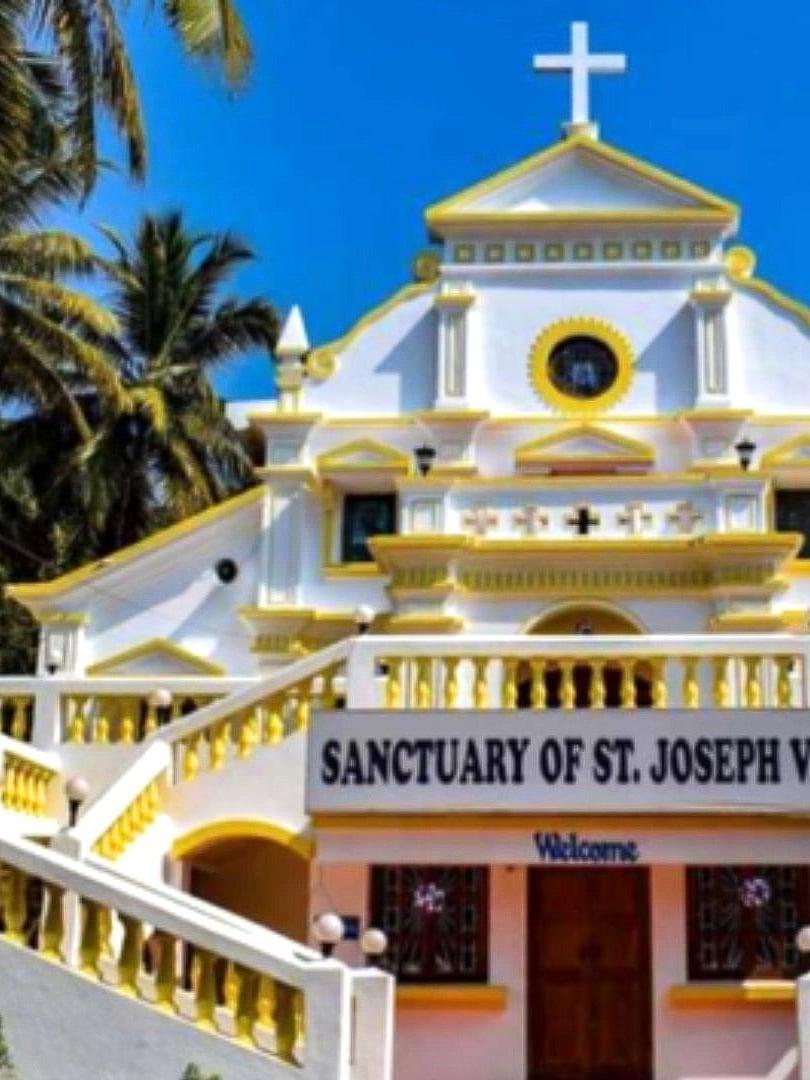
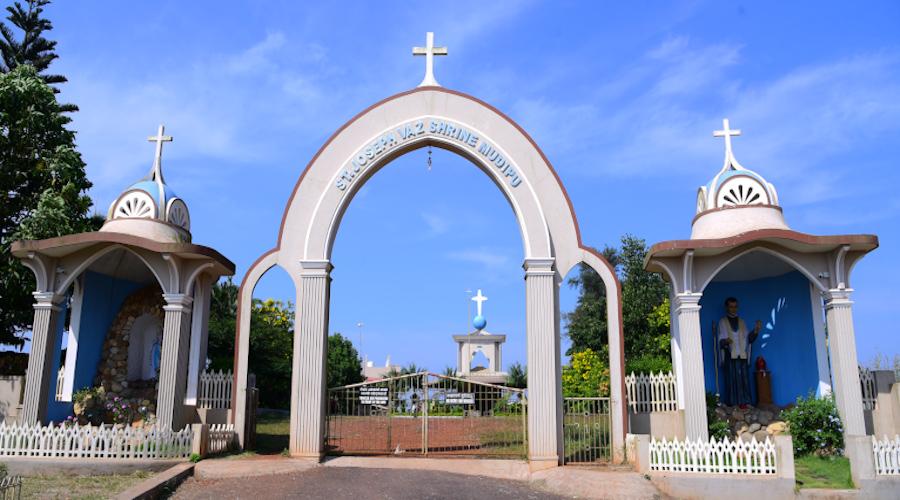
The Saint Joseph Vaz Sanctuary, located in the tranquil village of Sancoale in South Goa, stands as a profound testament to the life and legacy of one of India’s most revered saints. Known affectionately as the "Apostle of Sri Lanka," Saint Joseph Vaz is a figure of immense spiritual stature, and his sanctuary in Goa serves as a primary pilgrimage site for thousands of devotees from across the globe. Unlike the grand, towering cathedrals of Old Goa, this sanctuary offers a more intimate and deeply personal spiritual experience. It is housed within the ancestral home where the saint spent a significant portion of his life, providing a direct link to his humble beginnings and his extraordinary journey of faith.
Sancoale itself is a village steeped in history, nestled along the banks of the Zuari River. The sanctuary is not just a building; it is a spiritual powerhouse that radiates peace and devotion. For visitors, the site offers a unique blend of historical exploration and religious introspection. As you step into the precinct, the atmosphere shifts from the bustling Goan exterior to a quiet, contemplative interior. The sanctuary complex includes the renovated ancestral house, an oratory, and a modern chapel built to accommodate the growing number of pilgrims. It is a place where history breathes through the walls, and the legacy of a man who bridged two nations—India and Sri Lanka—is meticulously preserved.
Top Goa Experience • Part 1
Highly Recommended Near Saint Joseph Vaz Sanctuary
Explore All
For the traveler seeking the "soul" of Goa beyond its famous beaches, the Saint Joseph Vaz Sanctuary is an essential stop. It represents the Goan Catholic identity in its most authentic form—rooted in local tradition, yet universal in its message of service and sacrifice. The sanctuary is managed with great care by the Archdiocese of Goa and Daman, ensuring that the sanctity of the site remains uncompromised. Whether you are a devout Catholic, a history enthusiast, or a seeker of peace, the sanctuary provides a space to reflect on the virtues of humility, courage, and unwavering faith that Saint Joseph Vaz personified.
History & Religious Significance
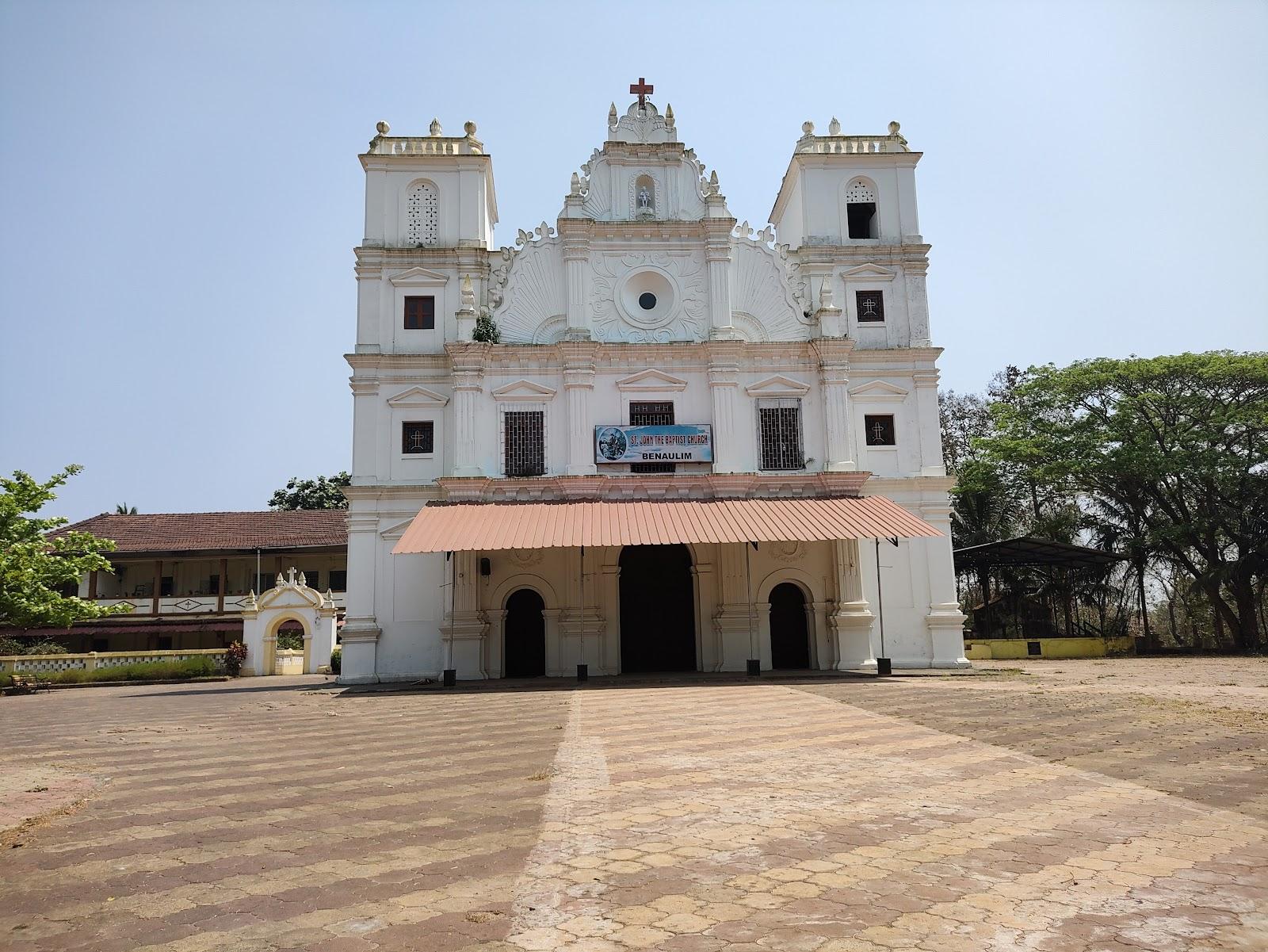
The history of the Saint Joseph Vaz Sanctuary is inextricably linked to the life of Saint Joseph Vaz, who was born on April 21, 1651, in Benaulim, but whose formative years and spiritual foundation were deeply rooted in his mother’s village, Sancoale. He was born to Christopher Vaz and Maria de Miranda, a devout Goan Brahmin Catholic family. The religious significance of this site stems from the fact that it was here, in this very house, that Joseph Vaz lived, prayed, and eventually penned his famous "Letter of Enslavement" to the Blessed Virgin Mary, a document that defined his lifelong devotion.
Recommended Guide
10 Interesting Facts About Goa That Will Blow Your Mind
Discover 10 fascinating facts about Goa from Portuguese history & architecture to hidden beaches, cheap alcohol secrets, and more.
Read Guide →
Joseph Vaz was ordained a priest in 1676 and quickly became known for his oratorical skills and deep piety. However, his heart was set on missionary work. His most significant historical contribution began when he learned of the plight of Catholics in Sri Lanka (then Ceylon), who were being persecuted under Dutch Calvinist rule. Disguising himself as a common laborer to evade detection, he traveled to the island and spent decades secretly ministering to the faithful, rebuilding the church from its ruins. His miraculous works, including the famous "Miracle of Rain" in the Kingdom of Kandy, earned him the respect of both the local royalty and the common people.
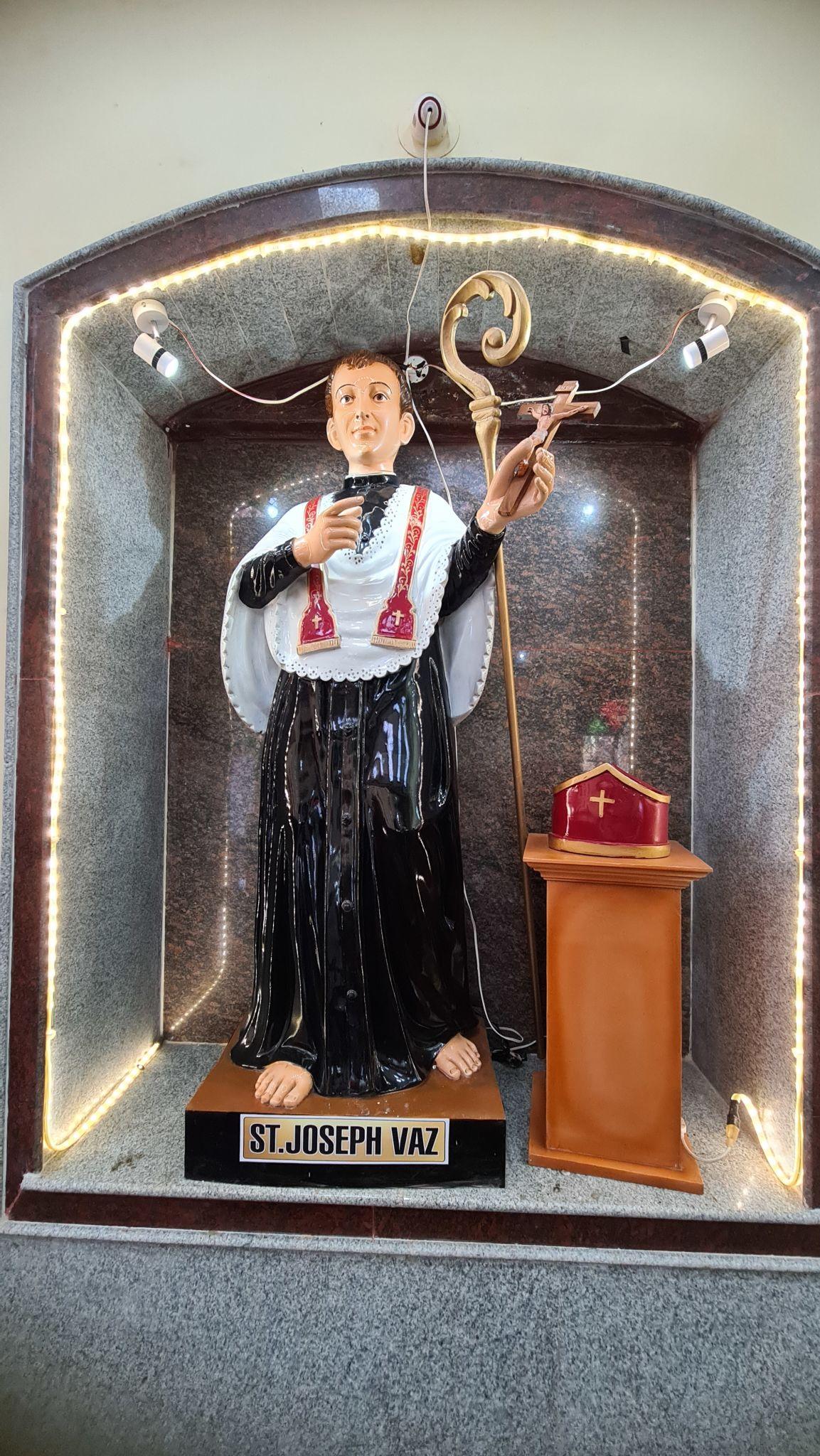
The sanctuary in Sancoale was officially dedicated to him to honor his canonization. For centuries, the house remained a private residence, but its spiritual importance grew as the cult of Joseph Vaz spread. He was beatified by Pope John Paul II in Colombo in 1995 and later canonized by Pope Francis in January 2015. This elevation to sainthood transformed the Sancoale site into a major international shrine. Today, it stands as a symbol of the missionary spirit of the Goan people. The religious significance is further heightened by the presence of relics and the preservation of the room where he stayed, making it a "living" historical site where the past and present of the Goan church converge.
Recommended Guide
North Goa vs South Goa: Which is Better for Your Goa Trip?
Goa is India's most popular beach destination and attracts millions of domestic and international tourists every year. One of the most common questions tra...
Read Guide →
Architecture of Saint Joseph Vaz Sanctuary
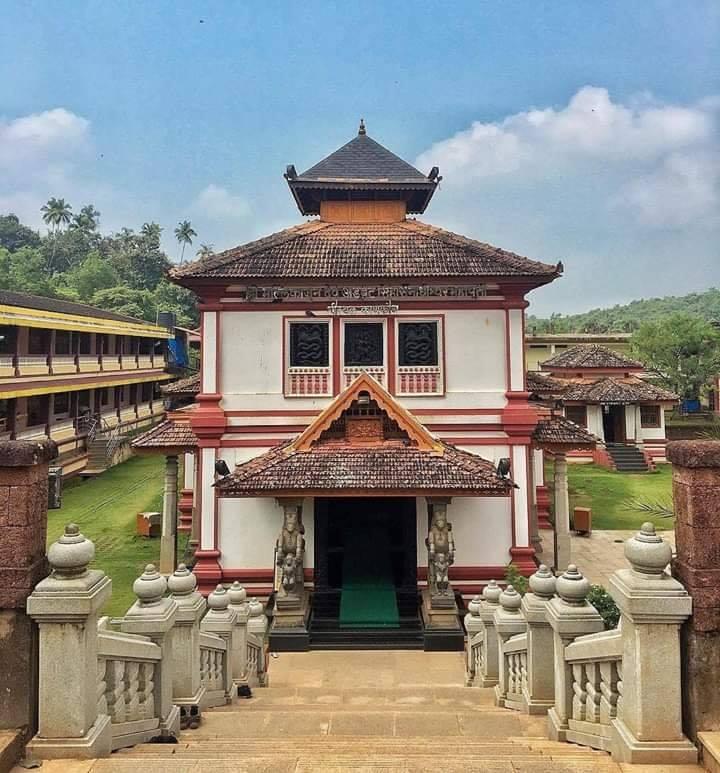
The architecture of the Saint Joseph Vaz Sanctuary is a classic example of 17th-century Goan-Portuguese residential style, adapted for religious purposes. The structure is characterized by its simplicity and functionality, reflecting the humble life of the saint it honors. The primary building is a traditional Goan mansion, or 'Casarão', built with thick laterite stone walls—a material indigenous to the Konkan coast. These walls are coated with a thick layer of lime plaster, giving the building its signature white and ochre appearance that glows under the Goan sun.
One of the most striking architectural features is the use of mother-of-pearl shell windows (carepas). Before the widespread availability of glass, Goans used thin, translucent oyster shells set into wooden frames to allow soft, diffused light into the rooms while keeping out the tropical heat. This traditional element is beautifully preserved in the sanctuary, providing an ethereal glow to the interior spaces. The roof is a sloping structure covered with red Mangalore tiles, designed to shed the heavy monsoon rains typical of the region. The deep eaves and the 'balcão' (the traditional Goan porch) invite visitors into a space that feels more like a home than a formal institution.
Recommended Guide
Best Less Crowded Beaches in South Goa
South Goa is famous for its peaceful beaches, natural beauty, clean coastline, and relaxed atmosphere. While North Goa attracts thousands of tourists every...
Read Guide →
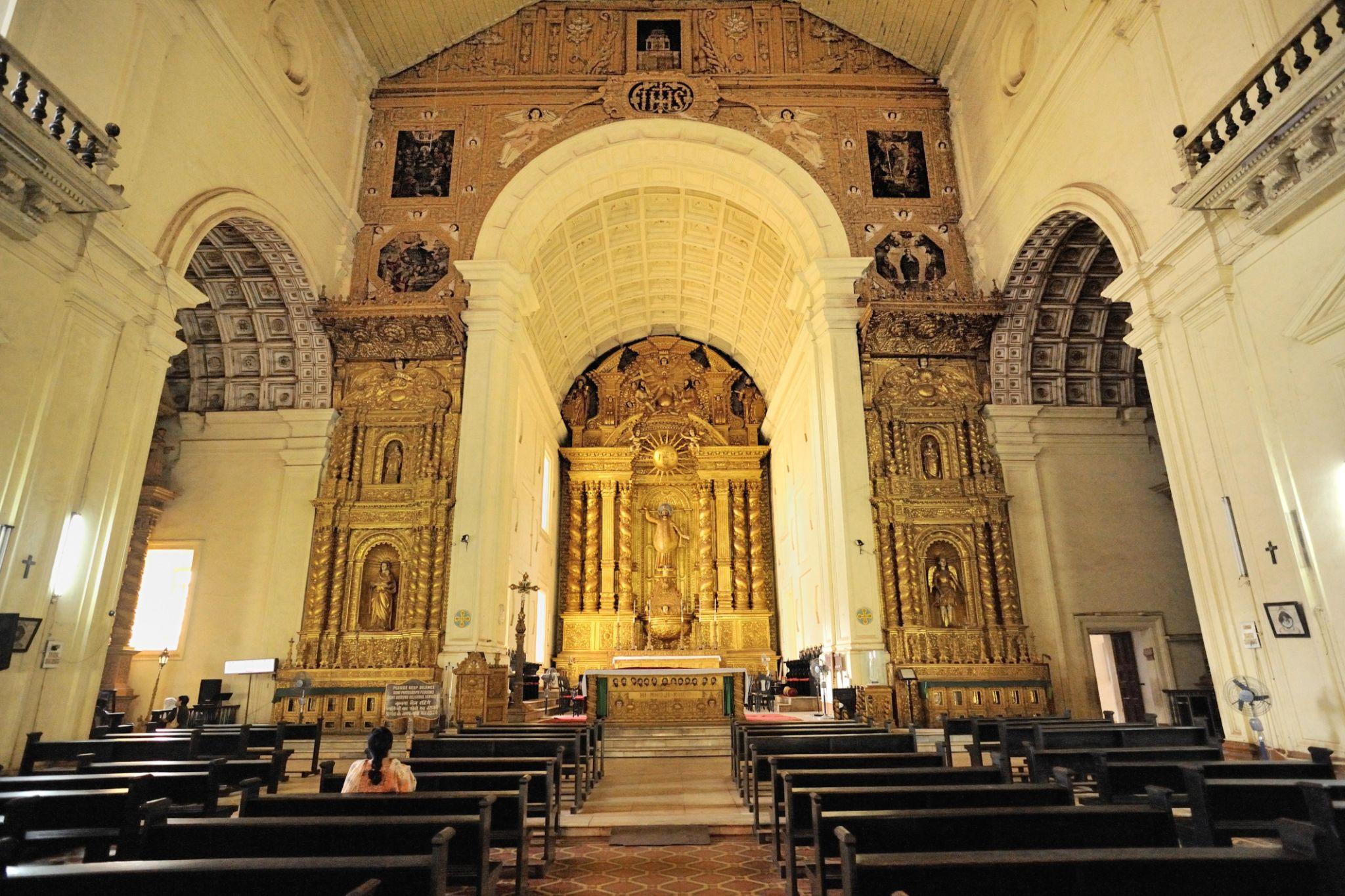
Inside, the sanctuary is divided into several sections. The Oratory is the architectural and spiritual heart of the complex. It features a modest altar with Baroque influences, common in Goan chapels of that era, with intricate wood carvings and gold leafing. The "Sala" or the main hall is spacious and airy, used for gatherings and prayer. Adjacent to the old house is a newer, modern chapel designed to blend seamlessly with the older architecture. It uses large open spaces and minimalist design to focus the pilgrim's attention on the altar. The integration of the old and the new demonstrates a respect for historical heritage while catering to the needs of modern-day pilgrims.
Top Goa Experience • Part 2
Highly Recommended Near Saint Joseph Vaz Sanctuary
Explore All
Main Deity / Spiritual Importance
While the sanctuary is dedicated to Saint Joseph Vaz, the spiritual focus is centered on the Holy Eucharist and the Blessed Virgin Mary, to whom the saint was deeply devoted. Saint Joseph Vaz is not a "deity" in the theological sense but is venerated as a powerful intercessor. The spiritual importance of the sanctuary lies in the "Spirit of Sancoale"—a term often used by locals to describe the atmosphere of total surrender to God's will that the saint practiced.
A focal point of spiritual interest within the sanctuary is the "Letter of Bondage." In 1677, Joseph Vaz wrote a formal document in which he "enslaved" himself to the Mother of God, promising to do everything for her glory and the service of her Son. This act of profound humility is a central theme for pilgrims who visit the site. They come to seek his intercession for various needs, particularly for healing, family peace, and strength in times of persecution. Many devotees believe that praying in the room where he once lived brings a special blessing, as it is a place sanctified by his presence and penance.
The sanctuary also emphasizes the role of Joseph Vaz as a patron of the sick and the marginalized. During his time in Sri Lanka, he famously cared for smallpox victims when others had abandoned them. This legacy of compassionate service is reflected in the spiritual programs at the sanctuary, which often include prayers for the suffering. The spiritual importance is not just about the past; it is about inspiring contemporary Goans and visitors to live a life of missionary zeal and quiet service, mirroring the "Silent Apostle" himself.
Festivals & Celebrations
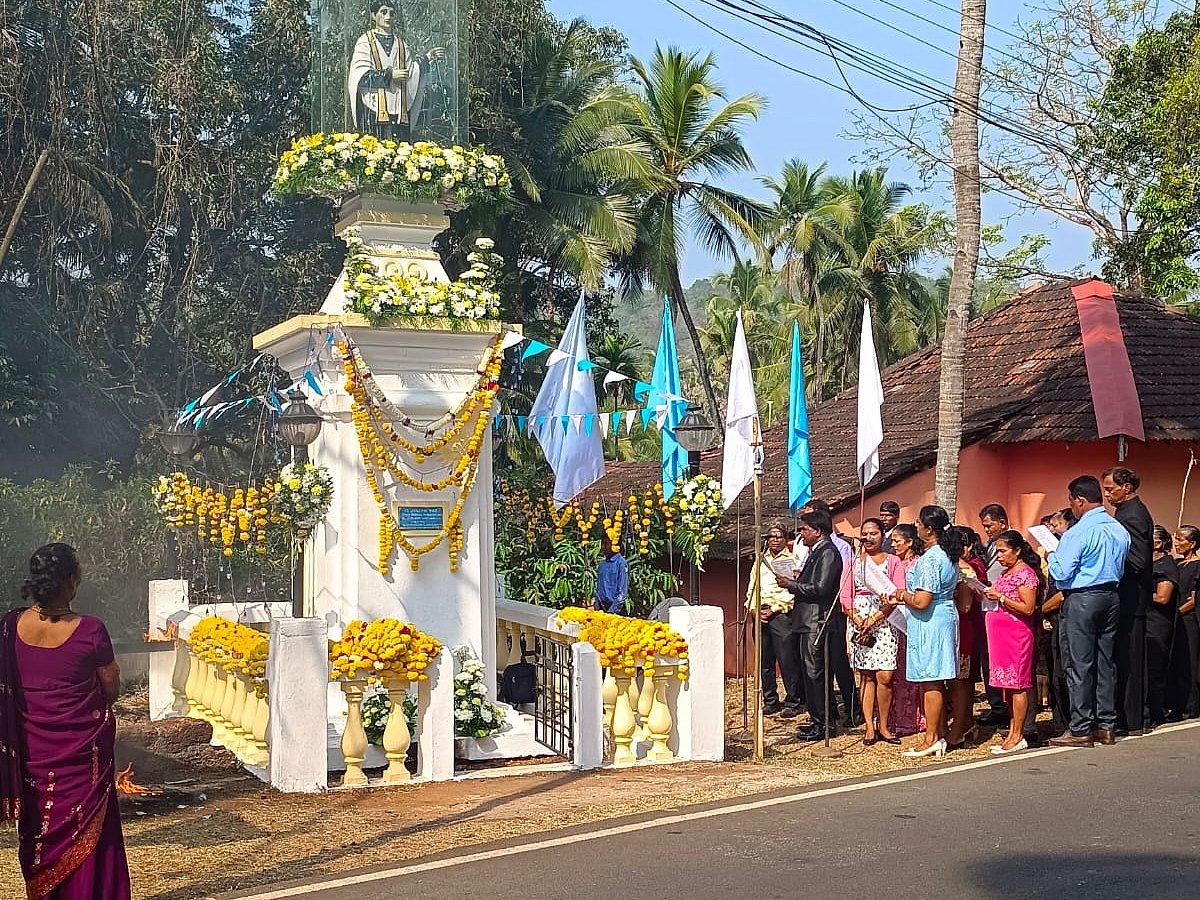
The most significant event at the sanctuary is the Feast of Saint Joseph Vaz, celebrated annually on January 16th. This day marks the anniversary of his death in 1711 in Kandy, Sri Lanka. The celebrations are preceded by a nine-day Novena, during which thousands of devotees from all over Goa and neighboring states flock to Sancoale. Each day of the Novena is dedicated to a specific theme related to the saint's life, and masses are conducted in Konkani, English, and sometimes Portuguese to accommodate the diverse crowd.
The Feast day itself is a spectacle of faith and Goan culture. The day begins with multiple masses, the most important being the High Mass celebrated by the Archbishop of Goa. The entire village of Sancoale takes on a festive air. Traditional Goan brass bands play hymns, and the streets leading to the sanctuary are lined with stalls selling "Khaje" (sweet ginger-coated chickpea flour sticks), traditional Goan gram, and religious articles. A unique tradition during the feast is the "Fama," which marks the beginning of the festivities, where a large banner of the saint is hoisted amidst the ringing of church bells.
Another important celebration is the Birth Anniversary of Saint Joseph Vaz on April 21st. While smaller in scale than the January feast, it is a deeply local celebration involving the villagers of Sancoale and Benaulim. Throughout the year, the sanctuary also observes special days like the anniversary of his canonization and the feast of Our Lady of Health (the patroness of the original Sancoale church). These festivals are not just religious events but social gatherings that reinforce the community spirit of the Goan Catholic population, blending solemn liturgy with the vibrant "joie de vivre" of the Goan people.
Best Time to Visit
The best time to visit the Saint Joseph Vaz Sanctuary is undoubtedly during the winter months, from November to February. During this period, the weather in Goa is exceptionally pleasant, with cool breezes and clear skies, making it ideal for exploring the outdoor ruins and the sanctuary grounds. Specifically, visiting in mid-January allows you to witness the grand Feast of Saint Joseph Vaz, which provides a deep insight into the local religious fervor and Goan traditions.
If you prefer a more quiet and contemplative experience, the monsoon season (June to September) offers a different kind of beauty. The Zuari River swells, and the surrounding landscape of Sancoale turns into a lush, vibrant green. The sanctuary is much less crowded during this time, allowing for long periods of silent prayer and reflection. However, be prepared for heavy downpours which might limit your ability to walk around the nearby ruins of the old church.
For those interested in historical photography, the late afternoon hours during the dry season (October to May) provide the best lighting. The golden hour illuminates the white façade of the sanctuary and the laterite ruins of the nearby Church of Our Lady of Health, creating a stunning visual contrast. Avoid visiting during the peak heat of April and May if you are sensitive to high temperatures, as the humidity in this part of South Goa can be quite intense.
Timings, Entry Fee & Dress Code
The Saint Joseph Vaz Sanctuary follows a schedule that caters to both regular worshippers and tourists. The typical visiting hours are from 9:00 AM to 12:30 PM and from 3:00 PM to 6:00 PM daily. On Sundays and feast days, the timings may vary based on the mass schedule. It is always advisable to arrive early in the morning if you wish to participate in the morning mass, which is a beautiful way to experience the local liturgy.
There is no entry fee to visit the sanctuary. As a place of worship and pilgrimage, it is open to people of all faiths and backgrounds without charge. However, donations for the upkeep of the shrine and its charitable works are welcomed and can be made at the designated office within the complex.
Regarding the dress code, visitors are expected to dress modestly, as is the custom in all Goan religious sites. Shoulders and knees should be covered. Avoid wearing sleeveless tops, short skirts, or beachwear. Men are encouraged to wear trousers or long shorts and shirts with sleeves. Removing hats before entering the oratory or the chapel is a sign of respect. Since this is a functioning sanctuary where people come to pray, maintaining silence and a respectful demeanor is mandatory. If you are unsure about your attire, carrying a light shawl or scarf to cover up is a good practice.
How to Reach Saint Joseph Vaz Sanctuary
The Saint Joseph Vaz Sanctuary is located in Sancoale, which is well-connected to the major hubs of Goa. Here is how you can reach the site:
- By Air: The Dabolim Airport (GOI) is the closest airport, located approximately 7 to 10 kilometers away. From the airport, you can hire a pre-paid taxi or use a ride-sharing app to reach Sancoale in about 15-20 minutes.
- By Train: The nearest major railway station is Madgaon Junction (MAO), about 18 kilometers away. From Madgaon, you can take a bus heading towards Vasco-da-Gama and get off at the Sancoale junction, or hire a taxi for a more direct route. The Vasco-da-Gama Railway Station is also nearby (approx. 12 km).
- By Road: Sancoale is situated just off the National Highway 66 (NH66), which connects Panjim and Margao. If you are driving from Panjim (the capital), it is a 20-kilometer journey southward. If coming from Margao, it is about 15 kilometers northward.
- Local Transport: Frequent buses ply between Panjim, Margao, and Vasco, passing through the Cortalim/Sancoale area. Once you get off at the main road, the sanctuary is a short rickshaw ride or a 10-minute walk into the village. Using a rented scooter or car is also a highly recommended way to explore the area at your own pace.
Things to Do
A visit to the Saint Joseph Vaz Sanctuary offers several enriching activities for the soul and the mind:
- Prayer and Meditation: Spend time in the quiet Oratory. Many visitors find the atmosphere here incredibly conducive to deep meditation and personal prayer.
- Visit the Reliquary: The sanctuary houses sacred relics of the saint. Viewing these provides a tangible connection to his life and missionary journeys.
- Explore the Museum: There is a small but informative museum area that displays artifacts, documents, and pictorial representations of Saint Joseph Vaz’s life in Goa and Sri Lanka.
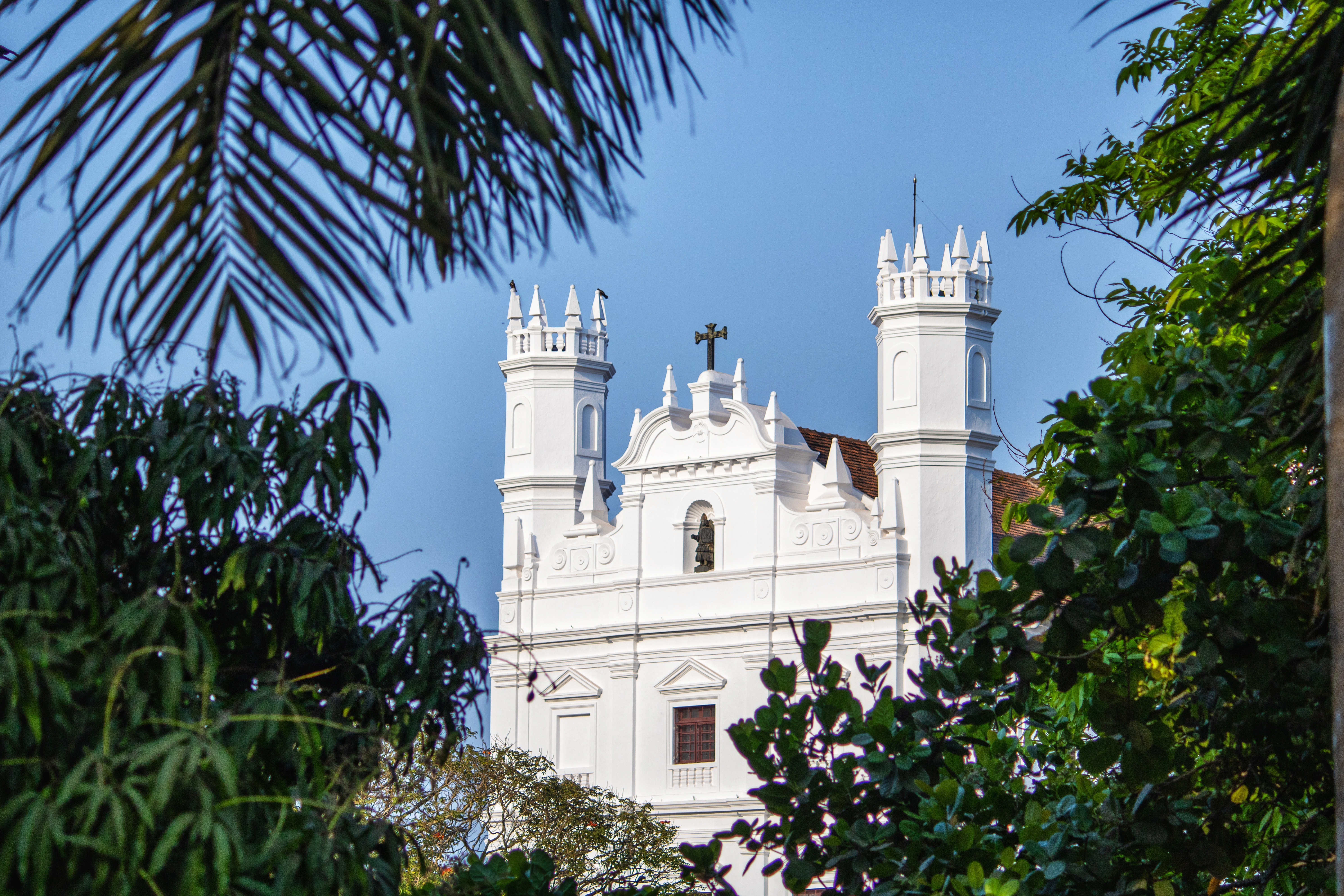
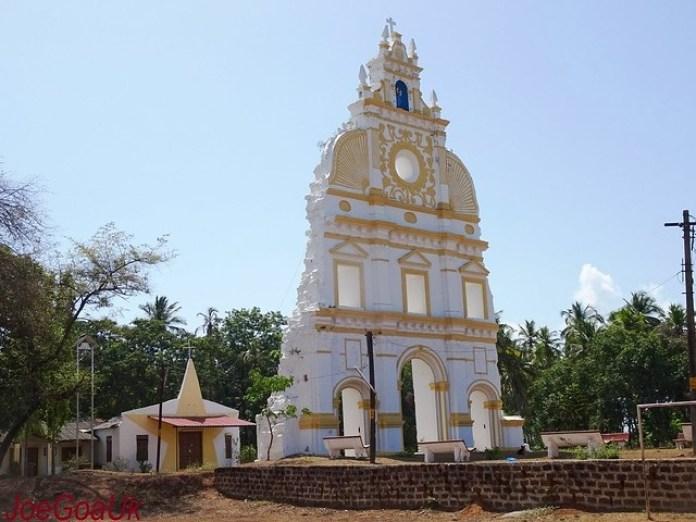
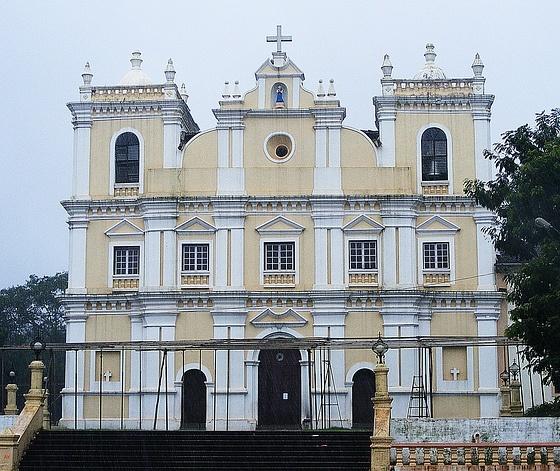
- Walk to the Church Ruins: Just a short distance from the sanctuary are the ruins of the Church of Our Lady of Health. Only the magnificent frontispiece (the façade) remains standing amidst lush greenery. It is a hauntingly beautiful site and a National Monument.
- Attend Mass: Participating in a local Konkani mass is a culturally immersive experience. The singing and the devotion of the local community are truly moving.
- Purchase Religious Souvenirs: The small shop on-site sells blessed oils, medals, books on the saint’s life, and traditional Goan religious items.
- Stroll by the Zuari River: After your visit, take a walk toward the riverbanks. The view of the water and the traditional fishing boats provides a peaceful end to your pilgrimage.
Nearby Attractions
Sancoale is centrally located, making it easy to visit several other prominent Goan landmarks within a 15-20 km radius:
- The Frontispiece of Sancoale: As mentioned, this is the only remaining part of the 16th-century church that burned down in 1834. It is an iconic spot for photography and history.
- Rachol Seminary: Located about 15 km away, this is one of the oldest and most prestigious seminaries in Asia, featuring a stunning church and a museum of Christian art.
- Bogmalo Beach: A beautiful, curved sandy beach located near the airport, perfect for a relaxing evening after visiting the sanctuary.
- Old Goa (Velha Goa): About 20 km away, this UNESCO World Heritage site houses the Basilica of Bom Jesus and the Se Cathedral. It provides the broader context of the Catholic history in which Joseph Vaz was raised.
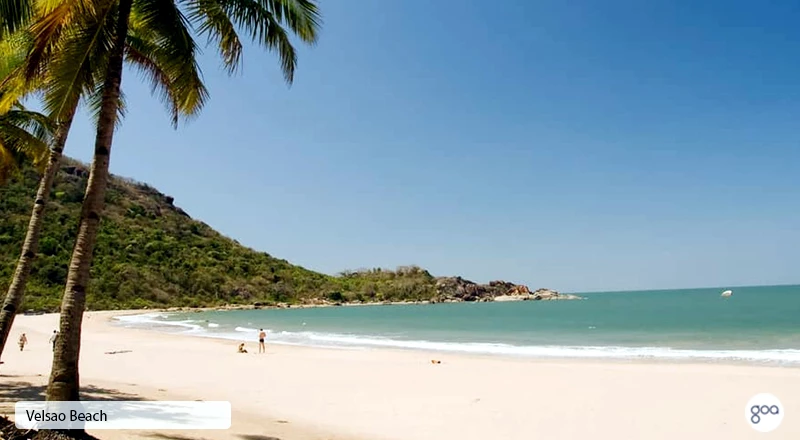
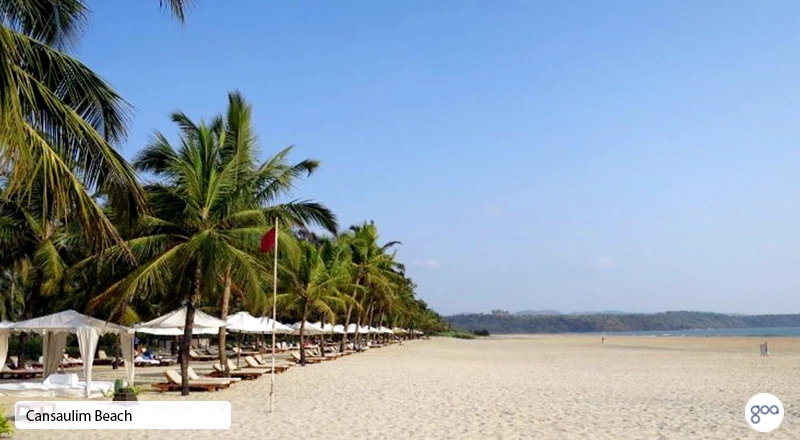
- Velsao and Cansaulim Beaches: These are some of the most pristine and quiet beaches in South Goa, located just a short drive from Sancoale.
- Three Kings Chapel: Situated on a hill in Cuelim, this chapel offers one of the best panoramic views of the Goan coastline and is famous for its local legends.
Photography & Visitor Guidelines
To ensure a respectful and smooth visit, please adhere to the following guidelines regarding photography and conduct:
- Photography: While photography is generally allowed in the outdoor areas and the courtyard, it is often restricted or prohibited inside the Oratory and during Mass. Always look for signs or ask the resident priest or staff for permission before taking photos of the altar or relics.
- Silence: Maintain a low voice at all times. The sanctuary is primarily a place of prayer, and many people visit specifically for the silence it offers.
- Mobile Phones: Switch your mobile phones to silent or vibrate mode before entering the sanctuary buildings. Avoid taking calls inside the prayer halls.
- Respecting Rituals: If a mass or a prayer service is in progress, do not walk around the altar area or take photos. Wait until the service is over to explore the interior.
- Environmental Care: Sancoale is a clean, traditional village. Do not litter the sanctuary grounds or the surrounding village roads. Dispose of trash in designated bins.
- Interaction: Feel free to talk to the local volunteers or the priests. They are usually very happy to share stories about the saint and the history of the house, but be mindful of their time and duties.
Where to Eat Nearby
While Sancoale is a quiet village, there are several excellent dining options nearby that offer a taste of authentic Goan cuisine:
- Local Tavernas in Sancoale: You can find small, family-run eateries near the Sancoale junction that serve traditional Goan Fish Thali (rice, fish curry, fried fish, and vegetables). These are budget-friendly and very authentic.
- Vasco-da-Gama: About 10 km away, Vasco offers a variety of restaurants. The Vasco 27 and Anantashram are famous for their seafood and traditional Goan Hindu-style preparations.
- Bogmalo Beach Eateries: If you head to Bogmalo, Joet’s Bar & Restaurant is a popular spot right on the beach, offering a mix of Goan, Continental, and Indian dishes with a great view.
- Cortalim Junction: Being a major transit point, Cortalim has several "Ros Omelet" stalls in the evening—a must-try Goan street food consisting of an omelet drowned in spicy chicken or chickpea gravy.
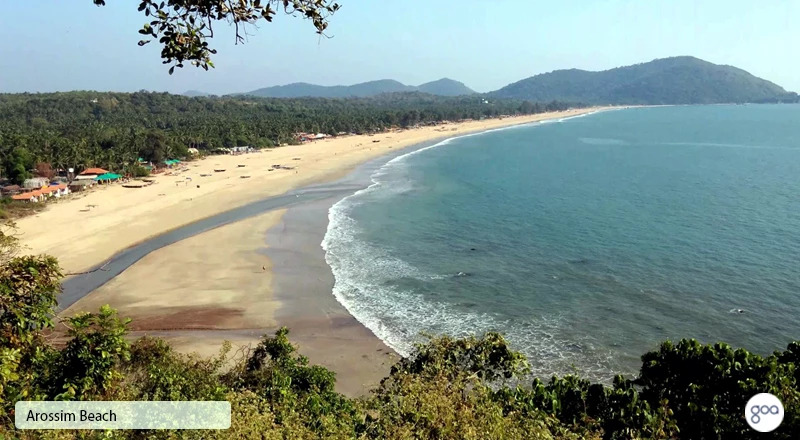
- Aura: For a more upscale dining experience, the restaurants within the nearby resorts in Arossim or Bogmalo offer fine dining options featuring both local and international cuisines.
Accommodation Nearby
Depending on your budget and preference, you can find various places to stay near the sanctuary:
- Guesthouses in Sancoale/Cortalim: There are a few modest guesthouses and homestays within the village for those who want to stay close to the sanctuary for the early morning services.
- Bogmalo Beach Resorts: Bogmallo Beach Resort is a luxury option located very close to the airport and about 15 minutes from the sanctuary. It offers full amenities and sea views.
- Heritage Stays in Loutolim: If you want to continue the historical theme of your trip, consider staying in a converted Portuguese mansion in the nearby village of Loutolim, such as Figueiredo House.
- Vasco-da-Gama Hotels: For business-style or mid-range hotels, Vasco has options like The HQ or Hotel Maharaja, which provide easy access to transport links.
- South Goa Beach Resorts: Further south (about 20-30 minutes away), the areas of Arossim and Utorda have high-end resorts like ITC Grand Goa and Kenilworth Resort for those seeking a luxury holiday combined with their pilgrimage.
Travel Tips
To make the most of your visit to the Saint Joseph Vaz Sanctuary, keep these practical tips in mind:
- Hydration: Goa can be very humid. Always carry a bottle of water with you, especially if you plan to walk to the nearby church ruins.
- Footwear: Wear comfortable walking shoes. The path to the ruins and around the village can be uneven. You will also need to remove your shoes before entering certain sacred areas of the sanctuary.
- Local Language: While English and Hindi are widely understood, knowing a few words of Konkani (like "Dev barem koru" for "Thank you") is greatly appreciated by the locals.
- Transport: If you are using public buses, ask for the "Sancoale Church" stop. If you are using a taxi, ensure you specify the "Saint Joseph Vaz Sanctuary" and not just the Sancoale church, as people might direct you to the ruins instead.
- Respect the Mid-day Break: Many Goan establishments, including some parts of the sanctuary office, may close for a few hours in the afternoon (Sesta). Plan your visit for the morning or late afternoon.
- Cash: While digital payments are growing, small shops and local transport in the village often require cash. Carry some small change for donations and local purchases.
Conclusion
The Saint Joseph Vaz Sanctuary is more than just a religious monument; it is a repository of faith, history, and the enduring spirit of Goan resilience. It offers a profound look into the life of a man who, despite his humble origins in a small Goan village, went on to change the religious landscape of an entire nation. The sanctuary’s architecture, its quiet oratory, and the surrounding ruins of Sancoale provide a multi-layered experience that satisfies the soul of the pilgrim and the curiosity of the historian.
In a world that is often fast-paced and loud, a visit to this sanctuary is an invitation to slow down and reflect on the values of humility, service, and devotion. Whether you are walking through the mother-of-pearl windowed halls of his ancestral home or standing before the majestic, lonely façade of the ruined church nearby, you cannot help but feel a sense of peace. The Saint Joseph Vaz Sanctuary remains a shining jewel in Goa’s spiritual crown, reminding every visitor that true greatness lies in the quietest acts of faith and the most selfless forms of service. It is a journey to the heart of Goan heritage that will leave you with a sense of calm and a renewed perspective on life.