Overview of Church Of St. Cajetan
Nestled in the heart of Old Goa, a region often referred to as the "Rome of the East," the Church of St. Cajetan stands as a magnificent testament to the grandeur of colonial architecture and the enduring spirit of Christian faith in India. Officially known as the Church of Our Lady of Divine Providence, it is frequently called the Church of St. Cajetan by locals and tourists alike. This stunning structure is part of the UNESCO World Heritage site complex of Old Goa and is widely considered one of the most beautiful and architecturally unique churches in the entire state. Unlike many of its neighbors that reflect the Portuguese Manueline or Baroque styles, St. Cajetan offers a distinct slice of Rome in the tropical landscape of Goa.
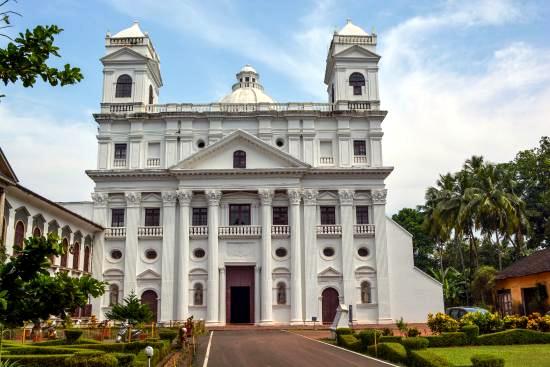
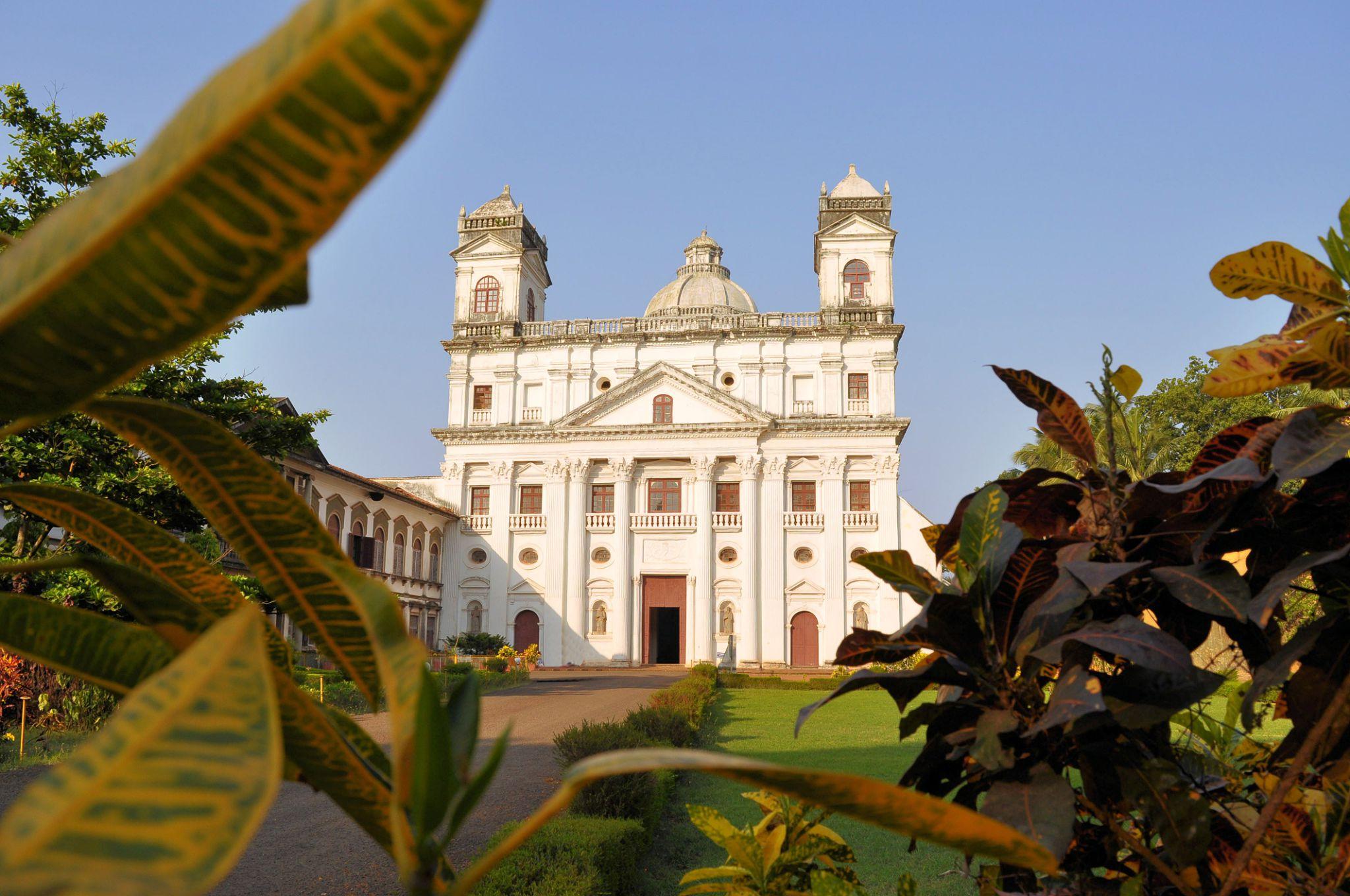
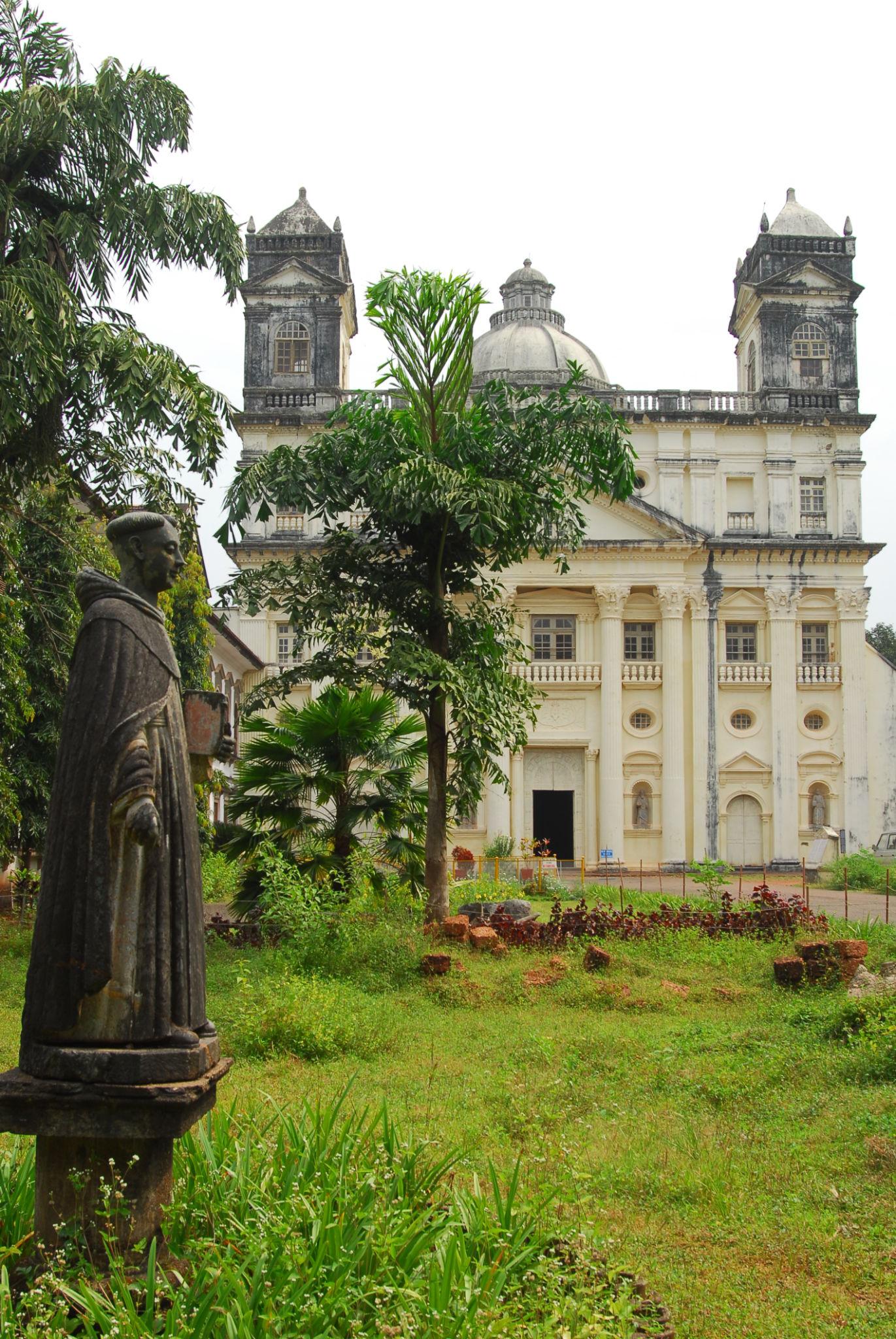
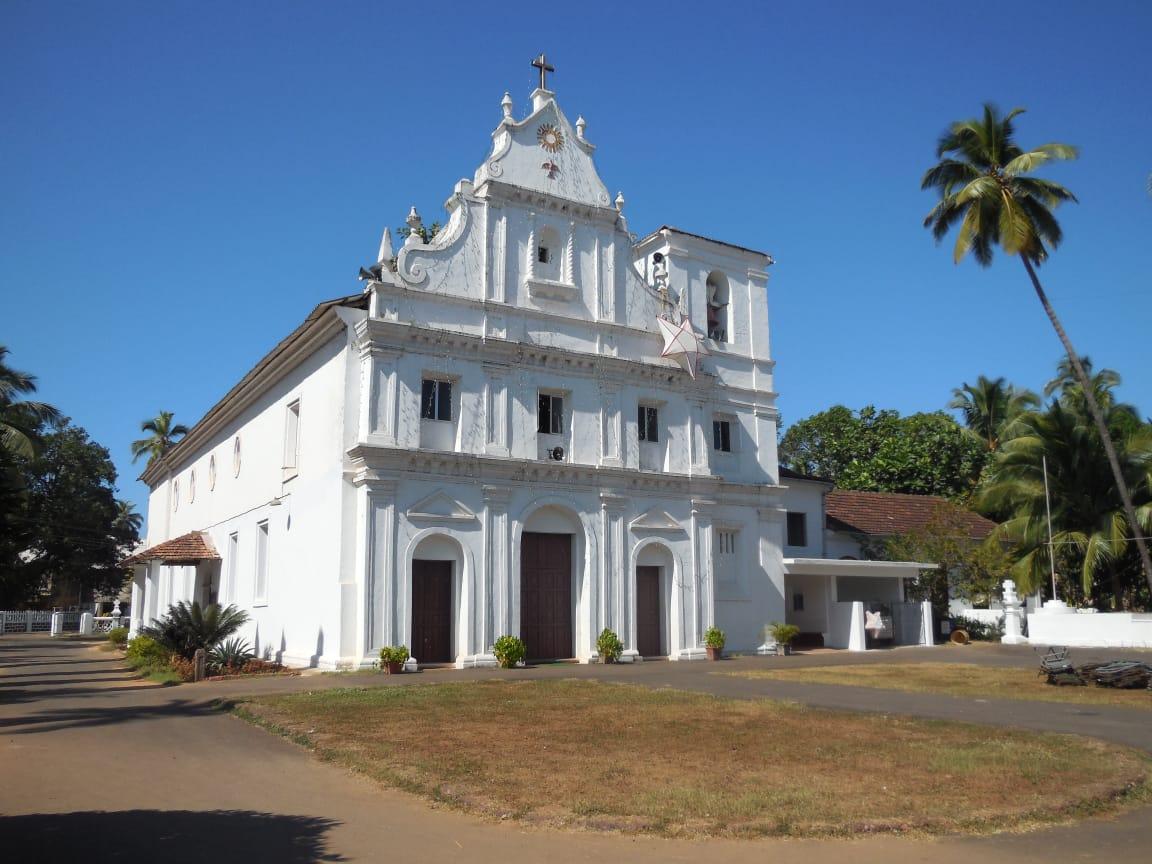
The church is located approximately 500 meters northeast of the Se Cathedral, tucked away from the main bustling road, providing a sense of serenity and quiet contemplation that is often missing from more crowded tourist spots. As you approach the church, the first thing that strikes you is its shimmering white facade, crafted from laterite blocks plastered with lime. It bears a striking resemblance to the world-famous St. Peter’s Basilica in Vatican City, a design choice that was intentional and deeply rooted in the history of the religious order that built it. Surrounded by lush green lawns and tropical palm trees, the Church of St. Cajetan presents a picture-perfect image of Goan heritage, blending European aesthetics with the natural beauty of the Konkan coast.
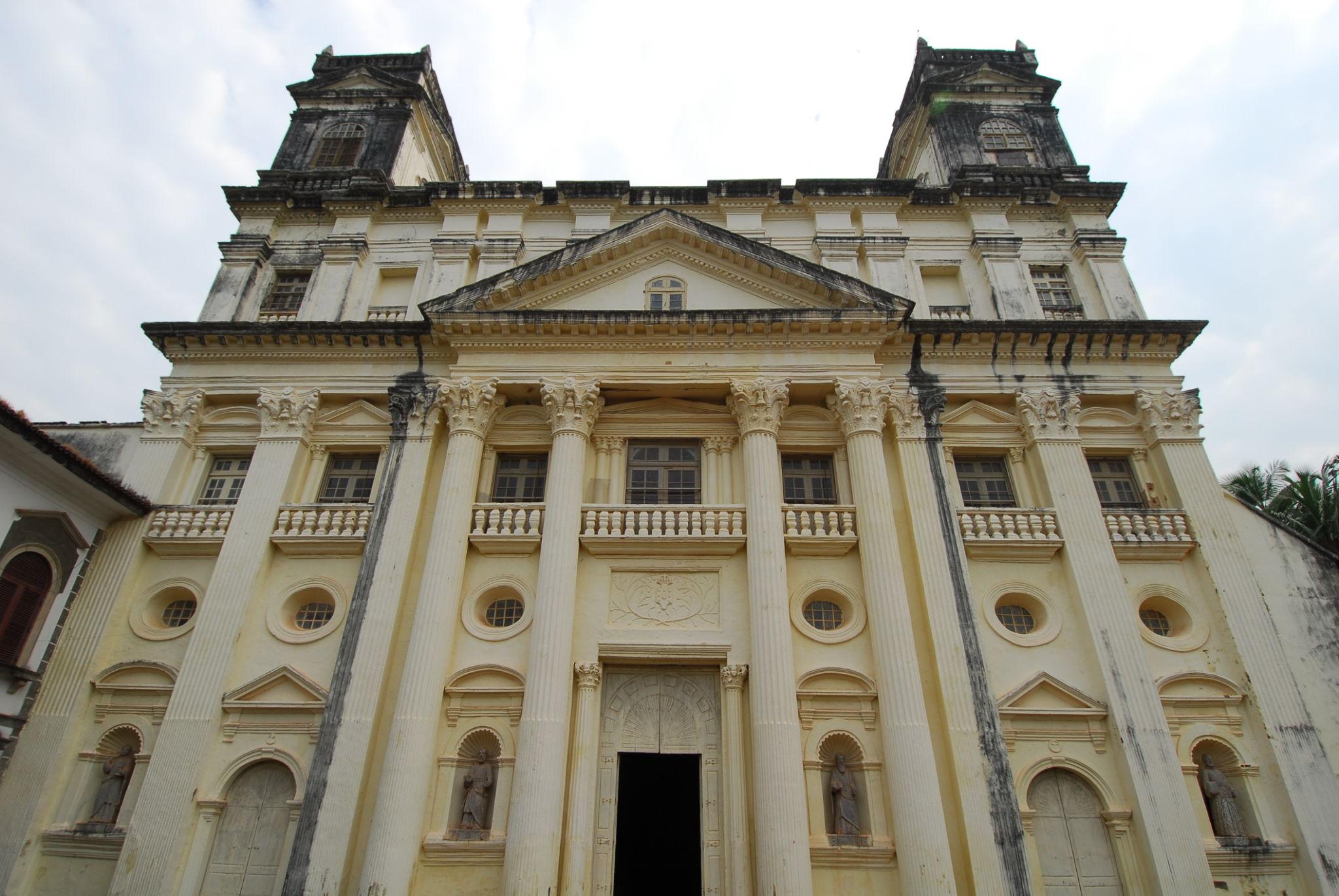
For the modern traveler, the Church of St. Cajetan is more than just a historical monument; it is a place where history, art, and spirituality converge. Whether you are an architecture enthusiast looking to study the intricate Corinthian columns, a history buff tracing the footsteps of Italian friars, or a spiritual seeker looking for a moment of peace, this church offers an unparalleled experience. It remains a functioning place of worship, though it is quieter than the Basilica of Bom Jesus, making it an ideal spot for those who wish to appreciate the "Golden Goa" era without the frantic pace of mass tourism. Its preservation is remarkable, allowing visitors to step back in time to the 17th century and witness the zenith of European influence on Indian soil.
History & Religious Significance
The history of the Church of St. Cajetan is a fascinating tale of religious ambition, diplomatic maneuvering, and architectural devotion. The church was constructed by Italian friars of the Order of Theatines (officially the Congregation of Clerks Regular). These friars were sent to India by Pope Urban VIII with the initial mission of spreading Christianity in the kingdom of Golconda (near modern-day Hyderabad). However, upon their arrival in India, they faced significant challenges and were eventually denied permission to work in Golconda. They retreated to Goa in 1640, seeking a base from which they could operate.
Their arrival in Goa was not met with immediate warmth by the Portuguese authorities. During this period, the Portuguese were highly protective of their religious monopoly in their colonies and were wary of non-Portuguese religious orders, especially those answering directly to Rome rather than the Portuguese Crown. Despite these tensions, the Theatine monks managed to secure a plot of land in Old Goa. Construction of the church began in 1655 and was completed in 1661. The church was dedicated to Our Lady of Divine Providence, but it became synonymous with St. Cajetan, the co-founder of the Theatine Order, who was canonized shortly after the church's completion.
The religious significance of the church lies in its representation of the Theatine mission’s resilience. St. Cajetan himself was known as the "Saint of Fortune" or the "Father of Providence," having lived a life dedicated to the poor and the reform of the clergy. The presence of this Italian-style church in a Portuguese territory serves as a reminder of the complex internal politics of the Catholic Church during the 17th century. Over the centuries, while many other structures in Old Goa fell into ruin due to plagues and the abandonment of the city, the Church of St. Cajetan remained remarkably well-preserved. It stands today as a symbol of the global reach of the Catholic missions and the cultural synthesis that occurred when European religious orders met the Indian subcontinent.
Architecture of Church Of St. Cajetan
The architecture of the Church of St. Cajetan is undoubtedly its most distinguishing feature. It is the only church in Goa modeled after St. Peter’s Basilica in Rome, showcasing the Corinthian style of the late Renaissance. The facade is a masterclass in classical symmetry and elegance. It features two massive square towers on either side, which house the church bells, and a central section adorned with four large Corinthian columns. Above the main entrance, there are niches containing statues of the four Apostles: St. Matthew, St. Mark, St. Luke, and St. John, each carved with remarkable detail.
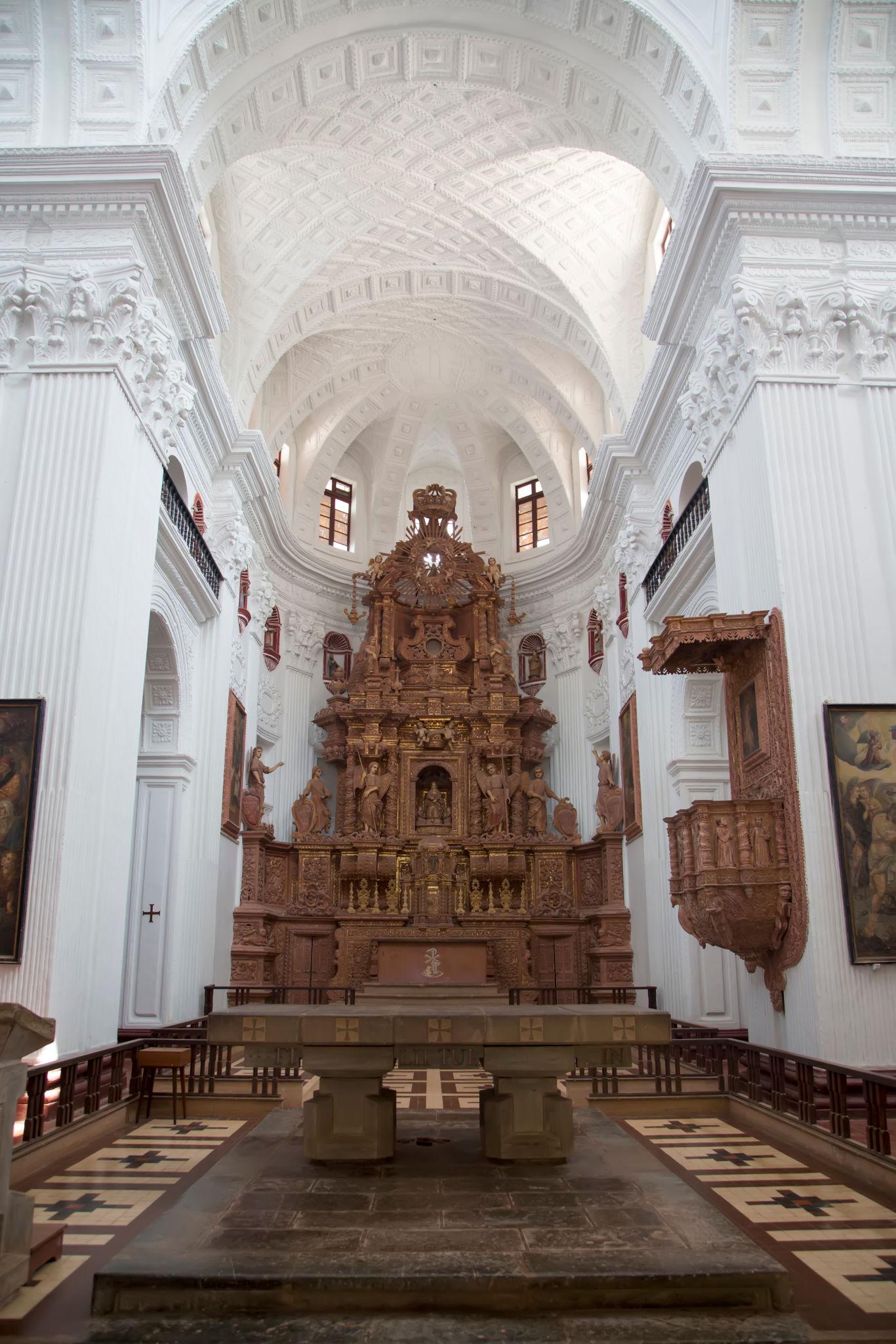
The interior of the church is designed in the shape of a Greek Cross, another departure from the more common Latin Cross plan found in most Goan churches. The most spectacular architectural element is the central dome. From the outside, the dome is hidden within a square tower, but from the inside, it reveals itself as a magnificent hemispherical vault. The drum of the dome is inscribed with a Latin verse from the Gospel of Matthew: "Querite primum regnum Dei et haec omnia adjicientur vobis" (Seek ye first the Kingdom of God, and all these things shall be added unto you). This inscription serves as both a spiritual reminder and a decorative focal point.
The church houses seven altars, each a masterpiece of Baroque woodcarving. The main altar is dedicated to Our Lady of Divine Providence and is a riot of gilded carvings, featuring intricate floral motifs, angels, and cherubs. The side altars are equally impressive, dedicated to St. Cajetan, the Holy Family, and other saints. One of the most unique features of the interior is the wooden pulpit, which is intricately carved and stands as a prime example of the craftsmanship of the era. The use of local laterite stone for the core of the structure, combined with fine lime plastering for the decorative elements, demonstrates how European designs were adapted to the materials available in Goa. The flooring is made of basalt, adding a sense of weight and permanence to the ethereal beauty of the white-washed walls.
Main Deity / Spiritual Importance
The primary spiritual focus of the church is Our Lady of Divine Providence, to whom the main altar is dedicated. In Catholic theology, Divine Providence refers to God's intervention in the world, the belief that God provides for and guides all his creatures. This theme was central to the Theatine Order, who lived by a strict code of poverty, trusting entirely in God's providence for their daily needs. For visitors, the image of Our Lady of Divine Providence serves as a beacon of hope and trust in the divine plan.
The secondary, yet equally important, figure is St. Cajetan (San Gaetano). Born into an aristocratic Italian family, Cajetan walked away from wealth to serve the sick and the poor. He is often invoked by those seeking employment or financial stability, as he is the patron saint of job seekers and the unemployed. The spiritual atmosphere within the church is one of quiet dignity. Unlike the more flamboyant celebrations found in other Goan parishes, the spirituality at St. Cajetan is deeply influenced by the contemplative and reformist nature of the Theatine monks. Many visitors find that the church’s layout—the Greek Cross—facilitates a more communal and focused prayer experience, as the space feels more enclosed and intimate than the vast naves of the Se Cathedral.
Another fascinating spiritual element is the well located directly beneath the main altar. While currently covered and not accessible to the public, local legends and historical records suggest that this well was part of a pre-existing Hindu temple or was built to ensure a constant supply of fresh water for the monks. In a spiritual context, the presence of water beneath the altar symbolizes life, purity, and the "living water" mentioned in Christian scripture. This layering of history and spirituality makes the Church of St. Cajetan a site of profound depth for those who look beyond the surface.
Festivals & Celebrations
While the Church of St. Cajetan is quieter than the Basilica of Bom Jesus, it still hosts several significant religious events throughout the year. The most important celebration is the Feast of St. Cajetan, held annually on August 7th. This feast day commemorates the death of the saint in 1547. During this time, the church is beautifully decorated, and a special High Mass is celebrated, often attended by local residents from the surrounding areas of Old Goa and Ribandar. The feast is a time of community gathering, where traditional Goan sweets like doce and bebinca are shared, and the life of the saint is honored through sermons and processions.
Another major event is the Feast of Our Lady of Divine Providence. Given that the church is officially dedicated to her, this day is marked with great solemnity and devotion. Throughout the year, the church also participates in the wider liturgical calendar of the Archdiocese of Goa. During the Novena and Feast of St. Francis Xavier (late November to early December), the Church of St. Cajetan serves as a peaceful retreat for pilgrims who flock to Old Goa. While it may not host the massive fair associated with the Basilica, it offers a space for quiet prayer and reflection amidst the festive chaos.
Holy Week and Easter are also observed with traditional Goan Catholic rituals. The "Passos" or processions depicting the stages of Christ’s passion are held in Old Goa, and the Church of St. Cajetan plays its part in these solemn observances. Christmas is another beautiful time to visit, as the church is adorned with a traditional Goan crib (manger) and the white facade is often illuminated, highlighting its Roman features against the dark tropical sky. These celebrations are a wonderful way for visitors to witness the living faith of the Goan people, which remains deeply intertwined with the historical monuments they inhabit.
Best Time to Visit
The best time to visit the Church of St. Cajetan is during the winter months, from November to February. During this period, the weather in Goa is pleasant, with clear blue skies and cool breezes, making it comfortable to explore the sprawling grounds of Old Goa on foot. The humidity is significantly lower, and the bright sunlight perfectly highlights the brilliant white facade of the church, making it the best time for photography.
If you prefer a more lush and dramatic atmosphere, the monsoon season (June to September) is a unique time to visit. The surrounding gardens turn a vibrant, deep green, and the rain-washed laterite paths have a certain romantic charm. However, be prepared for heavy downpours and high humidity. The church provides a cool, dry sanctuary from the rain, and the sound of raindrops against the ancient stone creates a very meditative environment. Summer (March to May) can be quite hot and humid, with temperatures often exceeding 35°C. If visiting during these months, it is best to arrive early in the morning, around 9:00 AM, to avoid the midday sun.
In terms of the time of day, early morning is highly recommended. The soft morning light hitting the front of the church is a photographer's dream. Additionally, visiting early allows you to experience the site before the large tour buses arrive. Late afternoon is also a good time, as the setting sun casts a golden glow over the Corinthian columns, and the atmosphere becomes very peaceful as the day winds down. Avoid visiting during the middle of the day if you plan on walking between the various monuments of Old Goa, as the heat can be draining.
Timings, Entry Fee & Dress Code
Planning your visit to the Church of St. Cajetan requires keeping a few practical details in mind. The church follows standard operating hours for most religious sites in Old Goa:
- Timings: The church is generally open to visitors from 9:00 AM to 12:00 PM and then from 4:00 PM to 7:00 PM daily. It is important to note that these hours can fluctuate slightly depending on religious services or maintenance work.
- Entry Fee: There is no entry fee to visit the Church of St. Cajetan. As a place of worship and a public heritage site, it is free for all. However, donations for the upkeep of the church are always welcomed and can be placed in the designated boxes inside.
- Dress Code: As this is an active religious site, a respectful dress code is strictly enforced. Visitors should ensure that their shoulders and knees are covered. Avoid wearing sleeveless tops, short skirts, or hot pants. If you are wearing such attire, it is advisable to carry a sarong or a shawl to wrap around yourself before entering. Removing hats and sunglasses inside the church is also expected as a sign of respect.
Silence should be maintained inside the sanctuary, especially if there are people praying. While photography is generally allowed, it is polite to avoid using flash and to refrain from taking photos during any ongoing mass or religious service. Always check for updated signage at the entrance regarding any temporary restrictions.
How to Reach Church Of St. Cajetan
The Church of St. Cajetan is located in Old Goa (Velha Goa), which is well-connected to the rest of the state. Depending on where you are staying, there are several ways to reach this historic site:
- From Panjim: The capital city, Panjim, is only about 9 kilometers away. The most convenient way is to take a local bus from the Panjim Kadamba Bus Stand heading towards Ponda or Old Goa. The ride takes about 20 minutes and is very affordable. Alternatively, you can hire a taxi or an auto-rickshaw.
- From North Goa (Calangute/Baga): If you are staying in the northern beach belt, the distance is approximately 25-30 kilometers. Hiring a private taxi is the most comfortable option, taking about 45-60 minutes. Many tourists also rent scooters or bikes, which offers the flexibility to explore at your own pace.
- From South Goa (Colva/Margao): From Margao, the distance is about 27 kilometers. You can take a bus to Panjim and then change, or take a direct taxi. The drive from the south offers beautiful views of the Goan countryside and the Zuari River.
- By Train: The nearest railway station is Karmali (KRMI), which is just 2 kilometers away from Old Goa. From the station, you can easily find an auto-rickshaw or a taxi to take you to the church complex.
- By Air: If you are arriving from Dabolim Airport, it is about 25 kilometers away. Mopa Airport (Manohar International Airport) is further north, about 50 kilometers away. Pre-paid taxis are available at both airports.
Once you reach the main heritage area of Old Goa, the Church of St. Cajetan is within walking distance of the Basilica of Bom Jesus and the Se Cathedral. It is located near the Viceroy’s Arch, facing the Mandovi River.
Things to Do
While the Church of St. Cajetan is a place for quiet appreciation, there are several activities you can engage in to make your visit more meaningful:
- Architectural Study: Spend time comparing the church's facade with photos of St. Peter's Basilica. Look for the intricate details in the Corinthian capitals and the statues of the apostles. Inside, look up at the hidden dome and try to spot the Latin inscriptions.
- Explore the Seven Altars: Walk slowly through the aisles and observe the seven different altars. Each one tells a story through its carvings and iconography. The main altar of Our Lady of Divine Providence is particularly detailed and worth a long look.
- Photography: The church is one of the most photogenic spots in Goa. Capture the symmetry of the facade, the play of light and shadow in the vaulted ceilings, and the contrast of the white stone against the blue sky. Don't forget to photograph the Viceroy's Arch located just a few steps away.
- Meditation and Prayer: Take a seat in one of the ancient wooden pews. Even if you are not religious, the silence and the historical weight of the building make it an excellent place for meditation and escaping the heat of the day.
- Visit the Convent: Adjacent to the church is the Convent of St. Cajetan, which now houses a museum and a pastoral institute. While not all areas are open to the public, the exterior and the corridors offer a glimpse into the monastic life of the Theatines.
- Walk to the Mandovi River: The church is located very close to the banks of the Mandovi River. A short walk behind the church leads you to the ferry point, where you can watch the local ferries crossing the water, offering a peaceful view of the riverine landscape.
Nearby Attractions
The Church of St. Cajetan is situated in a high-density heritage zone, meaning you can easily visit several other world-class attractions within a short walking distance:
- Se Cathedral: Located just 500 meters away, this is one of the largest churches in Asia. It is famous for its "Golden Bell" and its stunning Tuscan-style architecture.
- Basilica of Bom Jesus: A short walk across the road leads you to this iconic Jesuit church, which holds the mortal remains of St. Francis Xavier. It is a masterpiece of Baroque architecture and a major pilgrimage site.
- Viceroy’s Arch: Situated right next to the Church of St. Cajetan, this arch was once the main entrance to the city of Old Goa. It was built to commemorate Vasco da Gama’s arrival in India.
- Church of St. Francis of Assisi & Archaeological Museum: Located adjacent to the Se Cathedral, this church features beautiful Manueline details and houses a museum with artifacts from Goa’s pre-Portuguese and colonial eras.
- St. Augustine Tower: A bit further up the hill (about 1 km), you can see the ruins of the Church of St. Augustine. The lone standing tower is a hauntingly beautiful sight and offers a different perspective on the decline of Old Goa.
- Church of Our Lady of the Rosary: Situated on the Holy Hill, this is one of the oldest churches in Goa, offering a panoramic view of the Mandovi River and the surrounding islands.
- Museum of Christian Art: Located in the Convent of Santa Monica, this museum houses a rare collection of Indo-Portuguese Christian art, including textiles, paintings, and ivory carvings.
Photography & Visitor Guidelines
To ensure a respectful and enjoyable visit for everyone, please adhere to the following guidelines while at the Church of St. Cajetan:
- Photography: Photography for personal use is generally permitted. However, tripods and professional equipment may require prior permission from the ecclesiastical authorities. Always turn off your flash when inside the church to protect the ancient gilded altars and paintings from light damage.
- Silence: Maintain a low voice. The acoustics of the church are designed to carry sound, so even whispers can travel. Respect those who have come for prayer and contemplation.
- No Touching: Refrain from touching the altars, statues, or wall paintings. The oils from human skin can cause deterioration of these centuries-old artifacts over time.
- Mobile Phones: Switch your mobile phones to silent or vibrate mode before entering the church. If you must take a call, please step outside to the gardens.
- Cleanliness: Old Goa is a heritage zone. Do not litter. Use the bins provided in the garden areas. Avoid eating or drinking inside the church premises.
- Guided Tours: If you hire a local guide, ensure they are authorized. They can provide deep insights into the hidden symbols and historical anecdotes that you might otherwise miss.
- Respect Rituals: If a mass or a wedding is in progress, do not walk around the altar area or take photos of the participants. It is better to wait until the service is over to explore the interior.
Where to Eat Nearby
Exploring the historical sites of Old Goa can work up an appetite. While the immediate vicinity of the church is a protected zone with limited commercial activity, there are several excellent dining options nearby:
- The Heritage Bistro: Located within walking distance of the main monuments, this spot offers a range of Goan and continental dishes. It is a great place to grab a quick lunch or a refreshing beverage.
- Viceroy’s View: A small eatery near the ferry point that offers local snacks like samosas, cutlet pao, and fresh coconut water. It’s perfect for a light break with a view of the river.
- Local Thali Joints: If you head slightly towards the Ribandar-Panjim road, you will find several small "posadas" or local eateries serving authentic Goan Fish Thalis. Look for places where the locals eat for the best experience.
- Viva Panjim (in Panjim): If you are heading back to the capital, this famous restaurant in the Fontainhas Latin Quarter serves incredible Pork Vindaloo and Prawn Curry Rice in a charming heritage setting.
- Ritz Classic (in Panjim): For a more upscale seafood experience, Ritz Classic is a Goan institution known for its massive seafood platters and fresh catches.
Always try the local Kokum juice or a Sol Kadi to stay hydrated and refreshed during your tour. For those with a sweet tooth, look for Bebinca or Dodol at the small stalls near the Basilica of Bom Jesus.
Accommodation Nearby
Most visitors stay in the beach areas or Panjim and visit Old Goa as a day trip. However, if you wish to stay closer to the historical heart of Goa, there are a few excellent options:
- Old Goa Residency: Run by the Goa Tourism Development Corporation (GTDC), this is located right in the heart of the heritage circuit. It offers clean, basic rooms at affordable prices, making it ideal for history enthusiasts who want to be the first at the gates in the morning.
- The Postcard Velha: For a luxury experience, this boutique hotel is located on a hillock in Old Goa. It offers a serene, high-end stay with colonial-style architecture and personalized service, reflecting the "slow life" of Goa.
- Boutique Stays in Panjim: Since Panjim is only 15-20 minutes away, staying in the Fontainhas Latin Quarter is a popular choice. Hotels like Panjim Inn or WelcomHeritage Panjim Pousada offer a wonderful blend of history and comfort.
- Guest Houses in Ribandar: The nearby village of Ribandar, located along the causeway to Panjim, has several charming guest houses overlooking the Mandovi River, providing a peaceful and local atmosphere.
Staying in Old Goa or Panjim allows you to experience the quieter side of the state, far removed from the loud parties of the north, and gives you more time to explore the churches at your own pace.
Travel Tips
To make the most of your visit to the Church of St. Cajetan, keep these professional travel tips in mind:
- Wear Comfortable Shoes: You will be doing a lot of walking between the various monuments in Old Goa. The paths are mostly paved but can be uneven in places.
- Carry Water: The Goan sun can be intense. Carry a reusable water bottle to stay hydrated. There are small kiosks selling drinks, but it's better to have your own.
- Use a Map: While the main churches are close together, a map (physical or digital) will help you find the smaller, hidden gems like the Gate of the College of St. Paul or the Chapel of St. Catherine.
- Combine with a River Cruise: Consider taking a boat cruise on the Mandovi River in the evening after your visit. Some cruises depart from the Panjim jetty and offer a beautiful view of the Old Goa skyline from the water.
- Hire a Guide: To truly appreciate the architectural nuances and the complex history of the Theatines, hiring a certified guide is worth the investment. They can point out details in the carvings that you might otherwise overlook.
- Visit on a Weekday: If possible, avoid visiting on Sundays or public holidays, as the area can get quite crowded with local pilgrims and domestic tourists. A Tuesday or Wednesday morning is usually the quietest time.
- Sun Protection: Wear sunscreen, a hat, and sunglasses. Even in the winter, the tropical sun is strong.
Conclusion
The Church of St. Cajetan is a crowning jewel in the architectural heritage of Goa. It stands as a unique bridge between the Roman Renaissance and the Indian coast, offering a visual and spiritual experience that is distinct from any other site in the region. Its perfectly symmetrical facade, the hidden majesty of its central dome, and the intricate beauty of its gilded altars make it a must-visit destination for anyone traveling to the "Rome of the East."
Beyond its physical beauty, the church tells a story of faith, perseverance, and the meeting of cultures. It is a place where the legacy of the Italian Theatine friars lives on, preserved in the very stones and mortar of the building. Whether you come to admire the Corinthian columns, to seek the blessing of the "Saint of Fortune," or simply to find a moment of peace away from the beach crowds, the Church of St. Cajetan will leave an indelible mark on your soul. As you stand before its shimmering white walls, you are not just looking at a monument; you are witnessing a piece of world history that has survived centuries of change, standing firm as a testament to the enduring power of divine providence.