Overview of Convent And Church Of St. John Of God
Nestled in the historic heart of Old Goa, or Velha Goa, the Convent and Church of St. John of God stands as a poignant testament to the spiritual and social history of Portuguese India. While the more famous Basilica of Bom Jesus and the Se Cathedral often steal the limelight, this modest yet majestic structure offers a more intimate glimpse into the religious tapestry of the 17th century. Located on the hill of Monte Santo (Holy Hill), the complex is part of the larger ensemble of monuments that have earned Old Goa its status as a UNESCO World Heritage Site. This site is not merely a relic of stone and mortar; it is a symbol of the compassion and medical care that the religious orders brought to the shores of the Mandovi River.
The Convent and Church of St. John of God were established by the Order of the Hospitallers of St. John of God, a religious congregation dedicated specifically to the care of the sick and the dying. As you approach the site, the first thing you notice is its serene isolation compared to the bustling tourist hubs nearby. The air here is thick with the scent of damp earth and ancient stone, and the silence is only broken by the occasional chime of a distant bell or the rustle of palm fronds. For the modern traveler, this site serves as a quiet sanctuary for reflection, offering a deep dive into the Goan Catholic heritage that has shaped the identity of the state for over four centuries.
In the broader context of Goan tourism, the Convent and Church of St. John of God represent the "Plain Style" of Indo-Portuguese architecture. It lacks the overwhelming gold leaf of the Baroque era but compensates with a dignified simplicity that speaks to the Order's vow of poverty and service. Whether you are a history buff, an architecture enthusiast, or a spiritual seeker, this monument provides a nuanced perspective on how faith and philanthropy intertwined in colonial Goa. It remains one of the most underrated spiritual landmarks, waiting to be explored by those who wish to go beyond the stereotypical beach-and-party image of Goa.
History & Religious Significance
The history of the Convent and Church of St. John of God is deeply rooted in the expansion of Portuguese influence in Asia and the subsequent arrival of various Catholic missionary orders. The Hospitaller Brothers, followers of the Spanish saint John of God, arrived in Goa in 1685. Their mission was distinct from the Jesuits or Franciscans; they were primarily focused on healthcare, establishing infirmaries and hospitals to treat both the colonial elite and the local population. Construction of the convent began shortly after their arrival, and the church was completed and consecrated in 1691.
During the late 17th and 18th centuries, the convent served as a vital hub for medical training and charitable work. The Hospitallers were renowned for their knowledge of tropical medicine, often blending European practices with local herbal remedies. However, the fate of the convent took a dramatic turn in 1835. The Portuguese government, under a liberal administration, issued a decree suppressing all religious orders in their colonies. The Hospitaller Brothers were forced to abandon the site, and the property was confiscated by the state. For several decades, the building fell into a state of neglect, its once-manicured gardens reclaimed by the Goan jungle.
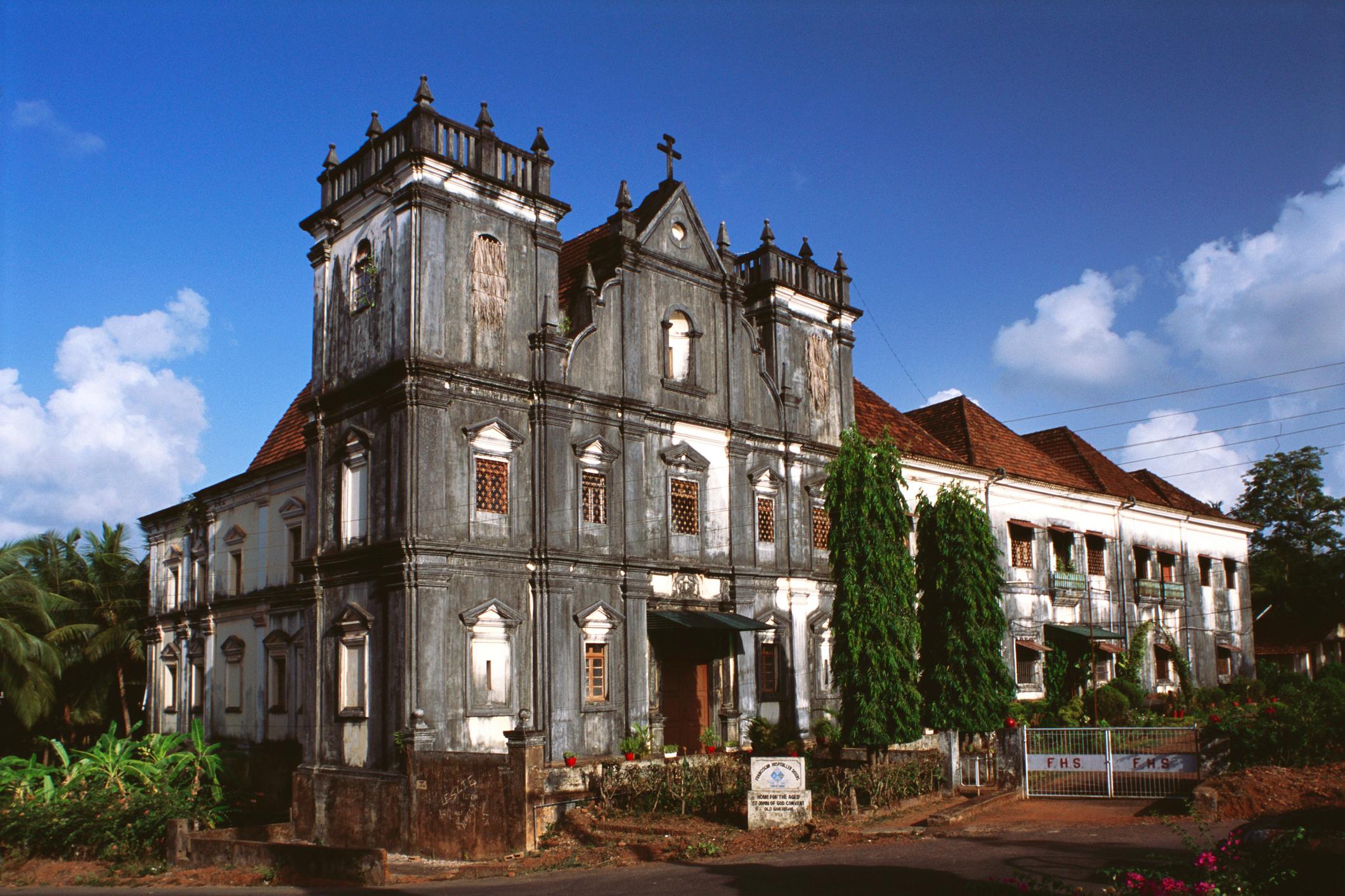
The religious significance of the site was revived in the 20th century when it was handed over to the Franciscan Missionaries of Mary. Today, the convent is once again a place of service, housing a home for the aged and an orphanage. This continuity of purpose—from the Hospitallers of the 1600s to the sisters of the present day—imbues the site with a unique spiritual energy. It is a place where the act of "loving thy neighbor" has been practiced for over 300 years. For the local Goan Catholic community, the church is a reminder of the resilience of faith through periods of political upheaval and institutional suppression.
Architecture of Convent And Church Of St. John Of God
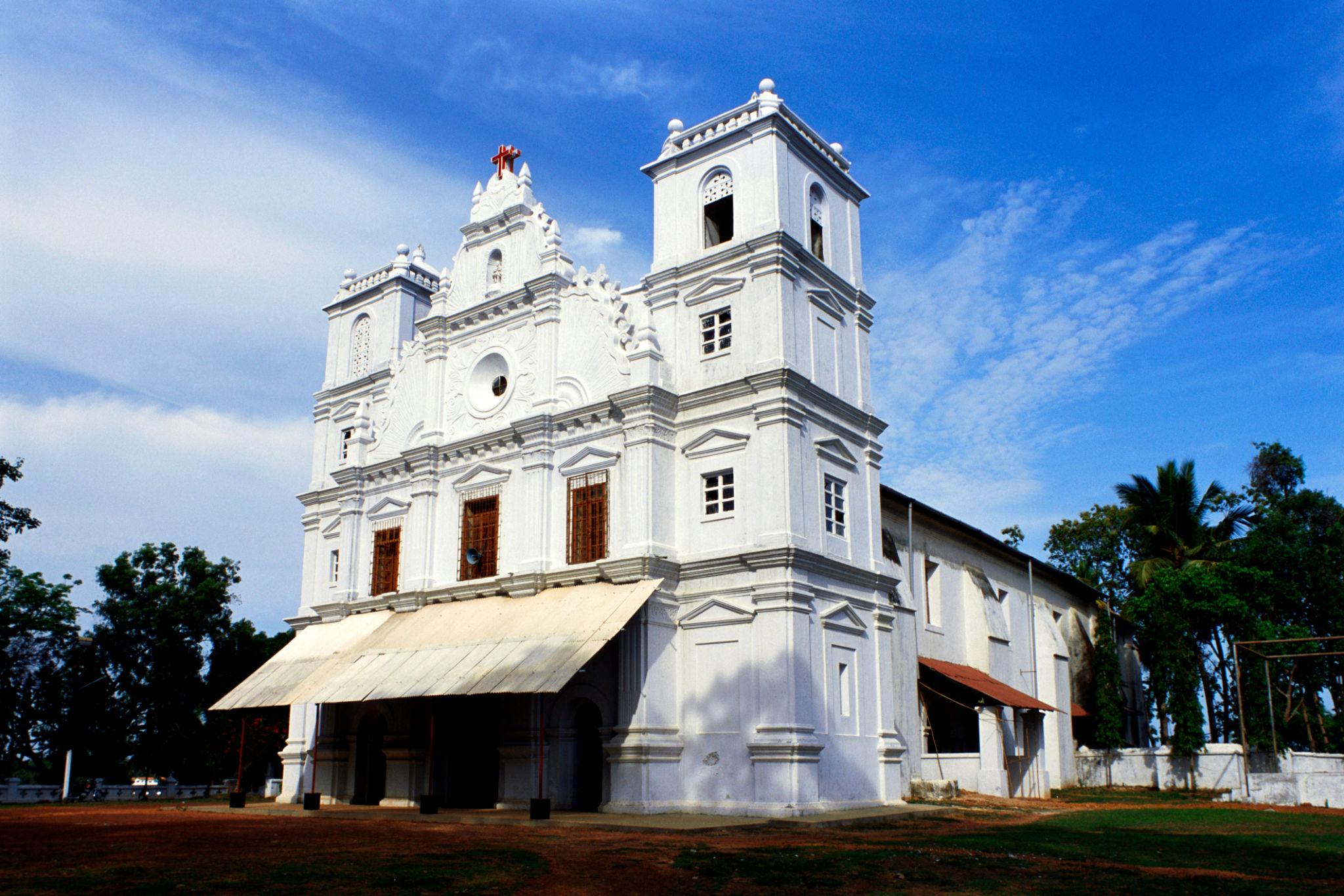
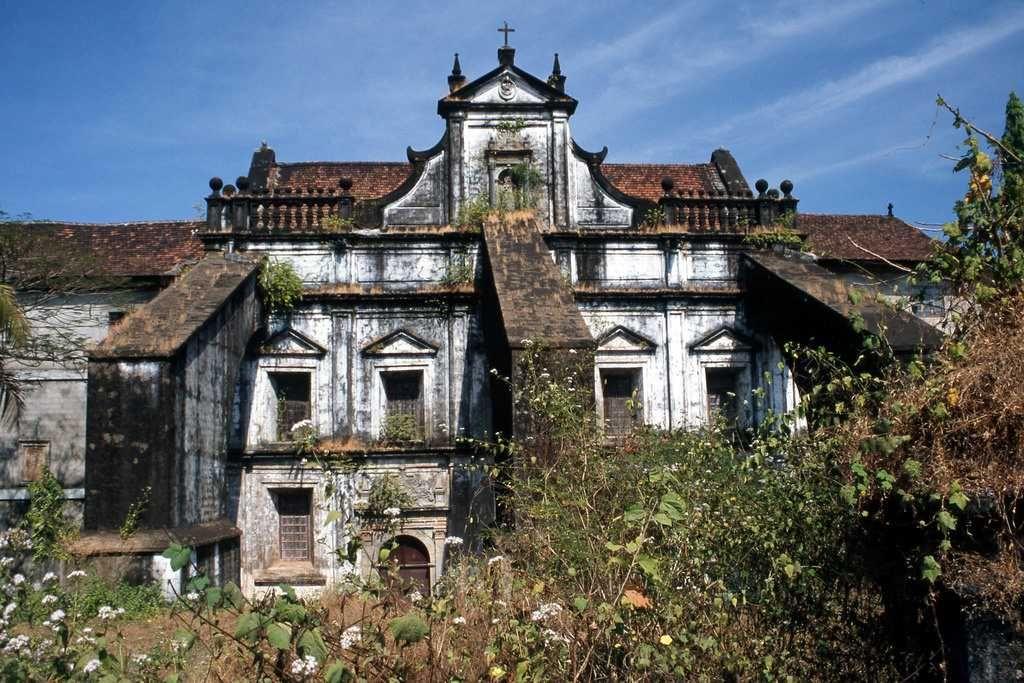
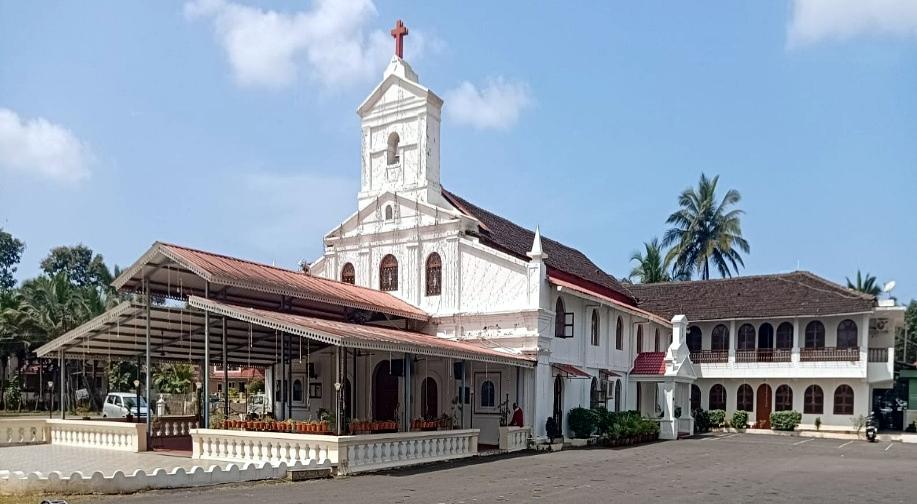
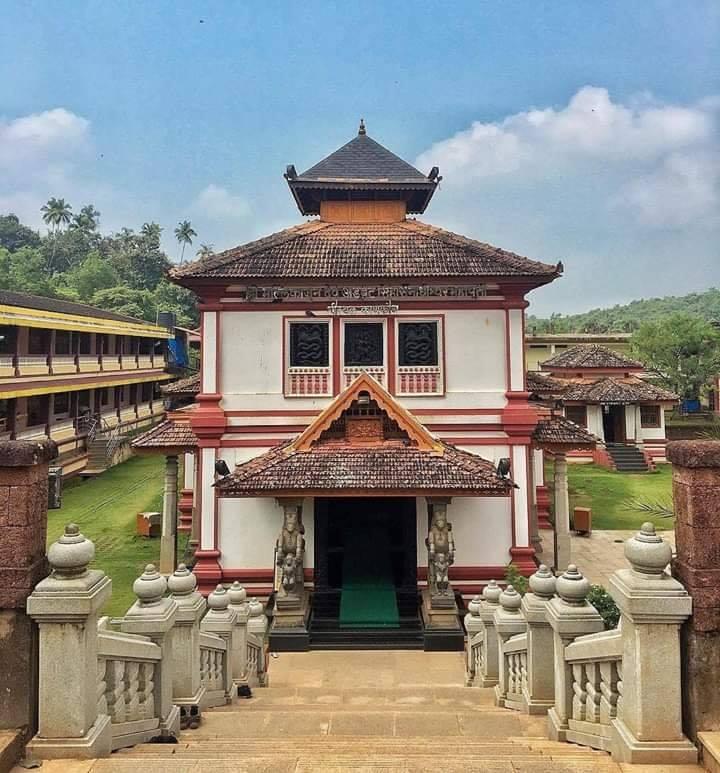
The architecture of the Convent and Church of St. John of God is a masterclass in the Indo-Portuguese "Plain Style." Unlike the grand, ornate facades of the Se Cathedral, this church features a more restrained and balanced design. The facade is divided into three distinct vertical sections by pilasters, and it rises through three stories, culminating in a triangular pediment. The use of local laterite stone, plastered with white lime, is characteristic of Goan ecclesiastical architecture, designed to withstand the heavy monsoon rains while reflecting the intense tropical sun.
One of the most striking features of the exterior is the low-pitched roof and the lack of a soaring bell tower, which gives the building a grounded, humble appearance. The windows are framed with simple moldings, and the main entrance is a modest arched doorway. Upon entering, the interior reveals a single nave with a vaulted ceiling. The lack of extensive ornamentation directs the visitor's focus toward the high altar. The altar itself is a beautiful example of wood carving, featuring intricate motifs that blend European Baroque sensibilities with local Goan craftsmanship. The gilded details, though faded by time, still catch the light in a way that feels ethereal during the morning hours.
The convent adjacent to the church is built around a central courtyard, a design common in Mediterranean architecture adapted for the Indian climate. This layout allowed for natural ventilation and provided a private space for the monks to meditate and tend to the sick. The thick walls, deep-set windows, and high ceilings are all functional elements that kept the interiors cool during the sweltering Goan summers. The choir loft, supported by heavy wooden beams, is another architectural highlight, offering a vantage point that reveals the geometric precision of the church’s layout. Every stone and beam in this structure tells a story of adaptation—how a European religious order adjusted its aesthetic and functional needs to the unique environment of the Konkan coast.
Main Deity / Spiritual Importance
The primary spiritual focus of the church is St. John of God (San Juan de Dios), the patron saint of hospitals, the sick, nurses, and booksellers. Born in Portugal but having spent much of his life in Spain, John of God underwent a profound spiritual conversion that led him to dedicate his life to the most marginalized members of society. His philosophy was simple: to serve Christ by serving the suffering. This "spirit of the Hospitallers" is the invisible foundation upon which this church was built.
Inside the church, the high altar is dedicated to St. John of God, often depicted in iconography carrying a pomegranate topped with a cross—a symbol of Granada, where he began his work, and a metaphor for the richness of charity. For pilgrims, the spiritual importance of this site lies in the concept of Mercy. While other churches in Old Goa might emphasize the majesty of God or the martyrdom of saints, this church emphasizes the humanity of Christ through the act of healing. It is a popular spot for those seeking prayers for health and recovery from illness.
The presence of the Franciscan Missionaries of Mary today reinforces this spiritual theme. The convent is not a museum; it is a living institution where the "Main Deity" is honored through daily acts of service to the elderly and the orphaned. Visitors often report a sense of profound peace here, a "quiet holiness" that is different from the awe-inspiring grandeur of the Basilica of Bom Jesus. The spiritual importance is thus twofold: it is a historical site of the Hospitaller mission and a contemporary site of ongoing Christian charity.
Festivals & Celebrations
The most significant event in the liturgical calendar of this church is the Feast of St. John of God, celebrated annually on March 8th. This day marks the death anniversary of the saint. The celebrations are characterized by a solemn High Mass, often attended by members of the medical profession in Goa, who look to St. John of God as their patron. The atmosphere is one of gratitude and devotion, with the church decorated with fresh local flowers like marigolds and lilies.
In addition to the main feast, the church participates in the wider celebrations of Old Goa. During the Novena and Feast of St. Francis Xavier (late November to December 3rd), the Convent of St. John of God becomes a place of respite for the thousands of pilgrims who trek from all over Goa and neighboring states. While it may not host the massive fair associated with the Basilica, it offers a space for quiet prayer away from the crowds. Holy Week is another time of deep significance, with traditional Goan Lenten processions passing through the streets of Old Goa, often stopping near the Holy Hill.
Christmas in this part of Goa is a magical experience. The sisters at the convent often set up a traditional Goan Crib (Nativity scene), and the midnight mass is a beautiful, community-focused affair. Local traditions, such as the singing of hymns in Konkani and the distribution of traditional Goan sweets like bebinca and dodol after the service, add a unique cultural flavor to the religious observances. For a visitor, attending a service during these times provides an authentic glimpse into the "Goan Catholic" way of life, which is a vibrant blend of Portuguese liturgy and Indian cultural expressions.
Best Time to Visit
To fully appreciate the beauty and tranquility of the Convent and Church of St. John of God, timing is essential. The best time to visit is between November and February. During these winter months, the weather in Goa is pleasant, with clear blue skies and a cool breeze, making the walk up the Holy Hill enjoyable rather than exhausting. The humidity is at its lowest, and the light during the "golden hour" (late afternoon) illuminates the whitewashed facade of the church in a stunning warm glow, perfect for photography.
If you prefer a more lush, atmospheric experience, the monsoon season (June to September) has its own charm. The laterite stones turn a dark, moody red, and the surrounding vegetation becomes a vibrant, neon green. However, be prepared for sudden downpours and high humidity. The church feels particularly cozy and protective during a rainstorm, providing a unique spiritual ambiance. Early morning (between 8:00 AM and 10:00 AM) is the ideal time of day to visit. The air is fresh, the site is quiet, and you can often hear the sisters chanting their morning prayers, which adds a layer of auditory beauty to your visit.
Avoid visiting during the peak afternoon heat (12:00 PM to 3:00 PM) as the sun can be quite punishing on the open hilltop. Also, keep in mind that during the Feast of St. Francis Xavier in early December, Old Goa becomes extremely crowded. While this is a great time for those who want to experience the religious fervor, those seeking solitude should plan their visit for late January or February when the crowds have thinned out but the festive spirit still lingers in the air.
Timings, Entry Fee & Dress Code
The Convent and Church of St. John of God generally follows the standard timings for religious sites in Old Goa. It is typically open to visitors from 9:00 AM to 12:30 PM and again from 3:00 PM to 5:30 PM. These timings can sometimes fluctuate based on the convent's internal schedule or specific religious services, so it is always a good idea to arrive with a bit of flexibility in your plans. On Sundays, the church is primarily used for Mass, and while visitors are welcome to attend the service, general sightseeing is discouraged during prayer times.
There is no entry fee to visit the church or the exterior of the convent. As a place of active worship and a residence for the elderly and nuns, it is maintained through donations and church funds. Visitors are welcome to leave a small contribution in the donation boxes inside the church to help with the upkeep of this historical monument. Such gestures are greatly appreciated by the local community and the presiding religious order.
Regarding the dress code, strict adherence to modesty is required, as is the case with all religious sites in Goa. Both men and women should ensure their shoulders and knees are covered. Avoid wearing sleeveless tops, short skirts, or beachwear. It is common practice to remove hats and sunglasses before entering the church. Since this is also a home for the aged, maintaining a low volume and respectful demeanor is not just a guideline but a necessity. By dressing and behaving respectfully, you honor the sanctity of the space and the dignity of the people who live and worship there.
How to Reach Convent And Church Of St. John Of God
Reaching the Convent and Church of St. John of God is relatively straightforward, as it is located in the well-connected area of Old Goa. If you are staying in Panjim (the capital city), the church is about 10 kilometers away. You can easily hire a taxi or an auto-执照-rickshaw for the 20-minute drive. For a more local experience, take one of the frequent blue-and-white buses from the Panjim Kadamba Bus Stand heading towards Ponda or Old Goa. These buses are very affordable and drop you off near the main complex of churches, from where you can walk or take a local pilot (motorcycle taxi) to the Holy Hill.
If you are coming from North Goa (Calangute, Baga, or Anjuna), the drive takes about 45 to 60 minutes depending on traffic. Many tourists prefer to rent a scooter or a car for the day to explore Old Goa at their own pace. From South Goa (Madgaon or Colva), the distance is approximately 30-35 kilometers. The drive via the NH66 is scenic, taking you through lush paddy fields and over the bridge across the Zuari River. Madgaon railway station is the nearest major railhead, and from there, you can catch a bus or hire a cab.
Once you are in the main square of Old Goa (near the Basilica of Bom Jesus), look for signs pointing towards the Church of St. Augustine or the Museum of Christian Art. The Convent of St. John of God is located on the same hill (Monte Santo). The walk up the hill is slightly inclined but paved and shaded by large trees. It offers beautiful views of the surrounding ruins and the Mandovi River in the distance. For those with mobility issues, it is recommended to take a taxi directly to the church gate, as the climb can be strenuous in the heat.
Things to Do
While the Convent and Church of St. John of God is a place of quietude, there are several engaging activities for the discerning traveler. First and foremost is architectural photography. The stark white facade against the deep blue Goan sky or the green monsoon foliage provides excellent composition opportunities. Pay attention to the details of the wooden doors and the weathered textures of the laterite walls. However, always remember to ask permission before photographing people, especially the residents of the convent.
Another soul-stirring activity is silent meditation or prayer. The interior of the church, with its simple altar and peaceful atmosphere, is perfect for those who want to escape the noise of modern life. Spend a few moments sitting in the pews, observing the way the light filters through the high windows. It is a space that encourages introspection. For history enthusiasts, exploring the exterior grounds is a must. You can see the remnants of the old hospital structures and imagine the Hospitaller brothers going about their daily rounds three centuries ago.
You can also engage in bird watching. The Holy Hill is a relatively quiet area with plenty of old trees, making it a haven for local bird species like the Malabar Whistling Thrush or the Golden Oriole. Bring a pair of binoculars and enjoy the natural side of Old Goa. Lastly, consider supporting the convent’s mission. Many visitors choose to bring small donations of clothes or non-perishable food items for the orphanage and the home for the aged. Engaging with the sisters and learning about their current work provides a contemporary context to the historical site, making your visit more meaningful and impactful.
Nearby Attractions
The Convent and Church of St. John of God is surrounded by some of the most significant historical monuments in India. Just a short walk away are the Ruins of the Church of St. Augustine. Once one of the largest churches in the world, only a single 46-meter high bell tower remains standing, casting a dramatic silhouette against the sky. It is a hauntingly beautiful site that complements the more intact structure of St. John of God. Right next to the ruins is the Convent of Santa Monica, which houses the Museum of Christian Art. This museum is a treasure trove of Indo-Portuguese art, featuring exquisite statues, vestments, and silverwork that highlight the fusion of Indian craftsmanship and Christian themes.
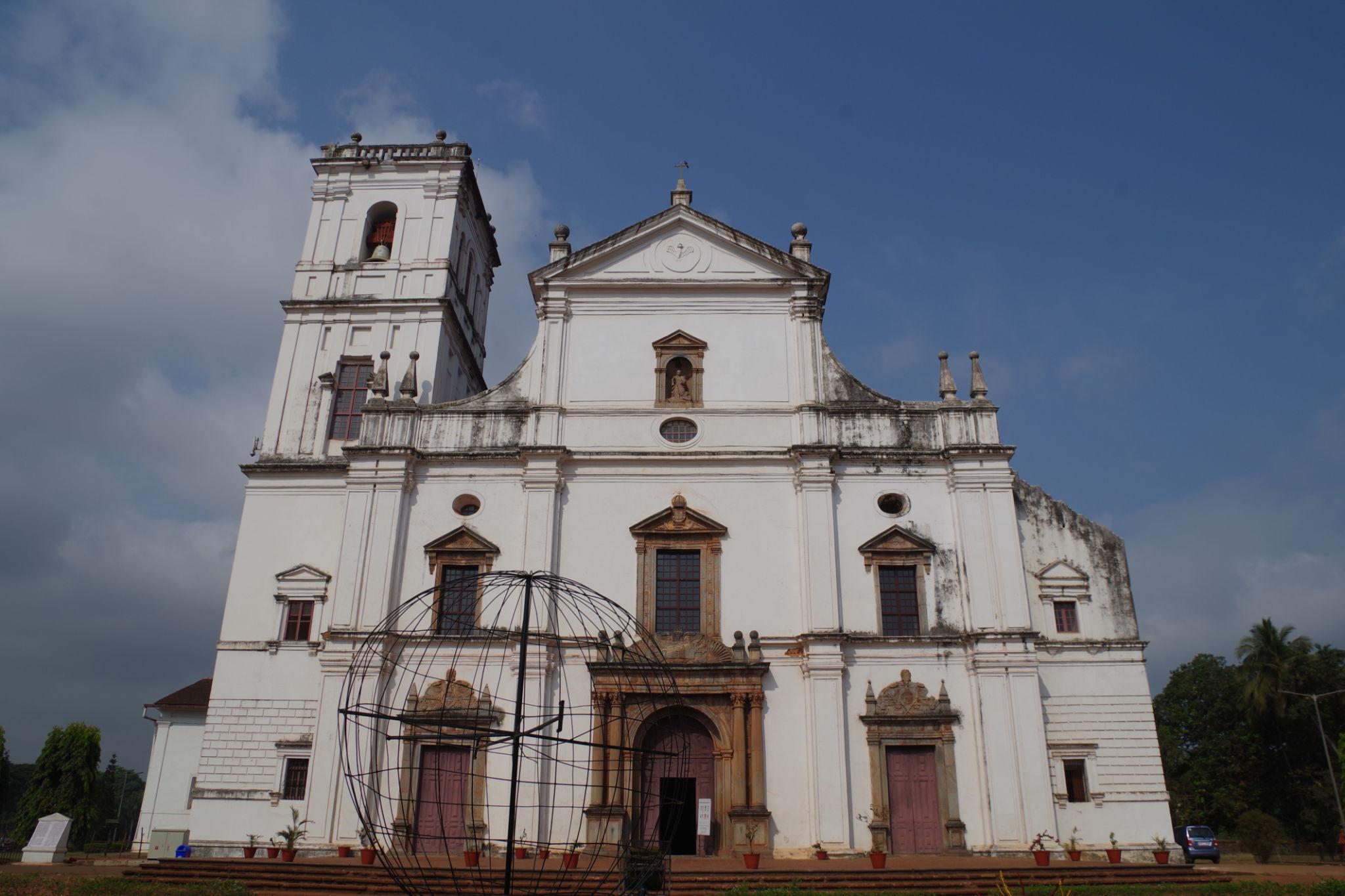
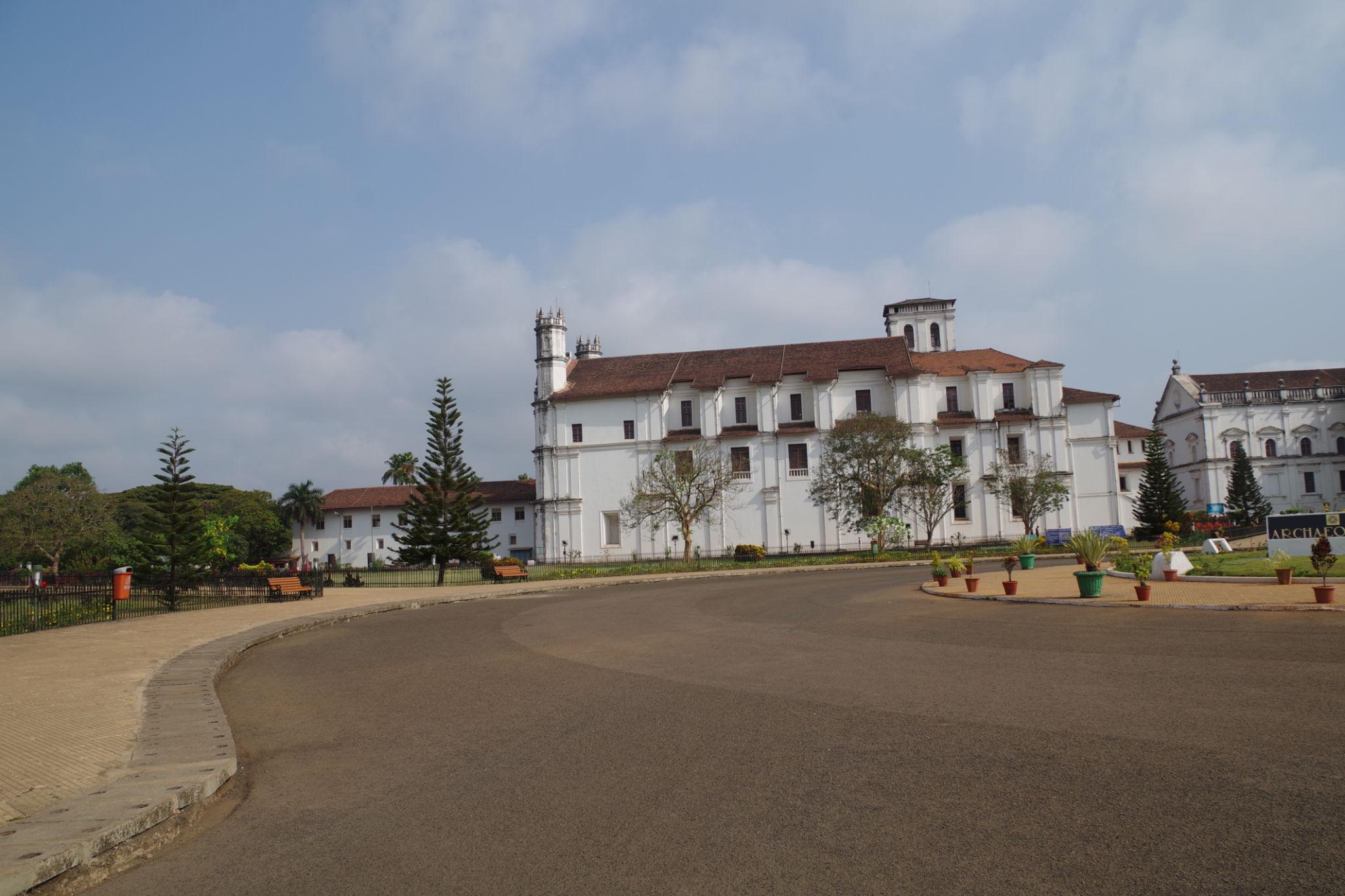
Down the hill, you will find the giants of Old Goa: the Basilica of Bom Jesus and the Se Cathedral. The Basilica is world-famous for housing the mortal remains of St. Francis Xavier and is a masterpiece of Baroque architecture. The Se Cathedral, dedicated to St. Catherine, is known for its "Golden Bell" and its sheer scale, being one of the largest churches in Asia. Between these two is the Church of St. Francis of Assisi and the Archaeological Museum, which contains artifacts from the pre-Portuguese Kadamba era as well as colonial portraits and sculptures.
For those interested in a bit of nature and a different perspective, a visit to the Viceroys’ Arch and the Gateway of the Palace of Adil Shah near the riverfront is recommended. These structures represent the transition from the Islamic rule of the Bijapur Sultanate to the Portuguese era. If you have extra time, take a short ferry ride from the Old Goa jetty to Divar Island. The island offers a glimpse into rural Goan life, with winding lanes, old villas, and the beautiful Church of Our Lady of Compassion atop a hill. Exploring these nearby attractions allows you to see the Convent of St. John of God as part of a much larger, complex historical narrative.
Photography & Visitor Guidelines
To ensure a respectful and productive visit to the Convent and Church of St. John of God, it is important to follow certain guidelines. Photography is generally permitted on the exterior of the church and convent. The interplay of light and shadow on the white walls is a photographer's delight. However, photography inside the church during mass or prayer services is strictly prohibited. Even when the church is empty, it is polite to look for any signs indicating restrictions or to ask the caretaker or one of the sisters for permission. Using flash is discouraged as it can damage ancient pigments and disturb the peaceful environment.
Drones are generally not allowed in the Old Goa heritage zone without prior permission from the Archaeological Survey of India (ASI) and local authorities. Given the proximity to active religious residences, flying drones can be seen as an invasion of privacy. When taking photos of the convent, please be mindful that this is a home for the aged. Avoid taking close-up shots of the residents or the sisters without their explicit consent. Respecting their privacy is paramount.
Beyond photography, visitors are expected to maintain silence. This is not a place for loud conversations or playing music. Turn your mobile phones to silent mode before entering the church premises. Littering is a serious offense; ensure you carry any trash back with you or use the designated bins near the main road. Lastly, do not touch the altars, statues, or any historical artifacts. These items are centuries old and the oils from human skin can accelerate their deterioration. By following these simple guidelines, you help preserve the integrity of the site for future generations of pilgrims and travelers.
Where to Eat Nearby
After a morning of exploring the Holy Hill, you will likely have worked up an appetite. While the immediate vicinity of the Convent and Church of St. John of God is quiet, the main area of Old Goa offers several dining options. For a quick and authentic Goan snack, look for local "gadhas" or kiosks near the bus stand. Here you can try Ros Omelette (an omelette served with spicy gravy), Samosas, or Batata Vada. These are usually accompanied by a hot cup of masala chai.
For a more formal sit-down meal, Vila Nova Resort & Restaurant is a popular choice nearby, offering a range of Goan, North Indian, and Continental dishes. If you want to sample true Goan Catholic cuisine, head towards Panjim (15 minutes away) to iconic spots like Viva Panjim or The Horse Shoe. Here, you can indulge in traditional dishes like Fish Curry Rice, Pork Vindaloo, Chicken Xacuti, and Sorpotel. These dishes reflect the same cultural fusion seen in the architecture of the church—European ingredients and techniques blended with local spices and coconut.
If you are looking for a more modern vibe, Cafe Tato in Panjim is famous for its Goan breakfast items like Baji-Pao. For those who prefer vegetarian options, Bhojan in Panjim offers a fantastic Gujarati thali, though it is a bit of a drive from Old Goa. For a truly unique experience, consider visiting one of the spice plantations in Ponda (about 20-30 minutes from Old Goa), where you can enjoy a traditional Goan buffet lunch served on banana leaves, often included as part of a plantation tour. Remember to stay hydrated; local tender coconut water sold by street vendors is the best way to beat the Goan heat.
Accommodation Nearby
Choosing the right place to stay can significantly enhance your experience of visiting historical sites like the Convent and Church of St. John of God. For those who want to stay within walking distance of the monuments, Old Goa Heritage View offers comfortable rooms with views of the historic skyline. Another nearby option is the Old Goa Residency, managed by the Goa Tourism Development Corporation (GTDC). It provides basic, clean, and affordable accommodation right in the heart of the heritage zone, making it ideal for early morning explorations.
For a more luxurious or heritage-focused stay, many travelers choose to stay in Panjim or the nearby Fontainhas (Latin Quarter). Hotels like The Crown Goa offer stunning views of the Mandovi River, while boutique heritage hotels like WelcomHeritage Panjim Inn allow you to live inside a restored Portuguese-era mansion. Staying in Fontainhas provides a similar historical ambiance to Old Goa, with its colorful narrow streets and Mediterranean-style houses.
If you prefer a quieter, more rural setting, look for homestays on Divar Island or in the village of Raia. These locations offer a peaceful retreat away from the tourist trail, allowing you to experience the "Susegad" (laid-back) lifestyle of Goa. For beach lovers, the North Goan coast (Candolim or Sinquerim) is about 45 minutes away and offers everything from backpacker hostels to five-star resorts like the Taj Fort Aguada. However, staying closer to Old Goa or Panjim is recommended if your primary goal is to delve deep into the history and spirituality of the region.
Travel Tips
To make the most of your visit to the Convent and Church of St. John of God, here are some practical travel tips. First, wear comfortable walking shoes. Old Goa is best explored on foot, and the terrain around the Holy Hill can be uneven. Second, carry a bottle of water and a hat. Even in the winter, the Goan sun can be quite strong, especially when you are walking between monuments. There are limited shops on the hilltop, so it’s best to be prepared.
Third, hire a local guide if you want to understand the deeper historical nuances. While signs provide basic information, a professional guide can point out specific architectural details and share local legends that you won't find in most guidebooks. Ensure the guide is recognized by the Goa Tourism Department. Fourth, combine your visit with other sites on the Holy Hill, such as the Church of Our Lady of the Rosary and the Royal Chapel of St. Anthony, to save time and energy. These are often overlooked but are equally fascinating.
Fifth, be mindful of local customs. When entering a Goan home or a smaller chapel, it is sometimes customary to remove your shoes, though this is not usually required in the larger churches. Always observe what the locals are doing. Sixth, plan for transport in advance if you are visiting late in the evening. While taxis are available during the day, they can be harder to find after sunset on the Holy Hill. Using apps like GoaMiles can help you book a taxi at government-approved rates. Lastly, bring a power bank for your phone or camera; between the stunning architecture and the scenic views, you will likely be taking a lot of photos!
Conclusion
The Convent and Church of St. John of God is more than just a historical monument; it is a living sanctuary that bridges the gap between Goa's colonial past and its compassionate present. It stands as a silent witness to centuries of change, from the arrival of the Hospitaller Brothers in their quest to heal the sick, to the modern-day sisters who continue that legacy of care. Its "Plain Style" architecture serves as a reminder that spiritual beauty often lies in simplicity and purpose rather than in grandiosity and gold.
As you descend from the Holy Hill, leaving the whitewashed walls and the quiet courtyard behind, you carry with you a sense of the "other" Goa. This is the Goa of faith, of resilience, and of a community that has found a way to preserve its unique heritage amidst the pressures of the modern world. Whether you came for the history, the architecture, or a moment of spiritual peace, the Convent and Church of St. John of God offers a profound experience that lingers long after you have left its gates. It is a must-visit for anyone who wishes to truly understand the heart and soul of Old Goa.
In the grand narrative of Goan tourism, sites like these are the anchors. They provide the depth and context that make the beaches and festivals more meaningful. By visiting the Convent and Church of St. John of God, you are not just a tourist; you are a witness to a 300-year-old tradition of service and sanctity. So, the next time you find yourself in the "Rome of the East," take the path less traveled, climb the Holy Hill, and discover the quiet majesty of St. John of God. It is a journey into the spiritual heart of India’s most famous coastal state, and it is an experience you will not soon forget.