Overview of Miraculous Cross Anjuna
Nestled in the heart of one of North Goa’s most vibrant and iconic coastal villages, the Miraculous Cross Anjuna stands as a serene sentinel of faith amidst the bohemian energy of the region. While Anjuna is globally renowned for its legendary trance parties, bustling flea markets, and golden sunsets, the Miraculous Cross offers a stark and soulful contrast. It represents the spiritual backbone of the local Catholic community, serving as a site of profound devotion, quiet reflection, and reported divine interventions. This sacred landmark, known locally as the Cruz Milagrosa, is not merely a monument of stone and mortar; it is a living testament to the syncretic culture of Goa, where ancient traditions blend seamlessly with modern coastal life.
For the traveler who seeks to look beyond the neon lights and bass-heavy beach clubs, the Miraculous Cross provides a window into the "real" Goa. It is situated in a location that captures the essence of the Konkan coast—surrounded by swaying coconut palms, traditional Indo-Portuguese villas, and the salty tang of the Arabian Sea. Visitors often find themselves drawn to this spot not just for its religious significance, but for the palpable sense of peace that permeates the air. Whether you are a devout pilgrim seeking a blessing or a curious traveler interested in Goan heritage, the Miraculous Cross Anjuna is a destination that demands a slow, respectful visit. In this guide, we will delve deep into the layers of history, architecture, and local lore that make this site a cornerstone of Anjuna’s cultural identity.
Top Goa Experience • Part 1
Highly Recommended Near Miraculous Cross Anjuna
Explore All
History & Religious Significance
The history of the Miraculous Cross Anjuna is deeply intertwined with the colonial and religious evolution of Goa. Following the Portuguese conquest in 1510, the region underwent a massive spiritual transformation. Crosses, or Cruzeiros, were erected at almost every crossroads, hilltop, and village entrance. These were not just markers of a new faith but were believed to act as spiritual shields, protecting the inhabitants from evil spirits, plagues, and natural disasters. The Miraculous Cross in Anjuna holds a special place in this historical tapestry. Local oral traditions suggest that the cross has been a site of veneration for centuries, with its origins dating back to a time when the village was transitioning into a stronghold of Christianity.
The "miraculous" designation is not a title given lightly. It stems from generations of testimonies from locals who claim that prayers offered at this cross have led to miraculous healings, the resolution of family disputes, and protection for the village fishermen venturing into the temperamental sea. During the dark days of the plague and various epidemics that swept through the Konkan region in the past, the community would gather here to seek divine mercy. It is said that the cross remained a beacon of hope when all else failed. The religious significance also extends to the concept of the "Ganvkar" (the original villagers), who have maintained the cross through centuries, ensuring that the flame of faith never flickers out. Today, it remains a site where the traditional Goan Catholic identity is fiercely preserved and celebrated.
Recommended Guide
Candolim Beach vs Anjuna Beach for Couples: Which is Better for a Romantic Goa Trip? (2026 Guide)
Planning a romantic getaway in Goa and confused between **Candolim Beach vs Anjuna Beach for couples**? You’re not alone. These two iconic North Goa beac...
Read Guide →
Architecture of Miraculous Cross Anjuna
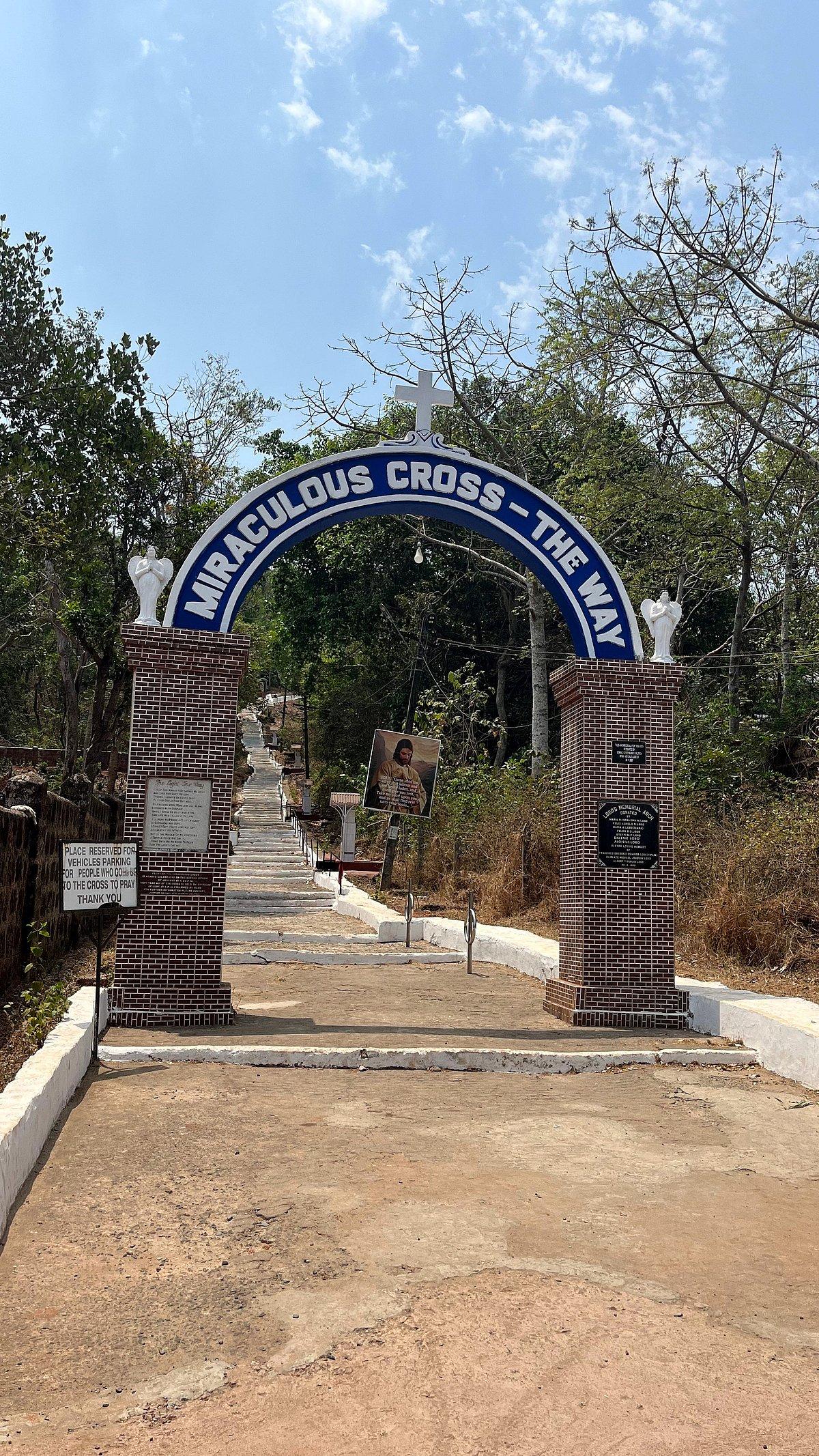
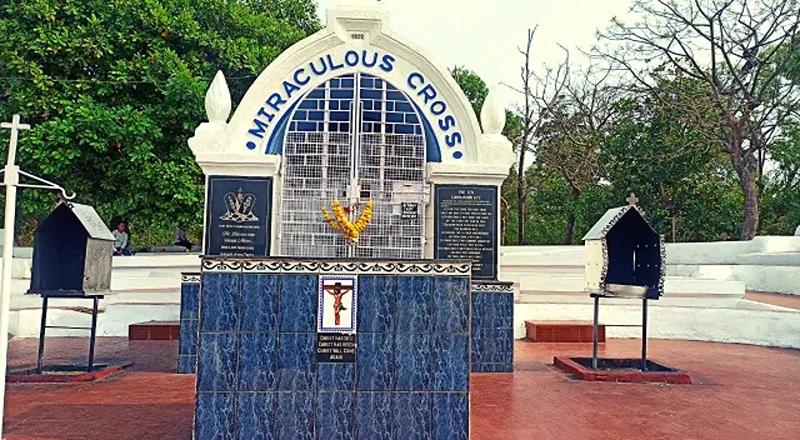
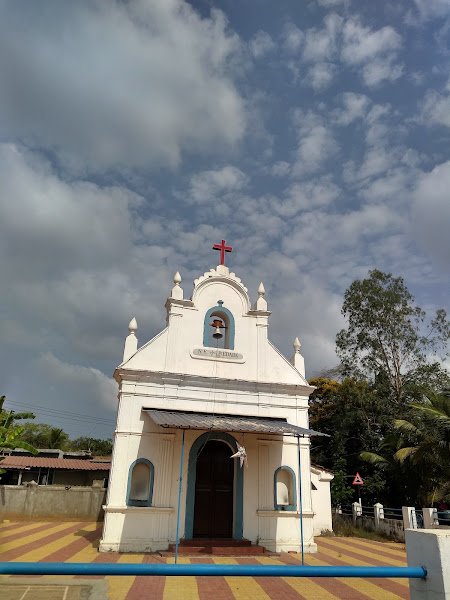
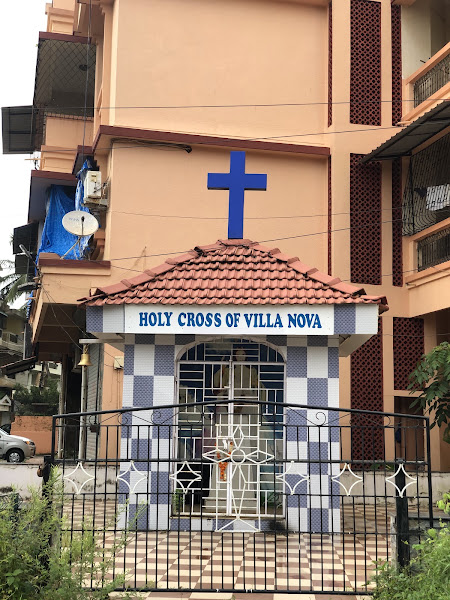
The architecture of the Miraculous Cross is a beautiful example of the Goan-Portuguese Baroque style, albeit on a smaller, more intimate scale than the grand cathedrals of Old Goa. The structure typically consists of a high, tiered pedestal made of laterite stone—a reddish volcanic rock indigenous to Goa—which is then coated with thick layers of white lime plaster. This whitewashed finish is iconic to Goan religious structures, symbolizing purity and making the cross visible from a distance against the lush green landscape. The pedestal often features intricate moldings and niches where devotees place candles and oil lamps, creating a warm, flickering glow during the evening hours.
The cross itself is usually crafted from basalt or reinforced concrete in modern renovations, designed with elegant proportions. You will notice the influence of Manueline art in the subtle carvings at the base, which may include floral motifs, grapevines (symbolizing the blood of Christ), or geometric patterns. Unlike the plain crosses found in other parts of the world, Goan crosses are often adorned with a "halo" or a decorative metal frame that may be illuminated at night. The surrounding area is usually paved with local stone, providing a clean space for pilgrims to kneel. The simplicity of the design is intentional; it focuses the worshiper's attention on the spiritual essence of the cross rather than on opulent ornamentation, reflecting the humble lifestyle of the traditional Anjuna villagers.
Recommended Guide
Vagator Beach Nightlife
When people think about Goa's nightlife, destinations like Baga, Calangute, and Anjuna often come to mind first. However, in recent years, **Vagator Beach...
Read Guide →
Main Deity / Spiritual Importance
While the central focus is the Holy Cross, representing the sacrifice and resurrection of Jesus Christ, the spiritual importance of the Miraculous Cross Anjuna transcends standard denominational boundaries. In the Goan context, the Cross is often treated as a "living" entity—a guardian of the locality. It is common to see locals, regardless of their religious background, bowing their heads or making the sign of the cross as they pass by on their scooters or on foot. This practice, known as "Veneração," highlights the cross's role as a communal protector.
The spiritual energy of the site is believed to be most potent during the twilight hours. Many devotees believe that the Holy Spirit dwells particularly strongly at this location, offering clarity to those in distress. It is a popular spot for "votive" offerings. If a prayer is answered—be it for a child’s health, a successful harvest, or a job opportunity—the devotee returns to the cross to offer candles, flowers (usually marigolds or jasmine), or even small wax effigies of the body part that was healed. This deeply personal connection between the divine and the daily lives of the people is what gives the Miraculous Cross its profound spiritual weight.
Recommended Guide
Jet Surfing in Goa: The Ultimate Guide to Goa’s Most Exciting Water Adventure
Goa is widely known as India's water sports capital, attracting adventure enthusiasts from across the country and around the world. While activities such a...
Read Guide →
Festivals & Celebrations
The Miraculous Cross Anjuna comes alive during specific times of the year, with celebrations that are a sensory delight for any visitor. The most significant event is the Feast of the Cross, traditionally celebrated in May. This period marks the end of the summer and the beginning of the monsoon preparations. The feast is preceded by a Novena—nine days of preparatory prayer and devotion. During these nine days, the local community gathers every evening to recite the Rosary and sing Ladainhas (litanies in Konkani and Latin). The sound of these traditional hymns, often accompanied by a violin or a portable organ, echoing through the salty Anjuna air is a hauntingly beautiful experience.
Top Goa Experience • Part 2
Highly Recommended Near Miraculous Cross Anjuna
Explore All
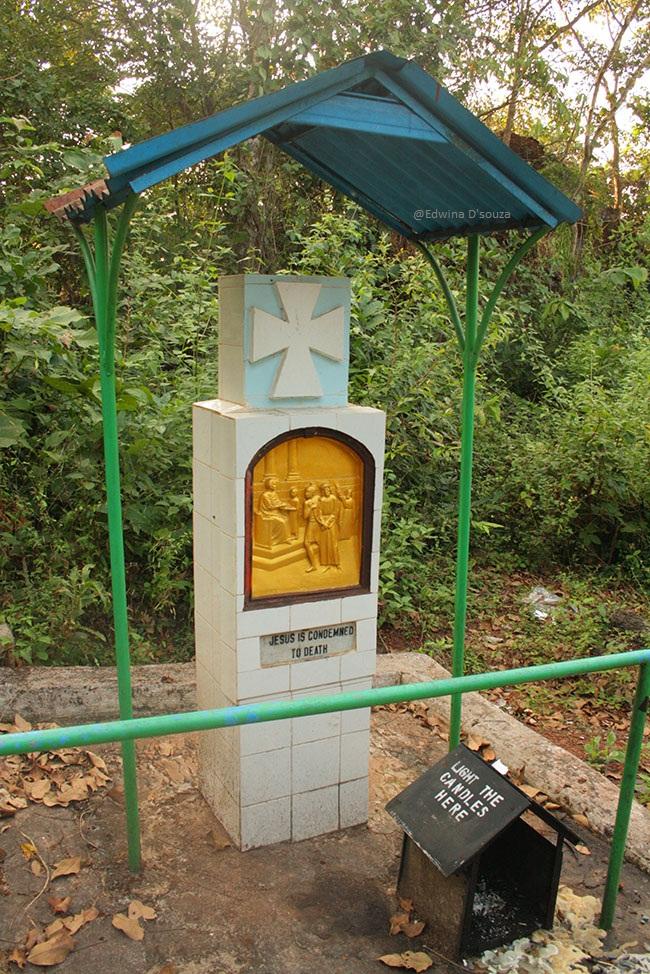
On the feast day itself, the cross is draped in vibrant garlands of fresh flowers and colorful silks. A grand mass is often held nearby, followed by a procession. The celebration is not just spiritual but social; it is a time for families to reunite. Small stalls are set up selling traditional Goan sweets like Bebinca, Dodol, and Doce, as well as toys for children and religious icons. Another important time is Lent, specifically Good Friday, when the cross becomes a station for the "Way of the Cross" processions. The atmosphere during these times shifts from joyous celebration to solemn reflection, showcasing the emotional range of the Goan faith.
Best Time to Visit
To fully appreciate the beauty and spiritual ambiance of the Miraculous Cross Anjuna, timing is essential. The best time to visit is during the winter months, from November to February. During this period, the weather in North Goa is pleasant, with cool breezes and clear blue skies, making it comfortable to spend time outdoors in prayer or photography. The humidity is low, and the golden hour (just before sunset) provides the most stunning light for viewing the whitewashed structure against the darkening sky.
If you wish to witness the cultural vibrancy of the site, visiting in May during the Feast of the Cross is highly recommended. Though the heat can be intense, the spiritual fervor and traditional Goan festivities offer an unparalleled cultural experience. Alternatively, for those seeking absolute peace and solitude, the Monsoon season (June to September) has its own charm. The surrounding foliage turns a brilliant emerald green, and the sound of the rain lashing against the stone pedestal creates a meditative environment, though you should be prepared for heavy downpours and limited local transport.
Timings, Entry Fee & Dress Code
The Miraculous Cross Anjuna is an open-air public religious site, and as such, it follows guidelines that respect its sanctity:
- Timings: The cross is accessible 24 hours a day, 7 days a week. However, the most appropriate times to visit are between 6:00 AM and 8:00 PM. Visiting late at night is generally discouraged out of respect for the neighboring residential areas.
- Entry Fee: There is no entry fee to visit the Miraculous Cross. It is a place of worship open to all. Donations for the maintenance of the site are often accepted via a small donation box (Hundi) located near the base.
- Dress Code: While Anjuna is known for its relaxed beachwear, visitors to the Miraculous Cross should adhere to a modest dress code. Both men and women are encouraged to cover their shoulders and knees. Avoid wearing swimwear, revealing outfits, or transparent clothing. Removing footwear before stepping onto the immediate platform of the cross is a sign of local respect, though not always mandatory unless a service is in progress.
How to Reach Miraculous Cross Anjuna
Reaching the Miraculous Cross is relatively easy, as it is located in a well-known part of North Goa. Here are the best ways to get there:
- By Scooter/Bike: The most popular way to navigate Anjuna is by renting a scooter. The cross is located on the main internal roads of Anjuna. Simply plug "Miraculous Cross Anjuna" into your GPS, and you will enjoy a scenic ride through winding lanes lined with old Portuguese houses.
- By Taxi/Auto-Rickshaw: Taxis are readily available from all major hubs like Calangute, Baga, and Mapusa. Simply ask the driver for the "Cruz Milagrosa" or the Miraculous Cross in Anjuna. Ensure you negotiate the fare beforehand or use a ride-hailing app if available.
- By Bus: Local buses run frequently from the Mapusa Bus Stand to Anjuna. From the Anjuna bus stop, the cross is usually a short walk or a quick rickshaw ride away.
- From the Airport: The Manohar International Airport (Mopa) is roughly 30 km away, while Dabolim Airport is about 45 km away. Prepaid taxis are the most convenient option from either airport.
Things to Do
While the Miraculous Cross is a place of worship, there are several activities you can engage in to enrich your visit:
- Offer a Prayer: Join the locals in lighting a candle. You can purchase candles from nearby small shops or bring your own. It is a moment to set an intention or simply offer gratitude.
- Observe Local Traditions: If you visit during the evening, you might witness a Ladainha (litany). Sitting quietly and observing the communal singing is a profound cultural experience.
- Photography: The cross is a beautiful subject for photography, especially with the contrast of the white stone against the tropical background. (See the Guidelines section for rules).
- Meditation: The quiet corners around the cross are perfect for a few minutes of silent meditation or journaling.
- Village Walk: Use the cross as a starting point for a walking tour of Anjuna’s backstreets. You’ll discover hidden bakeries, ancient wells, and beautiful colonial architecture that most tourists miss.
Nearby Attractions
Anjuna is a treasure trove of attractions. After visiting the Miraculous Cross, you can explore the following sites within a 3-5 km radius:
- Anjuna Beach: Just a short distance away, this beach is famous for its rocky outcrops and vibrant sunset views. It’s perfect for a post-devotional stroll.
- Chapora Fort: Famous for its appearance in Bollywood films, this fort offers panoramic views of the Vagator coastline and the Chapora River. It is especially beautiful at sunset.
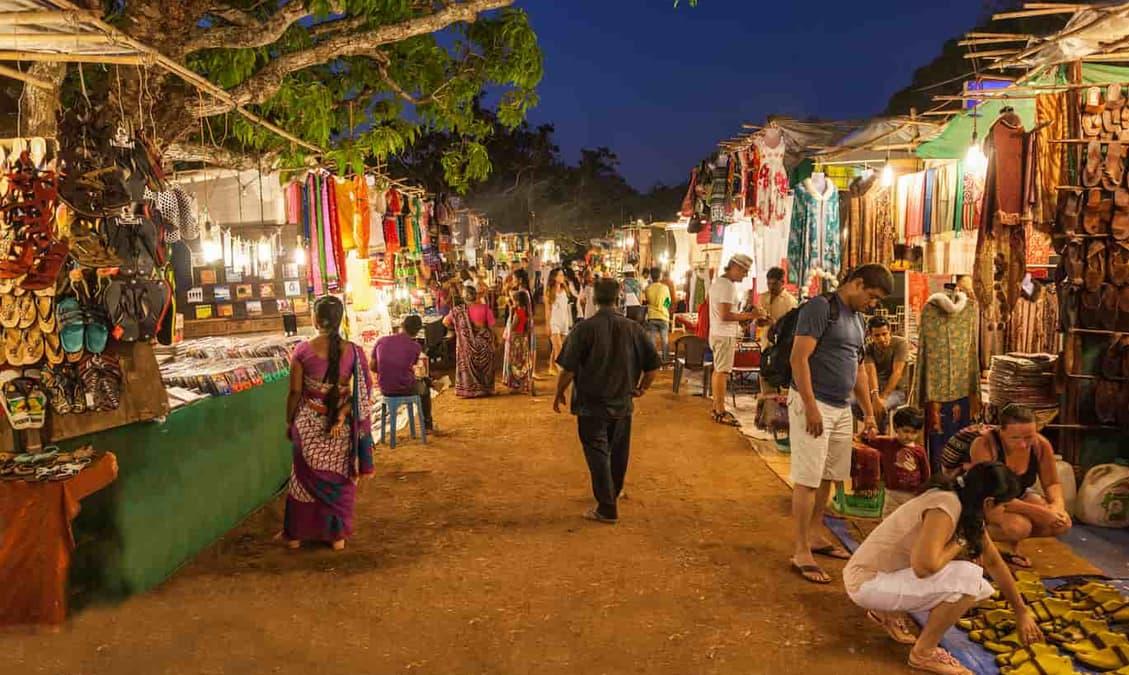
- Anjuna Flea Market: If you visit on a Wednesday, the world-famous flea market is a must-visit for handicrafts, jewelry, and clothing.
- St. Michael’s Church: One of the oldest churches in Goa, located in Anjuna, featuring stunning altars and a peaceful courtyard.
- Vagator Beach & Ozran Beach: Neighboring beaches that offer a more rugged beauty, featuring the famous Shiva carving on the rocks at Ozran.
Photography & Visitor Guidelines
To ensure that the sanctity of the Miraculous Cross is maintained, visitors are requested to follow these guidelines:
- Respect the Worshipers: If you see someone praying, do not stand directly in front of them or use a flash. Maintain silence and avoid loud conversations.
- Photography Rules: While photography is generally permitted, avoid taking "selfies" that appear disrespectful or overly casual. Focus on the architecture and the environment. Do not climb on the pedestal or the structure for photos.
- Littering: Goa faces significant waste management challenges. Please do not leave candle wrappers, plastic bottles, or any trash at the site. Use the provided bins or carry your trash back with you.
- Holy Offerings: If you choose to offer flowers, ensure they are fresh. Avoid leaving perishable food items that might attract stray animals.
- No Alcohol/Smoking: Consuming alcohol or smoking near the religious site is strictly prohibited and highly offensive to the local community.
Where to Eat Nearby
Anjuna is a culinary hotspot, offering everything from traditional Goan fish thalis to international vegan cuisine. Here are some top picks near the Miraculous Cross:
- Vinayak Family Restaurant: Located a short drive away, this is the go-to spot for an authentic Goan Fish Thali. It is always packed with locals and savvy travelers.
- Artjuna: A beautiful garden cafe set in an old Portuguese house. It’s perfect for a healthy breakfast, Mediterranean salads, and excellent coffee.
- Baba Au Rhum: Tucked away in the lanes of Anjuna, this place is famous for its wood-fired pizzas, croissants, and bohemian vibe.
- Eva Cafe: A stunning sea-facing cafe that offers a Grecian vibe and light bites, perfect for watching the sunset after your visit to the cross.
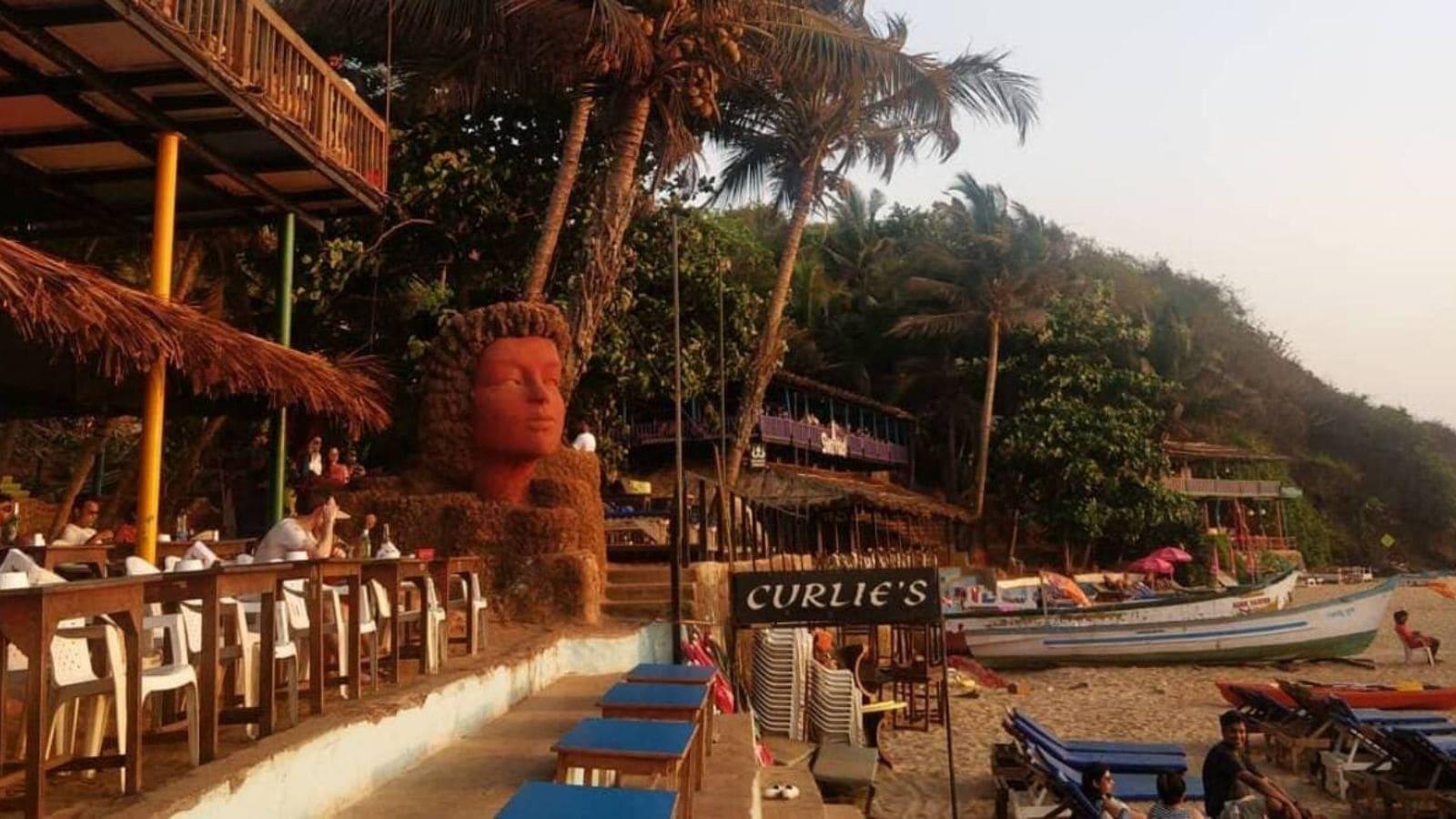
- Curlies or Shiva Valley: For those who want to experience the legendary Anjuna beach shack culture, these are the most iconic spots on the beach.
Accommodation Nearby
Whether you are a luxury seeker or a backpacker, Anjuna has plenty of options near the Miraculous Cross:
- Luxury: The Westin Goa or W Goa (nearby in Vagator) offer world-class amenities and stunning views.
- Boutique Heritage: Look for stays in restored villas like Granpa's Inn Hotel Bougainvillea, which provides an authentic Goan experience with modern comforts.
- Mid-Range: Spazio Leisure Resort offers a comfortable stay with a traditional Goan aesthetic and a central location.
- Hostels: Anjuna is the hostel capital of India. Hostelworld favorites like The Yellow House or Pappi Chulo are great for solo travelers looking to socialize.
- Guesthouses: Many local families offer rooms or small cottages for rent, providing a more intimate and budget-friendly way to experience village life.
Travel Tips
To make your trip to the Miraculous Cross Anjuna seamless, keep these tips in mind:
- Stay Hydrated: The Goan sun can be unforgiving. Always carry a reusable water bottle.
- Local Etiquette: A simple "Dev Borem Korun" (May God do good to you) is a great way to thank locals and will always be met with a smile.
- Cash vs. Card: While many cafes accept cards and UPI, smaller shops near the cross and local transport might require cash. Keep some small denominations handy.
- Sun Protection: Wear sunscreen and a hat, especially if you are walking between attractions during the day.
- Safety: Anjuna is generally safe, but always be mindful of your belongings in crowded areas like the flea market or beach shacks.
Conclusion
The Miraculous Cross Anjuna is more than just a religious landmark; it is the quiet heartbeat of a village that is often misunderstood as merely a party destination. It offers a space where history, faith, and community converge, providing a grounding experience for anyone who visits. By standing before this whitewashed cross, you are connecting with centuries of Goan heritage and the unwavering faith of the people who call this beautiful coast their home. Whether you come seeking a miracle, a photograph, or a moment of silence, the Miraculous Cross welcomes you with open arms and a sense of timeless peace. As you leave the site and head back into the vibrant chaos of Anjuna, you carry with you a piece of the "Susegad" spirit—a uniquely Goan blend of contentment, relaxation, and spiritual fulfillment.