
Overview of Dudhsagar waterfall
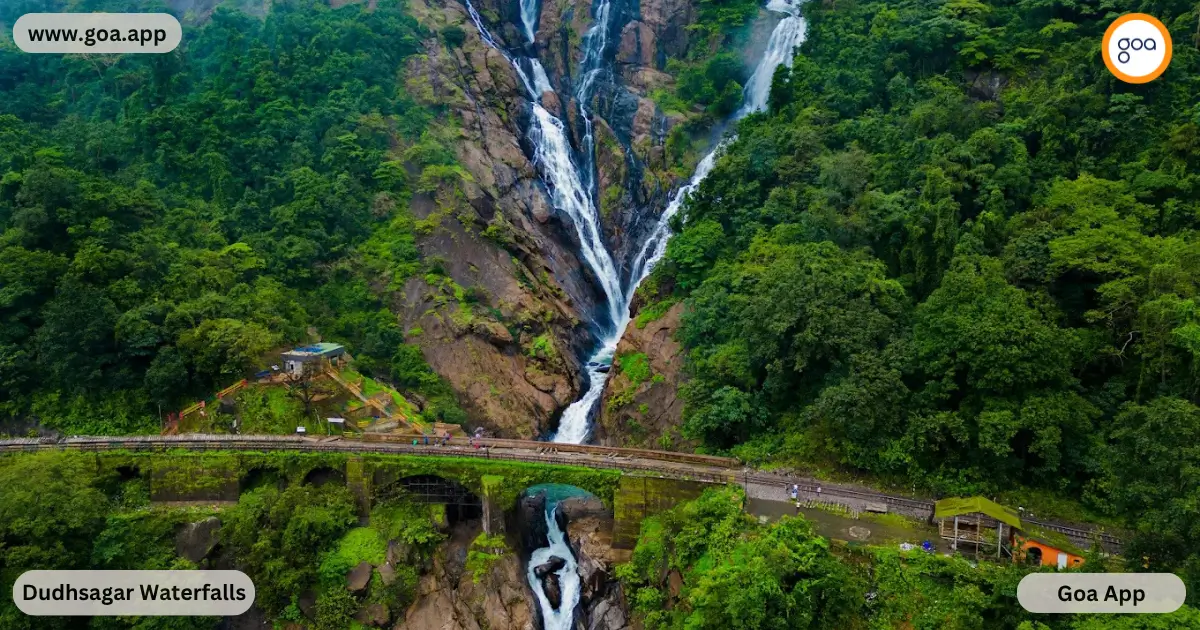
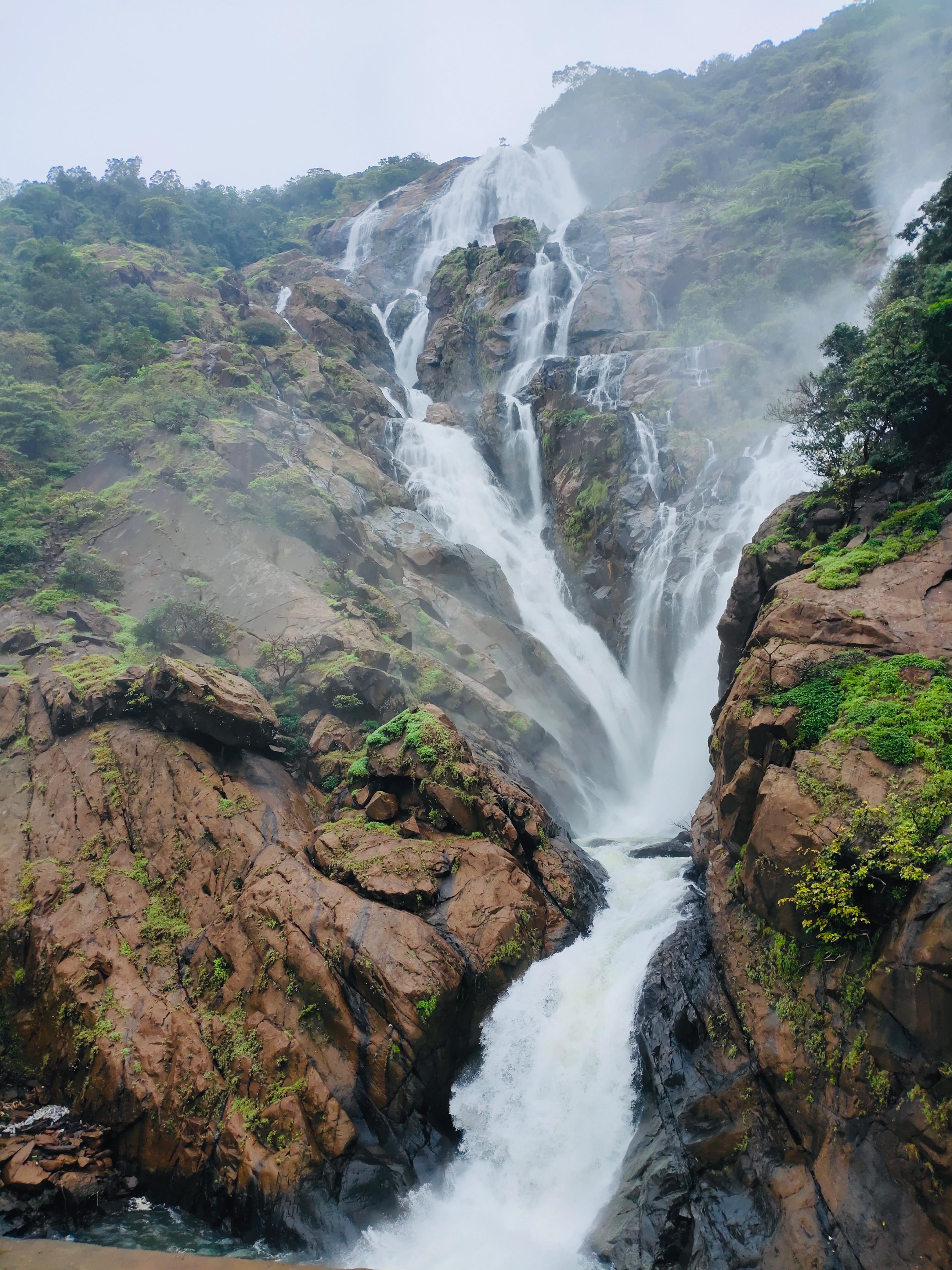
Located on the border of the Indian states of Goa and Karnataka, the Dudhsagar waterfall is one of the most spectacular natural wonders in the Indian subcontinent. The name "Dudhsagar" literally translates to "Sea of Milk," a moniker derived from the white, frothy appearance of the water as it cascades down the steep, rugged face of the Western Ghats. Standing at a staggering height of 310 meters (1017 feet) and boasting an average width of 30 meters, it is ranked among the tallest waterfalls in India. The falls are a four-tiered marvel, powered by the Mandovi River, which originates in the Sahyadri range and eventually flows into the Arabian Sea at Panjim.
The waterfall is nestled deep within the Bhagwan Mahavir Wildlife Sanctuary and the Mollem National Park, a region renowned for its rich biodiversity and dense semi-evergreen forests. For centuries, this site has been a symbol of Goa's wild, untamed interior, offering a stark contrast to the sun-drenched beaches of the coast. Legend has it that a beautiful princess, the daughter of the King of the Ghats, used to bathe in a lake near the falls. One day, while enjoying a jug of sweetened milk after her bath, she noticed a prince watching her from the trees. To protect her modesty, she poured the milk in front of her, creating a shimmering curtain of white that hid her from view. This "curtain of milk" is said to be the origin of the falls we see today.
Highly Recommended Near Dudhsagar waterfall
Dudhsagar Waterfall and Bondla Wildlife Sanctuary Combo Tour
Dudhsagar Waterfall and Bondla Zoo Day Tour
Dudhsagar Waterfall & South Goa Heritage Combo Tour
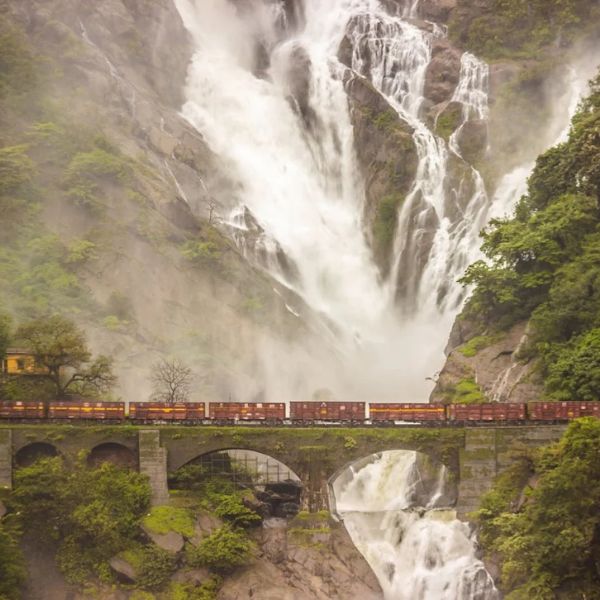
The Dudhsagar waterfall gained international fame after being featured in several Bollywood films, most notably "Chennai Express," where the iconic scene of a train passing in front of the waterfall captured the imagination of travelers worldwide. Today, it serves as a primary destination for adventure seekers, nature enthusiasts, and photographers who wish to witness the raw power of nature in the heart of the Sahyadri mountains. Whether you are viewing it from the window of a passing train or standing at its base after a rugged jeep safari, the sheer scale and sound of the crashing water provide an unforgettable experience that defines the Goan hinterland.
How to Reach Dudhsagar waterfall
Reaching the Dudhsagar waterfall requires a bit of planning, as it is located in a remote forest area inaccessible by regular private vehicles. The journey is an adventure in itself, involving multiple modes of transport depending on your starting point and preferred level of activity.
15 Best Hill Stations Near Goa distance & Travel Tips
Discover the 15 best hill stations near Goa to visit in 2026. Our guide covers distances, trekking trails, and local highlights.
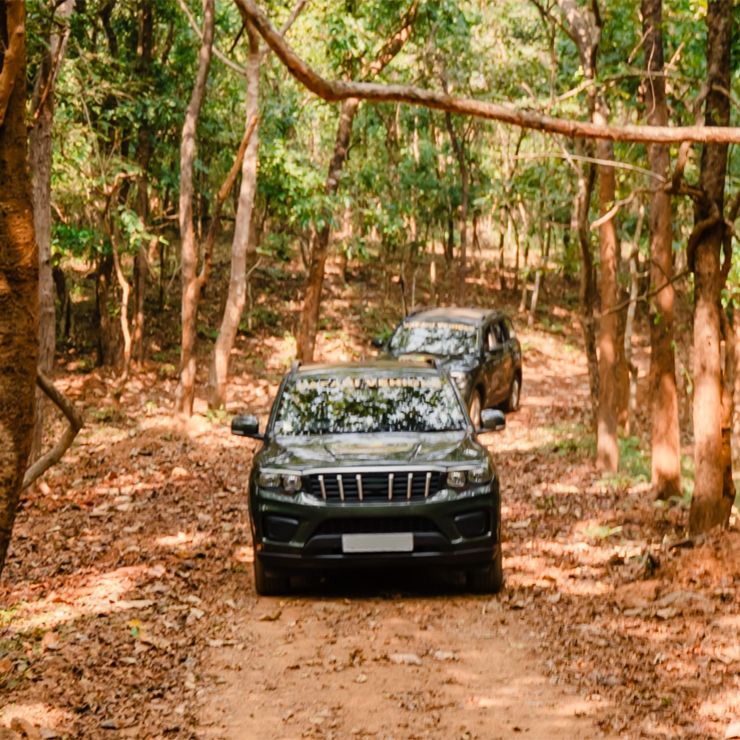
- By Road: The most common way to reach the falls is to drive to the village of Kulem (also spelled Collem), which serves as the base camp for the waterfall expeditions. Kulem is approximately 70 kilometers from Panjim and 60 kilometers from Margao. From Kulem, you must hire a registered 4x4 Jeep through the Dudhsagar Tour Operators Association. These jeeps are the only vehicles permitted to enter the sanctuary and navigate the rocky, river-crossing terrain leading to the falls.
- By Train: For those coming from North Goa or South Goa, taking a train to Kulem Railway Station is a convenient option. There are local passenger trains and some express trains that stop here. Alternatively, some trekkers start from Castle Rock station in Karnataka, which is a scenic rail journey through several tunnels. However, please note that walking on the railway tracks is officially prohibited and can be dangerous.
- By Air: The nearest airport is the Manohar International Airport (Mopa) in North Goa or the Dabolim Airport in Central Goa. From the airport, you can hire a private taxi to Kulem, which takes about 2 to 2.5 hours.
- Organized Tours: Many travel agencies in popular beach hubs like Calangute, Baga, and Colva offer all-inclusive day packages. These typically include pickup and drop-off, the jeep safari fee, forest entry permits, and lunch at a nearby spice plantation.
It is important to arrive at the Kulem jeep stand early, preferably by 8:30 AM, as the number of jeeps permitted into the sanctuary per day is limited. During peak season (November to February), the queues can be quite long, and tickets often sell out by mid-morning.
Best Time to Visit
Choosing the right time to visit Dudhsagar waterfall is crucial for the type of experience you wish to have. The appearance and accessibility of the falls change dramatically with the seasons.
Why Foreigners Love Arambol, Morjim, and Agonda
Goa has long been one of India’s most famous beach destinations, attracting millions of travelers from around the world every year. While bustling beache...
- Monsoon (June to September): This is when the waterfall is at its most majestic. The heavy rains in the Western Ghats turn the Mandovi River into a raging torrent, and the "Sea of Milk" effect is most prominent. However, the Jeep Safari is closed during this time because the forest tracks become flooded and the river crossings are too dangerous. Access is limited to viewing the falls from a passing train. If you are a hardcore trekker, some routes might be open, but they are extremely challenging and often discouraged by local authorities due to safety risks.
- Post-Monsoon (October to January): This is widely considered the best time to visit. The monsoon rains have subsided enough for the jeep trails to reopen, but the water volume remains high, ensuring the waterfall looks spectacular. The surrounding forest is lush, vibrant green, and the weather is pleasantly cool, making the trek from the jeep drop-off point to the base of the falls enjoyable.
- Summer (February to May): During the summer months, the water flow diminishes significantly. While the falls are still beautiful, they lack the thundering intensity seen in earlier months. The upside is that the natural pool at the base is calmer and safer for swimming, and the forest trails are dry and easy to navigate. Be prepared for high humidity and heat during the daytime.
Trek Details for Dudhsagar waterfall
Trekking to Dudhsagar waterfall is a bucket-list item for many outdoor enthusiasts in India. There are several routes, each offering a different perspective of the Goan jungle and the railway infrastructure of the Western Ghats.
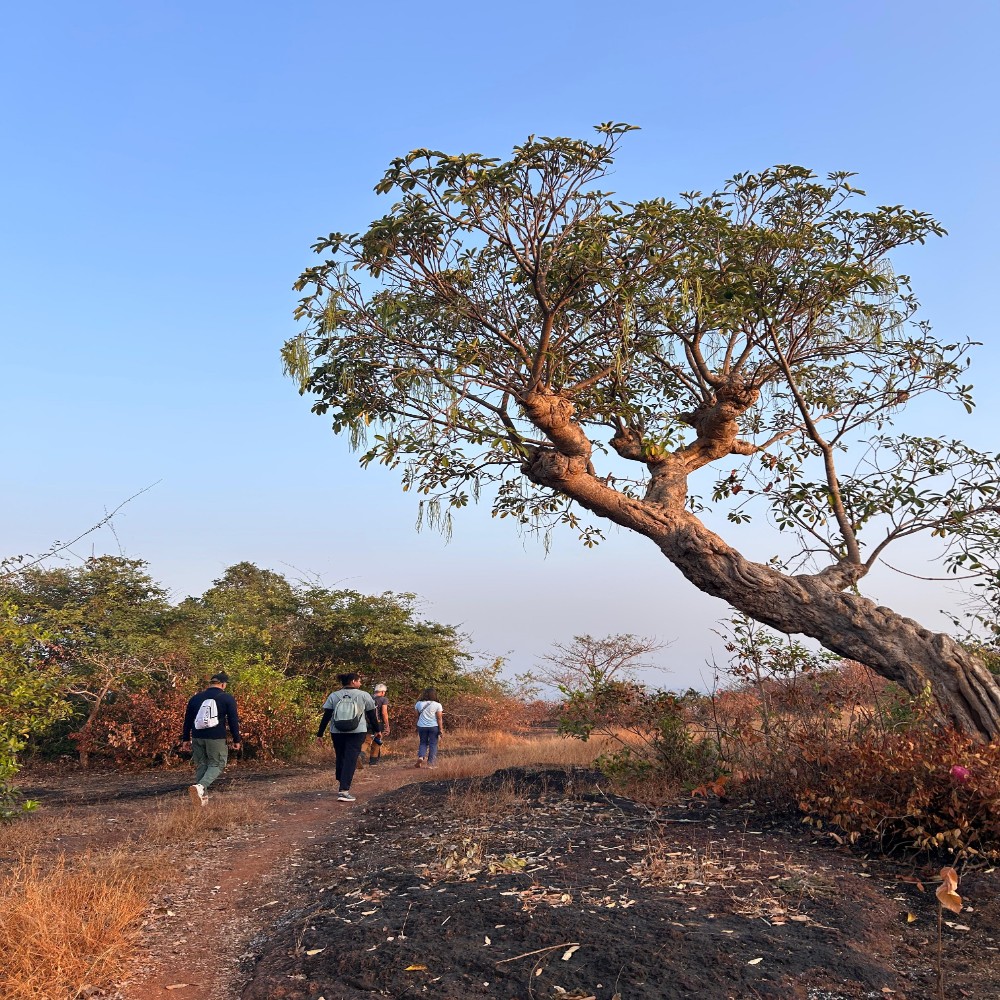
The Kulem Route: This is the most popular trekking path. It starts from the Kulem railway station and follows a roughly 11-kilometer trail through the Bhagwan Mahavir Wildlife Sanctuary. The path is relatively flat but involves crossing small streams and navigating through dense foliage. It takes about 3 to 4 hours one way. This route is preferred because it allows you to see the diverse flora and fauna of the region, including macaques, giant squirrels, and various bird species.
Water Sports in Candolim Goa | Best Prices, Packages & Booking Guide
Candolim Beach, located in North Goa, is one of the most popular destinations for water sports in Goa. Known for its clean shoreline, less crowded environm...
The Castle Rock Route: This trek starts from the Castle Rock station in Karnataka and covers a distance of about 14 kilometers. This route is famous for its "Tunnel Trek," as it passes through several dark, dripping railway tunnels. The highlight of this route is the panoramic view of the falls as you approach the Dudhsagar railway bridge. However, authorities often restrict trekking on the tracks for safety reasons, so it is essential to check current regulations before planning this route.
Highly Recommended Near Dudhsagar waterfall

The Jeep Trail Walk: Some visitors choose to walk the same 10-kilometer path used by the 4x4 jeeps. This is a wide, dusty (or muddy) track that involves multiple river crossings. While less "wild" than the forest trails, it is easier to follow and eventually leads to the same base point as the jeep safari.
Regardless of the route, trekkers should be prepared for a physically demanding day. Sturdy hiking shoes with good grip are mandatory, as the rocks near the falls are incredibly slippery. It is also highly recommended to hire a local guide from Kulem, as they are familiar with the terrain and can ensure you don't lose your way in the dense forest.
Things to Do
While the waterfall itself is the main attraction, the area surrounding Dudhsagar offers several activities for nature lovers and adventurers.
- The 4x4 Jeep Safari: The 45-minute ride from Kulem to the falls is an adrenaline-pumping experience. The jeeps bounce over boulders and splash through rivers, providing a true off-road adventure through the Mollem National Park.
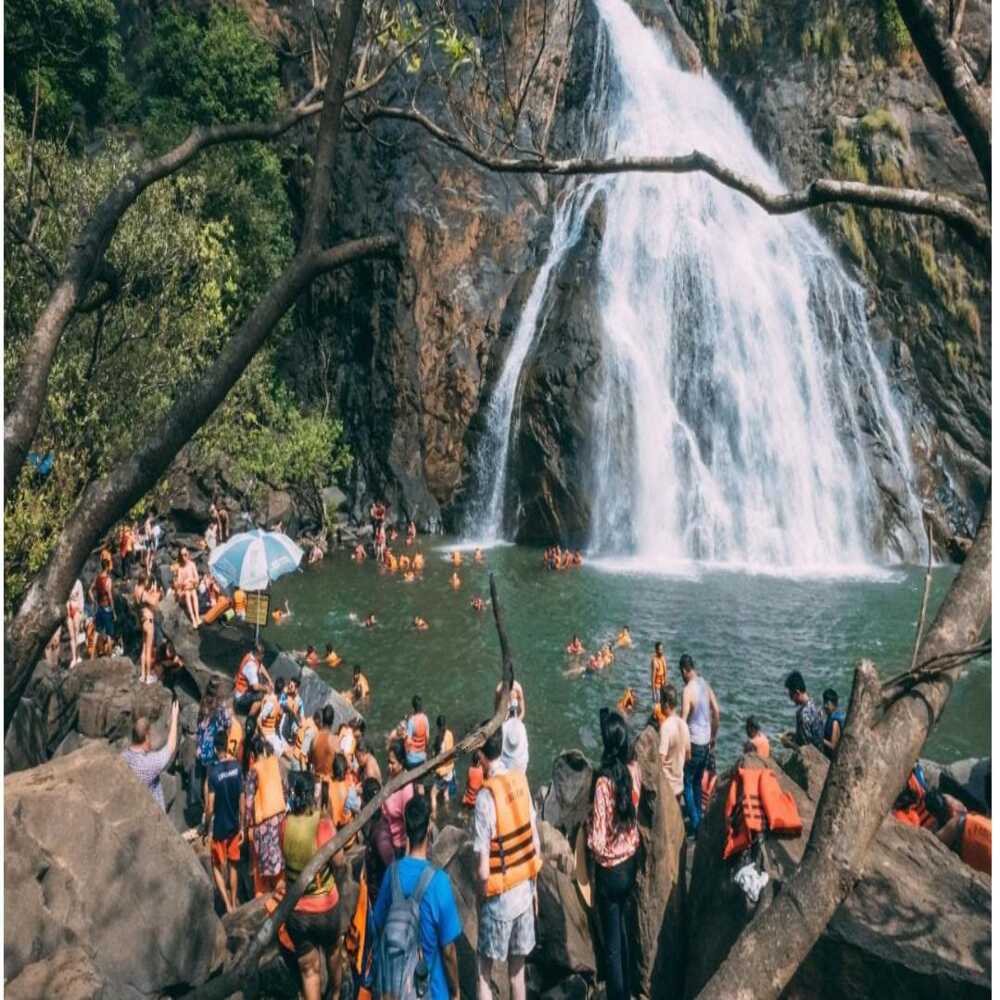
- Swimming in the Natural Pool: At the base of the falls, there is a large, deep pool where the water settles before continuing downstream. Visitors are permitted to swim here, provided they wear the mandatory life jackets provided at the start of the jeep safari. The water is cold and incredibly refreshing after the humid trek.
- Wildlife Spotting: Keep your eyes peeled during the journey. The sanctuary is home to the black panther, barking deer, and the famous Malabar giant squirrel. Birdwatchers can spot the Emerald Dove, Fairy Bluebird, and the Golden-backed Woodpecker.
- Devil's Canyon: Located near the falls, this is a deep river gorge with eerie rock formations and turbulent underwater currents. It is a beautiful spot for photography, though swimming here is strictly prohibited due to the dangerous currents.
- Visit a Spice Plantation: Most trips to Dudhsagar are paired with a visit to a local spice farm, such as Sahakari Spice Farms or Savoi Plantation. Here, you can take a guided tour to learn about cardamom, pepper, and vanilla, followed by a traditional Goan lunch served on a banana leaf.
Safety Tips
Safety should be your top priority when visiting Dudhsagar waterfall, as the environment is wild and unpredictable.
- Wear a Life Jacket: Even if you are an expert swimmer, the currents near the base of the falls can be deceptively strong. The forest department makes life jackets mandatory for anyone entering the water.
- Beware of Slippery Rocks: The spray from the waterfall keeps the surrounding rocks perpetually wet and covered in moss. Move slowly and use footwear with excellent traction.
- Stay Hydrated: The humidity in the Goan jungle can lead to rapid dehydration. Carry at least 2 liters of water per person. Avoid drinking directly from the streams unless you have purification tablets.
- Leech Protection: If you are visiting during the tail end of the monsoon or trekking through the forest, leeches are common. Wearing long socks and applying salt or tobacco water to your shoes can help deter them.
- Follow the Rules: Do not attempt to climb the waterfall tiers. It is extremely dangerous and strictly forbidden. Also, avoid walking on the railway tracks, as active trains pass through frequently and there is very little clearance inside the tunnels.
- No Plastic Zone: The sanctuary is a plastic-free zone. Ensure you carry all your trash back with you to Kulem. Forest guards often check bags at the entry point.
Nearby Attractions
The hinterlands of Goa, where Dudhsagar is located, are rich in history and natural beauty. If you have extra time, consider visiting these nearby landmarks:
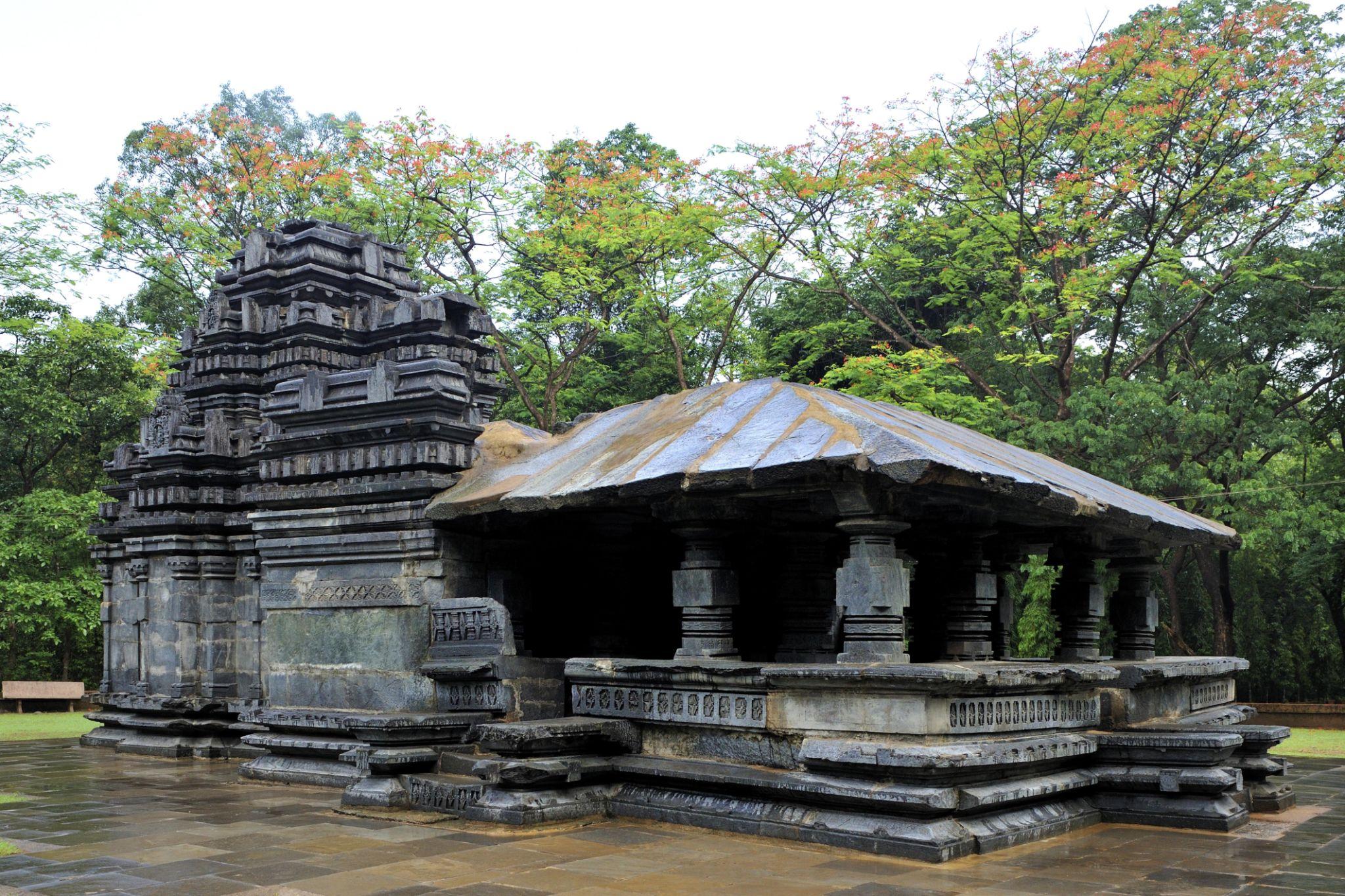
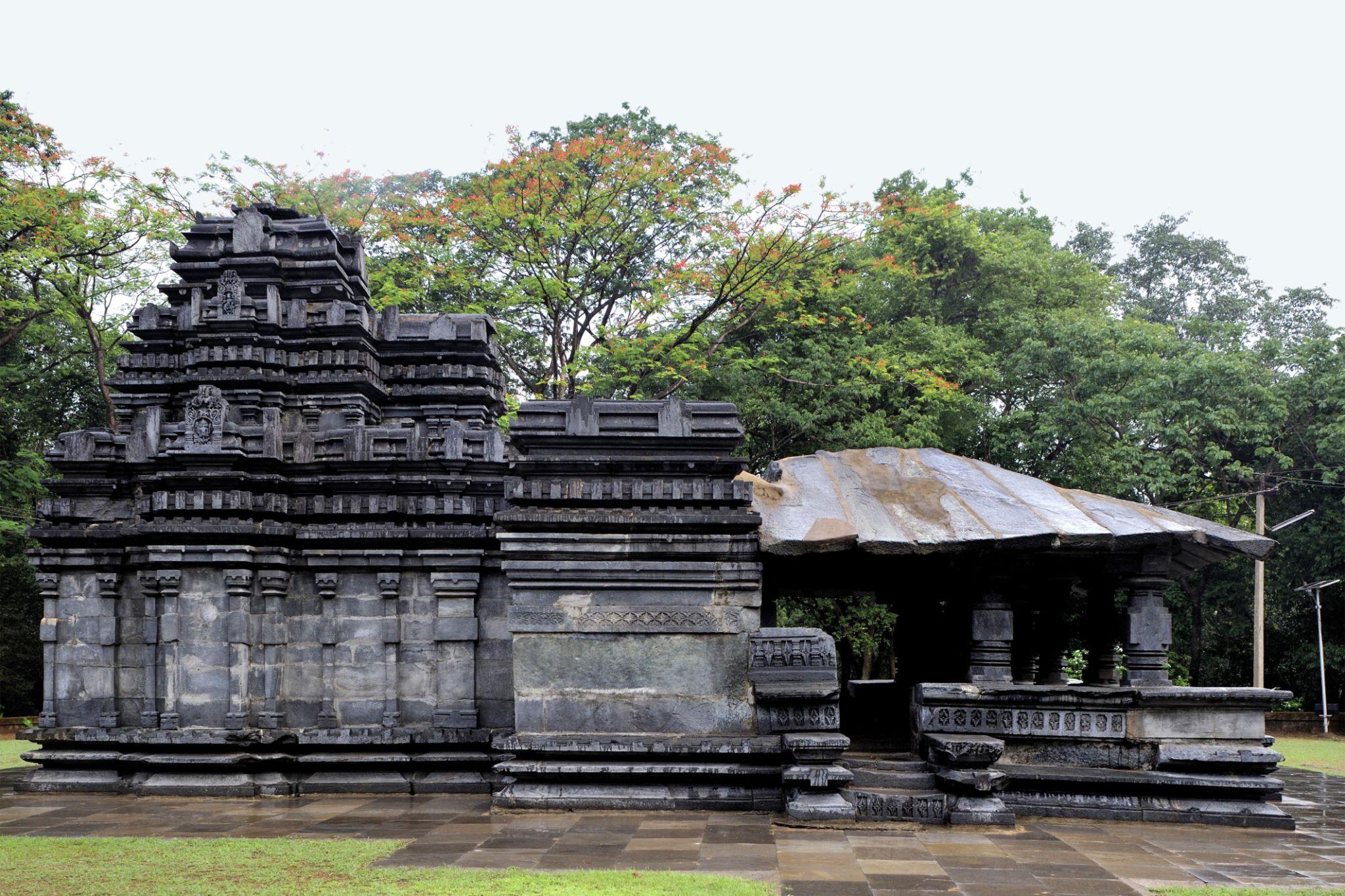
- Tambdi Surla Mahadev Temple: Located about 18 kilometers from Mollem, this 12th-century temple is the oldest in Goa. Built from black basalt in the Kadamba style, it survived the periods of religious persecution during the Portuguese era due to its remote forest location.
- Bondla Wildlife Sanctuary: A great spot for families, this sanctuary features a small zoo, a botanical garden, and deer safari parks. It is much smaller and more accessible than Bhagwan Mahavir.
- Salaulim Dam: Located in Sanguem, this dam is famous for its unique "duckbill" spillway, which creates a mesmerizing vortex effect when the water levels are high. The surrounding botanical gardens are also worth a visit.
- Netravali Wildlife Sanctuary: Further south, this sanctuary offers more secluded waterfalls like Savari and Mainapi, and the famous "Bubbling Lake" (Budbudyanchi Tali) at the Gopinath Temple.
Entry Fees & Timings
Visiting Dudhsagar waterfall involves several different costs that contribute to the maintenance of the sanctuary and the local economy.
- Forest Department Entry Fee: Approximately ₹100 per person.
- Jeep Safari Charge: The cost is roughly ₹3,500 to ₹4,000 per jeep, which seats up to 7 people. If you are a solo traveler or a couple, you can share the cost with other visitors at the Kulem stand.
- Life Jacket Rental: ₹40 to ₹50 per person (Mandatory).
- Camera Fees: There is a nominal fee for professional cameras (around ₹300-₹500), though mobile phone cameras are usually free.
- Timings: The sanctuary typically opens for jeep safaris at 8:30 AM and the last jeep departs around 3:00 PM. The falls are closed to visitors after sunset. It is highly recommended to reach Kulem by 8:00 AM to secure a spot.
Where to Eat Nearby
Options for food directly at the waterfall are non-existent to protect the environment, so you must plan your meals around your arrival and departure from Kulem.
In the village of Kulem, there are several small local eateries serving traditional Goan thalis. Look for places offering "Fish Curry Rice," which is the staple of the region. The flavors here are authentic, using fresh coconut and local spices. For a more structured dining experience, many visitors head to the spice plantations in Ponda (about 30-45 minutes away) after their trek. These plantations offer a buffet of Goan delicacies like Chicken Xacuti, Vegetable Caldin, and Ros Omelette, often accompanied by "Feni," a local spirit made from cashew or coconut.
Always carry light snacks like energy bars, nuts, and fruit for the duration of the trek, as the physical exertion will leave you hungry long before you return to the base.
Accommodation Nearby
While most people visit Dudhsagar as a day trip from the coast, staying overnight in the Mollem area allows you to experience the tranquility of the Western Ghats.
- Dudhsagar Spa Resort: Located right at the edge of the sanctuary, this resort offers comfortable rooms, a swimming pool, and tented accommodations for a more rustic feel. It is the most convenient high-end option.
- Jungle Book: A popular eco-resort that offers elephant interactions and basic hut accommodations. It is geared towards travelers who want a closer connection with nature.
- Nature's Nest Goa: Located near the Tambdi Surla temple, this eco-lodge is a haven for birdwatchers and naturalists. They offer guided nature walks and traditional Goan hospitality.
- Homestays in Kulem: There are several budget-friendly homestays within Kulem village. These provide a great way to support the local community and get an early start on the jeep safari.
Photography Spots
For photographers, Dudhsagar waterfall is a dream subject. To get the best shots, consider these locations:
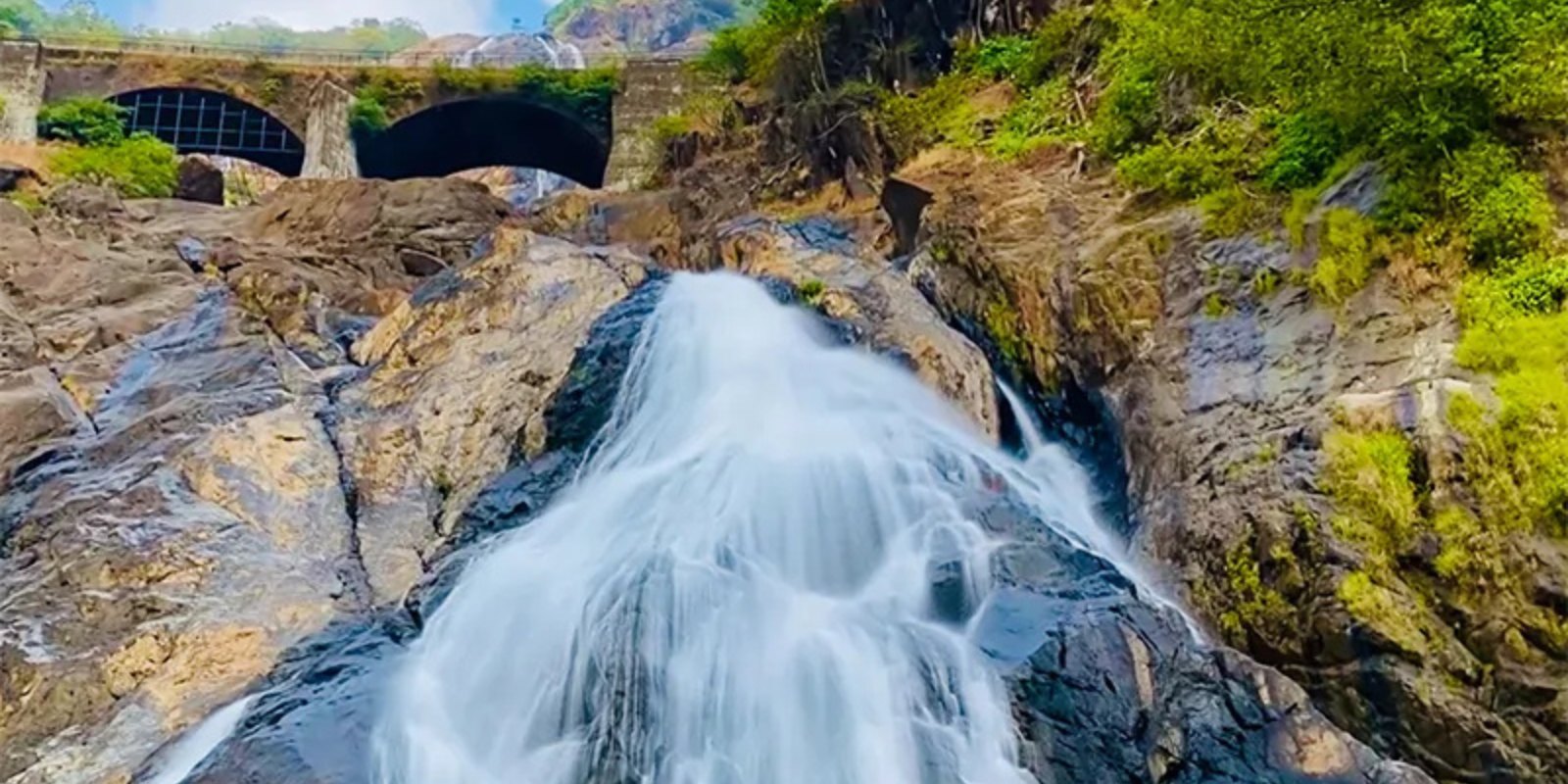
- The Railway Bridge: The most iconic shot is of the falls with a train crossing the bridge in the foreground. This requires timing and a bit of luck with the train schedule.
- The Base Pool: Capturing the water hitting the rocks from a low angle creates a sense of scale. Use a slow shutter speed (on a tripod) to get that silky, ethereal look of the water.
- The Forest Canopy: On the jeep safari, there are several clearings where the sunlight filters through the dense trees, providing excellent opportunities for "sun-star" photography and shots of the lush undergrowth.
- Aerial Views: If you are trekking from Castle Rock, there are viewpoints along the ridge that offer a wide-angle perspective of all four tiers of the falls, which is impossible to get from the base.
Hidden Gem Score & Crowd Level
Hidden Gem Score: 7/10. While Dudhsagar is well-known, its remote location and the effort required to reach it keep it from being as crowded as the beaches of North Goa. It still feels like a true wilderness adventure.
Crowd Level: High (Seasonal). During the peak months of December and January, and on weekends throughout the year, the number of visitors can be overwhelming. The jeep stand at Kulem can feel chaotic, and the base of the falls can get crowded with people in life jackets. For a more peaceful experience, try to visit on a weekday or during the shoulder months of October or March. Arriving at the very first opening time in the morning is the best way to enjoy the falls before the large tour groups arrive.
Conclusion
The Dudhsagar waterfall is more than just a tourist attraction; it is a testament to the raw, unbridled beauty of Goa's interior. It challenges the stereotype of Goa as merely a beach destination and invites travelers to explore the rugged heights of the Western Ghats. From the adrenaline of the 4x4 jeep safari to the serene, cold waters of the natural pool, every moment spent on the journey to the "Sea of Milk" is an encounter with nature at its most powerful.
Whether you are a seasoned trekker looking to conquer the forest trails or a family seeking a unique adventure away from the coastal crowds, Dudhsagar offers an experience that resonates long after the spray has dried. As you stand at the base of this 310-meter giant, listening to the thunderous roar of the Mandovi River, you will realize why this site remains the crown jewel of Goa's natural heritage. Plan your visit carefully, respect the local environment, and prepare to be awestruck by one of the most magnificent sights in all of India.