Overview of St. Diogo church
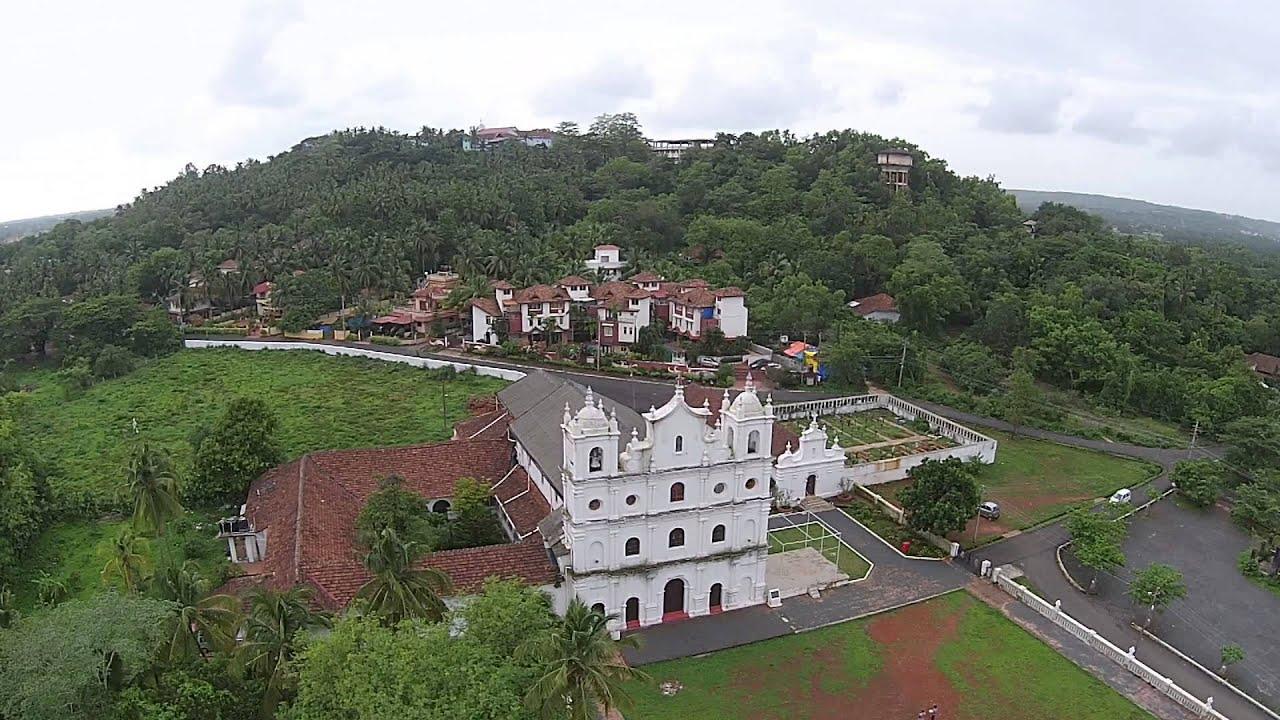
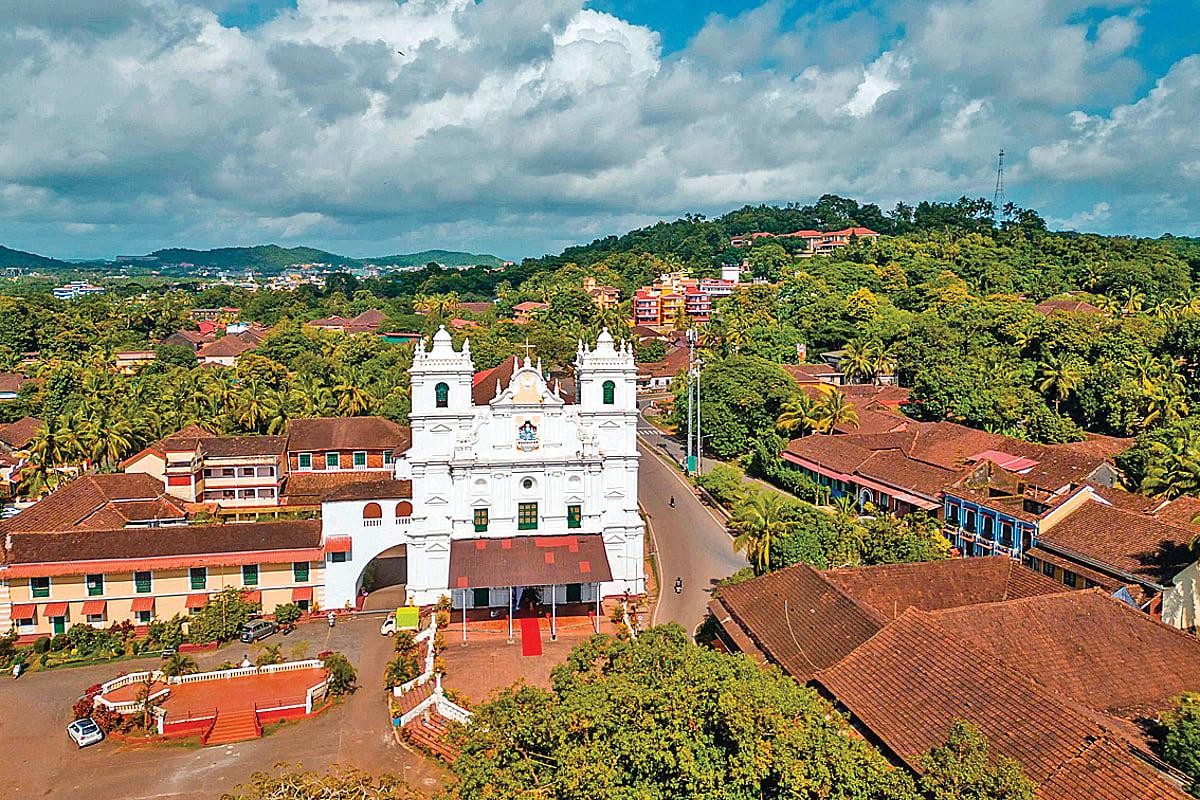
Nestled in the lush, emerald-green landscapes of Guirim, a quaint village situated between the bustling towns of Mapusa and Porvorim, the St. Diogo Church stands as a magnificent testament to Goa’s rich colonial heritage and deep-rooted Christian faith. Often overlooked by the typical tourist trail that leads straight to the beaches of North Goa, this church is a hidden gem that offers a profound sense of peace and spiritual solace. As you drive along the winding roads of Guirim, flanked by traditional Goan houses and expansive paddy fields, the towering white facade of St. Diogo Church emerges like a beacon of serenity. It is one of the most significant religious landmarks in the Bardez taluka, serving as a spiritual hub for the local Catholic community for over four centuries.
The church is dedicated to St. Diogo, also known as St. Didacus of Alcalá, a Spanish Franciscan lay brother who was known for his immense humility and miraculous healing powers. The atmosphere here is a stark contrast to the high-energy party vibes of nearby Baga or Calangute. At St. Diogo’s, the air is filled with the scent of damp earth, the sound of rustling palm fronds, and the rhythmic tolling of the church bells. For a travel writer or a spiritual seeker, this location represents the "real Goa"—a place where time seems to slow down, and the traditions of the past are meticulously preserved by the present generation. Whether you are an architecture enthusiast, a history buff, or a devout pilgrim, the St. Diogo Church offers a multi-layered experience that captures the essence of Goan village life and its enduring religious devotion.
Top Goa Experience • Part 1
Highly Recommended Near St. Diogo church
Explore All
History & Religious Significance
The history of St. Diogo Church is inextricably linked with the arrival of the Franciscan missionaries in Goa during the 16th and 17th centuries. The church was officially established in 1604, making it one of the older parishes in the Bardez region. During this era, the Portuguese administration was actively promoting the spread of Christianity, and the Franciscans were tasked with the spiritual administration of Bardez. The construction of the church was a monumental effort, funded and supported by the local Comunidades (village communities) of Guirim and Sangolda. This collaboration between the European missionaries and the local Goan villagers is a defining feature of the church’s history, reflecting a synthesis of cultures that would go on to shape Goan identity.
In the early 17th century, the church served not just as a place of worship but as a center for social and educational development. The Franciscans were known for their focus on the poor and the marginalized, mirroring the life of St. Diogo himself. Over the centuries, the church has undergone several renovations and expansions, yet it has managed to retain its original charm and structural integrity. One of the most significant historical aspects of this parish is its role in the "Christianization" of the Bardez province. The church was a focal point for the conversion of local populations, which led to the unique blend of Konkani traditions and Latin liturgy that defines Goan Catholicism today. The religious significance of the site is further elevated by its connection to the Order of Friars Minor, who managed the parish until the mid-18th century when the religious orders were suppressed by the Portuguese government, and the parish was handed over to the secular clergy.
Recommended Guide
10 Interesting Facts About Goa That Will Blow Your Mind
Discover 10 fascinating facts about Goa from Portuguese history & architecture to hidden beaches, cheap alcohol secrets, and more.
Read Guide →
Architecture of St. Diogo church
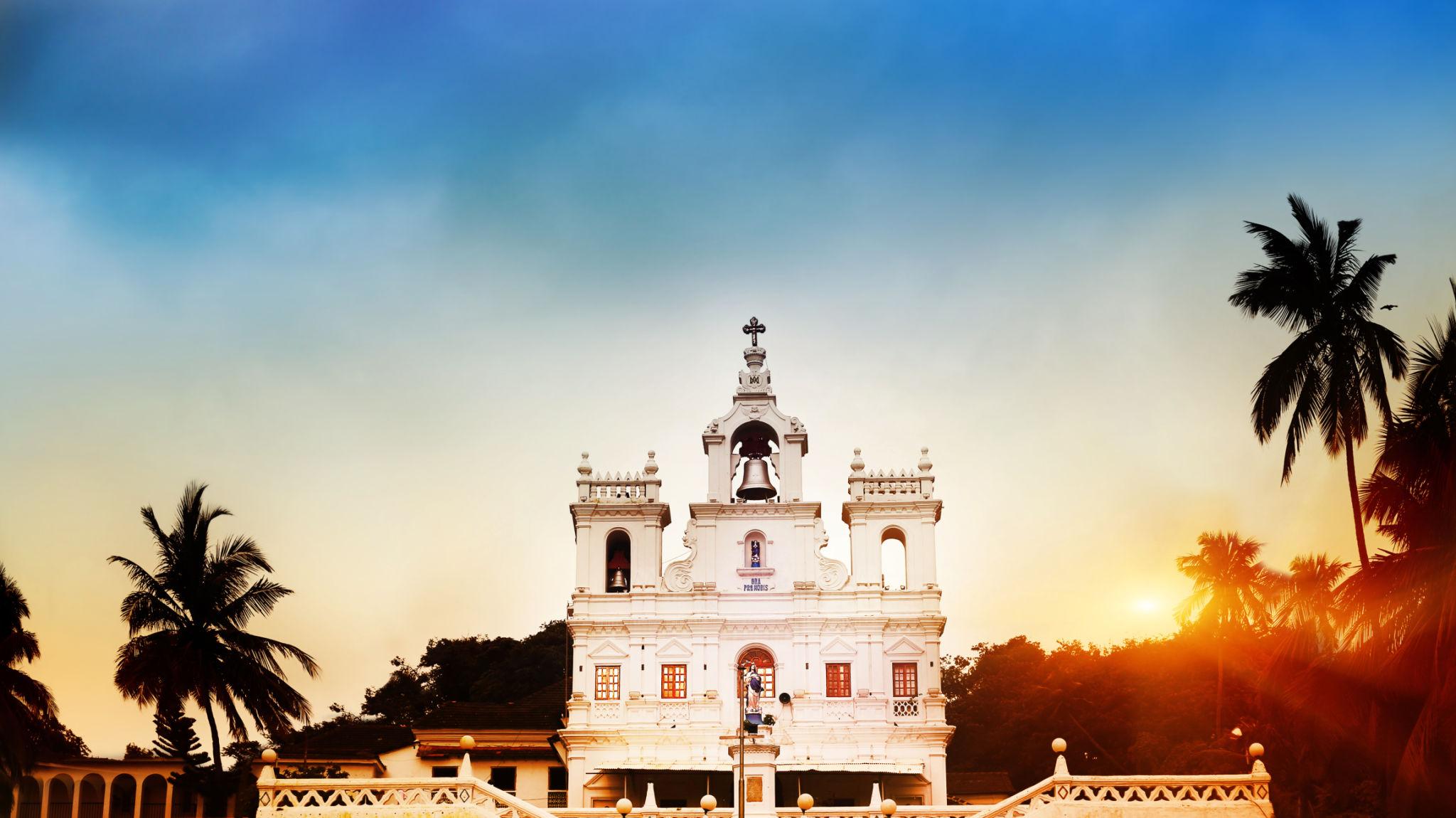
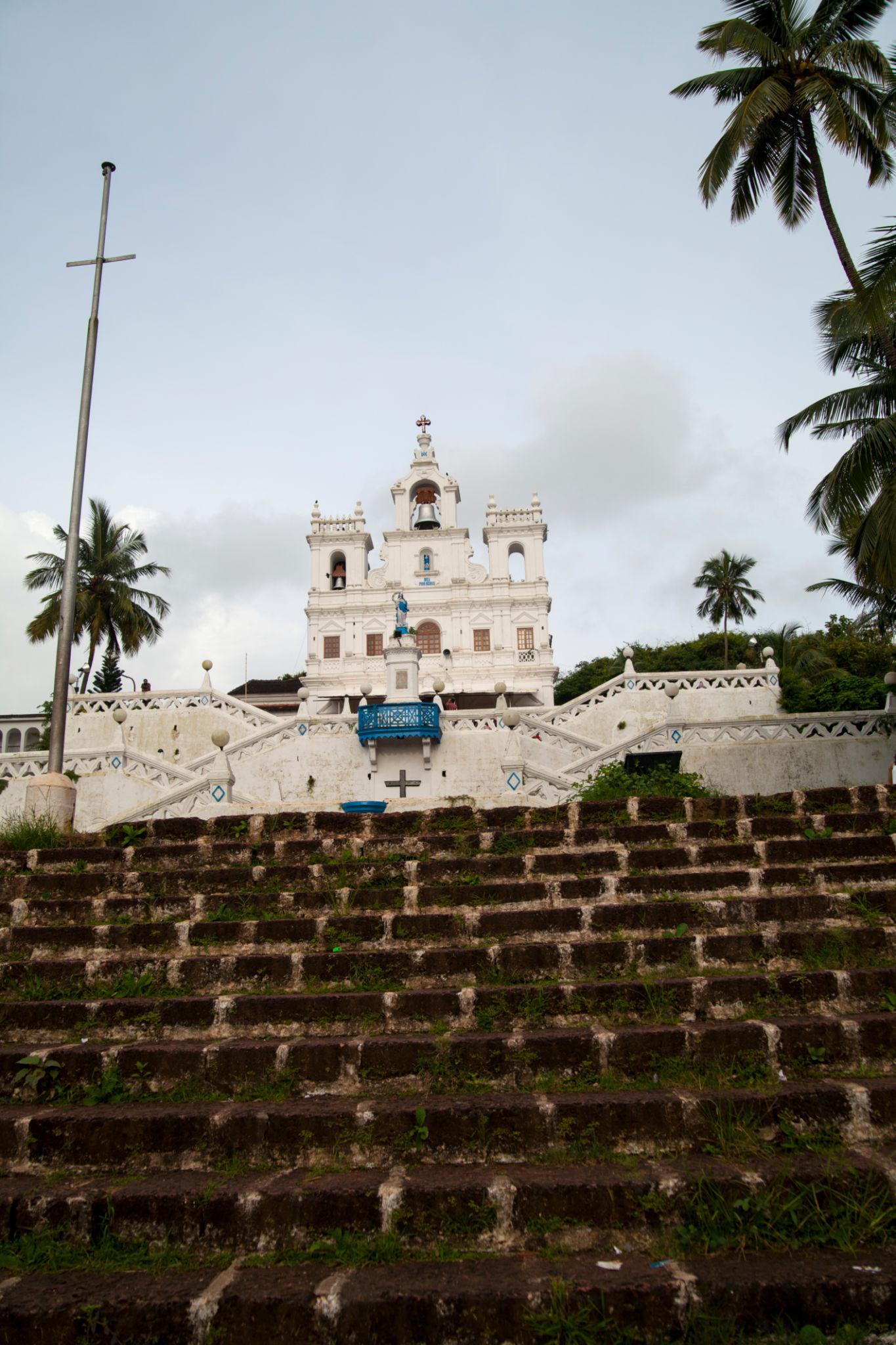
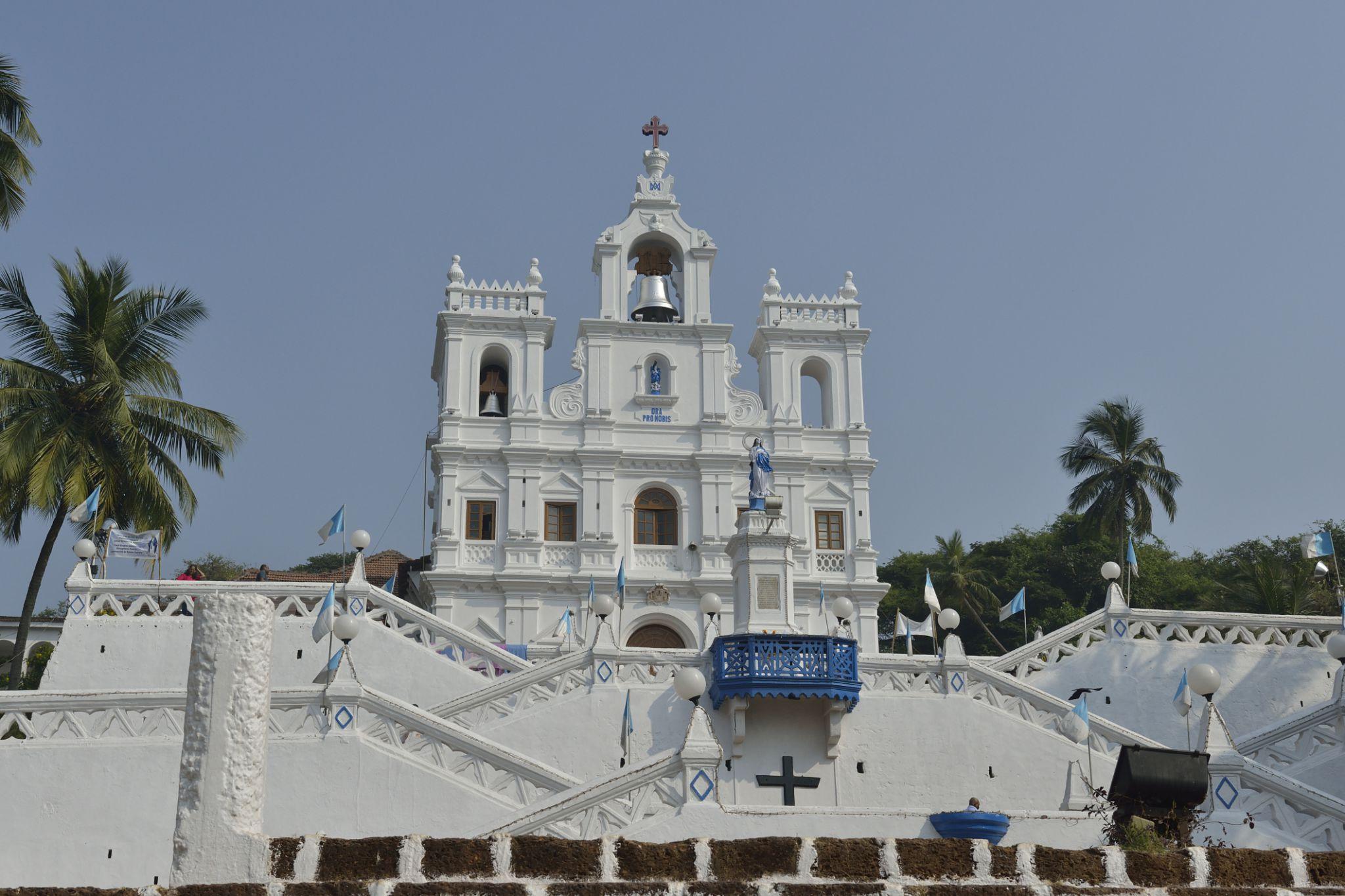
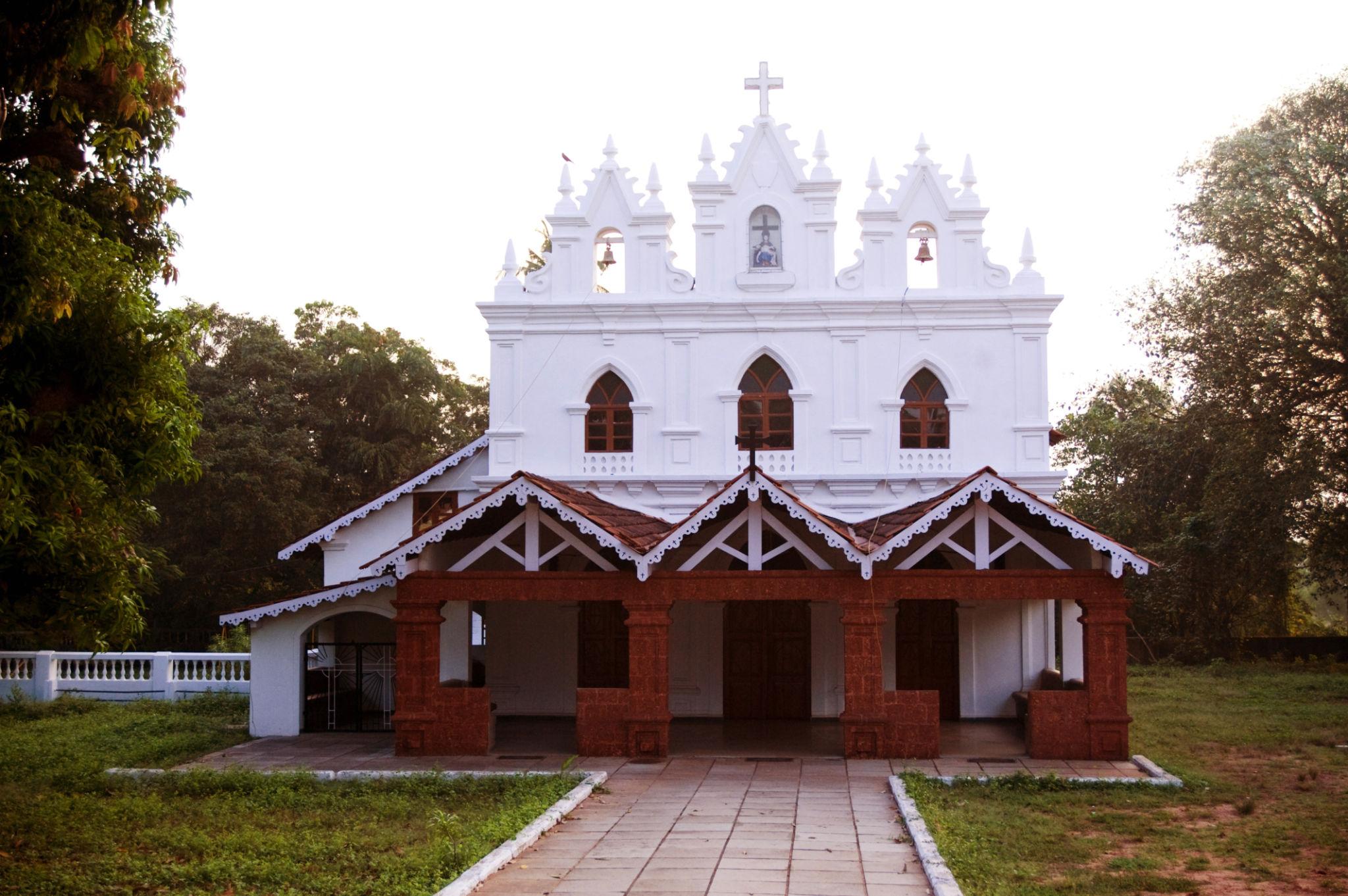
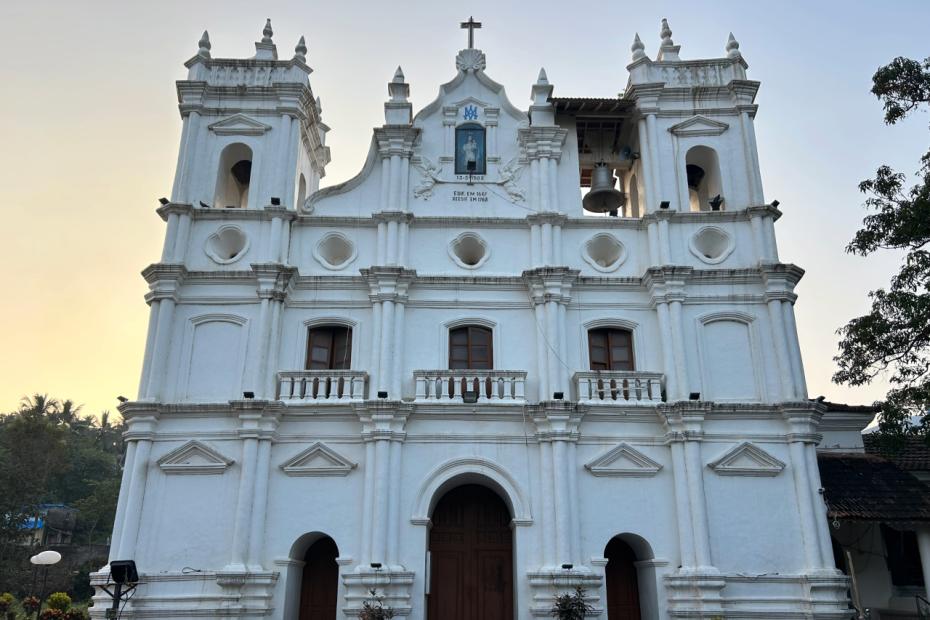
The architecture of St. Diogo Church is a stellar example of the Neo-Roman style, which was the dominant architectural language in Goa during the late Renaissance and Baroque periods. The church features a grand, symmetrical facade that is divided into three distinct horizontal tiers. Each tier is adorned with intricate moldings, pilasters, and decorative motifs that showcase the skill of local Goan craftsmen who worked under the guidance of European architects. The central portion of the facade is topped with a triangular pediment, housing a small niche that contains a statue of the patron saint. The stark white exterior, achieved through the traditional use of lime plaster, contrasts beautifully with the deep blue Goan sky and the surrounding greenery.
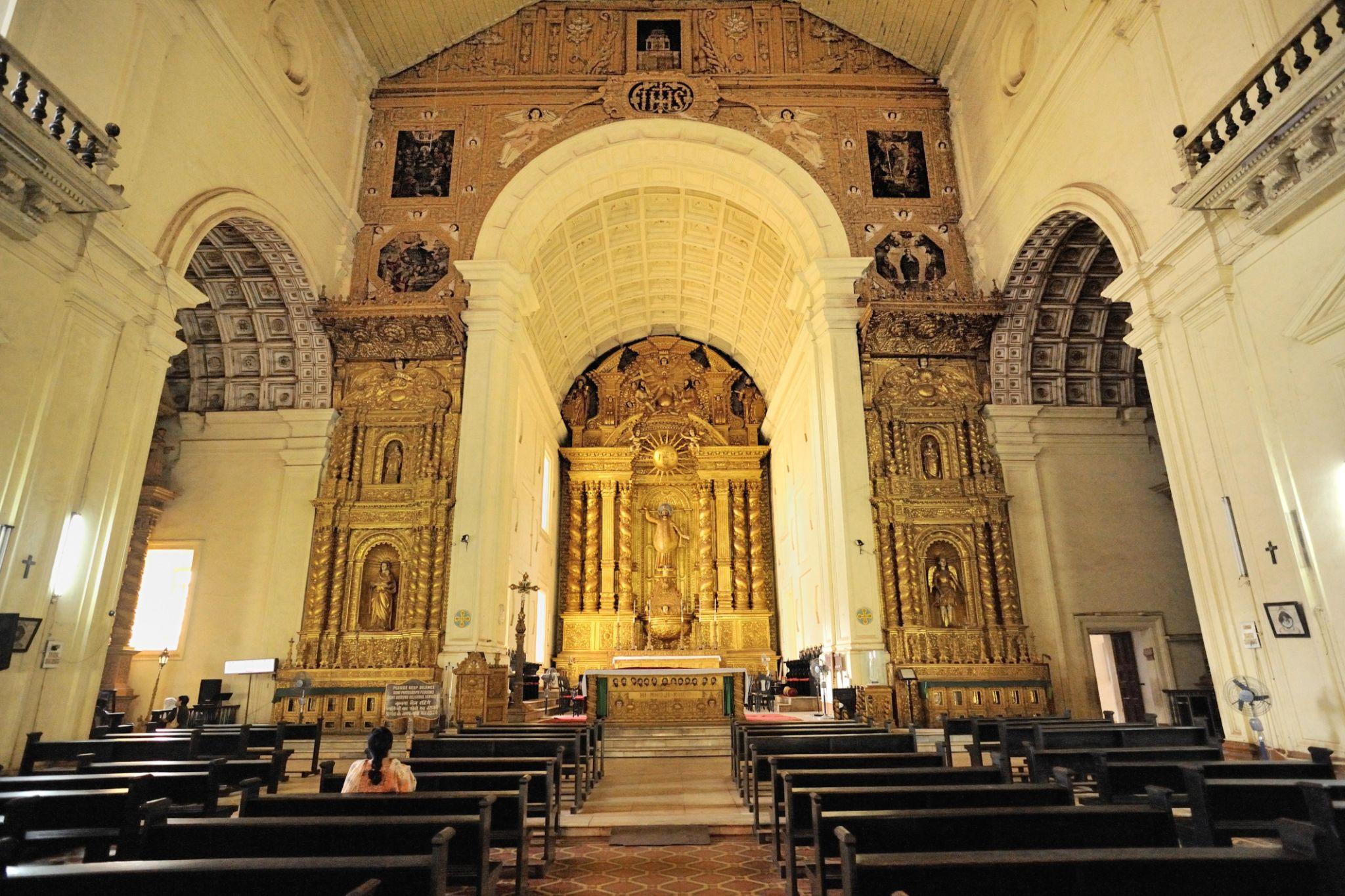
Upon entering the church, one is immediately struck by the spaciousness of the nave and the height of the vaulted ceiling. The interior is designed to draw the eye toward the Main Altar, which is a masterpiece of gilded woodcarving. The church boasts five altars in total, each dedicated to different saints and religious themes. The main retable (altarpiece) is particularly noteworthy for its Rococo influences, featuring ornate scrolls, floral patterns, and cherubic figures. The use of local laterite stone for the core structure provides a cool interior even during the sweltering Goan summers. Another striking feature is the pulpit, located on the left side of the nave, which is intricately carved and serves as a reminder of the days when the priest’s voice had to reach the back of the congregation without modern amplification. The choir loft, the baptismal font, and the ancient floor tiles all contribute to an atmosphere of timelessness and architectural grandeur.
Recommended Guide
Best Less Crowded Beaches in South Goa
South Goa is famous for its peaceful beaches, natural beauty, clean coastline, and relaxed atmosphere. While North Goa attracts thousands of tourists every...
Read Guide →
Main Deity / Spiritual Importance
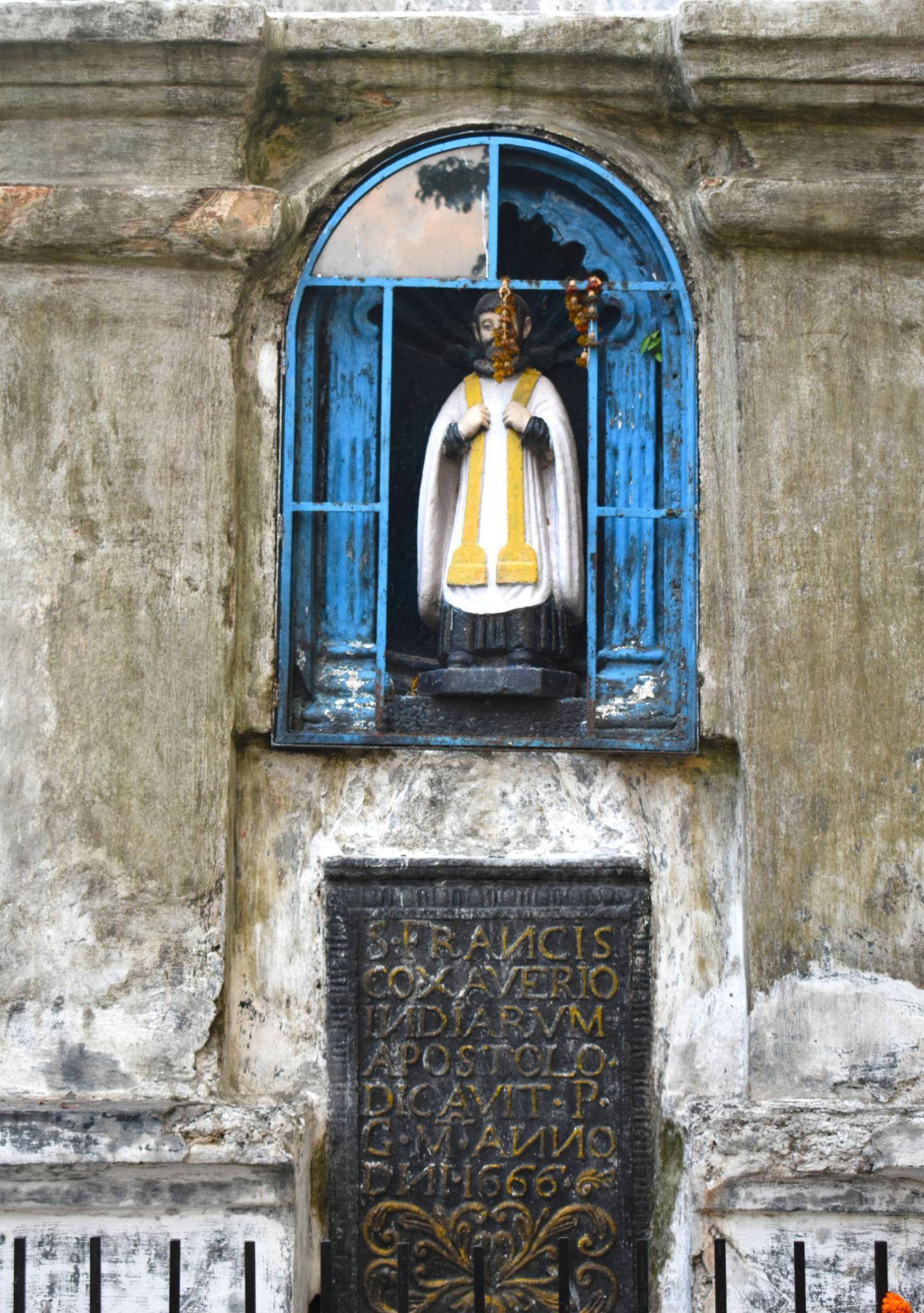
The church is dedicated to St. Diogo (St. Didacus of Alcalá), a 15th-century Spanish saint who is celebrated for his profound simplicity and his role as a protector of the poor. St. Diogo was not a priest but a lay brother in the Franciscan Order. His life was defined by manual labor, prayer, and an extraordinary devotion to the sick. In Goan spiritual tradition, St. Diogo is often invoked for miraculous healings and for strength in times of poverty. The statue of St. Diogo, typically depicted holding a cross or bread (symbolizing his charity), occupies the central place of honor in the main altar. For the villagers of Guirim and Sangolda, he is more than just a historical figure; he is a living presence and a celestial guardian.
The spiritual importance of the church extends beyond the patron saint. The side altars are dedicated to Our Lady of the Rosary and St. Anthony of Padua, both of whom hold a special place in the hearts of Goan Catholics. The presence of these multiple spiritual focal points allows for a diverse range of devotions within the same sacred space. Every Sunday, the church hums with the sound of Konkani hymns, creating a spiritual vibrations that is deeply moving even for non-believers. The church also serves as a site for the Novenas—a nine-day period of prayer and reflection leading up to the main feast day. This period is considered a time of spiritual renewal for the entire community, where grievances are settled, and communal bonds are strengthened through shared faith.
Recommended Guide
Tourist Season in Goa – Complete Travel Guide for Every Season
The winter season in Goa, stretching from November to February, is widely considered the best and most popular tourist season in Goa. This period attracts...
Read Guide →
Festivals & Celebrations
The most significant event in the liturgical calendar of the parish is the Feast of St. Diogo, celebrated annually on the second or third Sunday of November. The celebration is preceded by nine days of Novenas, where the village comes alive with morning and evening masses. Each day of the Novena is usually sponsored by a different ward (vaddo) of the village, ensuring that every family feels a sense of ownership and participation in the festivities. The feast day itself, known locally as the 'Festa', is a grand affair. The church is decorated with colorful buntings and flowers, and high mass is celebrated with great solemnity, often accompanied by a brass band playing traditional Goan hymns.
Top Goa Experience • Part 2
Highly Recommended Near St. Diogo church
Explore All
Following the religious services, the celebration spills out onto the church grounds in the form of a traditional Goan fair (mela). Stalls are set up selling a variety of items, from religious icons and candles to local delicacies. You will find Khaje (sweet ginger-coated sticks), Chana (roasted grams), and various types of Goan sweets like Bebinca and Dodol. The fair is also a place where local potters and weavers sell their wares, keeping ancient Goan crafts alive. Another unique tradition during the feast is the 'Padrão', a procession where the statue of the saint is carried through the village streets, blessing the homes and the fields. The day concludes with cultural programs, music, and a communal lunch, embodying the spirit of 'Goenkarponn' (Goanness) and communal harmony.
Best Time to Visit
To experience St. Diogo Church in its full spiritual and aesthetic glory, the best time to visit is during the winter months, from November to February. The weather in Goa during this period is pleasant, with cool breezes and mild sunshine, making it ideal for exploring the church grounds and the surrounding village of Guirim. Specifically, visiting in mid-November allows you to witness the vibrant Feast of St. Diogo, which is the highlight of the parish’s social and religious life. During this time, the cultural vibrancy of the village is at its peak, and you can witness authentic Goan traditions that are rarely seen in the coastal tourist hubs.
Alternatively, the monsoon season (June to September) offers a different kind of beauty. The church, with its white facade, stands out strikingly against the lush, rain-washed greenery of the paddy fields. While the rain might limit outdoor exploration, the interior of the church provides a cozy and contemplative refuge. The sound of rain falling on the ancient roof tiles adds a layer of meditative calm to the experience. If you prefer a quiet, solitary visit, avoid Sundays and feast days, and opt for a weekday morning when the church is nearly empty, allowing for undisturbed prayer and architectural appreciation.
Timings, Entry Fee & Dress Code
St. Diogo Church is a place of active worship, and visitors are expected to respect the timings and sanctity of the site. The church is generally open to the public from 9:00 AM to 12:30 PM and again from 3:30 PM to 6:30 PM. Mass timings are typically at 7:00 AM on weekdays and multiple sessions on Sundays (usually 7:00 AM, 8:15 AM, and 9:30 AM). It is advisable to check the local notice board for any changes in timings, especially during feast seasons or Lent.
There is no entry fee to visit the church, as it is a public house of God. However, donations for the upkeep of the church and its charitable activities are always welcomed. Regarding the dress code, modesty is paramount. Both men and women should ensure that their shoulders and knees are covered. Sleeveless tops, short skirts, and beachwear are strictly discouraged and may result in being denied entry. Removing hats and maintaining silence inside the sanctuary is mandatory. If a mass is in progress, visitors are requested to stay at the back and avoid moving around or taking photos until the service has concluded.
How to Reach St. Diogo church
Reaching St. Diogo Church is relatively easy due to its proximity to the NH66 highway, which connects North Goa to the capital city, Panjim.
- By Air: The nearest airport is the Manohar International Airport (Mopa), located about 25 km away. Alternatively, Dabolim Airport is approximately 35 km away. From either airport, you can hire a pre-paid taxi to Guirim.
- By Rail: The closest railway station is Thivim, which is about 10 km from Guirim. From Thivim, you can take a bus towards Mapusa and then a local rickshaw or pilot (motorcycle taxi) to the church. Karmali Station is another option, located about 20 km away.
- By Road: If you are staying in Panjim, the church is a 15-minute drive (approx. 8 km). If you are in Mapusa, it is just 3 km away. Local buses running between Panjim and Mapusa frequently stop at the Guirim crossroad, from where the church is a short 10-minute walk or a quick rickshaw ride.
- By Scooter/Car: Many tourists prefer renting a scooter. Simply put "St. Diogo Church, Guirim" into your GPS. The route is scenic and takes you through some of the most beautiful backroads of North Goa.
Things to Do
While the primary reason for visiting is spiritual, there are several activities you can engage in at St. Diogo Church and its immediate vicinity:
- Attend a Konkani Mass: Even if you don't understand the language, the musicality and devotion of a Konkani mass are a unique cultural experience.
- Architectural Photography: The exterior of the church, with its white walls and intricate carvings, is a photographer's delight. Capture the play of light and shadow on the facade during the "golden hour" before sunset.
- Explore the Cemetery: The church cemetery, located adjacent to the main building, contains beautiful old graves and crosses, some dating back over a century. It offers a poignant look into the genealogy of the village.
- Village Walk: Take a stroll through the lanes of Guirim. Observe the traditional Goan houses with their 'balcãos' (porches) and the vast expanses of paddy fields that change color with the seasons.
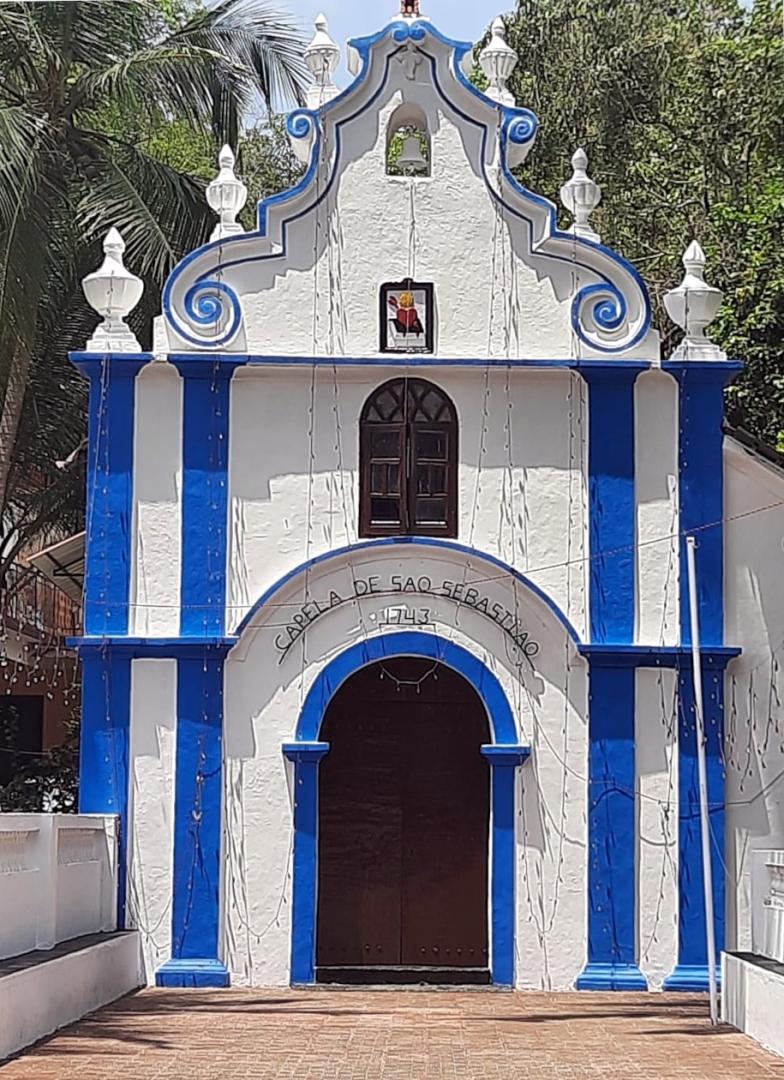
- Prayer and Meditation: The side chapels provide a quiet space for personal reflection away from the noise of the main road.
- Interact with Locals: If you visit during the evening, you might meet parishioners who are often happy to share stories about the church’s history and the miracles attributed to St. Diogo.
Nearby Attractions
Guirim is centrally located, making St. Diogo Church an excellent starting point for exploring other North Goan landmarks:
- Mae De Deus Church, Saligao: Just a 5-minute drive away, this is one of the few Gothic-style churches in Goa. Its fairytale-like spires and stunning illumination at night make it a must-visit.
- Mapusa Friday Market: Located 3 km away, this is a sensory explosion where locals from all over North Goa come to sell fresh produce, spices, traditional pottery, and dried fish.
- Sangolda Village: Known for its upscale boutiques and restored heritage villas, Sangolda is perfect for those who appreciate art and high-end Goan craftsmanship.
- Monte de Guirim: A small hillock nearby that houses a school and a friary. It offers a panoramic view of the surrounding valleys and is a great spot for a short hike.
- Houses of Goa Museum: Located in Tigrim, near Perra, this uniquely shaped museum designed by architect Gerard da Cunha showcases the evolution of Goan domestic architecture.
Photography & Visitor Guidelines
To ensure a respectful visit to St. Diogo Church, please adhere to the following guidelines:
- Interior Photography: Photography inside the church is generally prohibited during mass. At other times, it is best to ask for permission from the parish priest or the sacristan. If allowed, avoid using flash as it can damage the ancient gilded altars and distract other worshippers.
- Drone Usage: Flying drones over the church property requires prior written permission from the church authorities and must comply with local government regulations.
- Silence: Maintain a low voice at all times. The church is a place of sanctuary for many; avoid loud conversations or phone calls.
- Respect Rituals: If you happen to visit during a funeral, wedding, or baptism, maintain a respectful distance and do not intrude on the private moments of the families involved.
- Littering: The church grounds are meticulously maintained. Ensure you do not leave any trash behind. Use the designated bins for any waste.
- Footwear: While some Goan churches allow footwear inside, it is a sign of respect to tread lightly. In some specific areas like the sanctuary, you may be required to remove your shoes.
Where to Eat Nearby
The area around Guirim and Sangolda is home to some of Goa’s most charming eateries, ranging from traditional taverns to modern cafes:
- Local Bakeries (Padeiros): In the early morning or late afternoon, look for local bakers on cycles. Try the Poi (Goan leavened bread) or Pao. There are several small bakeries in Guirim village selling fresh puffs and biscuits.
- Copperleaf (Porvorim): A short drive away, this restaurant is famous for its authentic Goan Fish Thali and a wide range of multi-cuisine options. It is a favorite among locals.
- Mustard (Sangolda): If you are looking for a fine-dining experience, Mustard offers a unique blend of Bengali and French cuisines, set in a beautiful heritage building.
- Vinayak Family Restaurant (Assagao): About 15 minutes away, this place is legendary for its seafood. It offers a no-frills, high-quality dining experience that captures the local palate.
- Baba’s Wood Cafe: Located in nearby Sangolda, this is a great spot for authentic Italian pizzas and pastas if you want a break from spicy Goan food.
Accommodation Nearby
Since Guirim is a residential and agricultural area, the accommodation options lean towards heritage stays and boutique guesthouses:
- Heritage Villas: Sangolda and Guirim have several restored Portuguese-era villas available on Airbnb or specialized heritage portals. These provide an immersive experience of Goan aristocratic life.
- Boutique Hotels: Places like The Project Cafe in Assagao or various small hotels in Porvorim offer modern amenities while staying close to the church.
- Homestays: For a budget-friendly and authentic experience, look for homestays in the Guirim village. This allows you to interact with Goan families and enjoy home-cooked meals.
- Resorts in Calangute/Baga: If you prefer a standard resort experience, the beach belt is only 6-8 km away. You can stay by the sea and visit St. Diogo Church as a half-day trip.
Travel Tips
To make the most of your visit to St. Diogo Church, keep these practical tips in mind:
- Hydration: Goa can be very humid. Always carry a bottle of water, especially if you plan to explore the village on foot.
- Local Language: While English and Hindi are widely understood, a simple "Dev Borem Korum" (May God do good to you/Thank you) in Konkani goes a long way in winning the hearts of the locals.
- Transportation: If you are using local buses, keep change handy. If you are hiring a rickshaw, agree on the fare beforehand as they are often not metered.
- Safety: Guirim is a very safe village. However, the roads are narrow and can have sharp turns; drive carefully if you are on a scooter.
- Sunday Rush: Sunday mornings are very busy. If you want to see the architecture without the crowds, avoid the hours between 7:00 AM and 11:00 AM.
- Respect Local Customs: During the feast time, it is customary to buy something from the fair as a gesture of supporting the local economy.
Conclusion
The St. Diogo Church in Guirim is more than just a historical monument; it is a living, breathing sanctuary that encapsulates the soul of Goa. In its weathered stones and gilded altars, one finds the echoes of a 400-year-old history, while in the vibrant celebrations of its feast, one sees the enduring strength of the local community. It offers a rare opportunity to step away from the commercialized aspects of Goan tourism and connect with a deeper, more spiritual side of the state. Whether you come for the stunning Neo-Roman architecture, the fascinating history of the Franciscan friars, or simply to find a moment of quiet reflection amidst the paddy fields, St. Diogo Church promises an experience that is both enriching and unforgettable. As you leave the church and head back toward the main highway, the image of its towering white facade against the green landscape remains with you—a reminder of the beauty that lies in simplicity, faith, and tradition.