Overview of St. John the Baptist Church, Benaulim
Nestled in the heart of the serene village of Benaulim in South Goa, the
St. John the Baptist Church stands as a magnificent testament to the region's deep-rooted Christian heritage and architectural prowess. Unlike the bustling tourist hubs of North Goa, Benaulim offers a more contemplative and authentic Goan experience, and this church is its spiritual anchor. For travelers and pilgrims alike, the church is not merely a building; it is a living monument that has witnessed centuries of colonial history, cultural shifts, and the unwavering faith of the local community.
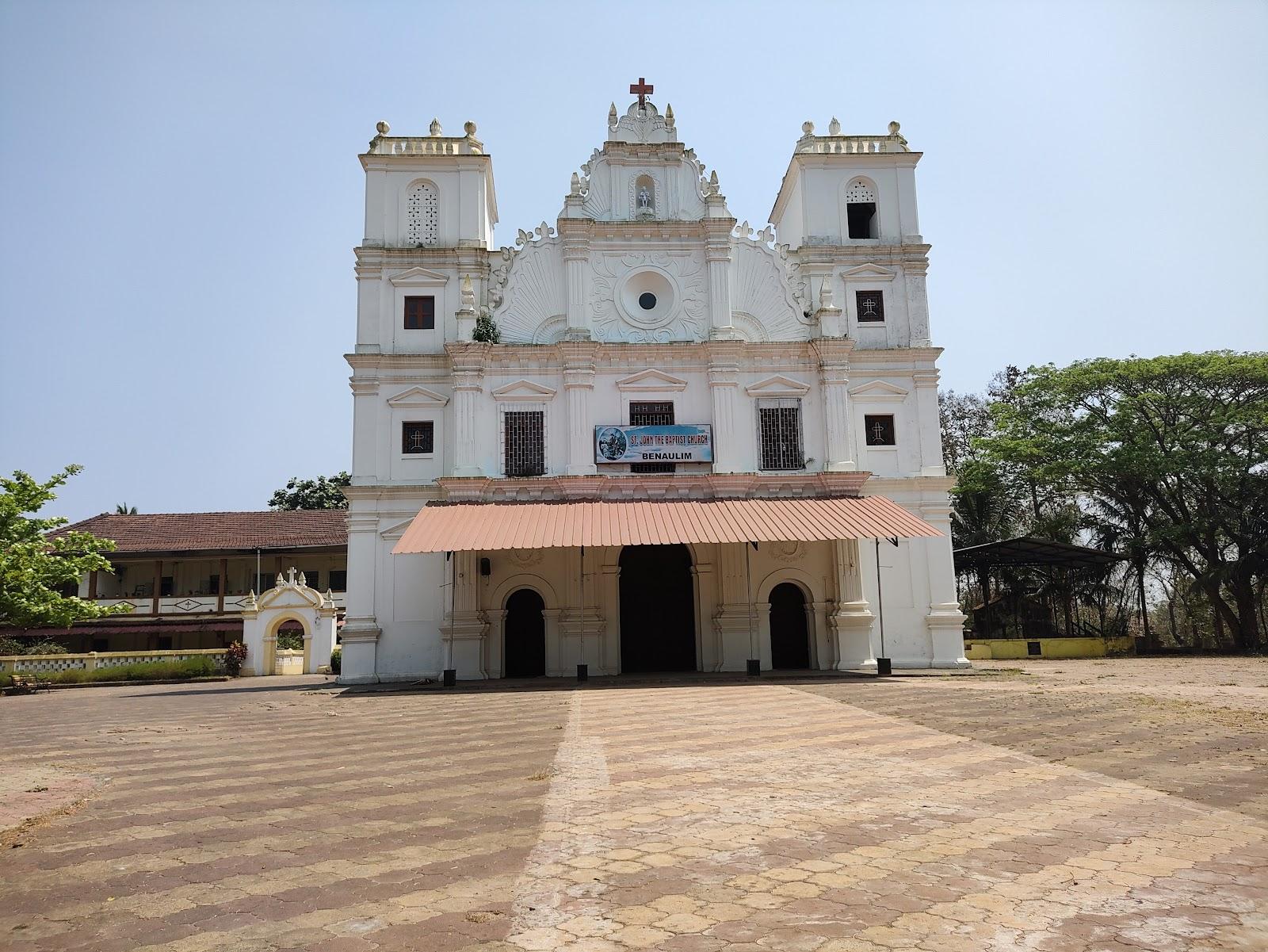
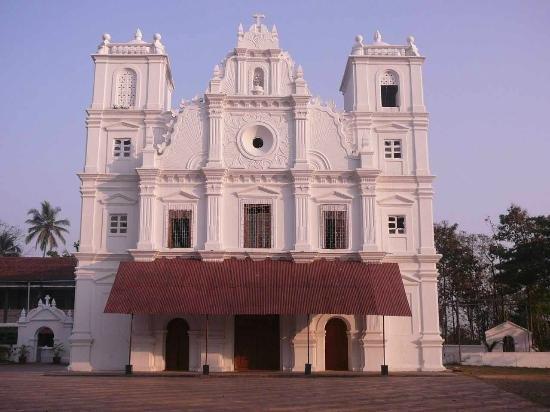
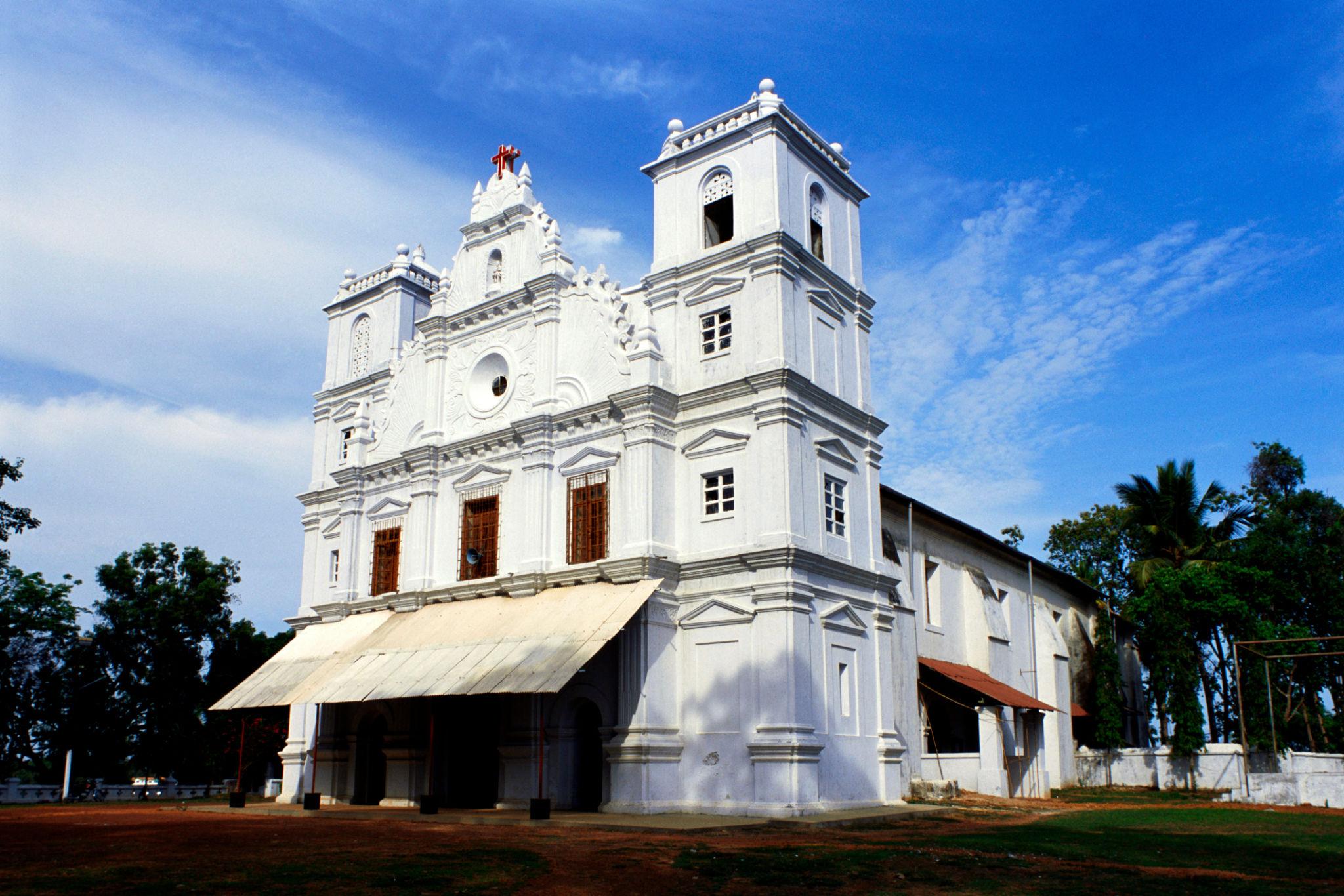
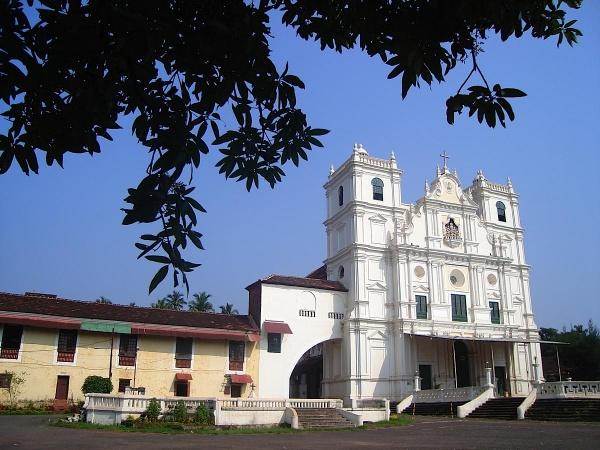
The church is famously known for its striking white facade, a characteristic feature of Goan Portuguese architecture, which gleams brilliantly under the tropical sun. It is strategically located on a slight elevation, providing a commanding view of the surrounding lush greenery and traditional Goan houses. As a professional travel writer who has spent years exploring the hidden corners of the Konkan coast, I find that St. John the Baptist Church encapsulates the "Susegad" spirit of Goa—a sense of relaxed contentment and spiritual peace.
Visitors to this site are often struck by the immediate transition from the vibrant village life to the quiet, hallowed atmosphere of the church grounds. Whether you are interested in historical narratives, religious devotion, or the intricate details of Baroque and Rococo design, this church offers a multi-layered experience. It serves as the primary parish church for the people of Benaulim and is a focal point for the famous
Sao Joao festival, which is celebrated with unparalleled fervor in this specific village.
History & Religious Significance
The historical narrative of St. John the Baptist Church is as compelling as its architecture. The origins of the church date back to the late 16th century, a period when the Portuguese were consolidating their influence in the "Old Conquests" of Goa. The original church was established by the Jesuits in
1581. However, the structure we see today is not the first iteration. The initial building was located closer to the shore, but due to various environmental factors and the need for a more central location for the growing parish, it was moved to its current site on the hillock in
1596.
One of the most significant historical milestones for this church is its association with
St. Joseph Vaz. Born in Benaulim in 1651, Joseph Vaz was a dynamic priest who later became known as the "Apostle of Ceylon" (modern-day Sri Lanka). He was baptized in this very church, and the baptismal font used for him remains one of the most revered relics within the building. For the local Catholic community, the church is a site of immense pride, as it is the spiritual birthplace of a saint who played a pivotal role in the survival of the Catholic Church in Sri Lanka during the Dutch persecution.
Throughout the centuries, the church has undergone several renovations and additions. The most notable reconstruction occurred in the 18th century, which introduced the more ornate decorative elements that define its current look. In 1992, the church underwent a significant restoration to preserve its structural integrity while maintaining its historical aesthetic. The history of the church is intertwined with the history of the Benaulim community, serving as a sanctuary during times of conflict and a hall of celebration during times of peace. It remains a symbol of the successful synthesis of European religious traditions and local Goan sensibilities.
Architecture of St. John the Baptist Church, Benaulim
The architecture of St. John the Baptist Church is a masterclass in the
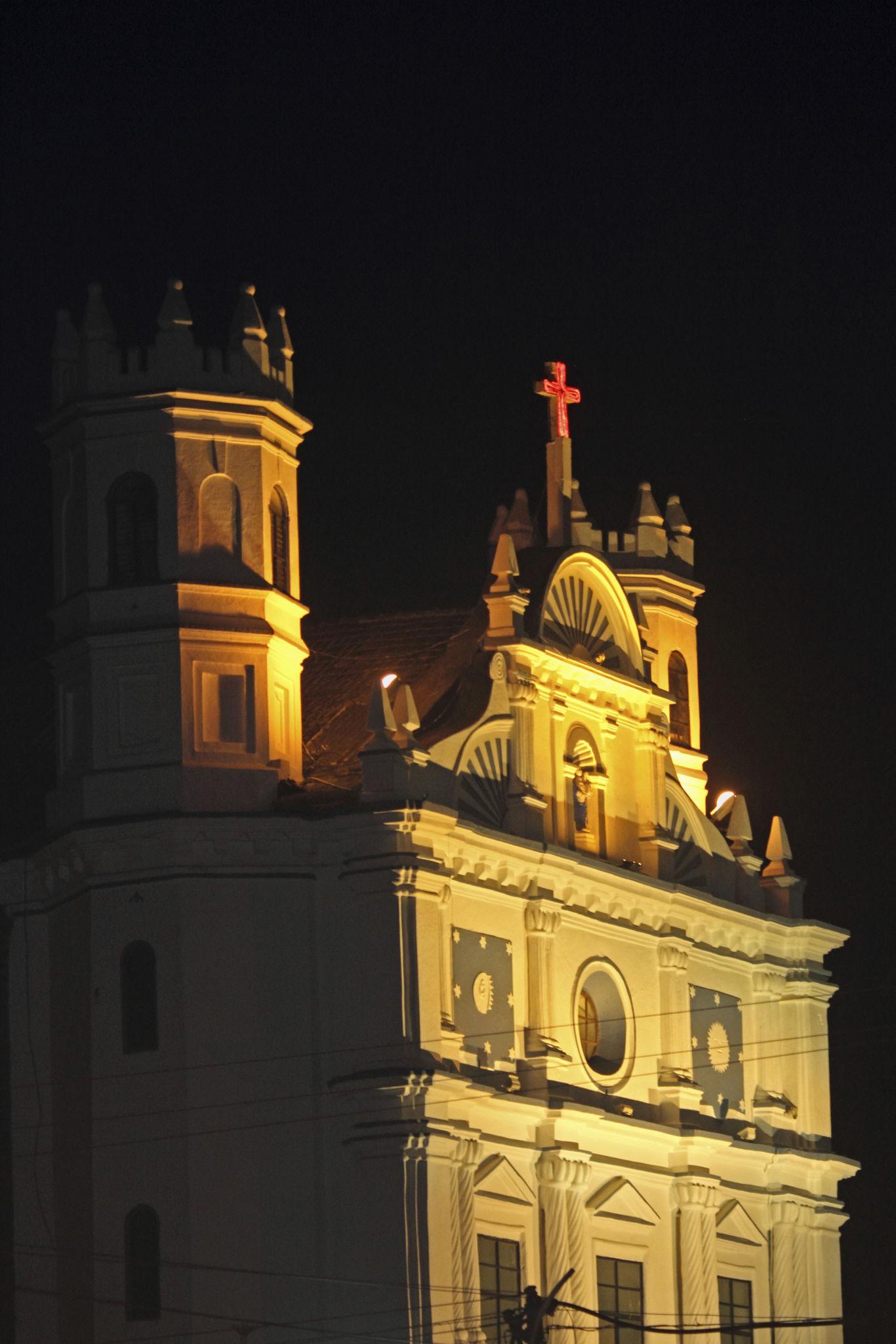
Goan Mannerist style, with strong influences of the Baroque and Rococo periods. As you approach the church, the first thing that captures your attention is the imposing facade. It follows a classic five-story structure, characterized by its clean lines and symmetrical design. The use of white lime plaster is not just for aesthetics; it serves a functional purpose in the tropical climate, reflecting heat and protecting the laterite stone structure beneath.
The exterior features:
- A Grand Pediment: The top of the facade is crowned with a decorative pediment, often featuring a cross or a statue of the patron saint.
- Twin Bell Towers: The church is flanked by two sturdy bell towers that house the bells used to signal mass times, funerals, and festive occasions.
- Niches and Pilasters: The facade is broken up by vertical pilasters and horizontal cornices, creating a sense of rhythm and height.
Moving to the interior, the architectural complexity increases. The most striking feature of the interior is the
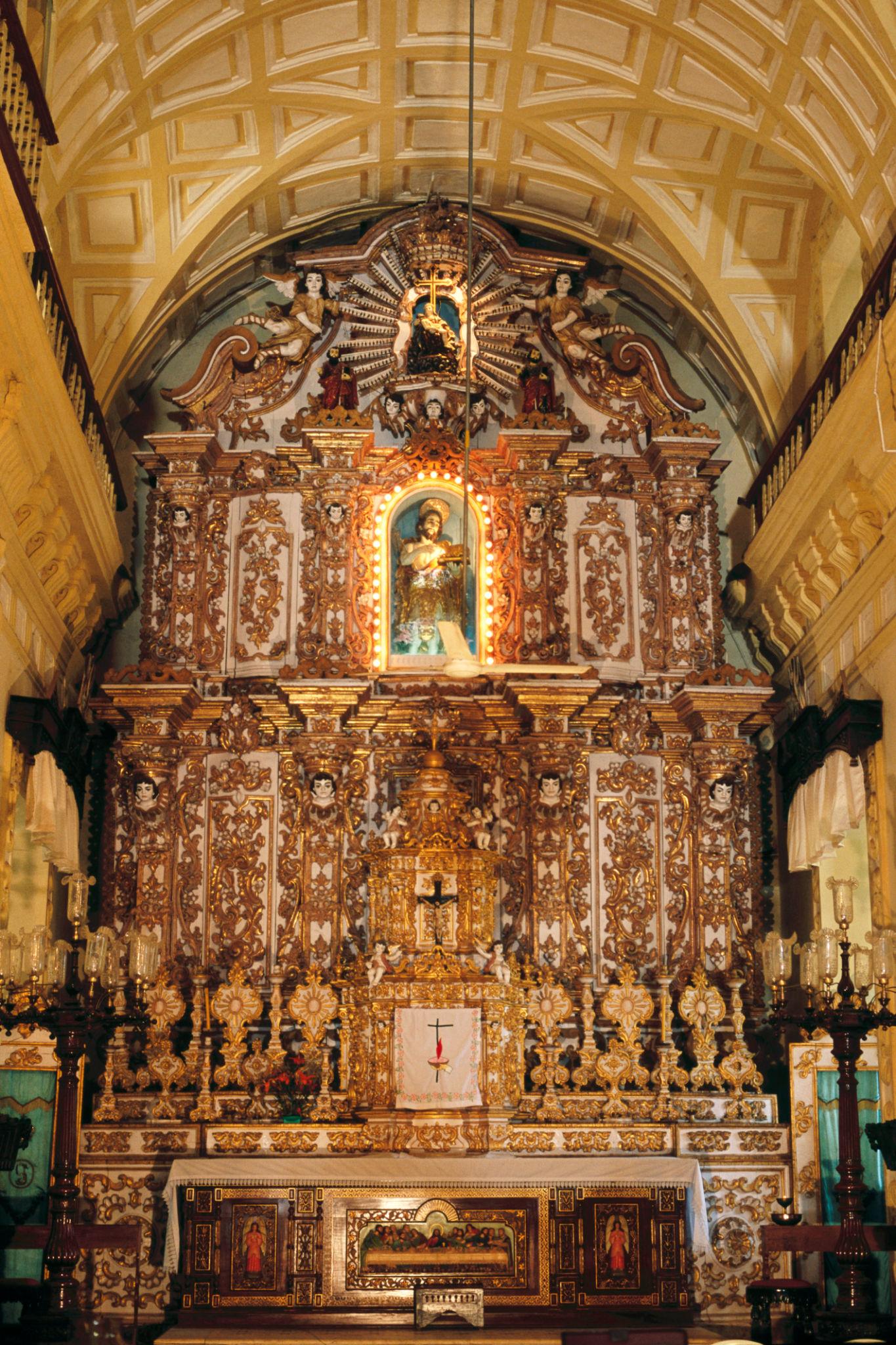
Rococo pulpit, which is considered one of the finest in Goa. It is intricately carved with floral motifs, cherubs, and religious symbols, showcasing the high level of craftsmanship available in Goa during the 18th century. The main altar is a sight to behold, gilded in gold and featuring a large statue of St. John the Baptist. The side altars are equally impressive, dedicated to various saints and the Virgin Mary, each reflecting the ornate "Goan Baroque" style where wood carving reaches its zenith.
The ceiling of the church is vaulted, designed to provide excellent acoustics for the choir and the organ. The windows are high and narrow, allowing filtered light to illuminate the space, creating an atmosphere of divine mystery. The flooring, often made of local stone or patterned tiles, has been worn smooth by the feet of generations of worshippers, adding a tactile sense of history to the building.
Main Deity / Spiritual Importance
The primary deity of the church is
St. John the Baptist, the precursor to Jesus Christ. In the Christian tradition, John the Baptist is a figure of penance, baptism, and the announcement of the Messiah. His role as the patron of this church influences much of the local spiritual life. The central altar prominently features his image, usually depicted with a staff and a lamb, symbolizing his role in pointing toward the "Lamb of God."
However, for many Goans, the spiritual heart of the church lies in the
Baptismal Font of St. Joseph Vaz. This modest stone font is located in a small chapel-like area within the church. Pilgrims from across India and Sri Lanka visit Benaulim specifically to pray at this font, seeking the intercession of St. Joseph Vaz. The saint is admired for his humility, his missionary zeal, and his ability to work across cultural and linguistic barriers.
The spiritual importance of the church extends to its role as a "Mother Church" for the surrounding hamlets. It is the site where the most important sacraments of life—baptism, marriage, and last rites—are performed for the local population. The sense of community is palpable here; the church is not just a museum but a beating heart of faith. The daily masses, held in Konkani and occasionally in English, are well-attended, reflecting the deep-seated devotion of the Benaulim villagers.
Festivals & Celebrations
If you want to see St. John the Baptist Church in its full glory, you must visit during its festivals. The most significant celebration is the
Feast of Sao Joao (St. John the Baptist), held annually on
June 24th. While Sao Joao is celebrated across Goa, the festivities in Benaulim are particularly traditional and vibrant.
Key elements of the Sao Joao festival include:
- Jumping into Wells: Symbolizing the baptism of Jesus by John in the River Jordan, and the "leap of joy" John made in his mother Elizabeth's womb, local men and youth jump into village wells, ponds, and streams.
- Kopels: Participants wear beautiful, handmade crowns called 'kopels,' made from fresh flowers, leaves, and fruits.
- Traditional Music: Groups of villagers move from house to house playing the ghumot (a traditional Goan percussion instrument) and singing "Sao Joao, Sao Joao, Viva Sao Joao."
- Feasting: Special Goan delicacies are prepared, including patoleo (sweet rice cakes steamed in turmeric leaves) and seasonal fruits like jackfruit and mangoes.
In addition to Sao Joao, the church celebrates the
Feast of St. Joseph Vaz in January. This is a more somber and liturgical celebration, focusing on novenas (nine days of prayer) and a grand feast mass. The church is also beautifully decorated during
Christmas and
Holy Week, with elaborate cribs and traditional processions that draw people from all over South Goa.
Best Time to Visit
Choosing the best time to visit St. John the Baptist Church depends on what you wish to experience.
1. For the Festival Experience (June):
If you want to witness the cultural vibrancy of Goa, visit on June 24th for Sao Joao. Be prepared for the monsoon rains, which add a magical, lush green backdrop to the festivities. The atmosphere is electric, though it can be quite wet and humid.
2. For the Best Weather (November to February):
This is the peak tourist season in Goa. The weather is pleasant, with cool breezes and clear blue skies. This is the ideal time for photography and for exploring the church and the surrounding village of Benaulim without the heat of the summer or the dampness of the monsoon.
3. For Spiritual Pilgrimage (January):
Visiting in mid-January allows you to participate in the feast of St. Joseph Vaz. The weather is excellent, and you can witness the deep religious devotion of the local community.
4. For Peace and Quiet (June to September):
Outside of the specific feast day, the monsoon season is a time of great tranquility in South Goa. The church grounds are quiet, and the surrounding fields are a brilliant emerald green. It is a perfect time for those seeking solitude and reflection.
Timings, Entry Fee & Dress Code
To ensure a respectful and smooth visit, it is important to be aware of the practicalities.
- Timings: The church is generally open to visitors from 7:00 AM to 12:30 PM and again from 4:00 PM to 8:00 PM. However, these times can vary on Sundays or during special feast days when multiple masses are held.
- Mass Timings: On weekdays, masses are usually held at 6:30 AM and 7:15 AM. On Sundays, there are multiple masses, typically at 6:00 AM, 7:15 AM, 8:45 AM, and 10:00 AM. It is best to visit outside of mass times if you wish to explore the architecture and altars.
- Entry Fee: There is no entry fee to visit St. John the Baptist Church. It is a place of worship open to all, regardless of religion. Donations for the upkeep of the church are always welcome but never mandatory.
- Dress Code: As this is a sacred site, modest attire is strictly required. Both men and women should ensure their shoulders and knees are covered. Avoid wearing swimwear, sleeveless tops, or very short skirts/shorts. Removing hats before entering the sanctuary is a sign of respect.
How to Reach St. John the Baptist Church, Benaulim
Benaulim is well-connected to the rest of Goa, making the church easily accessible.
- By Air: The nearest airport is Dabolim Airport (GOI), located approximately 25-30 kilometers away. You can hire a pre-paid taxi from the airport, which will take about 45 minutes to an hour to reach Benaulim.
- By Rail: The closest major railway station is Madgaon Junction (MAO), which is just 5-6 kilometers away. From the station, you can take an auto-rickshaw, a taxi, or a local bus heading towards Benaulim.
- By Road: Benaulim is well-connected by road. If you are staying in Panjim (the capital), it is about 35 kilometers away. Regular buses ply between Margao (Madgaon) and Benaulim. For more flexibility, many tourists rent scooters or cars.
- Local Transport: Once in Benaulim, the church is centrally located. If you are staying near Benaulim Beach, it is a pleasant 15-20 minute walk or a 5-minute rickshaw ride to the church.
Things to Do
While the church itself is the main attraction, there are several things you can do to enrich your visit:
- Attend a Konkani Mass: Even if you don't understand the language, the rhythmic chanting and the community singing are a beautiful spiritual experience.
- Visit the Baptismal Font: Take a moment of silence at the font where St. Joseph Vaz was baptized. It is a place of great peace.
- Explore the Cemetery: Located adjacent to the church, the cemetery features interesting local tombstone art and offers a glimpse into the genealogy of the village.
- Village Walk: After visiting the church, walk through the lanes of Benaulim. Look for the traditional Indo-Portuguese houses with their characteristic balconies and oyster-shell windows.
- Photography: Capture the stunning exterior architecture. The golden hour (just before sunset) is particularly beautiful as the white walls reflect the warm evening light.
- Meditation: The quiet corners of the church courtyard are perfect for meditation or reading a book on Goan history.
Nearby Attractions
Benaulim is located in a prime spot in South Goa, surrounded by several other points of interest:
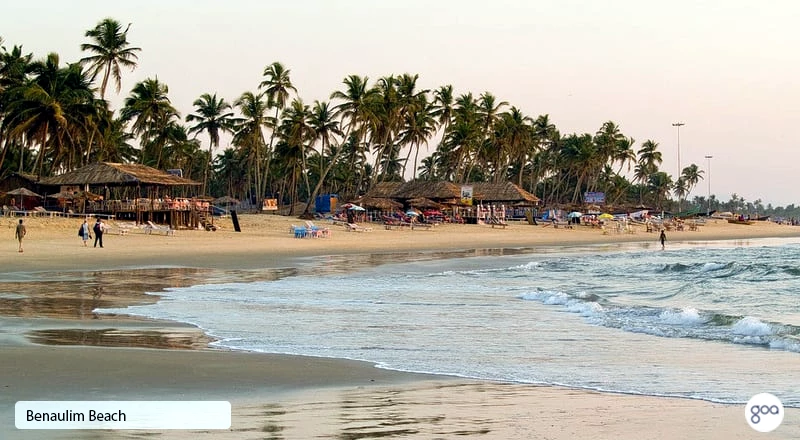
- Benaulim Beach: Just a couple of kilometers away, this is one of the cleanest and most peaceful beaches in South Goa. It’s perfect for a sunset stroll or a seafood dinner at a beach shack.
- Goa Chitra Museum: Located in Benaulim itself, this is an ethnographic museum that showcases Goa's traditional farming implements and ancient lifestyle artifacts. It is a must-visit for history buffs.
- Colva Beach: A short drive north of Benaulim, Colva is more commercial and bustling, known for its white sand and vibrant nightlife.
- Our Lady of Merces Church: Located in nearby Colva, this church is famous for the 'Menino Jesus' (Infant Jesus) statue and its annual Fama festival.
- Margao Market: For an authentic local shopping experience, head to the Margao Municipal Market to buy spices, cashews, and traditional Goan textiles.
- Trinity Beach: A quieter extension of Benaulim beach, ideal for those who want to avoid even the modest crowds of Benaulim.
Photography & Visitor Guidelines
To maintain the sanctity of the church and ensure a pleasant experience for everyone, please follow these guidelines:
- Interior Photography: Photography is generally prohibited inside the church during mass. Even outside of mass times, it is polite to ask the sacristan or a local official for permission before taking photos of the altars. Flash photography is usually discouraged as it can damage old paintings and gilding.
- Silence: Maintain a low voice at all times. The church is a place of prayer for many locals throughout the day.
- Mobile Phones: Switch your phone to silent mode or turn it off before entering the church.
- Respect the Rituals: If a mass or a wedding is in progress, do not walk around the altar area or take photos. Stand or sit quietly at the back if you wish to observe.
- Donations: If you wish to light a candle or make an offering, use the designated boxes. Avoid giving money to unauthorized individuals outside the church.
Where to Eat Nearby
Benaulim is a culinary delight, offering everything from high-end dining to rustic beach shacks.
- The Southern Deck: Located on Benaulim Beach, it offers great views and a mix of Goan and continental cuisine.
- Joecons Garden Restaurant: A popular spot for families, known for its extensive menu and pleasant outdoor seating.
- Cavala: While the main branch is in North Goa, the Benaulim area has several similar boutique eateries that serve excellent Fish Curry Rice and Pork Vindaloo.
- Local Bakeries: Don't miss the small local bakeries (poderes) in the morning for fresh pao (bread) and bebinca (a multi-layered Goan dessert).
- Pedro's: A classic beach shack where you can enjoy fresh catch-of-the-day seafood with your feet in the sand.
Accommodation Nearby
Whether you are a luxury traveler or a backpacker, Benaulim has plenty of options:
- Luxury: Taj Exotica Resort & Spa is one of the most premium properties in the area, offering world-class amenities and private beach access.
- Mid-Range: Joecons Beach Resort and Beira Mar Alfran Resorts offer comfortable rooms and good service at a reasonable price point.
- Boutique/Guesthouses: There are numerous charming guesthouses like Rosary's Guest House or Lotus Echo Beach Resort that provide a more personal, "home-away-from-home" feel.
- Homestays: For a truly local experience, look for homestays in traditional Goan houses through popular booking platforms.
Travel Tips
As a seasoned traveler in Goa, here are some insider tips for your visit to St. John the Baptist Church:
- Hydration: Goa can be very humid. Always carry a bottle of water, especially if you are walking to the church from the beach.
- Local Language: While English and Hindi are widely understood, a simple "Dev barem koru" (Thank you/May God do good to you) in Konkani will bring a smile to the locals' faces.
- Transport: Renting a scooter is the most cost-effective way to explore South Goa. However, ensure you have a valid license and always wear a helmet.
- Cash: While many places now accept digital payments, small shops and local transport often require cash. Keep some small change handy.
- Sun Protection: The Goan sun is strong. Wear sunscreen, a hat, and sunglasses during the day.
- Respect the Afternoon Siesta: Many small shops in the village close between 1:00 PM and 4:00 PM for the traditional afternoon nap. Plan your shopping and errands accordingly.
Conclusion
St. John the Baptist Church in Benaulim is more than just a stop on a tourist itinerary; it is a profound expression of Goan identity. It represents a history of resilience, a masterpiece of architectural fusion, and a sanctuary of enduring faith. Whether you are standing before the magnificent Rococo pulpit, reflecting at the baptismal font of St. Joseph Vaz, or joining the joyous chaos of the Sao Joao festival, the church offers a connection to something deeper than the superficial beauty of a holiday destination.
In a world that often moves too fast, a visit to this church invites you to slow down, to appreciate the intricate carvings of a bygone era, and to respect the quiet devotion of a community that has called this village home for centuries. As you leave the church grounds and head back towards the golden sands of Benaulim Beach, you carry with you a piece of Goa’s soul—a blend of the sacred and the everyday that makes this "Emerald of the East" truly unforgettable. Make sure to include this spiritual gem in your South Goa travels; it is an experience that will resonate with you long after the Goan dust has settled on your shoes.