Overview of Our Lady Of Piety
The Our Lady of Piety Church, known locally in Portuguese as Igreja de Nossa Senhora da Piedade, is one of the most serene and historically significant religious landmarks in Goa. Located atop the scenic hill of Piedade on the enchanting Divar Island, this church offers a breathtaking panoramic view of the Mandovi River, the lush mangroves, and the sprawling heritage site of Old Goa. Unlike the bustling coastal belt of North Goa, Divar Island remains a "lost world," and the church serves as its spiritual heart. For a traveler or a spiritual seeker, visiting Our Lady of Piety is not just about witnessing religious architecture; it is about experiencing the profound stillness of an island that has preserved its culture through centuries of colonial and pre-colonial history.
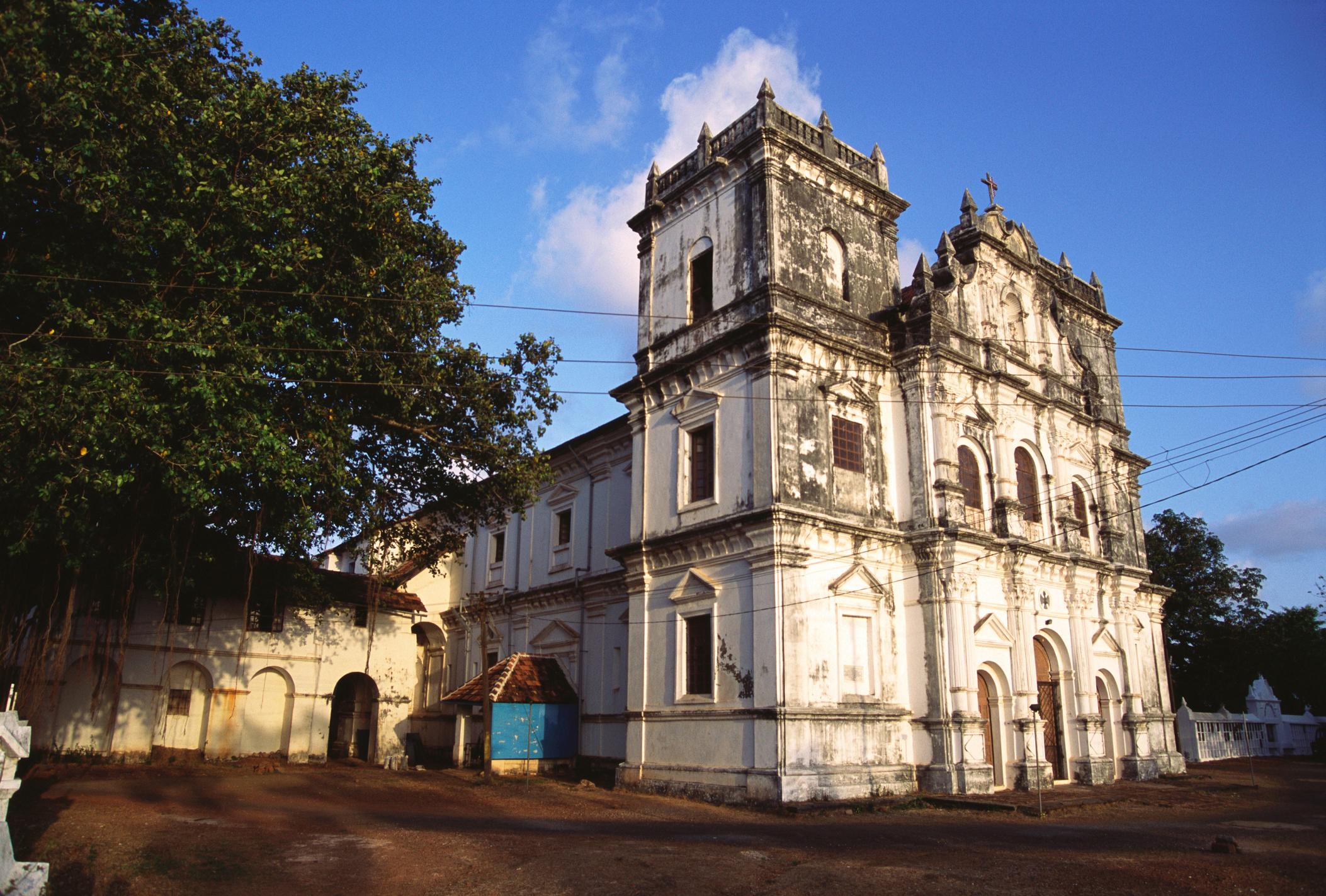
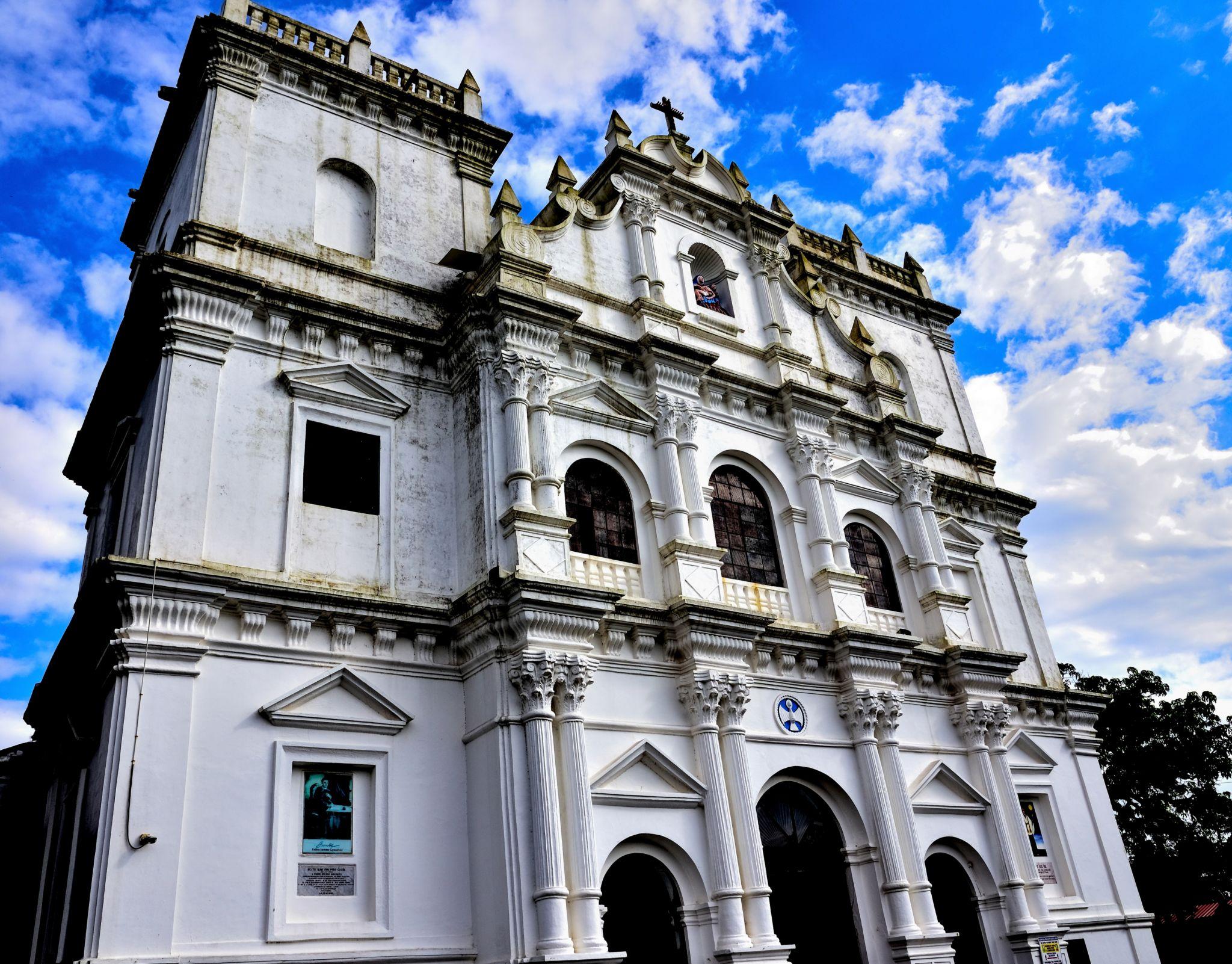
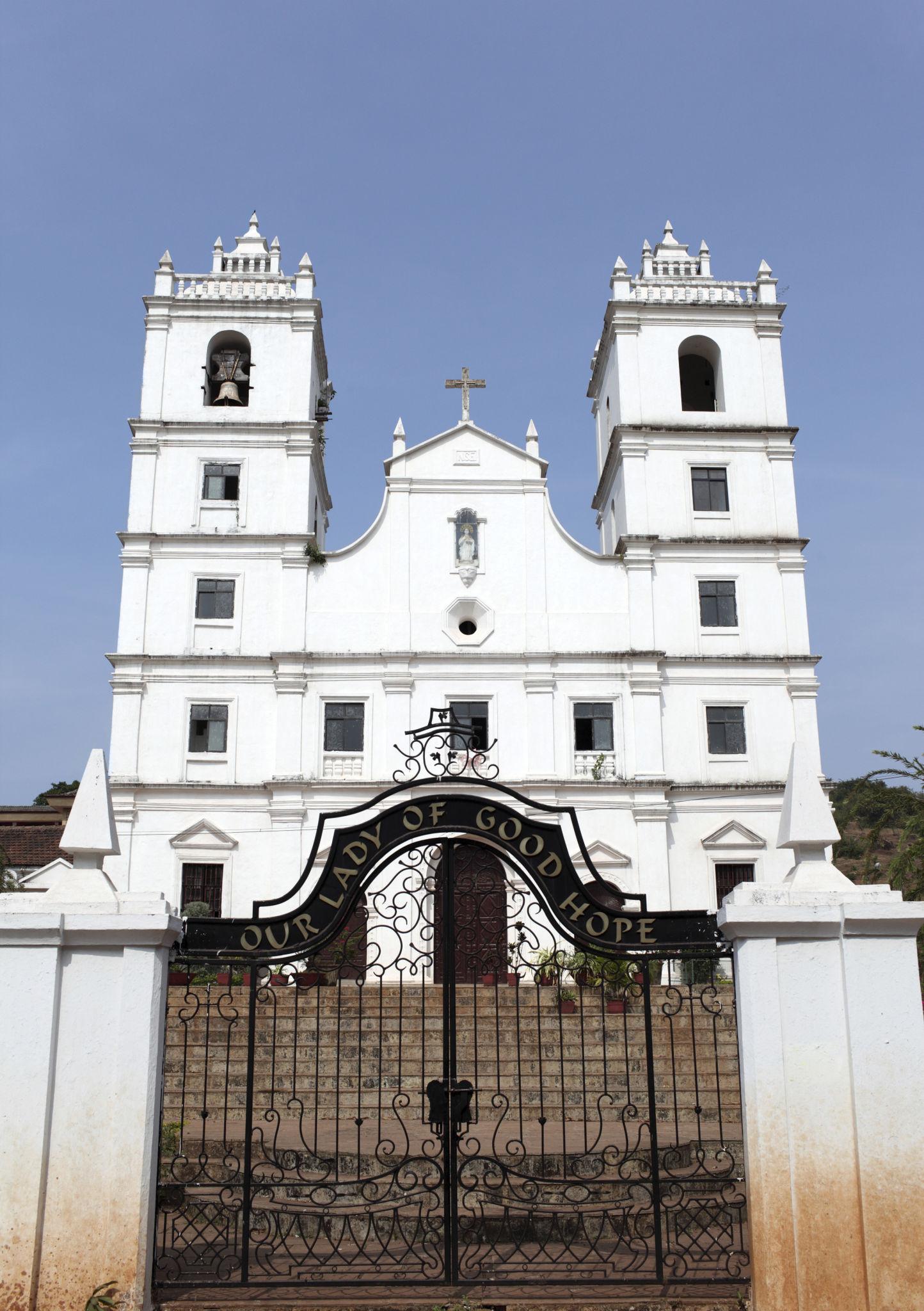
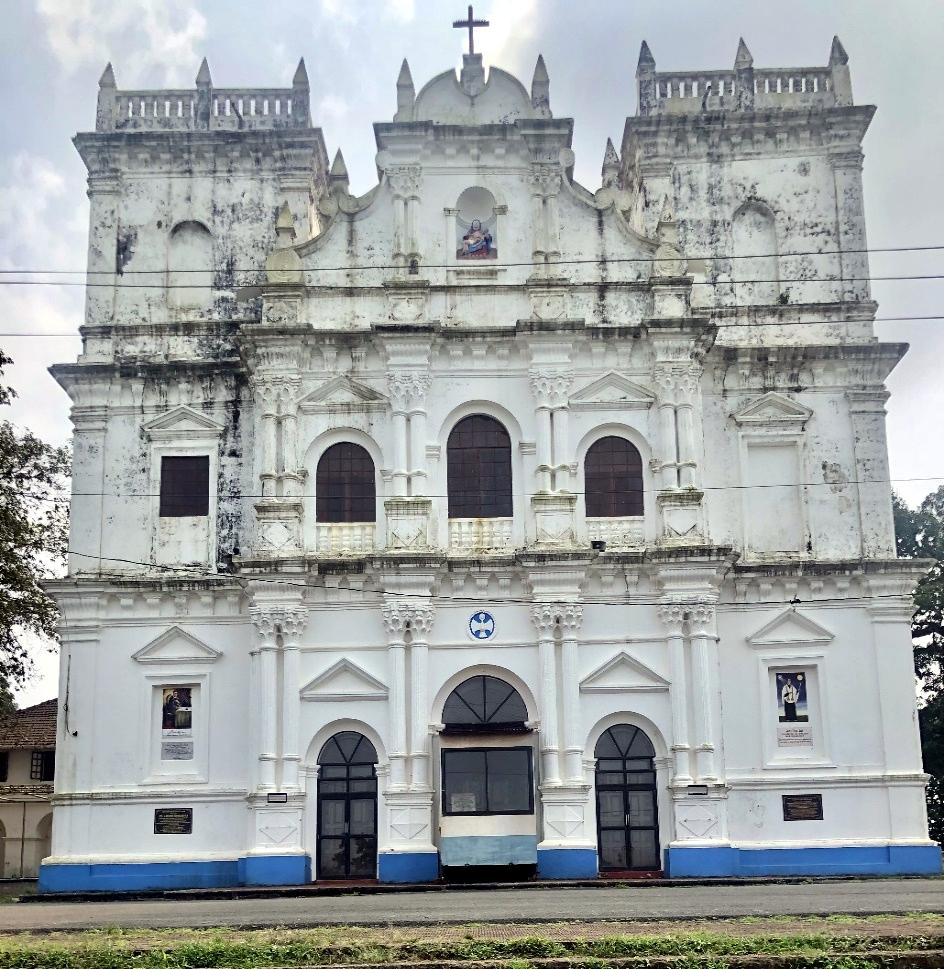
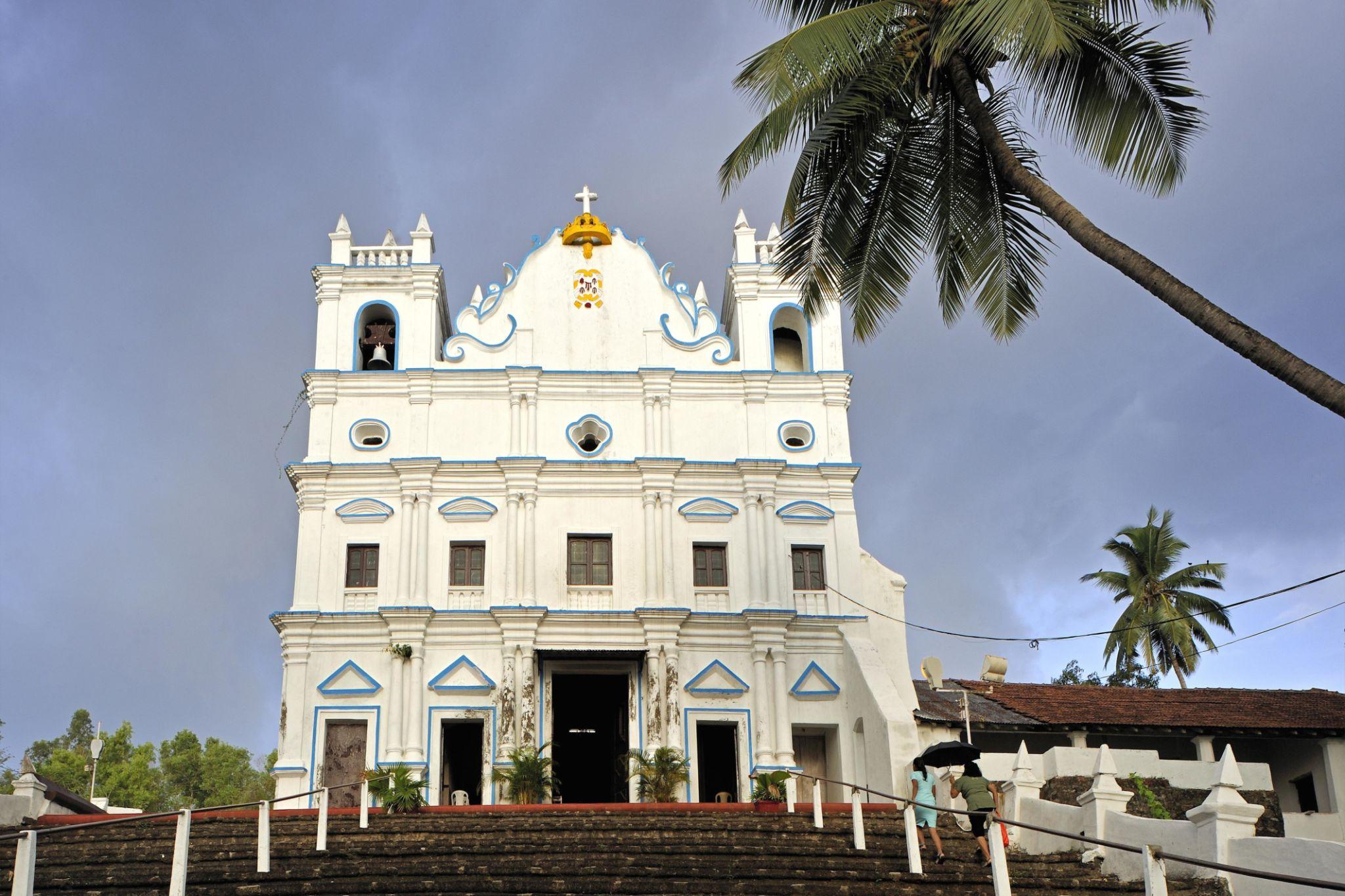
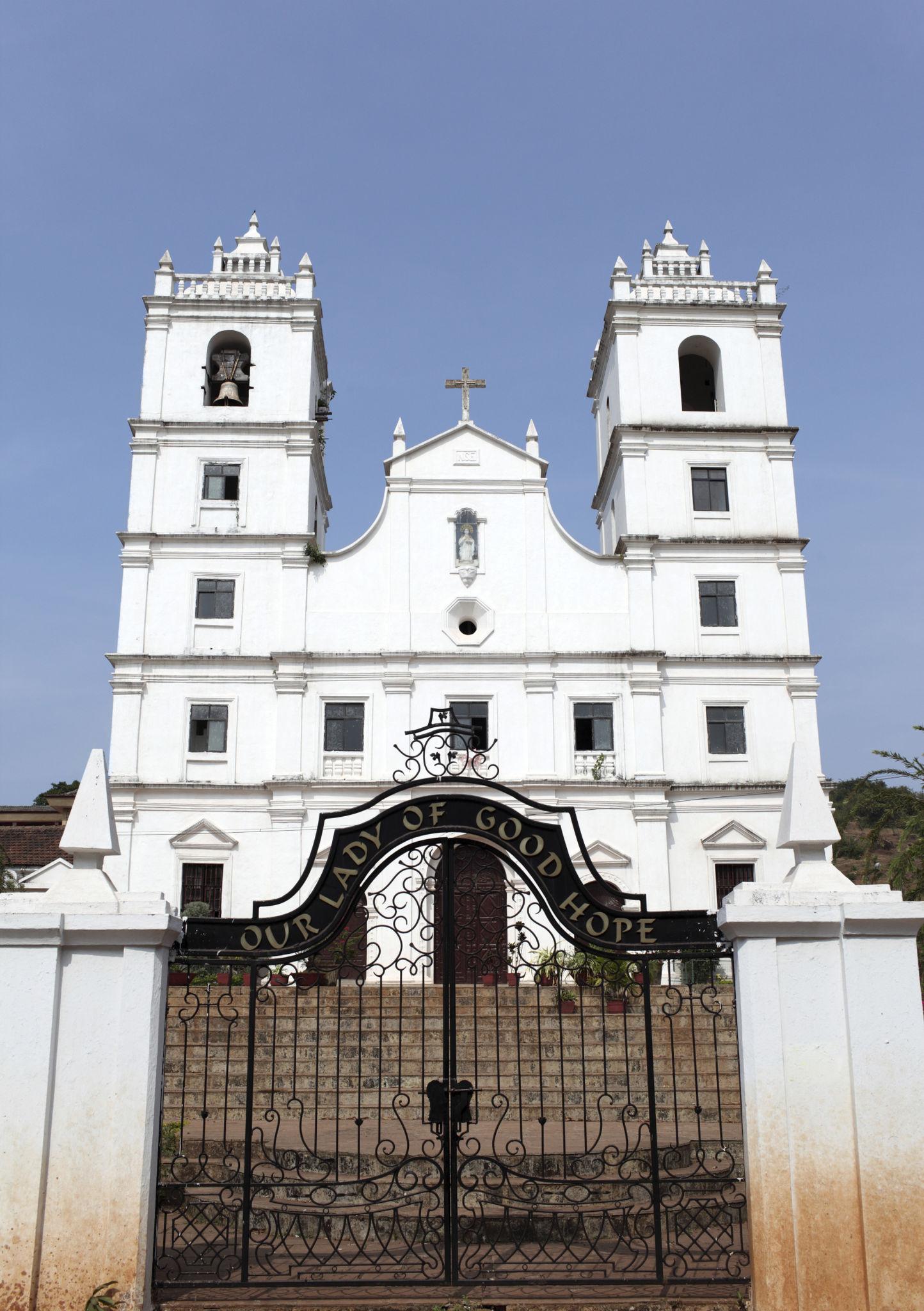
The church is a testament to the seamless blend of European influence and local Goan craftsmanship. As you ascend the winding roads of the hill, the white-washed facade of the church emerges against the backdrop of the clear blue Goan sky. It stands as a sentinel over the island, symbolizing the resilience and faith of the local community. The atmosphere here is one of deep tranquility, far removed from the commercialized tourist circuits. Whether you are interested in Goan Catholic history, Baroque architecture, or simply seeking a moment of quiet reflection, Our Lady of Piety provides a unique sanctuary that captures the essence of "Old Goa" in its most authentic form.
History & Religious Significance
The history of Our Lady of Piety is deeply intertwined with the complex religious shifts of the 16th and 17th centuries in Goa. Long before the Portuguese arrived, Divar Island was a major Hindu pilgrimage site, home to several magnificent temples, including the famous Saptakoteshwar Temple. During the Portuguese conquest and the subsequent religious conversions, many of these temples were destroyed or relocated. The site where the church now stands is believed to have been the location of an ancient Hindu shrine. The transition from a Hindu sacred space to a Christian one reflects the broader historical narrative of the Velhas Conquistas (Old Conquests).
The current structure of the church was built in the early 18th century, specifically around 1700 to 1724, replacing an earlier, smaller chapel. It was designed by a local Goan priest, which is a significant detail as it highlights the involvement of the native clergy in shaping the architectural landscape of the time. The church was dedicated to Our Lady of Piety (Mater Dolorosa), representing the Virgin Mary mourning over the body of Jesus. This dedication holds deep emotional significance for the islanders, who have historically turned to the "Piedade" for comfort during times of hardship, epidemics, and seasonal changes.
One of the most fascinating historical artifacts associated with the site is the ancient bell located in the belfry. Local legends suggest that the bell was originally part of a Hindu temple and was later incorporated into the church. Its distinct resonance is said to be heard across the river in Old Goa. The religious significance of the church is also tied to the Bonderam Festival, which has its roots in the land disputes between different wards of the island during the Portuguese era. Today, the church serves as the starting point for various religious processions that bind the community together, making it a living monument of Goan heritage.
Architecture of Our Lady Of Piety
The architecture of Our Lady of Piety is a stellar example of the Mannerist style, which was a transition from the High Renaissance to the more ornate Baroque style. The facade is characterized by its clean lines, balanced proportions, and a sense of understated grandeur. Unlike the more flamboyant churches found in South Goa, the Piedade church exhibits a certain sobriety that is typical of the early 18th-century Goan ecclesiastical designs. The exterior is finished in the traditional Goan white lime wash, which glows brilliantly under the afternoon sun.
Upon entering the church, visitors are greeted by a spacious nave that leads to a magnificent main altar. The interior is a masterclass in Goan Baroque artistry. The altars are intricately carved from wood and finished with gold leaf, a technique known as talha dourada. The main reredos (altar screen) is dedicated to Our Lady of Piety and features a poignant depiction of the Pietà. The ceiling of the sanctuary is often adorned with floral motifs and geometric patterns that reflect the influence of local artisans who blended their traditional skills with European designs.
A unique architectural feature of this church is the cemetery located adjacent to it. In many Goan churches, the cemetery is a separate entity, but here, it forms a cohesive part of the hilltop complex. The tombs often feature beautiful marble work and Portuguese inscriptions, offering a genealogical map of the island’s prominent families. Additionally, the church’s windows are fitted with mother-of-pearl shells (nacre) instead of glass. This is a classic Goan architectural element that allows a soft, diffused light to filter into the prayer hall, creating an ethereal atmosphere that enhances the spiritual experience. The thick laterite stone walls ensure that the interior remains cool even during the peak of the Goan summer.
Main Deity / Spiritual Importance
The primary deity of the church is Our Lady of Piety (Nossa Senhora da Piedade). The spiritual importance of the Pietà—the image of Mary holding the dead body of Christ—is profound in the Catholic tradition. It represents the ultimate sacrifice, maternal love, and the hope of resurrection. For the people of Divar, Our Lady of Piety is not just a distant religious figure but a protective mother. Devotees often visit the church to offer "vows" (promessas) in exchange for blessings related to health, family, and the safe return of those working abroad (a common theme in Goan households).
The statue of Our Lady of Piety is located in the central niche of the main altar. It is a highly emotive piece of sculpture, carved with great detail to show the sorrow on Mary's face. Spiritual seekers often find themselves drawn to the side altars as well, which are dedicated to various saints including St. Anthony and St. Sebastian. The spiritual vibe of the church is amplified by its location. Being on a hill, it is physically closer to the heavens, and the silence of the island allows for a deeper level of meditation and prayer. Many locals believe that the "Air of Piedade" has healing properties, and the church remains a popular site for those seeking mental peace and spiritual rejuvenation.
Festivals & Celebrations
The Our Lady of Piety Church is the epicenter of the most famous festival on Divar Island: Bonderam. Held on the fourth Saturday of August, Bonderam is a "Festival of Flags." Its origins date back to the Portuguese era when the island was divided into wards that frequently quarreled over land boundaries. The Portuguese authorities introduced flags to demarcate the borders, which the locals would occasionally knock down as a form of protest. Today, this has evolved into a vibrant carnival. The festival begins with a solemn mass at the church, followed by a colorful parade featuring floats, brass bands, and traditional Goan dances. It is a time when the entire island comes alive with music and joy.
Another significant celebration is the Feast of Our Lady of Piety, celebrated in September. This is a more religious and community-focused event. The "Novenas" (nine days of prayer) precede the feast day, during which the church is decorated with fresh flowers and silk drapes. On the day of the feast, a grand procession carries the statue of the Virgin Mary around the church grounds, accompanied by a local band playing traditional hymns. After the religious ceremonies, the church square hosts a "fair" where local snacks like gram, khaje, and traditional Goan sweets are sold. These festivals are essential for understanding the Goan ethos—a blend of deep religious devotion and a zest for life.
Best Time to Visit
To experience Our Lady of Piety in its full glory, the best time to visit is between November and February. During these winter months, the weather in Goa is pleasant, with cool breezes and clear skies, making the uphill walk to the church enjoyable. The lush greenery of Divar Island is at its peak right after the monsoon, providing a stunning contrast to the white church.
If you wish to witness the cultural vibrancy of the island, plan your visit for late August to coincide with the Bonderam festival. However, be prepared for heavy rains, as this is the peak of the monsoon season. For those seeking a quiet, spiritual experience, visiting during the Lent season (usually February or March) is recommended. The church holds special services during this time, and the atmosphere is one of solemnity and reflection. Early mornings (around 7:30 AM) are particularly magical, as the mist often hangs over the Mandovi River, and the only sound you hear is the chirping of birds and the distant tolling of the church bell.
Timings, Entry Fee & Dress Code
- Timings: The church is generally open from 7:00 AM to 6:30 PM daily. However, it may close for a few hours in the afternoon (between 1:00 PM and 3:30 PM). It is best to visit during the morning mass or in the late afternoon.
- Entry Fee: There is no entry fee to visit Our Lady of Piety. It is a place of worship and is open to people of all faiths.
- Dress Code: As this is a sacred religious site, visitors are expected to dress modestly. Sleeveless tops, short skirts, and hot pants are discouraged. It is respectful to cover your shoulders and knees. Hats and sunglasses should be removed before entering the church.
- Mass Timings: On weekdays, mass is usually held at 7:00 AM. On Sundays, there are multiple masses, typically at 7:00 AM and 8:30 AM in Konkani. Timings can vary during feast days and special liturgical seasons.
How to Reach Our Lady Of Piety
Reaching Our Lady of Piety is an adventure in itself, as it involves a ferry ride, which is a quintessential Goan experience. Divar Island is not connected to the mainland by bridges, preserving its secluded charm.
- Via Ribandar Ferry: This is the most popular route. From Panjim, drive towards Ribandar (about 10 minutes). Take the ferry from the Ribandar ferry ramp to the Divar ramp. The ferry is free for pedestrians and two-wheelers, while cars are charged a nominal fee. From the Divar ferry point, the church is about 3-4 km uphill.
- Via Old Goa Ferry: If you are visiting the Basilica of Bom Jesus, you can take a ferry from the Old Goa ferry ramp (near the Viceroy’s Arch) to the southern side of Divar Island. This route offers a beautiful view of the ruins of Old Goa from the water.
- Via Narve Ferry: This ferry connects the northern tip of Divar to the village of Narve in Bicholim. This is a less-used route but very scenic.
- Local Transport: Once you land on the island, you can use your own vehicle or hire a local pilot (motorcycle taxi). There are limited public buses on the island, so having your own transport (scooter or car) is highly recommended to reach the hilltop church comfortably.
Things to Do
While the church is the main attraction, there are several things you can do to make your visit to Our Lady of Piety more memorable:
- Enjoy the Panoramic View: Spend some time on the church patio. The view of the winding Mandovi River and the white domes of Old Goa's churches in the distance is unparalleled. It is one of the best photography spots in Central Goa.
- Explore the Cemetery: Take a quiet walk through the adjacent cemetery. The historical epitaphs and the peaceful setting offer a unique insight into the island's past.
- Attend a Konkani Mass: Even if you don't understand the language, attending a mass allows you to experience the local community's devotion and hear traditional Goan hymns.
- Visit the Grotto: There is a small, beautifully maintained grotto dedicated to Our Lady of Lourdes on the church grounds. It is a perfect spot for private prayer.
- Birdwatching: The road leading up to the church is flanked by dense vegetation. If you visit early in the morning, you can spot several species of endemic birds, including the Malabar Whistling Thrush and various kingfishers.
- Village Walk: After visiting the church, walk down into the village of Piedade. Admire the colorful Portuguese-style villas with their intricate railings and traditional balcãos (porches).
Nearby Attractions
Divar Island and its surroundings are rich in historical and natural beauty. Here are some nearby attractions to include in your itinerary:
- Saptakoteshwar Temple Ruins: Located close to the church, these ruins mark the original site of the Saptakoteshwar Temple before it was moved to Narve. It is a site of great archaeological interest.
- Old Goa (Velha Goa): Just a ferry ride away, you can visit the Basilica of Bom Jesus, the Se Cathedral, and the Church of St. Francis of Assisi. This UNESCO World Heritage site is a must-visit for any history buff.
- Dr. Salim Ali Bird Sanctuary: Located in Chorao Island (accessible via another ferry from Ribandar), this is a haven for nature lovers and birdwatchers.
- Vanxim Island: A smaller, even more secluded island near Divar, perfect for those who want to see a Goan village frozen in time.
- Kadam Settlement: Explore the traditional wards of Divar, like Sao Mathias, which has its own beautiful church and a very distinct local culture.
Photography & Visitor Guidelines
Photography is a major draw at Our Lady of Piety due to its stunning location and architecture. However, visitors must adhere to certain guidelines to maintain the sanctity of the site:
- Inside the Church: Photography is generally prohibited inside the church during mass or prayer services. Even when mass is not in session, avoid using flash as it can damage the ancient gilded altars and distract those in prayer.
- Exteriors: You are free to take photos of the exterior, the belfry, and the views from the hill. The golden hour (just before sunset) provides the best lighting for the white facade.
- Drone Photography: If you plan to use a drone, you must obtain prior permission from the parish priest. Drones can be intrusive to the peace of the area.
- Silence: Maintain a low volume when speaking. The church is a place of meditation, and loud noises are considered disrespectful.
- Littering: Divar Island is known for its cleanliness. Please ensure you do not leave any trash behind, especially on the church grounds or the hilltop.
Where to Eat Nearby
Divar Island offers some of the most authentic Goan Catholic cuisine. You won't find many fancy restaurants, but the local eateries are a delight:
- Rock Your Soul: A popular local spot known for its relaxed vibe and delicious Goan fish thalis. It’s a great place to interact with the locals.
- Island Pride: Located near the ferry point, this place serves excellent Pork Sorpotel and Sannas. Their seafood fry is also highly recommended.
- Local Bars (Tavernas): You will find several small tavernas where you can try local Urrack (seasonal) or Cashew Feni. These are often the social hubs of the village.
- Home-stays: Many home-stays on the island offer traditional Goan meals if you book in advance. Don't miss out on trying Bebinca or Dodol for dessert.
Accommodation Nearby
If you wish to stay on the island to fully soak in the atmosphere, there are several charming options:
- Mercure Goa Devaaya Resort: A luxury wellness resort located on the island, offering Ayurveda and Yoga retreats. It is perfect for a peaceful getaway.
- Divar Island Guest House Retreat: A more budget-friendly option that offers a cozy, homely feel with traditional Goan hospitality.
- Heritage Villas: Several old Portuguese mansions have been converted into boutique stays. Staying in one of these allows you to experience the aristocratic Goan lifestyle.
- Panjim Hotels: Since Divar is close to the capital, you can also choose to stay in Panjim or Old Goa and visit the church as a day trip.
Travel Tips
- Carry Cash: Most small shops and eateries on Divar Island do not accept cards, and there are very few ATMs. It is advisable to carry sufficient cash.
- Ferry Schedule: Ferries run roughly every 15-30 minutes from 6:00 AM to midnight. However, they can be less frequent during late hours. Always check the timing for the last ferry if you aren't staying on the island.
- Sun Protection: The hilltop can get quite hot during the day. Carry an umbrella, wear a hat, and use sunscreen.
- Respect Local Customs: Divar is a close-knit community. Be polite to the locals, and if you are visiting during a festival, participate with respect and enthusiasm.
- Rent a Scooter: The best way to explore the winding lanes of Divar and reach the church is on a two-wheeler. It gives you the freedom to stop at scenic viewpoints at your own pace.
Conclusion
The Our Lady of Piety Church is more than just a religious site; it is a symbol of the enduring spirit of Divar Island. It stands at the intersection of history, art, and faith, offering a glimpse into a side of Goa that many tourists never see. The journey to the church—the ferry ride, the climb up the hill, the quiet walk through the village—is as rewarding as the destination itself. Whether you are standing on the hill looking out over the Mandovi River or sitting in the cool, shell-lit nave of the church, you will feel a sense of peace that is rare in today’s fast-paced world. For anyone looking to discover the true soul of Goa, a pilgrimage to Our Lady of Piety is an essential and deeply enriching experience. It is a place where time slows down, and the whispers of the past meet the prayers of the present, creating a spiritual harmony that stays with you long after you have left the island.